
Trucks and tailgating can hardly be separated. Pickup trucks are the perfect outdoor hangout regardless of whether you are at a football game, camping, a music festival, or a road trip destination. Imagine, before the big game, you drive into a parking lot. The trucks begin to queue, the tailgates are lowered, the grills are lit, the music is turned on, and friends are sitting in bed of the trucks. Your pickup is all of a sudden, the focus of the party. However, although tailgating is a good thing to do, it is equally important to do it responsibly and safely. Broken trucks, accidents, and unsafe conditions may be experienced as a result of poor organization of a tailgate setup. To tailgate properly with a truck, these are the best tips to safely tailgate. Top Ways to Safely Tailgate: You Must Know in 2026 1. Choose a Safe and Legal Tailgating Spot You should also ensure you are parked in a safe, designated area before you open the tailgate. Several stadiums, parks, and event centers permit tailgating only out of designated parking areas. Establishing in illegal places can also cause safety risks and result in a fine. In choosing your position, you should seek: Flat and stable ground Enough space around your truck Clear access for other vehicles Distance from traffic lanes Proper parking also helps to avoid congestion and blocking of emergency routes by your truck. 2. Secure Your Truck Before Setting Up Once parked, take a moment to properly secure your vehicle. Always: Turn off the engine Engage the parking brake Ensure the truck is in park Lock the wheels if parked on a slope This is a simple measure that will make sure that the truck does not roll over when individuals are sitting on or leaning against the tailgate. 3. Open the Tailgate Carefully The tailgates in pickup trucks are usually heavy, particularly when they are in large trucks. Opening them excessively fast will lead to their falling abruptly, and this can overstretch the cables or even cut your hands. To avoid this: Lower the tailgate slowly Make sure nothing is blocking the hinges Check that support cables are intact Several newer trucks have tailgate assist systems, which facilitate this process and make it safer. 4. Avoid Overloading the Tailgate Tailgates are robust, yet they are not set to carry indefinite weight. Excessive weight may tear away hinges or cables when people sit on the tailgate or place heavy coolers and grilles on it. To stay safe: Check your truck’s tailgate weight limit Avoid having multiple people sit on the edge Use folding tables instead of placing everything on the tailgate Thus, using the truck bed as a base for gear instead of the tailgate itself can help distribute weight better. 5. Use Proper Equipment for Tailgating Tailgating facilities usually consist of grills, speakers, coolers, and lights. Wearing the correct equipment serves to avoid accidents. There is some useful equipment like: Portable folding tables Tailgate pads or mats Battery-powered lights Truck bed organizers These accessories maintain order in your setup and do not allow things to slide about the truck bed. 6. Be Careful When Using a Grill The most common aspect of tailgating is grilling, yet it poses the greatest safety hazard. When you are grilling outside your truck, be sure to: Place the grill on stable ground Keep it away from the truck body Maintain proper ventilation Keep a fire extinguisher nearby Never lay a hot grill on the tailgate or the truck bed liner, because the heat may damage it, or even start a fire. 7. Keep the Area Clean and Organized An untidy tailgate can easily be unsafe. Tripping around the truck may be caused by loose cans, bottles, bags, and cables. To keep things safe: Use trash bags or bins Store gear neatly inside the truck bed Avoid blocking walkways A cluttered tailgating area makes everyone comfortable and avoids unnecessary accidents. 8. Be Mindful of Alcohol Consumption Tailgating may involve alcohol consumption, so one should be a responsible drinker. If alcohol is part of the event, then you should: Never drink and drive Assign a designated driver Follow local tailgating regulations Most establishments have vigorous regulations regarding the use of alcohol in parking lots, so one should always read the instructions before entering the parking lot. 9. Keep Music and Noise Respectful Tailgating events are often accompanied by music and speakers, but very loud systems may interfere with the neighbouring people. Respect for fans or family around one would make their day enjoyable. If you’re using portable speakers: Keep volume at a reasonable level Avoid blocking pathways with equipment Position speakers away from neighbouring vehicles So, a good atmosphere doesn’t need to be overly loud. 10. Plan Your Tailgate Exit Strategy The parking lot may be congested and hectic when the event is over. Before packing up, make sure: All trash is collected Equipment is secured in the truck bed The tailgate is fully closed and locked Early departure and waiting to clear the traffic can also be a way of exiting the area with ease and in a safe way. As the owners of a truck, tailgating is among the most fun activities on game days, on road trips, and at outdoor activities. Pickups are the best mode of transporting food, music, and meeting friends. Nevertheless, a fantastic tailgate event is one that is planned and safe. With the proper choice of parking area, setup arrangement, and safety precautions, you can have a fun tailgating event without putting your truck or those around you in danger. An event cannot be made any better with a truck tailgate setup that is well prepared, but the whole experience will be memorable. FAQs 1. Can people sit on a pickup truck tailgate? Yes, but it must be able to support the weight on the tailgate. Make sure you examine the weight limit of the manufacturer. 2. Is it safe to grill on
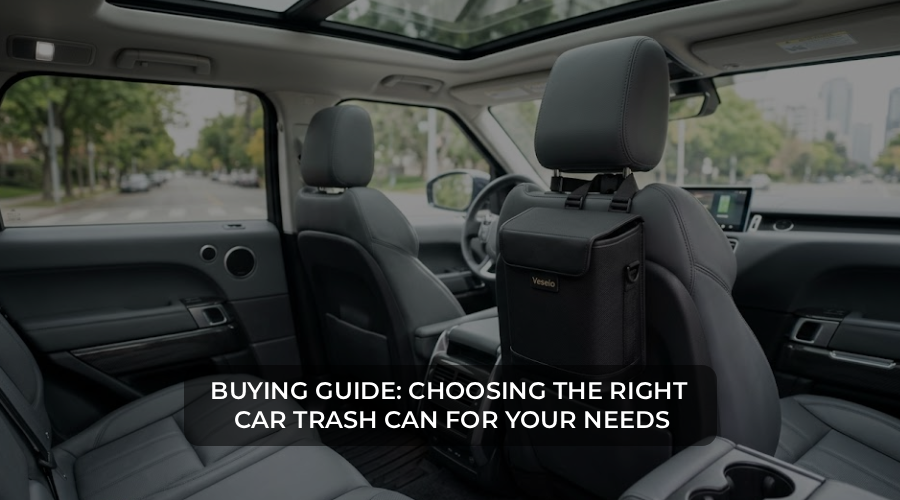
Buying Guide: Choosing the Right Car Trash Can for Your Needs
Keeping your car clean sounds simple until you start using it daily. There is a rush to the coffee shop, eating a snack on your way to work, a long car ride with your friends, and suddenly you are left with wrapping papers, bottles, and tissues. Most people either ignore it or temporarily stash trash in cup holders or door pockets… which only makes things worse later. That is why one of the little changes that can make a huge impact is a car trash can. However, it is not simply about picking a winner, but about seeking one that fits your space, your routine, and how you actually use your car. Let’s break it down step by step so you can choose the right one without overthinking it. Why a Car Trash Can Is Worth It? A car trash can will help you stay tidy without extra effort. You substitute the accumulation of clutter with: A dedicated place for all waste Cleaner seats, floors, and interiors Less distraction while driving Easier cleanup after trips It is particularly handy when you drive every day, when you travel very frequently, or when you carry passengers on a regular basis. Simple Steps to Choose The Right Trash Can Step 1: Focus on Functionality First You should first of all have a trash can that is convenient to use when driving. It should not need to be pried or fetched to open it. Find alternative options that: Stay within arm’s reach Open easily with one hand Don’t distract you while driving An easy, practical design is always superior to an expensive yet unproductive design. Step 2: Choose the Right Placement The location of your garbage is very important. Various placements are effective to different needs: Headrest hanging → Best for backseat or family use Center console or floor → Easy access for driver Side door or glove area → Compact setups The aim is to make it visible without obstructing space or movement. Step 3: Always Check for Leakproof Design This is one of the aspects that you cannot ignore. Liquid waste like leftover drinks can easily leak and damage: Seats Floor mats Car interiors A good trash can should have: Waterproof inner lining Leakproof stitching Spill-resistant design This makes your car clean and stain-free. Step 4: Pick the Right Size for Your Usage The space is dependent on how frequently you use your car and how many passengers you have. Small size → Ideal for solo drivers or short trips Medium size → Works for daily use Large size → Best for families, kids, or long journeys It should be capable of fitting in the space of your car without interfering. Step 5: Look at Build Quality and Durability Car rubbish bins are subjected to normal use and cleaning. As such, when choosing materials, it is important to select materials that: Strong and long-lasting Clean and convenient to clean. Stain and wear-resistant. It will not replace a good-quality product but will last many years. Step 6: Check for Lid or Closure The lid may be considered a minor detail, yet it does matter. It helps: Control odor Keep trash hidden Prevent spills on bumpy roads Common options include: Flip lids Velcro covers Zipper closures Step 7: Stability Matters More Than You Think A moving trash can destroy its mission. Search characteristics such as: Adjustable straps Velcro base Non-slip bottom This ensures it does not fly out when there is sudden stopping or turning. Step 8: Extra Features That Add Value There are also trash cans with enhanced features that can be helpful. For example: Side pockets for storage Insulated lining (can double as a cooler) Removable inner lining Compatibility with disposable bags These characteristics make the product more convenient to use. Step 9: Price vs Value The cost of trash cans used by cars is high, and costly does not necessarily imply quality. Instead of focusing only on price, check: Build quality Leakproof design Ease of use Durability It is better to pay a bit more for a good-quality alternative, and it is likely to pay off in the long term. Can You Use DIY Options Instead? Yes, plastic or grocery bags are a fast fix that many people use. They are: Cheap Easily available Simple to use Nevertheless, they have disadvantages as well: They don’t stay in place Can spill easily Look messy Not convenient while driving A clean and safer long-term alternative is a proper trash can. Common Mistakes to Avoid Buying the wrong size of your car. Ignoring leakproof features Purchase of poor-quality materials. Locating it in an inconvenient position. Failure to obtain it in the right way. These are some pitfalls to avoid ensuring something that works. FAQs 1. Do I really need a car trash can? Although this is not crucial, it will get your car clean, tidy, and simpler to maintain, particularly when used frequently. 2. What size trash can should I choose? Make a decision according to your schedule. Small to use daily, and others are bigger when people are traveling with families. 3. Are leakproof trash cans important? Yes, they stop spills and keep your car interior from being stained or smelling of anything. 4. Can I use plastic bags instead? Yes, however, they are not as stable, convenient, or as clean as ordinary trash cans are. 5. How do I maintain a car trash can? Wipe it with a damp cloth and empty it frequently and put liners to keep it clean easily. The right car trash is all you need to make your daily commute more comfortable and environmentally friendly. Once you choose one that fits your routine, space, and usage, it becomes a part of you that you do not have to think about. You can avoid the problem of littering, rushing in after cleaning, and having to sweep up junk accumulating in your car as well. It also assists you in keeping cleaner, it saves time when cleaning, as
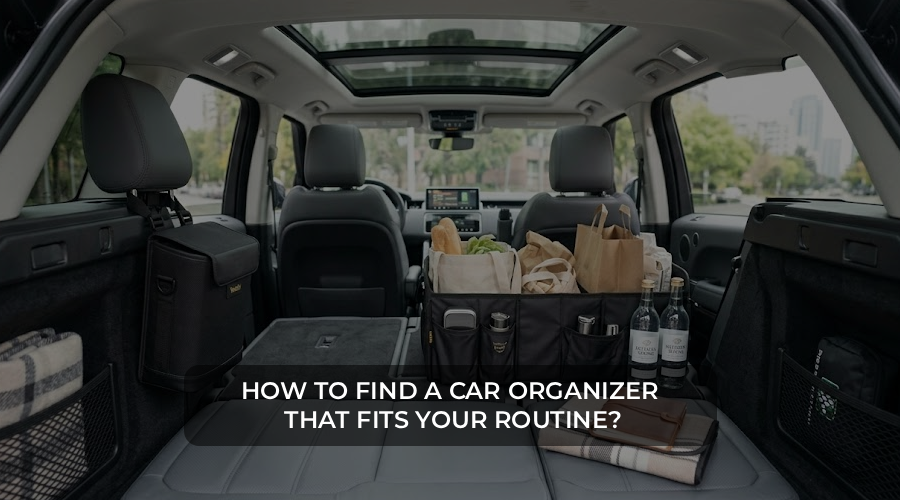
How to Find a Car Organizer That Fits Your Routine?
An untidy car is not only irritating but can also affect your everyday routine and make it more stressful. Starting with groceries rolling around to cables, bottles, and tools lying everywhere, organization failure soon makes your automobile a mess on wheels. That is where a car organizer would fit in. However, herein lies the trick not all organizers serve all people. The right one would be subject to your car’s daily usage. The best thing to do is to select an organizer that fits your schedule, whether you are commuting, traveling, or carrying on family errands. We will break it down realistically so you can choose one that works for you. Why Does a Car Organizer Matter? The car organizer will make sure your stuff is in place without being distracted. It makes the driving experience: More organized Less stressful Safer (no loose items rolling around) More efficient for daily use One does not have to search during their driving time, as all things are where they belong. Steps to find a Car Organizer That Fits Your Routine Step 1: Understand Your Daily Routine The initial step is not complicated. Before purchasing anything, you need to know how you use your car. Organizers are required to be of different kinds in different lifestyles. Common Usage Types: Daily commuters → Lunch boxes, documents, chargers Families → Toys, snacks, bottles, baby essentials Travel lovers → Clothes, gear, emergency items Work professionals → Tools, files, equipment Making a decision that fits your schedule is the only way to make sure the organizer is really going to fix your issue rather than introduce more mess. Step 2: Check Your Car Space Not every organizer fits every car. Before buying, consider: Size of your trunk Available backseat space Seat layout Having a big organizer in a miniature car will cause more trouble than good. Always wear something that is not tight, such that it does not obstruct movement or access. Step 3: Choose the Right Type of Organizer Available car organizers are of various types and are designed to meet specific needs. 1. Trunk Organizers These are the most widespread and helpful. They fit into your car trunk and help in the storage of larger goods such as groceries, tools and travel bags. Best for: Everyday storage Keeping heavy items stable Long drives or trips 2. Backseat Organizers They are mounted at the back of the front seats. They are the best place to store small items. Best for: Kids’ essentials Tablets, bottles, snacks Road trips 3. Collapsible Organizers These can also be folded when not in use. They are also portable and do not take up permanent space. Best for: Occasional use Small cars Minimal setups 4. Multi-Compartment Organizers These are coupled with several sections and partitions. They can help you to organize the stuff and keep your order. Best for: Mixed storage (tools + groceries + accessories) People who like structured organization 5. Hanging or Net Organizers They are mounted in seats or trunks. They help in fixing loose articles and also act as barriers to movement. Best for: Lightweight items Preventing clutter from spreading Step 4: Look for Practical Features The right features might be a big distinction in daily life. Key things to check: Strong build quality → So it lasts long Non-slip base or straps → Keeps it in place while driving Adjustable compartments → For flexible storage Handles for easy carrying → Useful for loading/unloading Water-resistant material → Protects against spills These minor details enhance usability in the long run. Step 5: Think About Ease of Use An organizer is not supposed to complicate your life; he or she is supposed to make it easier. Choose one that: Is easy to install Doesn’t require constant adjustment Can be cleaned easily Is simple to access while needed If it feels complicated, you probably won’t use it regularly. Step 6: Match It With Your Lifestyle This is where most people miss it all; they purchase based on appearance rather than use. Here’s a quick guide: Busy parent → Backseat + multi-compartment organizer Office commuter → Compact trunk organizer Traveler → Large trunk + collapsible setup Professional/work use → Heavy-duty structured organizer Choose something that includes your daily routine, not only your budget. Common Mistakes to Avoid These are the pitfalls to avoid when selecting: Buying too large or too small Ignoring your car space Selection of poor-quality materials. Stuffing all that in a single organizer. Not securing it properly The last thing that an organizer can do is cause more mess rather than resolve an issue. Finding a proper car organizer does not have to be a confusing or time-consuming process. When you know what you do on a daily basis and what you normally keep in your car, then it becomes a lot easier to make the correct choice. You no longer need to deal with things rolling about or even waste time looking up what you need. It also helps with your daily commutes, whether to work, on errands, or on a trip. After all, it is a mere upgrade, yet it brings a ton of convenience and comfort to your everyday driving routine. FAQs 1. Do I really need a car organizer? This is not compulsory, but it will keep your car clean and tidy and without any distractions, especially on day-to-day use. 2. Which type of organizer is best? It depends on your routine. Trunk organizers should be used for general use, and the backseat organizers should be used in cases of small items and family purposes. 3. Can organizers move while driving? Yes, when they are not provided with anti-slip bases or straps. Always select one that has good stability features. 4. Are collapsible organizers durable? Premium collapsible organizers are durable and designed to last long. They also have advantages in regard to the storage capacity that is flexible as well because it can be folded whenever not in use without occupying more space in