
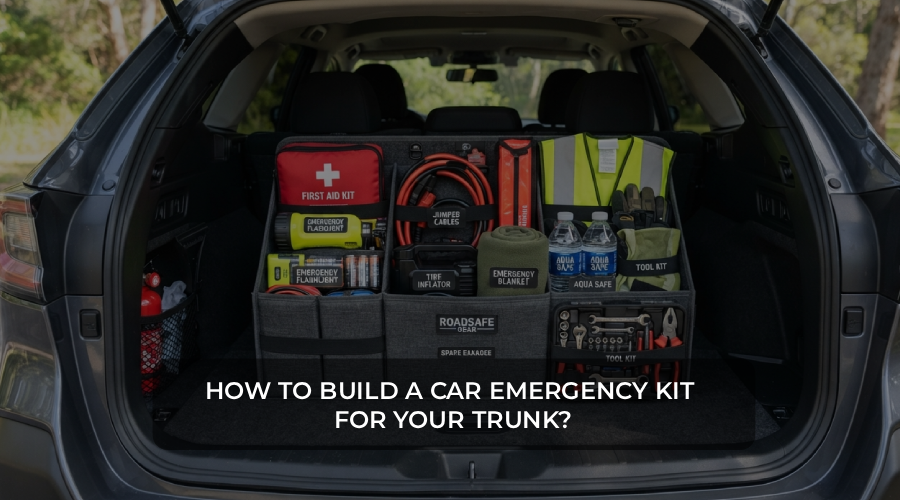
Nobody would plan how to get a flat tyre, run out of charge, or have an unexpected issue on the road, and they can befall any person driving a car. You might be commuting to work, going on a family road trip or driving to an only accessible location, but a properly stocked car emergency kit in your trunk will help you keep safe until help arrives. A thoughtfully assembled emergency kit not only equips you to handle any mechanical issues but also serves the purpose of assisting you to cope with bad weather, minor injuries, and lengthy delays. It only needs to select convenient necessities, put them in place, and inspect them on occasion. This guide indicates how to assemble a car emergency kit that can be trusted and how to plan it properly in your trunk. Why Every Driver Needs a Car Emergency Kit Car accidents may occur at any time, and sometimes they will not be warned. A punctured tyre, battery malfunction, extreme weather or road mishap can leave you helplessly alone on the road. An emergency kit will assist you: Stay safe while waiting for roadside assistance Handle minor vehicle problems Treat small injuries Improve visibility during emergencies Stay comfortable during unexpected delays Reduce stress in unfamiliar situations When there is no time to waste, keeping all organised in your trunk also allows you to find what you need in a much shorter amount of time. Essential Items for Your Car Emergency Kit 1. First-Aid Kit A first-aid kit must be well stocked in every emergency kit. Include: Adhesive bandages Sterile gauze Medical tape Antiseptic wipes Pain relief medication Tweezers Scissors Disposable gloves Elastic bandage Check dust and renew and dispose of worn-out supplies. 2. Flashlight It should have a reliable flashlight when there is a breakdown in the dark. Choose one with: LED lighting Long battery life Waterproof design Have back-up batteries or get a rechargeable flashlight, which you can charge at regular intervals. 3. Reflective Warning Triangle and High-Visibility Vest It is important to be visible in case your car loses its momentum by the side of the road. Carry: Reflective warning triangle High-visibility vest These accessories are created to remind passing traffic and make it easier to be safe in getting out of the car. 4. Jumper Cables or Portable Jump Starter One of the most typical on-road problems is a dead battery. Carry either: Quality jumper cables Portable jump starter The portable jump starter can be of great help, especially when only one is travelling and there is no other vehicle to be used to assist them. 5. Tyre Emergency Equipment Tyres may blow out as well. Included in your kit should be: Spare tyre Jack Lug wrench Tyre pressure gauge Portable tyre inflator Tyre repair kit Check the spare tyre regularly to see that it is inflated. 6. Basic Tool Kit Many small roadside issues require only simple tools. Include: Screwdrivers Adjustable wrench Pliers Socket set Utility knife Electrical tape Zip ties A small set of tools will assist in the event of temporary repairs until assistance is brought in. Extra Items Worth Adding Depending on your driving location, consider adding: Tow rope Duct tape Spare fuses Windshield washer fluid Ice scraper Rain jacket Paper map Notebook and pen Multi-tool Hand sanitiser Cleaning cloths Such supplies can render unforeseen circumstances much easier to handle. Organise Your Emergency Kit Properly Being equipped is not sufficient as long as you cannot find the right equipment within a short time. Organize your supplies. Safety Equipment Reflective triangle High-visibility vest Flashlight Vehicle Tools Jumper cables Tyre repair kit Tool kit Air compressor Medical Supplies First-aid kit Gloves Antiseptic wipes Comfort Items Water Snacks Blanket Rain poncho Labelled compartments or storage pouches allow locating all items with ease. Maintain Your Emergency Kit The list of the emergency kit should be maintained regularly. Every few months: Replace expired first-aid items. Check bottled water and snacks. Recharge power banks. Inspect flashlight batteries. Test your portable tyre inflator. Confirm your spare tyre is properly inflated. Clean the storage container. A speedy checkup will see that you have supplies when they are required. Building a car emergency kit is one of the simplest ways to improve your safety on the road. Starting with first-aid kits and tyre repairing devices, up until water, snacks, and emergency supplies, all of them contribute towards you being prepared against any surprises. Keep your kit in a sturdy trunk organizer, check it now and then and refresh your expired supplies as necessary. Little planning nowadays can help a lot in the event of an emergency on the road. FAQs 1. What to keep in your trunk for emergencies? An emergency kit trunk must provide a first-aid kit, flashlight, jumper cables or portable jump starter, spare tyre, jack, lug wrench, tyre repair kit, new warning triangle, high-visibility vest, bottled water, non-perishable snacks, phone charger (charger), power bank, blanket in emergencies, basic tool kit, gloves, and fire extinguisher. 2. What are the 5 essentials for an emergency kit? Five basic supplies include a first-aid kit, flashlight, bottled water, an emergency blanket and a source of communication, such as a fully charged phone with a charger or power bank. These include fundamental medical requirements, visibility, hydration, warmth and calling to help. 3. What are emergency tools? Emergency equipment is equipment that aids you in dealing with unforeseen circumstances on the road. They contain jumper cables, tyre repair kits, portable air compressors, multi-tools, tow ropes, reflective warning triangles, flashlights, fire extinguishers and simple hand tools to do minor repairs. 4. What should I not keep in my car? Do not leave perishable foods, precious electronics and documents, flammable materials, aerosol cans, loose batteries, temperature-sensitive medications, and unneeded junk in your vehicle for too long. Heat or cold may cause damage to these items, or they may pose a safety hazard, or be stolen. An emergency kit trunk must provide a first-aid kit, flashlight, jumper cables or portable jump