
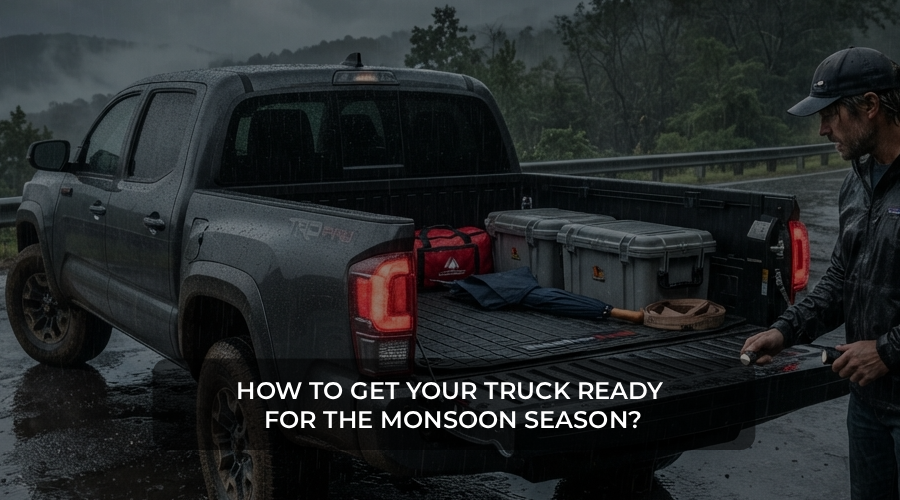
The monsoon season relieves the heat, but at the same time causes problematic driving conditions. Your truck’s performance and safety might also be affected by the heavy rain, flooded roads, poor visibility, slippery floor, and high moisture. Regardless of how you use your truck, be it day-to-day commuting, commercial delivery or long-distance, it will help to prepare it before the rainy season, thus saving costly repairs and minimizing the chances of breakdowns. Checking your tyres and brakes, and keeping your cargo area/emergency kit safe, is the best thing you can do when some preparation is involved. This guide covers the essential steps to get your truck monsoon-ready and ensure safer journeys throughout the rainy season. Why Monsoon Preparation Is Important Rain not only causes the roads to become slippery, but it also causes your truck to strain more on a number of parts. Common monsoon-related issues include: Reduced tyre grip Longer braking distances Battery problems Poor visibility Water damage Rust and corrosion Electrical faults Damp interiors Pre-rainy season inspections could be done periodically in order to fix the issues and enhance road safety in general. Inspect Your Tyres The only thing that you can touch on your truck is your tyres and so you have to be particularly keen on them, particularly in wet weather. Before the monsoon: Check tread depth. Inspect for cracks or uneven wear. Maintain the recommended tyre pressure. Examine the spare tyre Test tyre grip on wet surfaces and replace tyres if traction feels weak Check wheel alignment and balancing to avoid skidding on slippery roads Clean out stones or debris stuck in the tyre grooves to maintain proper road contact Worn-out tyres reduce road grip, increase the risk of hydroplaning, and make it harder to control the vehicle during heavy rain. Test The Braking System The brakes are even more important during heavy rains. Have the braking system inspected because of: Brake pad wear Brake fluid levels Disc or drum condition Brake response Portable air compressor When you hear abnormal sounds or a lack of braking efficacy, book repairs before driving in wet situations. Replace Worn Wiper Blades During rain, it is necessary to have ideal visibility. Check your windshield wipers for: Cracked rubber Streaking Skipping Uneven wiping Repair or change worn blades and fill the windshield washer fluid with a good cleaning product to enhance visibility in muddy or wet weather. Check All Lights Rainfall can severely limit the visibility of all road users. Check all exterior lights, such as: Headlights Tail lights Brake lights Fog lights Turn indicators Hazard lights You should change out the burnt-out bulbs as soon as possible to make sure that the other traffic can see your truck. Inspect the Battery Bacteria can be impacted by humidity and moisture. Check: Battery terminals for corrosion Cable connections Battery voltage Mounting brackets Unexpected starting problems can be prevented by cleaning corroded terminals and ensuring secure connections. Examine Door and Window Seals Damaged rubber seals allow rainwater to enter the cabin. Inspect: Door seals Window seals Sunroof seals (if applicable) Tailgate seals Check damaged or broken weatherstripping to ensure that the interior is dry and that this does not cause damage by water. Protect the Cargo Area Wet equipment, rainwater, and mud will soon present a mess in the cargo area of your truck. Use: Waterproof cargo liners Rubber floor mats Weather-resistant storage bins Foldable trunk organizers These accessories assist in securing the cargo space whilst keeping the tools, groceries, and emergency kits tidy and dry. Keep an Emergency Kit in the Truck Monsoons are associated with unexpected delays. Your emergency kit must contain: First-aid kit Flashlight Reflective warning triangle High-visibility vest Jumper cables Portable tyre inflator Tow rope Power bank Bottled water Non-perishable snacks Raincoat or poncho Keep all in a trunk organizer to ensure that when we require we can access them easily. Organize Your Truck for Rainy Season Travel Having your truck in order can assist you to be quick in responding to an emergency. Keep some frequently used things by the tailgate, such as: Umbrella Rain jacket Gloves Cleaning cloths Emergency supplies Put electronics, important documents and tools in separate waterproof containers to prevent exposure to moisture. You can prepare your truck to withstand the monsoon not only by saving the life of the vehicle, but it is a life-saving act because you save your life and that of other road users. By inspecting tyres, brakes, lights, battery, seals, and fluids, having an estimated stocked emergency kit, and a well-organized cargo space will equip you better to address the wet weather. Some precautionary care, both before and during your rainy season, can enhance both safety and decrease the chance of a breakdown, and put your truck in great condition over the long term. FAQs 1. What is a crucial precaution during monsoon driving? Reduced speed and increased following distance are among the most significant precautions to take. Wet roads also cause longer braking distances and lower tyre grip, thus, the provision of driver space can contribute to road safety. 2. How to take care of a car in the monsoon? Check your tyres, brakes, battery, lights and wiper blades prior to the rainy season. Maintain a steady fluid level, lay waterproof mats over the inside, hose down mud as often as possible, and carry an emergency kit in the trunk in case of emergencies. 3. Which part of the car is most vulnerable to water damage during the monsoon? The electrical system is the most susceptible to damage by water, such as the battery, wiring, sensors and electronic parts. Other vulnerable areas to moisture damage include door seals, carpets and underbody unless well taken care of. 4. How to avoid rainwater coming inside a car? Check and change door, window, boot, and sunroof seals, make sure windows are fully closed, maintain drainage channels clear and always look at trunk and cabin areas to detect any leaks. Waterproof cargo liners and floor mats are also used to ensure