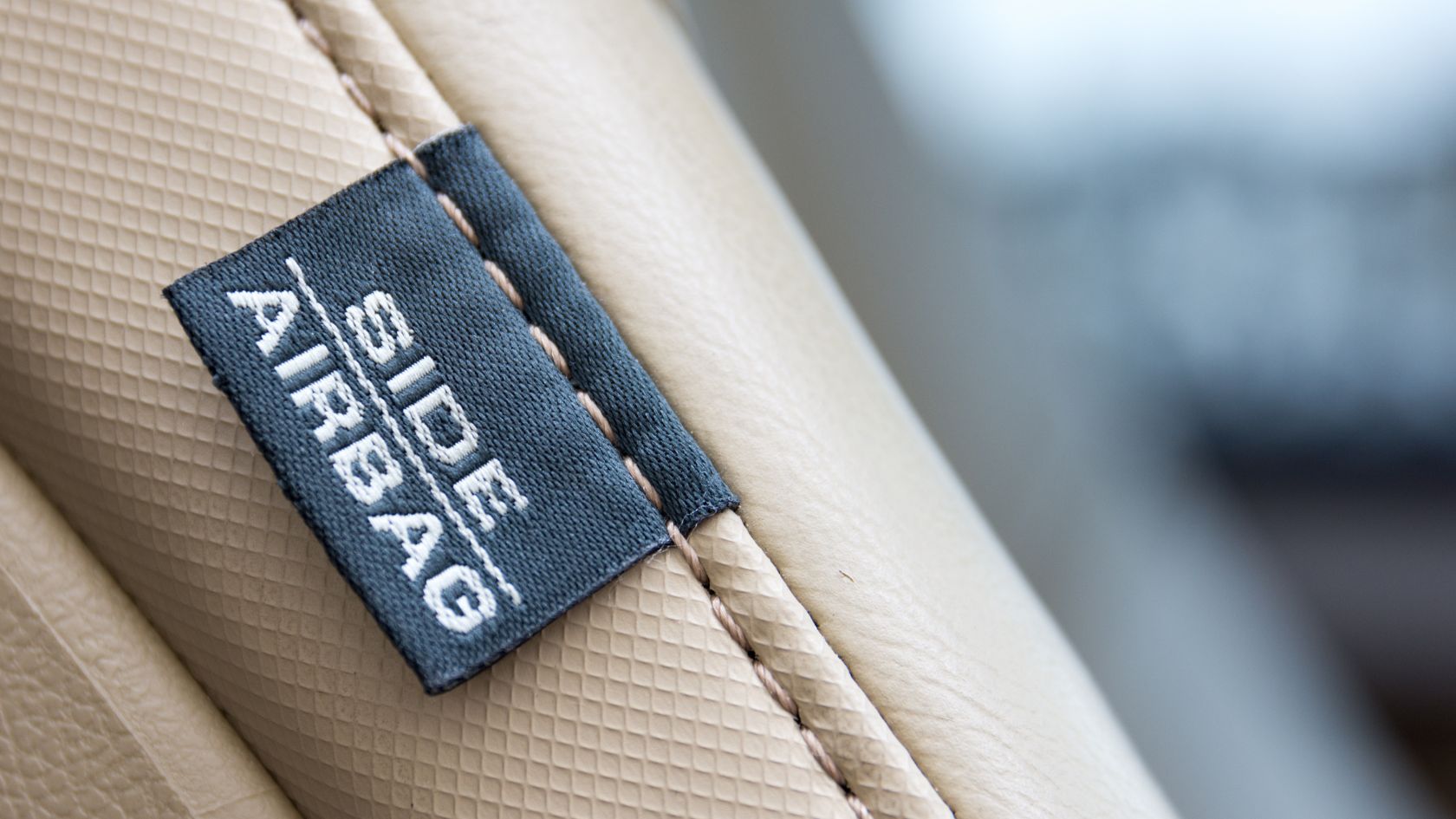
Are car seat covers safe with airbags? The compatibility between car seat covers and airbags is a crucial thread. The risks of incompatible seat covers with airbags, altering seat covers for side airbags yourself and the impact of aftermarket seat covers are some of the concerns many motorists remain curious about. In this blog post, we will cover all the above intricacies of using seat covers to make your journey safe as well as aesthetic. The short answer to this question is no. Car seat covers are not safe if they are non-airbag-compatible. Such seat covers, if used, can hinder the deployment of airbags and compromise your safety. Using car seat covers with airbags requires caution, as improperly designed or installed seat covers can potentially interfere with the proper deployment of airbags. Airbags are designed to rapidly inflate and cushion the occupants during a collision, providing an additional layer of protection. If there are any obstacles or obstructions between the airbag and the occupant, it may compromise the effectiveness of the airbag and pose a safety risk. It is essential to choose covers that are specifically designed to be compatible with airbag-equipped vehicles. These seat covers typically have special stitching patterns, seams, and material properties that allow airbags to deploy properly without hindrance. Manufacturers of these seat covers take into account the safety requirements and regulations related to airbag deployment. In summary, while there are seat covers designed to be safe with airbags, it’s essential to choose the right ones and follow installation instructions to ensure that they do not compromise the effectiveness of the vehicle’s safety features. Here are some potential risks associated with using seat covers that are not designed for use with airbags: Impaired Airbag Deployment The primary risk is that incompatible seat covers may obstruct the path of the deploying airbags. This obstruction can lead to delayed or incomplete deployment, reducing the effectiveness of the airbag in protecting occupants during a collision. Fabrics or padding beyond the recommended thickness can create an obstacle for the airbag’s inflation path. Similarly, strong seams or stitching might not tear readily like the designated zones in airbag-compatible covers. Even the loose or wrinkled covers can bunch up at critical points, creating pockets or folds that obstruct the airbag’s deployment path. Increased Injury Risk If the airbag does not deploy as intended due to seat cover interference, occupants may face an increased risk of injury. The airbag deployment system is based on rapid movement to provide a cushioning effect. If this movement is obstructed, it may not be able to prevent occupants from hitting hard surfaces inside the vehicle during a crash. Seat Cover Projection In some cases, seat covers that are not compatible with airbags may be forcefully projected toward the occupants during airbag deployment. This projection can cause additional injuries and impact the effectiveness of the safety system. Seat Cover Damage The forceful deployment of airbags can damage incompatible seat covers, leading to tears, rips, or dislodgment of the covers. This can create loose debris within the vehicle, posing additional hazards to occupants. Compromised Side Airbags Some vehicles have side airbags built into the seats or door panels. Incompatible seat covers may interfere with the proper deployment of these side airbags, compromising the protection they are designed to provide in side-impact collisions. To mitigate these risks, it is crucial to use seat covers specifically designed and tested for compatibility with airbag-equipped vehicles. Related Read: Best Seat Covers for Cars (Airbag-compatible) Altering non-airbag-compatible seat covers for side airbags yourself is a risky and potentially unsafe practice for several reasons. Modifying covers requires precise knowledge of airbag deployment locations and seam placements. Without expertise, there is a risk of misplaced cuts or alterations, misdirecting airbag force, and the creation of sharp edges. However, if your vehicle is equipped with side airbags integrated into the seats or door panels, and you want to alter or customize your seat covers, here are some general guidelines to follow: If you are unsure about how to modify seat covers for side airbags, consider consulting a professional upholstery service or a shop experienced in automotive modifications. Professionals can ensure that the alterations are done safely and in a way that preserves the effectiveness of the side airbags. It’s true that even with airbag-compatible seat covers, there are some concerns about their real-world effectiveness. Seat cover manufacturers rely on controlled lab tests to confirm airbag deployment through their products. However, real-world collisions can be far more complex and involve factors like impact angles, debris, and seat deformation, which haven’t been fully replicated in all tests. Not all airbag-compatible seat covers are created equal. Quality can vary among manufacturers and even within batches. Some cheaper options might use weaker seams or materials that don’t tear consistently, potentially hindering airbag deployment in critical situations. Even with well-designed covers, improper installation can be a significant issue. Misaligned panels, loose fitment, or pinched seams can all interfere with airbag deployment. This risk is often higher with aftermarket covers, where professional installation might not be readily available. Over time, materials degrade and stitching can weaken. Even airbag-compatible covers can lose their effectiveness as they age. Regularly inspecting your covers for tears, loose seams, and overall wear and tear is crucial. The concerns about quality and installation errors are particularly relevant for aftermarket airbag-compatible seat covers. While some reputable brands offer high-quality products, many cheaper options might not prioritize safety and testing as strongly. It’s vital to do your research, choose trusted brands, and ensure qualified installation for any aftermarket covers. It is recommended, if available, that original equipment manufacturer (OEM) covers from your car manufacturer are generally considered the safest option, as they are specifically designed for your vehicle and airbags. If opting for aftermarket, stick to known brands with a strong reputation for quality and safety testing. Car seat covers that are compatible with the deployment of airbags are normally safe. More than the aftermarket products, it is recommended to
Best Car Seat Protectors for Child Seats (2025)
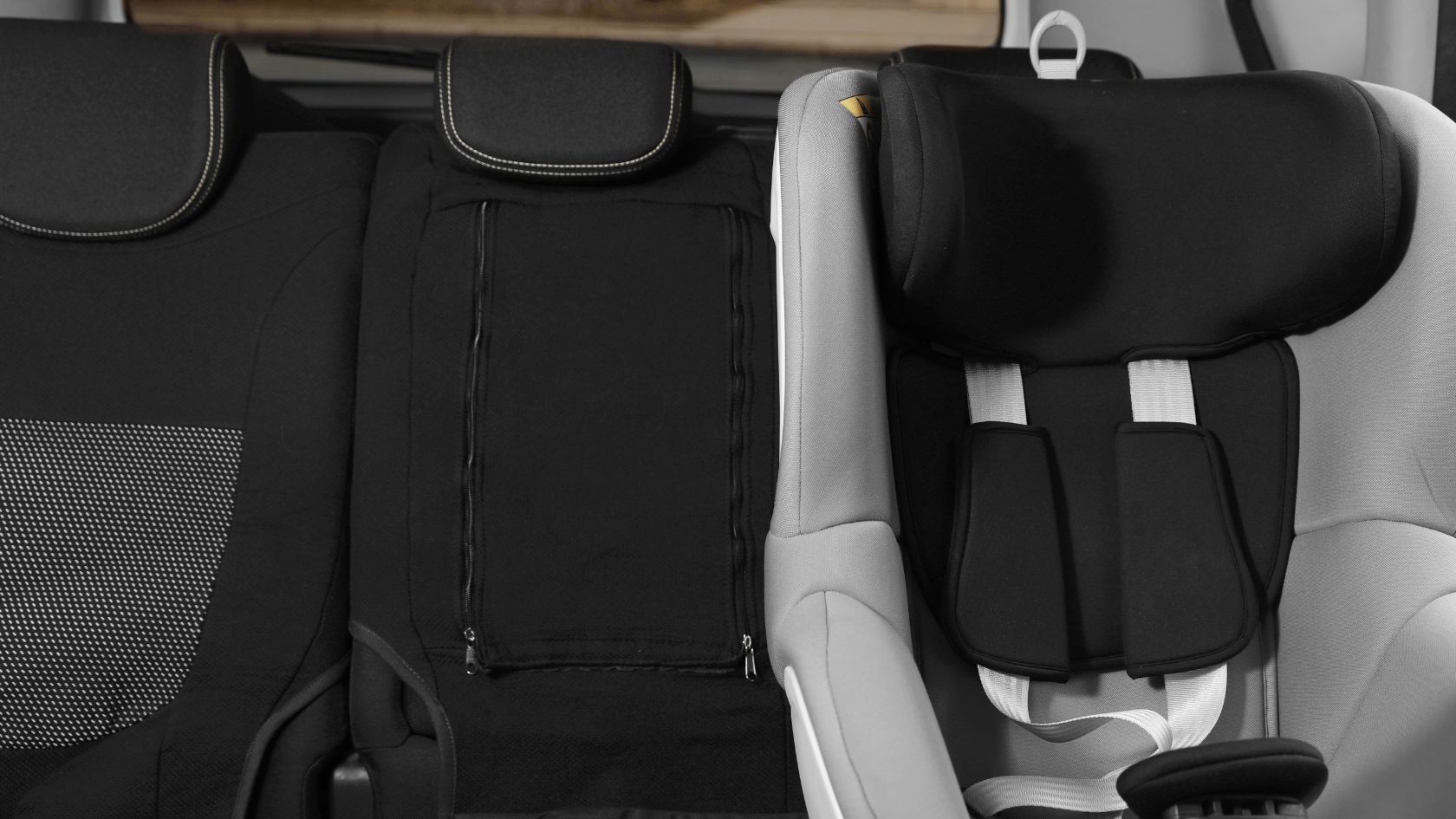
The advantages of using car seat protectors for child seats emerge as unsung heroes to combat intricate challenges of spills and inevitable companions of car interiors. Have you pondered the pivotal role these protectors play in preserving not just your car seats but also the peace of mind during family journeys? If not then unravel the realm of 3 best car seat protectors for child seats in this post. Explore the important factors to consider that seamlessly marry functionality with style through a comprehensive buyer’s guide. Key Advantages of Car Seat Protectors for Child Seats Car seat protectors offer several advantages, providing benefits for both the vehicle and the car seat itself. Here are four key advantages: Protection against Stains and Spills – One of the primary benefits of using car seat protectors is that they act as a barrier against stains and spills. Accidents happen, especially if you have children or frequently transport liquids in your car. Car seat protectors are designed to repel liquids and prevent them from seeping into the car seat fabric. This not only helps in maintaining the aesthetic appeal of your car’s interior but also prevents the formation of unpleasant odors that can result from spills. Preservation of Car Seat Material – Car seats can undergo wear and tear over time due to friction, pressure, and exposure to sunlight. Seat protectors act as a layer of defense, shielding the original fabric or leather from damage. This is particularly important for preserving the resale value of the vehicle. The protector takes the brunt of daily use, preventing the gradual deterioration of the car seat material. It’s easier and more cost-effective to replace or clean a seat protector than to repair or reupholster the entire car seat. Easy Cleaning and Maintenance – Car seat protectors are typically easy to clean, and many are machine washable. This is a practical advantage, especially for busy individuals or parents. Instead of removing and washing the entire car seat cover, you can simply remove the protector, clean it, and reinstall it. This convenience contributes to maintaining a clean and hygienic environment inside the car, promoting a healthier and more comfortable driving experience. Prevention of Indentations and Imprints – Constant pressure on car seats, especially from heavy items or the prolonged use of child safety seats, can lead to indentations and imprints on the seat material. Car seat protectors with extra padding or reinforced materials help distribute the pressure more evenly, reducing the likelihood of permanent marks on the car seat. This is particularly relevant for preserving the appearance and comfort of leather seats, which can be more susceptible to indentations. 3 Best Car Seat Protectors For Child Seats From the plethora of products, choosing seat protectors with practical features and personal needs could be difficult. To make it easier, here are 3 best car seat protectors for your child seats: As an Amazon Associate, we may earn a small commission if you purchase any product by clicking the link without any additional cost to you. Whew Car Seat Protector The Whew Car Seat Protector is like a knight in shining armor for your car seats. It has a 600D Oxford fabric that repels spills and stains like a champ. The fabric is excellent for messy eaters and spill-prone journeys. It has a thick padding underneath which acts as a buffer. The padding helps shield your car seats from indentations and wear caused by even the mightiest car seats. You also get adjustable straps and a non-slip base to keep the seat protector firmly in place, even during the wiggiest toddler tantrums. Once the journey is over, simply toss it in the washing machine for a quick and easy clean-up. The Whew seat protector might not have fancy bells and whistles, but its focus on pure protection and durability makes it a worthy contender for the title of one of the best car seat protectors. However, its bulky nature might not be suitable for all car seats. The color options are also limited and some car owners may find it difficult to match Whew seat protector with their car’s interior. Overall, the Whew seat protector is a no-nonsense powerhouse for those who prioritize ultimate protection and ease of cleaning. Munchkin Brica Elite Seat Guardian The Munchkin Brica Elite Seat Guardian is an excellent choice against the messy forces of crumbs, dirt, and sticky residue. It’s equipped with Grime Guard™ technology, a special fabric that repels grime like a shield. This makes it the perfect ally for toddlers who turn snack time into a confetti explosion. What’s more, it extends its protection down to the back of the car seat, guarding against muddy shoes and kicked-up debris. The tall back panel also fits larger car seats snugly, and the grips on both sides prevent slipping and bunching. Plus, you can choose from a range of colors to match your car’s interior aesthetics. On the flip side, the Brica’s thinner padding might not be enough for heavier car seats or long journeys. And its price tag sits on the higher end of the spectrum. Nevertheless, for those battling the relentless grime of toddlerhood, the Brica Elite Seat Guardian is a formidable champion. Helteko Car Seat Protector The Helteko Car Seat Protector is not just a seat protector but also an organizer that keeps your car tidy and your sanity intact. It has spacious pockets, complete with clear PVC windows that work like magic portals for toys, books, and snacks. But the Helteko doesn’t just offer organization; it also protects your car seats with a water-resistant surface and thick padding. The wipe-clean surface makes cleaning up spills a breeze. On the other hand, the adjustable straps ensure a secure fit on most car seats. It won’t break your bank either as the product comes at a budget-friendly price. One drawback of Helteko is its water resistance ability. It might not be as strong as some of its competitors, and its bulkier design might
Best Seat Covers For Cars (2025)
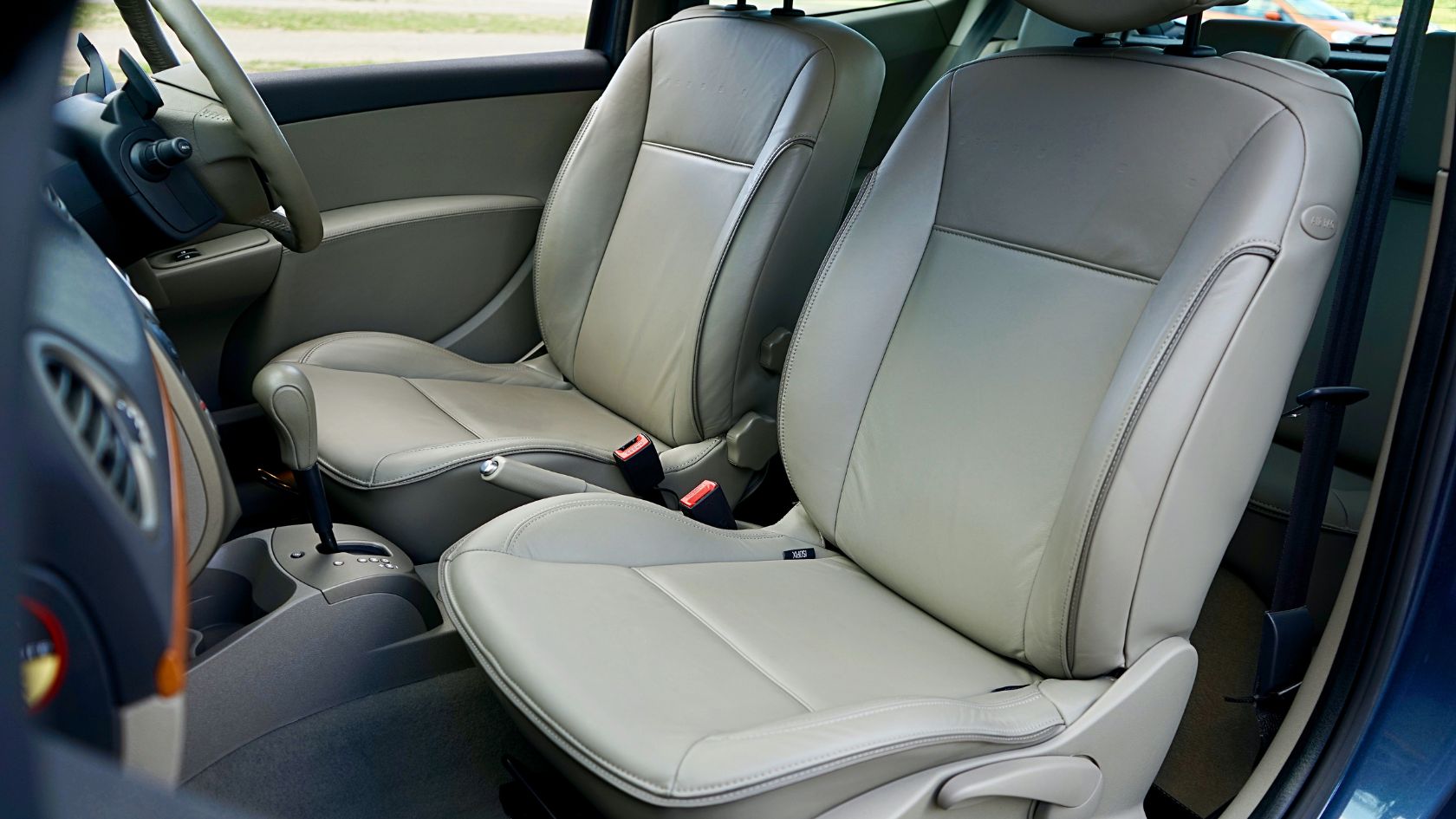
Sure, your car might have an arsenal of gizmos decking out your car’s interior, but let’s be real – your ride’s seats take center stage when it comes to casting judgment on your personal flair. This is where seat covers come in as game changers. Why the fuss over seat covers, you ask? Well, they’re not just about cushiony goodness; they’re the frontline defense for your car seats’ original swagger. In this blog post, get ready to explore the 3 best seat covers for cars that provide comfort, meet style, and help your car’s upholstery get the royal treatment it deserves. Enhanced Aesthetics: With seat covers, you can elevate your car’s visual appeal. They provide you with a diverse array of styles, colors, and designs. Dual-tone options, in particular, can transform the look of your car’s interior, injecting a refreshing and elegant vibe that resonates with your driving style. Seat Protection: Car seats endure a daily assault of dust, dirt, crumbs, and the inevitable fallout from your adventurous kids and furry friends. Shielding your seats with covers not only preserves the original fabric but also acts as a barrier against wear and tear caused by constant ingress and egress. By investing in seat covers, you enhance durability, ensuring your car seats withstand the test of time. Weather Resistance: Mother Nature can be tough on your car’s interior, with scorching sunrays, monsoon rains, and winter chills taking their toll. Quality seat covers equipped with UV protection become a formidable defense, preventing color fading and material damage caused by prolonged exposure to harsh weather conditions. It’s a proactive measure to keep your car seats looking fresh and resilient. Resale Value Boost: When it comes to selling your car, appearances matter. Immaculate and stylish car seats contribute significantly to the overall perceived value of your vehicle. Investing in seat covers not only safeguards your seats but also adds a considerable bump in resale value. It’s a smart move that pays off when it’s time to part ways with your beloved car. As an Amazon Associate, we may earn a small commission if you purchase any product by clicking the link without any additional cost to you. CalTrend ‘I Can’t Believe It’s Not Leather’ Seat Covers CalTrend Seat Covers are a must-have for discerning car enthusiasts seeking premium comfort without the hefty price tag. The high-quality PVC leather of CalTrend seat covers delivers a convincing resemblance to the real deal, elevating your car’s interior with a touch of elegance. The material is resistant to stains, tears, and scratches, making it ideal for messy passengers and pets. There is no need to worry about the woes of crumbs and spills! The stain-resistant surface effortlessly wipes clean, ensuring your seats remain pristine for every upcoming adventure. For car owners with furry companions (pets), these covers are a game-changer. They are resilient against claws and muddy paws and provide a shield of protection without compromising style. Each seat cover is meticulously crafted to fit your car’s contours, including headrests, armrests, and consoles, delivering a smooth, tailored appearance. This doesn’t allow bunching and wrinkling. The product is efficiently designed for the smooth deployment of airbags. The perforated leather of these seat covers allows for optimal airflow, ensuring you stay cool and comfortable throughout your journey. However, the material may get extremely hot in sunny days which can make long drives challenging. While easy to clean, the material might require occasional conditioning to maintain its suppleness. In terms of storage, convenience meets functionality with built-in pockets on the seatbacks. You can effortlessly store essentials like magazines, sunglasses, or your phone, keeping them within easy reach. One main drawback of CalTrend seat covers is their cost. It is more expensive than some fabric options, though still significantly cheaper than real leather. Ultimately, CalTrend is a great-looking luxurious, and durable upgrade to your car seat cover needs that’s easier to clean with long-lasting durability. Covercraft Carhartt SeatSaver Custom Seat Covers Covercraft Seat Covers are designed for those who thrive in the great outdoors or tackle life’s messiest challenges. These water-resistant Duckweave covers are the ultimate companions for your car’s interior. The Duckweave fabric is renowned for its toughness and resistance to tears, scratches, and wear and tear. These covers don’t just stand up to tough conditions, they conquer them. This makes Duckweave covers ideal for off-road escapades, work trucks, messy kids, outdoor adventurers, or hardcore DIY projects. An extra thin layer of foam provides some cushioning while maintaining the breathability of the fabric. The seams are double-stitched to add extra strength and longevity to the covers. However, compared to leather or softer fabrics, the Duckweave material may feel rough to the touch for some users and it can get warmer in direct sunlight. With reinforced stitching and double-layered fabric construction, these covers create a shield against wear and tear, giving your car’s upholstery a longer lease on life. There is a hidden tear-away stitching that is perfectly designed for airbag deployment without damaging the covers ensuring driving safety. Extra layers of stitching are additionally helpful in hauling bulky items easily leaving cargo worries away. Regarding snugness, these covers are laser-scanned for specific vehicle models, ensuring a snug and wrinkle-free look that matches your car’s contours perfectly. Having said this, the custom fit requires careful attention to detail and can be more time-consuming to install than universal covers. Overall, Covercraft Carhartt Precision Fit Seat Covers are an excellent choice if you prioritize extreme durability, water resistance, and a perfect fit. However, be prepared for a higher price tag and slightly less breathability compared to other options. Inch Empire Synthetic Linen Car Seat Covers The breathable and comfortable synthetic linen of the Inch Empire seat cover is a planet-friendly alternative to traditional materials. The material is naturally breathable and efficiently beats the summer. The linen weave allows for maximum airflow, keeping you cool and collected even on scorching days. These stylish covers come in a variety of colors and patterns to match your personality, all at a wallet-friendly price. This is one of the affordable upgrades
Car Seat Cover vs. Car Seat Protectors: Differences, Pros, and Cons
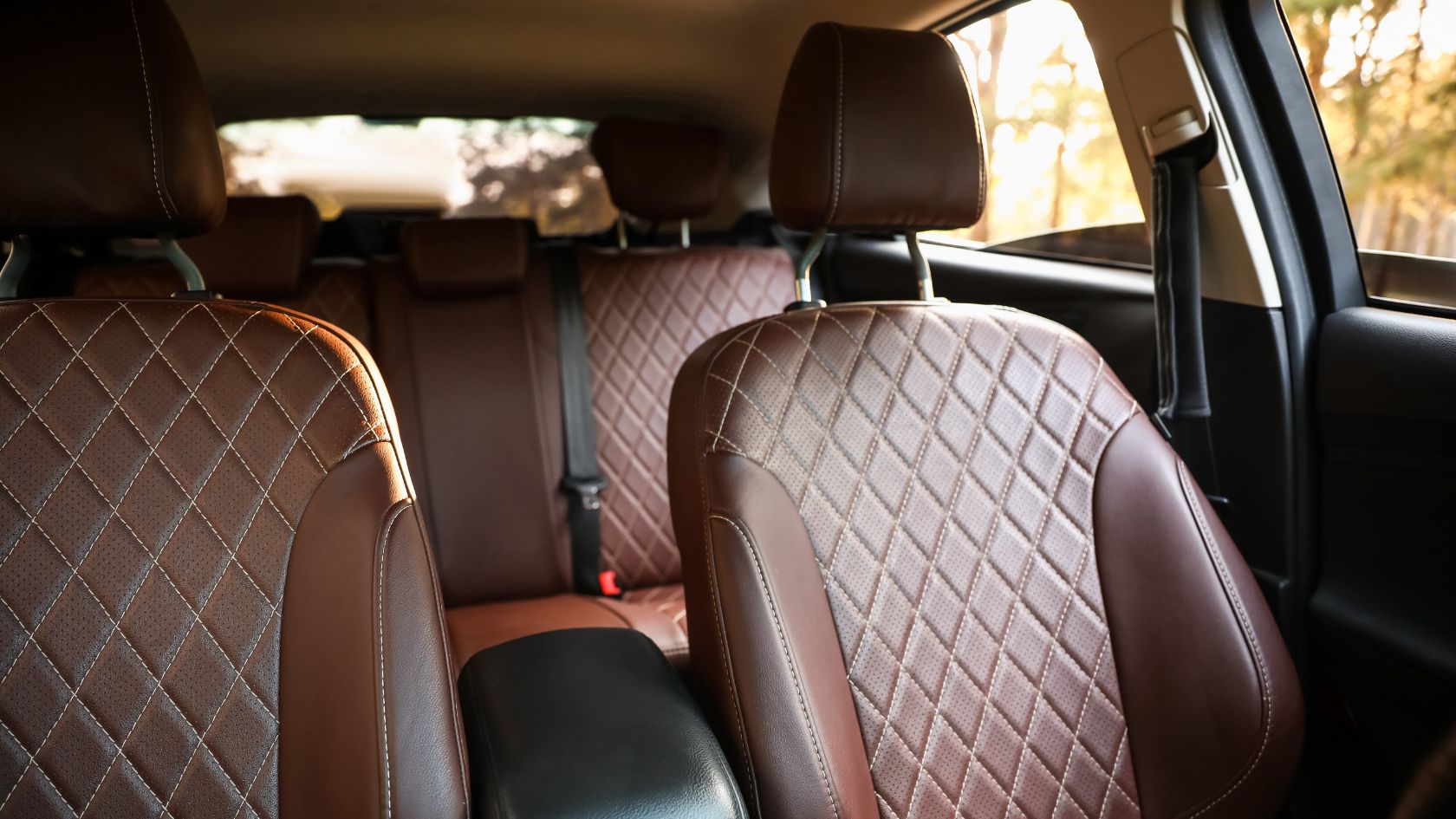
For preserving your car seats, the choice between car seat covers and seat protectors unravels a pivotal decision. Ever wondered how car seat covers and car seat protectors differ and what are their pros and cons? You will find the answers to the above questions in this informative blog post. Though car seat covers and seat protectors serve the common purpose of safeguarding car seats from wear and tear, they differ significantly. Car seat covers are primarily crafted from robust materials like leather, vinyl, or canvas. These materials are known to boast durability as well as provide an accurate fit for a tailored appearance. Car seat covers often come with additional features like padding, heating, and ventilation. These features help enhance comfort and safety. Because of the material and added features, seat covers command a higher price point. In contrast to seat covers, seat protectors are fashioned from lighter materials such as nylon or polyester. Such material makes seat protectors easy to remove and washable for temporary use. While seat protectors are more budget-friendly, they lack the same level of protection and customization found in their pricier car seat cover counterparts. Let’s explore the features, advantages, and cons of seat covers and protectors in detail. As mentioned earlier, car seat covers are designed to provide a more permanent and custom solution for protecting your car seats. Their robust materials like leather, vinyl, or canvas, offer several advantages: Advantages of Seat Covers Durability – The materials used in car seat covers are resistant to wear and tear, spills, and stains that are helpful in prolonging the life of your car seats. Imagine a family with young children who frequently spill food and drinks and your car seats are covered with leather covers. Leather seat covers are easy to clean and resist stains longer compared to fabric seats. Seat covers are not only easy to clean but also protect the original upholstery and conceal existing damage especially if you have a classic car. Snug fit – The appearance of your car’s interior remains improved as car seat covers are designed to fit specific car models. The fitting is tailor-made and the snugness ensures your car gets a clean and streamlined look, as opposed to the loose and bulky appearance of some seat protectors. Additional features – Some car seat covers come with additional features like padding, heating, and ventilation, enhancing your comfort and driving experience. These features are particularly beneficial for long drives or in extreme weather conditions. For example, heated seat covers are a great option for people living in cold climates, while ventilated seat covers offer relief during hot summer months. Disadvantages of Seat Covers Reduced breathability – Leather and vinyl, especially higher-grade materials, may not breathe well, leading to discomfort during hot weather. Imagine being stuck in traffic on a hot summer day with leather seat covers. It’s not the most pleasant experience. Installation difficulty – Installing some car seat covers can be challenging and time-consuming, requiring removing parts of your car seats. This can be particularly difficult for someone not mechanically inclined. Compatibility issues – Some car seat covers may interfere with the side airbags in your car, compromising safety. Always ensure the car seat covers are compatible with your specific car model. Seat protectors are designed for short-term use and are particularly easy to remove and wash. Unlike seat covers, seat protectors are typically made from lighter materials like nylon or polyester, which make them: Advantages of Seat Protectors Easy to remove and wash: This is particularly beneficial if you frequently transport messy items or people in your car. You can easily remove the seat protector and wash it in the washing machine, ensuring your car seats remain clean and stain-free. For example, if you are a dog owner who frequently takes their furry friend on car rides. A nylon seat protector would be ideal for catching and preventing dog hair and dirt from getting onto the car seats. Affordable: Seat protectors are significantly cheaper than car seat covers, making them a good option for people on a budget. Lightweight: Seat protectors are also very lightweight compared to seat covers. This makes them easier to store when not in use. Disadvantages of Seat Protectors Poor fit: Universal seat protectors may not fit your car seats perfectly, leaving gaps and looking sloppy. This can be a visual distraction and compromise the effectiveness of the protector. Related Read: Can You Put a Blanket Under a Car Seat Less protection: Due to their thinner material and looser fit, seat protectors may not offer the same level of protection against spills, stains, and wear and tear compared to car seat covers. Short lifespan: Seat protectors made from inexpensive materials may wear out quickly and need frequent replacements. Yes, car seat covers generally come with a higher price tag compared to seat protectors. The increased cost is often justified by the use of thicker and more durable materials, as well as additional features that enhance comfort and customization. Seat protectors, being made from lighter materials and designed for temporary use, are more budget-friendly. No, seat protectors do not offer the same level of customization as car seat covers. Car seat covers are designed to fit snugly over car seats, providing a complete and custom look. With their thinner and more lightweight construction, seat protectors prioritize easy removal and washing but lack the tailored fit and additional features that car seat covers provide. Many seat protectors are designed to accommodate heated car seats, but it’s essential to check the product specifications. Car seat covers, especially those with heating features, are typically engineered to seamlessly work with the vehicle’s heated seat system. When using seat protectors with heated seats, ensure they are made from heat-resistant materials and won’t compromise the effectiveness of the heating function. Car seat covers epitomize durability and tailored aesthetics. They employ materials such as leather, vinyl, or canvas to yield not only a snug fit but also a heightened level of customization with features like padding, heating, and ventilation. Seat protectors, conceived for facile removal and washing in transient scenarios, opt for lighter materials like nylon or polyester. While the
Does Lane Departure Warning Work at Night?
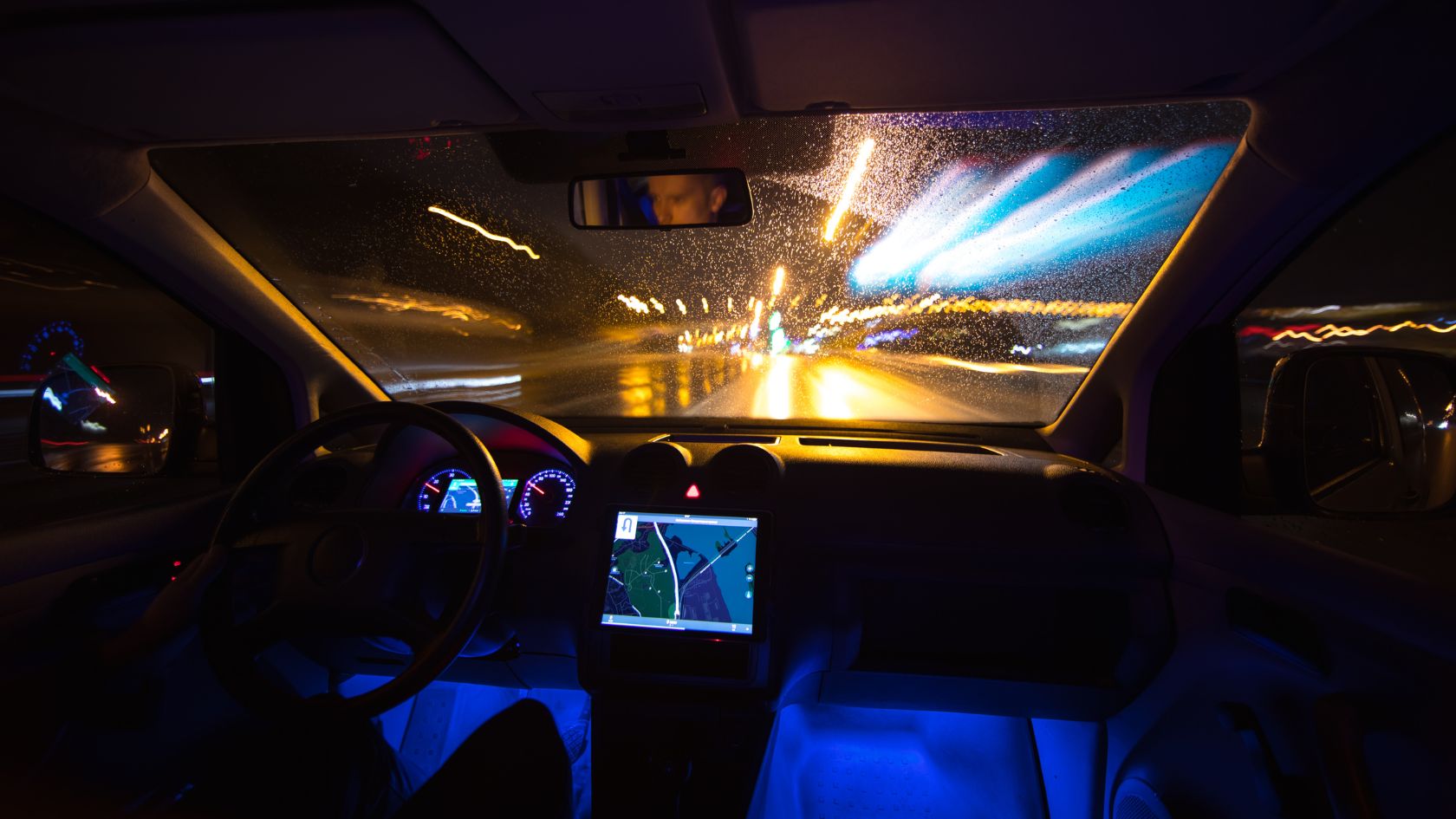
The Lane Departure Warning system is one of the technological innovations aimed at enhancing driving safety in the automotive industry. It is designed to alert drivers when unintentional lane drift occurs. While the system is widely recognized for its effectiveness during daylight hours, a lingering question persists: does Lane Departure Warning work at night? In this blog post, we will discuss and explore the functionality of LDW technology in low-light conditions to evaluate its effectiveness in the dark. You will also learn the ways to improve overall nighttime driving safety, extending beyond the scope of lane departure warnings. Yes, Lane Departure Warning (LDW) systems do work and are generally effective during nighttime driving because of their technological advancements. LDW mechanisms operate through modern cameras with night vision capabilities. This ensures the detection of lane markings even in low-light conditions. Some LDW systems also enhance nighttime performance by utilizing infrared (IR) emitters and receivers which create artificial lane boundaries visible to the camera in complete darkness. Moreover, continuous algorithm refinement further improves LDW systems’ ability to discern lane markings, particularly during challenging conditions like nighttime driving or adverse weather. However, drivers should be mindful of the potential limitations of LDW systems. These units struggle in heavily damaged or unclear lane markings and offer delayed reactions to sharp curves or sudden lane changes in low visibility. Their performance can be marred by the potential interference from glare caused by oncoming vehicle headlights. Despite potential limitations tied to specific system variations and driving conditions, these systems still prove reliable overall and remain valuable aids for enhancing nighttime driving safety. Lane Departure Warning (LDW) systems are a sophisticated safety feature integrated into modern vehicles designed to prevent unintended lane departures. Accessories like cameras and sensors are utilized to monitor the vehicle’s position within the lane. When the vehicle begins to drift without the use of turn signals, the LDW system triggers visual or audible alerts to prompt the driver to correct their course. The technology relies on image processing algorithms to detect lane markings, ensuring its responsiveness to subtle shifts in vehicle positioning. Night driving introduces a set of challenges for both drivers and vehicular systems. Reduced visibility, limited ambient light, and potential glare from oncoming headlights can impair a driver’s ability to perceive lane markings accurately. Traditional lane detection systems like LDWs may struggle in these low-light conditions, leading to diminished performance. The glare from these headlights can interfere with camera-based LDW systems, potentially impacting their accuracy. LDW systems might also not react quickly enough to sudden lane changes or sharp curves, especially at night. It is important to overcome these challenges to ensure the continued effectiveness of safety technologies when the sun goes down. Driver assistance technologies like Lane Departure Warning systems play a pivotal role in enhancing safety during low-visibility conditions such as nighttime driving. As human perception becomes compromised in the dark, these technologies act as an extra set of vigilant eyes. LDW systems, when optimized for nocturnal use, provide invaluable assistance by promptly notifying drivers of potential lane deviations. The integration of infrared or low-light cameras, coupled with advanced image processing algorithms, can significantly enhance the reliability of Lane Departure Warning systems in challenging driving environments. When the car unintentionally drifts out of its lane due to drowsiness, distraction, or simply poor visibility, the LDW system springs into action by issuing audible or visual alerts. It grabs the driver’s attention to prompt corrective action. In recent years, technological strides have bolstered Lane Departure Warning (LDW) systems, enabling them to operate effectively in low-light and nighttime conditions as well. Manufacturers have incorporated infrared and low-light cameras, along with improved image processing algorithms, to enhance the system’s ability to detect and interpret lane markings even when ambient lighting is minimal. Modern LDW systems utilize advanced cameras equipped with night vision capabilities. These cameras can see lane markings even in low-light conditions, providing the system with essential information for accurate lane tracking. In situations where even night vision cameras struggle, like dense fog or heavy snowfall, some LDW systems employ radar or LiDAR. These sensors emit waves that bounce off lane markings and other objects, creating a detailed map of the surroundings, independent of visibility. Some more advanced LDW systems go beyond warnings and provide gentle steering wheel nudges to guide the car back into its lane. This can be especially helpful in low-visibility conditions where quick reactions are crucial. These advancements aim to address the challenges posed by nighttime driving. With ever-evolving technologies still to come based on consumer research, LDW systems remain a reliable safety feature regardless of the time of day. Numerous research studies have delved into the accuracy of Lane Departure Warning alerts in nighttime conditions. One such study, conducted by the AAA Foundation for Traffic Safety, found that LDW systems with camera-based technology effectively detected lane departures more than 90% of the time during nighttime testing. Findings suggest that properly calibrated and technologically advanced LDW systems demonstrate commendable accuracy in detecting lane deviations during low-visibility situations. The integration of infrared technology and sophisticated algorithms has substantially improved the precision of these systems in the dark, contributing to a safer driving experience when visibility is limited. While Lane Departure Warning (LDW) systems significantly contribute to nighttime driving safety, additional safety features further complement their efficacy. Adaptive Headlights: These headlights automatically adjust their beam pattern and intensity based on traffic and road conditions. At night, they can illuminate lane markings more effectively, aiding LDW in its detection. Night Vision Assist: This technology uses infrared cameras to project a clear view of the road onto the windshield, even in complete darkness. This enhanced vision can be invaluable for LDW, as it eliminates the limitations of headlights and allows the system to function flawlessly. Driver Monitoring System: This system monitors driver alertness and fatigue through facial recognition and head movement analysis. If drowsiness is detected, it can trigger audible or visual warnings, urging the driver to take a break. Rain-sensing
Lane Keep Assist Vs. Lane Departure Warning: The Better Option?
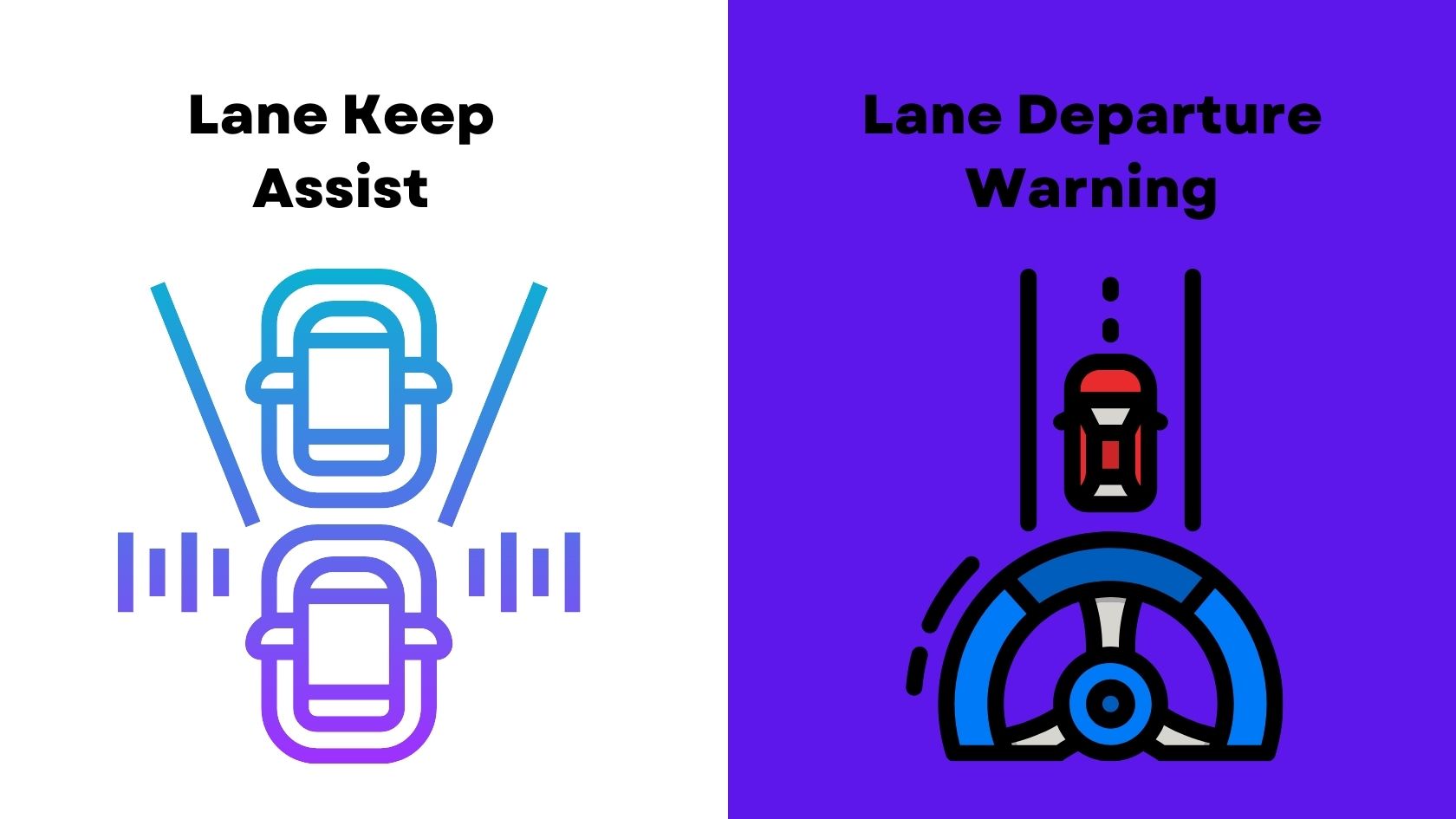
Safety isn’t just a feature; it’s a necessity. Therefore, knowing the difference between Lane Keep Assist (LKA) and Lane Departure Warning (LDW) is crucial for drivers who want the latest in safety tech. These systems aren’t here to take the wheel but to enhance your driving experience. In this blog post, you’ll learn not only how each system can keep you safer on the road by preventing unintended lane departure, but also how they are part of a broader movement towards more intelligent and autonomous vehicles. Imagine cruising down the highway, your favorite song playing, and suddenly, your vehicle gently nudges you back into your lane. That’s Lane Keep Assist (LKA) at work, a guardian angel of modern driving. Then there’s the Lane Departure Warning (LDW) system, which alerts you when your car begins to drift out of its lane without a turn signal. These systems aren’t just fancy bells and whistles; they represent significant strides in automotive safety technology designed to protect you and your passengers. You’ll find out how LKA takes an active role in maintaining your vehicle’s position on the road. It uses a combination of cameras, sensors, and algorithms to detect lane markings and can take corrective action if it senses unintentional straying. Conversely, LDW is a bit simpler but no less important. This system monitors your vehicle’s position and, if it detects a departure, sounds an alarm or vibrates the steering wheel to alert you. As we look closer at the inner workings of LKA and LDW in the next section, remember that these are just the tip of the technological iceberg. They pave the way for a future where cars don’t just react to the environment but actively cooperate with drivers to achieve an unprecedented level of road safety. Now, let’s dive deeper into the technical wonders that make LKA and LDW possible. Lane Keep Assist (LKA) doesn’t just magically keep your car in the lane; it uses a fascinating cocktail of sensors and complex algorithms. Cameras and sometimes radar are typically mounted on the windshield or around the car which continually scan lane markings. When they detect that you’re unintentionally veering off, they trigger the system, which can subtly steer the car to center it within the lane. This hands-on feature provides continuous feedback and, in some systems, takes corrective action if you don’t respond. On the other side, Lane Departure Warning (LDW) is like your vigilant co-pilot who’s all about giving you a heads-up. It uses similar cameras that scrutinize the road ahead, looking for lane markings. If your vehicle begins to drift without an active turn signal, it alerts you with beeps, vibrations, or a visual warning. Unlike LKA, LDW won’t steer you back; it trusts you’ll take the helm once alerted. It’s designed to snap you back to attention and back to the center of your lane. So here’s the crux: LKA is proactive; it steps in to help correct your course ahead of time. LDW, however, is reactive; it’s there to warn you after it senses the drift but before it turns into a potential mishap. It’s akin to LKA holding your hand to keep you straight, versus LDW nudging you to say, ‘Hey, watch out!’ We often take for granted how pivotal these support systems are in navigating today’s distraction-filled drives. It’s crucial to understand that while they add layers of safety, they are not substitutes for attentive driving. That said, let’s look next at what you should take into account when deciding between these two technological aides and how they mesh with your driving lifestyle. When it comes to picking between Lane Keep Assist (LKA) and Lane Departure Warning (LDW), it’s not just about the bells and whistles; it’s also about matching the technology to your driving style. If you’re often on the highway and value a more hands-on approach to assistance, LKA might be the one for you. If you’re more of the ‘just let me know if there’s an issue’ type, then LDW can silently watch over you, ready to alert you when you need it. It’s essential to weigh the benefits of each system; LKA actively keeps you centered in your lane, while LDW is your watchful co-pilot, making sure you don’t stray. Each system has its pros and cons, and your decision should factor in not only cost but also the level of interaction you’re comfortable with. Some drivers prefer the minimal intervention of LDW, while others appreciate the constant support of LKA. If you talk to mechanics, tech experts, and everyday drivers alike the consensus is clear: no one system is superior for every driver. It comes down to your preferences, your driving habits, and what you feel most comfortable with on the road. Lane Departure Warning can operate independently of Lane Keep Assist. It typically relies on cameras to monitor lane markings and, when it senses an unintentional lane departure without the use of turn signals, it activates a warning, such as visual or audible alerts. While these two features often complement each other, they can also be found as standalone functionalities in some vehicle models. Yes, Lane Keep Assist is typically designed to be a driver-selectable feature, allowing users to turn it on or off based on their preferences. When deactivated, the vehicle’s steering returns to normal operation without any automated lane-keeping assistance. Lane Departure Warning systems may have limitations in detecting lane markings under certain conditions, such as heavy rain or poor visibility. They generally differentiate between intentional lane changes with the use of turn signals and unintentional drifts without signaling. This helps minimize false alerts and ensures accurate warnings for potential safety concerns. Lane Keep Assist is designed to function on a variety of roads, including curved or winding ones. Advanced systems use cameras and sensors to track lane markings and adapt to the road’s curvature. However, it’s essential for drivers to remain engaged and be aware that certain road conditions, such as poorly marked or narrow