
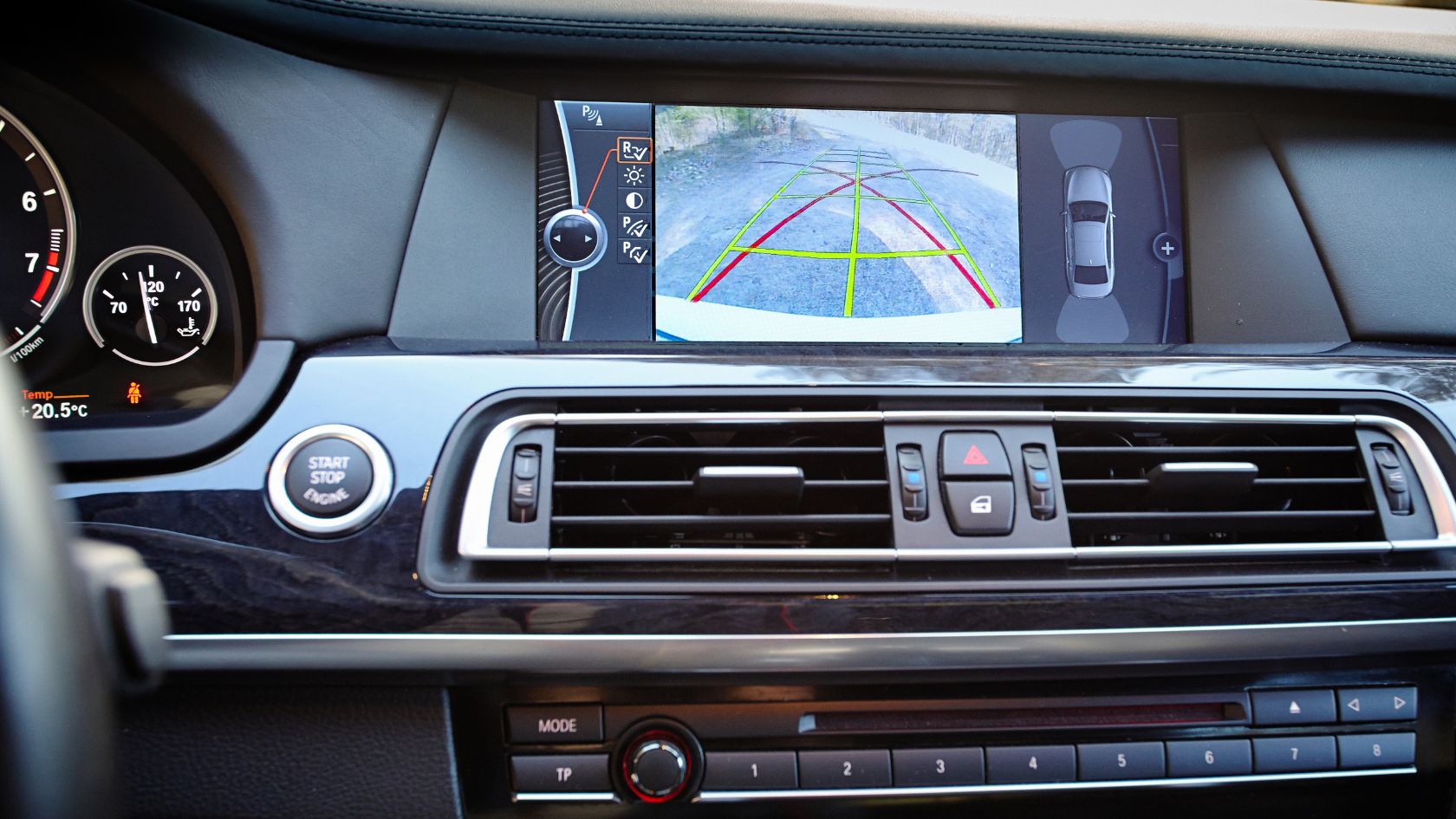
Lane Departure technology is an innovative approach to driving safety that helps you remain alert during unintentional drifts of your vehicle. In a split second, these advanced systems can prevent lane drifting, a common cause of accidents on our roads. Now, imagine if your car doesn’t come with this life-saving feature built-in. This is where aftermarket lane departure warning systems come in. These retrofit solutions can offer similar benefits to factory-installed systems but at a fraction of the cost and without the need to buy a new vehicle. You can significantly enhance safety standards, especially for older models that weren’t equipped with such technology from the outset. In this review post, I’ll be revealing 3 best aftermarket lane departure warning systems discussing their critical features, installation and maintenance ensuring peace of mind behind the wheel. Lane Departure Warning systems offer several benefits that contribute to overall road safety and driver convenience. Here are four main benefits in detail: Reduced Lane Departure Crashes Unintentional lane departure is a significant cause of accidents, often due to fatigue, distraction, or momentary inattention. LDW systems detect lane drifting through cameras or sensors and provide early warnings through timely visual, audible, or haptic alerts, giving drivers a chance to correct their course and avoid potential collisions. Studies have shown that LDW systems can reduce lane departure crashes by up to 50%, significantly improving overall road safety. Enhanced Driver Awareness and Focus The constant presence of LDW can act as a second pair of eyes. It promotes vigilance by reminding drivers to stay within their lane and be more mindful of their surroundings. When drowsiness or attention lapses occur, LDW alerts can serve as a wake-up call, prompting drivers to refocus on the road and regain control combating fatigue and distraction. By automatically monitoring lane position, LDW frees up mental resources, allowing drivers to concentrate on other aspects of driving, like traffic flow or potential hazards. Improved Confidence and Comfort, Especially for New Drivers LDW can provide extra support and assurance when driving on unfamiliar roads with complex lane markings or heavy traffic. During lane changes, merging, or navigating tight spaces, LDW alerts can offer valuable reminders and help avoid unintentional lane drifts. For new or less experienced drivers, LDW can alleviate anxiety and promote a more relaxed and confident driving experience. Integration with Adaptive Cruise Control Many LDW systems seamlessly integrate with adaptive cruise control, creating a holistic and advanced driving experience. This integration goes beyond the warning aspect of LDW, offering a semi-autonomous driving mode. In this mode, the vehicle not only maintains a preset speed but also actively stays centered within the lane. By combining the benefits of LDW with adaptive cruise control, drivers experience enhanced driving comfort, reduced fatigue, and a smoother journey, especially during long-distance travel. Investing in the right aftermarket lane departure warning system significantly enhances your driving experience and safety. With numerous options on the market, I’ve sorted through the tech specs, customer ratings, and expert opinions to bring you the standout choices. Here’s a breakdown of three of the best systems you can install in your vehicle. Brandmotion ADAS+ Advanced Driver Assistance System ADAS-1100 The Brandmotion ADAS+ ADAS-1100 stands out as a comprehensive Advanced Driver Assistance System (ADAS) offering a range of features designed to enhance safety and awareness on the road. It boasts a suite of essential features, including forward collision warning, lane departure warning, pedestrian detection, and traffic sign recognition. The high-quality built-in camera records in 1080p HD, providing clear and detailed footage for potential accident evidence. The 3.5-inch touchscreen display ensures ease of use and visibility, complemented by a GPS/GLONASS receiver for accurate location and speed data. The display offers user-friendly interaction and navigation contributing to a seamless user experience. The micro SD card slot allows storage expansion up to 128GB for extended recording capabilities. The relatively small and discreet design allows for windshield mounting without obstructing the driver’s view, maintaining a clean and unobtrusive aesthetic. The installation is easier if instructions are followed to the core however, professional services are still recommended to achieve better and lasting results. This may potentially increase the cost of the overall setup process. Irrespective of the useful features of ADAS-1100, it’s crucial to note that it serves as a warning system and should not be solely relied upon to prevent accidents. Some users have also reported occasional false alerts, highlighting a potential area for improvement in the system’s accuracy. Overall, the Brandmotion ADAS+ ADAS-1100 impresses with its comprehensive set of features, high-quality camera, and user-friendly design despite occasional false alerts and relatively higher cost. Mobileye 630 The second recommendation is the Mobileye 630. It’s a pioneer in collision avoidance and lane departure technology. The Mobileye 630 with Lane Departure Warning (LDW) is a versatile and user-friendly device that seamlessly integrates LDW and forward collision warning features with high-quality dashcam functionality. Beyond lane departure, it also offers speed limit indication and pedestrian and cyclist detection. The LDW system provides both visual and audible alerts to promptly notify drivers of unintentional lane departures. Additionally, the forward collision warning system acts as a crucial safety net, alerting drivers to potential collisions with vehicles ahead. The inclusion of a high-definition dashcam enhances the device’s utility, capturing continuous footage of the road for added security and evidentiary purposes. The dashcam functionality is particularly commendable, delivering clear video quality that enhances the overall user experience. One notable advantage of the Mobileye 630 is its user-friendly design, ensuring a hassle-free installation process. The device is easy to operate, making it accessible for drivers of varying technical expertise. The LDW alerts are generally accurate in most driving conditions, contributing to a safer driving experience. Many users report a significant boost in situational awareness without being overloaded by alerts with occasional false alerts. While the Mobileye 630 excels in combining LDW and dashcam functionalities, it lacks some advanced feature sets when compared to some of its competitors like the Brandmotion. It’s worth noting that LDW performance
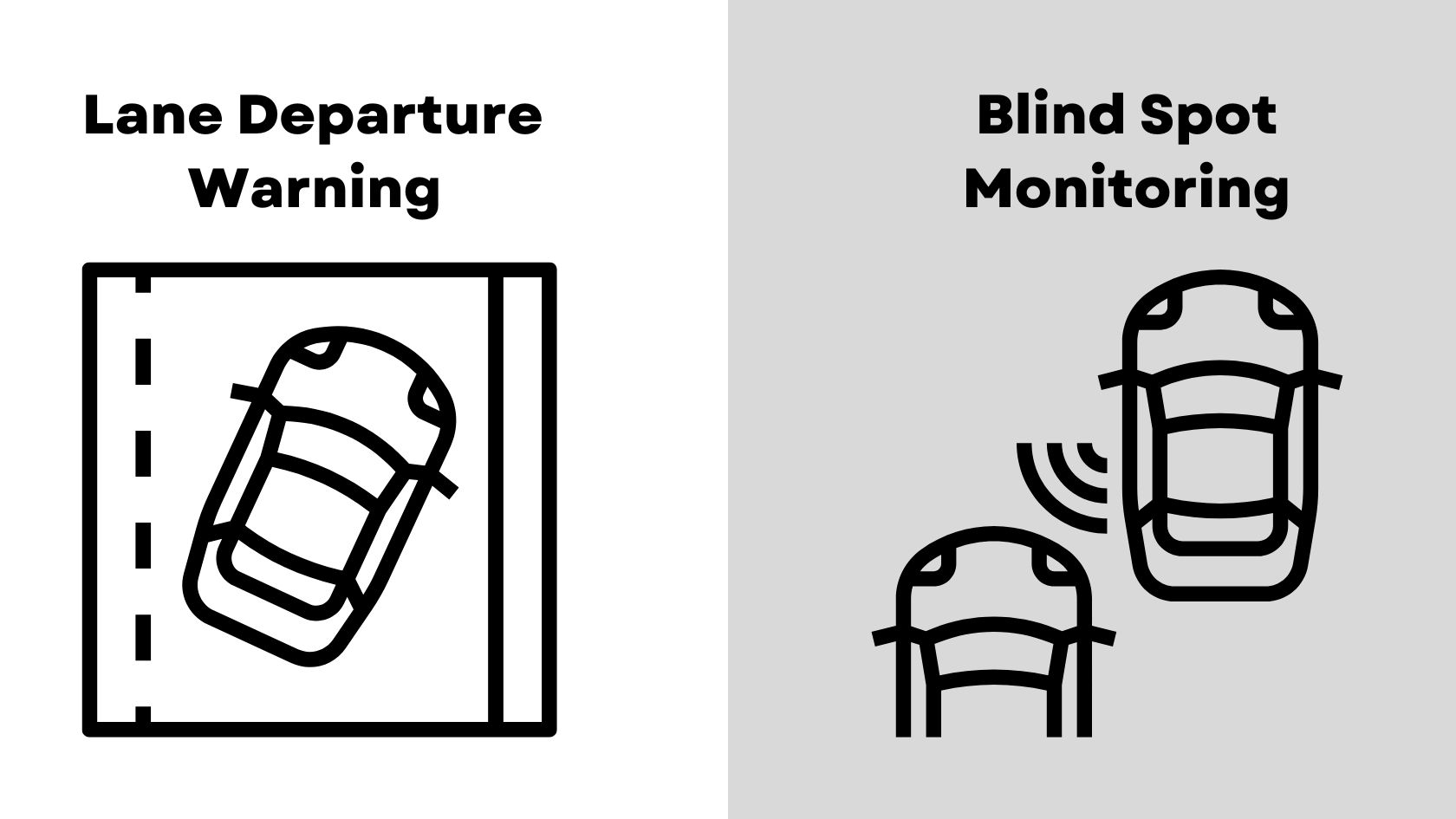
Lane Departure Warning vs. Blind Spot Monitoring
Lane Departure Warning vs. Blind Spot Monitoring: Which is better? In the rapidly evolving landscape of automotive safety features, these two technologies have emerged as crucial aids in preventing accidents and enhancing road safety. Undoubtedly, these innovative systems are designed to address specific challenges drivers face by offering real-time assistance in navigating the complexities of modern traffic. Lane Departure Warning alerts drivers when unintentional lane drift occurs, while Blind Spot Monitoring provides an extra set of eyes, notifying drivers of vehicles in their blind spots. If you are confused about which one is better, this blog post aims to unravel the distinctions between Lane Departure Warning and Blind Spot Monitoring. We will shed light on their unique functionalities and their impact on driving safety. But before you learn about Lane Departure Warning (LDW) it is important to understand the system that forms the crux of modern safety features like LDW in automobiles – Advanced Driver Assistance System (ADAS). In my opinion, understanding how Advanced Driver Assistance Systems (ADAS) work is crucial for every driver. These systems are not just about convenience; they’re about saving lives. ADAS technologies have become a game-changer in the automotive industry, dramatically improving road safety and enhancing the overall driving experience. ADAS is an umbrella term for a variety of technologies designed to assist drivers in the driving process. So why are these systems so important? Well, they can significantly intervene in critical situations to prevent accidents. For instance, if you’re momentarily distracted, ADAS systems like Lane Departure Warning can alert you before you drift out of your lane, perhaps preventing a potential collision. As you begin to understand these life-saving technologies, you’re going to find out about their intricate workings and benefits. We’ll start by taking a closer look at the Lane Departure Warning system. It’s a fascinating piece of engineering that could be the difference between a narrow miss and a regrettable traffic incident. Lane Departure Warning (LDW) systems are designed to prevent one of the most common accident types: unintentional lane drifts. These systems use cameras and sensors to continuously monitor road markings. When they detect the vehicle veering off without a turn signal, they alert the driver through visual, auditory, or haptic signals. In some advanced LDW systems, steering intervention capabilities may also exist, allowing the vehicle to automatically steer back into the lane to prevent a potential collision. LDW is like a vigilant copilot, always ready to nudge your attention back to the lane you’re supposed to be in, enhancing your overall situational awareness. There’s impressive evidence supporting LDW’s positive influence on road safety, with studies indicating a substantial reduction in the rates of sideswiping and head-on collisions for vehicles equipped with this technology. However, the effectiveness of LDW can vary. It’s crucial to understand that these systems function optimally under certain conditions such as good weather and clear road markings. Heavy rain, snow, or faded lane lines might compromise their accuracy. Moreover, some drivers may find the alerts intrusive, leading to the potential deactivation of the system, which nullifies its benefits. Blind Spot Monitoring (BSM) on the other hand, is a cutting-edge technology designed to alert drivers when a vehicle enters their blind spot during a lane change or when driving in the same direction. It’s a feature that can drastically reduce the chances of side-swiping accidents on multi-lane roads. BSM systems use a variety of sensors, such as radar or cameras, positioned around the vehicle to detect other road users in adjacent lanes. When a vehicle enters your blind spot, the system typically issues a warning through an illuminated icon in your side mirror or an audible alert. Some advanced systems can even gently steer the car back into the lane or apply brakes to avoid a collision. The safety implications of Blind Spot Monitoring are substantial. According to research, BSM can significantly decrease the rate of lane-change collisions and the associated injuries. It’s especially useful for large vehicles like trucks, which have larger blind spots. While BSM is a valuable tool for enhancing safety, it’s important to remember that it’s designed as an aid, not a replacement for vigilance. Drivers should still carry out shoulder checks and use their mirrors before changing lanes. In comparing BSM with Lane Departure Warning systems, each serves a different, critical purpose. BSM focuses on the lateral movement of vehicles in your blind spot, whereas LDW monitors lane positioning to prevent unintended departures. LDW is particularly effective on highways where maintaining a steady lane position is crucial and useful in stop-and-go traffic to prevent unintentional lane departures. BSM on the other hand, is valuable during lane changes. The signals are specifically useful to detect vehicles in blind spots and in congested urban traffic to prevent collisions. One evident difference between LDW and BSM is their effectiveness during parking. While LDW is more focused on continuous lane monitoring with limited use in parking situations, BSM can efficiently detect vehicles in adjacent spaces while maneuvering in parking lots. Together, BSM and LDW create a comprehensive safety network around your vehicle, but they also have their unique challenges. BSM systems may have difficulty detecting fast-approaching vehicles or motorcycles, while LDW systems can be overly sensitive or unresponsive if lane markings are unclear or obscured. Ultimately, when used responsibly in conjunction with regular driver vigilance, both BSM and LDW systems represent significant advancements in vehicle safety technology. They offer peace of mind, protect lives, and serve as stepping stones towards fully autonomous driving features of the future. No, Lane Departure Warning (LDW) and Blind Spot Monitoring (BSM) are distinct safety technologies. LDW focuses on preventing unintentional lane drifting by monitoring the vehicle’s position within its lane. BSM, on the other hand, is designed to detect vehicles in the driver’s blind spots, providing alerts during lane changes to prevent potential collisions. Lane Departure Warning (LDW) systems may experience limitations in adverse weather conditions such as heavy rain, snow, or fog. Reduced visibility can affect the accuracy of
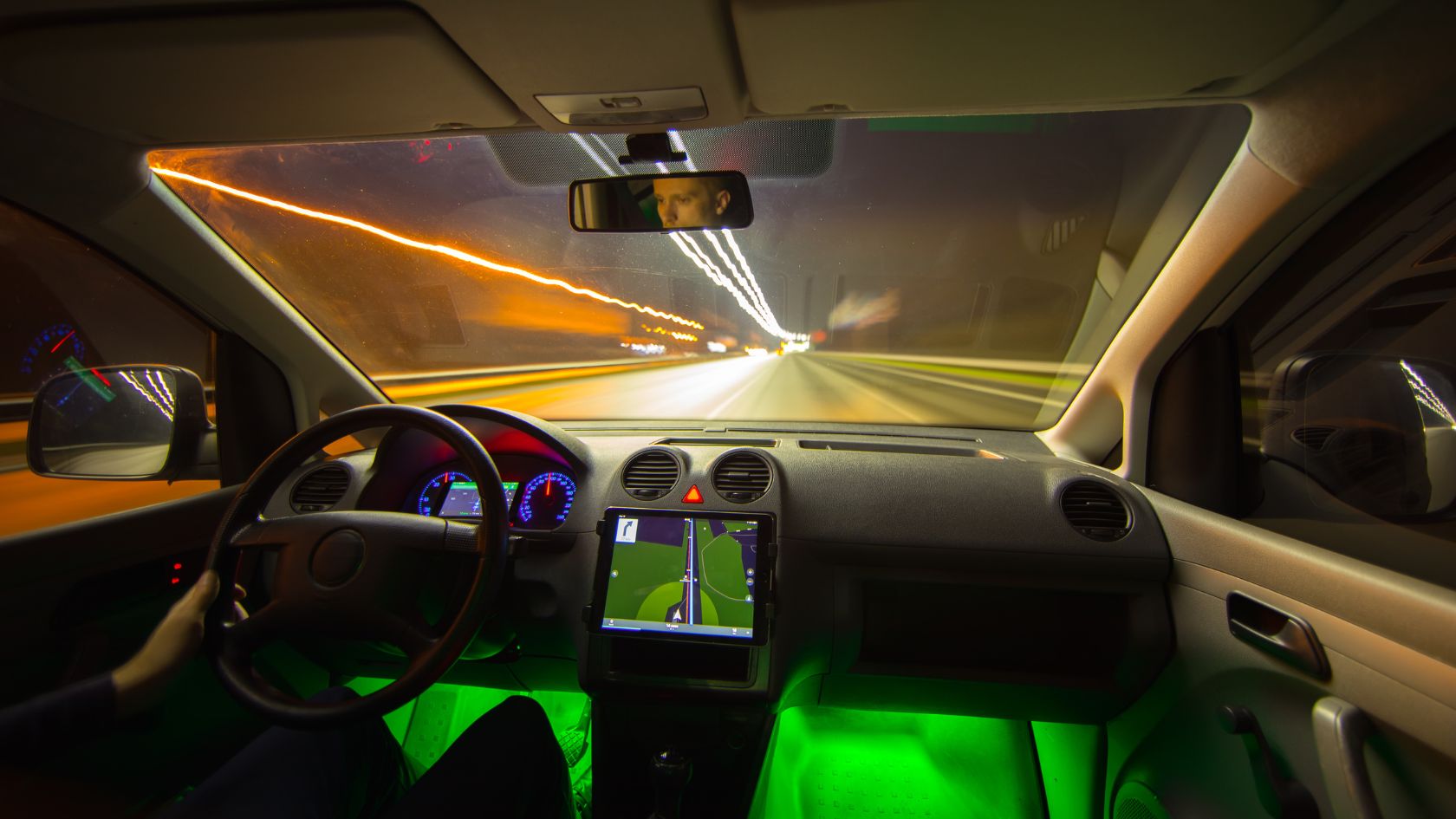
Is Lane Assist Dangerous? The Pros and Cons
Lane Assist is an innovative technology that is shaping the future of driving. At its core, it is a feature that is designed to keep vehicles within their designated lanes on the road. However, it is often surrounded by certain controversies and questions. The primary one is: is lane assist dangerous? In this blog post, we’ll delve into lane assist technology and find out if its use is worth safety or hazard. Lane Assist is a driver-assistance system that helps prevent unintentional lane departures. Lane assist technology works by utilizing cameras and sensors. The system detects lane markings and can gently steer the car back into the center of the lane if it begins to drift without a turn signal activated. Lane Assist is not inherently dangerous but requires responsible use and understanding of its limitations. It is primarily designed to enhance driving safety but it comes with certain considerations. If used correctly and not over-relied upon, it can be a valuable tool for safer driving. Disabling it due to minor annoyances may outweigh the potential safety benefits. Whether Lane Assist is dangerous depends on various factors. It has both benefits and potential drawbacks. Here’s a breakdown of both sides: The primary advantage of Lane Assist lies in its potential to save lives. With traffic accidents remaining a leading cause of injury and death globally, any technology that can make a dent in these statistics is invaluable. Lane Assist helps maintain traffic flow and prevent sideswipe collisions, particularly in cases where drivers might be momentarily distracted or fatigued. Studies have shown a significant decrease in lane departure crashes with Lane Assist, making it a valuable safety feature. The system’s warnings can help drivers stay focused and aware, especially during long journeys when fatigue can set in. Moreover, Lane Assist can provide a sense of security and confidence, particularly on highways, promoting calmer and more comfortable driving. Despite the clear safety benefits Lane Assist provides, it is not without its critics. Some individuals raise the flag, worrying that this kind of automation may foster a dependency that could backfire. They argue that with the car’s ability to correct course on its own, drivers might become less attentive, or worse, disengage from the driving process altogether. This leads us to a critical conversation about not just the technology itself, but how it is used by those behind the wheel. Now, you may wonder if there’s a downside to having a smart system like Lane Assist on board. The truth is, for all its benefits, some concerns cast a shadow over its reliability. A major issue is the possible over-reliance it might foster among drivers. When a car starts to shoulder part of the driving task, the human behind the wheel could potentially become less vigilant. Research shows that trust in automation, like Lane Assist, can lead to a decrease in driver attention. It’s a psychological comfort zone that’s a bit too comfortable for safety’s sake. Once drivers get used to the car correcting itself, they might pay less attention to the road or their steering inputs, increasing the risk of an accident if the system fails or encounters a situation it cannot navigate. And it’s not just about attention. Lane Assist isn’t infallible. It can misread faded or missing road markings, become confused by temporary lane shifts in construction zones, or be blinded by harsh weather conditions. These are moments when a system’s hiccup could potentially lead to an unsafe maneuver unless the driver is fully attentive and ready to take over control. Moreover, Lane Assist systems vary across different manufacturers, and with this variance comes a debate: Do these systems make for safer driving environments or do they breed a generation of lazy drivers? Some experts argue that, as drivers become more and more accustomed to the ‘helping hand’ of Lane Assist, the basic skills of attentive driving may erode over time. Hence, while Lane Assist holds incredible potential to make our roads safer, it’s not without controversies and caveats. Awareness and education about these technologies are crucial for drivers. They need to understand not just how to use these systems, but also their limitations, for their own safety and that of their fellow road users. I want to make sure you get the most out of Lane Assist technology while staying safe on the road. It’s crucial to recognize that Lane Assist isn’t a replacement for your keen attention. Here’s how you can partner with this advanced feature to enhance your driving safety. First and foremost, it’s your responsibility to understand the lane assist system’s capabilities and limits. Take time to familiarize yourself with the system’s operation, including any unexpected behaviors it might exhibit. This awareness helps prevent surprises while driving. Avoid overreliance on lane assist and remain actively engaged in driving. This means keeping hands on the wheel and eyes on the road. Use Lane Assist as a backup, not as the primary driver of your vehicle. If the system alerts you, be ready to take over immediately. Don’t assume it can handle all driving scenarios—it’s an aid, not an autopilot. Make sure you’re familiar with how it reacts in various road conditions, such as inclement weather or on curves. Regular maintenance is non-negotiable. This includes software updates and sensor checks. If your vehicle’s sensors are dirty or malfunctioning, the system’s effectiveness is compromised. Make it a habit to check these regularly. Continue practicing safe driving habits, such as using turn signals, checking blind spots, and following traffic rules, in conjunction with lane assist technology. Yes, while it’s much less likely than without the system, accidents caused by Lane Assist can happen. Imagine poor weather obscuring lane markings, causing the system to misread them and steer you the wrong way. Or relying too heavily on Lane Assist and missing a car in your blind spot. Finally, frequent, annoying warnings might lead you to turn it off, losing potential safety benefits. It can! Relying too much on Lane Assist

How Many Blind Spots Are There in a Car?
The hidden zone around your car where other vehicles disappear is called a blind spot. It’s an area that your car’s mirrors can’t cover, and it’s critical for driving safety. So, how many blind spots are there in a car and other vehicles? Blind spots can differ depending on the vehicle you’re driving, whether it’s a compact car, an SUV, a truck, or a motorcycle. Understanding where they are and how to spot them will be crucial. In this post, you’re going to find out about common blind spot areas in different vehicles and explore strategies for locating and becoming aware of these unseen zones. Typically, a standard passenger car has two main blind spots. These spots are located on either side of the car, just behind the left and right side mirrors. However, keep in mind that the size and number of blind spots can increase with the size of the vehicle. Semi-trucks or vehicles towing trailers, for instance, have larger blind spots due to their increased length and height. The very design of a car contributes to the creation of blind spots. Pillars that support the roof, the rear headrests, passengers, or cargo can all obscure your view. Essentially, any part of your vehicle that blocks your line of sight to the areas behind or on the sides of your car can create a blind spot. This isn’t just about knowing where these blind spots are; it’s also about learning how to manage them effectively. Now that you’re aware of what blind spots are and how they can vary, let’s move on to the next important step: identifying the specific blind spots in your car. Think of your car as having its own set of blinders, similar to those on a horse, that block certain areas from your sight. These are your blind spots, and not being aware of them is a pretty risky business. To begin with, certain areas typically fall into the category of blind spots. These are located over your shoulders and near the rear of your car. To discover these sneaky zones, you can do a simple exercise. Park your car and place an object at various distances and angles, then sit in the driver’s seat and check what you can’t see without moving your head. It’s surprising, right? Side mirrors show a lot, but not everything. When it comes to your mirrors, you’ve got a power trio working for you: the rearview mirror and two side mirrors. Setting them up correctly is like aligning stars for clearer navigation. Angle your side mirrors just beyond the point where your car is no longer visible, which helps significantly reduce the size of your blind spots. Remember, some smart mirror work upfront can save you from a lot of headaches on the road. Now, you’re well-versed on what blind spots are and how to pinpoint them in your car. But knowing is only half the battle! It’s your actions on the road that truly make a difference. It’s crucial to adopt certain best practices to ensure you and others on the road stay safe. Before we get into the best practices for checking blind spots, I want to touch on a bit of tech magic that’s changing the game – blind spot detection systems. These systems alert you when there’s an object in your blind spot, drastically improving safety. If you’re shopping for a new car, this is a feature worth prioritizing. But technology is no substitute for good driving habits. Always turn your head to check your blind spots before switching lanes—mirrors alone won’t cut it. Be particularly mindful in heavy traffic or on multi-lane roads, where the stakes are higher. As evident, almost every vehicle has blind spots. So, what are their types? Let’s take a closer look at the different types of blind spots you might encounter on the road: Rear Quarter Blind Spots: These are the most common culprits, lurking just behind the C-pillars (those thick pillars behind your rear doors) on both sides of your car. Motorcycles, bicycles, and even small cars can easily disappear in these zones. Checking over your shoulder or using rearview cameras can help in tackling rear blind spots. Front Pillar Blind Spots: The A-pillars (windshield pillars) can also be sneaky, hiding pedestrians, cyclists, and motorbikes approaching from the side. The front pillar blind spots are directly in front of the vehicle. They provide limited visibility due to the hood and sometimes the windshield pillars. Adjusting seat height, using proper seating position, and remaining cautious at intersections can help manage front blind spots. Mirror Blind Spots: Even with properly adjusted mirrors, there can be small areas right next to your car that remain unseen. You need to be extra cautious when pulling out from a parked position or squeezing past slow-moving vehicles. The above three are the main blind spots associated with cars. Beyond cars, larger vehicles like trucks and buses have different zones of blind spots that you will find in the below section. It’s not just about cars. Every vehicle has blind spots and the size and location of blind spots can vary among different types of vehicles. Here are some common blind spots for specific vehicle types: Trucks, SUVs, Commercial Vehicles and Buses Long buses, trucks, and large commercial vehicles have much larger and more extensive rear blind spots. Due to their size, the entire area alongside and behind the driver’s side, often extending several lanes, can be invisible to the driver. Such longer invisible areas make it crucial to check blind spots before changing lanes for these bigger vehicles. Large trucks and buses particularly have significant blind spots along the sides as well. Drivers of these vehicles may use additional mirrors to minimize blind spots. As a driver, you must give trucks and buses extra space. Avoid lingering in their blind spots, and maintain a safe following distance. Motorcycles Motorcycles have a smaller profile that makes them easily hidden in the rear
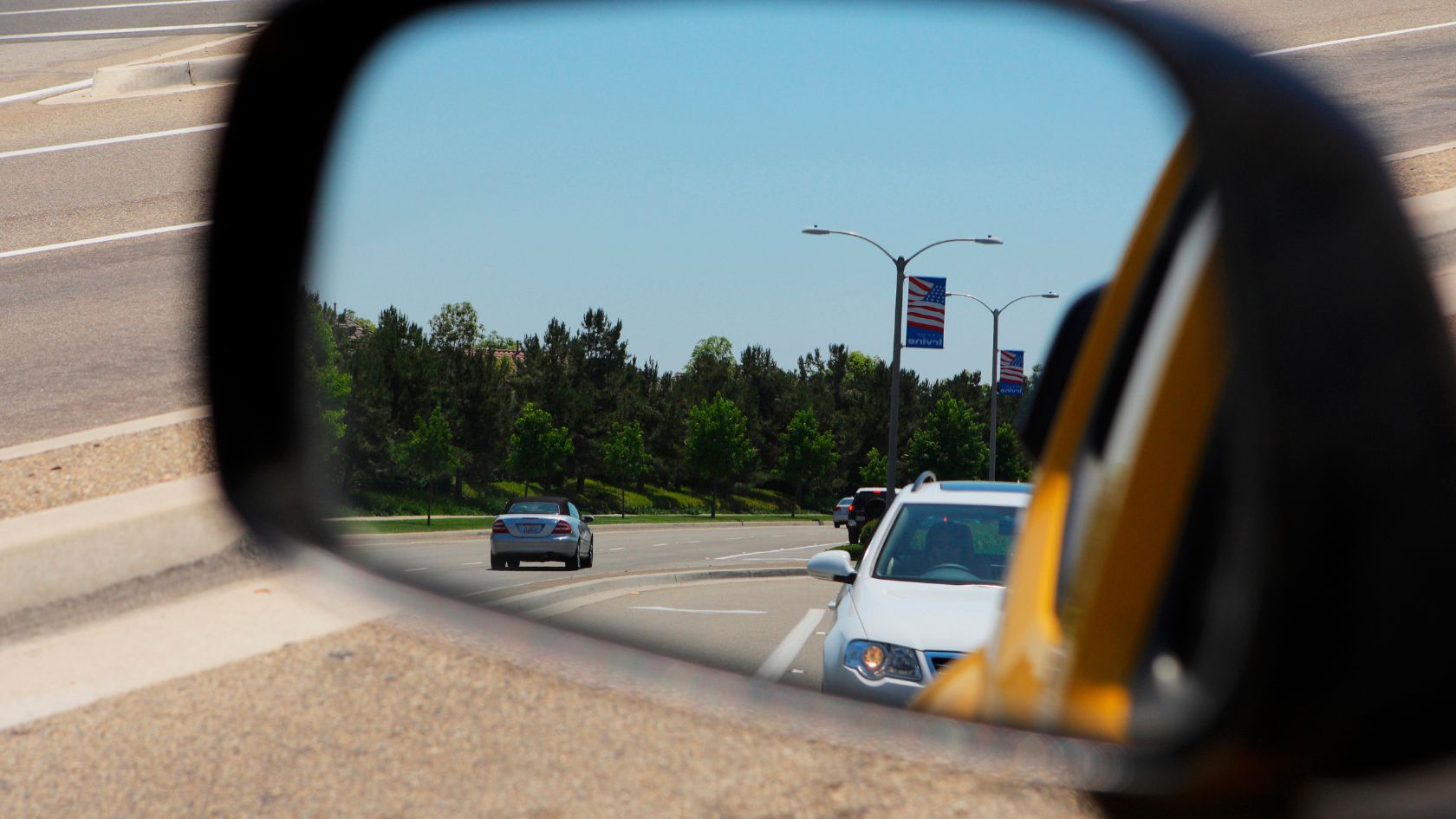
Should You Turn Your Head to Check a Blind Spot?
Have you ever experienced that heart-stopping moment when you start to change lanes, only to realize there’s another car right beside you that you didn’t see? That’s what’s known as a blind spot, and it’s a common cause of road accidents. So, should you turn your head to check a blind spot? What exactly is a blind spot in the context of driving? And, why should you care about blind spots? In this informative blog post, we will cover all the important aspects of blind spots and how to deal with them while driving. A blind spot in the automotive world is an area around your vehicle that isn’t covered by your mirrors or peripheral vision. That means even if you’re diligent about checking your mirrors, spaces can be obscured, hiding other vehicles, cyclists, or pedestrians. Checking blind spots is crucial for road safety. This is because your life and the lives of others may depend on it. Understanding where your blind spots are and how to check them properly can prevent collisions and ensure smooth lane changes and overtakes. Yes, to check your blind spot, you should turn your head to look over your shoulder before changing lanes or making a maneuver. Checking a blind spot is an important aspect of safe driving. While your mirrors provide valuable information, they may not cover all areas, and there are certain blind spots that you can only check by physically turning your head. This is especially crucial when you are merging onto a highway, changing lanes, or making a turn. Relying solely on mirrors may lead to a situation where you miss a vehicle or obstacle in your blind spot, potentially causing a collision. In summary, turning your head to check your blind spot is an essential practice as it complements the use of your mirrors in ensuring that you have a comprehensive view of your surroundings. Adjusting your mirrors correctly is a critical step in minimizing blind spots, and doing so isn’t complex. I’m going to guide you through it, step by step. First, let’s tackle the rearview mirror. Your goal here is broad visibility. Adjust this mirror so you can see out of the center of your rear window without having to move your head. That means you’re likely going to have a full view of the road behind you. Now, your side mirrors. Here’s a tip that might surprise you: Don’t position them to reflect the side of your car. Instead, angle them outward until your car is just out of view. This widens your peripheral vision on either side and helps cover areas that your rearview mirror can’t catch. For those wondering about the correct sitting position, you want to make sure you’re seated comfortably with your back against the seat, able to reach all controls and have an unobstructed view of all mirrors. I’ve come across a few myths over time about mirror adjustments. Some people say you should be able to see the horizon in the center of the rearview mirror—this isn’t necessarily true for everyone. Your height and the car’s design affect this, so choose something that resonates with you, within the safety norms. Remember, even with optimal mirror adjustment, blind spots can never be completely eliminated. That’s why, after adjusting your mirrors, you need to learn how to physically check your blind spots. And don’t worry too much about getting it perfect on the first try. You can always adjust your approach down the road. Checking your blind spot is a critical driving skill that’s all about timing and technique. I’m going to walk you through the process so that you can do it almost instinctively. You’re going to find out about the moments when a blind spot check is crucial, such as merging onto a highway, changing lanes, or entering traffic circles. It isn’t just about rotating your head; it’s about doing it at the right moment to ensure maximum safety on the road. Here’s how to execute a proper blind spot check: Now, this skill needs to be integrated into your driving habits. Constant vigilance and practice are key. Start by consciously incorporating blind spot checks into every relevant maneuver until it becomes second nature. Remember, your first attempt doesn’t need to be your last. You can always fine-tune your technique. Don’t worry too much about getting it perfect immediately; it’s more important to start the practice and improve over time. Here’s a video showing the basics of checking the blind spots: Yes. Now that you’ve got the hang of checking your blind spots through tried-and-true techniques, it’s also worth exploring how technology can aid in this essential task. Consider installing convex or blind spot mirrors on your side mirrors. These mirrors have a wider field of view and can help you see into your blind spots. They are particularly useful for detecting vehicles approaching from behind and alongside your vehicle. Many modern vehicles also come equipped with blind spot monitoring systems – intuitive features that alert you when a vehicle enters your blind spot zone. These systems use sensors to detect vehicles in your blind spots and typically provide visual or audible alerts to warn you of their presence. While these systems can be incredibly helpful, I want to emphasize that they do NOT replace the need for manual checks. They’re complementary to your visual checks and can serve as an additional safety net. Keep in mind, that no tool is foolproof. Sensors can fail or get obstructed, and sometimes, weather or road conditions can interfere with their accuracy. Therefore, always perform a physical check before making any moves. Moreover, developing a constant awareness of your surroundings is key. This means regularly scanning your mirrors, being mindful of vehicles that may have been beside you, and anticipating other drivers’ actions. This way, even if a vehicle quickly slips into your blind spot, you’re more likely to be aware of its presence. Remember, the road is dynamic, and things change

Blind Spot Mirrors Vs. Blind Spot Detection Systems: Which Is Better?
Blind spots are the areas outside the vehicle that the driver can’t see through their mirrors. This lack of visibility can lead to collisions, particularly when changing lanes. To address this, blind spot mirrors and detection systems have emerged as solutions. The question many motorists explore is: Out of Blind Spot Mirrors vs. Blind Spot Detection Systems, which provides the better shield against the hidden dangers on the roads? Before preferring any one of the two, it’s essential to weigh the differences between the products. In this blog post, we will do an in-depth comparison and find out their practicality, reliability, and accessibility through pros and cons. By the end of this post, you should be able to decide between choosing a blind spot mirror or a detection system according to your needs and preferences. Blind spot mirrors are additional, smaller mirrors affixed to a vehicle’s standard side mirrors. They typically provide a wider field of view, enabling drivers to see areas that would otherwise be unnoticed. Variations of these mirrors exist, from convex to adjustable, offering different perspectives. On the other hand, blind spot detection systems represent a leap in technology. By using sensors, cameras, or radar, these systems can alert drivers to unseen vehicles in the blind spot area. Often, the alert is a light on the side mirror or an auditory warning. While both aim to enhance driver awareness and safety, they do so through markedly different methods. The history of these technologies showcases a clear evolution—from the simplicity of added mirrors to the complexity of integrated alert systems. When considering the addition of blind spot mirrors to your vehicle, it’s essential to weigh their strengths and drawbacks. These small, convex mirrors can be attached to your car’s side mirrors and are designed to widen your field of view. The solution is quite simple but it comes with its share of benefits and limitations. The standout advantage is affordability. You can purchase these mirrors at a modest cost, which is especially attractive when compared to pricier tech-driven alternatives. Installation is another strong point. You can easily stick them onto your existing side mirrors without the need for complex tools or professional assistance. Then there’s reliability. These mirrors are always ‘on’ and don’t require any power source, making them a steadfast option. However, they are often subject to a couple of misconceptions. The most significant is that they eliminate blind spots. While they do reduce them, drivers must still practice vigilance and proper mirror adjustment to ensure safety. Maintenance is minimal — a cleaning here and there to keep them clear. Durability is often dependent on the quality of the mirror you purchase. Indeed, their lifespan can be considerable, resisting weather’s wear and tear if chosen well. When compared to high-tech detection systems, blind spot mirrors might seem rudimentary, but they hold their own by offering a constant visual check without the risk of sensor or electrical failures. It all boils down to understanding and accepting the extent of their capabilities and learning how to use them effectively within the context of safe driving practices. Integrating a blind spot detection system into your vehicle presents a range of advantages and considerations. These advanced systems, employing sensors and alerts, enhance safety by warning drivers about potential hazards in their blind spots. On the positive side, blind spot detection systems substantially contribute to road safety. Real-time alerts regarding vehicles or obstacles in blind spots reduce collision risks during lane changes. Unlike traditional blind spot mirrors, these systems often offer comprehensive coverage, detecting not only adjacent lane vehicles but also those approaching rapidly from behind. Another notable advantage lies in the adaptive technology often incorporated. Dynamic adjustments to warning thresholds based on driving speed enhance the system’s intelligence. Furthermore, some systems seamlessly integrate with other safety technologies, such as lane departure warning and rear-cross traffic alert systems, creating a comprehensive safety network. Customization options add flexibility for drivers to tailor alert preferences to their driving style and comfort level. However, on the downside, the primary drawback is the cost. Blind spot detection systems generally come with a higher price tag compared to simpler blind spot mirrors. The advanced technology involved contributes to a more substantial financial investment. Installation complexity is another consideration. Unlike the straightforward attachment of blind spot mirrors, installing a blind spot detection system may necessitate professional assistance due to the complexity of sensors and electronic components. Maintenance challenges also arise as these systems are electronic, making them susceptible to malfunctions or sensor failures. Regular maintenance and potential repairs might be necessary, adding to the overall cost of ownership. Additionally, the systems depend on power sources, drawing from the vehicle’s electrical system. In the event of a power failure or electrical issues, the system may become temporarily non-functional. A potential drawback is the risk of overreliance on technology. While highly effective, there’s a concern that drivers may become overly dependent on the system, potentially neglecting basic mirror checks and safe driving practices. Overall, blind spot detection systems offer advanced safety features and comprehensive coverage, but their higher cost and installation complexity should be considered by drivers when deciding on the most suitable blind spot solution for their vehicles. Blind spot detection systems are designed to complement traditional mirrors, not replace them. While these systems enhance safety by providing additional alerts, they should not be relied upon as the sole means of monitoring your surroundings. It’s crucial to continue using your side and rearview mirrors actively and practice safe driving habits in conjunction with the technology for optimal road safety. Yes, blind spot detection systems can be retrofitted onto older vehicles, but the feasibility depends on the specific system and vehicle model. Some aftermarket kits are available for installation, and professional assistance might be necessary due to the electronic components involved. Before proceeding, check compatibility and consult with experts to ensure a successful integration onto your older vehicle. While modern blind spot detection systems are designed to minimize false