
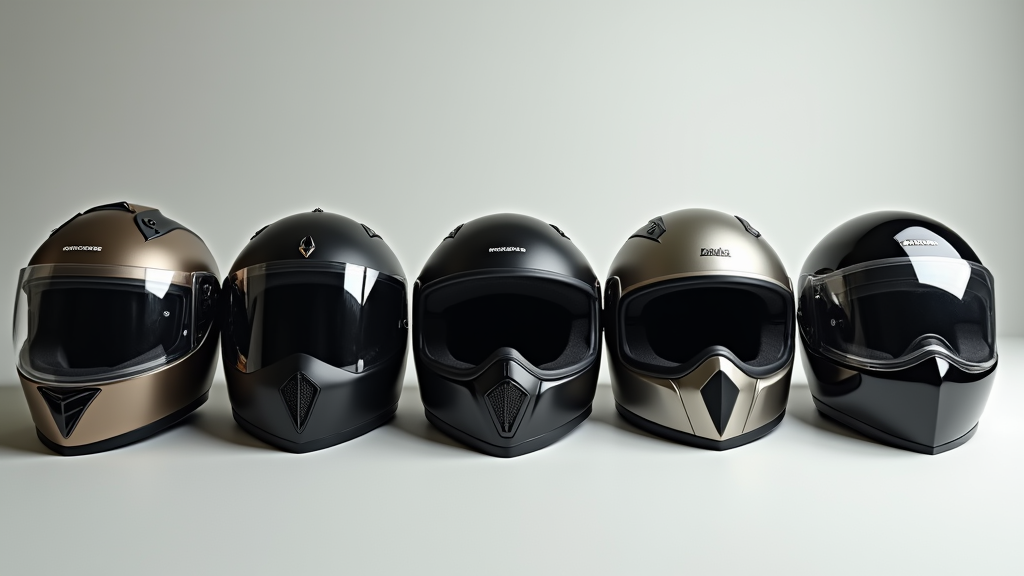
Choosing Between Full Face and Open Face Helmets If you’re new to motorcycle gear or just wondering about helmets in general, you might find yourself stuck between a full-face helmet and an open-face option. Both styles get the job done, but each has its own pros and cons. I remember facing this question when picking out my first helmet, and it turns out there’s more to think about than just looks or price tags. Over the years, I’ve learned that what works for one rider might not suit someone else, so it’s worth taking the time to check out what sets these helmet types apart before you settle on your choice. Full Face vs Open Face Helmet: What’s the Difference? What is a Full Face Helmet? A full-face helmet covers your entire head, including your chin, jaw, and face. There’s a clear visor you can flip up or down to protect your eyes and face from wind, bugs, and road debris. This style is likely what comes to mind when you picture a standard sportbike or touring helmet. Full-face helmets are what you’ll see in almost any professional racing environment, thanks to their all-in-one protection and performance focus. Many riders also appreciate the lower wind noise and less strain from buffeting at high speeds that these helmets offer, helping you focus on the ride instead of distractions. What is an Open Face Helmet? An open face helmet, sometimes called a three-quarter helmet, covers the top, sides, and back of your head but leaves your face completely exposed. Some versions include a small sun visor or a snap-on face shield, but your chin is always uncovered. I see these a lot with people riding cruisers, scooters, or classic bikes who like that unfiltered wind-in-your-face feeling. Open-face helmets are also popular for riders wanting easier communication with fellow bikers at traffic lights or during group rides. The lighter weight and less restrictive fit provide a feeling of freedom that’s tough to match. Benefits & Drawbacks of Full Face Helmets Full Protection from Everything Full-face helmets do an amazing job of keeping your whole head protected. They help shield you from impacts not only to the skull, but also to the chin and jaw. These are two spots that often hit the ground in a crash. According to NHTSA helmet facts, these helmets are the most protective type you can wear. Besides impacting safety, they block wind, rain, flying bugs, and all the road gunk that tends to smack you in the face at highway speeds. I’ve even noticed they help with noise, which makes those longer rides way more comfortable. When you’re tackling a cross-country trip or bracing against chilly winds, the full wraparound design is a real game-changer. Downsides to Consider On the flip side, full-face helmets can feel bulkier and heavier. In hot weather or humid climates, they get stuffy quickly, even with vents. Some people say they feel a little closed in at first. Getting a drink, talking to a friend, or just taking a quick break is tougher since you usually have to take the helmet off. Plus, finding one that fits just right is important for comfort and safety, so it’s a smart move to try on a variety of sizes and brands. Full-face models can also be a bit pricier compared to open-face helmets, especially ones packed with extra features like drop-down sun visors or enhanced ventilation systems. Benefits & Drawbacks of Open Face Helmets Maximum Visibility and Freedom Open-face helmets let you see, feel, and hear the ride in a way that’s closer to having no helmet at all, but still protect the major parts of your skull. They’re lighter, breezier, and really easy to take on and off. Related Read: Best Anti Fog For Motorcycle Helmets On summer days, I totally get why so many people prefer this style. You can talk, drink water, scratch your nose, and catch all those city sounds without feeling muffled. The classic, slightly rebellious look also appeals to anyone who loves that old-school vibe. For many casual riders, the sense of freedom is what riding is all about. Less Protection The big tradeoff here is the level of protection. Open-face helmets leave your jaw, chin, cheeks, and most of your face completely exposed. If you ever take a spill, those are the areas that tend to make contact with the ground. They also don’t block dust, critters, or rocks flying at you. Even though they meet safety standards for what they cover, riding with an open-face helmet gives you much less all-around safety than a full-face helmet. That’s not to say they aren’t useful—they’re just best suited to specific conditions and personal preferences. Comfort, Style, and Other Considerations Riding Environment and Weather The kind of riding you do makes a big difference. For highways or sport riding, a full-face helmet is my top pick because of the extra safety. If you’re a casual rider or spend most of your time in town at lower speeds, an open face makes more sense for comfort and ease. Weather can also help shape your decision. In rain or cold, a full-face model keeps you warmer and drier, while open-face helmets can make breezy summer rides a lot more enjoyable. Some riders keep both types on hand and switch up depending on season, mood, or destination. Style and Communication Some people just love the classic or retro look of an open-face helmet, especially with their vintage bikes. It’s also easier to chat with passengers, grab a bite, or feel more “in the moment” during rides. If your main goal is pure style and enjoying the breeze, an open face does the job. But if you lean toward long trips, highway riding, or you’re after the best protection, it’s tough to beat a full-face helmet. There are even modular helmets, which mix features from both kinds, giving the option to flip up the chin bar for quick stops or while sitting at
Best Anti Fog For Motorcycle Helmets (2025)
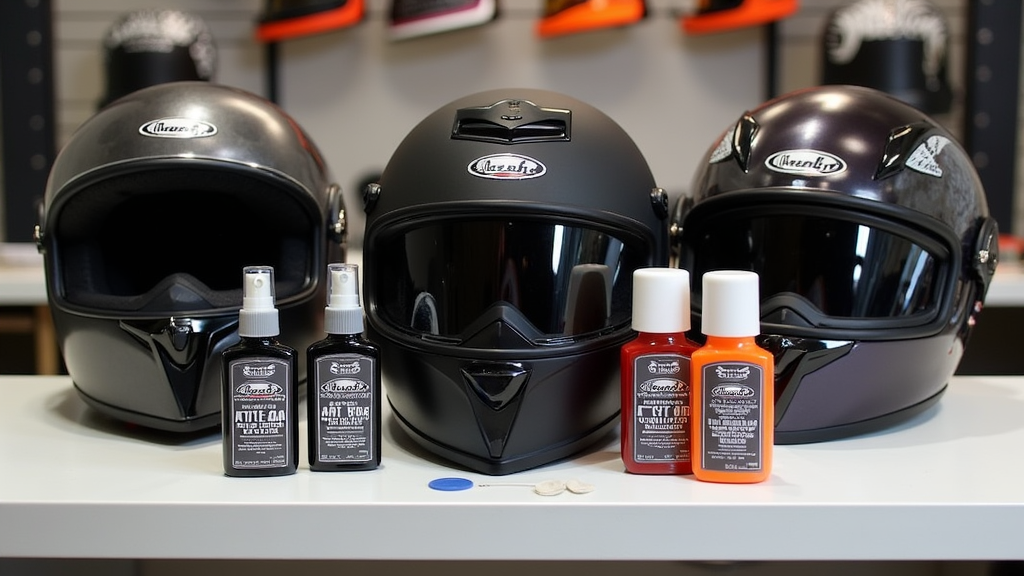
Keeping your vision clear on the road is essential for every rider. If you’ve ever had your helmet visor fog up right as you’re merging into traffic or steering through a winding section of highway, you know how inconvenient, and even dangerous, it can get. Fogged-up visors can ruin a great ride and put you in risky situations quickly. Helmet fog has lots of causes—a quick drop in temperature, humidity, your breath hitting the visor, or riding in the rain. No matter the cause, losing your view even for just a second isn’t only annoying; it can be extremely distracting and compromise safety. This is where anti-fog for motorcycle helmets becomes essential. There are plenty of solutions out there, and picking the right one can make your rides much safer and more enjoyable. From sprays and wipes to high-tech inserts, I’ve checked out a variety of anti-fog products to see which ones really stand up to the challenge on the road. 3 Benefits of Anti-Fog for Motorcycle Helmets Using an anti-fog treatment goes beyond mere convenience. It’s a minor addition that brings surprisingly major benefits to how you ride. Here’s what you can look forward to with the right anti-fog solution: Beyond these, not having to pull over to wipe your visor down is a time-saver, and keeping fog at bay means your helmet feels more comfortable for longer rides. When your vision stays sharp, your whole ride experience improves. Types of Anti-fogs for Motorcycle Helmets Anti-fog solutions come in several forms, each with unique pros and cons. Whether you prefer quick fixes or more permanent options, here’s a closer look at what you’ll find on the market: Anti-fog Sprays and Liquids Sprays and liquids are the classic choice and among the easiest to use. You spritz or wipe the solution onto the inside of your visor, allow it to sit briefly, then buff it off. It forms a thin layer that stops condensation from gathering. While some formulas last for days, others need to be reapplied every few rides. They’re budget-friendly and excellent for many riders, but always make sure the product is safe for your specific visor material. Anti-fog Wipes Wipes are the go-to for riders needing a fast, on-the-spot fix. Compact and portable, you just grab a wipe, clean the visor, and you’re set for a fog-free stretch. They typically fit snugly in a jacket pocket or under your seat, but don’t expect them to last as long as spray or insert solutions. Still, their convenience is tough to beat when you need a quick fix. Pinlock Inserts Pinlock is a leading name in visor inserts, though other brands exist too. These inserts attach to designated posts on the inside of compatible visors and work using a silicone seal to keep an isolated pocket of air between your helmet’s visor and the insert—which helps prevent fog. In my experience, Pinlock inserts provide excellent clarity on both daily commutes and adventurous weekend rides, even in damp or chilly conditions. Check your helmet model first to ensure compatibility before buying. Anti-fog Coating and Films For a semi-permanent solution, consider stick-on films or special coatings. These are applied directly to your visor and can give you weeks, even months, of fog resistance. Films need precise application to avoid air bubbles. Coatings, meanwhile, might require curing time but can deliver long-lasting protection, making them ideal if you want a mostly set-and-forget method. There are even some newer products that provide anti-fog features built into the visor itself—although those tend to come with premium price tags. For most riders, one of the options above offers a great mix of effectiveness and cost-savings. 3 Best Anti-fog Solutions for Motorcycle Helmets 1. Pinlock Fog Resistant Insert Lens For many riders, the Pinlock insert lens is the standard-bearer for fog prevention. It forms an airtight pocket between the visor and the lens, effectively blocking out fog. My own tests have proven that it works for city riding and long stretches in wet or cold weather. The main thing to double-check is that your visor is designed for inserts—most modern midrange and high-end helmets are, but always confirm before buying. 2. Rain-X Anti-Fog Spray Rain-X is widely known for windshield protection, but their anti-fog spray works smoothly on helmet visors too. Application is straightforward: spray it on, let it sit, then buff it clear. I found it highly effective for daily rides, especially on helmets not compatible with inserts. The trade-off is that you’ll need to reapply every few rides to keep it working at 100%. Watch out for streaks—follow directions closely for the best result. 3. Optix 55 Anti-Fog Wipes Optix 55 wipes are a favorite for their sheer portability. Each wipe is sealed, so you can stash a couple in your jacket or tank bag for emergencies. They’re suitable for visors, goggles, and standard glasses. Their effect typically lasts for a few rides—ideal when you’re far from home or in unpredictable weather. How to Use Anti-fog on Motorcycle Helmets Prep Your Visor Always start with a clean visor. Any dirt, bugs, or fingertips can interfere with the product making a good seal. Use a gentle, visor-safe cleaner and a soft cloth, dry thoroughly before putting on any anti-fog solution. Sprays and Liquids With sprays or liquids, put a small amount on the inside surface, spreading it with a microfiber cloth or finger in gentle circles. Wait a bit, then buff until clear and streak-free. It’s smart to try out new products in a discreet spot at first—some tints and coatings can react oddly. Wipes Just open the pack, cover the whole visor evenly, and give it a brief moment to air dry. Wipes can be a ride-saver in parking lots or when riding with friends—if someone gets fogged up, you’ll be the hero with a spare ready to go. Pinlock Inserts and Films For visors designed for inserts, follow the instructions closely and ensure the seal is snug. Dust-free surfaces are key before
How To Prevent Motorcycle Helmet From Fogging Up: Tips & Tricks
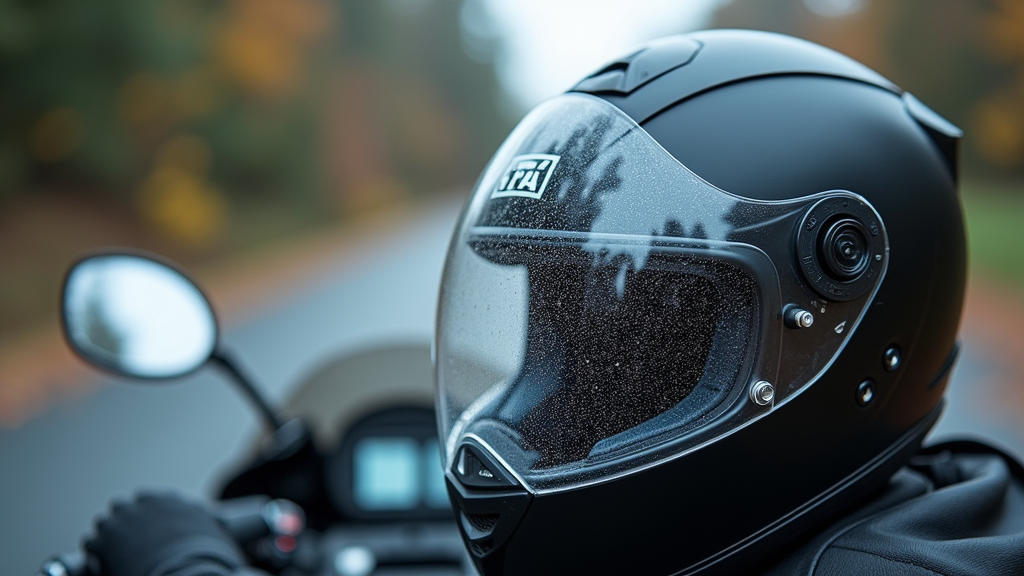
Riding with a foggy helmet visor can turn a good day on the road into a stressful one. It’s tough to see where you’re going, and that instantly takes the fun and safety out of the ride. Anyone who’s been behind the visor on a chilly morning knows how fast that clear view disappears. Breathing, temperature changes, and even your body heat can all contribute to foggy helmet issues. It happens to both new and experienced riders, especially when weather conditions change or you hit a patch of rain. This guide covers what causes helmet fogging and walks through the most practical ways to keep your vision clear, so you can focus on the road instead of wiping your visor every mile. Why Does My Motorcycle Helmet Fog Up When I Breathe? Helmet fogging happens because the moist, warm air from your breath meets the colder surface of the visor. When these temperatures clash, condensation forms as tiny water droplets—otherwise known as fog. Some helmets fog up more than others due to their design, ventilation system, and the shape of the visor. It’s a common problem and one that’s pretty fixable if you know what to do. Step 1: Pick the Right Helmet and Visor Your choice of helmet plays a big role in preventing fog. Some helmets and visors do a better job than others, right out of the box. If your helmet doesn’t already have these features, some upgrades are pretty easy to add later. For example, many visors can be swapped for antifog models, and you can install a Pinlock insert yourself in a few minutes. It also helps to keep an eye out for new helmet models that are coming out with these features as standard. Riding communities and online forums provide great suggestions on the most popular and reliable antifog systems, so you can track down a helmet that’s proven in real-world conditions. Remember, making an informed choice upfront saves you time and trouble down the line. Step 2: Make the Most of Helmet Ventilation A helmet’s vents really help keep your visor clear, as long as you use them the right way. Keeping vents open allows fresh air to move through the helmet and sweep away moist breath that could settle on the visor. Tips for Using Helmet Vents: Some helmets move air better than others. You might need to experiment a little to find the vent combination that works best for you. Many riders will also notice that even changing your head position slightly at certain speeds can adjust airflow and help keep fog at bay. Step 3: Treat the Visor with Anti-Fog Solutions If you don’t have an antifog visor or insert, you can apply antifog sprays, wipes, or home remedies to the inside of your visor. Related Read: Best Anti Fog for Motorcycle Helmets Even with factory antifog, it never hurts to keep a small bottle of spray or a wipe in your bag for fast touchups. It’s also smart to check in with your local motorcycle shop or online rider communities for the latest reviews on antifog products. Technology keeps advancing, and there might be a new spray or gel that works even better than what was available before. Step 4: Upgrade with a Pinlock or Breath Guard Pinlock inserts and breath guards are two upgrades that really help keep fog at bay for the long haul. Pinlock Visor Inserts: Breath Guards: If you ride often or face tough weather, these two add-ons make a noticeable difference. Pairing them with basic antifog maintenance gets even better results. Step 5: Control the Environment Inside Your Helmet Making some changes to your riding habits can help too. Sometimes, the best fix is a simple adjustment rather than an upgrade. These tweaks take only a minute but can help you avoid fog, especially when riding early in the morning or at night. If you frequently ride with glasses, consider getting antifog treatments for your lenses too, since visor fog can transfer to your eyewear and block your line of sight even more. Step 6: Maintenance and Long-Term Tips Keeping your helmet and visor clean is really important for preventing fog. Dirt, smudges, and scratches on the visor give moisture more spots to cling to. Consistency with helmet care pays off. If you make cleaning and storage a habit, you’ll extend the life of your visor and reduce the odds of sudden fogging just when you don’t need it. Common Questions & Fixes What if my helmet still fogs up even with antifog spray? You may need to double up solutions. Try combining an antifog spray with a Pinlock insert or use a breath guard at the same time. Can I use a regular cleaning product on my visor? It’s best to avoid glass cleaners or strong chemicals, as they strip off antifog coatings. Stick to products labeled safe for visors, or just use gentle soap and water. Is there a permanent solution for visor fog? No solution lasts forever, but investing in helmets with built-in antifog features, using inserts, and doing regular maintenance makes fog a rare problem, rather than an every-ride nuisance. Next Steps for a Clear Ride A fog-free helmet makes riding safer and more relaxed. The small effort you put in now means better visibility and less stress on the road. Whether you try a quick spray, upgrade your visor, or just master your helmet’s vents, these steps are super practical ways to clear things up. Your Fog-Free Riding Checklist: If you have a trick for fighting fog that I haven’t mentioned, feel free to share it with other riders looking for better visibility out there!

Is Car Floor Lamination Good?
Floor lamination good for cars has changed from simple protecting pads to high-tech car parts that emphasize comfort, safety, and capacity. Specialized mats offer features that suit specific needs so they will be a very useful option for every kind of vehicle. Designed for various conditions and choices, there will always be something for each car owner. Mats that slide from beneath the feet can be a danger depending on the duration of wear but, mats as here, lie firmly in the area. Specifically, odor-resistant mats are being recognized to some extent for their ability to retain a fresh-scented car cabin even in ambient or endurable use conditions. Lightweight but robust mats are available for electric and hybrid motors, to support the green-minded design of those vehicles. These mats often include sustainable materials, aligning with the values of environmentally conscious drivers. Heated mats are another relatively new feature, which can be very handy in cold weather by providing warmth to the passenger at a particular stage of cold places. Owners of cars who have specific desires, such as pet transport, can find mats that are designed to handle fur, scratches, and muddy paws. These mats are often characterized by raised edges to contain spills, making cleaning easier. Similarly, all-climate mats with textured surfaces offer superior grip and ensure protection in opposition to water, dust, and snow. For those who enjoy outdoor sports, a few mats are designed to serve twin functions. They could be detached and used as furniture pads or covers for gear. These widely appealing choices demonstrate just some of the groundbreaking designs available in the market today. Selecting mats with special functions guarantees that the car is not just a basic inclusion, but also advanced practical, and comfortable for everyday transportation or special trips. Innovations in Car Floor Mats No longer only about protection, the progress in car floor mats is about innovation and functionality, and they can help improve the driving experience. For example, laser-measured fit mats are becoming increasingly popular, which provide superlative coverage and a seamlessly integrated, factory-like appearance. These mats fill in the gap and thus prevent any corner of your car floor has contact with the dirt and debris. Sustainability is now at the forefront so many producers are developing mats of recycled materials or biodegradable material. These eco-friendly designs suit environmentally minded customers, enabling you to preserve your car and cut your carbon footprint. Customization has also entered the floor mat market. Embossing your monogram to the same as your car’s cabin color scheme, personalized mats are a chic and personal way to make your mobile a true reflection of yourself. Some mats now have integrated smart features like moisture sensors that alert you when the mat requires cleaning. Such developments are particularly interesting in areas with rain, snow, or the like, and your car’s interior will stay unsoiled without continual checks. Car Floor Lamination: Exploring Potential Interpretations While the term “car floor lamination” might not be a standard industry term, it likely refers to specific characteristics of advanced floor mat technology. Modern mats are often made with robust, waterproof, and water-resistant materials nowadays, and are usually built in a multi-layered manner. These fine materials protect your vehicle’s OEM floor mat from spills, wear and tear, and weather. Why Upgrade Your Car Floor Mats? Upgrading to specialized car floor mats is not just a cosmetic decision. These mats offer greater durability, cutting-edge technologies, and an improved driving experience. Whether you’re looking for comfort, luxury, or practicality, there’s a perfect set of mats to suit your needs. Ventures in these technologies are geared toward creating a “cleaner, safer, and better” automotive interior for your vehicle. Your vehicle deserves it! In a nutshell, auto floor lamination, although an inexact expression not discreetly used in current data, might be a sort of next-gen floor mat technology. Present floors have materials embedded within them – tough, watertight, and stainable kinds, providing some sort of lamination-like protection towards the original auto carpets from spills and scratches as well as environmental influence. Thus, in line with the progress in floor mat technology for cars, switching to purpose-made mats is an interesting option. They provide increased protection, better looks, and new extras, which all contribute to an enjoyable and comfortable driving experience.
Car Floor Mats Review – Heated and Lightweighed Mats for 2025
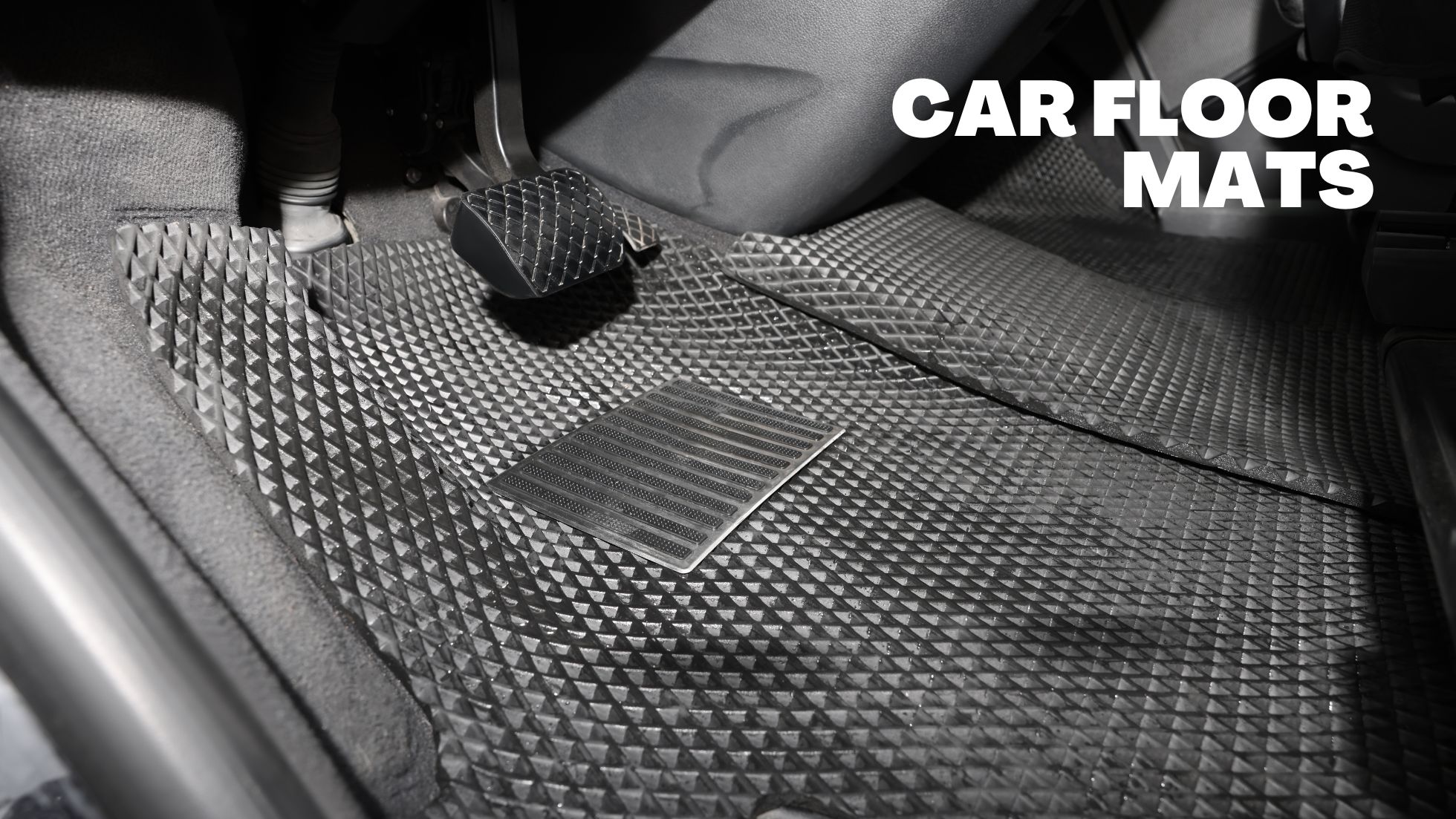
Just like driving a car without a license is risky, using a car without a floor mat can harm your health. It may not affect you temporarily, but it will surely reflect in your health in the long term. So, whether it’s a car seat cover or a floor mat, protecting and ensuring proper cleanliness in your vehicle is essential. A car floor mat not only protects it but also gives it an aesthetic appeal. Among many types of floor mats available in the market, you might wonder which one to choose, right? To make your decision easier, through this blog, I will review 2 top-rated car floor mats – Heated mats and Lightweight mats. Heated Floor Mats Made of carbon fiber, and PVC/ rubber, these heated floor mats have advanced heating features that often circulate the heat evenly across the surface of the mat. This can be beneficial for those who are looking for quick heating solutions as soon as they enter the car. To adjust the temperature, most of these mats provide an option to customize it as per individual choices. Alternatively, some of them already have built-in thermostats to ensure a desired heat level is maintained throughout the journey. Types of Heated Car Floor Mats But, how to use it? These heated car floor mats are often operated using USB ports or the 12V DC cigarette lighter socket of a particular car. Mentioned below are some of the steps to install it: Remember: For cleaning, it is better to use a damp cloth rather than simply soaking it into the water. If not, it may affect its heating properties. When it is in use, keep a check that no hard or sharp objects are placed on it. If not in use, you must store it in a cool place and ensure its cords are not tangled and arranged systematically. Benefits: Higher Energy Efficiency These heated floor mats are designed to provide maximum efficiency. To do so, these mats reduce the dependability on the heating system of the car and thereby save battery power and fuel automatically. Better Safety and Durability Heated floor mats are usually made using non-slip and rugged materials so that they can effectively be used for daily usage and stay for a longer period. Heats Up Quickly If you are looking for the best floor liners for your car, then this is probably the best fit. Unlike other mats that require a long time to warm up, heated floor mats are the best choice for many owners. Personally, I have been using heated mats in my car and I am quite happy with its instant heating feature. Lightweight Car Floor Mats For these, lightweight and durable materials like TPE ( Thermoplastic Elastomers), EVA (Ethylene Vinyl Acetate), and PP (Polypropylene) are used. These are often easy to maintain, install, and clean comparatively. If your car is in daily use, then this is probably the best choice. Types of Lightweight Car Floor Mats Now that you are aware of the types, let me tell me know it is used: For better convenience, keep track of the placement of the floor mats periodically. And what about the cleaning process? Here’s it: Benefits: As they are light in weight, it is easier to remove, clean, and add back. This consumes less time and I personally recommend this to the ones who are using their car every day. If you are looking for waterproof car floor mats, then lightweight mats are the ideal one. Made of the best materials, these can sustained for a longer time if maintained properly. If you are environmentally conscious, lightweight mats offer various options that are made using recyclable materials. So, you may simply opt for it. Conclusion Whether you are choosing lightweight or Heated car floor mats, ensure that you maintain them as required. If not taken care of, it won’t be worth investing your time and money. I would suggest first analyzing your requirements, budget, and usage and then moving forward to selecting the best one for your car.
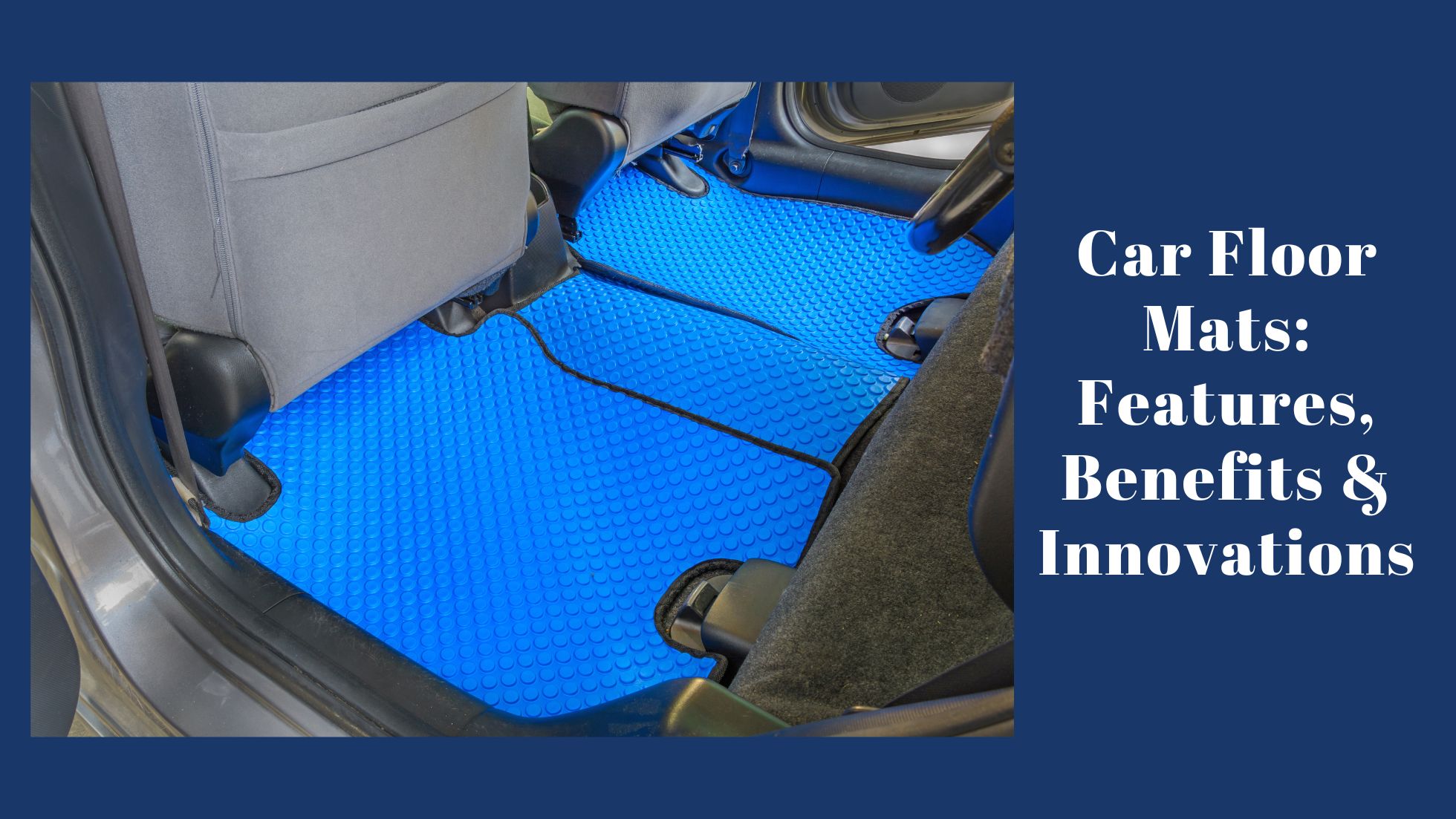
What Are The Features, Benefits, And Innovations For Specialized Car Floor Mats?
Car floor mats have evolved substantially from simple protective layers to advanced add-ons that enhance comfort, safety, and capability. Specialized mats offer functions designed to address specific wishes, making them a useful addition to any vehicle. These mats cater to diverse conditions and options, making sure there’s something for each automobile owner. Anti-skid backing is a vital function in many cutting-edge mats, providing enhanced protection by stopping unwanted motion. Mats that slip underfoot can pose a threat, especially for the duration of use; however, mats with this option live firmly in the region. Additionally, odor-resistant mats are gaining a reputation for their capability to hold a sparkling-smelling automobile interior, even in humid situations or after prolonged use. For electric and hybrid motors, lightweight yet durable mats are to be had to supplement the eco-aware layout of those cars. These mats often include sustainable materials, aligning with the values of environmentally conscious drivers. Another innovative addition is heated mats, which are specifically useful in chillier climates, providing warm temperatures and luxury to passengers at some point in cold climates. Car proprietors with specific wishes, which include pet transportation, can locate mats designed to deal with fur, scratches, and muddy paws. These mats regularly characteristic raised edges to contain messes, making cleanup less complicated. Similarly, all-climate mats with textured surfaces offer superior grip and ensure protection in opposition to water, dust, and snow. For those who enjoy outdoor sports, a few mats are designed to serve twin functions. They may be removed and used as outdoor seating pads or protective covers for gear. These versatile options showcase the revolutionary designs to be had in the marketplace these days. Choosing mats with specialized functions ensures that your car is not simplest included but also greater practical and cushty for daily use or unique trips. Innovations in Car Floor Mats The advancements in car floor mats are not just about protection, they also enhance the driving experience through innovation and functionality. For instance, mats with laser-measured precision fit are gaining traction, offering unparalleled coverage and a sleek, factory-installed look. These mats eliminate gaps, ensuring every corner of your car floor is shielded from dirt and debris. With sustainability becoming a priority, many manufacturers are introducing mats made from recycled materials or biodegradable components. These eco-conscious designs appeal to environmentally aware consumers, allowing you to protect your car while reducing your carbon footprint. Customization has also entered the floor mat market. From embossing your initials to matching your car’s interior color scheme, personalized mats are a stylish way to make your vehicle uniquely yours. Some mats now come with integrated smart features like moisture sensors that alert you when the mat requires cleaning. Such innovations are especially useful in regions prone to rain or snow, ensuring your car’s interior remains pristine without constant checks. Why Upgrade Your Car Floor Mats? Upgrading to specialized car floor mats is not just a cosmetic decision. These mats provide better durability, advanced features, and an enhanced driving experience. Whether you’re looking for comfort, luxury, or practicality, there’s a perfect set of mats to suit your needs. Invest in these innovations to transform your car’s interior into a cleaner, safer, and more stylish space. Your vehicle deserves it!