
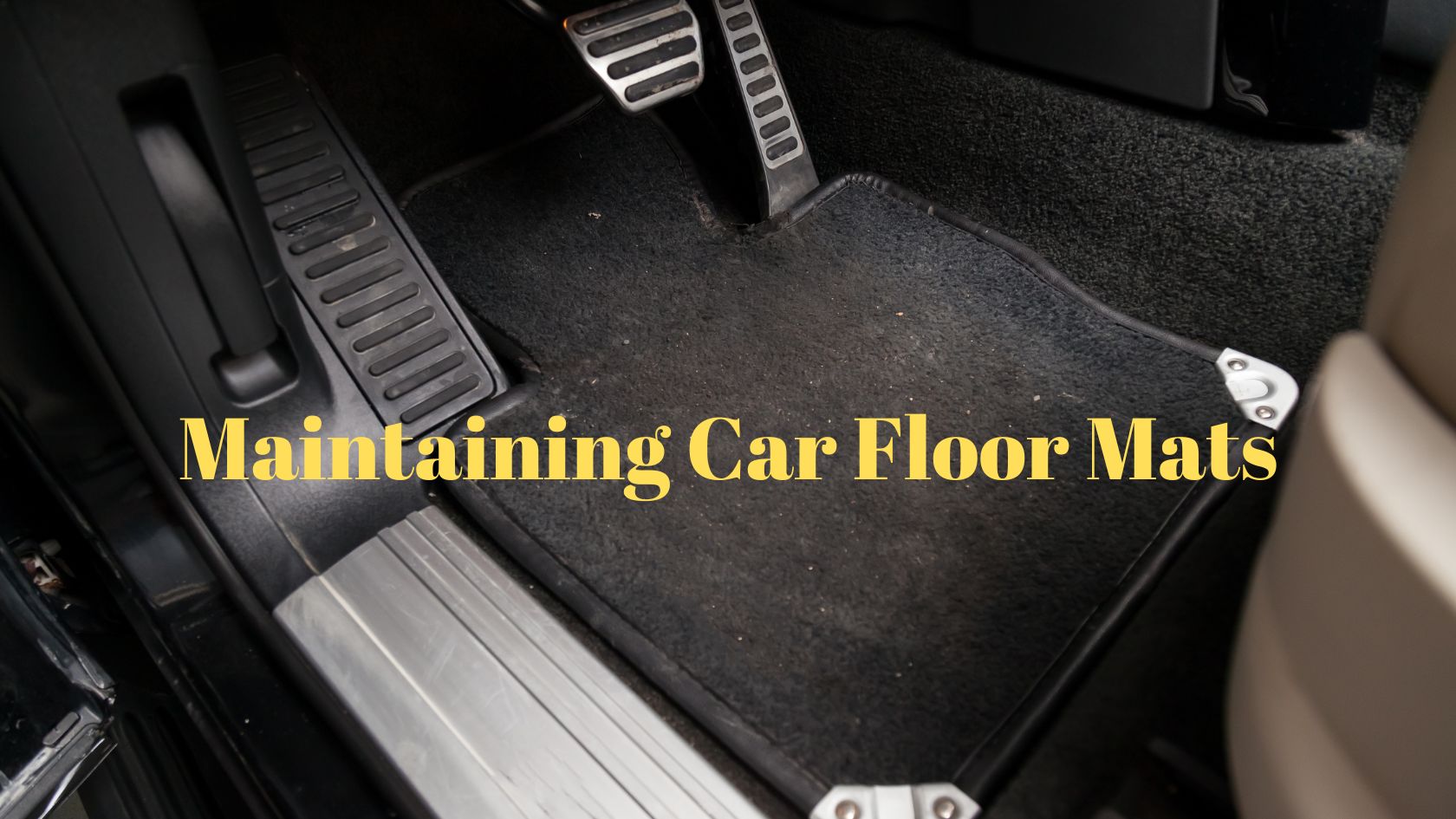
Car floor mats undergo heavy use, bearing the brunt of dust, spills, and wear and tear. Proper protection not only extends their life but also keeps your car’s interior looking fresh and alluring. Cleaning and caring for vehicle mats doesn’t have to be a tedious task, but understanding the proper strategies is key to achieving first-class results. Rubber mats, for example, are exceptionally easy to clean. Remove them from the car, hose them down, and let them air dry. A moderate detergent and a scrub brush will do the trick for cussed dust. Carpeted mats, however, require a bit extra attention. Vacuuming often will assist remove unfastened dirt, however, for stains, a carpet cleanser or moderate soap with a soft brush is critical. Some carpeted mats are machine-washer-friendly, so checking the manufacturer’s instructions can save effort and time. Longevity also relies upon seasonal care. All-weather mats are excellent for protection for the duration of wet or snowy seasons, as they repel moisture and prevent damage to your car’s floors. Regularly cleansing mats during these durations ensures dust and dust don’t build up, which may result in ugly odors or everlasting stains. In addition to regular cleaning, analyzing mats for wear and tear is critical. Frayed edges, cracks, or reduced grip can sign that it’s time for a substitute. Choosing terrific mats that can withstand heavy use will prevent cash and attempt ultimately. Maintaining your automobile mats is a simple way to make certain your automobile remains inviting and clean. Additional Tips for Maintaining Your Car Floor Mats 1. Use Protective Sprays for Longevity For both rubber and carpeted mats, applying a protective spray can help repel water, dirt, and stains. These sprays create an invisible barrier that makes cleaning easier and extends the life of the mats. 2. Rotate Your Mats Just like rotating tires, rotating your floor mats occasionally can help distribute wear and tear evenly. This is particularly useful for mats in frequently used areas, like the driver’s side. 3. Dry Mats Thoroughly After cleaning, always ensure the mats are completely dry before placing them back in the car. Moist mats can lead to mold growth, unpleasant odors, and even damage to your car’s flooring. Air drying in a shaded, well-ventilated area is best. Avoid exposing mats to direct sunlight for prolonged periods, as this can cause fading or warping. 4. Invest in Seasonal Mats Consider using separate mats for different seasons. All-weather mats are ideal for winter or rainy months, while carpeted mats can add a touch of luxury during drier seasons. Swapping mats ensures they stay in optimal condition throughout the year. 5. Store Spare Mats Properly When not in use, store your extra mats in a clean, dry place. Stack them flat to avoid deformation and keep them covered to prevent dust accumulation. Proper care and maintenance of your car floor mats not only protect your vehicle’s interior but also enhance its resale value. By adopting these simple practices, you can ensure your mats look and function their best for years to come.

How To Choose The Perfect Car Floor Mats?
Car floor mats are critical for maintaining the cleanliness and appearance of your car’s interior. Selecting the right mats goes beyond aesthetics; it includes knowledge of the materials, suit, and other functions that may enhance your riding experience. Floor mats are normally available in various materials, including rubber, carpet, and even eco-friendly alternatives. Each material serves unique functions. For example, rubber mats are durable and waterproof, while carpeted mats add a touch of luxury and comfort to your vehicle indoors. Universal vs. Custom-Fit Car Floor Mats One principal choice is whether to opt for commonplace or custom-made floor mats. Universal mats are designed to fit an extensive range of vehicles; however, they won’t provide the appropriate cushioning required to defend each corner of your car’s flooring. Custom-made mats, on the other hand, are tailor-made especially for your automobile model, ensuring a snug fit and comprehensive protection. All-Weather Car Floor Mats Protection All-climate floor mats are a famous choice, for areas with varying climates. These mats are designed to address everything from muddy shoes to snow and sand, making them a versatile choice. Additionally, advanced designs like 3D and 5D mats offer raised edges and extra insurance, providing superior safety for spills and particles. When choosing floor mats, it’s important to remember additional capabilities such as anti-skid backing, which prevents mats from slipping, and scent-resistant houses that help hold your vehicle clean. Luxury automobile proprietors may select premium alternatives with complicated designs or green substances that align with sustainable living. Ensuring the mats, you select complement your car’s interior even as presenting the functionality you need will make a significant distinction in preserving the car’s cost and cleanliness. Choosing the Right Car Floor Mats for Your Lifestyle When selecting car floor mats, it’s important to consider your lifestyle and driving habits. For example, if you frequently drive in muddy or rainy conditions, investing in durable all-weather mats is a smart choice. These mats are designed to trap dirt, water, and debris, preventing them from reaching your car’s carpet. On the other hand, if aesthetics is your priority, carpeted mats offer a luxurious feel and can be customized to match your vehicle’s interior. Look for options with reinforced edges to ensure they last longer without fraying. For families, spill-proof and easy-to-clean mats are a lifesaver. Kids and pets often bring in messes, so selecting mats with raised edges or deep grooves can help contain spills and dirt. Budget vs. Value: Making the Right Investment While it’s tempting to go for the cheapest option, consider floor mats an investment in your car’s longevity and value. Universal mats may save you money upfront, but custom-fit mats provide superior coverage, durability, and a seamless appearance. This can also positively impact your vehicle’s resale value. Installation and Fit Always ensure the mats you choose fit securely without interfering with the pedals. Poorly fitted mats can slip and become a safety hazard. Many manufacturers offer clips or anti-slip backing to keep the mats firmly in place. Conclusion Selecting the perfect car floor mats is about balancing function, style, and budget. By making the right choice, you can protect your car’s interior and enhance its overall look for years to come.
How Fast Can You Drive With a Rooftop Carrier?
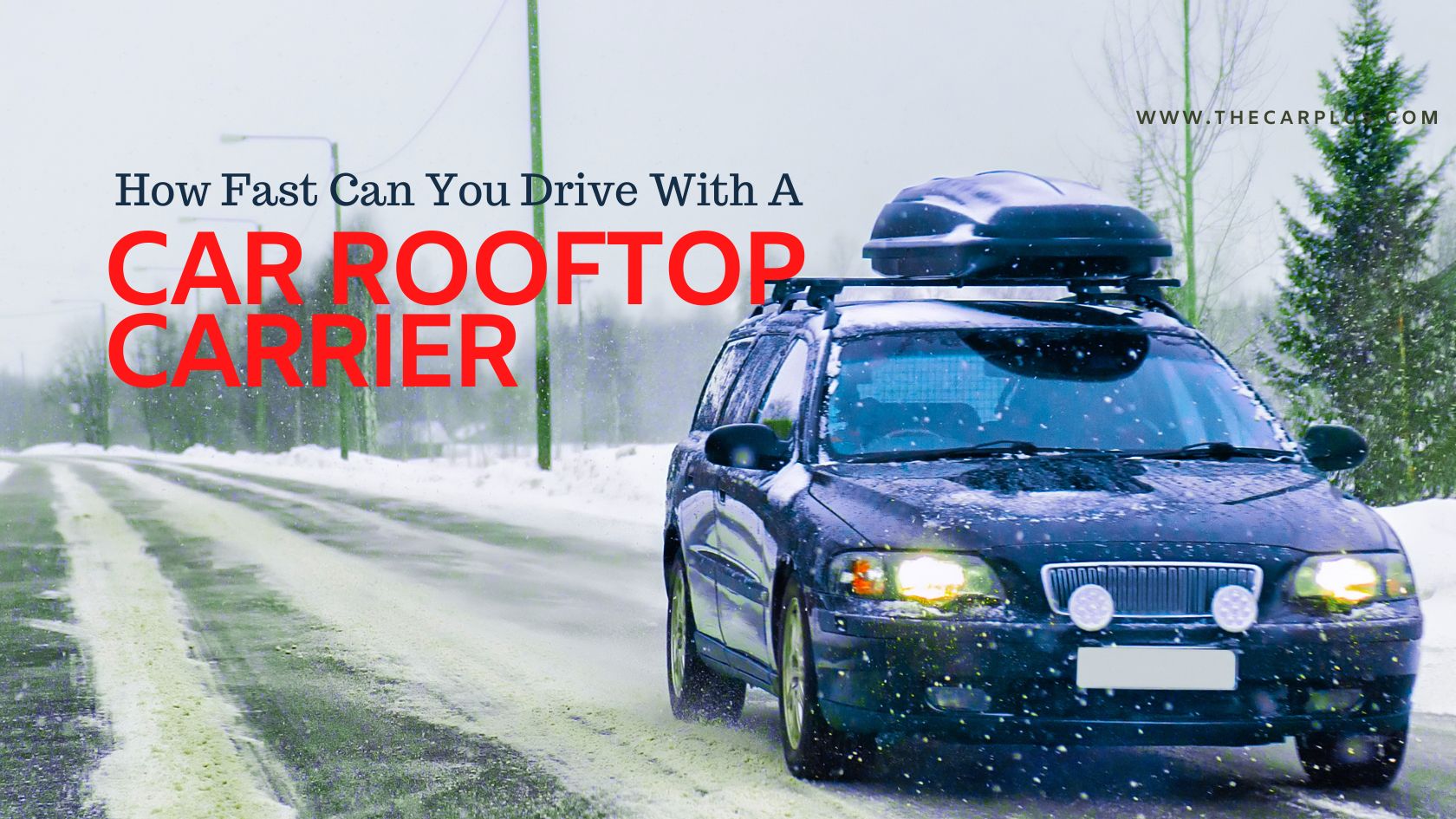
When embarking on a road trip with a rooftop carrier, it’s natural to wonder about how fast can you drive with a rooftop carrier safely. Rooftop carriers are handy for anyone needing extra storage on road trips. These carriers come in different shapes and sizes, catering to various needs, from transporting camping gear to sports equipment. While they provide much-needed space, understanding their impact on driving is crucial. You will find the answer to the above question in detail in this blog post. You will also learn about the relationship between rooftop carriers and fuel efficiency, driving dynamics, safety measures, and much more. Many experts suggest that maintaining a speed of 55 to 65 miles per hour is ideal when traveling with a rooftop carrier, as this ensures stability and safety. Driving above this range can lead to increased wind resistance, which may affect the handling of our vehicle. Moreover, each rooftop carrier has its specifications regarding weight limits and aerodynamic design that can influence performance. It’s essential to consider these factors to avoid potential issues on the road. By doing so, we can enjoy our trip while ensuring that our gear remains secure up top. Rooftop carriers can be roughly divided into three to four categories: hard-shell, soft-shell, cargo baskets, and sports equipment. The most common types include: Each type has its benefits and limitations, impacting our choice based on capacity, ease of use, and weather resistance. Aerodynamics plays a significant role in how these carriers affect your drive. When you attach a rooftop carrier, it changes how air flows over your vehicle, creating additional resistance or drag. This resistance can reduce your car’s efficiency, making it work harder to maintain speed. The more streamlined the carrier, the less drag it creates, but even the best-designed carriers will have some impact on your car’s performance. Understanding these dynamics is essential to make informed choices about how and when to use a rooftop carrier. Pay attention to the type of carrier you select, how you load it, and the driving conditions. This knowledge will help you plan better and ensure a smoother, safer drive. Rooftop carriers can indeed affect your fuel mileage. The primary reason is the added weight and drag, making your car work harder to maintain its speed. When examining whether roof racks decrease mileage, the answer is typically yes. The degree of impact depends on several factors: the type of vehicle you’re driving, the design of the carrier, and how it’s packed. Boxy, less aerodynamic carriers will generally cause more drag than sleek, streamlined ones. The weight of your rooftop carrier matters, too. Heavier loads can put more strain on your engine, which translates to higher fuel consumption. Therefore, it’s good practice to pack only what you need and keep the weight as low as possible. Improving fuel efficiency with a rooftop carrier involves a few strategies. First, ensure the carrier is securely and correctly installed. Poor installation can amplify drag and noise. Secondly, opt for a carrier with an aerodynamic design if possible. Lastly, consider driving at moderate speeds; driving faster increases air resistance exponentially. While rooftop carriers may decrease fuel efficiency, you can mitigate their impact with careful planning. By paying attention to how you pack, install, and drive with a rooftop carrier, you can save fuel and make your trips more economical. Attaching a rooftop carrier to your car can significantly affect how it handles on the road. The added weight on top changes your vehicle’s center of gravity, which can alter its stability. This means you might notice differences when steering, especially in sharp turns or while maneuvering through tight spaces. A heavy roof rack can make your car more top-heavy. This can be particularly felt in windy conditions or when making sudden movements. Related Read: Can You Use a Car Top Carrier Without a Roofrack? It’s crucial to be mindful of these changes and adjust your driving accordingly. Slower, more deliberate steering can help maintain control. One of the most common questions is whether there’s a speed limit when driving with a rooftop carrier. While there isn’t a universal speed limit, many manufacturers recommend not exceeding 90-110 km/h (approx. 55-68 mph). This recommendation is to ensure safety and to minimize the risk of the carrier detaching or becoming unstable. Safety on the road is paramount. Always double-check that your rooftop carrier is securely fastened before starting your journey. Check straps, locks, and attachments regularly, especially during long drives. Keeping an eye on weather conditions is also wise, as strong winds can exacerbate handling difficulties. Properly distributing weight within the carrier is another vital aspect. Placing heavier items at the bottom can help maintain a lower center of gravity, enhancing stability. Installing a rooftop carrier correctly is the first step to ensuring a safe journey. Follow the manufacturer’s guidelines to secure it properly. Use all provided attachments, and make sure they are tightly fastened. Don’t cut corners; safety is paramount. Routine checks and maintenance are indispensable. Inspect the carrier and its connections before every trip. Look for signs of wear and tear, such as frayed straps or cracked hinges, which can compromise safety. Periodic maintenance helps ensure that everything stays in good working order and any potential issues are addressed promptly. Concerns about the safety of car roof racks are common, but when used correctly, they can be very safe. The key lies in proper use and regular checks. It’s important to remember that they are built to hold specific weights and should not be overloaded. Follow the weight limits specified by the manufacturer to avoid unnecessary strain on your vehicle. Consider investing in a high-quality rooftop carrier with reliable locking mechanisms. Theft and tampering can be concerns, especially during overnight stops. A good lock helps secure your belongings and adds an extra layer of safety. Also, be aware of the height clearance. Driving with a rooftop carrier means added vehicle height, which can be crucial when navigating underpasses, parking garages, or
Can You Use A Car Top Carrier Without A Roof Rack
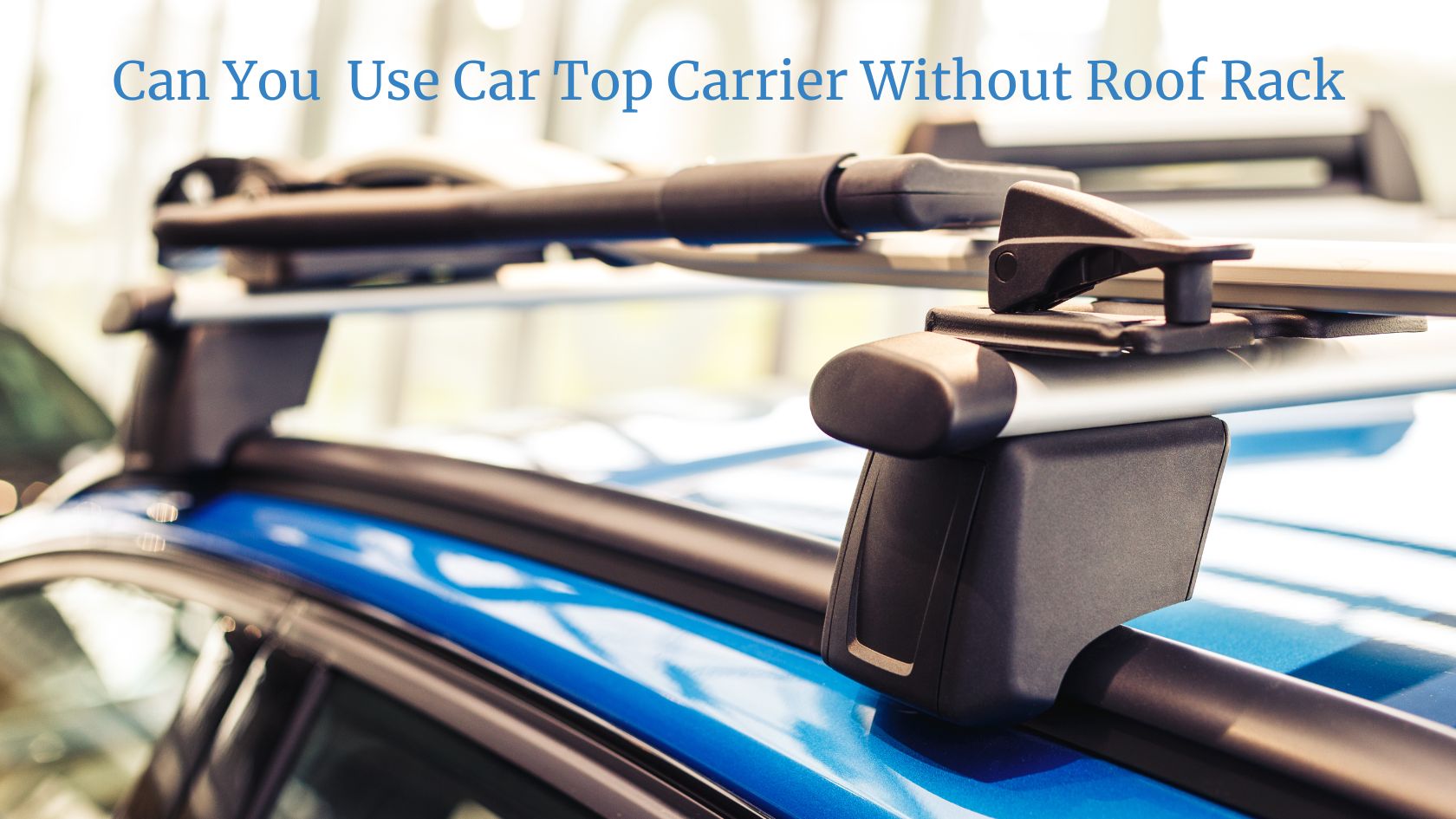
Today, I’m going to be talking about car top carriers, those handy devices that let you pack more and hit the road with everything you might need. You’ll find out about the incredible versatility these carriers offer for everything from camping trips to moving days. So what is a car top carrier? It’s essentially a storage box or bag that sits on top of your car. They come in all shapes and sizes, from hardshell cases that protect your gear from the elements to soft, flexible bags that can accommodate irregularly shaped items. Traditionally, roof racks have been considered a must-have when using car top carriers. These racks provide a stable platform to secure the carrier and its contents. However not everyone has a roof rack, and not all vehicles come equipped with them. This raises important questions about feasibility and safety. Yes, you can use a car-top carrier without a roof rack by opting for soft or inflatable carriers designed for such use. These carriers attach directly to your car using durable straps and hooks, often secured through the car doors or to the car’s frame. It’s essential to use a non-slip protective mat between the carrier and the car roof to prevent scratches and shifting. Ensure the load is evenly distributed and within the weight limit of your car’s roof. For security, some carriers feature lockable zippers. Weatherproofing is also important for protecting your belongings. Follow the manufacturer’s instructions for installation, and periodically check the carrier’s attachments during travel. This setup allows for the safe and effective use of a car top carrier without a roof rack. Do I Need a Roof Rack For a Cargo Carrier? You might be also asking yourself, ‘Does every carrier out there necessitate a rack on top of my vehicle?’ The short answer is, it depends. Let’s get into the specifics. Cargo carriers generally come designed to be mounted on roof racks. Why? Because they provide a sturdy and secure platform for your belongings. If you’re planning on loading up with heavy or bulky items, a roof unfit for a carrier could lead to damage or even accidents. However, not every trip with a cargo carrier means you’re loading up heavy gear. For lighter loads, some carriers are designed with flexibility in mind and can rest safely on your car’s roof with the right protective measures and non-permanent fixtures. But don’t worry too much about the technicalities just yet. Using a cargo carrier without a roof rack is all about making the right choice to match your vehicle’s capabilities and understanding the alternative methods of attachment, which we’re going to cover next. Also, think about the long run. Sure, a roof rack is an extra investment. But if you’re hauling cargo often, it’s worth considering the enhanced stability and protection it offers. It’s a trade-off between initial convenience and recurring peace of mind. This isn’t just about whether you can; it’s also about whether you should. If you’re a stickler for safety and efficiency, a roof rack might align well with your outlook. On the other hand, for the casual user, non-rack options might be the way to go. Attaching a Car Top Carrier Without a Roof Rack I’m going to walk you through how you can secure a car top carrier even if your vehicle doesn’t come with a roof rack. First things first, you’ll need to get your hands on the right tools and materials. We’re talking about non-skid mats, sturdy straps, and possibly a set of car clips designed for your particular carrier. Now, you’re going to find out about protecting your car’s finish. It’s crucial because the last thing you want is scratches or dents from a poorly installed carrier. A non-skid mat not only adds cushioning but also helps distribute the weight of the carrier evenly. Securing the carrier securely is the next big step. If you’re using straps, they should run through the vehicle’s doors or windows, fastened tightly to ensure the carrier won’t shift around while you’re driving. Always double-check to make sure everything’s rock solid before you hit the road. You can always adjust your approach down the road, but for maintenance and safety, regularly inspect your setup. Make sure the straps haven’t loosened and that the carrier hasn’t shifted. Regular checks will give you peace of mind and keep you safe on your travels. Here’s a short and simple video on attaching a car rooftop carrier without a roof rack: Exploring Roof Bag Alternatives: Can You Use a Roof Bag Without a Roof Rack? So you’re curious about the practicality of a roof bag when you don’t have a roof rack. Well, these carriers offer a soft and flexible storage option that’s often more adaptable to different types of vehicle roofs. Now, isn’t that a relief? Roof bags are specifically designed to work well with or without roof racks, making them a universally applicable choice for most car owners. I mean, who doesn’t love versatility? And when you choose a roof bag, you’re opting for something easy to store when not in use, unlike the more rigid traditional cargo carriers. When picking out a roof bag, the key is to find one that’s compatible with your car. You should look for bags with sturdy straps and protective mats that help distribute the weight evenly and prevent slippage or damage to your car’s paint job. Now, while the installation might differ slightly from the traditional setup, it’s often just a matter of following the given instructions carefully. Many roof bags come with easy-to-understand manuals that will guide you through the process. And guess what? They’re typically simpler to put on and take off, which is a plus if you’re always on the go. Remember, even though there is the convenience of not needing a roof rack, safety is still paramount. I can’t stress enough the importance of double-checking the security of the straps and ensuring the load is balanced. Your manual will be
Does Forward Collision Warning Stop Your Car? Here’s the truth!
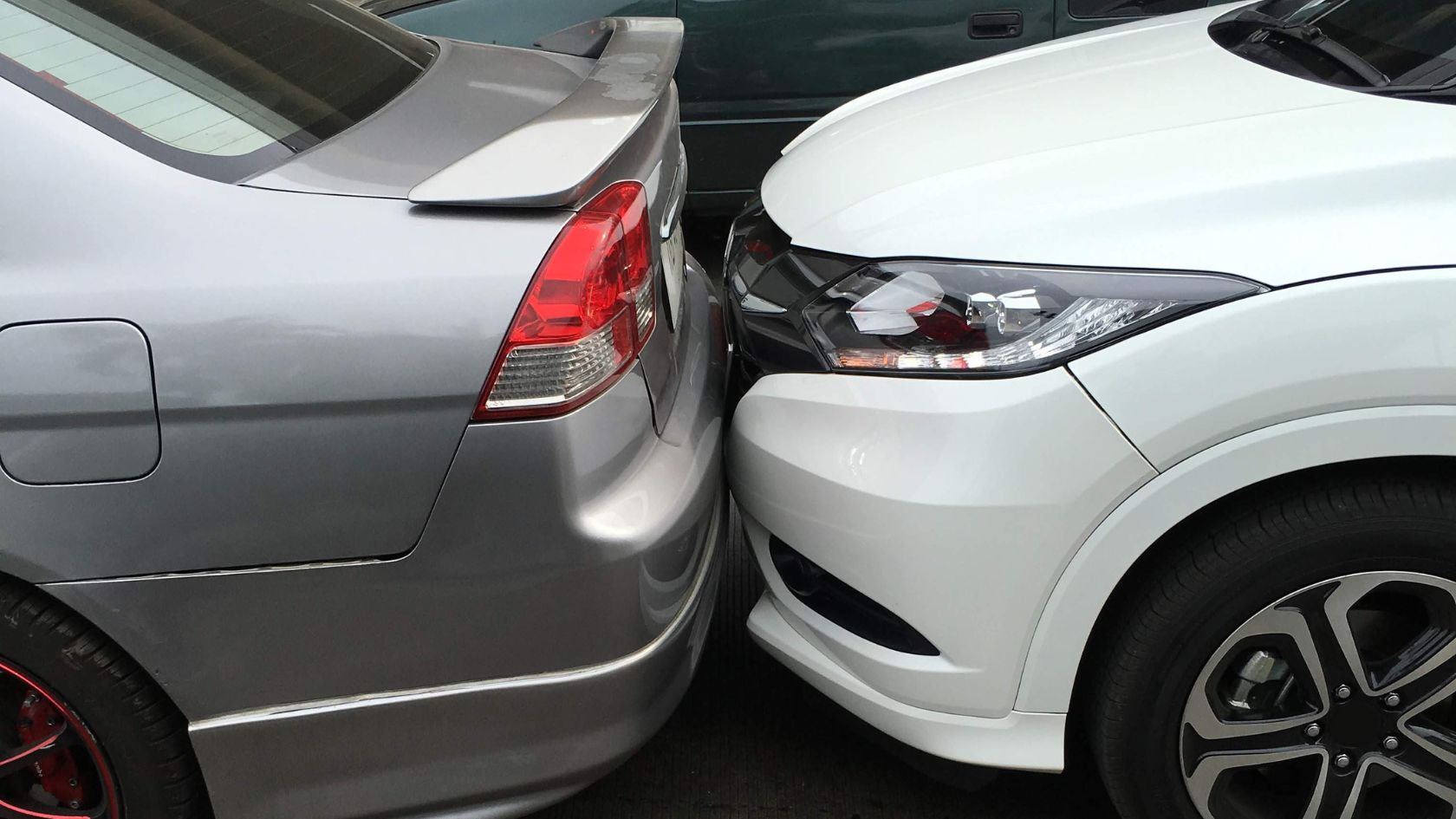
FCW (Forward Collision Warning) system is a safety feature designed to alert drivers to an imminent crash with a vehicle or obstacle ahead. But, does Forward Collision Warning stop your car in time to save the crash? Let’s get into what forward collision warning (FCW) systems are actually capable of when you’re behind the wheel by covering their capabilities and limitations in this post. A Forward Collision Warning (FCW) system is a driver-assistance technology that helps prevent rear-end collisions. When you’re behind the wheel, the unexpected can happen in the blink of an eye. That’s why technology like Forward Collision Warning (FCW) systems can be a real savior. FCW systems typically use sensors to monitor the traffic ahead and warn you if there’s a risk of you hitting the car in front. It relies on a variety of sensors, such as radar and cameras, to detect potential threats on the road. If it determines that you’re approaching too quickly and a collision is imminent, it triggers a warning. The FCW system will alert you in various ways, depending on the specific system. This could include a visual warning light on the dashboard, an audible beep or chime, or even a vibration in your seat. The answer is no. It’s important to remember that FCW is a warning system, not an automatic braking system. It won’t stop the car for you. It’s your responsibility to take action based on the warning, such as braking or swerving (safely) to avoid a collision. FCW is not the same as automatic emergency braking (AEB). While FCW warns you of danger, AEB takes it a step further by applying the brakes if you fail to act. AEB might be the muscle designed to stop the car, but FCW is like the senses – constantly vigilant, ready to signal the first sign of trouble. By giving you a heads-up, FCW systems play a vital role in enhancing your awareness and giving you more reaction time, which can be critical in avoiding or mitigating a collision. These systems serve as an extra set of eyes on the road, providing peace of mind and an added layer of protection. Essentially, FCW systems serve as an electronic co-pilot, keeping an ever-watchful eye on the road ahead. As mentioned earlier, this system uses cameras, radar, or lasers to detect imminent collisions and promptly alert you. Think of it as an advanced ‘heads-up’ designed to give you time to react. FCW systems can play a significant role in preventing accidents. By issuing timely warnings, they can reduce the number of rear-end collisions, which account for a notable percentage of road incidences. In many cases, the extra seconds provided by an FCW alert can be enough for a driver to take evasive action, potentially avoiding a crash. However, it’s crucial to understand the limitations of FCW systems. They are primarily warning devices, not autonomous stopping mechanisms. While some FCW systems can interface with automatic emergency braking (AEB), they’re not the same. AEB can take control to stop the car if you don’t respond quickly enough to the FCW. Why is this important? Because having clarity about what your car can and cannot do is essential for safe driving. In real-world driving scenarios, an FCW system’s effectiveness can be influenced by various factors, such as weather conditions, sensor cleanliness, and the speed at which you’re traveling. For instance, heavy rain or snow can obscure sensors, and at high speeds, the distance required to safely stop increases considerably. This could mean that, even with an FCW alert, you may not have enough time or traction to prevent a collision. Now that you have a solid grip on what Forward Collision Warning (FCW) systems can do, it’s crucial to talk about your part in the equation. Remember, technology assists, but it doesn’t replace vigilance behind the wheel. If your vehicle is equipped with FCW, understanding and reacting to the alerts is critical. If that warning beep goes off, assess the situation and act accordingly—apply the brakes, maneuver out of harm’s way, or do both. It’s all about the harmony between human reflexes and machine intelligence. Don’t ignore those maintenance reminders for your car’s sensors and systems. Keeping your FCW system well-maintained is key for it to function correctly. A dirty camera or a misaligned sensor can mean the difference between an effective warning and a missed one. No, a Forward Collision Warning (FCW) cannot prevent all accidents because it primarily focuses on frontal crashes, particularly rear-end collisions. It might not be effective for collisions from the side, oncoming traffic, or dangers outside the car’s immediate path. FCW relies on the driver’s reaction to its warnings. If a driver is distracted, incapacitated, or reacts too slowly, an accident might still occur. Sensors may have limitations in bad weather conditions like fog or heavy rain. In most cars, yes, you can turn off the Forward Collision Warning (FCW) system. Many cars have a designated button on the steering wheel or a setting in the car’s information system to deactivate FCW. Related Read: Can You Turn Off Lane Assist Permanently However, it’s generally not recommended for safety reasons. Disabling FCW removes a safety layer that can warn you of potential collisions. No, Forward Collision Warning (FCW) systems generally don’t work as well in all weather conditions. The sensors of FCW can be fooled by bad weather such as heavy rain, snow, or fog, which may reduce their effectiveness. Some of the other reasons could be bright sunlight. Glare from the sunlight can affect camera-based systems, reducing their ability to pick up on hazards. Certain road conditions can also affect the working of FCW as it assumes a precise level of grip between the car and the road. Because of the above conditions, expect FCW to be less reliable and be prepared to take manual control while driving. The capabilities of Forward Collision Warning (FCW) systems to detect pedestrians and cyclists vary depending on the specific system and
Can You Turn off Lane Assist Permanently?
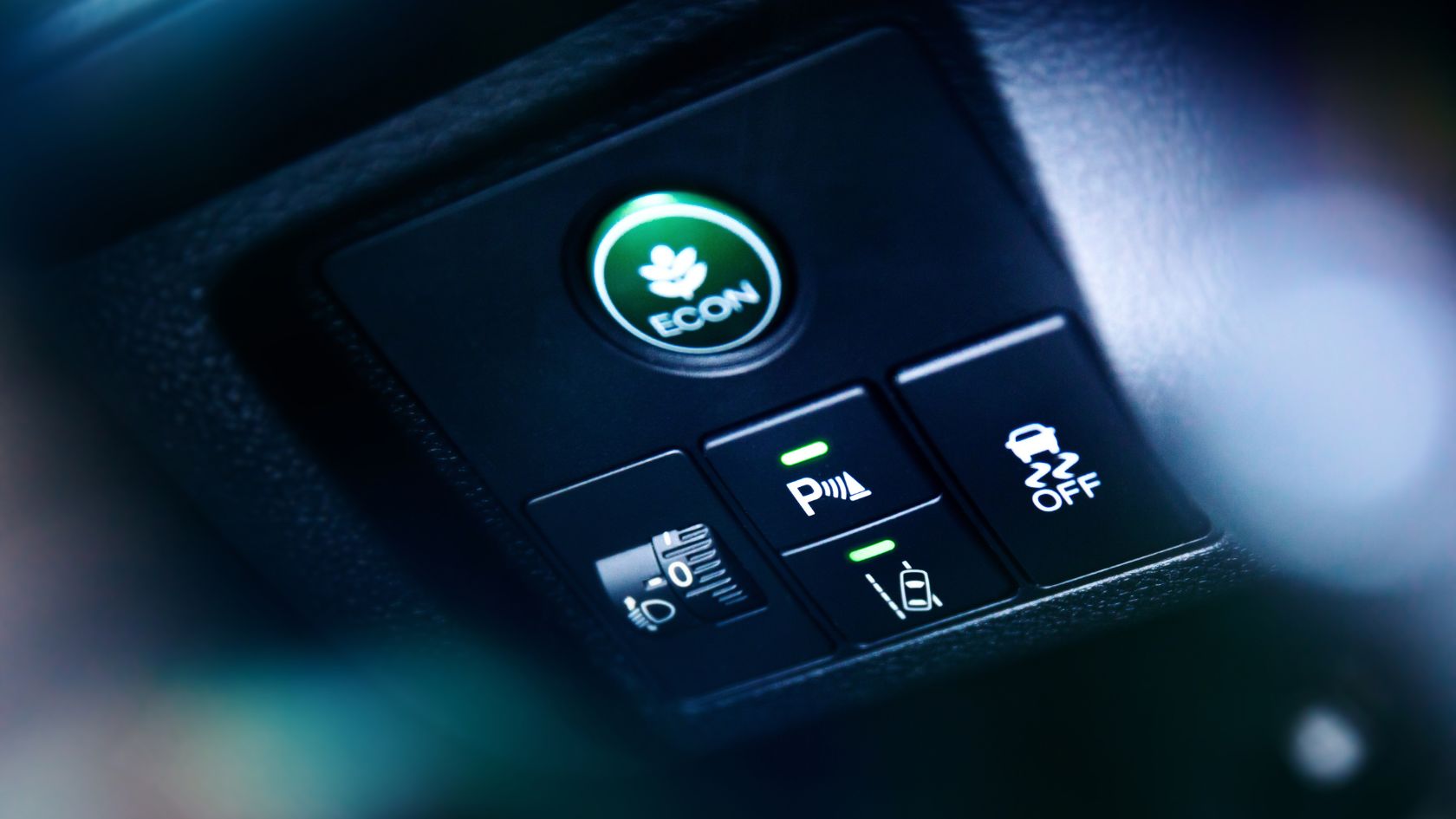
So, you’re curious about lane assist technology? Lane assist is like an invisible co-pilot that uses cameras and sensors to keep your car within its driving lane. However, as with any technological advancement, some drivers may ask – Can you turn off lane assist permanently? In this blog post, we’ll guide you through the steps to deactivate it and explore the pros and cons to help you decide whether turning off Lane Assist is the right choice for you. Lane Assist has emerged as a prominent feature designed to enhance road safety by nudging your car back into the lane if you start to drift without signaling. It’s also a part of a family of advanced driver assistance systems (ADAS) that are increasingly standard in new vehicles, all aimed at making driving safer and preventing accidents. Lane assist revolves around algorithms and precise engineering—the same kind of smarts that have transformed smartphones and smart homes. It’s a shining example of how far we’ve come in integrating automation into our daily lives, especially in transportation. Yet, despite its benefits, some drivers ponder turning off lane assist. Personal preference plays a big role here; maybe you find the nudges annoying, or perhaps you’re a seasoned driver who trusts your instincts more than a computer. No matter the reason, it’s your call at the end of the day on how you want to experience your ride. In most modern cars, permanently turning off Lane Assist is not possible. This is because car manufacturers, following safety regulations and NCAP ratings, design lane assist to activate by default on every engine start. While this may seem inconvenient, it prioritizes driver safety and collision avoidance. However, there are a few alternatives to deactivate this option. If you decide that turning off lane assist is the right choice for you, it’s important to know how to do that. The exact process to turn off lane assist can vary depending on your car’s make and model so your vehicle’s manual will be your best friend here. Having said this most cars with lane assist will have a button on the steering wheel or dashboard to toggle the system on and off. Others might require you to dig into the infotainment system. You’ll likely find the option under a ‘Driver Assistance’ or ‘Safety’ menu. Just click or swipe the buttons to turn off or deactivate lane assist. The process might seem simple, but heads up: some vehicles are programmed to reactivate lane assist every time you start the engine. That’s right, you may have to turn it off each time you drive unless you have found a way yourself to turn it off completely as shown in the below video. Now, let’s talk about when you need to pull over and make adjustments. Safety first, right? Make sure you’re parked in a safe location before fiddling with your vehicle settings. An empty parking lot or a quiet street can be good spots. I’d like to add—that while cars typically remember things like seat positions and radio stations, they’re programmed to prioritize safety defaults, such as lane assist. That’s why you might not find a ‘permanent off’ switch. You’re probably wondering why it’s set up this way. It comes down to liability and regulations. Automakers want to ensure they’re doing their part in keeping roads safe by having these systems default to ‘on’. I’m going to help you consider both sides of the coin – the benefits and potential downsides to turning off lane assist on your vehicle. It’s not just about personal preference; it’s also about understanding the impact on overall road safety. On one hand, lane assist technology is a fantastic safety feature that can prevent accidents, especially if you happen to get distracted momentarily. It’s designed to keep you safe by gently steering you back into your lane or alerting you if you’re veering off course. However, some drivers feel lane assist is too intrusive or reacts to certain road conditions that don’t require intervention. Turning the feature off can allow for a more traditional driving experience where you’re in full control, something that resonates with many who value driving engagement. There’s a lot of opportunity for improved safety when using lane assist, but if you’ve made an informed decision to turn it off, ensure you’re extra vigilant on the road. Increased focus while behind the wheel is necessary to compensate for the loss of this safety net. Disabling Lane Assist should not affect other critical safety features. However, it’s important to be aware that these systems often work together in most modern vehicles. To understand the implications of any adjustments in lane assist, check your owner’s manual or contact the vehicle manufacturer’s support for guidance. Yes, many vehicles allow temporary deactivation of Lane Assist. Typically, this is done through the settings menu or by pressing a button on the vehicle’s dashboard. Again, your car owner’s manual will come in handy for specific instructions on how to temporarily disable Lane Assist when needed. Generally, customizing settings like Lane Assist is within the scope of user control and should not impact the vehicle’s warranty. However, terms and conditions on warranty may differ according to the car brand and model. Always refer to the warranty documentation or contact the manufacturer to confirm the warranty implications of such adjustments. No, older car models without advanced driver assistance systems generally don’t have features like Lane Assist, so you may not disable this feature. Modifying or adding aftermarket devices to disable Lane Assist is generally not recommended, as it can interfere with the vehicle’s safety systems. It’s best to rely on the built-in settings provided by the manufacturer. If you have specific concerns, consult with a qualified automotive professional for advice. Turning off lane is possible but whether you can turn it off permanently may depend on the features associated with your car model. Automotive safety experts tend to agree that while driver aids like lane assist are beneficial, they are