

Capacitive steering wheel technology is becoming a standard in modern vehicles. I’m going to discuss a topic that might be a bit controversial: the ethics behind how to trick capacitive steering wheel sensors. You see, some drivers attempt to bypass these sensors for convenience, but this isn’t just about skirting a nuisance; it’s also about the potential risks. More than a technology, the capacitive steering wheel is also about enhancing driver safety and vehicle control. The steering wheel works on sensors designed to detect the presence of the human body, specifically the driver’s hands on the steering wheel. This is one of the key factors to remember as we move into discussing the possibility of ‘tricking’ these sensors. A capacitive steering wheel is a type of steering wheel that uses capacitive sensing technology to detect the presence and grip of the driver’s hands. This technology differs from the traditional mechanical buttons and switches often found on steering wheels. Capacitive steering wheels work on the principle that the human body is conductive, and when your hands touch the wheel, they change the electrical field on the surface of the sensor. Instead of physical buttons, the steering wheel rim has embedded sensor panels underneath the material (leather, etc.). These sensors act like capacitors, storing electrical energy. When your hand touches the sensor area, it acts as a conductor, changing the electrical field and capacitance of the sensor. The car’s electronic control unit (ECU) detects these changes and interprets them as hand contact or even specific hand gestures depending on the system’s complexity. Now, as we move into discussing the possibility of ‘tricking’ these sensors, it’s key to remember what they’re for. The role of these sensors goes beyond just checking if your hands are on the wheel. They’re crucial for systems like advanced driver assistance systems (ADAS) and automated driving features. These technologies rely on knowing that you’re ready to take over if necessary. Without this engagement, systems may not function as intended, putting your safety at risk. Traditional mechanical systems, by contrast, didn’t need to know if you were touching the wheel. They were purely about steering. But today’s capacitive steering wheels are part of a complex network of vehicle safety features and require constant driver engagement to work effectively. Tricking a capacitive steering wheel is never recommended. However, some drivers attempt to manipulate the artificial intelligence behind the capacitive steering wheel using below tricks: Some individuals attempt to fool the system by wedging capacitive objects, such as fruit or a plastic water bottle, into the steering wheel frame. Resting hands lightly on the bottom of the steering wheel is suggested by some, claiming that even a slight touch from both hands can potentially trick the capacitive sensor. Suggestions also involve attaching capacitive pen tips, actual capacitors, or even a hot dog to the steering wheel to potentially trick the system. Some users claim to lower the steering column and position their legs in a way that the wheel touches both sides of their inner thighs, intending to mimic hands-on control. Attaching mini dumbbells or ankle weights to the steering wheel is mentioned as another attempt to trick the system. Drivers might seek ways to circumvent capacitive sensors to avoid the hassle of constant hand contact with the wheel, especially on long trips or when using semi-autonomous driving features. However, it’s crucial to consider the consequences. Doing so could lead to a false sense of security and increase the likelihood of accidents. Tampering with the steering wheel can interfere with crucial safety features like airbags, lane departure warnings, and automatic emergency braking, increasing the risk of accidents and injuries. Modifications could introduce unpredictable behavior in the steering system, making it difficult or impossible to control the vehicle, especially in critical situations. The legal implications are quite clear. In most jurisdictions, it’s illegal to modify a vehicle’s safety systems in ways that affect its safe operation. Doing so could result in fines, penalties, or even criminal charges. If you want to stay on the right side of the law and ensure your welfare, it’s vital to use these features as intended. Keeping these sensors engaged is more than just a legal issue; it’s a moral one. I really hope that drivers understand the importance of being responsible behind the wheel. Active participation in driving is essential, even with advanced driver assistance systems. It’s not only about your safety but the safety of everyone on the road. In my opinion, the moment you consider compromising these systems, you have to ask yourself a critical question: is it worth it? Don’t worry too much about the discomfort of keeping your hands on the wheel; think about the potential consequences of not doing so. It is important to understand why promoting safe driving practices is crucial. While the idea of bypassing capacitive steering wheel sensors might seem appealing to some, it’s a risky road to take. Your safety, and the safety of others on the road, should be your top priority. If you’re feeling fatigued or distracted, it’s critical to address those issues directly rather than looking for a workaround. Do things the right way – take breaks when needed, stay alert, and keep your hands on the wheel. Instead of seeking ways to outsmart the system, focus on embracing technology designed to keep you safe. Vehicle advances are there to assist, not to be cheated. Equip yourself with knowledge about your car’s safety features and how to use them effectively. In the long run, avoiding shortcut solutions and choosing responsible driving habits will pay off. Not just for your own peace of mind, but for the collective safety on the roads. Stay engaged, stay aware, and choose safety over convenience every time. Capacitive steering wheels offer many benefits. Some of them include eliminating the need for physical buttons. This creates cleaner and more modern-looking car interiors. Some systems allow for different functionalities based on touch location or gestures, offering more options for control.
Does Lane Keep Assist Need to be Calibrated
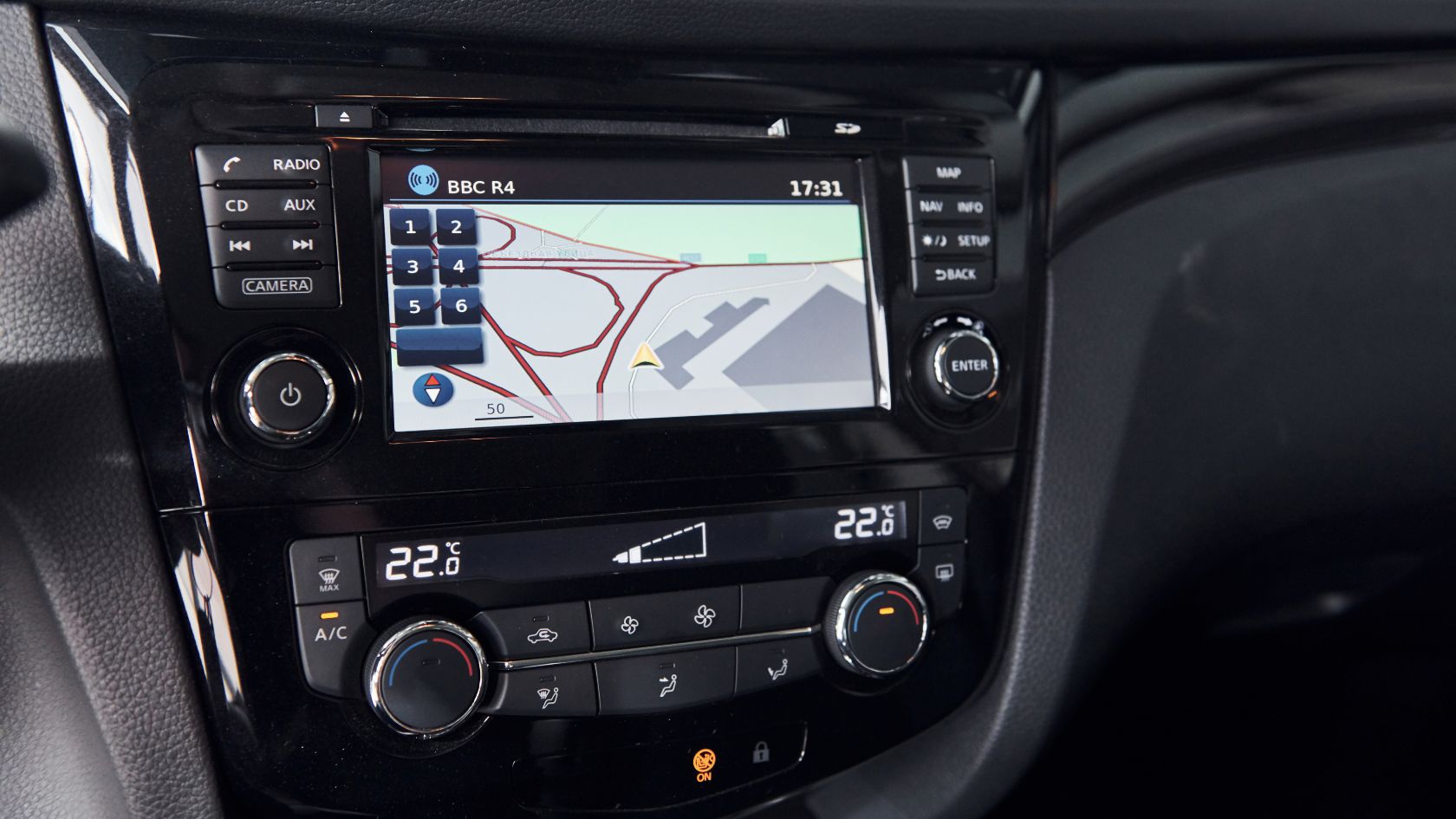
Lane Keep Assist (LKA) is a prominent feature designed to enhance driver safety and convenience in automotive technology. However, a question often arises: Does Lane Keep Assist need to be calibrated for optimal functionality? In this blog post, we will go through the purpose and benefits of Lane Assist systems. More importantly, we will reveal the importance of calibrating these systems, how to calibrate them, and why maintaining the calibration is crucial. Lane Keep Assist must be calibrated to ensure its accurate and reliable performance. However, the frequency and necessity can vary depending on several factors. LKA relies on various sensors, mainly cameras, to perceive lane markings and vehicle position. Any misalignment in these sensors can affect the system’s accuracy and effectiveness. Misalignments can happen due to collisions or any modifications to your vehicle. Some of the signs of misalignments are unnecessary activation or untimely deactivation of LKA, uneven steering movement, etc. When you see such signs, performing the Lane Keep Assist calibration is essential. While professional calibration is crucial, some LKA systems have basic self-calibration abilities. Understanding the process and intricacies of calibrating your LKA system is important. Remember, a proper calibration can significantly enhance the effectiveness of LKA systems and, consequently, your overall safety on the road. LKA is an advanced driver-assistance system (ADAS) designed to help prevent unintentional lane departures. It acts as a second pair of eyes and hands, automatically intervening when you stray from your lane. LKA utilizes a combination of sensors like cameras, radars, and steering wheel sensors. At its core are sensors, with cameras positioned behind the windshield acting as LKA’s primary eyes, employing image recognition algorithms to capture real-time images of the road and identify lane markings. Radar or LiDAR sensors supplement these cameras, particularly in low-visibility conditions, utilizing radio waves or lasers to detect lane edges and create detailed 3D maps of the environment. The steering wheel sensor plays a pivotal role by monitoring your steering input, providing the system with crucial context about your intended direction, and aiding in distinguishing intentional lane changes from unintentional drifts. Complementing these hardware components is a sophisticated software framework. Perception software meticulously analyzes data from sensors, interpreting visual information and spatial data to identify lane markings, track your vehicle’s position within the lane, and detect potential departures. Control algorithms, based on this perceived situation, determine the necessary corrective action, calculating the required steering torque and translating it into signals for the electric power steering system. Meanwhile, safety and validation software ensures the system operates within safe parameters, preventing unintended or excessive interventions by constantly monitoring sensor data, software behavior, and overall system health. This intricate synergy between sensors and software is crucial to the functionality of LKA, allowing it to seamlessly execute its lane-keeping capabilities. Based on the sensor data, the LKA system calculates your vehicle’s position within the lane. If it detects an unintended drift towards the lane marking, it takes corrective action by providing audible or visual alerts as well as applies a slight counter-torque to the steering wheel. The significance of Lane Keep Assist (LKA) in enhancing driver safety and convenience is a delicate equilibrium between the two. On the safety front, LKA serves as a proactive measure against lane departure accidents, crucial on highways and extended journeys, significantly lowering collision risks. Acting as a supplementary set of vigilant eyes, LKA aids in averting accidents during momentary distractions or fatigue, offering a lifeline in critical situations. Additionally, it contributes to improved vehicle stability through subtle steering adjustments, especially in challenging conditions. On the convenience side, LKA alleviates driver fatigue by managing lane-centering tasks, allowing a more relaxed grip during extended commutes. It acts as a stress-reducing safety net, providing mental ease by constantly monitoring lane position. Some advanced LKA systems go a step further, offering traffic jam assistance in stop-and-go situations, adding to the overall comfort and enjoyment of driving in congested traffic scenarios. However, to maintain accuracy, LKA systems might require periodic calibration, especially after windshield replacements or major sensor adjustments. Calibration plays a crucial role in ensuring the Lane Keep Assist system’s accuracy and effectiveness. Just like you wouldn’t rely on a blurry map to navigate, a miscalibrated LKA system could provide misleading information and potentially compromise your safety. Think of calibration as fine-tuning the sensors and software in your LKA system. It involves adjusting various parameters to ensure sensor alignment and software accuracy. LKA calibration becomes imperative due to various factors, including accidents or bumps that, even if minor, can displace sensors, compromising their accuracy. Changes in suspension or wheel alignment, albeit unrelated directly, can indirectly impact sensor angles, necessitating recalibration. Furthermore, windshield replacements are critical, as the precise positioning of cameras behind the windshield is integral to LKA’s functionality, making recalibration essential to ensure optimal performance post-replacement. Indications that your LKA might require calibration include instances where the system activates erroneously. It may intervene even when the vehicle is adequately centered within the lane. This suggests a potential misreading of the lane markings. Conversely, if the LKA remains inactive when your vehicle approaches lane markings, it is another indication of a detection issue requiring attention. Another sign is an uneven steering pull, where the LKA exerts excessive force in one direction, signaling possible misalignment of sensors. These signs collectively point towards the necessity for recalibration to ensure the accurate and reliable performance of the Lane Keep Assist system. When it comes to lane keep assist (LKA) calibration, two main approaches exist: professional calibration and self-calibration. Professional Calibration Professional calibration is performed by trained technicians at dealerships or repair shops using specialized equipment. It involves connecting the car to diagnostic tools to access and adjust system parameters. Technicians follow specific manufacturer instructions tailored to your car model to perform calibration. This ensures precise sensor alignment and software adjustments for optimal performance of LKA The advantage of professional calibration is it addresses all necessary calibrations including camera, radar, and sensors due to the expertise and tools used by
Does Lane Assist Affect Steering Control?
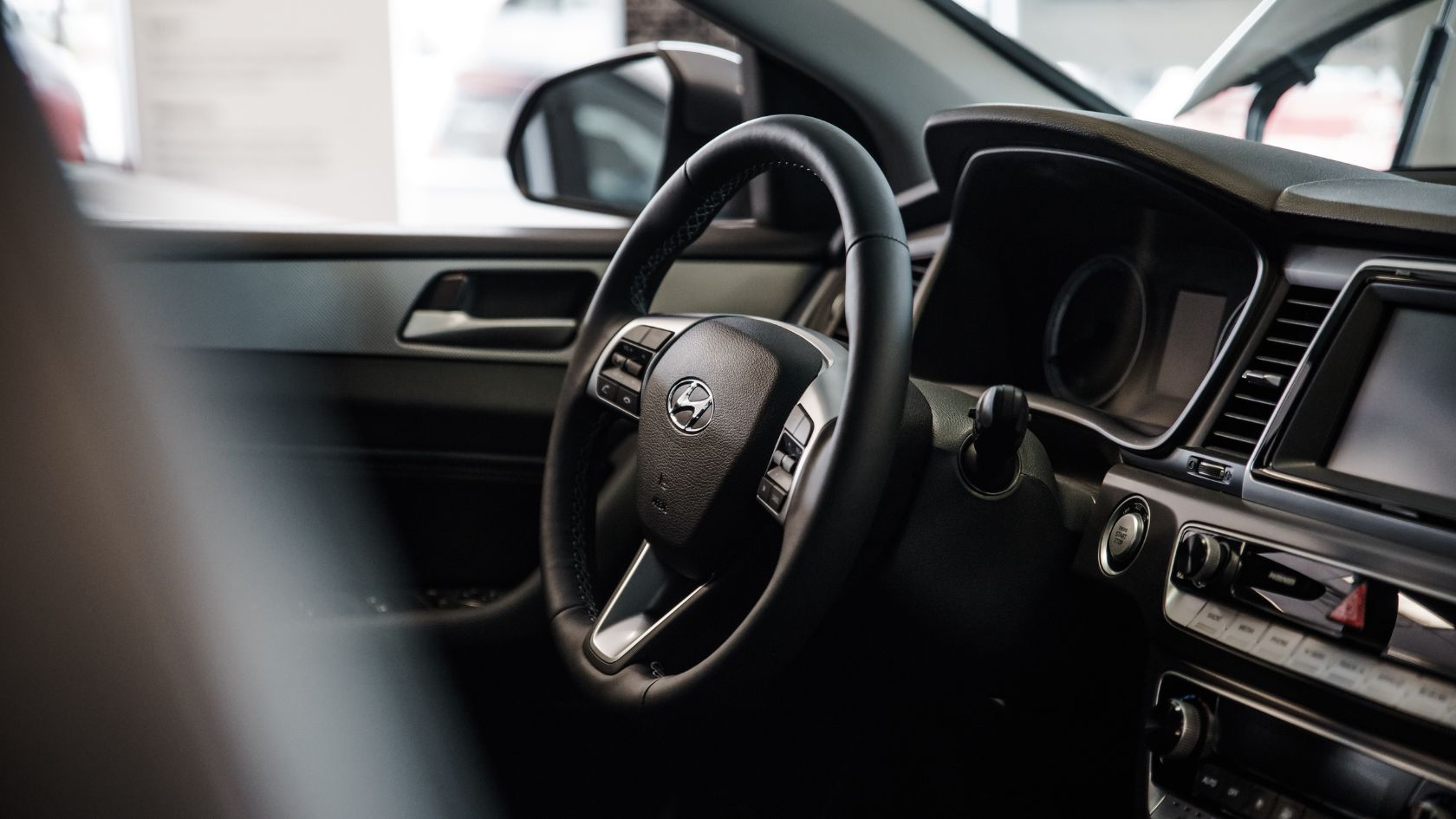
Lane Assist is part of a safety feature in modern cars and its primary function is to assist in maintaining a vehicle within its lane. However, many motorists are confused about its impact on the fundamental steering aspect. Does Lane Assist Affect Steering Wheel? This is what we will explore in this blog post. You will know the role of Lane Assist in steering control and its implications on driving dynamics. You will also learn about the mechanics behind this technology to explore how it optimizes the overall driving experience. Yes, lane assist affects steering because it can provide corrective steering input to keep your car centered in its lane. The system uses cameras or sensors to detect lane markings on the road. If the system detects that your car is drifting out of its lane without a turn signal activated, it will trigger a warning. In some systems, if the warning is ignored and the car continues to drift, the lane assist system may take over and gently steer the car back into the lane. This is usually done by applying a slight torque to the steering wheel. However, the amount of steering input the system can provide is usually limited. If you are making a sharp turn or trying to avoid an obstacle, you will need to override the system and steer the car yourself. Lane Assist (LA) technology is playing an increasingly important role in the advancement of driver assistance systems. It contributes significantly to road safety and reduces the risk of lane departure accidents. The lane assist technology helps drivers in maintaining proper lane discipline, offering a valuable layer of support, especially during long journeys or periods of fatigue. From a functionality perspective, LA systems typically employ a combination of cameras and sensors to detect lane markings on the road surface. These cameras or sensors continuously monitor the car’s position relative to the lane boundaries. When the system detects an unintentional drift toward a lane marking without an activated turn signal, it triggers a warning, usually consisting of visual and/or audible alerts. More advanced systems can also provide gentle corrective steering input to nudge the vehicle back into its lane. This steering intervention is achieved through electric motors integrated into the steering column, applying a slight torque to counter the drift. The core of LA’s interaction with steering lies in its ability to analyze sensory data and translate it into corrective actions. It monitors steering angle, speed, and lane position to determine the appropriate intervention level. The intervention can be in the form of visual and haptic alerts, vibrations, or active torque to steer the vehicle back into the lane. It’s crucial to remember that LA systems are designed to assist, not replace, driver input. The steering wheel remains under the driver’s control, and they can easily override any automated intervention. It’s important to remember that lane assist is a driver assistance system and not a self-driving feature. Even with the steering input by Lane Assist, you are still responsible for controlling the car and you should always be aware of your surroundings. Studies have shown that LA technology offers several safety benefits: LA systems detect unintentional drifts and prompt corrective action. This helps prevent vehicles from crossing lane markings, significantly reducing the risk of head-on collisions or sideswipes. The system’s warnings can serve as a wake-up call for drivers experiencing fatigue or distraction, reminding them to refocus on the road. LA promotes better lane adherence, especially on long journeys or monotonous stretches of highway, where lane drift is more common. While Lane Assist (LA) offers notable safety benefits, there are also some potential drawbacks to consider: LA systems rely on sensors and cameras to detect lane markings. These can be unreliable in poor weather conditions like rain, snow, or fog, where markings are obscured. The system might misinterpret road features like shadows or merging lanes as lane departures, triggering unnecessary warnings or failing to intervene when needed. The presence of LA might create a false sense of security, encouraging riskier driving behavior like excessive speed or distraction. LA systems typically provide gentle corrective steering, which might be insufficient in sharp turns or emergency situations, requiring driver intervention. Over-reliance on LA can lead to complacency and decreased driver attentiveness, potentially making them slower to react to unexpected situations. While rare, technical failures in the LA system could lead to unintended steering interventions or system shutdowns, posing potential safety risks. As mentioned earlier, Lane Assist (LA) technology undeniably influences steering control by offering assistance while simultaneously introducing new factors to consider. In some situations, LA actively applies torque to the steering wheel, correcting unintentional lane drifts. This alters the driver’s feel of the road and requires adaptation. Many LA systems provide visual or haptic feedback, prompting the driver to adjust their steering. This indirect influence still affects control dynamics. LA can reduce the frequency and intensity of steering adjustments needed from the driver, impacting their engagement and feel for the road. LA systems operate on pre-programmed algorithms, potentially reacting slower than skilled drivers in dynamic situations. While generally accurate, LA might struggle with complex lane markings or sudden maneuvers, requiring driver override for precise control. Manual steering offers direct feedback on road conditions and vehicle response, while LA’s feedback is filtered through the system’s interpretation. It is important to understand that despite assistance, the driver remains ultimately responsible for the vehicle’s control and must be prepared to override LA at any time. Effective use of LA requires a balance between trusting the system when appropriate and maintaining attentiveness and readiness to take control promptly. Lane Assist (LA) offers valuable support, but like any tool, maximizing its benefits requires responsible use and understanding. One of the ways for maximization is calibration. Regular calibration ensures LA sensors and cameras accurately detect lane markings, leading to reliable interventions and reduced false positives/negatives. Refer to your car’s manual for recommended calibration intervals, which can be after windshield replacements, certain repairs,
Is It Necessary to Have Bags on a Motorcycle? Pros, Cons & Use Cases
Motorcycles are all about freedom, simplicity, and the thrill of the open road. But at some point, most riders ask a practical question: Is it necessary to have bags on a motorcycle? Whether you’re commuting daily, heading out on weekend rides, or planning a long-distance tour, motorcycle bags can significantly change how you ride. In this blog, we’ll break down whether motorcycle bags are truly necessary, explore their advantages and drawbacks, and help you decide what works best for your riding style. Is It Necessary to have Bags on a Motorcycle? Motorcycle bags are not strictly necessary for every rider, but they are highly beneficial for commuting, touring, and long-distance riding. They provide secure storage, improve convenience, and reduce rider fatigue, while casual or short-distance riders may not need them. Understanding Motorcycle Bags and Their Purpose Motorcycle bags are designed to solve one of the biggest challenges riders face—limited storage. Unlike cars, motorcycles don’t come with built-in cargo space, so bags act as an extension of your bike’s utility. They allow you to carry daily essentials such as wallets, chargers, helmet locks, rainwear, or even groceries without compromising balance when properly installed. Over time, motorcycle bags have evolved from bulky leather saddlebags into sleek, aerodynamic options made from advanced materials. Whether it’s a tank bag, saddlebag, tail bag, or hard pannier, each type serves a specific purpose. While they aren’t a legal requirement, motorcycle bags can make riding more convenient, organized, and stress-free—especially when you don’t want everything stuffed into your pockets or backpack. When Motorcycle Bags Are Actually Necessary Motorcycle bags become almost essential in certain riding scenarios. If you commute daily, bags help you carry office essentials without wearing a heavy backpack that can strain your shoulders. For touring or long-distance rides, bags are crucial for carrying clothes, tools, first-aid kits, and spares, making them more than just a convenience. Adventure and touring riders especially rely on bags to stay self-sufficient on the road. Even in unpredictable weather, having storage for rain gear or extra layers can improve safety and comfort. In these cases, motorcycle bags aren’t just optional accessories—they’re practical tools that support longer, safer, and more enjoyable rides. Situations Where Motorcycle Bags May Not Be Needed Not every rider needs motorcycle bags. If your riding is limited to short city trips, casual weekend rides, or performance-focused biking, you may prefer a clean, lightweight setup. Many riders enjoy the minimalist feel of riding without extra attachments, especially on sports bikes or café racers. Some also feel that bags affect aesthetics or slightly alter handling, particularly when overloaded or poorly mounted. If you can comfortably carry your essentials in pockets or a small backpack and don’t require extra storage, skipping motorcycle bags is perfectly fine. Ultimately, necessity depends on how, where, and how often you ride. Types of Motorcycle Bags and Their Use Cases Motorcycle bags come in several forms, each designed for different needs. Tank bags are great for quick-access items like phones, wallets, and maps. Saddlebags provide balanced storage on both sides and are popular among cruisers and tourers. Tail bags are compact and ideal for short trips, while hard panniers offer durability, security, and weather protection for long journeys. Choosing the right bag depends on your motorcycle type, riding duration, and storage requirements. The right setup can enhance convenience without compromising safety or comfort, making motorcycle bags a customizable solution rather than a one-size-fits-all necessity. Do Motorcycle Bags Affect Safety and Riding Comfort? When chosen and installed correctly, motorcycle bags generally do not negatively affect safety. In fact, they can improve comfort by reducing the need to carry weight on your body. However, poorly mounted or overloaded bags can impact balance, handling, and aerodynamics. It’s important to distribute weight evenly and avoid exceeding the bike’s load capacity. Secure mounting and proper positioning ensure that bags don’t interfere with control or stability. Used responsibly, motorcycle bags enhance practicality without sacrificing the riding experience. Frequently Asked Questions (FAQs) Are motorcycle bags mandatory by law?No, motorcycle bags are not legally required in most regions. Do motorcycle bags affect fuel efficiency?Minimal impact when properly designed and mounted, though large bags may slightly affect aerodynamics. Can motorcycle bags damage the bike?If installed incorrectly, they may cause scratches or an imbalance. Proper fitting prevents this. Are backpacks a good alternative to motorcycle bags?Backpacks work for short rides but can cause fatigue and discomfort on longer journeys. Which motorcycle bag is best for beginners?Tank bags or small tail bags are beginner-friendly and easy to manage. Conclusion Motorcycle bags are not a necessity for every rider, but they are undeniably useful. If you commute, tour, or value convenience, bags can make riding safer and more comfortable. For minimalist or short-distance riders, they remain optional. The key is choosing a bag that suits your motorcycle, riding style, and storage needs—without overloading or compromising safety. Ride smart, pack light, and choose what truly supports your journey.
Can Motorcycle Helmets Have Speakers? | Bluetooth & Safety Guide
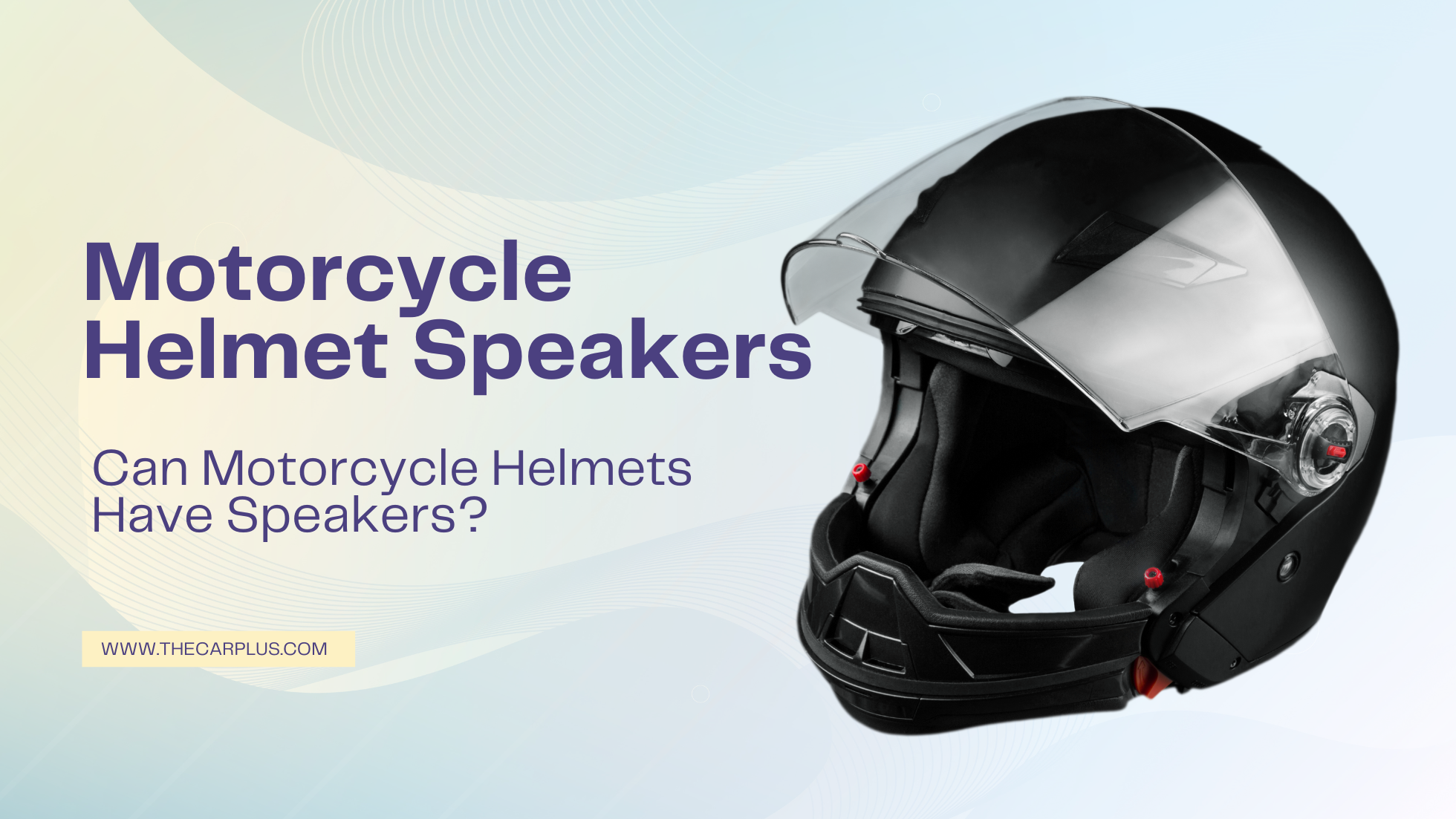
Gone are the days when helmets were considered as a piece of safety only. Motorcycle technology has evolved far beyond the basic helmet-and-gloves setup. Today, many riders enjoy music, GPS navigation, hands-free calls, and rider-to-rider communication — all thanks to built-in or add-on helmet speakers. But, can motorcycle helmets have speakers? If yes, whether they’re safe or legal to use? You’re in the right place to know the answers for these questions. Let’s break it down in a simple, rider-friendly way so you can decide if helmet speakers are right for your riding style. Can Motorcycle Helmets Have Speakers? Yes, motorcycle helmets can have speakers. Most modern helmets include built-in speaker pockets, and Bluetooth systems can be installed for music, GPS, hands-free calls, and rider-to-rider communication. Helmet speakers are legal in most regions as long as they don’t block outside sounds, making them a safe and practical option when used at low volumes. Built-In Speaker Compatibility in Modern Motorcycle Helmets Most modern helmets, especially modular and full-face designs, now include recessed “speaker pockets” inside the liners. These pockets are specifically shaped to house Bluetooth speakers without pressing against your ears or affecting comfort. Helmet manufacturers know riders value convenience and connectivity, so compatibility has become a common feature. Even helmets without dedicated pockets usually have enough interior space to fit slim aftermarket speakers. The idea is to allow you to enjoy hands-free communication, navigation prompts, or music without compromising the structural safety of the helmet. As long as you choose speakers designed for motorcycle use, installation is usually quick and straightforward. Bluetooth Speaker Systems: How They Work Inside Helmets Bluetooth speakers for helmets are typically part of a compact communication unit that attaches to the helmet’s exterior, with speaker discs placed inside near your ears. These systems connect wirelessly to your phone or GPS device. They allow you to listen to music, receive turn-by-turn directions, answer calls, or talk to another rider via intercom. Since the speakers sit close to your ears rather than inside your ear canal, they provide audio while still letting you hear surrounding traffic. The technology is designed around rider safety and minimal distraction, with simple button controls or voice commands so you don’t need to look away from the road. Are Helmet Speakers Legal? Regulations You Should Know Helmet speaker legality varies across countries and even individual states, but in most places, they are legal. The general rule is that speakers must not completely block your ability to hear traffic, sirens, or other road sounds. Since motorcycle speakers sit outside the ear canal, they typically comply with this requirement. What’s usually illegal is wearing full in-ear headphones that seal off both ears. To stay safe, always check your local traffic laws before installing speakers. Even where they’re legal, riding with excessively loud audio isn’t recommended — it reduces awareness and can lead to slower reaction times. Do Helmet Speakers Affect Safety While Riding? Helmet speakers are considered safer than earphones because they don’t isolate you from environmental sounds. However, safety still depends on how you use them. Low-volume GPS instructions or brief calls via intercom are generally safe. But blasting music at high volume can be distracting and might mask critical sounds like horns or emergency vehicles. Comfort is another factor — poorly installed speakers can create pressure points that become uncomfortable on long rides. Choose thin, high-quality speakers and position them correctly inside the helmet so they’re aligned with your ears without pressing too tightly. Choosing the Right Speakers for Your Helmet Not all helmet speakers are created equal. Thin, lightweight speakers are best because they fit naturally into speaker pockets without affecting helmet fit. Look for Bluetooth systems with good battery life, clear audio, noise cancellation for calls, and waterproof ratings for rainy rides. Brands like Sena, Cardo, and UClear are popular among riders because they design systems specifically for motorcycle use. Always make sure the speakers don’t interfere with the helmet’s padding or compromise the safety structure. Choosing a system designed for helmets ensures comfort, clarity, and safer communication on the road. FAQs About Motorcycle Helmets With Speakers 1. Can any motorcycle helmet have speakers installed? Most full-face and modular helmets can accommodate speaker systems, especially if they include designated speaker pockets. 2. Are helmet speakers waterproof? Most quality Bluetooth systems are water-resistant or waterproof, making them suitable for riding in rain. 3. Do speakers affect helmet safety certification? No, as long as you don’t modify the helmet shell or internal EPS foam. Stick-on units and thin speakers do not affect safety ratings. 4. Can I listen to music while riding? Yes, but keep the volume low so you remain aware of surrounding traffic. 5. Do helmet speakers drain phone battery quickly? They use Bluetooth, so your phone will drain faster, but most systems have efficient power consumption. 6. Are helmet speakers comfortable for long rides? If properly installed and aligned with your ears, they’re comfortable. Thick or poorly placed speakers may cause discomfort. Most full-face and modular helmets can accommodate speaker systems, especially if they include designated speaker pockets. Most quality Bluetooth systems are water-resistant or waterproof, making them suitable for riding in rain. No, as long as you don’t modify the helmet shell or internal EPS foam. Stick-on units and thin speakers do not affect safety ratings. Yes, but keep the volume low so you remain aware of surrounding traffic. They use Bluetooth, so your phone will drain faster, but most systems have efficient power consumption. If properly installed and aligned with your ears, they’re comfortable. Thick or poorly placed speakers may cause discomfort. Choosing the Right Speakers for Your Helmet Motorcycle helmets can definitely have speakers, and they’ve become a popular, practical accessory for modern riders. Whether you want GPS prompts, hands-free calls, or music, Bluetooth systems make it easy without compromising safety. The key is choosing slim, high-quality speakers that fit comfortably and keeping audio at a safe volume so you remain fully aware on the road.

Motorcycle Helmet Recycling: What You Can and Can’t Do
Motorcycle helmets are built to protect us, but eventually every helmet reaches the end of its safe lifespan. Whether due to age, damage, or upgraded safety standards, thousands of old helmets get discarded each year. This leaves many riders wondering—can motorcycle helmets actually be recycled? With growing awareness around sustainability, it’s a valid question. The tricky part is that helmets are made from mixed materials that aren’t always easy to process. In this post, we’ll explore whether helmets can be recycled, what parts are reusable, and the best eco-friendly disposal options available to riders. Can Motorcycle Helmets Be Recycled? Yes & No. Most motorcycle helmets cannot be recycled through standard programs because they contain mixed materials like polycarbonate shells, EPS foam, metal parts, and adhesives. However, certain components—such as metal hardware and some visors—can be recycled separately. Specialized recycling programs, training centers, or upcycling projects offer the most practical alternatives for eco-friendly helmet disposal. Why Most Motorcycle Helmets Aren’t Accepted in Standard Recycling Programs Motorcycle helmets are engineered using multiple layers of different materials—polycarbonate, fiberglass, Kevlar blends, EPS foam, metal screws, padding, and adhesives. This combination is excellent for protection but makes recycling extremely difficult. Standard municipal recycling centers require items to be made from a single type of material or to have easily separable components. Helmets don’t meet those criteria, and the EPS foam inside most helmets cannot be melted down for reuse. Even when the outer shell is made of hard plastic, it’s typically bonded with resins that recycling facilities aren’t equipped to handle. Because of this, most centers simply reject helmets, even if they look like “plastic products.” Which Parts of a Helmet Can Be Recycled Separately? Although the entire helmet can’t go into a recycling bin, certain components can be removed and processed individually. Metal hardware—like chin strap rivets or visor screws—can go to metal recycling centers. Clear visors made of polycarbonate may be recyclable depending on your city’s plastic guidelines. However, tinted visors or mirrored coatings typically aren’t accepted. Helmet padding, straps, adhesives, and EPS foam cannot be recycled. Riders willing to spend a few minutes disassembling their helmet can help reduce waste, but the overall impact is limited. Still, salvaging recyclable pieces is better than throwing the entire helmet into general waste without a second thought. Specialized Recycling Programs: A Growing but Limited Option Some regions have sustainability-focused organizations that accept motorcycle helmets for specialized processing. These programs manually break down helmets, separate materials, and recycle what is possible—usually around 30–40% of each helmet. They are more common in Europe and parts of North America, but availability varies widely. Fire departments, training schools, and research institutions sometimes collect old helmets for testing or drill practice. While this isn’t recycling in the traditional sense, it keeps the helmet in use and out of landfills. If you’re committed to disposing of your helmet responsibly, checking local motorcycle communities or eco-recycling groups is a good first step. Why You Should Never Throw Helmets in Donation Bins for Reuse Motorcycle helmets have a strict safety lifespan—typically around five years—and any impact renders them unsafe. Dropping them into charity bins, thrift stores, or second-hand platforms is dangerous because someone may unknowingly use a compromised helmet. Unlike clothing or household items, helmets should never be reused once they have expired or been damaged. Instead, label your helmet as “Not Safe for Use” or remove the straps before disposal to prevent resale. Responsible disposal is an important part of protecting other riders, which is just as crucial as protecting the environment. FAQs About Recycling Motorcycle Helmets 1. Can I recycle my motorcycle helmet in a normal plastic bin? No. Helmets contain mixed materials that standard recycling centers cannot process. 2. Are fiberglass or carbon helmets recyclable? Not through standard recycling programs. Their composite materials require industrial processes that aren’t widely available. 3. Can I donate old helmets? Only for non-riding purposes—training drills, demonstrations, or educational use. Never donate for road use. 4. Is EPS foam inside helmets recyclable? Generally no. Helmet-grade EPS is chemically treated and not accepted by recycling facilities. 5. What’s the safest way to dispose of an old helmet? Remove the straps, label it as unusable, and dispose of it in general waste—or repurpose/upcycle it. 6. How often should helmets be replaced? Most manufacturers recommend replacing helmets every 5 years or after any impact. Related Read: Should You Replace a Motorcycle Helmet If You Drop It Conclusion Motorcycle helmets aren’t easy to recycle due to their multi-layered design, but you still have eco-friendly options. Separating recyclable parts, exploring specialized programs, or repurposing your helmet can keep it out of landfills. Most importantly, always dispose of expired helmets responsibly so they aren’t reused unsafely. Related Read: Best Helmet For Wind Noise Reduction Choosing long-lasting, high-quality helmets with replaceable liners and durable shells can also reduce how often you need to discard them.