
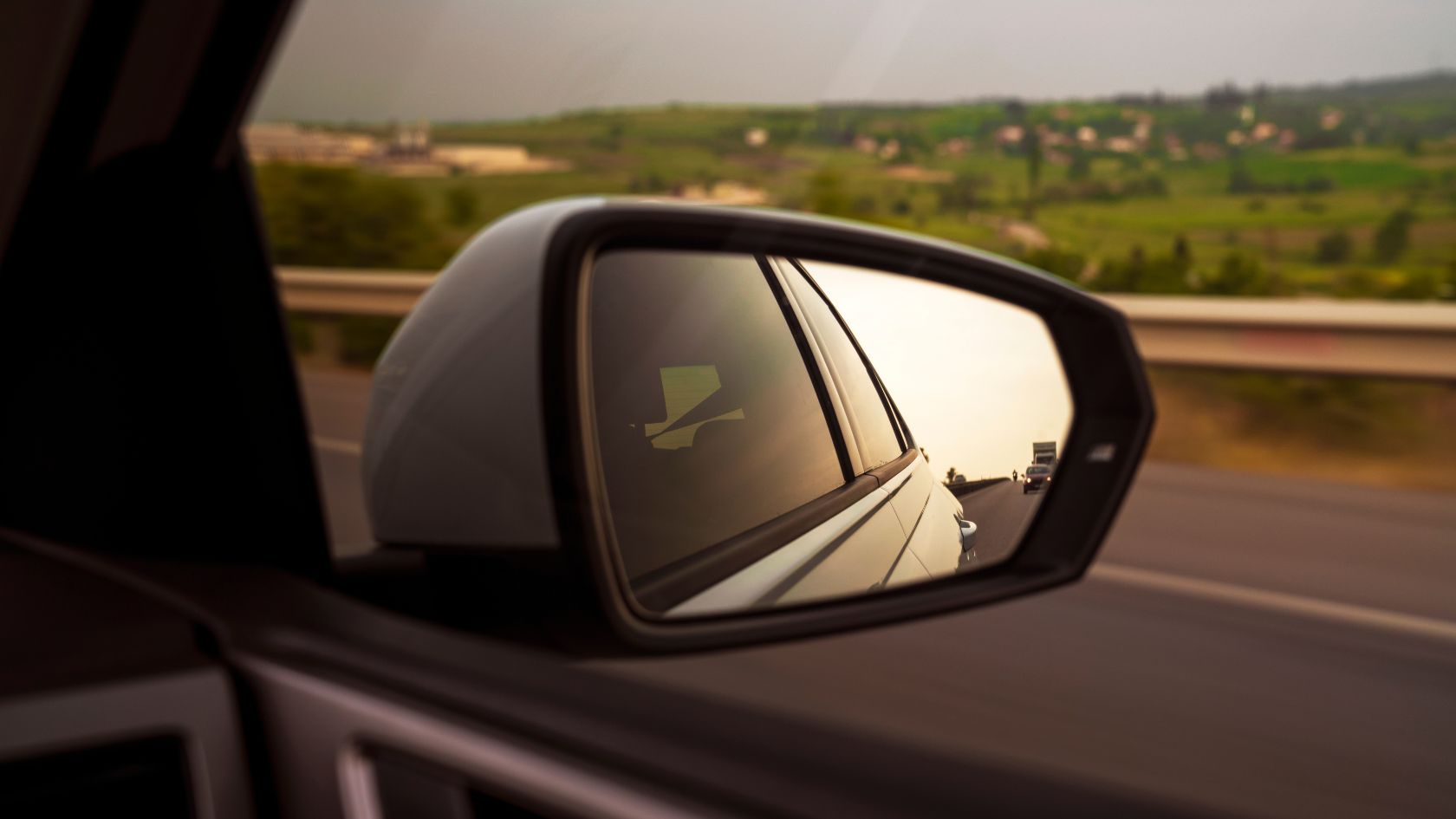
The hidden zone around your car where other vehicles disappear is called a blind spot. It’s an area that your car’s mirrors can’t cover, and it’s critical for driving safety. So, how many blind spots are there in a car and other vehicles? Blind spots can differ depending on the vehicle you’re driving, whether it’s a compact car, an SUV, a truck, or a motorcycle. Understanding where they are and how to spot them will be crucial. In this post, you’re going to find out about common blind spot areas in different vehicles and explore strategies for locating and becoming aware of these unseen zones. Typically, a standard passenger car has two main blind spots. These spots are located on either side of the car, just behind the left and right side mirrors. However, keep in mind that the size and number of blind spots can increase with the size of the vehicle. Semi-trucks or vehicles towing trailers, for instance, have larger blind spots due to their increased length and height. The very design of a car contributes to the creation of blind spots. Pillars that support the roof, the rear headrests, passengers, or cargo can all obscure your view. Essentially, any part of your vehicle that blocks your line of sight to the areas behind or on the sides of your car can create a blind spot. This isn’t just about knowing where these blind spots are; it’s also about learning how to manage them effectively. Now that you’re aware of what blind spots are and how they can vary, let’s move on to the next important step: identifying the specific blind spots in your car. Think of your car as having its own set of blinders, similar to those on a horse, that block certain areas from your sight. These are your blind spots, and not being aware of them is a pretty risky business. To begin with, certain areas typically fall into the category of blind spots. These are located over your shoulders and near the rear of your car. To discover these sneaky zones, you can do a simple exercise. Park your car and place an object at various distances and angles, then sit in the driver’s seat and check what you can’t see without moving your head. It’s surprising, right? Side mirrors show a lot, but not everything. When it comes to your mirrors, you’ve got a power trio working for you: the rearview mirror and two side mirrors. Setting them up correctly is like aligning stars for clearer navigation. Angle your side mirrors just beyond the point where your car is no longer visible, which helps significantly reduce the size of your blind spots. Remember, some smart mirror work upfront can save you from a lot of headaches on the road. Now, you’re well-versed on what blind spots are and how to pinpoint them in your car. But knowing is only half the battle! It’s your actions on the road that truly make a difference. It’s crucial to adopt certain best practices to ensure you and others on the road stay safe. Before we get into the best practices for checking blind spots, I want to touch on a bit of tech magic that’s changing the game – blind spot detection systems. These systems alert you when there’s an object in your blind spot, drastically improving safety. If you’re shopping for a new car, this is a feature worth prioritizing. But technology is no substitute for good driving habits. Always turn your head to check your blind spots before switching lanes—mirrors alone won’t cut it. Be particularly mindful in heavy traffic or on multi-lane roads, where the stakes are higher. As evident, almost every vehicle has blind spots. So, what are their types? Let’s take a closer look at the different types of blind spots you might encounter on the road: Rear Quarter Blind Spots: These are the most common culprits, lurking just behind the C-pillars (those thick pillars behind your rear doors) on both sides of your car. Motorcycles, bicycles, and even small cars can easily disappear in these zones. Checking over your shoulder or using rearview cameras can help in tackling rear blind spots. Front Pillar Blind Spots: The A-pillars (windshield pillars) can also be sneaky, hiding pedestrians, cyclists, and motorbikes approaching from the side. The front pillar blind spots are directly in front of the vehicle. They provide limited visibility due to the hood and sometimes the windshield pillars. Adjusting seat height, using proper seating position, and remaining cautious at intersections can help manage front blind spots. Mirror Blind Spots: Even with properly adjusted mirrors, there can be small areas right next to your car that remain unseen. You need to be extra cautious when pulling out from a parked position or squeezing past slow-moving vehicles. The above three are the main blind spots associated with cars. Beyond cars, larger vehicles like trucks and buses have different zones of blind spots that you will find in the below section. It’s not just about cars. Every vehicle has blind spots and the size and location of blind spots can vary among different types of vehicles. Here are some common blind spots for specific vehicle types: Trucks, SUVs, Commercial Vehicles and Buses Long buses, trucks, and large commercial vehicles have much larger and more extensive rear blind spots. Due to their size, the entire area alongside and behind the driver’s side, often extending several lanes, can be invisible to the driver. Such longer invisible areas make it crucial to check blind spots before changing lanes for these bigger vehicles. Large trucks and buses particularly have significant blind spots along the sides as well. Drivers of these vehicles may use additional mirrors to minimize blind spots. As a driver, you must give trucks and buses extra space. Avoid lingering in their blind spots, and maintain a safe following distance. Motorcycles Motorcycles have a smaller profile that makes them easily hidden in the rear
Should You Turn Your Head to Check a Blind Spot?
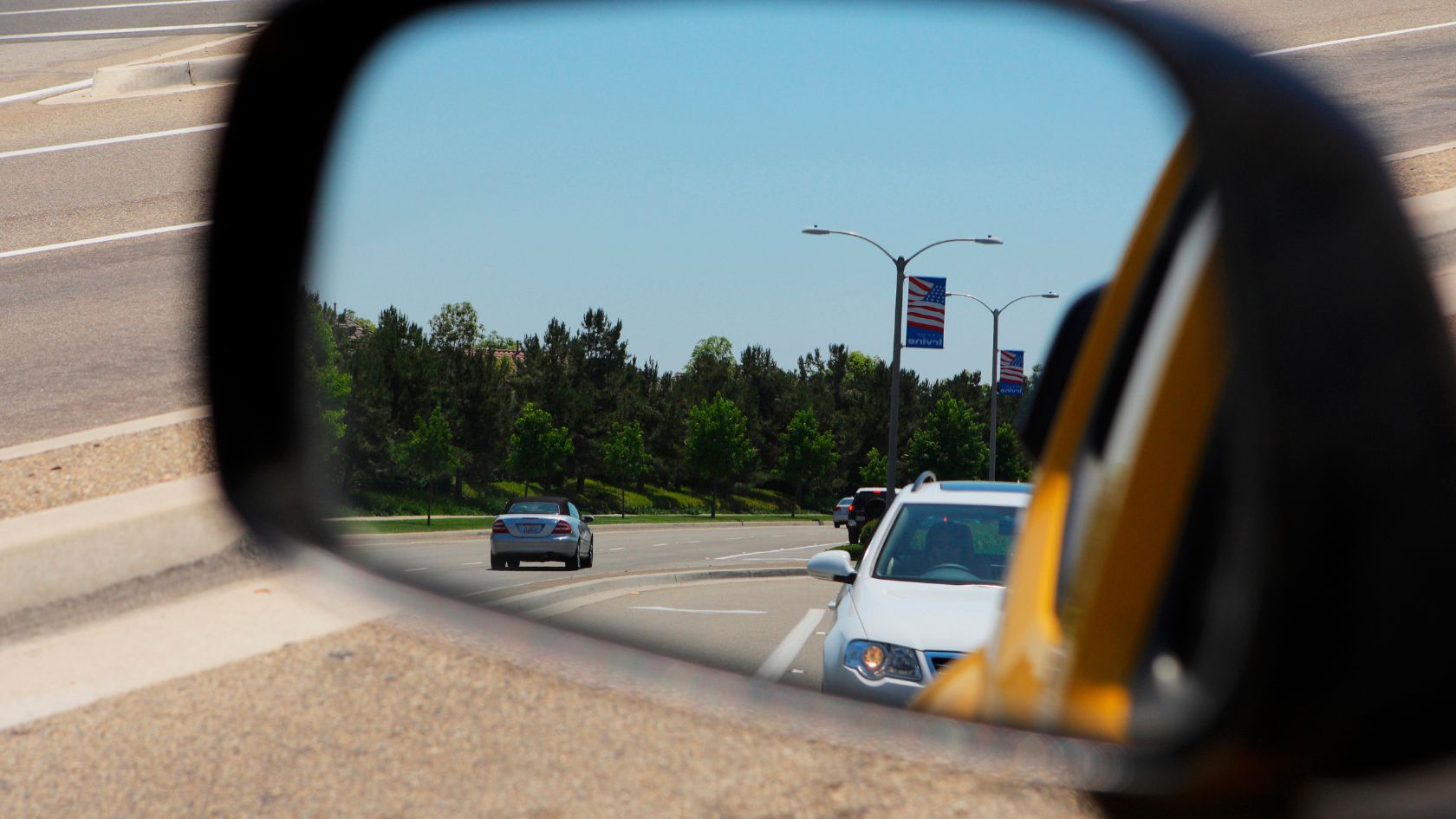
Have you ever experienced that heart-stopping moment when you start to change lanes, only to realize there’s another car right beside you that you didn’t see? That’s what’s known as a blind spot, and it’s a common cause of road accidents. So, should you turn your head to check a blind spot? What exactly is a blind spot in the context of driving? And, why should you care about blind spots? In this informative blog post, we will cover all the important aspects of blind spots and how to deal with them while driving. A blind spot in the automotive world is an area around your vehicle that isn’t covered by your mirrors or peripheral vision. That means even if you’re diligent about checking your mirrors, spaces can be obscured, hiding other vehicles, cyclists, or pedestrians. Checking blind spots is crucial for road safety. This is because your life and the lives of others may depend on it. Understanding where your blind spots are and how to check them properly can prevent collisions and ensure smooth lane changes and overtakes. Yes, to check your blind spot, you should turn your head to look over your shoulder before changing lanes or making a maneuver. Checking a blind spot is an important aspect of safe driving. While your mirrors provide valuable information, they may not cover all areas, and there are certain blind spots that you can only check by physically turning your head. This is especially crucial when you are merging onto a highway, changing lanes, or making a turn. Relying solely on mirrors may lead to a situation where you miss a vehicle or obstacle in your blind spot, potentially causing a collision. In summary, turning your head to check your blind spot is an essential practice as it complements the use of your mirrors in ensuring that you have a comprehensive view of your surroundings. Adjusting your mirrors correctly is a critical step in minimizing blind spots, and doing so isn’t complex. I’m going to guide you through it, step by step. First, let’s tackle the rearview mirror. Your goal here is broad visibility. Adjust this mirror so you can see out of the center of your rear window without having to move your head. That means you’re likely going to have a full view of the road behind you. Now, your side mirrors. Here’s a tip that might surprise you: Don’t position them to reflect the side of your car. Instead, angle them outward until your car is just out of view. This widens your peripheral vision on either side and helps cover areas that your rearview mirror can’t catch. For those wondering about the correct sitting position, you want to make sure you’re seated comfortably with your back against the seat, able to reach all controls and have an unobstructed view of all mirrors. I’ve come across a few myths over time about mirror adjustments. Some people say you should be able to see the horizon in the center of the rearview mirror—this isn’t necessarily true for everyone. Your height and the car’s design affect this, so choose something that resonates with you, within the safety norms. Remember, even with optimal mirror adjustment, blind spots can never be completely eliminated. That’s why, after adjusting your mirrors, you need to learn how to physically check your blind spots. And don’t worry too much about getting it perfect on the first try. You can always adjust your approach down the road. Checking your blind spot is a critical driving skill that’s all about timing and technique. I’m going to walk you through the process so that you can do it almost instinctively. You’re going to find out about the moments when a blind spot check is crucial, such as merging onto a highway, changing lanes, or entering traffic circles. It isn’t just about rotating your head; it’s about doing it at the right moment to ensure maximum safety on the road. Here’s how to execute a proper blind spot check: Now, this skill needs to be integrated into your driving habits. Constant vigilance and practice are key. Start by consciously incorporating blind spot checks into every relevant maneuver until it becomes second nature. Remember, your first attempt doesn’t need to be your last. You can always fine-tune your technique. Don’t worry too much about getting it perfect immediately; it’s more important to start the practice and improve over time. Here’s a video showing the basics of checking the blind spots: Yes. Now that you’ve got the hang of checking your blind spots through tried-and-true techniques, it’s also worth exploring how technology can aid in this essential task. Consider installing convex or blind spot mirrors on your side mirrors. These mirrors have a wider field of view and can help you see into your blind spots. They are particularly useful for detecting vehicles approaching from behind and alongside your vehicle. Many modern vehicles also come equipped with blind spot monitoring systems – intuitive features that alert you when a vehicle enters your blind spot zone. These systems use sensors to detect vehicles in your blind spots and typically provide visual or audible alerts to warn you of their presence. While these systems can be incredibly helpful, I want to emphasize that they do NOT replace the need for manual checks. They’re complementary to your visual checks and can serve as an additional safety net. Keep in mind, that no tool is foolproof. Sensors can fail or get obstructed, and sometimes, weather or road conditions can interfere with their accuracy. Therefore, always perform a physical check before making any moves. Moreover, developing a constant awareness of your surroundings is key. This means regularly scanning your mirrors, being mindful of vehicles that may have been beside you, and anticipating other drivers’ actions. This way, even if a vehicle quickly slips into your blind spot, you’re more likely to be aware of its presence. Remember, the road is dynamic, and things change

Blind Spot Mirrors Vs. Blind Spot Detection Systems: Which Is Better?
Blind spots are the areas outside the vehicle that the driver can’t see through their mirrors. This lack of visibility can lead to collisions, particularly when changing lanes. To address this, blind spot mirrors and detection systems have emerged as solutions. The question many motorists explore is: Out of Blind Spot Mirrors vs. Blind Spot Detection Systems, which provides the better shield against the hidden dangers on the roads? Before preferring any one of the two, it’s essential to weigh the differences between the products. In this blog post, we will do an in-depth comparison and find out their practicality, reliability, and accessibility through pros and cons. By the end of this post, you should be able to decide between choosing a blind spot mirror or a detection system according to your needs and preferences. Blind spot mirrors are additional, smaller mirrors affixed to a vehicle’s standard side mirrors. They typically provide a wider field of view, enabling drivers to see areas that would otherwise be unnoticed. Variations of these mirrors exist, from convex to adjustable, offering different perspectives. On the other hand, blind spot detection systems represent a leap in technology. By using sensors, cameras, or radar, these systems can alert drivers to unseen vehicles in the blind spot area. Often, the alert is a light on the side mirror or an auditory warning. While both aim to enhance driver awareness and safety, they do so through markedly different methods. The history of these technologies showcases a clear evolution—from the simplicity of added mirrors to the complexity of integrated alert systems. When considering the addition of blind spot mirrors to your vehicle, it’s essential to weigh their strengths and drawbacks. These small, convex mirrors can be attached to your car’s side mirrors and are designed to widen your field of view. The solution is quite simple but it comes with its share of benefits and limitations. The standout advantage is affordability. You can purchase these mirrors at a modest cost, which is especially attractive when compared to pricier tech-driven alternatives. Installation is another strong point. You can easily stick them onto your existing side mirrors without the need for complex tools or professional assistance. Then there’s reliability. These mirrors are always ‘on’ and don’t require any power source, making them a steadfast option. However, they are often subject to a couple of misconceptions. The most significant is that they eliminate blind spots. While they do reduce them, drivers must still practice vigilance and proper mirror adjustment to ensure safety. Maintenance is minimal — a cleaning here and there to keep them clear. Durability is often dependent on the quality of the mirror you purchase. Indeed, their lifespan can be considerable, resisting weather’s wear and tear if chosen well. When compared to high-tech detection systems, blind spot mirrors might seem rudimentary, but they hold their own by offering a constant visual check without the risk of sensor or electrical failures. It all boils down to understanding and accepting the extent of their capabilities and learning how to use them effectively within the context of safe driving practices. Integrating a blind spot detection system into your vehicle presents a range of advantages and considerations. These advanced systems, employing sensors and alerts, enhance safety by warning drivers about potential hazards in their blind spots. On the positive side, blind spot detection systems substantially contribute to road safety. Real-time alerts regarding vehicles or obstacles in blind spots reduce collision risks during lane changes. Unlike traditional blind spot mirrors, these systems often offer comprehensive coverage, detecting not only adjacent lane vehicles but also those approaching rapidly from behind. Another notable advantage lies in the adaptive technology often incorporated. Dynamic adjustments to warning thresholds based on driving speed enhance the system’s intelligence. Furthermore, some systems seamlessly integrate with other safety technologies, such as lane departure warning and rear-cross traffic alert systems, creating a comprehensive safety network. Customization options add flexibility for drivers to tailor alert preferences to their driving style and comfort level. However, on the downside, the primary drawback is the cost. Blind spot detection systems generally come with a higher price tag compared to simpler blind spot mirrors. The advanced technology involved contributes to a more substantial financial investment. Installation complexity is another consideration. Unlike the straightforward attachment of blind spot mirrors, installing a blind spot detection system may necessitate professional assistance due to the complexity of sensors and electronic components. Maintenance challenges also arise as these systems are electronic, making them susceptible to malfunctions or sensor failures. Regular maintenance and potential repairs might be necessary, adding to the overall cost of ownership. Additionally, the systems depend on power sources, drawing from the vehicle’s electrical system. In the event of a power failure or electrical issues, the system may become temporarily non-functional. A potential drawback is the risk of overreliance on technology. While highly effective, there’s a concern that drivers may become overly dependent on the system, potentially neglecting basic mirror checks and safe driving practices. Overall, blind spot detection systems offer advanced safety features and comprehensive coverage, but their higher cost and installation complexity should be considered by drivers when deciding on the most suitable blind spot solution for their vehicles. Blind spot detection systems are designed to complement traditional mirrors, not replace them. While these systems enhance safety by providing additional alerts, they should not be relied upon as the sole means of monitoring your surroundings. It’s crucial to continue using your side and rearview mirrors actively and practice safe driving habits in conjunction with the technology for optimal road safety. Yes, blind spot detection systems can be retrofitted onto older vehicles, but the feasibility depends on the specific system and vehicle model. Some aftermarket kits are available for installation, and professional assistance might be necessary due to the electronic components involved. Before proceeding, check compatibility and consult with experts to ensure a successful integration onto your older vehicle. While modern blind spot detection systems are designed to minimize false

Can Blind Spot Monitoring Be Added To a Car?
Risks associated with unseen obstacles on the road such as blind spots can be very dangerous especially for cars not equipped with blind spot monitoring systems. So, can blind spot monitoring be added to a car externally? If yes, what are the available options, features, and factors that should influence your purchase? In this review blog guide, we will help you find the 3 best blind spot monitoring systems that can be added to your car with simple installation. You will also find the factors associated with buying a blind spot monitoring system to make an informed decision before purchasing the final product. Yes, blind spot monitoring can be added to a car if it doesn’t have a factory-installed system. But it is a complex task. While aftermarket solutions are available, compatibility and professional installation are important considerations. Some of the other factors also include potential variations in the functionality of different blind spot detectors compared to factory systems, their high costs, and warranty implications. So, if you are looking to install an aftermarket blind spot monitoring system ensure to carefully research and consult with experts before deciding on such modifications. To make your research easier we have listed 3 best blind spot monitoring kits that excel in performance, compatibility, and user experience. As an Amazon Associate, we may earn a small commission if you purchase any product by clicking the link without any additional cost to you. Bosch Driving Assistant Bosch Driving Assistant system takes blind spot monitoring to the next level. It offers the most comprehensive safety package on this list, covering blind spots, rear cross-traffic, lane departure, and parking assistance. Bosch utilizes a combination of radar and ultrasonic sensors for multi-layered detection. Additionally, it incorporates a blind spot camera for visual confirmation. This confirmation through the blind spot camera provides additional assurance and situational awareness offering comprehensive safety coverage. The driving assistant goes beyond blind spot detection. It features LED indicators on mirrors, a blind spot camera view on the infotainment system, rear cross-traffic alert, lane departure warning, and even parking sensors. While these features serve a lot some users might find the abundance of alerts and information overwhelming, especially in fast-paced driving environments. On the positive side, the features come with customized settings. You can customize sensor sensitivity, alert volume, and even camera display preferences. The customization is tailored to your preferences for optimal comfort and effectiveness. However, the installation process may require professional services depending on your car model and desired feature integration. Another big drawback of this product is pricing. This could be the most expensive option on this list, making it less accessible for budget-conscious buyers. Overall, the Bosch Driving Assistant with its advanced features and customization is the ultimate choice for drivers who prioritize maximum safety and technological sophistication. Garmin BC 30 Wireless Backup Camera The Garmin BC 30 Wireless Backup Camera is a versatile solution that not only aids in safe backing up but also serves as an effective blind spot monitoring system when paired with compatible Garmin devices. This wireless camera system is designed to enhance overall driving awareness by providing a clear view of the vehicle’s rear surroundings. The BC 30 stands out with its wireless connectivity, allowing it to pair seamlessly with compatible Garmin navigation systems. While the wireless feature is convenient, it potentially limits options for users with non-Garmin navigation systems. This wireless design eliminates the need for extensive cable routing during installation, contributing to a cleaner and simpler setup process. The camera is equipped with a wide-angle lens, providing a broad view of the rear area and potential blind spots. Installing the BC 30 is generally user-friendly, and Garmin provides clear instructions to guide users through the process. The wireless nature of the system reduces the complexity of installation compared to wired alternatives. However, users should be aware of potential compatibility issues and the need for additional components, depending on the specific Garmin device and vehicle. Depending on the vehicle and Garmin device, additional equipment such as a wireless transmitter may be necessary, adding to the overall cost. In terms of performance, the BC 30 provides a reliable and clear view of the rear area. The wireless connection ensures real-time video transmission to the compatible Garmin display, allowing for quick and accurate assessments of blind spots. The system’s performance may vary slightly based on the quality and size of the paired Garmin device’s screen. Overall, the Garmin BC 30 Wireless Backup Camera stands as a versatile solution for drivers seeking both a backup camera and a blind spot monitoring system. Acteam Car Blind Spot Detectors Sensor System Acteam blind spot system utilizes 24 Ghz millimeter wave radar, a sophisticated technology known for its precise and reliable detection capabilities. Sensors mounted on the rear bumper continuously scan the blind zones, offering a long-range detection of up to 16.4 feet. The radar sensors excel in accuracy and provide an extended detection range, outperforming ultrasonic or camera-based systems. Upon detecting a vehicle entering your blind spot, the Acteam system activates flashing LED indicators embedded in your side mirrors. These LEDs are bright and clearly visible, catching your attention even in peripheral vision. Additionally, it emits audible warnings to further emphasize the potential danger. The system is highly customizable, allowing you to adjust the volume of the beeps and the brightness of the LEDs to your liking. The combination of visual and audible alerts ensures heightened attention, minimizing the risk of overlooking blind spots. Installation is straightforward for most cars, accompanied by clear instructions, requiring minimal technical expertise. While generally feasible, some cars may necessitate professional assistance for wiring or sensor placement. The system offers excellent value, balancing features, and performance competitively against other radar-based systems. On the flip side, the system offers a basic safety package. It lacks advanced functionalities like rear cross-traffic alert or lane departure warning compared to other products. Overall, the Acteam Car Blind Spot Detectors Sensor System stands as a reliable and budget-friendly choice
Do Rear and Side Mirrors Eliminate All Blind Spots
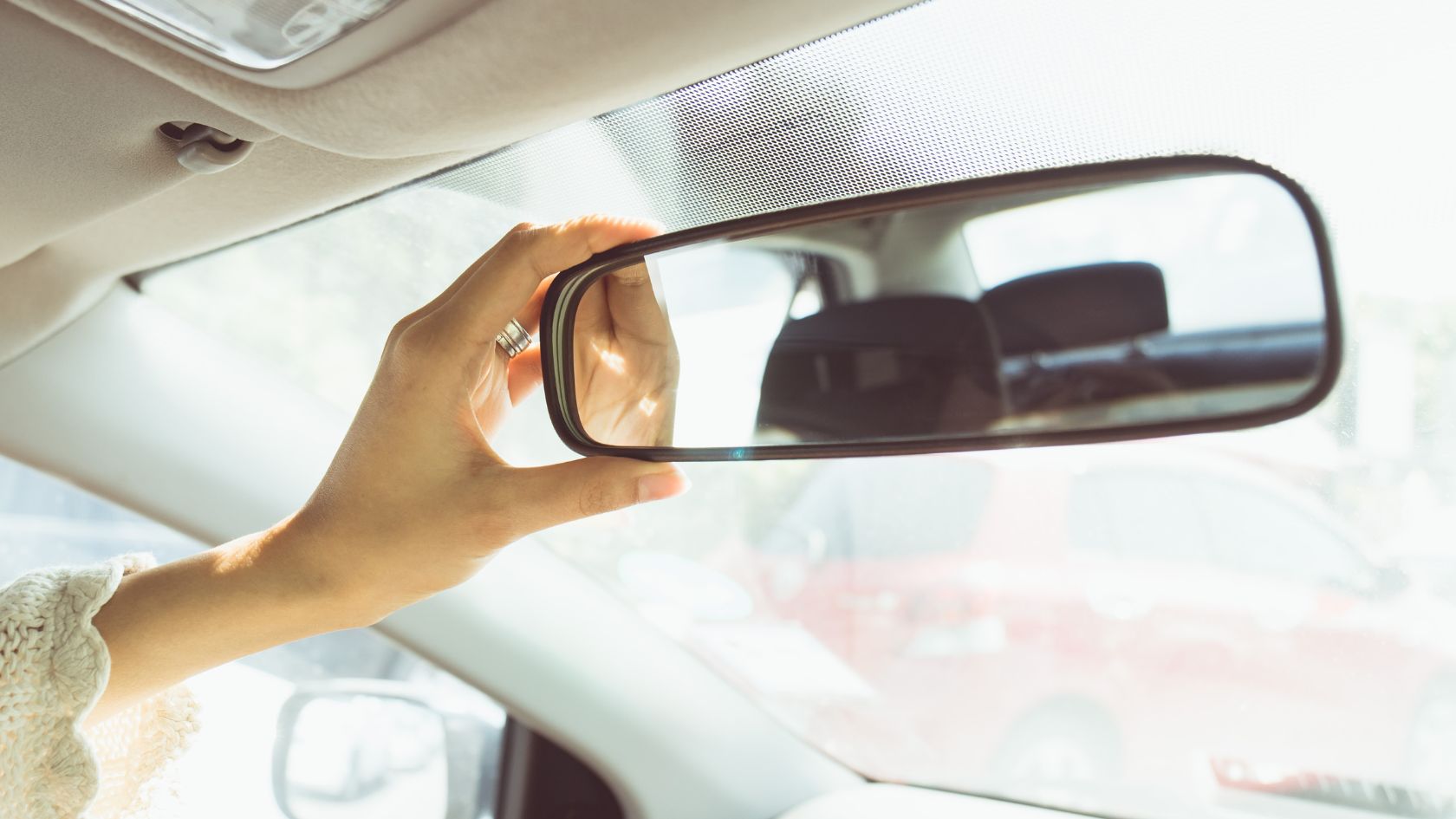
Vehicle safety is a top priority for drivers, and rear and side mirrors play a crucial role in providing visibility. However, the question remains: Do rear and side mirrors eliminate all blind spots? While mirrors are indispensable tools, they have limitations influenced by factors such as adjustment, vehicle design, and dynamic blind spots. In this blog exploration, we will delve into the functionality of rear and side mirrors, examining their capabilities, inherent constraints, and the importance of driver awareness. No, rear and side mirrors do not eliminate all blind spots. While rear and side mirrors are essential for providing visibility, certain areas remain hidden from your direct view. Factors like mirror adjustment, vehicle design, dynamic blind spots, and the limited field of view contribute to areas around the vehicle that may remain unseen. To improve blind spot visibility, drivers should follow best practices, including proper mirror adjustment, regular checks of mirrors and blind spots, and consideration of vehicle design. Also, utilizing technologies like blind-spot monitoring systems and accessories like blind-spot mirrors can enhance safety. Even with rear and side mirrors acting as your trusty eyes in the back, sneaky blind spots can lurk around your vehicles. Your rearview mirror does a stellar job of showcasing what’s directly behind you. But things get tricky in the areas where your side mirrors meet the front and rear of your car. These spots remain blind, forming invisible triangles on either side. Imagine cruising down the highway, and a motorcycle wants to pass you in the left lane. You check your mirrors which seems clear. But as you initiate the lane change, oops! The motorcycle, hidden in your blind spot, is forced to slam on brakes, narrowly avoiding a nasty collision. Similarly, mirrors are perched high up. So, things like bicycles, motorcycles, or even playful children near the ground can easily disappear into your blind spot. One practical example is related to parking. You’re pulling out of a parking lot, and a child playing with a ball rolls right next to your front tire. Unaware of their presence due to the blind spot, you start reversing, creating a heart-stopping moment for everyone involved. To minimize blind spots and enhance overall visibility on the road adjusting rear and side mirrors properly is crucial, especially for inexperienced drivers. Here’s a step-by-step guide: Start with the Driver’s Seat Position Before adjusting mirrors, ensure your seating position is comfortable and provides a clear view of the road. To do this, sit up straight and make sure you can easily reach the steering wheel and pedals. Adjust the Rearview Mirror The first line of defense is proper mirror adjustment. The purpose of the rearview mirror primarily focuses on the view directly behind your car. For proper adjustment, tilt the mirror until you can see the entire rear window without moving your head. Ensure the rear window is the main focus. Adjust the Driver’s Side Mirror The driver’s side mirror should cover the area to the left and slightly behind your car. Lean your head towards the left window and adjust the mirror outward until the side of your car is just out of view. Make sure there is a minimal overlap with the rearview mirror to reduce redundancy. This eliminates the blind spot right next to your car. Remember, you shouldn’t see your own car in the mirrors – they should show the lanes beside you. Adjust the Passenger’s Side Mirror The passenger’s side mirror should cover the area to the right and slightly behind your car. Tilt towards the car’s center and adjust the mirror outward until the side of your car is barely visible. Ensure the overlap is minimal with the rearview mirror and achieve a seamless transition of coverage. Check the adjustments Verify the adjustments to ensure comprehensive coverage. While sitting in the driver’s seat, check each mirror for blind spots by looking directly at the mirror and then quickly scanning the surrounding area. Adjust mirrors as needed to eliminate any remaining blind spots. Be mindful of dynamic adjustments. Consider changes in seating position, passengers, and cargo. Recheck and readjust mirrors if there are changes in your driving environment. Periodically reassess mirror settings for optimal visibility. Here’s a small video to help you set your car mirrors correctly to eliminate blind spots: Supplement with Blind Spot Monitoring Systems or Mirrors Enhance safety with technology. Modern cars are increasingly equipped with blind-spot monitoring systems. These use sensors to detect vehicles in your blind spots and alert you with a visual or audible warning, providing an extra layer of safety. If available, use blind spot monitoring systems in conjunction with mirrors to receive alerts about vehicles in your blind spots. Alternatively, a cheaper version in the form of blind spot mirrors can be equally useful to enhance your vision. However, remember, these systems are not foolproof. Always prioritize your own vigilance and never rely solely on technology. Additional Tips Don’t rely solely on mirrors! Before changing lanes or making turns, perform a quick shoulder check. A swift glance over your shoulder can reveal what your mirrors might miss, like that cyclist or playful child. Keep your eyes peeled and scan your surroundings constantly. Pay particular attention to areas where blind spots might be hiding potential hazards, like cyclists weaving through traffic or children playing near parked cars. Regularly checking and adjusting mirrors, combined with good driving habits, contribute to a safer and more confident driving experience. Vehicle mirrors (rear and side) are not full proof solution to eliminate blind spots. The nuances of blind spots are essential for adopting safe driving practices and maximizing the effectiveness of these vital safety features. By understanding and actively managing blind spots, you can transform them from lurking dangers to conquered territories. Remember, a cautious driver with a keen eye and a quick head turn is a driver who keeps themselves and others safe on the road.
Why Car Seat Cover Material Matter and How to Choose Them
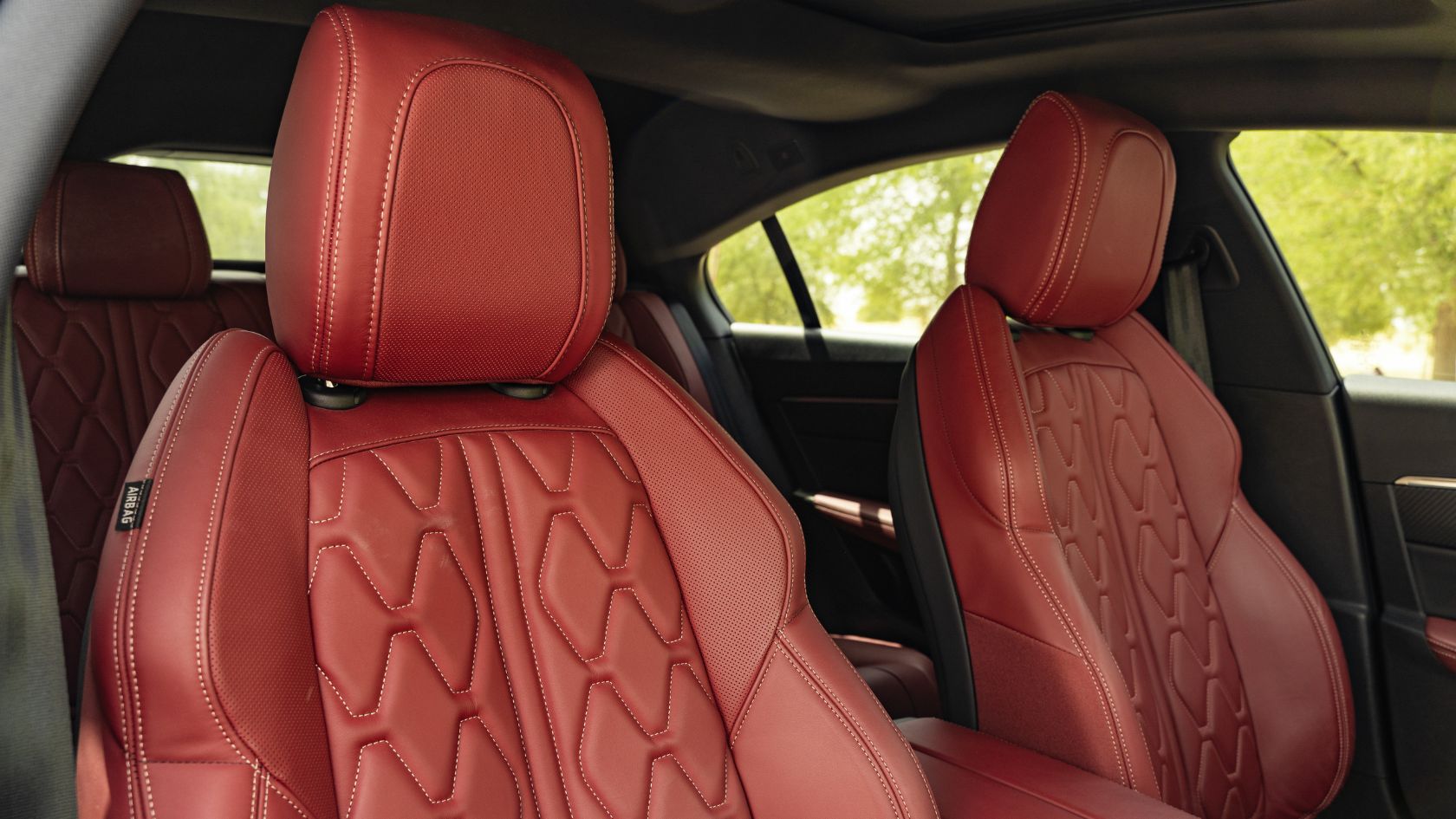
Whether you’re a seasoned driver or just got your license, understanding the nuances of car seat cover materials can make a world of difference in your automotive journey. Car seat covers go beyond mere aesthetics; they’re the unsung heroes protecting your seats from spills, stains, and the wear and tear of daily use. In this guide, we’re unraveling the mysteries behind why car seat cover material matters. We will explore the pros and cons of different materials, provide insights on choosing the right material, and also offer recommendations based on different conditions. Choosing the right car seat cover material is crucial for a myriad of reasons that significantly impact your driving experience. The material directly influences comfort and support, with options like leather providing a stylish feel but potentially becoming uncomfortably hot, while breathable materials like cotton enhance air circulation and prevent odors. Durability and protection are important, considering factors such as wear and tear resistance, ease of cleaning, and resilience against UV rays. Safety considerations include selecting covers compatible with airbags and opting for flame-retardant materials to prevent fire hazards. Aesthetically, car seat covers contribute to the overall look of your vehicle’s interior, with various colors, styles, and textures available. Practical factors such as budget, climate, lifestyle, and personal preferences further guide the choice, ensuring the selected material aligns seamlessly with individual needs. In essence, the car seat cover material matters because it directly influences comfort, durability, safety, and aesthetics, offering a personalized touch to your driving space. Comfort and Feel When it comes to car seat covers, comfort is king. The material you choose directly impacts how cozy your driving experience will be. There is leather which is known for its luxurious feel, and it might suit those who prioritize comfort. On the other hand, fabric options offer a more budget-friendly alternative with their soft texture. Cotton is always more breathable and comfortable, especially in warm weather. It also allows air to circulate properly which is helpful in preventing sweat and moisture buildup. Both the elements could be uncomfortable and even lead to odors. Some other materials, like memory foam, are known to provide extra padding and support, which can reduce fatigue and improve long-distance driving comfort. Durability and Longevity No one wants to replace their seat covers every few months. That’s why considering the durability of the material is crucial. Materials exhibit varying levels of resistance to wear and tear. Leather stands out for its durability, while cotton may be susceptible to fading and tearing. The ability to resist spills and stains also varies, with vinyl emerging as a practical choice for families, given its easy wipe-clean surface. Furthermore, certain materials, like leather and vinyl, prove more resilient against the damaging effects of UV rays, which can fade and crack car seats over time. Synthetic options like neoprene provide a good balance of durability and ease of maintenance. Safety Ensuring safety is a non-negotiable aspect of choosing car seat covers. Some covers can interfere with airbag deployment, posing a serious hazard. Opting for seat covers explicitly designed to be airbag-compatible is imperative. Additionally, considering flame retardancy is crucial, as some materials are more flammable than others, contributing to fire prevention in the event of an accident. Aesthetics Car seat covers are not only functional but also contribute to the aesthetics of your vehicle’s interior. With a wide array of colors, styles, and textures available, you can choose covers that seamlessly blend with your car’s interior or add a personal touch. Luxurious materials like leather and faux fur can elevate your car’s interior, offering a touch of opulence. Leather – Leather is the epitome of sophistication in the automotive world. Its smooth, luxurious texture adds a touch of class to any car interior. Leather seat covers are very durable and can last for many years. However, it comes with a price tag and demands regular care to prevent cracks and fading. Leather seat covers are also highly prone to changing weather conditions. Related Read: Do Seat Covers Damage Cloth Seats Fabric – Fabric covers, available in a myriad of patterns and colors, offer a budget-friendly option without compromising on comfort. Moreover, fabric seat covers are easy to remove and washable in the washing machine. On the flip side, they may not be as resistant to wear and tear as leather, vinyl, or neoprene but they bring a cozy, homey feel to your car’s interior. Synthetic Materials – For the eco-conscious or budget-minded, synthetic materials like neoprene and polyester are gaining popularity. They are resistant to water, making them ideal for those rainy days, and often come at a fraction of the cost of leather. Neoprene, though very comfortable and provides good support may require professional services on installation. Here are some recommendations for car seat cover materials based on climate conditions: Hot Climates – Look for seat covers made from breathable fabrics like cotton, mesh, or bamboo. These materials allow air to circulate freely, preventing your back and legs from getting sweaty and uncomfortable. Spending hours in a hot car can be unbearable for everyone, especially the kids. Breathable seat covers provide much-needed comfort by keeping everyone cool and preventing irritability. Breathable seat covers offer a convenient and comfortable solution. You can use them as a portable seating option, allowing you to relax and enjoy the event without feeling sweaty or uncomfortable. Choose seat covers in lighter colors, which will reflect sunlight and help keep your car cooler. Some seat covers are made with sweat-wicking technology, which can help absorb moisture and keep you dry. Cold Climates – During winter, you’re eager to find a way to stay warm and comfortable during commutes. Choose seat covers made from warm materials like wool, fleece, or faux fur. These materials will help keep you warm and cozy in cold weather. These materials are excellent insulators, trapping your body heat and keeping you cozy throughout your drive. You can also consider heated seat covers, which can provide extra warmth and