
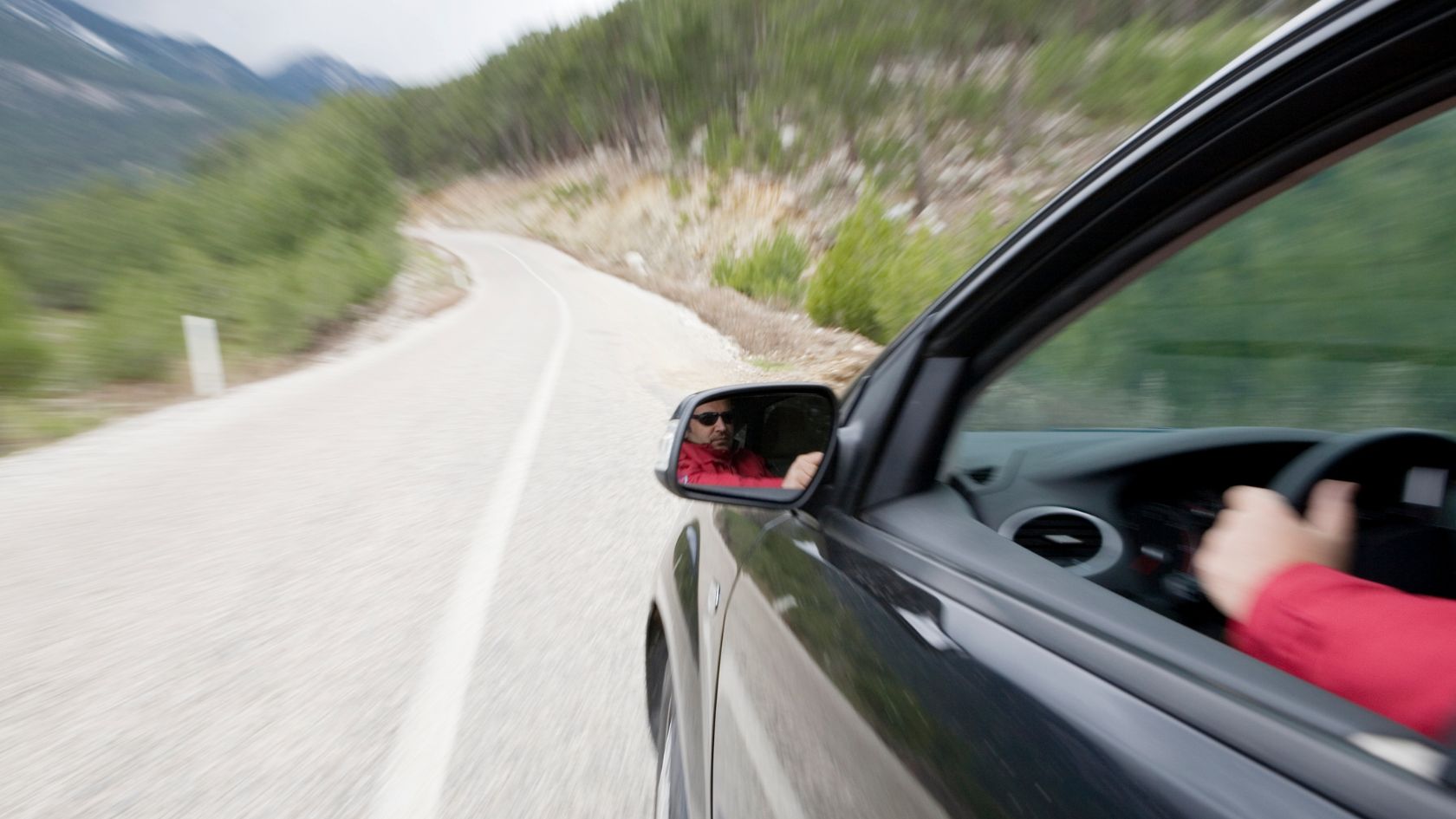
When the weather is pleasant or you simply want to enjoy the breeze, rolling down the car windows seems like a natural choice. However, have you ever wondered how car windows affect aerodynamics and fuel consumption in automobiles? You might not give it much thought, but your car’s windows are a critical factor influencing its aerodynamic profile. The aerodynamics plays a pivotal role in determining a car’s efficiency and performance. The decisions you make about your car windows could potentially affect the speed and fuel efficiency. In this blog, you will learn about car aerodynamics, and explore the significance of open windows vs. air conditioning. You will also know about the effects of open windows and discover the hidden secrets that can improve your ride and save you money on fuel. Automobile aerodynamics is all about how air interacts with a vehicle, affecting its performance, efficiency, and stability. It’s a complex study of the forces between the vehicle’s shape and the surrounding air while in motion. In the absence of proper aerodynamic design, a vehicle is bound to move with drag and turbulence. Therefore most modern cars are designed with streamlined shapes to minimize drag, which also improves fuel efficiency. Understanding parameters like the coefficient of drag (Cd) which is used to measure the air resistance and lift is crucial for gauging a car’s ability to cut through the air smoothly. Engineers utilize wind tunnel testing and computational fluid dynamics (CFD) to optimize designs, reducing air resistance. Better aerodynamics results in improved fuel economy, reduced noise, enhanced handling, and higher top speeds. Imagine a cyclist crouching low to reduce air resistance and pedal more efficiently – that’s a basic example of aerodynamics in action! But is the design of a vehicle enough to sustain the airflow or does it also depend on other aspects such as opening or closing of windows while driving? Yes, open car windows do have an impact on both aerodynamics and fuel consumption but not to a significant extent. When you drive with your car windows down, it creates additional drag, hindering the smooth flow of air around your vehicle. This increased drag leads to a reduction in the car’s overall speed and fuel efficiency, as the engine has to work harder to compensate for the resistance. The extent of this impact varies depending on factors like the vehicle’s speed, window size, and design. In contrast, using air conditioning while driving may lead to improved aerodynamics, as the windows remain closed, reducing drag and potentially saving fuel. So, if fuel efficiency is your priority, consider using air conditioning on the highway, but for a leisurely drive in the city, fresh air through open windows can be more enjoyable. Opening car windows can lead to several effects that are crucial to understand for any driver. Effects on Aerodynamics: The impact of driving with open windows goes beyond the fresh air you breathe. While it’s great for ventilation, it can adversely affect the car’s aerodynamics. When the car is in motion, air encounters the open windows, creating turbulence that disrupts the smooth flow of air around the vehicle. This turbulence leads to an increase in drag, hindering the car’s aerodynamic efficiency. Imagine driving with open windows as swimming against the current in a river. The resistance you feel makes it harder to move forward efficiently. Impact on Fuel Consumption: The impact of open windows on fuel consumption is notable. When windows are open, the increased drag creates resistance, compelling the engine to exert more effort to sustain the desired speed. This additional workload demands more fuel consumption, resulting in reduced fuel efficiency and frequent re-fueling. To better comprehend this, consider the analogy of riding a bicycle with the wind against you. As the wind resistance grows, pedaling becomes more laborious, and you use more energy to cover the same distance. Similarly, open windows force the engine to burn more fuel to overcome the increased drag, ultimately affecting your car’s fuel economy. Speed Reduction: One of the critical consequences of increased drag due to open windows is the reduction in speed and acceleration of the car. As the vehicle moves forward, the open windows create turbulence, causing the air to resist the car’s motion. This resistance slows down the car’s acceleration and hampers its ability to achieve higher speeds efficiently. As an example, when you try to run against a strong headwind, your progress becomes sluggish, and you struggle to maintain your usual speed. Similarly, with open windows, the increased drag acts as that headwind, affecting the car’s overall performance, particularly at higher speeds. Note: While open windows can affect fuel consumption, they are often more fuel-efficient than using air conditioning at low speeds or during city driving. Finding a balance between enjoying the breeze and preserving fuel efficiency is the key. Improving the aerodynamics and fuel efficiency of your car can lead to a smoother ride and substantial cost savings over time. Here are some practical tips to enhance your driving experience: Streamline Your Vehicle One effective way to enhance your car’s aerodynamics and fuel efficiency is by streamlining the vehicle’s design. Now this doesn’t mean changing the shape and size of your vehicle but refers to optimizing the shape and external features to reduce air resistance and drag. This can be done by removing any unnecessary external attachments like roof racks or spoilers in some cases, as they can create turbulence and increase drag. A practical example to understand this is a cyclist with a backpack. When the cyclist removes the backpack, they experience less resistance and can pedal more effortlessly. Similarly, by streamlining your car’s exterior and keeping it clean and well-maintained, you can improve its aerodynamics, enabling better fuel efficiency and a smoother driving experience. Choose the Right Tires When aiming to improve your car’s fuel efficiency, choosing the right tires can make a significant difference. Opt for low rolling resistance or narrower tires, which are specifically designed to minimize friction with the road
Does laminated glass crack in automobiles? A comparative guide
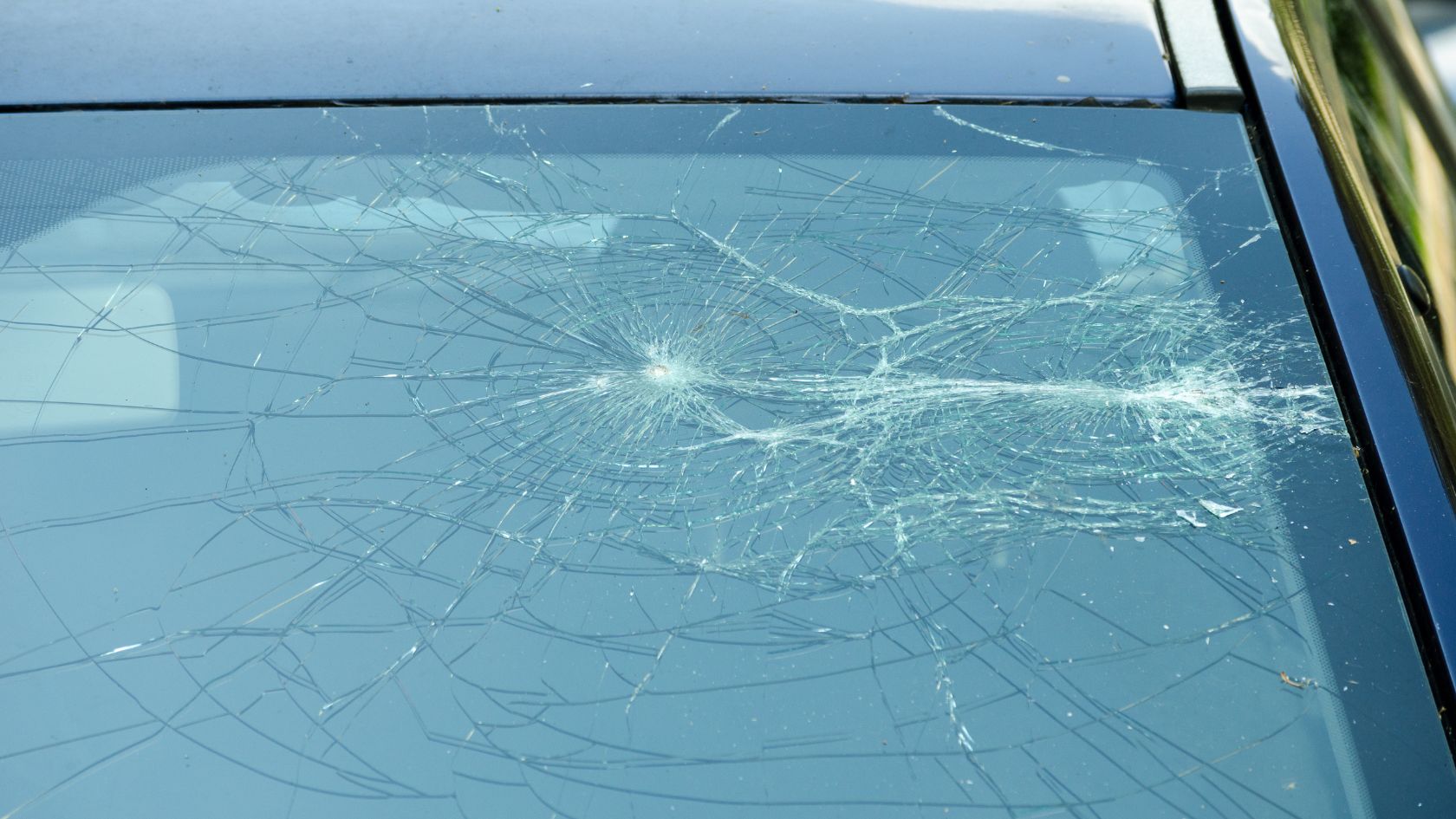
When it comes to automotive safety, laminated glass holds a prominent position in limiting the risks of accidents and visibility. But there are concerns about their durability. The question is, “Does laminated glass crack?” Whether you’re a car enthusiast or simply concerned about road safety understanding the type and integrity of your car glass is crucial. This article aims to provide informative and helpful insights into the fascinating realm of laminated glass technology. We’ll explore the differences between laminated and tempered glass, and its characteristics. We’ll also shed light on the causes of laminated glass cracking, a topic that piques the curiosity of many vehicle owners and drivers. So, let’s get started and demystify the enigma of laminated glass cracking! Yes, laminated glass can crack but not easily. Laminated glass is made of two layers of glass sandwiching a durable interlayer, often made of polyvinyl butyral (PVB). Unlike traditional glass, this design provides added strength and resilience, making it resistant to small impacts that may cause cracks and also reduces the risk of complete shattering. However, severe impact or external forces can lead to cracks, compromising its integrity. Even when it cracks it won’t shatter into sharp shards like standard glasses. The multiple layers of laminated glass hold the pieces together during the cracks and as a result of this, a spider web-like pattern is formed. Having said this, cracks in laminated glass can still be a safety concern, affecting visibility and structural stability. Understanding the design and the causes that can lead to cracks (and shattering in some cases) is necessary to remain protected on the road. Laminated glass is a specialized type of automotive glass used in various parts of vehicles, particularly in windshields. It is composed of two separate layers of glass that are bonded together with a layer of polyvinyl butyral (PVB) using heat and pressure. This design provides significant advantages in terms of safety, as the glass is less likely to shatter upon impact. It finds widespread application in windshields, where it offers optimal protection to drivers and passengers during collisions. Additionally, the interlayer helps reduce noise transmission, enhancing the overall driving experience. By legal requirements, all windshields must be made of laminated glass. Although side and rear windows are not mandatory to use laminated glass, an increasing number of cars now opt for this safer alternative for these windows as well. Laminated glass is renowned for its strength and safety benefits, but even this durable material is not entirely immune to cracking. Understanding the underlying causes can help vehicle owners take preventive measures and maintain the integrity of their automotive glass. Here are some key factors that can lead to laminated glass cracking: Impact and Stress: One of the primary causes of laminated glass cracking is a significant impact or force. It won’t break with a simple punch but need a sudden and forceful impact like a rock thrown up by another vehicle on the highway or a heavy object hitting the glass during a collision. In such cases, you can expect to see cracks in laminated glass. Temperature Fluctuations: The thermal stress caused by extreme temperature changes can lead the glass to expand or contract rapidly. Over time, this constant stress can weaken the glass and result in cracks. Poor Installation: Improper installation or using incorrect adhesives can create stress points on the glass, making it more susceptible to cracking. In rare scenarios, manufacturing defects in the glass or interlayer can also contribute to cracks. Age and Wear: Laminated glass, like any material, undergoes wear and tear with aging and continuous usage. As it ages, the chances of cracking increase. Lack of maintenance may also contribute to premature wear and tear and aging which makes the glass vulnerable to cracks. Chemical Exposure: Constant exposure to certain chemicals found in detailing products can deteriorate the interlayer of a glass. This can compromise the glass’s structural integrity over time leading to cracks. Vibration and Flexing: Frequent exposure to vibrations or flexing due to rough roads or driving conditions can weaken the glass and eventually cause cracking. To prevent or minimize the risk of laminated glass cracking, regular inspections by professionals are essential. Related Read: Can a cracked windshield break while driving? Promptly addressing any small chips or cracks is crucial to avoid further damage. Additionally, parking in shaded areas during extreme temperatures and ensuring proper installation during glass replacement can significantly extend the lifespan of laminated glass, ensuring a safer and more enjoyable driving experience for all. When laminated glass cracks, it initiates a process of breaking the surface layer of the laminate and then propagates along the interface with the inner layer, causing de-lamination. This process absorbs the energy of the striking force and prevents glass shards from exploding out of the laminate. Nonetheless, a network of cracks, resembling a spider web, will form. In simple terms, the laminate will still crack, but the risk of flying glass is minimized. However, it is crucial to note that in extreme cases of force/impact, penetration may still occur making the glass weaker to absorb any further damage. When it comes to choosing the right type of glass for various applications, laminated glass and tempered glass are two popular contenders. Tempered glass is processed through controlled heating and rapid cooling, resulting in increased strength compared to regular glass. Here is the set of common advantages and disadvantages between laminated and tempered glass: Laminated Glass Vs Tempered Glass Laminated glass is designed to remain intact even after impact, reducing the risk of shattering and minimizing the chance of injuries from flying glass shards. On the other hand, tempered glass is not as strong as laminated glass but more powerful than regular glass to withstand higher impacts without shattering. In terms of safety, laminated glass’s strength and resilience make it more challenging to break while tempered glass does break fracturing into small, rounded pieces, reducing the risk of serious injuries. Laminated glass blocks harmful UV rays, protecting the

How to Reduce Glare on Your Car Windshield: Mastering Glare Reduction
As you embark on your daily drive, the glaring sunlight during the day and the blinding headlights at night can turn your windshield into an obstacle course, putting your safety at risk. So, if you want to know how to reduce glare on your car windshield then explore this blog post till the end! This informative blog post will explore practical solutions to combat this ‘glaring windshield’ phenomenon. Moreover, you will learn about the preventive measures to reduce glare during day and night driving, the myth behind anti-glare windshields, and the magic of polarized lenses. Let’s uncover the secrets and equip you with the knowledge to conquer glare and drive confidently! To reduce glare on car windshields you can implement practical solutions in the form of – Regularly maintain your car windshield by cleaning it from the inside and outside. Use appropriate glass cleaning solutions to do this instead of abrasive chemicals. Secondly, replace any worn wiper blades and address any windshield chips promptly. Moreover, consider adding a light tint to your car windows and windshield as applicable. Lastly, invest in high-quality polarized sunglasses to enhance visibility. You must also consider tilting your rear-view and side-view mirrors slightly downward, and avoid looking directly at the headlights of oncoming vehicles during night-time driving. The anti-glare windshield is another effective solution to counter the reflections of glaring sunlight and headlights while driving. To implement these solutions it is imperative to learn about the causes that result in glare on car windshields. Glare on car windshields and windows can be a bothersome and hazardous issue during both day and night driving. Here are some of the causes that can make your journey disastrous: Reflections from Sunlight – Often during the day, sunlight is at its peak. When you are driving in these conditions sunlight can bounce off various surfaces like other vehicles, buildings, or water bodies, creating intense glare. This sudden brightness can temporarily blind drivers, affecting their ability to see the road clearly and increasing the risk of accidents. For instance, when driving on a sunny day, the sun’s reflection off a neighboring car’s windshield can impair your vision momentarily, making it challenging to react quickly to changing road conditions. Oncoming Headlights – It’s not about day but even night driving could hinder your ride. At night, the glaring effect of oncoming headlights can be particularly troublesome. The intense brightness of these lights against the dark surroundings can cause temporary vision impairment, making it hard to maintain focus on the road. For example, when driving at night and faced with a vehicle’s high-beam headlights, the glare can be blinding, making it difficult to judge distances and obstacles accurately. Dirty or Damaged Windshields – Another cause of concern for glaring is a dirty windshield. When you drive with a windshield having smudges, streaks, or debris it can scatter light. This situation can intensify glaring and hindering visibility. Additionally, chips, cracks, or pitting on the windshield’s surface can worsen light reflection, further impeding the driver’s view. For instance, when driving with a dusty windshield, the sunlight hitting the debris can create a scattered glare, making it hard to see clearly, especially in bright conditions. Improperly Adjusted Mirrors – Misaligned rear-view and side-view mirrors can reflect strong light directly into the driver’s eyes. If you are not attentive to the mirror position it can add to the glare and make it difficult to concentrate on the road ahead. For example, if the side mirrors are not adjusted correctly and reflect the headlights of the vehicles behind, it can cause distracting glare and reduce visibility. The causes of glaring are inevitable however, addressing these causes promptly can make your driving risk-free and safe. First of all, using the sun-visor that is available in every vehicle is the best option to deal with glaring sunlight. If visors don’t work as expected, you can implement the following tips and solutions to minimize glare and ensure a safer driving experience: Keep Windshield and Dashboard Clean Maintaining a clean windshield is vital for optimal visibility and safer driving. And it is not about just going through the windshield and glasses using a dry cloth but proper cleaning. Make sure to regularly clean both the inside and outside of your windshield as well as the dashboard. To do this, use a gentle glass cleaner to maintain clarity and reduce reflections. Home-made solutions such as soaps/liquids are also handy but may not be effective in providing enough clarity to counter the glare. For stubborn stains like dead bugs or tar, consider using a commercial windshield cleaning product specifically designed to remove them. Don’t neglect the inside of your windshield when washing your car. Use an appropriate cleaner and a microfiber cloth to clean the interior to ensure a clear view of the road ahead. It is important to note that regular cleaning also prevents scratches caused by windshield wipers. Avoid Wax or Car Shine Products Using wax or other auto-detailing products on car windshields can create a reflective surface that can worsen glare. Even on car paint surfaces, opt for protective coatings to shield the troublesome glare which otherwise leads to scattering off the hood impairing your vision. The unintended consequences of using wax or other shiny products on car glasses or surfaces could compromise visibility while driving. Stick to appropriate glass-cleaning solutions and detailing products for optimal results. Ensure Regular Maintenance of Windshield and Wipers Your car windshield and wipers go hand in hand when it comes to seeking proper visibility and cleanliness. Most drivers often rely on wipers to wipe off the windshield and doing so regularly could leave streaks and residue behind if the wipers are not maintained. In addition, maintaining your car’s windshield in top-notch condition can significantly impact how sunlight filters through. Any cracks, chips, or scratches even of small nature could reflect the sunlight glare throughout your car. To counter this, keep the windshield well-maintained by promptly repairing chips, cracks, or pitting. Similarly, replace worn-out

How to Soundproof Car Windows? Choosing the right Soundproofing solutions
If you are tired of the incessant noise that infiltrates your car while driving and thinking, “How to soundproof car windows” then this is the post to read! Whether it’s the deafening traffic sounds, blaring sirens, cacophony of construction sites, or just the sound of whirling wind, unwanted noise can turn your driving experience into a stressful ordeal. The good news is, there’s a solution that can transform your car into a quiet haven of tranquillity which we are going to discuss in this post. We will delve into the vital role car glass plays in soundproofing and noise reduction. You’ll also discover various soundproofing methods to reduce the noise that seeps through the windows, providing you with a comfortable and peaceful drive. So, whether you’re a frequent highway cruiser or a daily urban commuter, explore this blog to read and learn the art of soundproofing in your car. Car sounds and noise can stem from various sources, contributing to a less enjoyable driving experience. Understanding the root causes is essential to find effective solutions. Here’s a breakdown of the main culprits: Road Noise – The impact of road noise on your driving experience cannot be underestimated. When you’re driving on uneven road surfaces or rough terrain, your car’s tires come into contact with various imperfections and textures. These interactions create vibrations that travel through the vehicle’s structure, ultimately transmitting noise into the cabin. Picture yourself driving down a pothole-riddled street or a gravel road – the constant rumbling and thudding noises can quickly become tiresome and even stressful. Engine and Exhaust Noise – Internal combustion engines are at the heart of most vehicles, and while they power our cars, they also generate mechanical sounds and exhaust noise. When you accelerate, the engine revs up, producing a distinctive hum that varies depending on your vehicle’s make and model. Additionally, the exhaust system expels combustion by-products, contributing to the overall noise level. Imagine revving your engine at a stoplight or accelerating to merge onto a highway – the engine and exhaust noise can be particularly noticeable during such moments. Wind Noise – Have you ever been on the highway, and there’s an annoying whistling or buffeting noise coming from your car’s doors or windows? That’s wind noise making its presence known. Poorly sealed doors and windows can allow air to enter the cabin while driving at higher speeds, leading to these unwelcome sounds. Next time you’re cruising down the highway, pay attention to how the wind interacts with your car’s design – especially around the edges of doors and windows. Suspension Noise – A car’s suspension system is responsible for providing a smooth and comfortable ride. However, over time, suspension components can wear out, leading to clunks and rattles when driving over bumps or uneven surfaces. Think about the last time you hit a speed bump or encountered a pothole – did you hear any strange noises coming from the undercarriage or wheel wells? Those sounds might be indicative of suspension issues that warrant attention. Miscellaneous External Sounds – The world outside your car is full of sounds and noises that can permeate the interior. Whether it’s the continuous stream of traffic on busy roads, the blaring of horns, or the bustling city ambiance, external sounds can penetrate your car’s interior and disrupt your driving experience. While modern cars come equipped with various noise insulation technologies, some external factors can still find their way in, affecting the overall cabin ambiance. Now that we know the causes of car noise it’s time to soundproof them. There are effective ways to soundproof your car windows and create a serene driving environment. Here are some of the solutions: Sound Deadening Mats – Sound Deadening mats are a game-changer when it comes to reducing vibrations and external noise in your car. These mats, designed to provide excellent sound insulation, can be easily installed on the inner surface of car doors and windows replacing your standard floor mats. Not only floor, these mats can be installed on car doors, roofs, and even trunks making them an all-around solution. Once in place, they create a barrier that effectively dampens road noise and keeps unwanted sounds at bay. Soundproofing Sprays – For an added layer of protection, consider using soundproofing sprays on car windows along with sound-deadening mats. These sprays work effectively in creating a sound-blocking membrane from the gaps or un-flattened areas in a car to minimize noise transmission. Since these are sprays, they are easy to carry and store making them available for any time use. However, the quantity and soundproofing effects lack noise reduction punch if used in isolation. Therefore, it is recommended to apply the sprays along with other soundproofing items such as deadening mats and insulation material. Laminated Glass with Air Space – A smart technique to further enhance soundproofing is to incorporate laminated glass with air space or varying thicknesses. This innovative approach disrupts sound waves, preventing them from entering the vehicle’s cabin. The air gaps between layers act as a buffer, ensuring that the noise from the outside world stays where it belongs – outside. Insulate with Liner Insulation – To combat road and engine noise, insulating your vehicle with liner insulation is a practical and effective solution. Applying the liner insulation made of synthetic rubber foam material to the interior surfaces of the car reduces resonance and effectively absorbs sound waves. The insulation works seamlessly with sound-deadening mats providing greater resistance to external noises. The bumpy rides on rough terrain or potholes become smoother and quieter with proper insulation methods, providing you with a more comfortable and enjoyable driving experience. Acoustic Laminated Glass – Upgrade your car windows with Acoustic Laminated Glass that consists of multiple layers with a special polyvinyl interlayer. This innovative design and layer acts as a barrier against external noise, minimizing its intrusion into the cabin. The interlayer not only dampens sound waves but also absorbs vibrations, further contributing to a quieter ride. Sealed Edges
Is hot or cold air better for condensation in car?
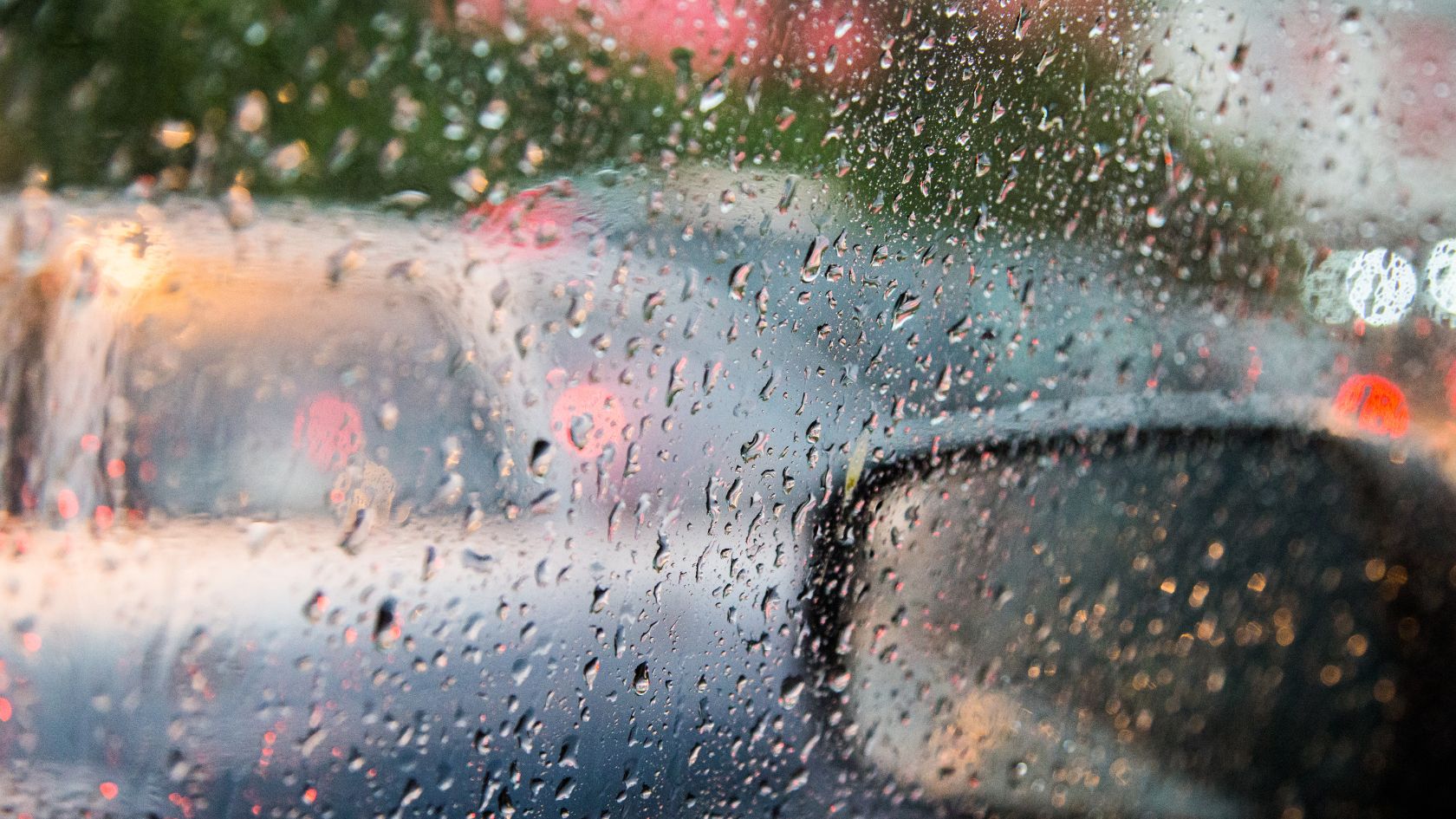
Many motorists defog their car windows using air conditioners or heaters. But here’s the real question: Is hot or cold air better for condensation in a car? Condensation is a natural occurrence in vehicles arising due to fluctuating temperatures or weather conditions. Driving with highly condensed car windows can be hazardous as it fogs up the windows obstructing a driver’s view. By delving into the intricacies of dew points and temperature differentials, we can unravel the mysteries of foggy car windows. In this article, we will explore the factors that contribute to condensation, the damage it can cause to your car, and most importantly, valuable tips to prevent it. Condensation in cars refers to the formation of moisture or water droplets on the interior surfaces of the vehicle. When the outside temperature is lower than the temperature inside the car, moisture in the air condenses on the glass surfaces, similar to how dew forms on grass in the morning. This natural phenomenon causes the water vapor in the air to change into liquid form leading to foggy windows, reduced visibility, and even potential damage to your car’s interior over time. Factors like rainy weather, wet clothing, and even breathing inside the car can elevate humidity levels and contribute to condensation. The effect of condensation in cars is not ordinary. It can hamper visibility and poses safety risks while driving, especially during colder months or in areas with high humidity. To combat condensation, it is important to understand the causes and implement practical solutions to ensure a safe and comfortable driving experience. Several factors contribute to condensation inside a car and some of them are listed below: Rainy Weather – Picture yourself driving through a torrential downpour. The humidity levels both inside and outside the car rise significantly. As rain pelts against the windows, the exterior glass surfaces become cooler. When the warm, humid air inside the car comes into contact with these cooler surfaces, condensation forms, clouding up your windows and hindering your view. Damp or Wet Clothing – You return to your car after a stroll in the rain, and your dripping wet clothing and umbrellas accompany you. As you settle inside, the moisture from these items seeps into the car’s interior, adding excess humidity. This moisture-laden air mixes with the air already inside the vehicle, leading to condensation on the windows. Breathing Inside a Car – In colder weather, your breath releases warm, moist air into the car’s cabin. This doesn’t mean you shouldn’t breathe but as the temperature inside the car drops, this warm air encounters the cooler glass surfaces, causing it to condense into tiny droplets, further exacerbating the issue. Change in Temperature Overnight or Early Morning – Imagine a chilly night or early morning when temperatures drop significantly. Dew forms on the exterior of the car, creating a thin layer of moisture on the glass surfaces. When the warmer air inside the vehicle meets these cooler surfaces, it results in condensation. Pollen Filter – A clogged or dirty pollen filter hampers proper airflow inside the car. Without adequate ventilation, humidity levels rise, providing the ideal conditions for condensation to take hold of the windows. The battle between hot and cold air in a car’s battle against condensation is not as straightforward as it seems. Depending on the weather and environment, you may have to strike a balance between hot and cold air to prevent condensation. While cold dry air is better than cold damp air in combating condensation, warm dry air remains the most effective choice. Secondly, keeping the air inside your car dry is crucial in preventing condensation. Avoid adding more fog by ensuring the air is already dry. Opt for hot dry air whenever possible. Warm air has a higher moisture-holding capacity and encourages evaporation, making it effective in absorbing moisture from damp windows. On cold, damp days, utilize your car’s air conditioner, even if it’s near freezing outside. The air conditioning system cools the air, causing excess moisture to condense out and ultimately providing you with dry air. Most cars with air conditioning will activate the system when you set the front window defrost. Take advantage of this feature to blow dry air over the window, effectively tackling condensation. To combat condensation issues in a car, it’s essential to strike a balance by using warm, dry air, strategic use of your car’s air conditioning, and defrost setting. Clear visibility while driving is essential for your safety and that of others on the road. However, foggy car windows can be a persistent nuisance, especially during inclement weather. Here are some of the practical tips to prevent condensation in a car: Utilize the Defrost Setting Your car’s defrost setting is a valuable ally in the battle against condensation. By activating it, warm air is directed toward the windows, swiftly clearing any moisture build-up. For instance, on a chilly morning, engaging the defrost setting can quickly eliminate foggy windows, ensuring a clear view before hitting the road. Leverage the Air Conditioning Running the air conditioning system serves more than just cooling the car. It actively reduces humidity levels within the vehicle, which in turn prevents condensation from forming on the windows. Imagine driving on a humid day, but with the air conditioning on, you can keep the windows clear and maintain a comfortable cabin environment. Crack Open Windows Sometimes, a simple solution can work wonders. Allowing a small gap in your windows promotes better air circulation and balances the temperature inside and outside the car. By doing so, you minimize the chances of fogging and create a more pleasant driving experience, even during weather changes. Keep the Interior Dry Keeping a dry interior is the key to thwarting condensation. Whenever wet surfaces or items like clothing or umbrellas find their way inside the car, promptly wipe them down or remove them. Related Read: How to clean your car interior without vacuum This proactive approach ensures minimal excess moisture, reducing the risk of foggy windows.
Is tinted glass good for cars?
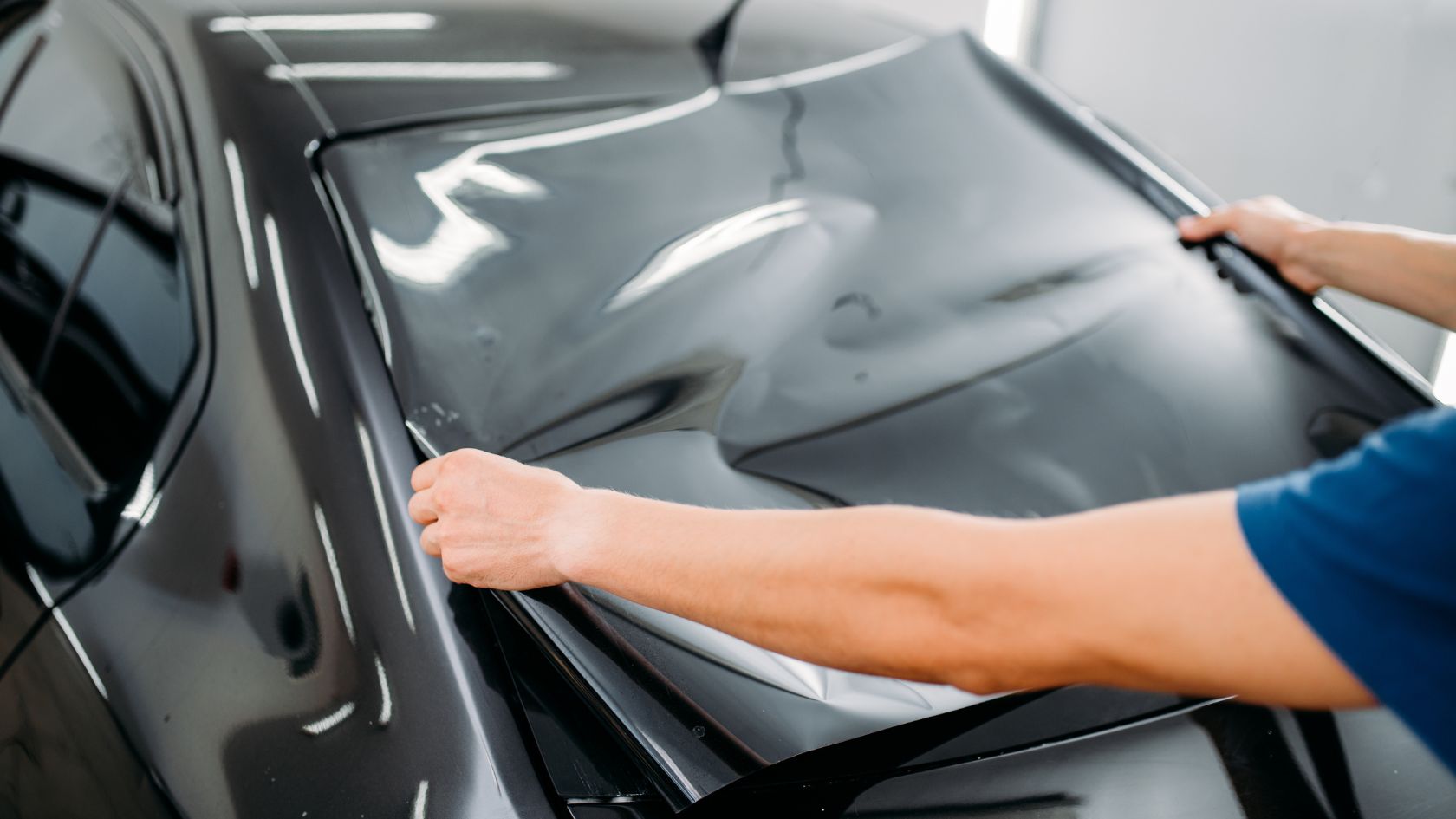
Welcome to the world of tinted car windows, where sleek aesthetics and enhanced comfort collide. If you’re wondering, “Is tinted glass good for your car” then, you’re in the right place. Have you ever thought about how tinted windows affect your driving visibility? Are you concerned about the potential compromise on privacy they might entail? And let’s not forget about the promise of heat reduction—how effective is it, especially during scorching summers? In this informative blog, we will explore the pros and cons of tinted car windows, dive deep into the intriguing world of automotive enhancement, and answer all the above questions. So, explore the mysteries behind tinted glass, its various benefits, and possible drawbacks by reading this post till the end! Car glass tinting is a popular automotive enhancement that involves applying a thin, colored film to the windows. This film, made of polyester and infused with dyes or metals, serves multiple purposes for a vehicle like reducing glare from sunlight and headlights, providing a safer driving experience, blocking harmful UV rays, increasing privacy, and mitigating heat build-up. Tinted glass can indeed be a valuable addition to your car, offering a range of benefits as covered above. But it’s essential to weigh the pros and cons before making a decision to tint your car windows. On the bright side, tinted windows can effectively reduce glare, making driving safer and more comfortable, while also blocking harmful UV rays, protecting your car’s interior from fading and deterioration. Additionally, tinted glass provides added privacy, preventing prying eyes from peeking into your vehicle. However, there are considerations to keep in mind; dark tints may impact visibility, especially during nighttime driving, and certain regions have legal restrictions on tinting darkness. To strike the perfect balance, consider opting for professional installation and adhering to local regulations to enjoy the perks without compromising safety or legality. Tinted car windows have become a popular choice for automotive enthusiasts seeking enhanced comfort, style, and protection. However, like any modification, they come with both advantages and disadvantages. Let’s delve into a comprehensive overview of the pros and cons of tinted car windows, examining their impact on visibility, privacy, and heat reduction. PROS Glare Reduction – Sunlight can be a frequent culprit behind accidents, especially when it hovers low on the horizon, impairing visibility to a great extent. To address this issue, tinted windows effectively minimize glare from sunlight and even headlights during the night. Though, in many countries, it is legally restricted to tint the front windshield completely the impact of applying the tint film only at the top of the windshield can prove to be remarkably beneficial. By shielding your face from direct sunlight, the chances of being temporarily blinded by its glare are substantially reduced. This simple yet effective solution offers a practical way to enhance driving safety and ensure a clearer view of the road ahead, helping drivers navigate challenging conditions with greater ease and confidence. UV Ray Protection – Driving in the sun exposes passengers to harmful ultraviolet (UV) rays which can lead to various health issues. When you and your passengers are induced by extreme sunlight it can cause severe skin-related problems. In fact, direct and prolonged contact with UV rays heightens the risk of cancer development on the skin. However, installing high-quality tinted windows can act as a shield, reducing UV exposure by up to 99% and subsequently lowering the likelihood of health issues. UV rays don’t just harm human skin; they can also wreak havoc on the car interior. Upholstery and dashboard materials, irrespective of the fabric, often suffer fading and discoloration with long-term exposure to UV rays. As a result, your car loses a significant amount of visual appeal as well as its resale value. Clear tint films provide protection against UV rays without altering the window’s appearance, benefiting the car interior without any color change. By investing in tinted windows, you can prioritize both interior comfort and long-term well-being while on the road. Privacy Enhancement – Are you afraid of prying eyes while sitting inside your vehicle? If yes, then tinted windows are the solution. Tinted windows offer added privacy by restricting the view from the outside, deterring prying eyes, and enhancing the sense of security for occupants and valuables inside the car. Tinted films conceal the view from the outside adding an extra layer of protection. It gives you peace of mind to leave your valuables inside your vehicle discreetly out of sight, minimizing the risk of theft and unwanted attention. Heat Dissipation – People driving in warmer climates know how the scorching heat transforms their cars into greenhouses. Because of the heat build-up, the environment inside a car cabin becomes unbearable and non-pleasant. The only way to make yourself comfortable is by turning on the A/C at full speed. Tinted car windows can mitigate heat build-up, making the interior cooler during scorching summers and also reducing the need for excessive air conditioning, which can lead to potential fuel savings. High-quality window films can significantly reduce the heat levels inside the car, resulting in a much more comfortable ride for everyone on board with a lesser amount of fuel. CONS Impact on Visibility – Overly dark tints can impede visibility, particularly in low-light conditions or at night. This is one of the reasons many countries have completely restricted window tinting and some have permitted a certain percentage of tint to be applied on windows. The impact on visibility due to dark tints potentially increases the risk of accidents if not properly balanced. Legal Restrictions – Different regions have varying regulations regarding tint darkness and reflective properties. Any violation or failure to comply with these laws can result in fines or forced removal which means remaining extra careful and cautious while using tinted films on your vehicle. Scratching and Peeling – Poorly installed or low-quality tint films can be susceptible to scratching and peeling over time. Generally, window tints can last up to 5 years or less depending on