The Lane Departure Warning system is one of the technological innovations aimed at enhancing driving safety in the automotive industry. It is designed to alert drivers when unintentional lane drift occurs. While the system is widely recognized for its effectiveness during daylight hours, a lingering question persists: does Lane Departure Warning work at night? In this blog post, we will discuss and explore the functionality of LDW technology in low-light conditions to evaluate its effectiveness in the dark. You will also learn the ways to improve overall nighttime driving safety, extending beyond the scope of lane departure warnings. Yes, Lane Departure Warning (LDW) systems do work and are generally effective during nighttime driving because of their technological advancements. LDW mechanisms operate through modern cameras with night vision capabilities. This ensures the detection of lane markings even in low-light conditions. Some LDW systems also enhance nighttime performance by utilizing infrared (IR) emitters and receivers which create artificial lane boundaries visible to the camera in complete darkness. Moreover, continuous algorithm refinement further improves LDW systems’ ability to discern lane markings, particularly during challenging conditions like nighttime driving or adverse weather. However, drivers should be mindful of the potential limitations of LDW systems. These units struggle in heavily damaged or unclear lane markings and offer delayed reactions to sharp curves or sudden lane changes in low visibility. Their performance can be marred by the potential interference from glare caused by oncoming vehicle headlights. Despite potential limitations tied to specific system variations and driving conditions, these systems still prove reliable overall and remain valuable aids for enhancing nighttime driving safety. Lane Departure Warning (LDW) systems are a sophisticated safety feature integrated into modern vehicles designed to prevent unintended lane departures. Accessories like cameras and sensors are utilized to monitor the vehicle’s position within the lane. When the vehicle begins to drift without the use of turn signals, the LDW system triggers visual or audible alerts to prompt the driver to correct their course. The technology relies on image processing algorithms to detect lane markings, ensuring its responsiveness to subtle shifts in vehicle positioning. Night driving introduces a set of challenges for both drivers and vehicular systems. Reduced visibility, limited ambient light, and potential glare from oncoming headlights can impair a driver’s ability to perceive lane markings accurately. Traditional lane detection systems like LDWs may struggle in these low-light conditions, leading to diminished performance. The glare from these headlights can interfere with camera-based LDW systems, potentially impacting their accuracy. LDW systems might also not react quickly enough to sudden lane changes or sharp curves, especially at night. It is important to overcome these challenges to ensure the continued effectiveness of safety technologies when the sun goes down. Driver assistance technologies like Lane Departure Warning systems play a pivotal role in enhancing safety during low-visibility conditions such as nighttime driving. As human perception becomes compromised in the dark, these technologies act as an extra set of vigilant eyes. LDW systems, when optimized for nocturnal use, provide invaluable assistance by promptly notifying drivers of potential lane deviations. The integration of infrared or low-light cameras, coupled with advanced image processing algorithms, can significantly enhance the reliability of Lane Departure Warning systems in challenging driving environments. When the car unintentionally drifts out of its lane due to drowsiness, distraction, or simply poor visibility, the LDW system springs into action by issuing audible or visual alerts. It grabs the driver’s attention to prompt corrective action. In recent years, technological strides have bolstered Lane Departure Warning (LDW) systems, enabling them to operate effectively in low-light and nighttime conditions as well. Manufacturers have incorporated infrared and low-light cameras, along with improved image processing algorithms, to enhance the system’s ability to detect and interpret lane markings even when ambient lighting is minimal. Modern LDW systems utilize advanced cameras equipped with night vision capabilities. These cameras can see lane markings even in low-light conditions, providing the system with essential information for accurate lane tracking. In situations where even night vision cameras struggle, like dense fog or heavy snowfall, some LDW systems employ radar or LiDAR. These sensors emit waves that bounce off lane markings and other objects, creating a detailed map of the surroundings, independent of visibility. Some more advanced LDW systems go beyond warnings and provide gentle steering wheel nudges to guide the car back into its lane. This can be especially helpful in low-visibility conditions where quick reactions are crucial. These advancements aim to address the challenges posed by nighttime driving. With ever-evolving technologies still to come based on consumer research, LDW systems remain a reliable safety feature regardless of the time of day. Numerous research studies have delved into the accuracy of Lane Departure Warning alerts in nighttime conditions. One such study, conducted by the AAA Foundation for Traffic Safety, found that LDW systems with camera-based technology effectively detected lane departures more than 90% of the time during nighttime testing. Findings suggest that properly calibrated and technologically advanced LDW systems demonstrate commendable accuracy in detecting lane deviations during low-visibility situations. The integration of infrared technology and sophisticated algorithms has substantially improved the precision of these systems in the dark, contributing to a safer driving experience when visibility is limited. While Lane Departure Warning (LDW) systems significantly contribute to nighttime driving safety, additional safety features further complement their efficacy. Adaptive Headlights: These headlights automatically adjust their beam pattern and intensity based on traffic and road conditions. At night, they can illuminate lane markings more effectively, aiding LDW in its detection. Night Vision Assist: This technology uses infrared cameras to project a clear view of the road onto the windshield, even in complete darkness. This enhanced vision can be invaluable for LDW, as it eliminates the limitations of headlights and allows the system to function flawlessly. Driver Monitoring System: This system monitors driver alertness and fatigue through facial recognition and head movement analysis. If drowsiness is detected, it can trigger audible or visual warnings, urging the driver to take a break. Rain-sensing
Lane Keep Assist Vs. Lane Departure Warning: The Better Option?
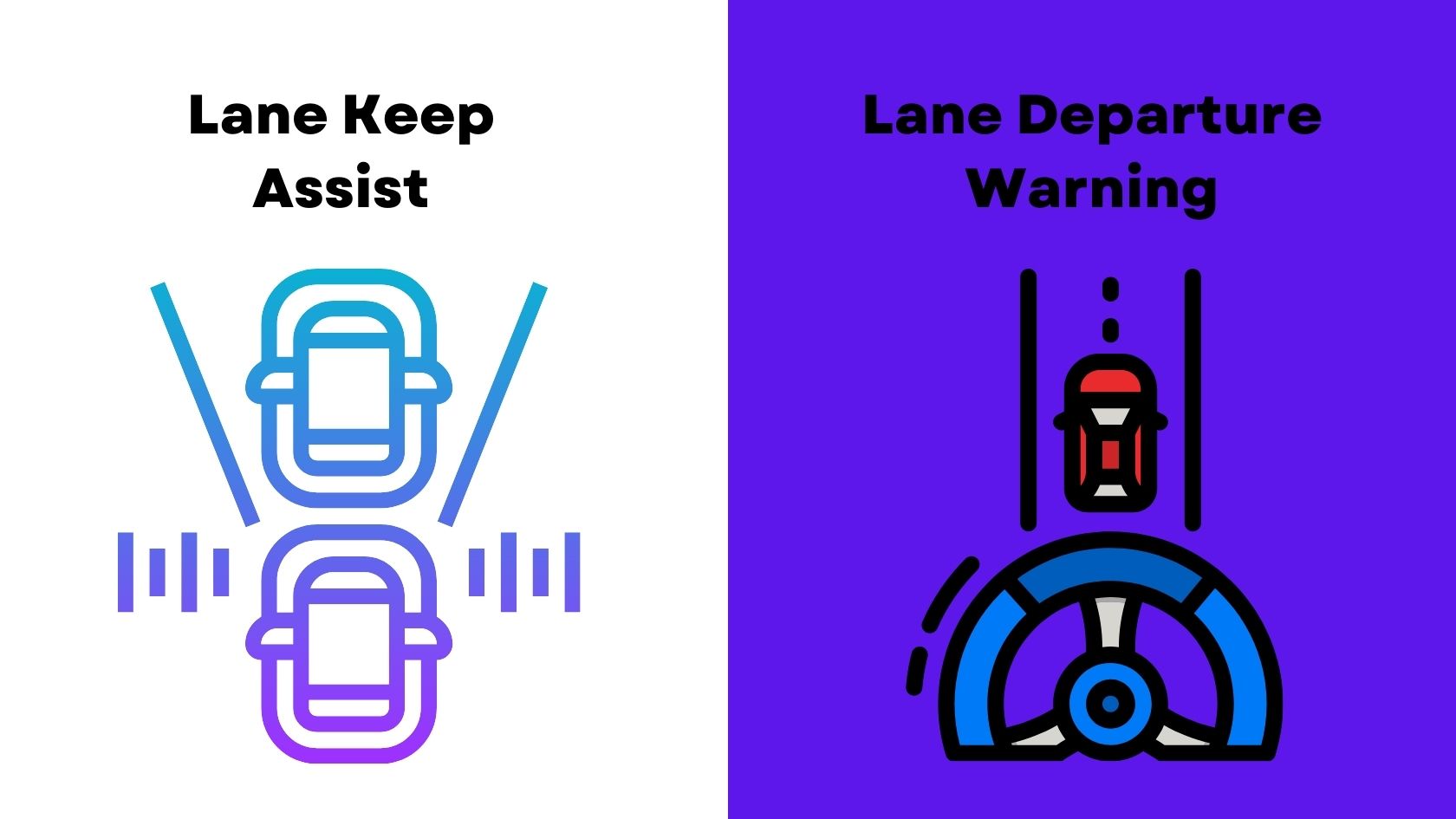
Safety isn’t just a feature; it’s a necessity. Therefore, knowing the difference between Lane Keep Assist (LKA) and Lane Departure Warning (LDW) is crucial for drivers who want the latest in safety tech. These systems aren’t here to take the wheel but to enhance your driving experience. In this blog post, you’ll learn not only how each system can keep you safer on the road by preventing unintended lane departure, but also how they are part of a broader movement towards more intelligent and autonomous vehicles. Imagine cruising down the highway, your favorite song playing, and suddenly, your vehicle gently nudges you back into your lane. That’s Lane Keep Assist (LKA) at work, a guardian angel of modern driving. Then there’s the Lane Departure Warning (LDW) system, which alerts you when your car begins to drift out of its lane without a turn signal. These systems aren’t just fancy bells and whistles; they represent significant strides in automotive safety technology designed to protect you and your passengers. You’ll find out how LKA takes an active role in maintaining your vehicle’s position on the road. It uses a combination of cameras, sensors, and algorithms to detect lane markings and can take corrective action if it senses unintentional straying. Conversely, LDW is a bit simpler but no less important. This system monitors your vehicle’s position and, if it detects a departure, sounds an alarm or vibrates the steering wheel to alert you. As we look closer at the inner workings of LKA and LDW in the next section, remember that these are just the tip of the technological iceberg. They pave the way for a future where cars don’t just react to the environment but actively cooperate with drivers to achieve an unprecedented level of road safety. Now, let’s dive deeper into the technical wonders that make LKA and LDW possible. Lane Keep Assist (LKA) doesn’t just magically keep your car in the lane; it uses a fascinating cocktail of sensors and complex algorithms. Cameras and sometimes radar are typically mounted on the windshield or around the car which continually scan lane markings. When they detect that you’re unintentionally veering off, they trigger the system, which can subtly steer the car to center it within the lane. This hands-on feature provides continuous feedback and, in some systems, takes corrective action if you don’t respond. On the other side, Lane Departure Warning (LDW) is like your vigilant co-pilot who’s all about giving you a heads-up. It uses similar cameras that scrutinize the road ahead, looking for lane markings. If your vehicle begins to drift without an active turn signal, it alerts you with beeps, vibrations, or a visual warning. Unlike LKA, LDW won’t steer you back; it trusts you’ll take the helm once alerted. It’s designed to snap you back to attention and back to the center of your lane. So here’s the crux: LKA is proactive; it steps in to help correct your course ahead of time. LDW, however, is reactive; it’s there to warn you after it senses the drift but before it turns into a potential mishap. It’s akin to LKA holding your hand to keep you straight, versus LDW nudging you to say, ‘Hey, watch out!’ We often take for granted how pivotal these support systems are in navigating today’s distraction-filled drives. It’s crucial to understand that while they add layers of safety, they are not substitutes for attentive driving. That said, let’s look next at what you should take into account when deciding between these two technological aides and how they mesh with your driving lifestyle. When it comes to picking between Lane Keep Assist (LKA) and Lane Departure Warning (LDW), it’s not just about the bells and whistles; it’s also about matching the technology to your driving style. If you’re often on the highway and value a more hands-on approach to assistance, LKA might be the one for you. If you’re more of the ‘just let me know if there’s an issue’ type, then LDW can silently watch over you, ready to alert you when you need it. It’s essential to weigh the benefits of each system; LKA actively keeps you centered in your lane, while LDW is your watchful co-pilot, making sure you don’t stray. Each system has its pros and cons, and your decision should factor in not only cost but also the level of interaction you’re comfortable with. Some drivers prefer the minimal intervention of LDW, while others appreciate the constant support of LKA. If you talk to mechanics, tech experts, and everyday drivers alike the consensus is clear: no one system is superior for every driver. It comes down to your preferences, your driving habits, and what you feel most comfortable with on the road. Lane Departure Warning can operate independently of Lane Keep Assist. It typically relies on cameras to monitor lane markings and, when it senses an unintentional lane departure without the use of turn signals, it activates a warning, such as visual or audible alerts. While these two features often complement each other, they can also be found as standalone functionalities in some vehicle models. Yes, Lane Keep Assist is typically designed to be a driver-selectable feature, allowing users to turn it on or off based on their preferences. When deactivated, the vehicle’s steering returns to normal operation without any automated lane-keeping assistance. Lane Departure Warning systems may have limitations in detecting lane markings under certain conditions, such as heavy rain or poor visibility. They generally differentiate between intentional lane changes with the use of turn signals and unintentional drifts without signaling. This helps minimize false alerts and ensures accurate warnings for potential safety concerns. Lane Keep Assist is designed to function on a variety of roads, including curved or winding ones. Advanced systems use cameras and sensors to track lane markings and adapt to the road’s curvature. However, it’s essential for drivers to remain engaged and be aware that certain road conditions, such as poorly marked or narrow
3 Best Aftermarket Lane Departure Warning Systems (2025)
Lane Departure technology is an innovative approach to driving safety that helps you remain alert during unintentional drifts of your vehicle. In a split second, these advanced systems can prevent lane drifting, a common cause of accidents on our roads. Now, imagine if your car doesn’t come with this life-saving feature built-in. This is where aftermarket lane departure warning systems come in. These retrofit solutions can offer similar benefits to factory-installed systems but at a fraction of the cost and without the need to buy a new vehicle. You can significantly enhance safety standards, especially for older models that weren’t equipped with such technology from the outset. In this review post, I’ll be revealing 3 best aftermarket lane departure warning systems discussing their critical features, installation and maintenance ensuring peace of mind behind the wheel. Lane Departure Warning systems offer several benefits that contribute to overall road safety and driver convenience. Here are four main benefits in detail: Reduced Lane Departure Crashes Unintentional lane departure is a significant cause of accidents, often due to fatigue, distraction, or momentary inattention. LDW systems detect lane drifting through cameras or sensors and provide early warnings through timely visual, audible, or haptic alerts, giving drivers a chance to correct their course and avoid potential collisions. Studies have shown that LDW systems can reduce lane departure crashes by up to 50%, significantly improving overall road safety. Enhanced Driver Awareness and Focus The constant presence of LDW can act as a second pair of eyes. It promotes vigilance by reminding drivers to stay within their lane and be more mindful of their surroundings. When drowsiness or attention lapses occur, LDW alerts can serve as a wake-up call, prompting drivers to refocus on the road and regain control combating fatigue and distraction. By automatically monitoring lane position, LDW frees up mental resources, allowing drivers to concentrate on other aspects of driving, like traffic flow or potential hazards. Improved Confidence and Comfort, Especially for New Drivers LDW can provide extra support and assurance when driving on unfamiliar roads with complex lane markings or heavy traffic. During lane changes, merging, or navigating tight spaces, LDW alerts can offer valuable reminders and help avoid unintentional lane drifts. For new or less experienced drivers, LDW can alleviate anxiety and promote a more relaxed and confident driving experience. Integration with Adaptive Cruise Control Many LDW systems seamlessly integrate with adaptive cruise control, creating a holistic and advanced driving experience. This integration goes beyond the warning aspect of LDW, offering a semi-autonomous driving mode. In this mode, the vehicle not only maintains a preset speed but also actively stays centered within the lane. By combining the benefits of LDW with adaptive cruise control, drivers experience enhanced driving comfort, reduced fatigue, and a smoother journey, especially during long-distance travel. Investing in the right aftermarket lane departure warning system significantly enhances your driving experience and safety. With numerous options on the market, I’ve sorted through the tech specs, customer ratings, and expert opinions to bring you the standout choices. Here’s a breakdown of three of the best systems you can install in your vehicle. Brandmotion ADAS+ Advanced Driver Assistance System ADAS-1100 The Brandmotion ADAS+ ADAS-1100 stands out as a comprehensive Advanced Driver Assistance System (ADAS) offering a range of features designed to enhance safety and awareness on the road. It boasts a suite of essential features, including forward collision warning, lane departure warning, pedestrian detection, and traffic sign recognition. The high-quality built-in camera records in 1080p HD, providing clear and detailed footage for potential accident evidence. The 3.5-inch touchscreen display ensures ease of use and visibility, complemented by a GPS/GLONASS receiver for accurate location and speed data. The display offers user-friendly interaction and navigation contributing to a seamless user experience. The micro SD card slot allows storage expansion up to 128GB for extended recording capabilities. The relatively small and discreet design allows for windshield mounting without obstructing the driver’s view, maintaining a clean and unobtrusive aesthetic. The installation is easier if instructions are followed to the core however, professional services are still recommended to achieve better and lasting results. This may potentially increase the cost of the overall setup process. Irrespective of the useful features of ADAS-1100, it’s crucial to note that it serves as a warning system and should not be solely relied upon to prevent accidents. Some users have also reported occasional false alerts, highlighting a potential area for improvement in the system’s accuracy. Overall, the Brandmotion ADAS+ ADAS-1100 impresses with its comprehensive set of features, high-quality camera, and user-friendly design despite occasional false alerts and relatively higher cost. Mobileye 630 The second recommendation is the Mobileye 630. It’s a pioneer in collision avoidance and lane departure technology. The Mobileye 630 with Lane Departure Warning (LDW) is a versatile and user-friendly device that seamlessly integrates LDW and forward collision warning features with high-quality dashcam functionality. Beyond lane departure, it also offers speed limit indication and pedestrian and cyclist detection. The LDW system provides both visual and audible alerts to promptly notify drivers of unintentional lane departures. Additionally, the forward collision warning system acts as a crucial safety net, alerting drivers to potential collisions with vehicles ahead. The inclusion of a high-definition dashcam enhances the device’s utility, capturing continuous footage of the road for added security and evidentiary purposes. The dashcam functionality is particularly commendable, delivering clear video quality that enhances the overall user experience. One notable advantage of the Mobileye 630 is its user-friendly design, ensuring a hassle-free installation process. The device is easy to operate, making it accessible for drivers of varying technical expertise. The LDW alerts are generally accurate in most driving conditions, contributing to a safer driving experience. Many users report a significant boost in situational awareness without being overloaded by alerts with occasional false alerts. While the Mobileye 630 excels in combining LDW and dashcam functionalities, it lacks some advanced feature sets when compared to some of its competitors like the Brandmotion. It’s worth noting that LDW performance
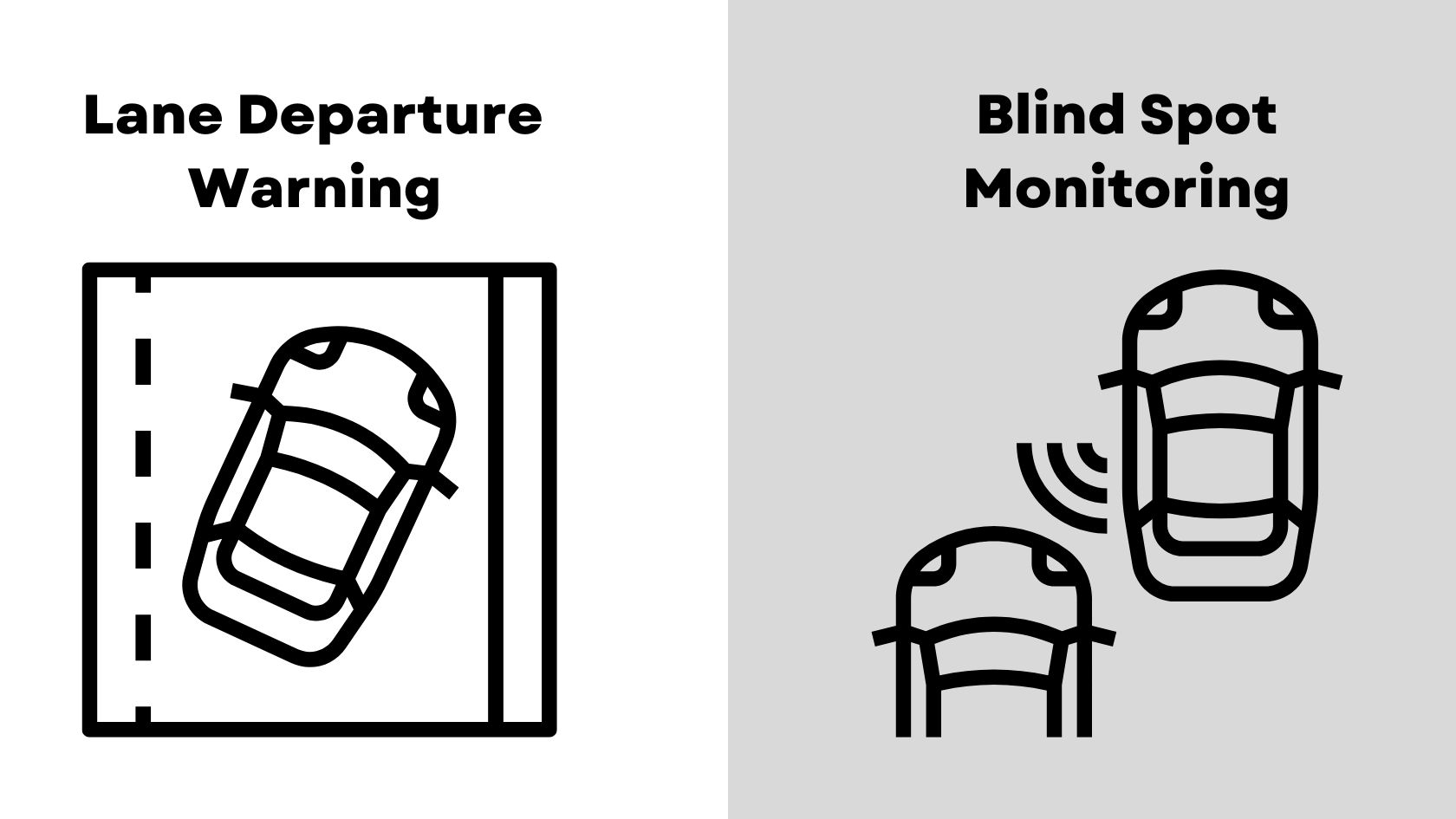
Lane Departure Warning vs. Blind Spot Monitoring
Lane Departure Warning vs. Blind Spot Monitoring: Which is better? In the rapidly evolving landscape of automotive safety features, these two technologies have emerged as crucial aids in preventing accidents and enhancing road safety. Undoubtedly, these innovative systems are designed to address specific challenges drivers face by offering real-time assistance in navigating the complexities of modern traffic. Lane Departure Warning alerts drivers when unintentional lane drift occurs, while Blind Spot Monitoring provides an extra set of eyes, notifying drivers of vehicles in their blind spots. If you are confused about which one is better, this blog post aims to unravel the distinctions between Lane Departure Warning and Blind Spot Monitoring. We will shed light on their unique functionalities and their impact on driving safety. But before you learn about Lane Departure Warning (LDW) it is important to understand the system that forms the crux of modern safety features like LDW in automobiles – Advanced Driver Assistance System (ADAS). In my opinion, understanding how Advanced Driver Assistance Systems (ADAS) work is crucial for every driver. These systems are not just about convenience; they’re about saving lives. ADAS technologies have become a game-changer in the automotive industry, dramatically improving road safety and enhancing the overall driving experience. ADAS is an umbrella term for a variety of technologies designed to assist drivers in the driving process. So why are these systems so important? Well, they can significantly intervene in critical situations to prevent accidents. For instance, if you’re momentarily distracted, ADAS systems like Lane Departure Warning can alert you before you drift out of your lane, perhaps preventing a potential collision. As you begin to understand these life-saving technologies, you’re going to find out about their intricate workings and benefits. We’ll start by taking a closer look at the Lane Departure Warning system. It’s a fascinating piece of engineering that could be the difference between a narrow miss and a regrettable traffic incident. Lane Departure Warning (LDW) systems are designed to prevent one of the most common accident types: unintentional lane drifts. These systems use cameras and sensors to continuously monitor road markings. When they detect the vehicle veering off without a turn signal, they alert the driver through visual, auditory, or haptic signals. In some advanced LDW systems, steering intervention capabilities may also exist, allowing the vehicle to automatically steer back into the lane to prevent a potential collision. LDW is like a vigilant copilot, always ready to nudge your attention back to the lane you’re supposed to be in, enhancing your overall situational awareness. There’s impressive evidence supporting LDW’s positive influence on road safety, with studies indicating a substantial reduction in the rates of sideswiping and head-on collisions for vehicles equipped with this technology. However, the effectiveness of LDW can vary. It’s crucial to understand that these systems function optimally under certain conditions such as good weather and clear road markings. Heavy rain, snow, or faded lane lines might compromise their accuracy. Moreover, some drivers may find the alerts intrusive, leading to the potential deactivation of the system, which nullifies its benefits. Blind Spot Monitoring (BSM) on the other hand, is a cutting-edge technology designed to alert drivers when a vehicle enters their blind spot during a lane change or when driving in the same direction. It’s a feature that can drastically reduce the chances of side-swiping accidents on multi-lane roads. BSM systems use a variety of sensors, such as radar or cameras, positioned around the vehicle to detect other road users in adjacent lanes. When a vehicle enters your blind spot, the system typically issues a warning through an illuminated icon in your side mirror or an audible alert. Some advanced systems can even gently steer the car back into the lane or apply brakes to avoid a collision. The safety implications of Blind Spot Monitoring are substantial. According to research, BSM can significantly decrease the rate of lane-change collisions and the associated injuries. It’s especially useful for large vehicles like trucks, which have larger blind spots. While BSM is a valuable tool for enhancing safety, it’s important to remember that it’s designed as an aid, not a replacement for vigilance. Drivers should still carry out shoulder checks and use their mirrors before changing lanes. In comparing BSM with Lane Departure Warning systems, each serves a different, critical purpose. BSM focuses on the lateral movement of vehicles in your blind spot, whereas LDW monitors lane positioning to prevent unintended departures. LDW is particularly effective on highways where maintaining a steady lane position is crucial and useful in stop-and-go traffic to prevent unintentional lane departures. BSM on the other hand, is valuable during lane changes. The signals are specifically useful to detect vehicles in blind spots and in congested urban traffic to prevent collisions. One evident difference between LDW and BSM is their effectiveness during parking. While LDW is more focused on continuous lane monitoring with limited use in parking situations, BSM can efficiently detect vehicles in adjacent spaces while maneuvering in parking lots. Together, BSM and LDW create a comprehensive safety network around your vehicle, but they also have their unique challenges. BSM systems may have difficulty detecting fast-approaching vehicles or motorcycles, while LDW systems can be overly sensitive or unresponsive if lane markings are unclear or obscured. Ultimately, when used responsibly in conjunction with regular driver vigilance, both BSM and LDW systems represent significant advancements in vehicle safety technology. They offer peace of mind, protect lives, and serve as stepping stones towards fully autonomous driving features of the future. No, Lane Departure Warning (LDW) and Blind Spot Monitoring (BSM) are distinct safety technologies. LDW focuses on preventing unintentional lane drifting by monitoring the vehicle’s position within its lane. BSM, on the other hand, is designed to detect vehicles in the driver’s blind spots, providing alerts during lane changes to prevent potential collisions. Lane Departure Warning (LDW) systems may experience limitations in adverse weather conditions such as heavy rain, snow, or fog. Reduced visibility can affect the accuracy of
Is Lane Assist Dangerous? The Pros and Cons
Lane Assist is an innovative technology that is shaping the future of driving. At its core, it is a feature that is designed to keep vehicles within their designated lanes on the road. However, it is often surrounded by certain controversies and questions. The primary one is: is lane assist dangerous? In this blog post, we’ll delve into lane assist technology and find out if its use is worth safety or hazard. Lane Assist is a driver-assistance system that helps prevent unintentional lane departures. Lane assist technology works by utilizing cameras and sensors. The system detects lane markings and can gently steer the car back into the center of the lane if it begins to drift without a turn signal activated. Lane Assist is not inherently dangerous but requires responsible use and understanding of its limitations. It is primarily designed to enhance driving safety but it comes with certain considerations. If used correctly and not over-relied upon, it can be a valuable tool for safer driving. Disabling it due to minor annoyances may outweigh the potential safety benefits. Whether Lane Assist is dangerous depends on various factors. It has both benefits and potential drawbacks. Here’s a breakdown of both sides: The primary advantage of Lane Assist lies in its potential to save lives. With traffic accidents remaining a leading cause of injury and death globally, any technology that can make a dent in these statistics is invaluable. Lane Assist helps maintain traffic flow and prevent sideswipe collisions, particularly in cases where drivers might be momentarily distracted or fatigued. Studies have shown a significant decrease in lane departure crashes with Lane Assist, making it a valuable safety feature. The system’s warnings can help drivers stay focused and aware, especially during long journeys when fatigue can set in. Moreover, Lane Assist can provide a sense of security and confidence, particularly on highways, promoting calmer and more comfortable driving. Despite the clear safety benefits Lane Assist provides, it is not without its critics. Some individuals raise the flag, worrying that this kind of automation may foster a dependency that could backfire. They argue that with the car’s ability to correct course on its own, drivers might become less attentive, or worse, disengage from the driving process altogether. This leads us to a critical conversation about not just the technology itself, but how it is used by those behind the wheel. Now, you may wonder if there’s a downside to having a smart system like Lane Assist on board. The truth is, for all its benefits, some concerns cast a shadow over its reliability. A major issue is the possible over-reliance it might foster among drivers. When a car starts to shoulder part of the driving task, the human behind the wheel could potentially become less vigilant. Research shows that trust in automation, like Lane Assist, can lead to a decrease in driver attention. It’s a psychological comfort zone that’s a bit too comfortable for safety’s sake. Once drivers get used to the car correcting itself, they might pay less attention to the road or their steering inputs, increasing the risk of an accident if the system fails or encounters a situation it cannot navigate. And it’s not just about attention. Lane Assist isn’t infallible. It can misread faded or missing road markings, become confused by temporary lane shifts in construction zones, or be blinded by harsh weather conditions. These are moments when a system’s hiccup could potentially lead to an unsafe maneuver unless the driver is fully attentive and ready to take over control. Moreover, Lane Assist systems vary across different manufacturers, and with this variance comes a debate: Do these systems make for safer driving environments or do they breed a generation of lazy drivers? Some experts argue that, as drivers become more and more accustomed to the ‘helping hand’ of Lane Assist, the basic skills of attentive driving may erode over time. Hence, while Lane Assist holds incredible potential to make our roads safer, it’s not without controversies and caveats. Awareness and education about these technologies are crucial for drivers. They need to understand not just how to use these systems, but also their limitations, for their own safety and that of their fellow road users. I want to make sure you get the most out of Lane Assist technology while staying safe on the road. It’s crucial to recognize that Lane Assist isn’t a replacement for your keen attention. Here’s how you can partner with this advanced feature to enhance your driving safety. First and foremost, it’s your responsibility to understand the lane assist system’s capabilities and limits. Take time to familiarize yourself with the system’s operation, including any unexpected behaviors it might exhibit. This awareness helps prevent surprises while driving. Avoid overreliance on lane assist and remain actively engaged in driving. This means keeping hands on the wheel and eyes on the road. Use Lane Assist as a backup, not as the primary driver of your vehicle. If the system alerts you, be ready to take over immediately. Don’t assume it can handle all driving scenarios—it’s an aid, not an autopilot. Make sure you’re familiar with how it reacts in various road conditions, such as inclement weather or on curves. Regular maintenance is non-negotiable. This includes software updates and sensor checks. If your vehicle’s sensors are dirty or malfunctioning, the system’s effectiveness is compromised. Make it a habit to check these regularly. Continue practicing safe driving habits, such as using turn signals, checking blind spots, and following traffic rules, in conjunction with lane assist technology. Yes, while it’s much less likely than without the system, accidents caused by Lane Assist can happen. Imagine poor weather obscuring lane markings, causing the system to misread them and steer you the wrong way. Or relying too heavily on Lane Assist and missing a car in your blind spot. Finally, frequent, annoying warnings might lead you to turn it off, losing potential safety benefits. It can! Relying too much on Lane Assist
How Many Blind Spots Are There in a Car?
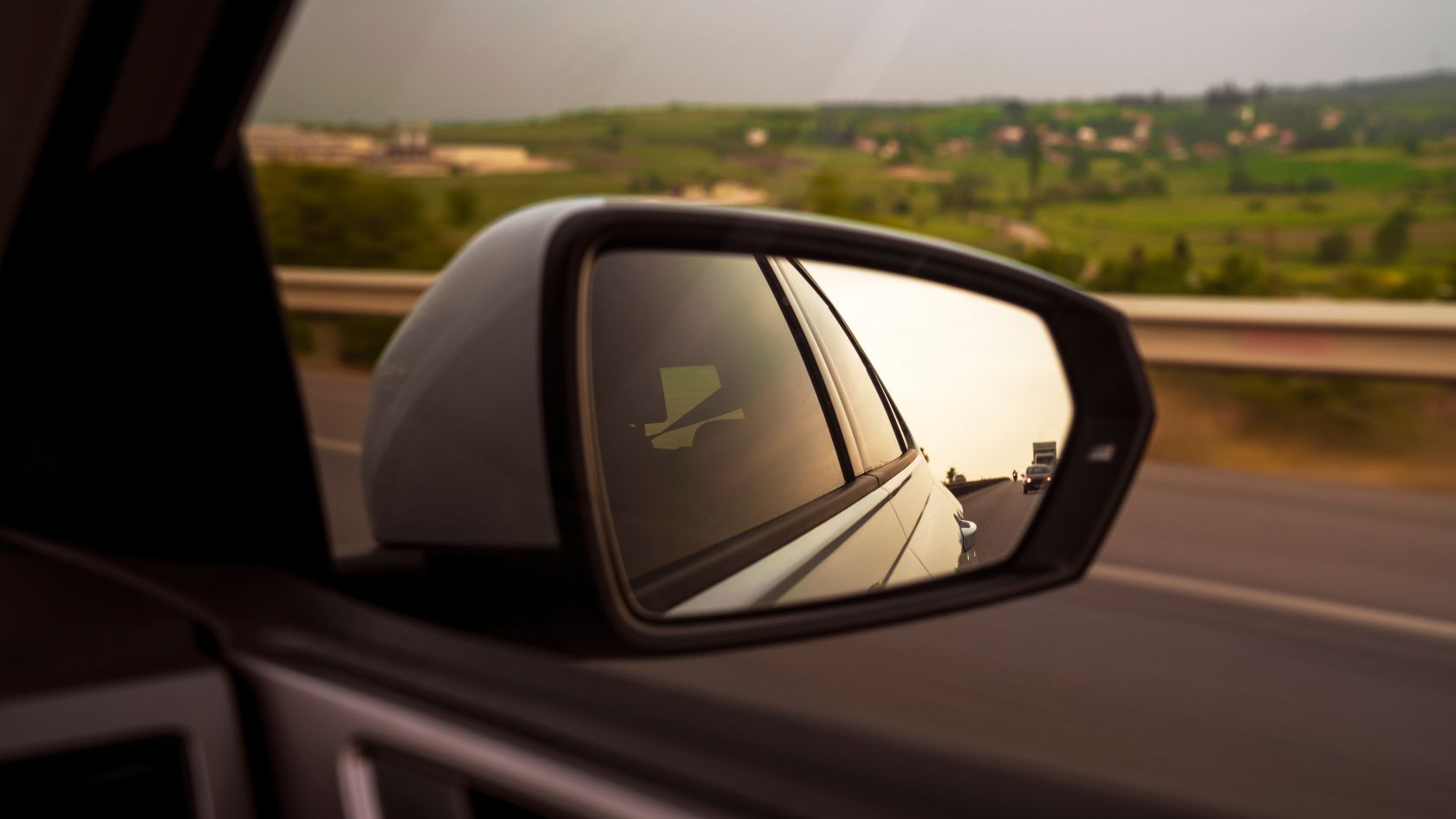
The hidden zone around your car where other vehicles disappear is called a blind spot. It’s an area that your car’s mirrors can’t cover, and it’s critical for driving safety. So, how many blind spots are there in a car and other vehicles? Blind spots can differ depending on the vehicle you’re driving, whether it’s a compact car, an SUV, a truck, or a motorcycle. Understanding where they are and how to spot them will be crucial. In this post, you’re going to find out about common blind spot areas in different vehicles and explore strategies for locating and becoming aware of these unseen zones. Typically, a standard passenger car has two main blind spots. These spots are located on either side of the car, just behind the left and right side mirrors. However, keep in mind that the size and number of blind spots can increase with the size of the vehicle. Semi-trucks or vehicles towing trailers, for instance, have larger blind spots due to their increased length and height. The very design of a car contributes to the creation of blind spots. Pillars that support the roof, the rear headrests, passengers, or cargo can all obscure your view. Essentially, any part of your vehicle that blocks your line of sight to the areas behind or on the sides of your car can create a blind spot. This isn’t just about knowing where these blind spots are; it’s also about learning how to manage them effectively. Now that you’re aware of what blind spots are and how they can vary, let’s move on to the next important step: identifying the specific blind spots in your car. Think of your car as having its own set of blinders, similar to those on a horse, that block certain areas from your sight. These are your blind spots, and not being aware of them is a pretty risky business. To begin with, certain areas typically fall into the category of blind spots. These are located over your shoulders and near the rear of your car. To discover these sneaky zones, you can do a simple exercise. Park your car and place an object at various distances and angles, then sit in the driver’s seat and check what you can’t see without moving your head. It’s surprising, right? Side mirrors show a lot, but not everything. When it comes to your mirrors, you’ve got a power trio working for you: the rearview mirror and two side mirrors. Setting them up correctly is like aligning stars for clearer navigation. Angle your side mirrors just beyond the point where your car is no longer visible, which helps significantly reduce the size of your blind spots. Remember, some smart mirror work upfront can save you from a lot of headaches on the road. Now, you’re well-versed on what blind spots are and how to pinpoint them in your car. But knowing is only half the battle! It’s your actions on the road that truly make a difference. It’s crucial to adopt certain best practices to ensure you and others on the road stay safe. Before we get into the best practices for checking blind spots, I want to touch on a bit of tech magic that’s changing the game – blind spot detection systems. These systems alert you when there’s an object in your blind spot, drastically improving safety. If you’re shopping for a new car, this is a feature worth prioritizing. But technology is no substitute for good driving habits. Always turn your head to check your blind spots before switching lanes—mirrors alone won’t cut it. Be particularly mindful in heavy traffic or on multi-lane roads, where the stakes are higher. As evident, almost every vehicle has blind spots. So, what are their types? Let’s take a closer look at the different types of blind spots you might encounter on the road: Rear Quarter Blind Spots: These are the most common culprits, lurking just behind the C-pillars (those thick pillars behind your rear doors) on both sides of your car. Motorcycles, bicycles, and even small cars can easily disappear in these zones. Checking over your shoulder or using rearview cameras can help in tackling rear blind spots. Front Pillar Blind Spots: The A-pillars (windshield pillars) can also be sneaky, hiding pedestrians, cyclists, and motorbikes approaching from the side. The front pillar blind spots are directly in front of the vehicle. They provide limited visibility due to the hood and sometimes the windshield pillars. Adjusting seat height, using proper seating position, and remaining cautious at intersections can help manage front blind spots. Mirror Blind Spots: Even with properly adjusted mirrors, there can be small areas right next to your car that remain unseen. You need to be extra cautious when pulling out from a parked position or squeezing past slow-moving vehicles. The above three are the main blind spots associated with cars. Beyond cars, larger vehicles like trucks and buses have different zones of blind spots that you will find in the below section. It’s not just about cars. Every vehicle has blind spots and the size and location of blind spots can vary among different types of vehicles. Here are some common blind spots for specific vehicle types: Trucks, SUVs, Commercial Vehicles and Buses Long buses, trucks, and large commercial vehicles have much larger and more extensive rear blind spots. Due to their size, the entire area alongside and behind the driver’s side, often extending several lanes, can be invisible to the driver. Such longer invisible areas make it crucial to check blind spots before changing lanes for these bigger vehicles. Large trucks and buses particularly have significant blind spots along the sides as well. Drivers of these vehicles may use additional mirrors to minimize blind spots. As a driver, you must give trucks and buses extra space. Avoid lingering in their blind spots, and maintain a safe following distance. Motorcycles Motorcycles have a smaller profile that makes them easily hidden in the rear