

If you are tired of the incessant noise that infiltrates your car while driving and thinking, “How to soundproof car windows” then this is the post to read! Whether it’s the deafening traffic sounds, blaring sirens, cacophony of construction sites, or just the sound of whirling wind, unwanted noise can turn your driving experience into a stressful ordeal. The good news is, there’s a solution that can transform your car into a quiet haven of tranquillity which we are going to discuss in this post. We will delve into the vital role car glass plays in soundproofing and noise reduction. You’ll also discover various soundproofing methods to reduce the noise that seeps through the windows, providing you with a comfortable and peaceful drive. So, whether you’re a frequent highway cruiser or a daily urban commuter, explore this blog to read and learn the art of soundproofing in your car. Car sounds and noise can stem from various sources, contributing to a less enjoyable driving experience. Understanding the root causes is essential to find effective solutions. Here’s a breakdown of the main culprits: Road Noise – The impact of road noise on your driving experience cannot be underestimated. When you’re driving on uneven road surfaces or rough terrain, your car’s tires come into contact with various imperfections and textures. These interactions create vibrations that travel through the vehicle’s structure, ultimately transmitting noise into the cabin. Picture yourself driving down a pothole-riddled street or a gravel road – the constant rumbling and thudding noises can quickly become tiresome and even stressful. Engine and Exhaust Noise – Internal combustion engines are at the heart of most vehicles, and while they power our cars, they also generate mechanical sounds and exhaust noise. When you accelerate, the engine revs up, producing a distinctive hum that varies depending on your vehicle’s make and model. Additionally, the exhaust system expels combustion by-products, contributing to the overall noise level. Imagine revving your engine at a stoplight or accelerating to merge onto a highway – the engine and exhaust noise can be particularly noticeable during such moments. Wind Noise – Have you ever been on the highway, and there’s an annoying whistling or buffeting noise coming from your car’s doors or windows? That’s wind noise making its presence known. Poorly sealed doors and windows can allow air to enter the cabin while driving at higher speeds, leading to these unwelcome sounds. Next time you’re cruising down the highway, pay attention to how the wind interacts with your car’s design – especially around the edges of doors and windows. Suspension Noise – A car’s suspension system is responsible for providing a smooth and comfortable ride. However, over time, suspension components can wear out, leading to clunks and rattles when driving over bumps or uneven surfaces. Think about the last time you hit a speed bump or encountered a pothole – did you hear any strange noises coming from the undercarriage or wheel wells? Those sounds might be indicative of suspension issues that warrant attention. Miscellaneous External Sounds – The world outside your car is full of sounds and noises that can permeate the interior. Whether it’s the continuous stream of traffic on busy roads, the blaring of horns, or the bustling city ambiance, external sounds can penetrate your car’s interior and disrupt your driving experience. While modern cars come equipped with various noise insulation technologies, some external factors can still find their way in, affecting the overall cabin ambiance. Now that we know the causes of car noise it’s time to soundproof them. There are effective ways to soundproof your car windows and create a serene driving environment. Here are some of the solutions: Sound Deadening Mats – Sound Deadening mats are a game-changer when it comes to reducing vibrations and external noise in your car. These mats, designed to provide excellent sound insulation, can be easily installed on the inner surface of car doors and windows replacing your standard floor mats. Not only floor, these mats can be installed on car doors, roofs, and even trunks making them an all-around solution. Once in place, they create a barrier that effectively dampens road noise and keeps unwanted sounds at bay. Soundproofing Sprays – For an added layer of protection, consider using soundproofing sprays on car windows along with sound-deadening mats. These sprays work effectively in creating a sound-blocking membrane from the gaps or un-flattened areas in a car to minimize noise transmission. Since these are sprays, they are easy to carry and store making them available for any time use. However, the quantity and soundproofing effects lack noise reduction punch if used in isolation. Therefore, it is recommended to apply the sprays along with other soundproofing items such as deadening mats and insulation material. Laminated Glass with Air Space – A smart technique to further enhance soundproofing is to incorporate laminated glass with air space or varying thicknesses. This innovative approach disrupts sound waves, preventing them from entering the vehicle’s cabin. The air gaps between layers act as a buffer, ensuring that the noise from the outside world stays where it belongs – outside. Insulate with Liner Insulation – To combat road and engine noise, insulating your vehicle with liner insulation is a practical and effective solution. Applying the liner insulation made of synthetic rubber foam material to the interior surfaces of the car reduces resonance and effectively absorbs sound waves. The insulation works seamlessly with sound-deadening mats providing greater resistance to external noises. The bumpy rides on rough terrain or potholes become smoother and quieter with proper insulation methods, providing you with a more comfortable and enjoyable driving experience. Acoustic Laminated Glass – Upgrade your car windows with Acoustic Laminated Glass that consists of multiple layers with a special polyvinyl interlayer. This innovative design and layer acts as a barrier against external noise, minimizing its intrusion into the cabin. The interlayer not only dampens sound waves but also absorbs vibrations, further contributing to a quieter ride. Sealed Edges
Is hot or cold air better for condensation in car?
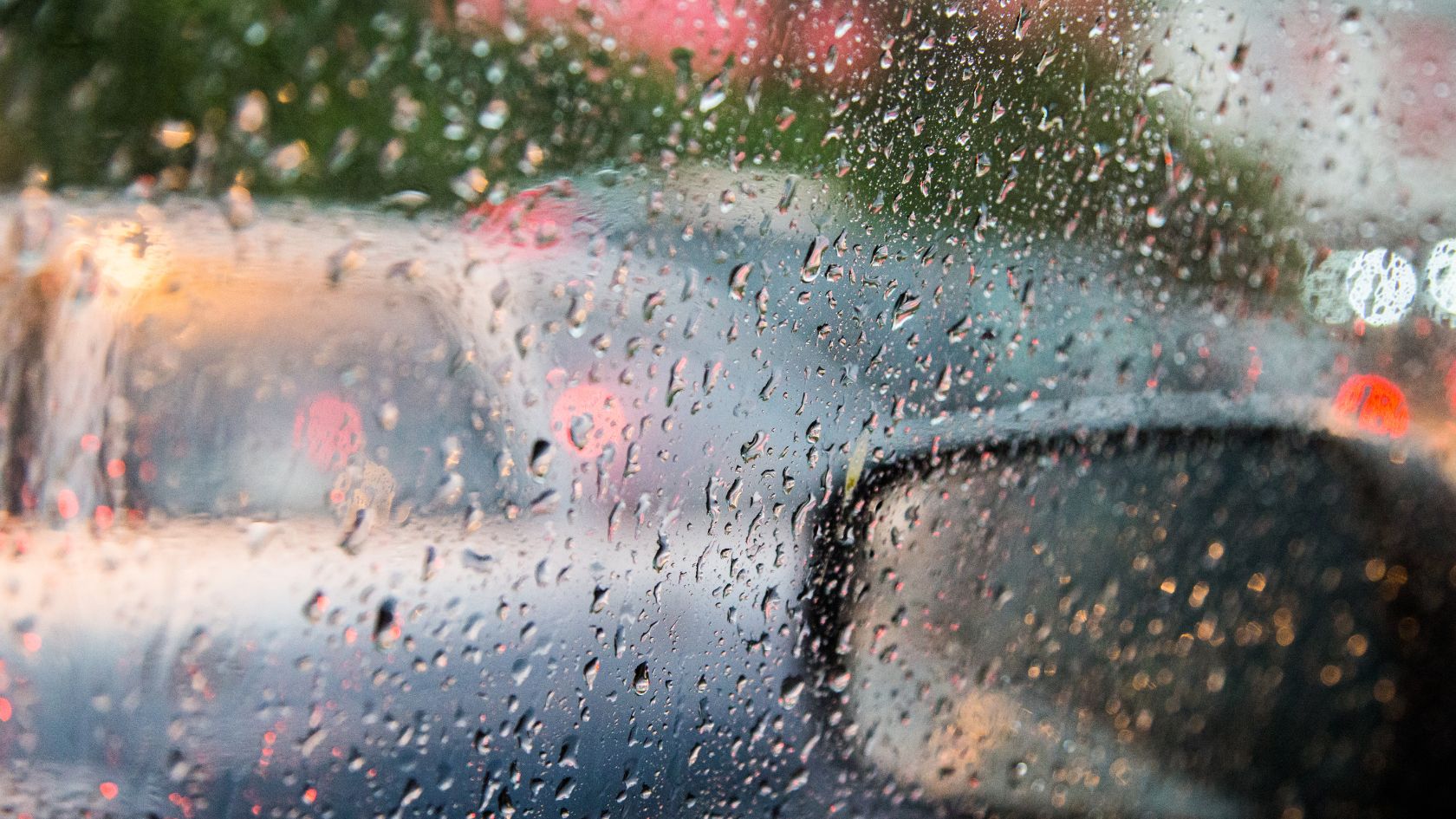
Many motorists defog their car windows using air conditioners or heaters. But here’s the real question: Is hot or cold air better for condensation in a car? Condensation is a natural occurrence in vehicles arising due to fluctuating temperatures or weather conditions. Driving with highly condensed car windows can be hazardous as it fogs up the windows obstructing a driver’s view. By delving into the intricacies of dew points and temperature differentials, we can unravel the mysteries of foggy car windows. In this article, we will explore the factors that contribute to condensation, the damage it can cause to your car, and most importantly, valuable tips to prevent it. Condensation in cars refers to the formation of moisture or water droplets on the interior surfaces of the vehicle. When the outside temperature is lower than the temperature inside the car, moisture in the air condenses on the glass surfaces, similar to how dew forms on grass in the morning. This natural phenomenon causes the water vapor in the air to change into liquid form leading to foggy windows, reduced visibility, and even potential damage to your car’s interior over time. Factors like rainy weather, wet clothing, and even breathing inside the car can elevate humidity levels and contribute to condensation. The effect of condensation in cars is not ordinary. It can hamper visibility and poses safety risks while driving, especially during colder months or in areas with high humidity. To combat condensation, it is important to understand the causes and implement practical solutions to ensure a safe and comfortable driving experience. Several factors contribute to condensation inside a car and some of them are listed below: Rainy Weather – Picture yourself driving through a torrential downpour. The humidity levels both inside and outside the car rise significantly. As rain pelts against the windows, the exterior glass surfaces become cooler. When the warm, humid air inside the car comes into contact with these cooler surfaces, condensation forms, clouding up your windows and hindering your view. Damp or Wet Clothing – You return to your car after a stroll in the rain, and your dripping wet clothing and umbrellas accompany you. As you settle inside, the moisture from these items seeps into the car’s interior, adding excess humidity. This moisture-laden air mixes with the air already inside the vehicle, leading to condensation on the windows. Breathing Inside a Car – In colder weather, your breath releases warm, moist air into the car’s cabin. This doesn’t mean you shouldn’t breathe but as the temperature inside the car drops, this warm air encounters the cooler glass surfaces, causing it to condense into tiny droplets, further exacerbating the issue. Change in Temperature Overnight or Early Morning – Imagine a chilly night or early morning when temperatures drop significantly. Dew forms on the exterior of the car, creating a thin layer of moisture on the glass surfaces. When the warmer air inside the vehicle meets these cooler surfaces, it results in condensation. Pollen Filter – A clogged or dirty pollen filter hampers proper airflow inside the car. Without adequate ventilation, humidity levels rise, providing the ideal conditions for condensation to take hold of the windows. The battle between hot and cold air in a car’s battle against condensation is not as straightforward as it seems. Depending on the weather and environment, you may have to strike a balance between hot and cold air to prevent condensation. While cold dry air is better than cold damp air in combating condensation, warm dry air remains the most effective choice. Secondly, keeping the air inside your car dry is crucial in preventing condensation. Avoid adding more fog by ensuring the air is already dry. Opt for hot dry air whenever possible. Warm air has a higher moisture-holding capacity and encourages evaporation, making it effective in absorbing moisture from damp windows. On cold, damp days, utilize your car’s air conditioner, even if it’s near freezing outside. The air conditioning system cools the air, causing excess moisture to condense out and ultimately providing you with dry air. Most cars with air conditioning will activate the system when you set the front window defrost. Take advantage of this feature to blow dry air over the window, effectively tackling condensation. To combat condensation issues in a car, it’s essential to strike a balance by using warm, dry air, strategic use of your car’s air conditioning, and defrost setting. Clear visibility while driving is essential for your safety and that of others on the road. However, foggy car windows can be a persistent nuisance, especially during inclement weather. Here are some of the practical tips to prevent condensation in a car: Utilize the Defrost Setting Your car’s defrost setting is a valuable ally in the battle against condensation. By activating it, warm air is directed toward the windows, swiftly clearing any moisture build-up. For instance, on a chilly morning, engaging the defrost setting can quickly eliminate foggy windows, ensuring a clear view before hitting the road. Leverage the Air Conditioning Running the air conditioning system serves more than just cooling the car. It actively reduces humidity levels within the vehicle, which in turn prevents condensation from forming on the windows. Imagine driving on a humid day, but with the air conditioning on, you can keep the windows clear and maintain a comfortable cabin environment. Crack Open Windows Sometimes, a simple solution can work wonders. Allowing a small gap in your windows promotes better air circulation and balances the temperature inside and outside the car. By doing so, you minimize the chances of fogging and create a more pleasant driving experience, even during weather changes. Keep the Interior Dry Keeping a dry interior is the key to thwarting condensation. Whenever wet surfaces or items like clothing or umbrellas find their way inside the car, promptly wipe them down or remove them. Related Read: How to clean your car interior without vacuum This proactive approach ensures minimal excess moisture, reducing the risk of foggy windows.
Is tinted glass good for cars?
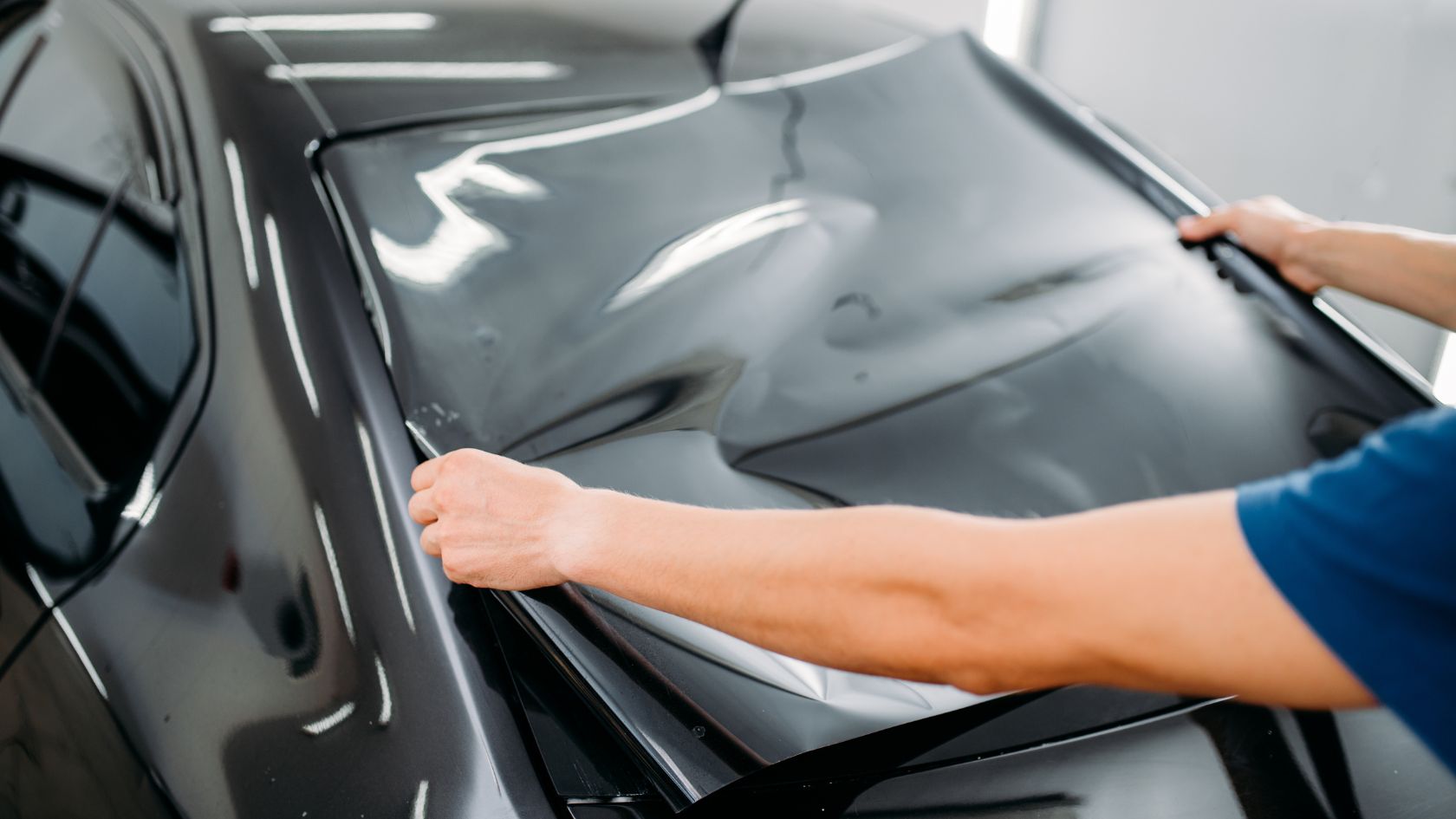
Welcome to the world of tinted car windows, where sleek aesthetics and enhanced comfort collide. If you’re wondering, “Is tinted glass good for your car” then, you’re in the right place. Have you ever thought about how tinted windows affect your driving visibility? Are you concerned about the potential compromise on privacy they might entail? And let’s not forget about the promise of heat reduction—how effective is it, especially during scorching summers? In this informative blog, we will explore the pros and cons of tinted car windows, dive deep into the intriguing world of automotive enhancement, and answer all the above questions. So, explore the mysteries behind tinted glass, its various benefits, and possible drawbacks by reading this post till the end! Car glass tinting is a popular automotive enhancement that involves applying a thin, colored film to the windows. This film, made of polyester and infused with dyes or metals, serves multiple purposes for a vehicle like reducing glare from sunlight and headlights, providing a safer driving experience, blocking harmful UV rays, increasing privacy, and mitigating heat build-up. Tinted glass can indeed be a valuable addition to your car, offering a range of benefits as covered above. But it’s essential to weigh the pros and cons before making a decision to tint your car windows. On the bright side, tinted windows can effectively reduce glare, making driving safer and more comfortable, while also blocking harmful UV rays, protecting your car’s interior from fading and deterioration. Additionally, tinted glass provides added privacy, preventing prying eyes from peeking into your vehicle. However, there are considerations to keep in mind; dark tints may impact visibility, especially during nighttime driving, and certain regions have legal restrictions on tinting darkness. To strike the perfect balance, consider opting for professional installation and adhering to local regulations to enjoy the perks without compromising safety or legality. Tinted car windows have become a popular choice for automotive enthusiasts seeking enhanced comfort, style, and protection. However, like any modification, they come with both advantages and disadvantages. Let’s delve into a comprehensive overview of the pros and cons of tinted car windows, examining their impact on visibility, privacy, and heat reduction. PROS Glare Reduction – Sunlight can be a frequent culprit behind accidents, especially when it hovers low on the horizon, impairing visibility to a great extent. To address this issue, tinted windows effectively minimize glare from sunlight and even headlights during the night. Though, in many countries, it is legally restricted to tint the front windshield completely the impact of applying the tint film only at the top of the windshield can prove to be remarkably beneficial. By shielding your face from direct sunlight, the chances of being temporarily blinded by its glare are substantially reduced. This simple yet effective solution offers a practical way to enhance driving safety and ensure a clearer view of the road ahead, helping drivers navigate challenging conditions with greater ease and confidence. UV Ray Protection – Driving in the sun exposes passengers to harmful ultraviolet (UV) rays which can lead to various health issues. When you and your passengers are induced by extreme sunlight it can cause severe skin-related problems. In fact, direct and prolonged contact with UV rays heightens the risk of cancer development on the skin. However, installing high-quality tinted windows can act as a shield, reducing UV exposure by up to 99% and subsequently lowering the likelihood of health issues. UV rays don’t just harm human skin; they can also wreak havoc on the car interior. Upholstery and dashboard materials, irrespective of the fabric, often suffer fading and discoloration with long-term exposure to UV rays. As a result, your car loses a significant amount of visual appeal as well as its resale value. Clear tint films provide protection against UV rays without altering the window’s appearance, benefiting the car interior without any color change. By investing in tinted windows, you can prioritize both interior comfort and long-term well-being while on the road. Privacy Enhancement – Are you afraid of prying eyes while sitting inside your vehicle? If yes, then tinted windows are the solution. Tinted windows offer added privacy by restricting the view from the outside, deterring prying eyes, and enhancing the sense of security for occupants and valuables inside the car. Tinted films conceal the view from the outside adding an extra layer of protection. It gives you peace of mind to leave your valuables inside your vehicle discreetly out of sight, minimizing the risk of theft and unwanted attention. Heat Dissipation – People driving in warmer climates know how the scorching heat transforms their cars into greenhouses. Because of the heat build-up, the environment inside a car cabin becomes unbearable and non-pleasant. The only way to make yourself comfortable is by turning on the A/C at full speed. Tinted car windows can mitigate heat build-up, making the interior cooler during scorching summers and also reducing the need for excessive air conditioning, which can lead to potential fuel savings. High-quality window films can significantly reduce the heat levels inside the car, resulting in a much more comfortable ride for everyone on board with a lesser amount of fuel. CONS Impact on Visibility – Overly dark tints can impede visibility, particularly in low-light conditions or at night. This is one of the reasons many countries have completely restricted window tinting and some have permitted a certain percentage of tint to be applied on windows. The impact on visibility due to dark tints potentially increases the risk of accidents if not properly balanced. Legal Restrictions – Different regions have varying regulations regarding tint darkness and reflective properties. Any violation or failure to comply with these laws can result in fines or forced removal which means remaining extra careful and cautious while using tinted films on your vehicle. Scratching and Peeling – Poorly installed or low-quality tint films can be susceptible to scratching and peeling over time. Generally, window tints can last up to 5 years or less depending on

Can a Cracked Windshield Break While Driving?
Have you ever noticed a crack on your car windshield suddenly? If yes, many questions will swirl in your mind – Can a cracked windshield break while driving? How did it get there in the first place? What are the common causes of windshield cracks? It’s crucial to understand the implications of a cracked windshield, as it poses potential risks to both your safety and the integrity of your vehicle. So, in this informative blog, we will delve into the intriguing realm of windshield cracks and unveil the truth behind this enigmatic occurrence. We will not only address the pressing concern of whether a cracked windshield can shatter while driving, but we’ll also explore the preventive measures to minimize the risk of windshield damage from cracks. So, remain engrossed till the end! A cracked windshield can develop more cracks and grow in size while driving, but it is very unlikely that it will break and shatter completely. However, the integrity of the windshield is compromised when it develops cracks. Such conditions make the windshield more susceptible to shattering upon heavy impact or abnormal driving conditions. Technically, car windshields are designed not to completely shatter in normal driving situations. Modern vehicles use laminated glass that meets stringent safety standards, reducing the risk of windshields shattering into pieces while driving. They are made of two layers of glass with a PVB layer sandwiched between them, which ensures the glass remains intact even when cracked. On the contrary, rear windshields are different from front windshields. When cracked, rear windshields immediately shatter into small pieces due to tempering. To summarize, driving with a cracked windshield can lead to the crack spreading and compromising the integrity of the windshield, but it is unlikely to result in the windshield completely breaking or shattering immediately except for exceptional cases under heavy impact. While windshields are designed with layers of laminated glass and a PVB interlayer to enhance durability, certain situations and circumstances could lead them to shatter or break while driving: Accident/Crash: Windshield cracks are bound to spread with vehicle movement. As a result, you lose a certain amount of visibility which could lead to minor crashes or accidents. The force of collision during an accident can exert immense pressure on the windshield, causing cracks to expand and possibly shatter. Even a minor fender bender can compromise the structural integrity of the glass leaving it in splits while you drive. Sudden movement or rollover: You can’t avoid bumping over the potholes or taking sharp turns suddenly while maneuvering the vehicle. In such scenarios, the windshield which is already subjected to substantial stress due to the spreading of cracks may succumb to the drastic movements and rollovers of a vehicle leading to complete shattering. Extreme Temperature Fluctuations: This refers to a situation of driving in scorching heat and your car cabin is freezing cold. This contrasting change in temperature can aggravate existing cracks into potential shattering. Another impact of severe weather is hailstorms. It can wreak havoc on windshields in good condition, so you can imagine the damage it can cause on a cracked windshield. Hit by On-Road Forces: Projectiles like pebbles, gravel, stones, rocks, or debris hurled by passing vehicles or kicked up by road traffic can impact the windshield with force. In normal conditions, this can cause chips and cracks on a faultless windshield however same forces can lead to significant damage to an already cracked windshield that can eventually lead to shattering during continued driving. While chances of a cracked windshield shattering or breaking completely while driving is rare understanding the various types of windshield cracks and their associated risks is essential for ensuring your safety on the road. Windshield cracks can vary in size, shape, and location, and each type poses unique hazards. Here are some common types of windshield cracks and the potential risks they can present while driving: Bullseye Crack: Resembling a circular shape with a dark spot in the center, a bullseye crack is usually caused by a high-velocity impact. While small bullseye cracks may not immediately obstruct your view, larger ones can compromise visibility and lead to distractions, increasing the risk of accidents. Half-Moon Crack: As the name suggests, this type of crack resembles a half-moon shape but is very much similar to a bullseye crack. Half-moon cracks often occur due to a direct hit from a small object like a pebble or stone. If left unaddressed, these cracks can spread and impair your vision, making it unsafe to drive. Star Crack: Characterized by multiple lines radiating from a central impact point, star cracks often result from objects striking the windshield with force. Depending on their size and location, star cracks have the potential to obstruct your view and affect the overall structural integrity of the glass. Combination Crack: Combination cracks are a mix of different types of cracks, combining characteristics of the bullseye, half-moon, or star cracks. The complexity of these cracks can make repairs more challenging, and they may worsen over time, posing significant risks while driving. After knowing the causes and types of windshield cracks if you still want to drive the vehicle then here are the risks you may have to face while driving: Visibility Impairment Do you think you would be able to drive with a cracked windshield as you drive normally? Of course not! Even when you have minor cracks on your windshield it will impair your visibility especially if the crack is in direct line of sight. The driving may become more disturbing in low light or rough weather. Normal sunlight could also become a distraction with its reflection causing blinding glares and increasing the risk of collisions because of cracks. Structural Integrity at Risk Your vehicle’s windshield is more than just a piece of glass; it’s a critical safety component that protects you from road hazards and helps maintain the structural integrity of your car. From a vehicle design perspective, a windshield is instrumental in providing a certain percentage (40% to
Does A Car Windshield Expire? Unveiling the Secrets Behind Windshield Longevity
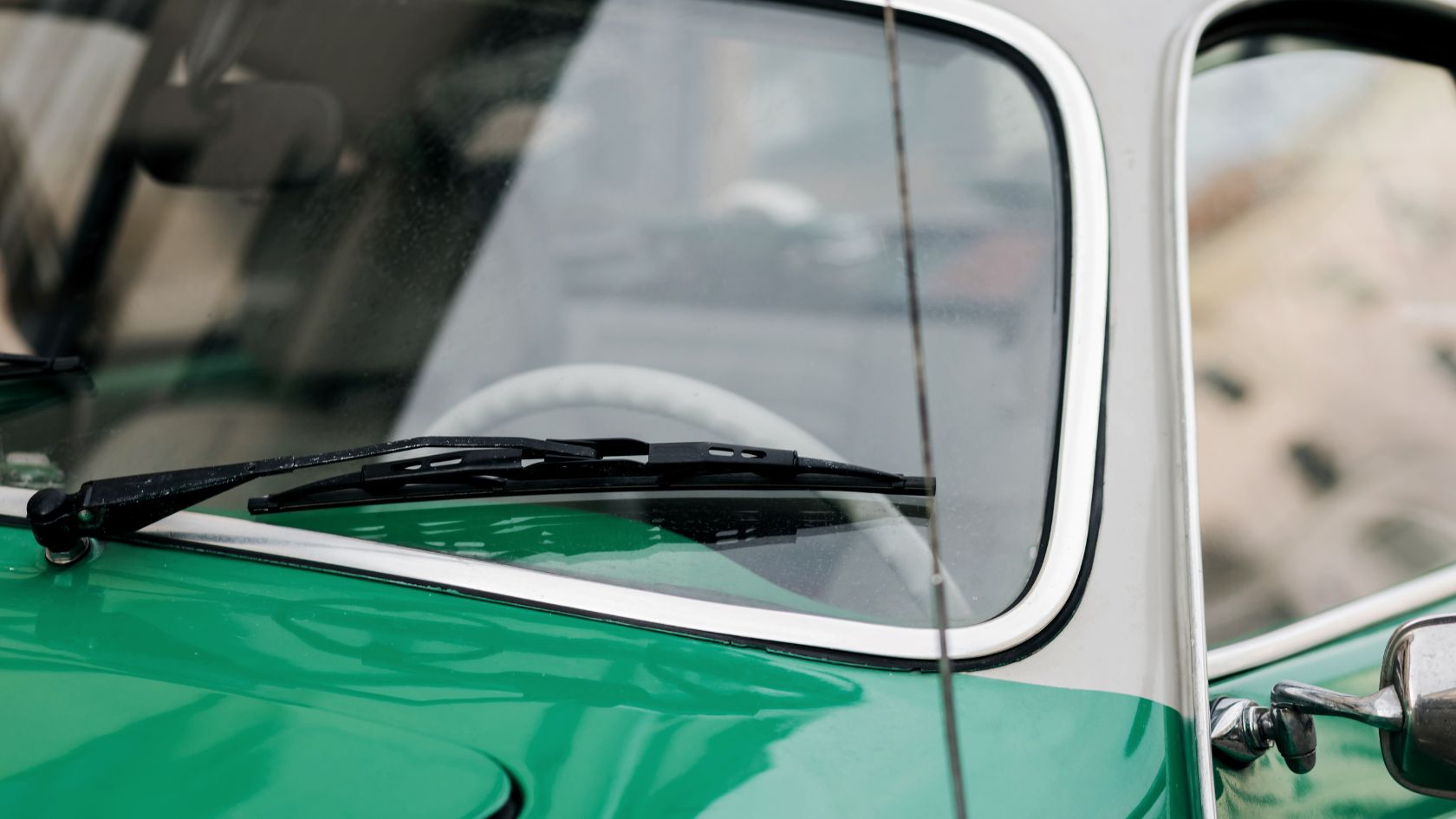
Your vehicle’s windshield, that trusty guardian against wind, debris, and the elements, silently performs its duty day in and day out. But have you ever wondered if it has an expiration date? Does a car windshield expire? If it does then what are the causes of windshield expiry, and how can you prevent it? Moreover, what are the tell-tale signs that indicate it is time to replace your car’s windshield? In this blog post, I will unveil the secrets of car windshield expiry and longevity. You will learn about the causes, preventive measures and replacement signs on car windshields so do not distract yourself till the end of this post. To be honest, a car windshield is not immortal; it does have a lifespan. While a windshield doesn’t technically expire, it requires care and attention to ensure it serves you well for years to come. There are some factors that can contribute to its deterioration and eventual replacement. Extreme temperatures, improper cleaning, and usage, damage due to exposure to external elements, defective wiper blades, and the age factor are some of the common ones. Taking preventive measures, such as regular maintenance, parking in a protective place, and timely inspection and repair of cracks and damages can prolong the windshield’s lifespan. To understand the truth, you must familiarize yourself with the causes that can lead to windshield expiry. This will help you adopt preventive measures as well as learn the signs of windshield replacement. Car windshields can deteriorate over time due to the following causes: Extreme temperatures –Weather plays a significant role in weakening windshields. Prolonged exposure to scorching heat or freezing cold can lead to cracks and chips. Not just outside but fluctuating temperatures inside a car can also cause the glass to expand unevenly leading to cracks. Cracks and Chips –Speaking of cracks or chips, they are not limited to weather only. Different types of cracks can develop on the windshield due to external forces such as flying debris, pebbles, accidental crash, etc. Depending on the nature of the crack (big or small) it can weaken and compromise the overall integrity and withstanding capabilities of a windshield. Improper usage -Slamming doors forcefully can exert undue stress on the glass, compromising its structural integrity. Just the way the slamming of doors impacts window glasses it equally disturbs the solidarity and durability of car windshields. Open parking – Leaving your car in uncovered areas exposes the windshield to potential hazards like flying debris and falling branches. External forces, such as rocks kicked up by other vehicles, can cause immediate damage. Similarly, bird droppings often lead to wiping of the windshield which reduces the shine and visibility. Worn-out wiper blades – Defective wiper blades can scratch the surface of the windshield, impairing visibility and exacerbating existing flaws. The worn-out rubber surface of wipers particularly on a dry or dirty windshield, can lead to premature wear and tear. Deteriorated Weather Seal – The weather seal or weather stripping, typically made of rubber, provides a protective barrier between the windshield and the vehicle’s frame. If the seal is worn, cracked, or damaged, it can allow water, debris, and even air leakage inside the cabin. Water leakage or signs of moisture between the windshield and the interior trim can indicate a compromised seal. This can lead to further damage, including rust and mold growth. Distorted Vision –A distorted vision is often mistaken for poor visibility or eyesight problems of a driver however distortion can also result from manufacturing defects or improper installation of a windshield. Significant distortion or waves can distort your view of the road, making it challenging to judge distances accurately. This doesn’t mean your windshield is nearing expiry but it certainly needs a re-installation or replacement. Avoid Rough Handling – Handle your car’s windshield with care, avoiding any unnecessary impact or forceful slamming of doors. If you want to prolong the performance of your car windshields, gently handle the doors regardless of your mood and mental state. Maintain Safe Distances – Keep a safe distance from other vehicles, especially during highway driving. Ensure you see the rear tires of a vehicle in front of you for safe distancing. This reduces the risk of rocks or debris kicked up by other cars hitting your windshield. Park in Sheltered Areas – Whenever possible, park your vehicle in covered or enclosed areas to protect the windshield from direct exposure to extreme temperatures, falling branches, or flying debris. More often than not, your vehicle is vulnerable to damage from your own surroundings so, build a parking shade if your regular parking area is coverless. Use Windshield Sunshades – Shield your car’s windshield from intense sunlight by using windshield sunshades. These sunshades help minimize heat build-up and reduce the risk of thermal stress, which can lead to cracks. Replace Wiper Blades Regularly – Maintain properly functioning wiper blades and replace them when they show signs of wear or damage. Using defective wiper blades for a prolonged period can cause scratches on the windshield leading to potential damage and poor visibility. Clean Windshield Properly – Regularly clean your windshield using appropriate cleaning agents and a soft microfiber cloth. Related Read: Is glass cleaner safe on car paint? Avoid abrasive materials that can scratch the glass surface. Opt for gentle, automotive-approved cleaners that are safe for the glass. Inspect for Cracks and Chips – Routinely inspect your windshield for any signs of cracks or chips. If you notice any minor damage, seek professional repair services promptly. Early detection allows for timely repairs, and timely repairs can prevent the damage from spreading and potentially save you from costly replacements. Ensure Proper Weather Seal–Ensure to check the weather seal around your windshield regularly. If you notice any deterioration, have it replaced to maintain a secure seal and prevent water leakage or air infiltration. On average, windshield wipers last between six months to one year, depending on usage and weather conditions. Factors such as exposure to extreme temperatures, UV rays, and
5 Essential Safety Tips When Using a Car Vacuum Cleaner
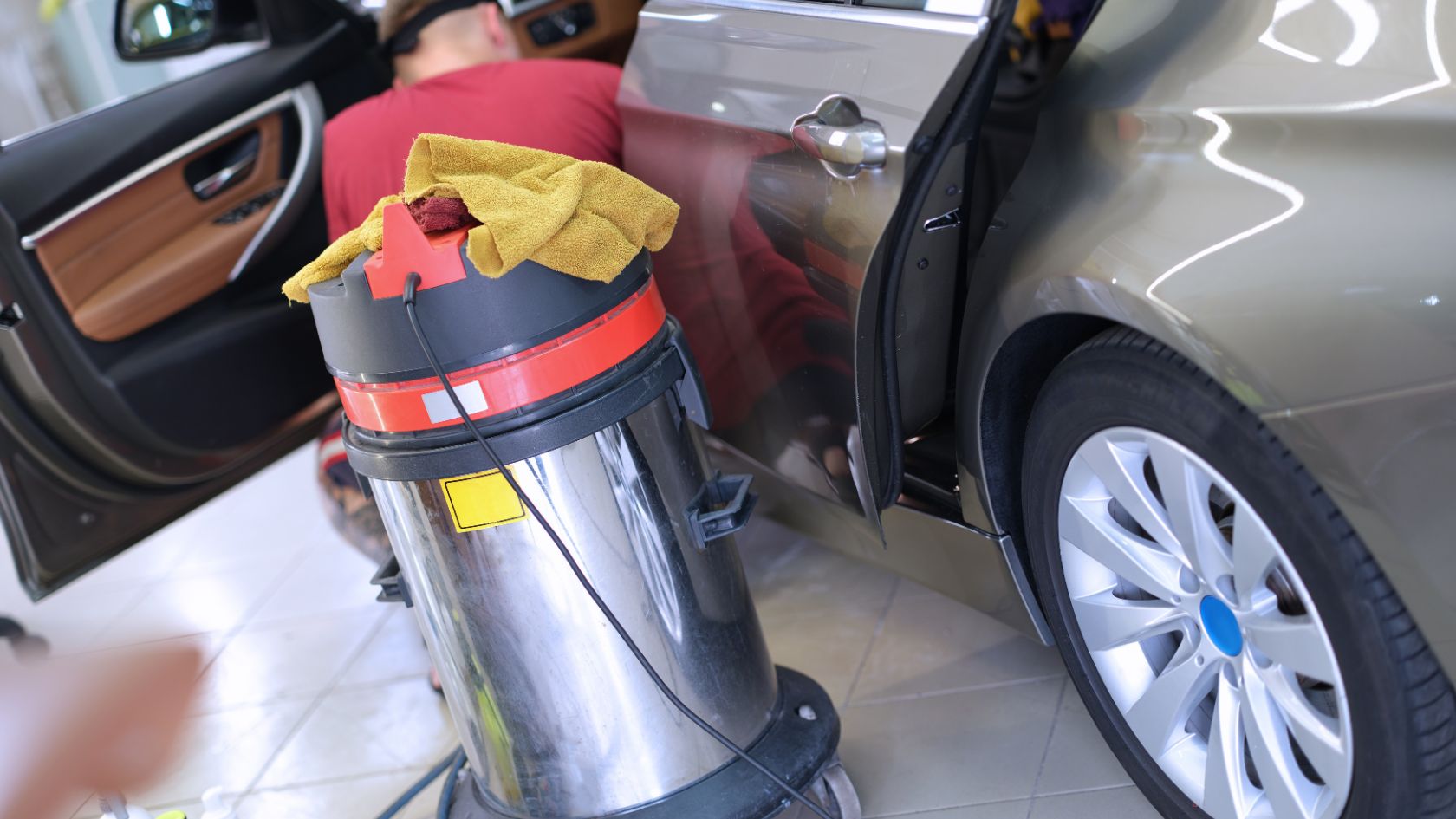
A vacuum cleaner is handy for maintaining clean and tidy car interiors. While anybody can use this equipment for cleaning, it’s crucial to prioritize safety while operating to avoid potential hazards. Whether you’re a seasoned car owner or a newbie in the world of automotive cleaning, understanding the essential safety tips when using a car vacuum cleaner is paramount. So, what are the potential risks involved? How can you ensure your well-being during the vacuuming process? In this informative guide, you will find the answers to the above questions in 5 crucial safety guidelines that will help you operate your car vacuum cleaner with confidence and peace of mind. So, let’s dive in and discover how to maintain a clean car interior while keeping yourself safe along the way. First of all, getting familiarized with your vacuum machine is very important. One of the ways to do this is by taking the time to read and understand the instruction manual. The manual is your gateway to unlocking the full potential of your cleaning tool. It provides valuable information about the specific features, functionalities, and more importantly, safety guidelines related to your vacuum cleaner. Familiarizing yourself with the manual will help you learn about the proper usage, maintenance tips, and any limitations of the device. It also ensures keeping yourself and your car safe while performing the vacuum process. So, before you embark on your cleaning journey, take a moment to dive into the manual and equip yourself with the knowledge to make the most out of your car vacuum cleaner. Setting up a Safe Vacuuming Area Before you actually start vacuuming your car, one of the essential requirements is to prepare the environment to ensure a safe and efficient cleaning process. Choose an area under the tree or a shade to avoid direct sunlight while vacuuming a car. Extreme weather can heat up the vacuum motor quickly which could be dangerous. Additionally, ensure proper lighting in the area to enhance visibility and prevent any accidental mishaps. It’s crucial to identify and address any potential hazards before vacuuming. Inspect the area beforehand to ensure a safe and accident-free cleaning experience. To begin with, remove any loose and large objects from the car interior that may obstruct the vacuuming process or get accidentally sucked into the cleaner. Pay attention to items like water bottles, toys, or small accessories that could harm the vacuum motor while cleaning. Keep an eye out for common hazards such as sharp objects like broken glass or metal debris that could slit the vacuum cleaner cord or damage the internal components. Similarly, remove any combustible materials that possess the potential to ignite upon coming into contact with electricity. Such items could lead to a fire while vacuuming. Finally, take note of any exposed electrical outlets that may pose a risk of electrical shock. Make sure the wirings are tight and secure to eliminate tripping instances or electrical damage to the vacuum cleaner. Adopting the techniques for Safe Vacuuming Safe vacuuming is not just about the surrounding but also about how you act while cleaning. Here are some of the necessary techniques you must follow for effective and risk-free vacuuming: Posture: If you are expecting a prolonged vacuuming session it is important to keep your physical posture in the appropriate direction. While using the vacuum try to stand or sit in a comfortable position with a straight back. This will prevent excessive strain on your body avoiding cramps, muscle pain, or any other health risk. Hand Placement: Hold the vacuum cleaner firmly with both hands. This may depend on the type and model of vacuum cleaner you are using but proper hand placement is important. Maintaining a secure grip on the handle ensures control and stability while maneuvering and also allows you to perform vacuuming smoothly. Motion: Another crucial aspect of performing vacuuming safely is motion. Instead of breaking usage in small motions, move the vacuum cleaner in slow, overlapping strokes to cover the entire surface evenly. Avoid rapid or jerky movements that may cause damage to the vacuum cleaner or result in an incomplete cleaning. Prioritizing Safety with Protective Gear Wearing protective gear is like protecting yourself in advance from expected risks and difficulties. When using a car vacuum cleaner, consider wearing the following essential items: Hand Gloves: Protect your hands from potential hazards, such as sharp objects or chemicals, by wearing sturdy gloves. They provide an extra layer of defense against cuts, abrasions, and dirt. Gloves may also come in handy to keep your hand free from dirt, debris, and other waste especially if you are vacuuming wet garbage. Safety Glasses: Shield your eyes from debris, dust, and small particles that may be stirred up during vacuuming. Safety glasses provide crucial eye protection, reducing the risk of injury. Face Masks: In situations where you may encounter excessive dust, allergens, or mold, wearing a mask can safeguard your respiratory system. A well-fitted mask helps filter out airborne particles and ensures cleaner air intake. Ear Protectors: Some vacuum models make irritating noise while being used. If you have hearing problems or cannot bear the irritating motor or cleaning noise of a vacuum, then prefer wearing ear protectors. Appropriate Footwear: You must wear protective footwear such as slippers to avoid stepping on the vacuum cords or the device itself. Chances of tripping and tangling with the wires and connections cannot be avoided so wearing appropriate footwear will protect you from electrical shocks and injuries. Ensuring Longevity and Safety with Proper Maintenance Apart from prerequisites and usage, proper maintenance of a vacuum cleaner also ensures safety for its next use as well as enhances its durability. Follow the guidelines below to achieve optimal performance and longevity of a car vacuum: Cleaning – After each use, remove any debris or clogs from the vacuum cleaner nozzle or attachments. Ensure to empty the canister bag or replace it as necessary. Check and clean the filters regularly to maintain optimal suction power. Neglecting