
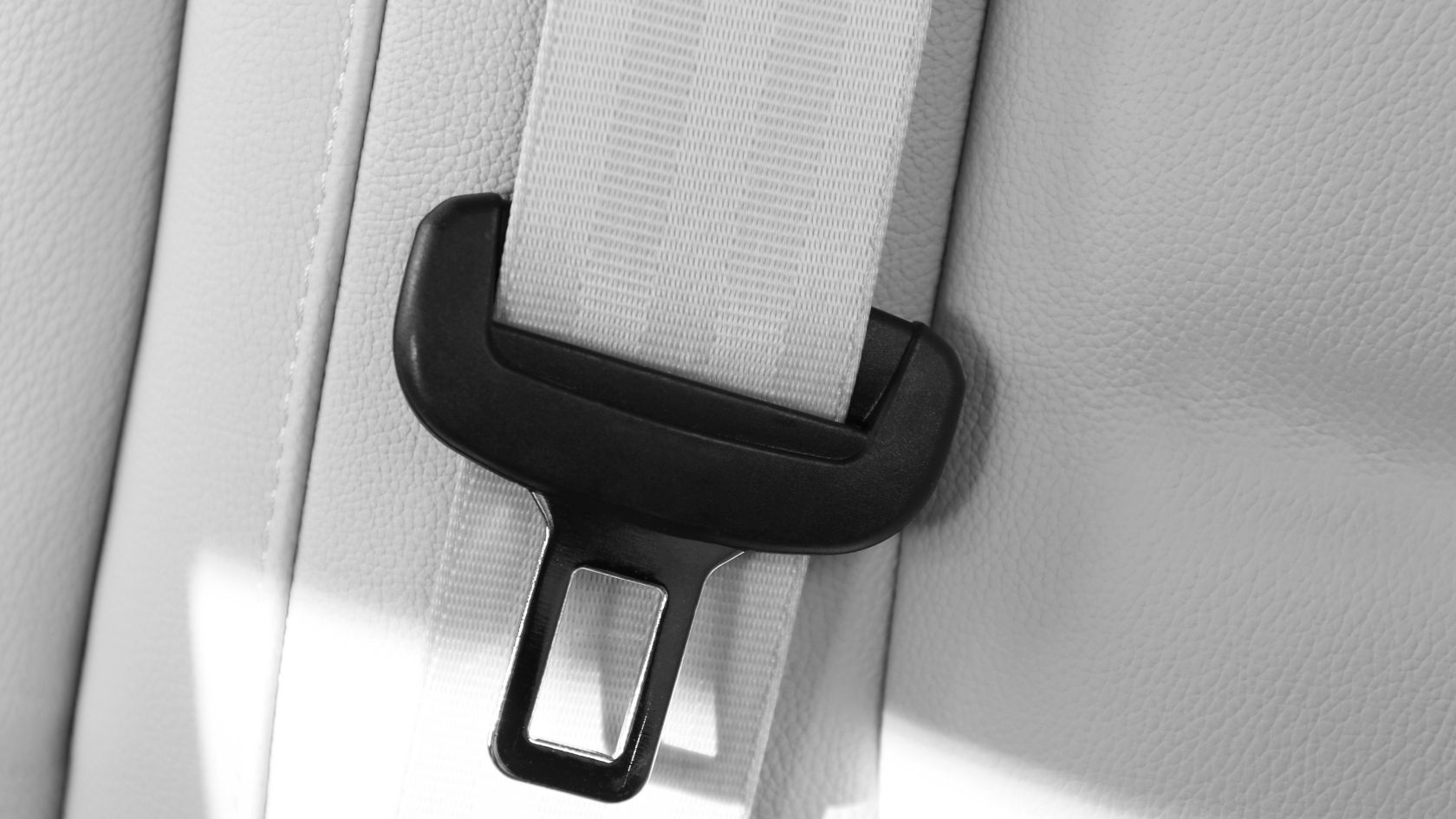
Seat belts are one of the most effective safety features in a car. The design of this crucial component consists of various safety features and one of them is often noticed as a button. So, what is the button on a car seat belt for? Is it related to the functionality of seat belts or just for the sake of attraction? What are the benefits of having a button on car seat belts? In this article, you will find answers to the above questions and more importantly the significance of the car seat belt button. The seat belt button on a car seat belt is actually a seat belt buckle stopper. Such buttons restrict the movement of seat belt buckles from falling or sliding down too low. With this button, the buckle or latchplate remains positioned at the same location on a seat belt avoiding inconvenience for passengers to search and retrieve the buckle repeatedly. The absence of this button doesn’t have any significant impact while traveling but having it does provide comfort and facilitate easier reach to wearing seat belts. The main purpose of a car seat belt button is to stop the movement of the buckle from falling/sliding downwards when the seat belt is not in use. Without the seat belt button, the driver and passengers will have to find the buckle and slide it up to a position where they can pull the seat belt and lock it. This could be time-consuming and demand some effort every time you enter the car. Secondly, with the seat belt buckle sliding down it becomes difficult to pull the seat belt which often gets stuck and needs re-adjustment for proper usage. On the flip side, a loosely sliding buckle could come in contact with other components and materials of car seats which could be risky and damaging. Some of the crucial benefits of a seat belt button/stopper are they are easy to install, very cost-effective and cheap, can be reused on multiple seat belts/vehicles, and more importantly remain a very practical component for a long-lasting seat belt buckle. When you find your seat belt button/stopper broken or damaged purchase a separate unit from a relevant online platform or an automobile store. Once you have found the one that suits your vehicle requirement, follow the below steps to install it: Here is a quick video showing how to install a seat belt stopper using another method to make a hole: The seat belt button or a stopper is a small yet effective device that offers convenience, comfort, and improved safety by preventing the seat belt buckle from falling down to the floor. These round buttons with pins are inserted into the seat belt with ease and remain helpful in enhancing the convenience of holding the seat belt buckle to its place. With the presence of such a button, car occupants no longer have to search or struggle to reach the buckle for fastening the seat belt. The button is very useful in saving time and effort when wearing a seat belt so ensure that your seat belts remain equipped with such a device.
Why are car seat belts designed to stretch in a collision?
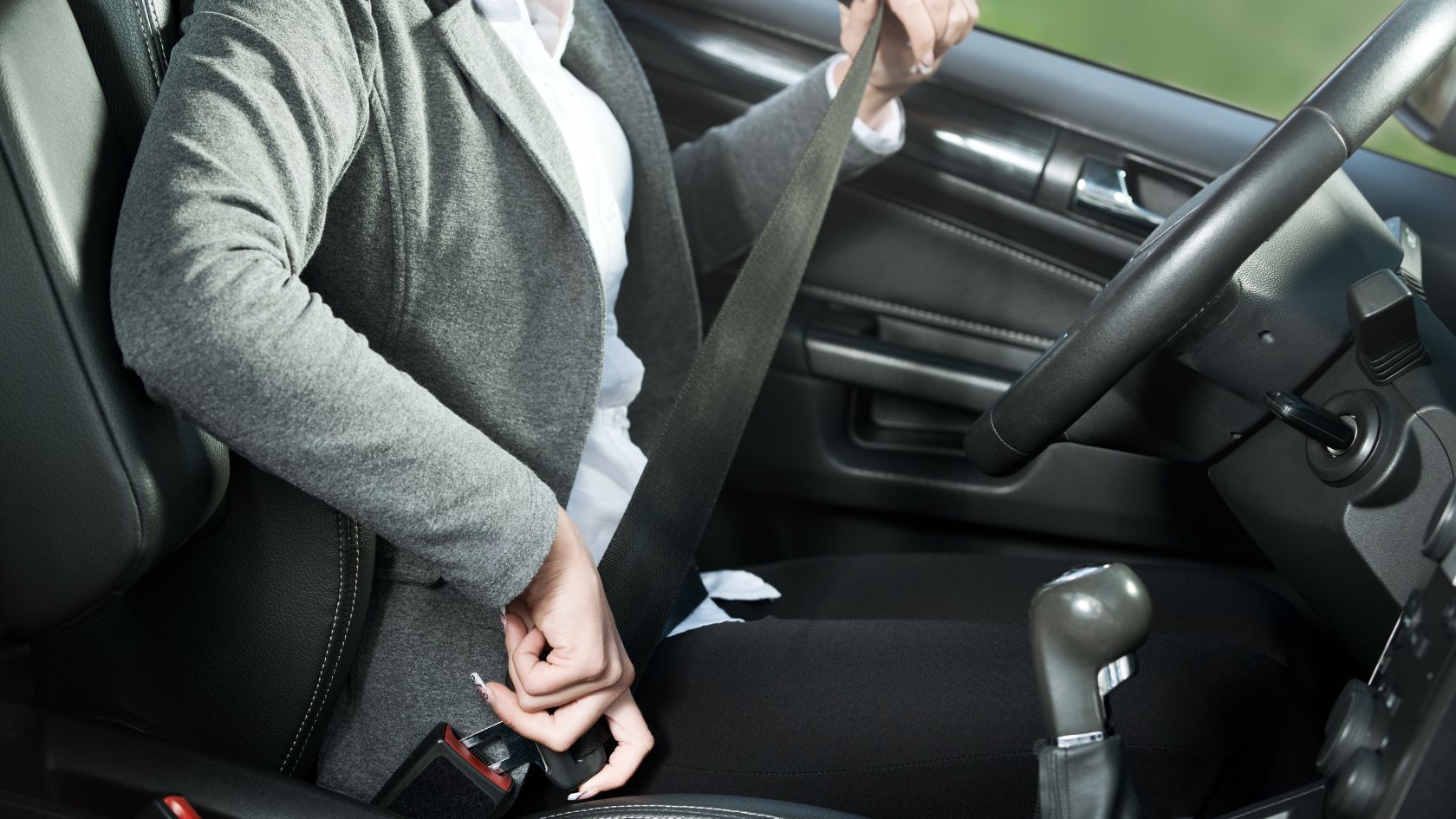
Car seat belts are a vital safety feature in vehicles and it is a proven fact that their stretchable design is helpful in saving lots of lives on the road. But, why are car seat belts designed to stretch in a collision and not while driving? In this post, we will explore the reasons for car seat belts’ stretchability and understand their significant role in mitigating injuries and safeguarding passengers. Car seat belts are designed to stretch in a collision mainly to decelerate the passenger’s movement. The stretching characteristic of a seat belt is helpful in reducing the forceful impact on the body preventing risks and injuries. The stretchable design of seat belts also prevents collision with the interior parts of a vehicle, balances the load distribution of a body, restrains individuals according to their physicality, and improves comfort while driving. The stretching design of car seat belts strikes a delicate balance between occupant safety, comfort, and effective restraint in collision scenarios. Related Read: Why do seat belts get stuck? Here are the 5 main reasons why car seat belts are designed with stretchable components: Reduces the risk of injury and death In an event of a collision, the impactful force of sudden vehicle deceleration can push the driver and passengers forward. This rapid movement and fall pose dangerous risks of injuries and even death in some cases. The stretchable design of car seat belts can slow down the deceleration of the vehicle allowing the occupants to gradually come to a stop rather than abruptly stopping. When the car decelerates suddenly, the seat belt stretches, which increases the amount of time it takes for the occupant to come to a complete stop. This reduces the amount of force the occupant experiences and helps prevent and reduce the risk of injuries and death. Prevent collision with the interior parts When the seat belt stretches with accumulated speed and balanced movement it helps prevent collision with the interior parts of a vehicle. Because of the stretchable design, seat belts consume the force of a collision and distribute it more evenly across the wearer’s body. Seat belt webbing, and locking mechanisms also play a crucial role in restraining the occupants from colliding with the vehicle’s interior components. Energy absorption and load distribution When a vehicle collides, there is a rapid deceleration subjecting its occupants to a high level of force. Because of the stretching capability, seat belts absorb and dissipate some of the forcing energy by elongating and decelerating the passenger’s movement gradually. The energy absorption element is one of the main reasons to reduce the amount of force applied to any one area of the body. Instead of concentrating all the force on a specific point of contact, such as the chest or shoulders, the stretching action spreads the load over a wider surface area thus minimizing injuries and reducing the likelihood of fractures or internal damage. Controlled restraint movement Deceleration forces may show different effects on different individuals. The shape and size matter when it comes to tolerating the collision impact and this is why the stretching feature of seat belts comes in handy. The seat belt’s ability to stretch slightly ensures that the restraint force is applied gradually and in a controlled manner accommodating various sizes and body types. The optimal level of restraint is very effective in reducing the impacts of deceleration forces and prevents major injuries. Improves comfort and driving experience The controlled restraint movement is also helpful in improved comfort and a better driving experience. The stretchable elasticity in seat belts allows body movements naturally, making driving more comfortable for drivers and passengers. Not only protection but occupants can easily adjust their seating positions or reach for objects within the vehicle effortlessly. Such features and comfort encourage regular seat belt usage, as people are more likely to buckle up if they find it pleasant and non-restrictive. There is no doubt that seat belts are designed to stretch and provide the above 5 main advantages. However, the stretchable facility offers many more benefits and as per the experts, the elongation capabilities with some limitations prevented many motorists from being ejected from the vehicle during collisions or accidents. This has really saved many lives and prevented vehicle owners from major physical injuries and damage. The maximum force a car seat belt can hold varies depending on the make and model of the car. The specific force a seat can hold also depends on the standards and requirements of regulatory bodies in different regions. However, most seat belts are regulated to meet safety standards that require them to withstand a force of 3000-5000 pounds. Click here to know detailed physics behind the seat belt’s stretchable design and the force it can hold. The stretchable design of a car seat belt is purposely crafted for several important reasons that prioritize vehicle occupant safety. The most important factor is reducing the impact of sudden deceleration of a vehicle during the collision. It not only protects the person wearing a seat belt but also the surroundings and internal objects of a vehicle cabin from getting damaged. Additionally, the stretching design enhances comfort during normal driving conditions, as well as applies necessary and effective pressure to mitigate injuries. Overall, the stretchable design is a very valuable and encouraging feature and every vehicle owner should wear seat belts not only as part of a regulatory requirement but for their own safety.
What makes car batteries explode? 9 Causes and preventions
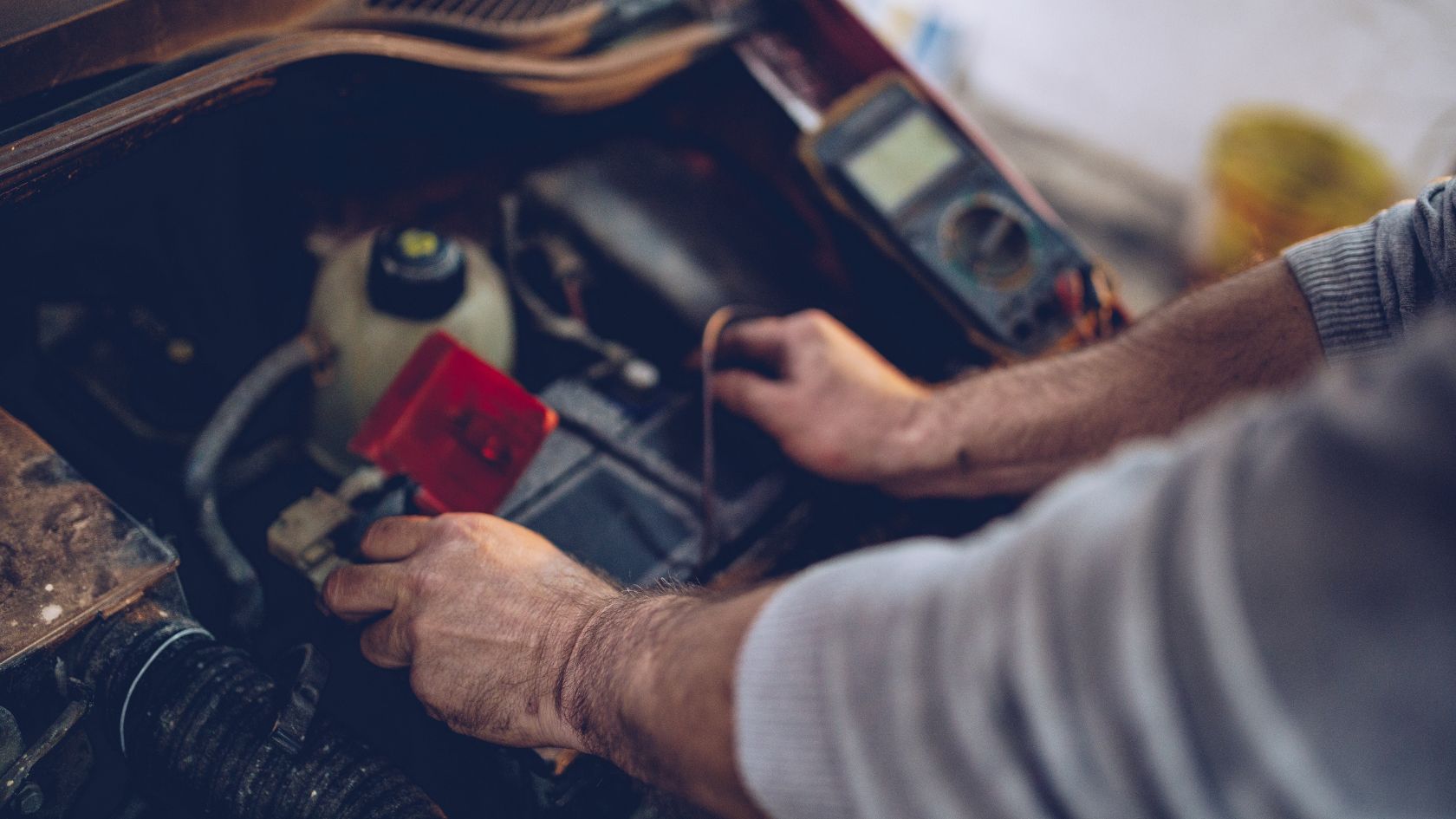
Have you been at the receiving end of a car battery explosion? Do you want to know what makes car batteries explode? If yes, then this is the post to read! In this post, I will tell you the causes of car battery explosions and the precautions one must practice to avoid long-term damage to the battery and vehicle. A car battery can explode for various reasons and factors prone to human errors and technical faults in the vehicle’s electrical system. Overcharging and extreme temperatures are the main contributors to car battery explosions. Some of the other causes include but not limited to are short circuits, loose or dirty battery terminals, clogged vent holes or plugs, bad regulators, physical damages, car crashes, etc. The causes are too many but to prevent a car battery from exploding it takes simple monitoring and maintenance steps which we will cover below. Automobile batteries are a combination of water and sulfuric acid which is technically called an electrolyte. This electrolysis process generates hydrogen gases inside car batteries. When the battery reaches a stage of overcharging the electrolysis process can cause water to break down its elements i.e. hydrogen and oxygen leading to an increased amount of hydrogen gases. A car battery is surrounded by various igniting sources and elements that can raise sparks which may turn into flames when they come in contact with hydrogen gases. In addition to the hydrogen gas, overcharging can also cause the lead plates of a battery to warp, buckle, or melt thereby damaging its overall structure. If the battery is left charging for too long at a higher speed, the chances of flames can cause sudden explosions that could be violent and harmful. The reason behind overcharging can be a human error. Since the process of charging takes long people tend to leave their vehicles on charge for the full night or just forget to disconnect the charger. Overcharging is often blamed on chargers as well. Incorrect voltage levels and amperage ratings of a charger can lead to wrong anticipations resulting in excessive charging. Moreover, the charger itself could be the main culprit for overcharging due to its faulty elements and poor charging functionalities. On the other hand, the wrong connection of the jumper cable could also cause short circuits leading to battery explosion. It is important to invest in good-quality chargers/jumper cables, plan the charging schedule, monitor the proceedings, and more importantly follow the manufacturer’s instructions for charging a car battery to avoid the risk of overcharging and explosions. Weather conditions cannot be avoided in car battery explosions. As a matter of fact, extreme heat and freezing cold temperatures have been at the forefront of damaging car batteries. Coming back to the electrolysis process, when the climate is extremely cold the mixture of sulfuric acid and water freezes. The thickening of these fluids makes it harder for the battery to produce electricity. Freezing is quite common in older batteries especially if they have crossed their age limit. Secondly, extremely cold temperatures cause the chemical reactions of a car battery to slow down making it lose charge quickly. The hardening of fluids and the impact of chemical reactions could damage the internal components of a car battery. In such a situation it would be difficult for a car to start and if someone attempts to start it there could be visible sparks due to hydrogen gases released by the battery. These sparks or flames could ignite an explosion if it comes in contact with another flammable component like cigarette smoke. Eventually, if the frozen battery is connected to a charger it can potentially explode due to the level of hydrogen buildup inside the battery casing. To avoid the impacts of cold temperatures it is important to keep a car battery fully charged. Make the effort to park your car in a garage or a sheltered area so that it remains protected from the cold weather. Leave the car engine running for a while before you begin your journey. Moreover, keep charging equipment’s such as a battery charger/jumper cable in your car to handle dead battery situations. Extreme heat is another instance of car battery failure or explosion. When car batteries are exposed to high temperatures the chemical reaction can accelerate causing the electrolyte fluids to evaporate faster. The evaporation process leads to corrosion instrumental in damaging or cracking the battery casing and components. Hot weather can also lead to overheating of battery components. The temperature itself is a major cause of concern that builds up internal pressure inside the battery. This can again rupture the casing and other elements of a battery causing fire and explosion. It is therefore important to cover your vehicle as much as possible by parking it under the shade in hot weather. Essentially, ensure regular inspection and timely maintenance of the car battery to ensure its holding potential of charging and enhanced lifespan. Dirty posts and cables are a result of improper maintenance. Batteries are bound to catch corrosion and rust on the terminals and surrounding cables if no maintenance is performed for a long time or simply because the battery has gone too old. The dirt and corrosion are responsible factors for improper connection with the electrical flow which eventually leads to arcing. A similar situation can occur if battery terminals are loosened or arced causing increased levels of hydrogen gases. Both scenarios carry the risk of sparks and explosions if hydrogen gas is exposed to flammable substances. Moreover, when batteries with dirty posts are charged it can cause severe damage to the internal components due to available hydrogen gases impacting its performance. As a precautionary measure, always monitor the condition of battery posts and cables. Ensure to perform regular cleaning and substantiate the ventilation of hydrogen gases to avoid an explosion. Clogging or blockage in vent holes and plugs raises ventilation issues that can lead to car battery explosion. If the battery vents or plugs are clogged due to dirt,

Why is car wash soap in different colors?
Have you ever wondered why is car wash soap in different colors? Is it to make your car colorful or to make the car wash foamy? The answer lies in the marketing strategies, product differentiation, and visual appeal of these car wash soaps. In this blog, you will learn about the different colors of car wash soap, their features, and how these colorful soaps help you clean your car. You will also find answers to some common questions related to car wash soaps so remain engaged till the end! Car wash soaps come in different colors mainly to differentiate between different types of soap and their intended use. For example, some car wash soaps are designed for use on wheels or tires and are often colored red or black to indicate their intended use. Similarly, some soap may be formulated for use on the body of the car and maybe colored blue or green. The color of the soap can also help to identify its strength or concentration, with stronger formulations often being darker in color. The tri-foam is one such formulation. Such soaps are multi-colored with purple, orange, red, etc. a mixture of conditioners and polishes. Car soap manufacturers use vibrant hues to catch your eye and create a memorable impression with their soap colors. This is more of a marketing strategy to catch their buyer’s attention. Overall, the color coding of car wash soaps is used to help users select the right product for their specific cleaning needs as well as intrigue the attention while buying. In the world of car care, a wide range of car wash soaps and their color exists. Let’s explore some of the common types and their associated colors: Pre-wash soaps: To make your car’s surface conducive for comprehensive cleaning pre-wash soaps are used. These soaps are often referred to as surface preparation soap or pre-soaking soap. They are designed to loosen the deep contaminants, existing wax, and stubborn dirt or grime from your vehicle’s surface. The soaps are infused with red, green, or purple colors which also indicate their pH level and strength. Wax-Infused Soap: Ideal for adding an extra layer of protection and shine, wax-infused soaps are often tinted light yellow or gold. This color evokes the association with the lustrous glow that wax provides to the vehicle’s exterior. Wheel/tire cleaning soaps: Tire cleaners are specialized soaps crafted to tackle the stubborn soot that accumulates on brake pads, worn rubber, and other tire components. To combat this formidable dirt, tire cleaners employ robust formulas tailored to their specific needs. Red, orange, or yellow colors are most commonly used in wheel-cleaning soaps. Triple foam: Triple foam or tri-foam is a chemical concoction of conditioners and polishes. The formula is helpful in preserving the protective coating and add-up a thin layer of wax to improve shine. The triple foam soaps are largely colored in purple, red, or orange. Some of the other common car wash soaps are specifically designed to confront stubborn grease, oil, road grime, bugs, tars, tree saps, and many other car surface impurities. It’s important to note that while these color associations are common, variations can occur among different brands. Always refer to product labels and descriptions for precise information regarding soap type, purpose, and usage instructions. Practically, colors don’t play any significant role in the car washing process. However, vibrant colors catch attention and can make a lasting impression on consumers. They also aid in product differentiation, helping customers identify specific soap formulations for different cleaning needs. Some savvy brands tag their products with distinctive colors to add a touch of excitement and make the washing process a little more fun and visually appealing. Car wash soaps stand out due to their unique formulations and specific properties that differentiate them from regular household detergents. These specialized soaps are designed to effectively remove dirt, grime, and contaminants from vehicle surfaces without causing damage. They often contain high-quality surfactants, lubricants, and emulsifiers that help break down and suspend dirt particles for easy removal. Additionally, car wash soaps are pH-balanced to ensure compatibility with automotive paint finishes and protective coatings. Their superior foaming action helps create a thick lather, maximizing cleaning efficiency. The best color for a car wash is subjective and largely a matter of personal preference. Some car owners prefer vibrant and eye-catching colors like blue or red to add a touch of excitement to their car washing routine. Others may opt for more neutral or transparent options for a clean and minimalistic look. Ultimately, the color of the car wash doesn’t affect its cleaning performance or effectiveness. Focus on choosing a soap that suits your car’s needs rather than the color of the product. Yes, you can wash your car without soap. In fact, many motorists wash their vehicles with just water to save time and energy. However, if you want to achieve optimal cleaning and protection then washing your car without soap is not recommended. Related Read: Is hair shampoo safe for car wash? Car wash soap is specifically formulated and designed to safely remove all sorts of wastage from your vehicle’s surface without causing damage to the paint and protective coatings. To ensure a thorough and safe wash, it is best to use a high-quality car wash soap rather than relying on water or any other substances. Yes and no. Washing your car daily can help you maintain the cleanliness of your vehicle and prevents the buildup of contaminants that can damage the paint in the long run. However, excessive washing can also potentially strip away the protective wax layer and lead to premature paint wear. It is important to strike a balance. A sensible approach would be to wash your car regularly but not excessively, aiming for a schedule that aligns with your specific needs and circumstances. You must also consider factors such as the climate, driving conditions, and your car’s exposure to dirt and pollutants while scheduling a car wash. The diverse array of
Can a motorcycle battery die while riding?
So, you found yourself middle of the road with your bike struggling to move ahead. The headlight lost its steam and the engine didn’t seem alive. These are clear signs of a motorcycle battery nearing its end. You start wondering can a motorcycle battery die while riding! A motorcycle battery doesn’t die on its own. There are several causes and issues that appear in various signs which motorcyclists often ignore. When the battery doesn’t find any solution to its problem for a long time it may drain/die regardless of sitting idle or riding. In this post, you will learn about the causes of motorcycle batteries dying while riding. To counter these issues, you will also know the preventions and find answers to many other questions pertaining to a dead motorcycle battery. Yes, a motorcycle battery can die or drain while riding due to a lack of charge and various other factors related to the charging system. When the battery is low on charge it may not be able to provide enough power to the electrical system and particularly the engine which fails to continue operating. Some of the other causes that make a motorcycle battery die while riding could be associated with the stator, regulator, and electrical wiring. Any recent add-ons to the motorcycle’s electrical system could also add to the woes of the battery losing charge quickly. Last, but not least, a battery that is hardly maintained becomes vulnerable to corrosion, damage, leakage, etc. which may cause the motorcycle to stall and potentially leave you stranded. It is there important to know the causes of a dying motorcycle battery to avoid inconveniences while riding. A motorcycle battery should be fully charged according to its voltage capacity. Generally, most motorcycle batteries possess 12 volts which is the minimum requirement to remain active and transmit power to the associated parts. Due to lack of usage or too much usage a motorcycle battery goes into discharge mode. No matter how busy or lazy you are ensure to test the voltage power using a multimeter before commencing your journey. If the voltage power is less than 12 volts it is essential to charge the motorcycle battery using a battery charger or a jumper cable. Test the voltage again after recharging and make sure the battery is able to hold the charge by starting your motorcycle and revving it for a few minutes. Moreover, a half-hour ride will be ideal to help the motorcycle battery regain its charge through the alternator/stator. If everything seems fine you are good to go however, if you still find issues with the battery then… A motorcycle battery is charged with the help of its charging system which is based on the combination of a stator/regulator/rectifier. A stator is the charging boss of a motorcycle battery that constantly pumps current while the bike is on the move. If the stator itself has gone bad that means the battery is not getting enough power to keep the engine running. Secondly, the regulator/rectifier is responsible to convert the appropriate (DC) power into voltage so that the battery remains juiced up. If the regulator/rectifier is not working up to the mark that means the battery is not getting the correct amount of voltage. In the absence of proper voltage, a battery is bound to drain faster affecting your ride. Check the condition of these charging system units to detect any damage or faults. Make use of the instruction manual to identify the defects. If you are still not sure about checking these parts seek professional help from an auto mechanic or technician and take necessary action in the form of repairs or replacements to help your motorcycle battery work smoothly. The electrical system of a motorcycle is interconnected through multiple wirings. Any loose connections can cause a variety of issues including damage to the battery. The possibility of inclement weather impacting the cables cannot be avoided which makes them hotter leading to melting or getting loose. It is important to check the wiring to find any faults or loose ends. Make sure the tightness and connections are secure and all the parts are properly attached to avoid battery problems. If the battery terminals are heavily corroded it interrupts the flow of current from the electrical system. This means the battery not getting sufficient power to remain charged. The corrosion on battery terminals could be the result of poor maintenance but it makes a big difference in the connection with the stator. The loss of power due to a bad connection reduces the ability of a motorcycle battery to hold its charge for a longer period of time which in the end comes to a halt. To avoid terminal corrosion, you must regularly monitor and clean them with water and baking soda. Make use of a soft cloth and ensure that the terminals are properly cleaned and dried out before using the battery. A motorcycle battery is made to withstand common electrical pressure generated through associated parts and accessories while riding. However, the pressure increases with the addition of any new aftermarket accessory that may have been installed recently. Motorcyclists are fond of using extra gadgets such as light bars, radios, chargers, etc. While there is nothing wrong in adding the extra stuff for your convenience it is equally important to ensure the installation and connections are performed correctly. In many instances, accessory owners leave the connection of wirings in a vulnerable position. One way to ensure this is by disconnecting the additional stuff and seeing if the battery is holding the charge. If it doesn’t, then reinstall the accessories with proper fitting and connection. Secondly, to get the most out of the battery and electrical system after adding new accessories it is necessary to ride the motorcycle at the correct speed. Low RPMs in higher gear may not produce enough power to keep the battery charged up. Ride on higher RPMs in lower gears so that the alternator and stator
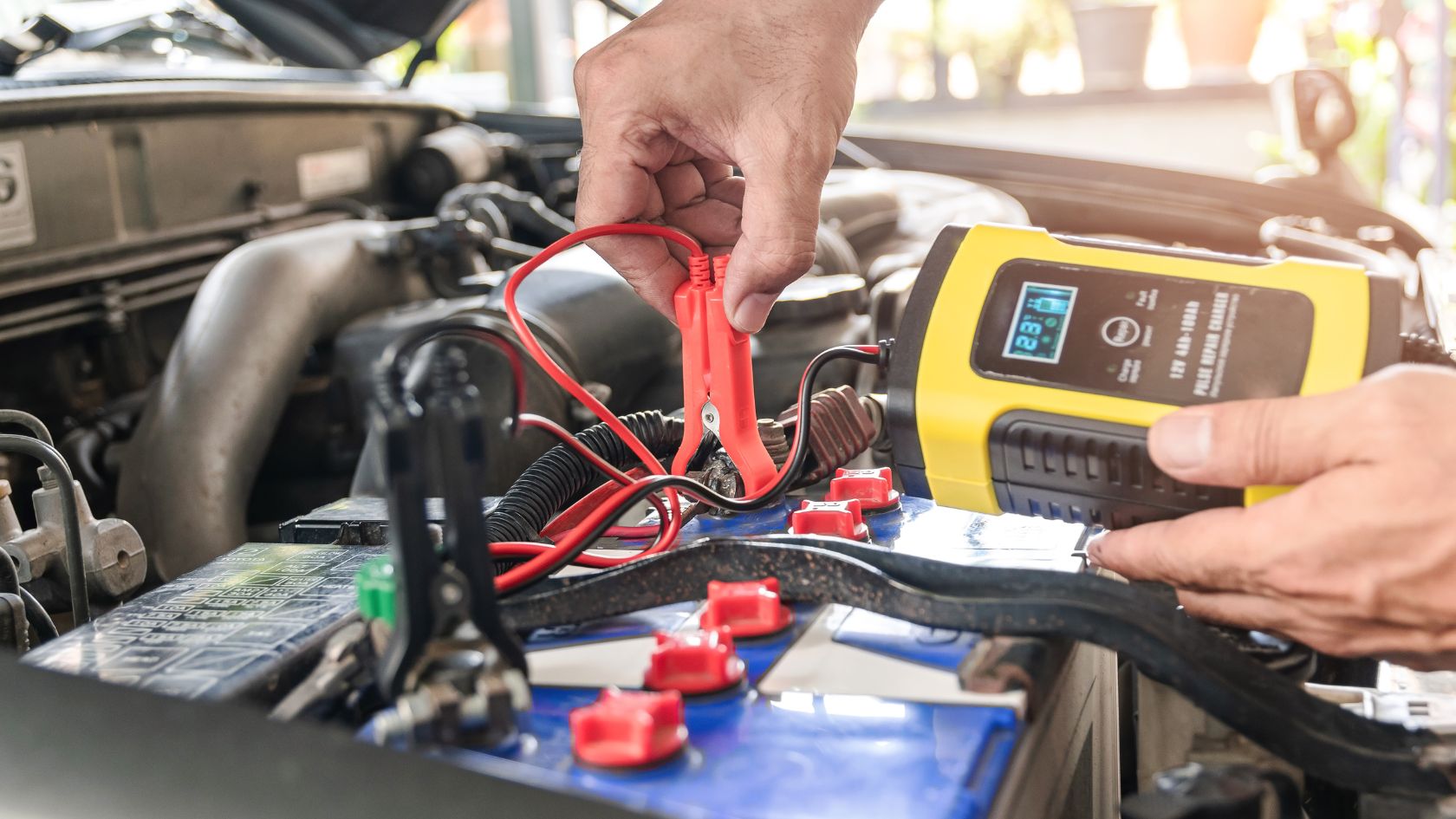
Are battery tenders waterproof? The importance of waterproofing revealed
Battery tenders are a great way to keep your vehicle batteries charged when not in use. But many vehicle owners wonder if battery tenders can be used for charging in rain or when they are dipped in water. So, are battery tenders waterproof? The importance of battery tenders cannot be underestimated keeping the water element aside. However, having a waterproof feature-rich battery tender could be very helpful in charging the batteries in any season. In this post, I will tell you about the waterproofing capabilities of battery tenders. You will also learn the importance, benefits, and factors to consider when choosing a battery tender. In addition, I will also list the 3 best battery tenders that are waterproof and are excellent chargers to help you save time on research and decision-making. So, keep reading! Yes, battery tenders are waterproof but not all of them. Some battery tenders come tagged with weather-resistance features which may not define their water-proofing capabilities completely. It’s important to thoroughly check the manufacturer’s specification manual to determine the water-proofing feature of a particular product. Waterproof battery tenders are designed to resist certain levels of water due to their body material and power cord compatibility. While you can use such products in any weather we do not recommend doing this frequently. Watery conditions can damage the device and the battery it is connected to due to moisture elements. If you want to use waterproof battery tenders ensure to do it in closed doors or under the hood to protect the electrical connections from water that otherwise could be harmful and damaging. To summarize, if you are looking to use a battery tender that is made of water-proof elements and can be used in any weather conditions make sure to read the instructions manual very carefully before purchasing a product. Related Read: Are Jumper Cables For Car Batteries Waterproof Battery tenders are devices used to maintain and charge batteries in vehicles, such as cars, motorcycles, trucks, boats, etc. when they are not in use. Battery tenders are useful in preventing automotive batteries from losing their charge when the vehicles are on a stand or sitting idle for a long time owing to extreme weather conditions. Under such circumstances, a battery can be isolated from the vehicle and connected to the battery tender to keep it charged. The waterproof featured battery tenders are made to withstand water levels to some extent. Such battery tenders remain unaffected if they are dropped in water to a recommended level and duration. Some ‘weather-resistant’ labeled battery tenders also do the job well in rain, and snow provided they are used as per the instructions from the manufacturer. In short, battery tenders are important to maintain the functionality and health of a battery and extend its overall lifespan from the impacts of challenging weather conditions. Based on the importance here are the top-3 best battery tenders in the market. These products are well-received, tested, authenticated, and trusted by 1000’s of users and are highly reliable from a weather-resistant perspective: As an Amazon Associate, we may earn a small commission if you purchase any product by clicking the link without any additional cost to you. Battery Tender 800 SuperSmart Battery Charger and Maintainer Deltran’s Battery Tender is a brand known for providing a great family of battery chargers since 1965. There are many superior products in the charging segment and this Battery Tender 800 SuperSmart charger is a fantastic addition to their overall list. The charger is no bigger than a computer mouse and despite a smaller size like this, it packs an impressive 800 milliamps (amperage) of constant current charging power. Battery Tender 800 is rugged equipment fully automated with features including spark-proof, reverse polarity protection, and short circuit protection. As a matter of fact, its weather-resistant capabilities let you use the product in a damp and watery environment without any shocks and vibrations. The interior body is structured with a synthetic epoxy resin material that is thermally conductive and flame-retardant. The charger is perfect for lead-acid, flooded, or sealed maintenance-free batteries such as AGM and gel cell types used in different vehicles. It can cover 12-volt batteries of ATVs, watercraft, motorcycles, boats, cars, etc. This charger can also maintain the charge of a battery through its float mode. The mode is helpful in identifying a battery losing its charge and bringing it back to the full charge position. Battery Tender 800 SuperSmart weighs just 1.65 pounds which makes it easily transportable anywhere. To conclude, this should be your go-to product if you are looking to charge and maintain a battery irrespective of environmental conditions and the battery’s charging status. CTEK-40-206 MXS 5.0 Fully Automatic Battery Charger CTEK is another well-respected brand in the battery charging segment. The company has a series of battery chargers and maintainers that also includes this specific model CTEX MXS 5. This product is built to last in all weather conditions. It has a distinguishing feature called RECOND mode or reconditioning mode wherein the charger can revive batteries that have been lying unattended and fully discharged for long periods. It also has a built-in automatic temperature sensor that is controlled by a microprocessor charger to detect the temperature and adjust the charging process accordingly. With this, you don’t have to worry about your battery getting over or undercharged in any condition. The product is IP65 certified which means it can efficiently tolerate water splashes and dust and continue charging without any interruption. From a compatibility perspective, CTEK MXS 5 can deliver charging performance on 12-volt batteries used in cars, motorbikes, small trucks, boats, tractors, etc. The charging process works on simple steps of plug and play and the charger automatically detects reverse polarity and alerts the user. Additionally, the unit is spark-proof, and short-circuit-proof so that you remain protected from any electrical hazards while charging. The product is fully automated with advanced 8-step charging and battery-detecting modes to accommodate AGM and lead acid batteries. CTEK MXS 5 is