
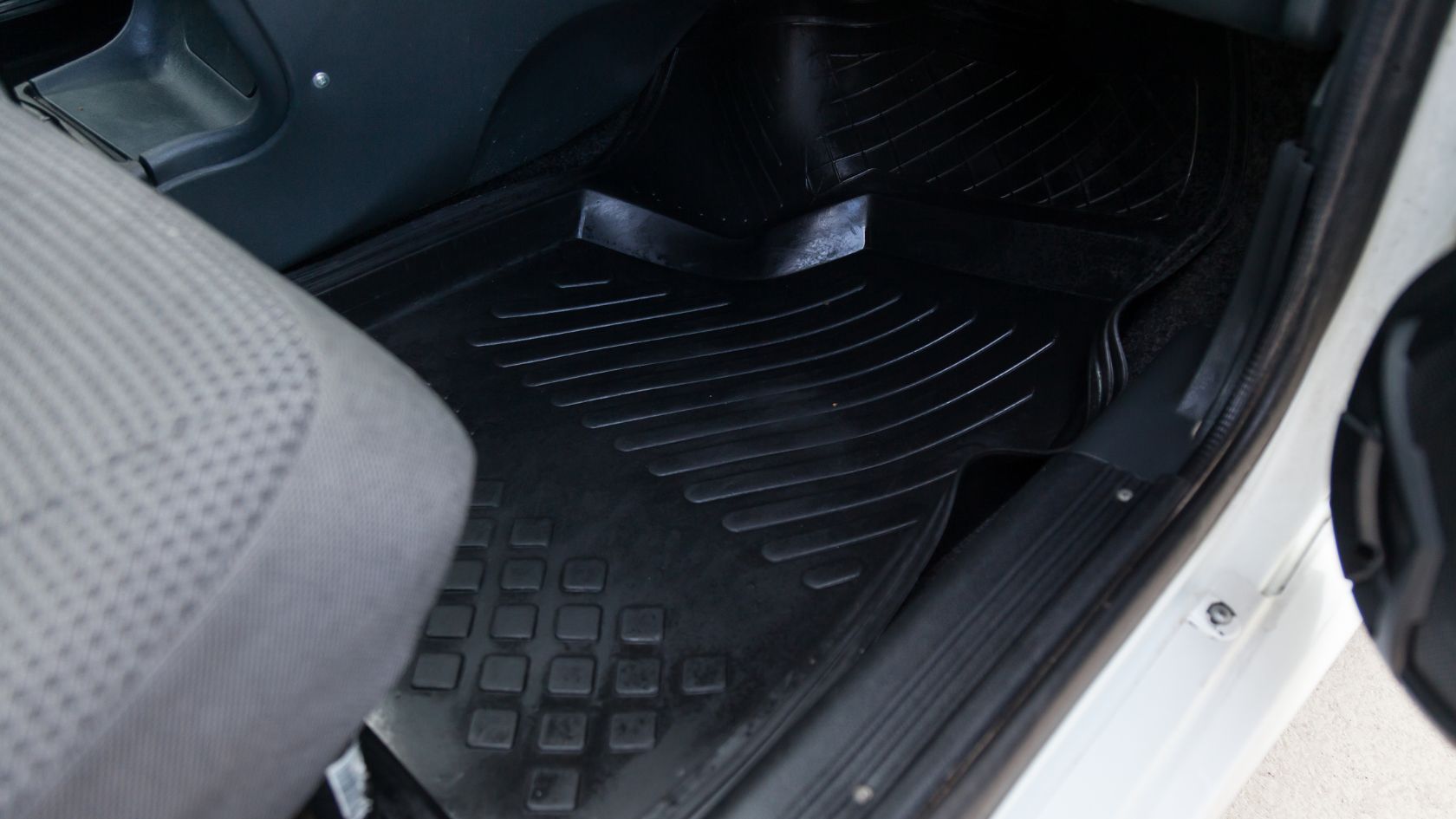
As you drive, various sounds from the road, engine, and surroundings can easily permeate the cabin, leading to a less serene driving experience. This is where the benefits of sound-deadening car floor mats come into play. But how effective are these mats in hushing the clamor of the outside world? Do car mats really reduce noise? Is it worth investing in them, and how do you go about choosing the right sound-deadening car floor mats for your vehicle? In this article, you will find answers to all the above questions and many more related to sound-deadening mats. We’ll also delve into the world of soundproofing and explore the best sound-deadening car floor mats that will make your ride more comfortable and enjoyable. Yes, car mats do reduce noise to a significant extent. But these are not your regular car mats. It is a specially designed sound-deadening mat made of materials like butyl rubber that can absorb and dampen the vibrations coming from the vehicle floor. The density and quality of the material used in these mats significantly impact their effectiveness in reducing sound transmission. However, achieving a complete eradication of all road noise isn’t feasible especially the sound coming from windows and other sections of a car. You’ll still catch some noise making its way in as sound-deadening floor mats are typically meant to work on car floors. Related Read: How to soundproof car windows Nevertheless, this doesn’t undercut the effectiveness of sound-deadening mats. The benefits of these mats go beyond noise reduction; they also enhance insulation, making your car more energy-efficient. Before we dive into the effectiveness of sound-deadening car floor mats, let’s grasp the basics of sound transmission. Noise in a car is often a result of vibrations that travel through various surfaces and materials, creating audible sound waves inside the cabin. These vibrations can originate from the road, the engine, or even external factors like wind. Sound-deadening car floor mats play a crucial role in dampening these vibrations. They act as a barrier between the vehicle’s interior and the noisy exterior, absorbing and minimizing vibrations that would otherwise turn into unwanted noise. These mats work by isolating the noise-producing areas and reducing their impact. They feature a foil constraint that soaks up sound vibrations, effectively taming road noise. In terms of installation, these mats have a user-friendly design which makes placing them on the car floor easier. The installation process involves taking out the floor mats, peeling off the back, and effortlessly placing the adhesive side onto the car floor. Once you know what to look for while choosing a sound-deadening mat it is time to purchase one. Unfortunately, there is a plethora of such products in the market that can make your task confusing. For the best sound-deadening car floor mats, here are the 3 options to help you make an informed decision: As an Amazon Associate, we may earn a small commission if you purchase any product by clicking the link without any additional cost to you. Second Skin Damplifier Pro Sound-deadening Mat Second Skin Damplifier Pro Premium Car Sound Deadening Mat is a meticulously engineered sound-deadening solution that promises to elevate your driving ambiance. The engineering behind Damplifier Pro is crafted from 100% butyl rubber without any cheap fillers or asphalt. This boasts exceptional durability and effectiveness. The butyl rubber is bonded to a reinforced aluminum foil backing, which not only ensures longevity but also makes it incredibly easy to handle during installation. One of the standout features of Damplifier Pro is its ability to drastically reduce unwanted noise and vibrations inside your vehicle. Road noise, tire noise, and engine noise are effectively muted, transforming your cabin into a serene sanctuary. This not only enhances your overall driving experience but also amplifies the sound quality of your car audio system, delivering crisp and clear music even in the midst of traffic or on rough terrains. The material’s damping properties also contribute to a more solid and luxurious feel inside the car, reducing vibrations and driver fatigue. Furthermore, Damplifier Pro offers improved thermal insulation, ensuring that your car’s interior remains comfortable in all weather conditions. Additionally, Damplifier Pro exhibits an impressive temperature range, capable of withstanding extreme conditions from -75°F to 450°F. This resilience makes it a reliable choice for various climates and driving conditions. The product is proudly made in the USA, reflecting the brand’s commitment to quality and excellence. One of the most significant advantages of Damplifier Pro is its user-friendly installation process. Following simple steps, anyone can apply this sound-deadening mat to their vehicle. Begin by cleaning and drying the surface where you intend to install Damplifier Pro. Using a sharp knife or utility scissors, cut the mat to the desired size. Peel off the backing and firmly press the Damplifier Pro onto the surface. To ensure optimal adhesion and eliminate air bubbles, use a roller tool to smooth out the mat. This straightforward process allows car enthusiasts of all levels to upgrade their vehicles with ease. Overall, the Damplifier Pro is a great choice for anyone who wants to reduce noise and improve the sound quality of their car audio system. It is easy to install and durable, and it provides excellent results. However, it is more expensive than some other sound-deadening materials, but it is worth the extra cost for the superior performance it offers. KILMAT Car Sound-Deadening Mat The KILMAT 80 mil 36 sqft Car Sound Deadening Mat proves to be an exceptional automotive sound solution. It’s not just about affordability, but also about quality that stands out. What sets KILMAT apart is its increased thickness (80mil). This translates to 1.5 times the insulation efficiency, making it a powerful shield against audio noise while remaining lightweight. Another standout feature of KILMAT is its user-friendly installation process. The foil’s embossed pattern serves as an installation indicator – a smooth, plain finish achieved through rolling guarantees correct and professional placement. However, for DIY enthusiasts installation could be challenging. Even though
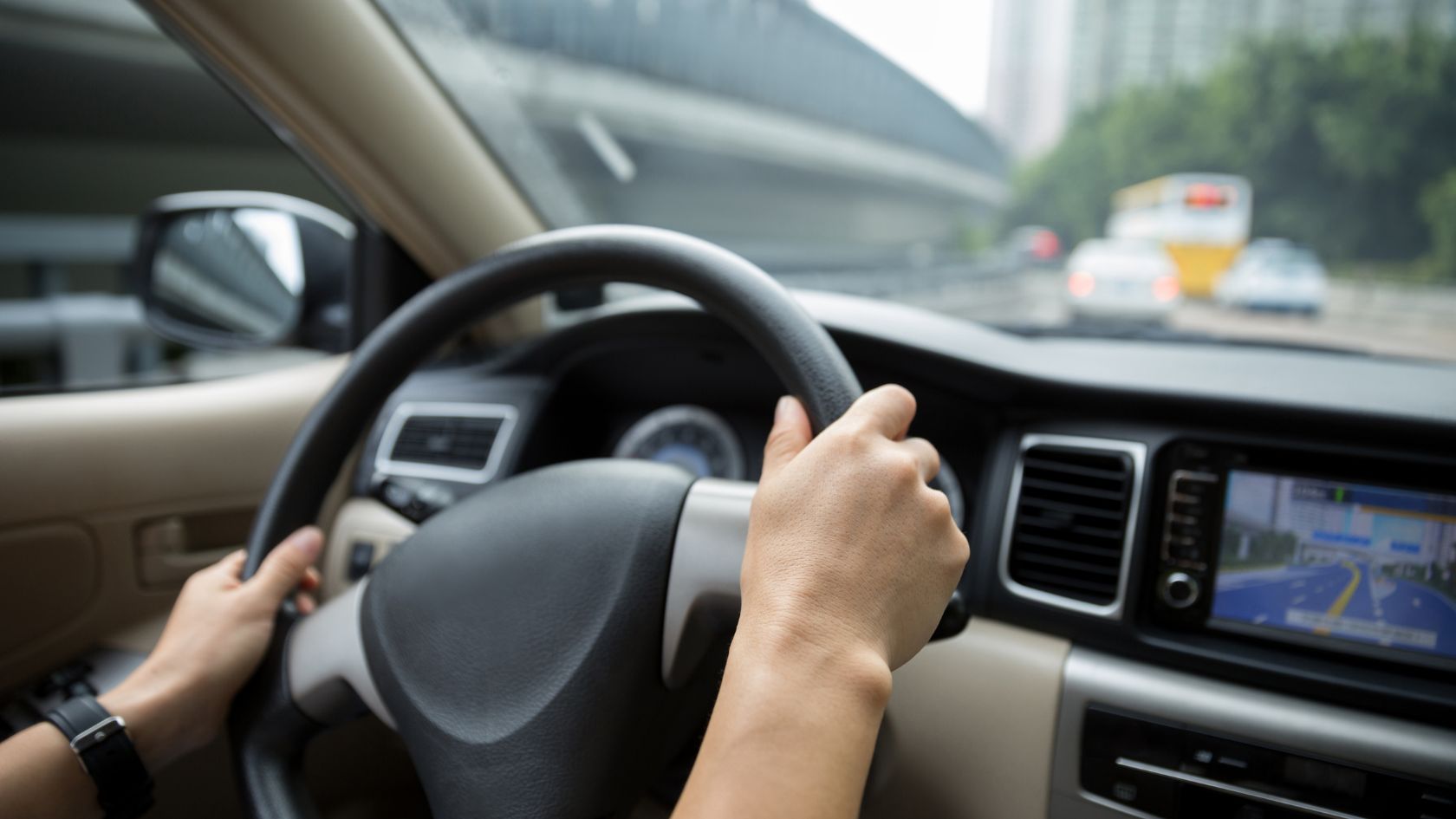
Does Lane Departure Warning Stiffen the Steering Wheel?
One of the speculations surrounding LDWs is their potential impact on the steering wheel’s responsiveness. Does lane departure warning stiffen the steering wheel? Lane Departure Warning (LDW) systems have become a prominent player in automotive safety features, aiming to enhance driver awareness and prevent unintentional lane drift. This blog post will unravel LDWs functioning, and address many pertinent questions related to their implications on driver control. You will also find the nuances and discussion on the disadvantages of this advanced safety technology. The Lane Departure Warning (LDW) itself does not stiffen the steering wheel. However, some advanced driver assistance systems include Lane Keeping Assist (LKA) or Lane Centering Assist (LCA) in addition to LDW. These systems go beyond warnings and actively apply a gentle steering force to guide the car back into its lane. This is where you might feel the steering wheel “stiffen” or resist your attempt to drift further out of the lane. Lane Departure Warning (LDW) systems act as a safety feature in unintentional lane drifting situations, alerting you before your vehicle leads to collisions. There are two main types of LDW systems – Camera-based and Radar-based. Camera-based LDW systems can be mounted near the rearview mirror to track lane markings. If the system detects that your vehicle is crossing a lane marker without a turn signal activated, it triggers an alert. Radar-based LDW systems, on the other hand, emit radio waves that bounce off lane markings and return to the sensor. Changes in the signal’s return pattern indicate lane departure, triggering the alert. With these functions, LDW systems serve a crucial purpose of reducing the risk of accidents caused by several reasons. In the likelihood of fatigue situations, distractions, or medical conditions of drivers LDW serves as a wake-up call, prompting you to refocus, react, and prevent accidents. Lane Departure Warning (LDW) systems have earned a reputation for stiffening or resisting the steering wheel when you drift out of your lane. But is this actually true? Contrary to the myth, LDW does not directly control the steering wheel. Instead, it uses various methods to alert you of lane departure, including visual, audible, and haptic warnings. The intensity of the alerts might vary depending on the system settings and the severity of the lane departure. While LDW itself doesn’t control the steering, it might work alongside other systems like Lane Keeping Assist (LKA) or Lane Centering Assist (LCA). These systems actively apply corrective steering torque to guide the car back into the lane. This is what some drivers might misinterpret as “steering wheel stiffness.” There are several ways LKA/LCA can interact with the steering. Most modern cars use EPS (Electric Power Steering), allowing the system to electronically send commands to the steering motor, applying corrective torque. Another feature is EHPS (Electro-hydraulic Power Steering). These systems use a combination of electric and hydraulic power, with the system potentially influencing the hydraulic fluid flow to adjust steering resistance. JAMA (Japan Automobile Manufacturers Association) stresses that LDW is purely a warning system and should not be confused with LKA, which actively influences steering. NHTSA (National Highway Traffic Safety Administration) emphasizes the importance of differentiating between LDW and LKA in driver’s manuals and public information. Consumer Reports recommends trying out different LDW systems and adjusting sensitivity settings to find the most comfortable and effective driving experience. LDW acts as a vigilant co-pilot, alerting drivers to unintentional lane departures. It is crucial to remember that LDW never overrides driver control. The steering wheel remains in the driver’s hands, fostering a shared responsibility for safe driving. As technology advances, systems like Lane Keeping Assist (LKA) blur the lines between assistance and autonomy by actively correcting lane departures. However, even these systems are designed to work in tandem with driver input and can be overridden. Drivers must be informed about the capabilities and limitations of their LDW and LKA systems. Understanding how they work and practicing responding to their alerts is crucial for maximizing their effectiveness. As mentioned earlier, LDW itself does not physically influence the steering wheel. Any perceived increase in resistance likely stems from LKA actively guiding the car back into the lane. The way drivers perceive this resistance can vary greatly. Some might find it reassuring, while others might feel it hinders their control or distracts them from the road. Adjustable sensitivity settings in many LDW/LKA systems allow drivers to personalize the feedback they receive. Finding the level of support that promotes awareness without compromising control is key for optimal driving comfort and safety. While Lane Departure Warning (LDW) systems undeniably enhance road safety, it’s crucial to acknowledge potential drawbacks. These systems may face limitations and trigger false alerts in certain scenarios, such as when relying on faded or obscured lane markings, navigating curved roads, or encountering intersections. The oversensitivity of LDW, occasionally prompting alerts for intentional lane changes, poses both annoyance and distraction to drivers. Another concern is the risk of overreliance, as some drivers might become complacent, decreasing their vigilance and responsiveness to other hazards. Technical issues, including false negatives and maintenance costs, add complexity to LDW’s effectiveness. Moreover, ethical considerations emerge, touching upon privacy concerns due to data collection and the potential progression towards fully autonomous vehicles, raising questions about accountability in accidents involving partially self-driving cars. While LDW contributes to safety, a balanced understanding of its limitations and implications is essential for responsible and informed driving. Lane Departure Warning (LDW) systems generally do not vibrate the steering wheel as a primary alert mechanism. Instead, LDW typically uses visual and audible signals to warn the driver when it detects an unintended lane departure. The steering wheel might not physically vibrate in most LDW implementations. However, it’s worth noting that some vehicles come equipped with additional safety features like Lane-Keep Assist or Lane-Keeping System. These systems may intervene more directly by using steering input to keep the vehicle within its lane. In such cases, the steering wheel may provide gentle vibrations or steering corrections to guide the driver
Why Car Blind Spots Are Dangerous: Understanding and Mitigating the Risks
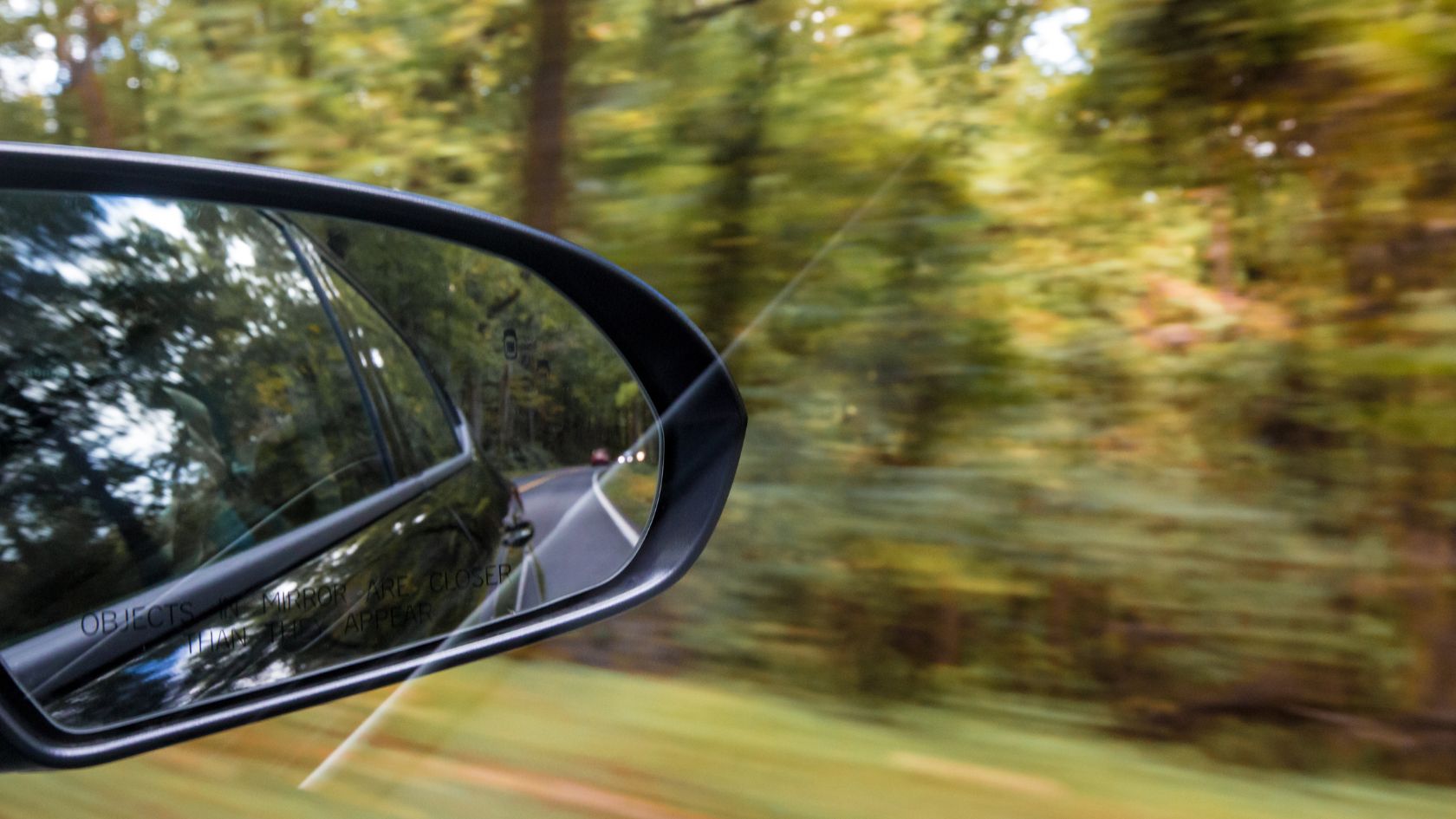
Navigating the roads comes with inherent risks, and one critical concern is the presence of blind spots. Car blind spots are dangerous because they conceal the areas around a vehicle that can lead to perilous situations, compromising safety for both the driver and others on the road. In this blog post, we’ll go deeper into the dangers posed by car blind spots, exploring scenarios such as lane changes, highway merges, and parking, where limited visibility can result in collisions. Additionally, we’ll provide essential insights on mitigating these risks through proper mirror adjustments, visual checks, and cautious driving practices. So, keep reading to enhance your understanding of this crucial aspect of road safety. Car blind spots are dangerous as they limit a driver’s visibility, particularly during lane changes, merging onto highways, and parking, posing a risk of collisions with other vehicles, pedestrians, and cyclists. To mitigate these dangers, drivers should properly adjust mirrors, perform visual checks of blind spots before maneuvers, use signals, and exercise caution when changing lanes or making turns. Blind spot zones form around your car that you cannot see directly from the driver’s seat, even with well-adjusted mirrors. These hidden areas pose a serious threat as they can conceal vehicles, cyclists, pedestrians, and other objects from your view, increasing the risk of accidents. Locations where blind spots can be created: Car blind spots can be dangerous for several reasons: Limited Visibility The primary reason blind spots are dangerous is that they limit the driver’s ability to see other vehicles, pedestrians, or obstacles in those areas. A motorcycle, bicycle, or even a small car can be completely hidden in your blind spot. This can lead to a failure to detect potential hazards when changing lanes, merging onto highways, or making turns. Lane Changes When a driver is changing lanes, they rely on their mirrors to check for traffic in adjacent lanes. However, blind spots are areas that are not directly visible in these mirrors. If a vehicle is present in the blind spot, a driver may unintentionally merge into its path, leading to a collision. Merging onto Highways When entering a highway or merging into traffic, drivers need to be aware of vehicles approaching from behind. If these vehicles are in the blind spot and not visible to the driver, merging can be hazardous. Pedestrian and Cyclist Safety Blind spots are not limited to other vehicles; they can also hide pedestrians, cyclists, or other vulnerable road users. Failing to check blind spots when turning or changing lanes can result in accidents involving these individuals. Parking and Reversing Blind spots can be particularly problematic when parking or reversing. Vehicles or obstacles in the blind spot may not be visible to the driver, increasing the risk of collisions, especially in crowded parking lots or areas with pedestrians. To mitigate the dangers associated with blind spots, drivers are encouraged to: Mirror Adjustment Start by properly adjusting your rearview and side mirrors. The goal is to minimize blind spots by positioning the mirrors to cover as much area as possible without duplicating the view. Some vehicles also come equipped with blind spot monitoring systems that provide alerts when a vehicle is detected in the blind spot. In the absence of a monitoring system, enhance your view by installing blind spot mirrors. Follow the “SEAT” method (Set, Extend, Angle, Tilt) to see the edge of your car just disappearing from view in the side mirrors. Check blind spots visually Don’t rely solely on mirrors. Pay constant attention to your surroundings, scanning mirrors and checking blind spots frequently. Turn your head and glance over your shoulder to check the blind spots on both sides of your vehicle. This physical check ensures you see any vehicles or obstacles not visible in the mirrors. Be cautious during lane changes Before changing lanes or making maneuvers, glance at the rearview mirror to be aware of the traffic behind you. This provides an initial awareness of the vehicles approaching from the rear. Always signal your intentions early to give other drivers time to react. Activate your turn signals well in advance of any lane change or maneuver. Signaling indicates your intentions to other drivers and gives them time to adjust their speed or position. Assume other drivers may not see you and anticipate their actions. Avoid phone use, loud music, or eating while driving. Even if you don’t see any vehicles in your mirrors or blind spots, proceed with caution. Conditions on the road can change rapidly, and unexpected situations may arise. The terms “blind spot” and “blind zone” are often used interchangeably, but there are some subtle differences between them. A blind spot in driving typically refers to an area around a vehicle that is not directly visible to the driver, especially through the rearview or side mirrors. On the other hand, the blind zone refers to an area around a vehicle where the driver’s vision is obstructed, either due to the vehicle’s design or external factors like pillars or cargo. Blind spots are specific zones where other vehicles or objects may not be immediately apparent to the driver, making them vulnerable to potential collisions during maneuvers like lane changes or merging. Blind zones can vary based on the vehicle’s make and model. For instance, the area obscured by the A-pillars (the pillars between the windshield and the front side windows) is a common blind zone. Drivers can mitigate blind spots by adjusting mirrors properly, performing shoulder checks, and using technologies like blind spot monitoring systems if available in the vehicle. Drivers need to be aware of blind zones and adjust their driving behavior accordingly. This may involve making slight adjustments to the position of the vehicle, relying on mirrors, and being extra cautious in situations where visibility is compromised. Blind spots are real and potentially dangerous. Adjusting rearview and side mirrors properly, performing shoulder checks, appropriate use of signals, and adopting the usage of blind spot mirrors/systems can significantly reduce the risks associated with blind
3 Best Car Blind Spot Mirrors (2025)
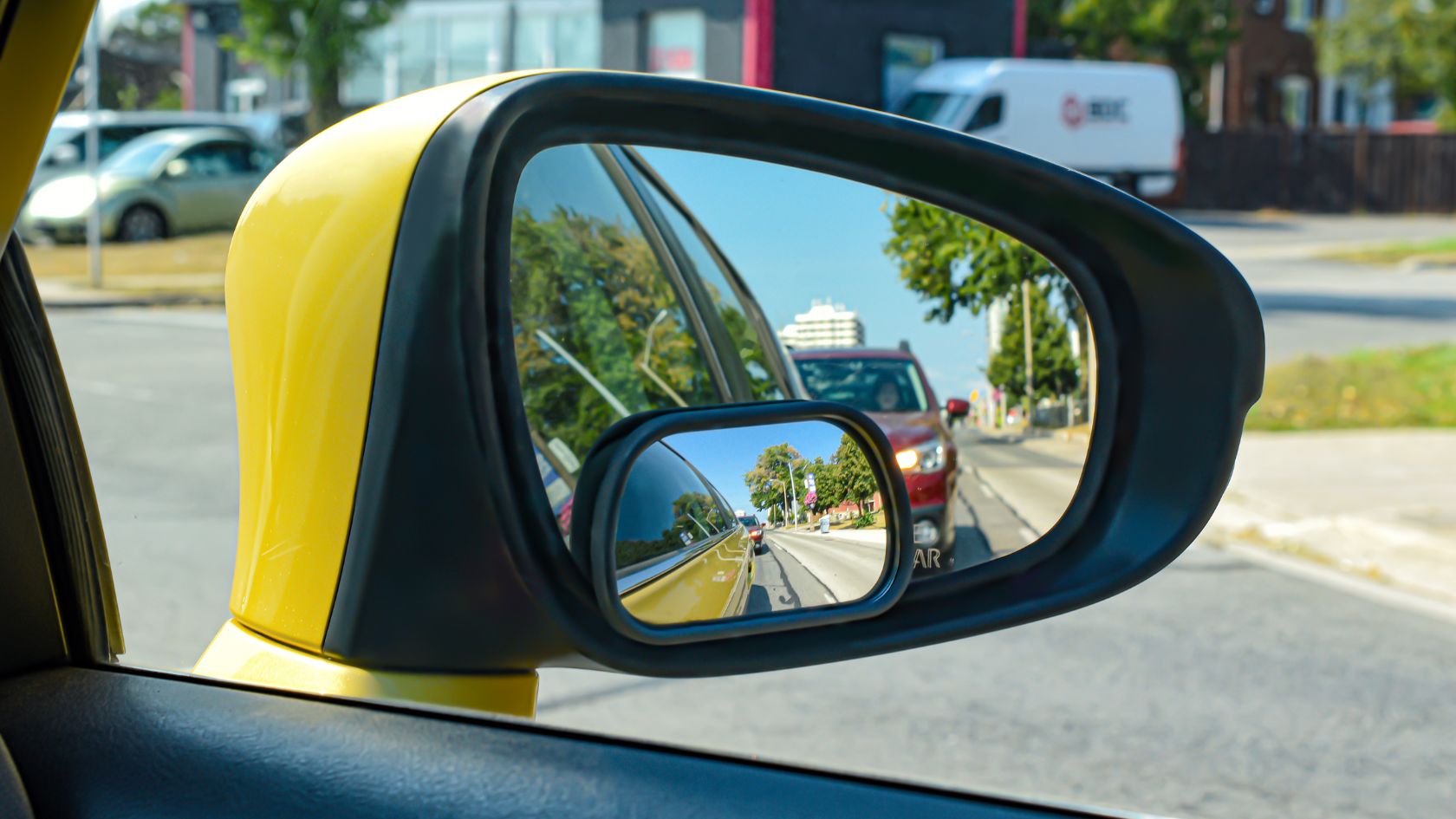
A blind spot is a critical area that arises due to obscured views caused by uncovered sections of side-view mirrors, rearview mirrors, and windshield pillars. The resulting blockage of vision can pose significant risks, potentially leading to damage or fatal consequences for both the driver and the vehicle. To enhance visibility in side-view mirrors, one effective solution is the use of car blind spot mirrors. These small mirrors are specifically designed to detect incoming or crossing vehicles. In this review post, we aim to assist you in identifying the 3 best car blind spot mirrors available in the market. You will also know the buying factors, and installation guide to place these mirrors appropriately. Accident Prevention: Changing lanes and overtaking are common driving activities that necessitate careful observation through rear and side-view mirrors. Detecting two-wheelers, such as bikes or bicycles, can be challenging and may result in collisions. Blind spot mirrors play a crucial role in identifying incoming vehicles, minimizing the risk of major accidents, and enhancing overall safety. Improved Identification: Blind spots are not easily covered by standard rear and side-view mirrors, potentially leading to oversight of fast-approaching vehicles when changing lanes. The size and angle of blind spot mirrors effectively cover the adjacent areas of a vehicle’s rear wheels, facilitating easier detection and identification of other vehicles. This feature aids in controlling risks during maneuvers. Stress Reduction: Consistently checking side view mirrors by glancing and moving one’s neck can be physically demanding, leading to neck and shoulder discomfort. Driving under stress and pain poses challenges and risks. Blind spot mirrors alleviate physical strain by enabling a quick glance directly at the mirror to identify potential road hazards, promoting a more relaxed and secure driving experience. Parking Convenience: Reversing a vehicle, especially in the absence of reverse parking cameras or sensor services, introduces potential risks and accidents. Blind spot mirrors become invaluable in such situations, aiding in the identification of crossing pedestrians and gauging the distance from other vehicles. This enhances the safety of the reversing process and facilitates timely and secure parking in the desired location. Related Read: Why Car Blind Spots Are Dangerous With so many options on the market, choosing the right one can be overwhelming. We’ve scoured the reviews and researched the features to bring you the top 3 car blind spot mirrors: As an Amazon Associate, we may earn a small commission if you purchase any product by clicking the link without any additional cost to you. Marlbston Blind Spot Mirror The Marlbston Blind Spot Mirror stands out in the crowd with its incredible variety and customizability. Whether you drive a sporty coupe or a family SUV, there’s a Marlbston out there to perfectly complement your car’s style and your viewing needs. Unlike most blind spot mirrors that come in a single, round form, Marlbston offers a staggering 7 different shapes to choose from! Round, oval, diamond, teardrop, wedge, fan, and rectangular – you name it, they’ve got it. This level of choice ensures you can find the mirror that flawlessly blends with your car’s aesthetics. However, with so many shapes available, choosing the right size can be a bit overwhelming. It is recommended that you consider your car’s size and blind spot dimensions to ensure the mirror offers adequate coverage without obstructing your main side mirror view. Nevertheless, each Marlbston mirror boasts 360° swivel rotation and flexible mounting arms. This means you can fine-tune the viewing angle to eliminate any blind spot lurking around your car. There is no need for awkward adjustments or neck craning as the mirror offers perfect visibility tailored to your specific needs. This mirror doesn’t compromise on quality. These mirrors are constructed with high-grade materials and weatherproof adhesives, ensuring they stay firmly in place and provide a clear view, come rain or shine. You can drive through car washes and endure harsh weather conditions without worrying about your blind spot buddies falling off. On the flip side, while the adhesive mounting is generally straightforward, some users report minor challenges with proper alignment. It is better to take your time and follow the instructions carefully during installation for perfectly positioned blind spot mirrors. Overall, if you’re looking for a highly adjustable and stylish blind spot mirror solution, the Marlbston is definitely worth a try. Utopicar Blind Spot Mirrors BSM017 Utopicar BSM017 blind spot mirrors take a different approach to safety, favoring subtlety and elegance over bold shapes and overt adjustments. But don’t mistake their sleek design for lack of effectiveness – these little gems pack a powerful punch when it comes to minimizing blind spots. The BSM017 mirrors boast a frameless design that seamlessly integrates into your existing side mirrors. They practically disappear, giving your car a clean, high-tech aesthetic. in terms of installation, these mirrors utilize strong 3M adhesive for a quick and secure attachment. Simply peel, stick, and adjust the viewing angle, and you’re good to go. No drilling, no fuss, just instant blind spot coverage. The convex mirror surface offers a wide-angle view, allowing you to easily spot even the smallest vehicles lurking in your blind spot. The BSM017s come in a single, relatively small size. While this keeps them discreet, it might not provide enough coverage for larger vehicles or drivers who prefer a wider field of view. Unlike some competitors, the BSM017s offer no swivel adjustment. The fixed angle might not be perfect for everyone, especially for drivers with taller or shorter seating positions. Compared to some budget-friendly options, the BSM017s fall on the slightly higher end of the price spectrum. However, their sleek design, ease of installation, and quality materials might justify the cost for some drivers. All in all, Utopicar BSM017 blind spot mirrors are an excellent choice for drivers who prioritize aesthetics and ease of use. While the limited size and adjustability might not suit everyone, for those seeking a discreet and functional solution, the BSM017s are a top contender. AmFor Blind Spot Mirror AmFor Blind Spot Mirrors are a popular choice for drivers seeking affordable and effective blind spot reduction. While they might not boast the fanciest features or sleekest design, these little workhorses get the job done without breaking the bank. AmFor
3 Best Waterproof Car Seat Covers for Dogs (2025)
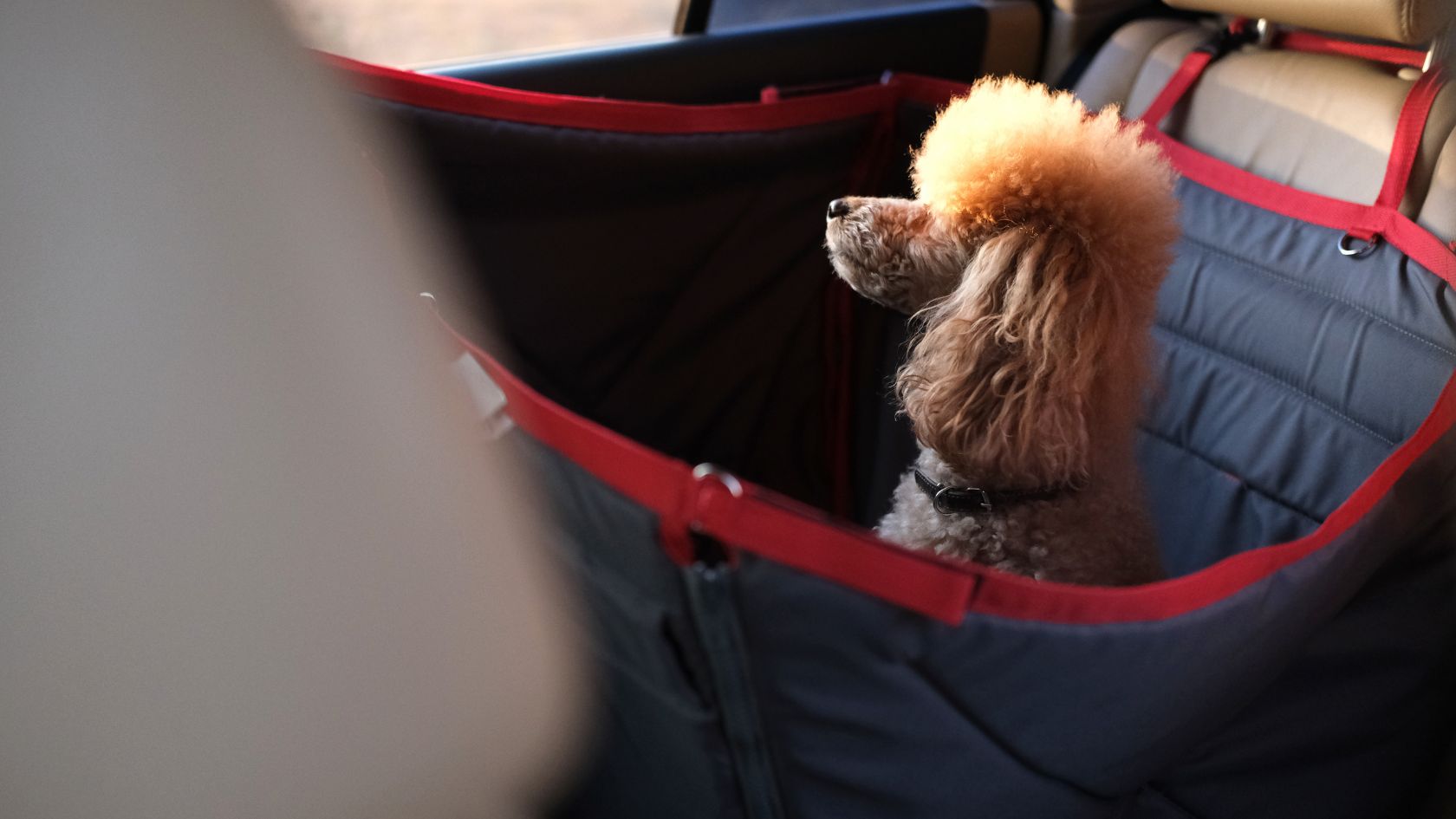
Keeping your car clean and protected while traveling with your furry friend can be a challenge. Muddy paws, slobbery kisses, and the occasional accident are all par for the course when you’re a dog owner. That’s where waterproof car seat covers come in! They act as a barrier between your precious pup and your pristine upholstery, saving you time, money, and frustration. But with so many options on the market, choosing the right one can be overwhelming. To help you out, we’ve compiled a list of the 3 best waterproof car seat covers for dogs based on factors like coverage, durability, ease of use, and customer reviews. You will also find informative details on the benefits, installation, and maintenance of car seat covers for dogs. Durability: Dog-specific covers are typically constructed with stronger materials like nylon, ripstop polyester, or quilted PVC. These fabrics are significantly sturdier than most standard seat covers to withstand scratches, claws, muddy paws, and even chewing attempts. The durability comes from double or triple stitching at stress points, preventing rips and tears that can occur with basic fabrics and single stitching. Safety features: Dog car seat covers include features like seat anchors, tether loops, and raised edges to keep your dog secure and protected. Seat anchors provide secure attachment points preventing the cover from sliding around while tether loops offer extra protection by restricting your dog’s movement inside the car by connecting its harness. Some covers feature raised edges to create a hammock effect preventing spills and messes from spreading. Better fit: Unlike standard covers designed for human bodies, dog covers are tailored to canine anatomy. This ensures a snug fit that won’t bunch up, leaving gaps where your dog can squeeze through or get tangled. Many dog covers have slots or adjustments to accommodate headrests and armrests, ensuring a secure fit and preventing the cover from sliding off. Some covers offer separate sections for the seat and back, ensuring a good fit even on seats with split folding functions. Flaps on the sides protect car doors and consoles from scratches and muddy paws. Water-resistant materials: Accidents happen, and spills are inevitable with furry companions. Dog-specific covers often have a waterproof or water-resistant coating that repels liquids, preventing them from soaking through and damaging your car seats. This makes cleaning significantly easier, as you can simply wipe down the surface. Here are 3 best waterproof car seat covers for dogs to limit your time on research and make an informed choice: Kurgo Bench Seat Cover This hammock-style dog car seat cover is built for overall protection and value, making it a top choice for dog owners who prioritize both cleanliness and their furry friend’s comfort. Spreading of dog hair and muddy paw prints in the back seat is very common. This cover’s hammock design creates a barrier between your pup and the upholstery, protecting your seats, doors, and even the center console. Unlike standard seat covers, the hammock suspends your dog off the floor, keeping them clean and dry, especially after rainy walks or messy adventures. The non-slip backing keeps the hammock securely in place, preventing your dog from slipping and sliding during car rides. This stability provides peace of mind, knowing your dog is safely contained and won’t be thrown around in case of sudden stops or turns. There is no need to worry about spills, accidents, or muddy paws. The quilted nylon fabric is water-resistant and durable, effectively repelling liquids and dirt. The quilted texture adds a touch of comfort for your dog while also ensuring easy cleaning. You can easily wipe down messes or toss the cover in the washing machine for a deeper clean. This cover comes equipped with seat anchors and tether loops that provide extra security and ensure a snug fit. You need to attach the anchors to your car’s seat anchors and use the tether loops to connect your dog’s harness. The adjusting feature offers an extra layer of safety and prevents your furry friend from roaming around the car. However, some users report that the side flaps might need additional reinforcement to stay snug against the doors, depending on your car’s interior configuration. While the hammock design offers excellent coverage, it might not be suitable for all car models. You must ensure to check the product’s dimensions and compatibility information before purchasing. Overall, Kurgo’s hammock-style dog car seat cover is a fantastic choice for pet owners seeking comprehensive protection, comfort, and easy cleaning. PetSafe Happy Ride Bench Seat Cover This quilted bench seat cover is a budget-friendly champion for dog owners who prioritize basic protection and comfort for their furry friends. While it may not offer the full hammock coverage of the previous option, it shines in terms of affordability and functionality. Unlike some basic seat covers, this one features a plush quilted top that provides additional comfort for your pup. They’ll enjoy a comfy ride, even on long journeys. This added padding also helps protect your car seats from scratches and claws, preventing wear and tear over time. This cover doesn’t skimp on security. It comes equipped with seat anchors and adjustable straps that ensure a snug fit and prevent the cover from sliding around. You can customize the fit to your specific car seat configuration for added peace of mind, knowing your dog will stay safely contained. However, it is important to note that this cover doesn’t offer full back seat coverage like a hammock style, so consider your dog’s size and potential messiness when deciding if it’s enough protection. In terms of maintenance, keeping your car clean with a dog on board shouldn’t be a chore. This cover’s machine-washable fabric makes maintenance a breeze. While the water-resistant polyester helps with spills, it might not be suitable for larger water accidents or muddy adventures. Dirty Dog Cargo Liner If you’re looking for an ultimate shield for your car’s cargo area against the messy adventures of pets, gear, and outdoor activities, this heavy-duty Dirty Dog cargo liner is your knight in shining armor. This liner’s built with durable PVC that’s waterproof and tear-resistant, repelling liquids and handling rough cargo with ease. The tough material stands
The Importance of Waterproof Car Seat Covers
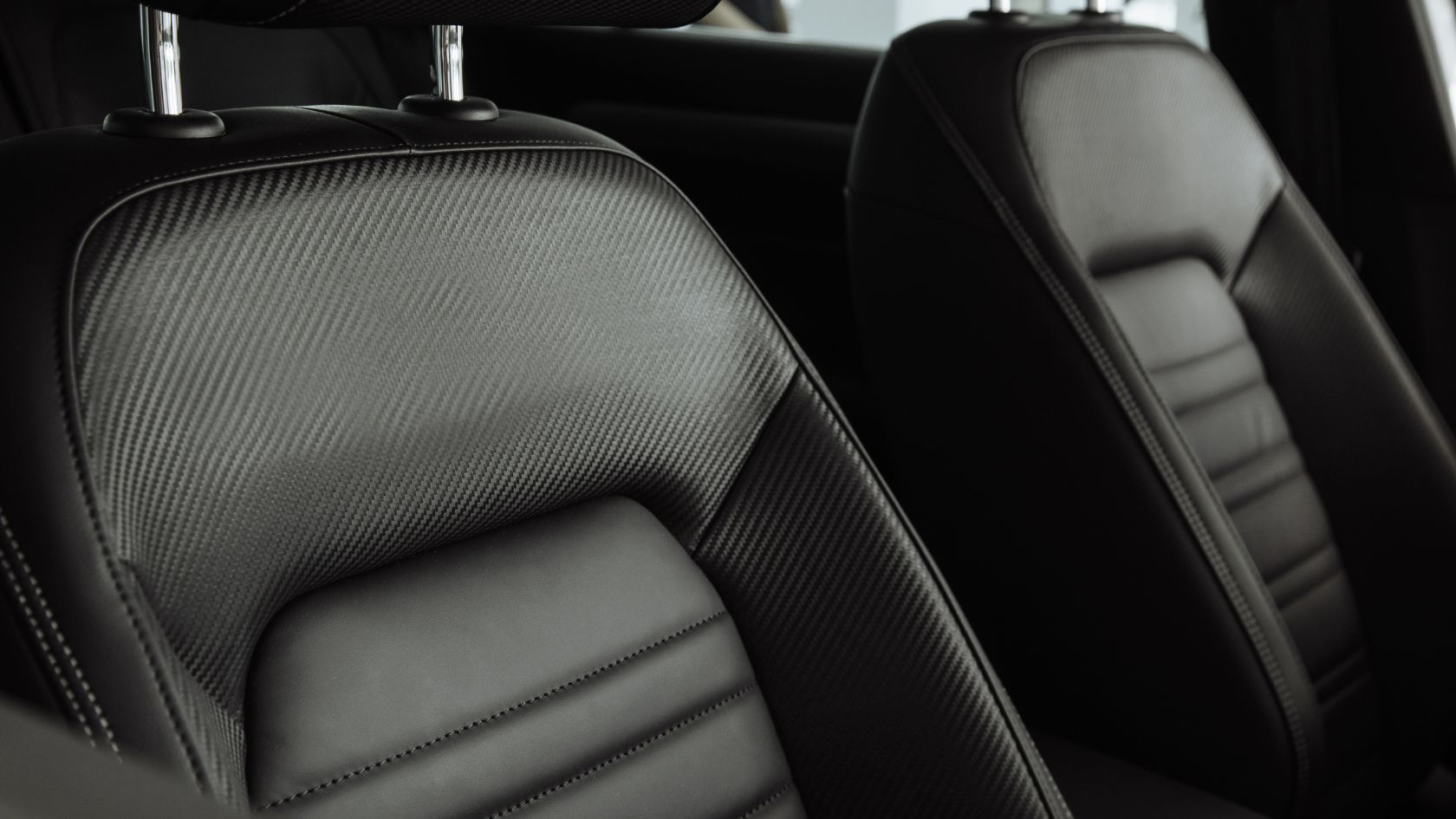
The importance of waterproof car seat covers is beyond aesthetics and accessories. They guard your car’s original upholstery against the relentless assault of spills, stains, and unforeseen weather elements. These covers serve as a practical barrier not only to thwart liquids from seeping into your car seats but also offer an additional shield against muddy paws and fur for pet lovers. In this blog post, you will discover the important aspects of the water-resistant capabilities of car seat covers, the difference between regular and waterproof covers, and identify their material. Yes, car seat covers can be waterproof. Waterproof car seat covers are specially designed to provide a protective barrier against constant spills, liquids, and other potential sources of moisture. These covers often feature water-resistant materials, such as neoprene or polyester with a waterproof coating. Such coatings ensure that liquids bead up and are repelled rather than being absorbed by the fabric. Waterproof car seat covers are a practical choice for maintaining the cleanliness and longevity of your car seats. Such covers come in handy in the face of unexpected spills, rainy weather, or for pet owners looking to safeguard against muddy paws and fur. Regular vs. Waterproof Car Seat Covers The key differences between regular and waterproof car seat covers can help you make an informed decision based on your needs and lifestyle. Here are the reasons that make regular car seat covers different from waterproof ones: Regular Car Seat Covers Regular seat covers are made of fabric blends, polyester, nylon, leather, or faux leather that offer basic protection. These materials are good against dust, scratches, and minor spills but not ideal for liquids or heavy messes. Non-waterproof covers are susceptible to stains and liquids showing watermarks. When it comes to providing comfort, some seat covers can be breathable, comfortable, plush, and maybe even luxurious in most weather conditions depending on the material. These are also easier to clean than waterproof covers often machine-washable or spot-cleanable. However, many standard seat covers may require regular cleaning to maintain their appearance. Aesthetically, regular seat covers are available in a wider variety of colors, patterns, and textures to match your car’s interior and are more affordable than waterproof options. Waterproof Car Seat Covers Waterproof car seat covers, as the name suggests are typically made from water-resistant or waterproof materials like PVC, polyurethane, or nylon with a waterproof coating. This is why they provide excellent protection against liquids, spills, dirt, mud, and pet accidents and are an ideal choice for messy situations and pet owners. However, waterproof materials can be less breathable than regular covers, especially in hot weather. Some car owners may feel slick or cold to the touch. In terms of appearance, the range of colors and styles could be lesser compared to regular covers but not overly limited. Water-resistant materials are easy to wipe clean or hose down. In some cases, machine washing may be possible depending on the material. Since waterproof covers can withstand wear and tear and offer longer durability, they are generally more expensive than regular covers. The waterproofing feature is specifically important when your car seats need to be protected from dirty spills, food crumbs, challenging weather, etc. The following are the important factors that make waterproof car seat covers preferable over regular covers. Protection from Spills: Waterproof covers prevent liquids from soaking into the seat upholstery. Whether it’s a spilled coffee, juice box, or soda, waterproofing elements in seat covers can save you from costly stain removal or reupholstering. Likewise, if you have car occupants indulging in food drops accidentally or purposely waterproof seat covers make it easy to clean. You don’t have to worry about cleaning the crumbs, sticky fingers, or any other food items as it often requires just a wipe down to clear the mess courtesy of waterproofing materials. For outdoor enthusiasts, pets, or messy kids, waterproof covers shield seats from muddy shoes, wet towels, and outdoor grime. Durability and Maintenance: Durability and maintenance are key advantages of waterproof car seat covers. As mentioned earlier, depending on the material, these covers offer easy cleaning options. Oftentimes, you may need only a damp cloth or direct machine washing saving considerable time compared to traditional fabric or leather seats. With inherent stain resistance, they guard against permanent damage from spills, simplifying upkeep. Acting as a protective barrier, these covers preserve your car’s original upholstery, shielding it from wear, scratches, and fading. This not only ensures a prolonged lifespan for your vehicle’s interior but also maintains its resale value over time. Additional Benefits: Comfort is a notable feature of certain waterproof car seat covers, as they utilize breathable materials for optimal temperature regulation, ensuring comfort even in hot weather. Aesthetically, these covers come in various colors and styles, enhancing the overall look and feel of your car’s interior. Furthermore, they play a role in preserving your car’s resale value by maintaining clean and well-protected seats. Waterproof covers contribute to a fresh and appealing appearance, potentially increasing the resale value of your vehicle. Overall, waterproof car seat covers offer a practical and valuable solution for protecting your car’s interior from spills, dirt, and wear, making them a worthwhile investment for many drivers. Remember, when choosing waterproof car seat covers, consider your needs, budget, and car’s specific seat type to ensure a good fit and optimal protection. Identifying waterproof car seat cover material is crucial for ensuring effective protection against spills and moisture. When choosing a waterproof car seat cover, consider the following factors: Material Composition – Look for covers made from water-resistant materials such as neoprene, polyester, or vinyl. These materials often have inherent waterproof properties. When selecting waterproof car seat covers consider the texture, opting for surfaces like smooth, coated PVC leather or fabric covers with a subtle sheen or water-repellent finish. Check for informative tags or labels sewn onto the covers, detailing the material composition through abbreviations such as PVC, nylon, or polyester. To assess waterproof capabilities, conduct a small water test on an