

Risks associated with unseen obstacles on the road such as blind spots can be very dangerous especially for cars not equipped with blind spot monitoring systems. So, can blind spot monitoring be added to a car externally? If yes, what are the available options, features, and factors that should influence your purchase? In this review blog guide, we will help you find the 3 best blind spot monitoring systems that can be added to your car with simple installation. You will also find the factors associated with buying a blind spot monitoring system to make an informed decision before purchasing the final product. Yes, blind spot monitoring can be added to a car if it doesn’t have a factory-installed system. But it is a complex task. While aftermarket solutions are available, compatibility and professional installation are important considerations. Some of the other factors also include potential variations in the functionality of different blind spot detectors compared to factory systems, their high costs, and warranty implications. So, if you are looking to install an aftermarket blind spot monitoring system ensure to carefully research and consult with experts before deciding on such modifications. To make your research easier we have listed 3 best blind spot monitoring kits that excel in performance, compatibility, and user experience. As an Amazon Associate, we may earn a small commission if you purchase any product by clicking the link without any additional cost to you. Bosch Driving Assistant Bosch Driving Assistant system takes blind spot monitoring to the next level. It offers the most comprehensive safety package on this list, covering blind spots, rear cross-traffic, lane departure, and parking assistance. Bosch utilizes a combination of radar and ultrasonic sensors for multi-layered detection. Additionally, it incorporates a blind spot camera for visual confirmation. This confirmation through the blind spot camera provides additional assurance and situational awareness offering comprehensive safety coverage. The driving assistant goes beyond blind spot detection. It features LED indicators on mirrors, a blind spot camera view on the infotainment system, rear cross-traffic alert, lane departure warning, and even parking sensors. While these features serve a lot some users might find the abundance of alerts and information overwhelming, especially in fast-paced driving environments. On the positive side, the features come with customized settings. You can customize sensor sensitivity, alert volume, and even camera display preferences. The customization is tailored to your preferences for optimal comfort and effectiveness. However, the installation process may require professional services depending on your car model and desired feature integration. Another big drawback of this product is pricing. This could be the most expensive option on this list, making it less accessible for budget-conscious buyers. Overall, the Bosch Driving Assistant with its advanced features and customization is the ultimate choice for drivers who prioritize maximum safety and technological sophistication. Garmin BC 30 Wireless Backup Camera The Garmin BC 30 Wireless Backup Camera is a versatile solution that not only aids in safe backing up but also serves as an effective blind spot monitoring system when paired with compatible Garmin devices. This wireless camera system is designed to enhance overall driving awareness by providing a clear view of the vehicle’s rear surroundings. The BC 30 stands out with its wireless connectivity, allowing it to pair seamlessly with compatible Garmin navigation systems. While the wireless feature is convenient, it potentially limits options for users with non-Garmin navigation systems. This wireless design eliminates the need for extensive cable routing during installation, contributing to a cleaner and simpler setup process. The camera is equipped with a wide-angle lens, providing a broad view of the rear area and potential blind spots. Installing the BC 30 is generally user-friendly, and Garmin provides clear instructions to guide users through the process. The wireless nature of the system reduces the complexity of installation compared to wired alternatives. However, users should be aware of potential compatibility issues and the need for additional components, depending on the specific Garmin device and vehicle. Depending on the vehicle and Garmin device, additional equipment such as a wireless transmitter may be necessary, adding to the overall cost. In terms of performance, the BC 30 provides a reliable and clear view of the rear area. The wireless connection ensures real-time video transmission to the compatible Garmin display, allowing for quick and accurate assessments of blind spots. The system’s performance may vary slightly based on the quality and size of the paired Garmin device’s screen. Overall, the Garmin BC 30 Wireless Backup Camera stands as a versatile solution for drivers seeking both a backup camera and a blind spot monitoring system. Acteam Car Blind Spot Detectors Sensor System Acteam blind spot system utilizes 24 Ghz millimeter wave radar, a sophisticated technology known for its precise and reliable detection capabilities. Sensors mounted on the rear bumper continuously scan the blind zones, offering a long-range detection of up to 16.4 feet. The radar sensors excel in accuracy and provide an extended detection range, outperforming ultrasonic or camera-based systems. Upon detecting a vehicle entering your blind spot, the Acteam system activates flashing LED indicators embedded in your side mirrors. These LEDs are bright and clearly visible, catching your attention even in peripheral vision. Additionally, it emits audible warnings to further emphasize the potential danger. The system is highly customizable, allowing you to adjust the volume of the beeps and the brightness of the LEDs to your liking. The combination of visual and audible alerts ensures heightened attention, minimizing the risk of overlooking blind spots. Installation is straightforward for most cars, accompanied by clear instructions, requiring minimal technical expertise. While generally feasible, some cars may necessitate professional assistance for wiring or sensor placement. The system offers excellent value, balancing features, and performance competitively against other radar-based systems. On the flip side, the system offers a basic safety package. It lacks advanced functionalities like rear cross-traffic alert or lane departure warning compared to other products. Overall, the Acteam Car Blind Spot Detectors Sensor System stands as a reliable and budget-friendly choice
Do Rear and Side Mirrors Eliminate All Blind Spots
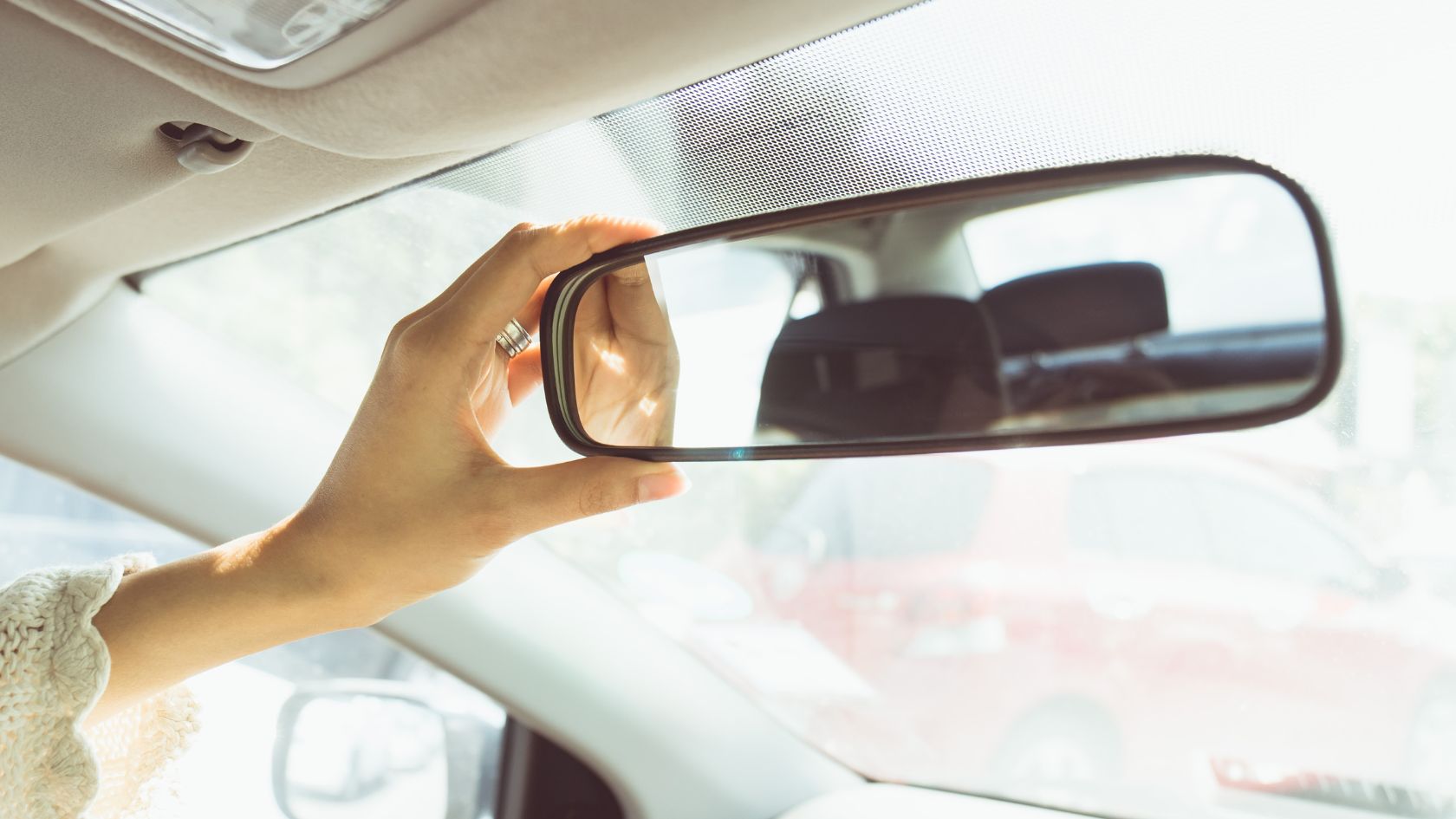
Vehicle safety is a top priority for drivers, and rear and side mirrors play a crucial role in providing visibility. However, the question remains: Do rear and side mirrors eliminate all blind spots? While mirrors are indispensable tools, they have limitations influenced by factors such as adjustment, vehicle design, and dynamic blind spots. In this blog exploration, we will delve into the functionality of rear and side mirrors, examining their capabilities, inherent constraints, and the importance of driver awareness. No, rear and side mirrors do not eliminate all blind spots. While rear and side mirrors are essential for providing visibility, certain areas remain hidden from your direct view. Factors like mirror adjustment, vehicle design, dynamic blind spots, and the limited field of view contribute to areas around the vehicle that may remain unseen. To improve blind spot visibility, drivers should follow best practices, including proper mirror adjustment, regular checks of mirrors and blind spots, and consideration of vehicle design. Also, utilizing technologies like blind-spot monitoring systems and accessories like blind-spot mirrors can enhance safety. Even with rear and side mirrors acting as your trusty eyes in the back, sneaky blind spots can lurk around your vehicles. Your rearview mirror does a stellar job of showcasing what’s directly behind you. But things get tricky in the areas where your side mirrors meet the front and rear of your car. These spots remain blind, forming invisible triangles on either side. Imagine cruising down the highway, and a motorcycle wants to pass you in the left lane. You check your mirrors which seems clear. But as you initiate the lane change, oops! The motorcycle, hidden in your blind spot, is forced to slam on brakes, narrowly avoiding a nasty collision. Similarly, mirrors are perched high up. So, things like bicycles, motorcycles, or even playful children near the ground can easily disappear into your blind spot. One practical example is related to parking. You’re pulling out of a parking lot, and a child playing with a ball rolls right next to your front tire. Unaware of their presence due to the blind spot, you start reversing, creating a heart-stopping moment for everyone involved. To minimize blind spots and enhance overall visibility on the road adjusting rear and side mirrors properly is crucial, especially for inexperienced drivers. Here’s a step-by-step guide: Start with the Driver’s Seat Position Before adjusting mirrors, ensure your seating position is comfortable and provides a clear view of the road. To do this, sit up straight and make sure you can easily reach the steering wheel and pedals. Adjust the Rearview Mirror The first line of defense is proper mirror adjustment. The purpose of the rearview mirror primarily focuses on the view directly behind your car. For proper adjustment, tilt the mirror until you can see the entire rear window without moving your head. Ensure the rear window is the main focus. Adjust the Driver’s Side Mirror The driver’s side mirror should cover the area to the left and slightly behind your car. Lean your head towards the left window and adjust the mirror outward until the side of your car is just out of view. Make sure there is a minimal overlap with the rearview mirror to reduce redundancy. This eliminates the blind spot right next to your car. Remember, you shouldn’t see your own car in the mirrors – they should show the lanes beside you. Adjust the Passenger’s Side Mirror The passenger’s side mirror should cover the area to the right and slightly behind your car. Tilt towards the car’s center and adjust the mirror outward until the side of your car is barely visible. Ensure the overlap is minimal with the rearview mirror and achieve a seamless transition of coverage. Check the adjustments Verify the adjustments to ensure comprehensive coverage. While sitting in the driver’s seat, check each mirror for blind spots by looking directly at the mirror and then quickly scanning the surrounding area. Adjust mirrors as needed to eliminate any remaining blind spots. Be mindful of dynamic adjustments. Consider changes in seating position, passengers, and cargo. Recheck and readjust mirrors if there are changes in your driving environment. Periodically reassess mirror settings for optimal visibility. Here’s a small video to help you set your car mirrors correctly to eliminate blind spots: Supplement with Blind Spot Monitoring Systems or Mirrors Enhance safety with technology. Modern cars are increasingly equipped with blind-spot monitoring systems. These use sensors to detect vehicles in your blind spots and alert you with a visual or audible warning, providing an extra layer of safety. If available, use blind spot monitoring systems in conjunction with mirrors to receive alerts about vehicles in your blind spots. Alternatively, a cheaper version in the form of blind spot mirrors can be equally useful to enhance your vision. However, remember, these systems are not foolproof. Always prioritize your own vigilance and never rely solely on technology. Additional Tips Don’t rely solely on mirrors! Before changing lanes or making turns, perform a quick shoulder check. A swift glance over your shoulder can reveal what your mirrors might miss, like that cyclist or playful child. Keep your eyes peeled and scan your surroundings constantly. Pay particular attention to areas where blind spots might be hiding potential hazards, like cyclists weaving through traffic or children playing near parked cars. Regularly checking and adjusting mirrors, combined with good driving habits, contribute to a safer and more confident driving experience. Vehicle mirrors (rear and side) are not full proof solution to eliminate blind spots. The nuances of blind spots are essential for adopting safe driving practices and maximizing the effectiveness of these vital safety features. By understanding and actively managing blind spots, you can transform them from lurking dangers to conquered territories. Remember, a cautious driver with a keen eye and a quick head turn is a driver who keeps themselves and others safe on the road.
Why Car Seat Cover Material Matter and How to Choose Them
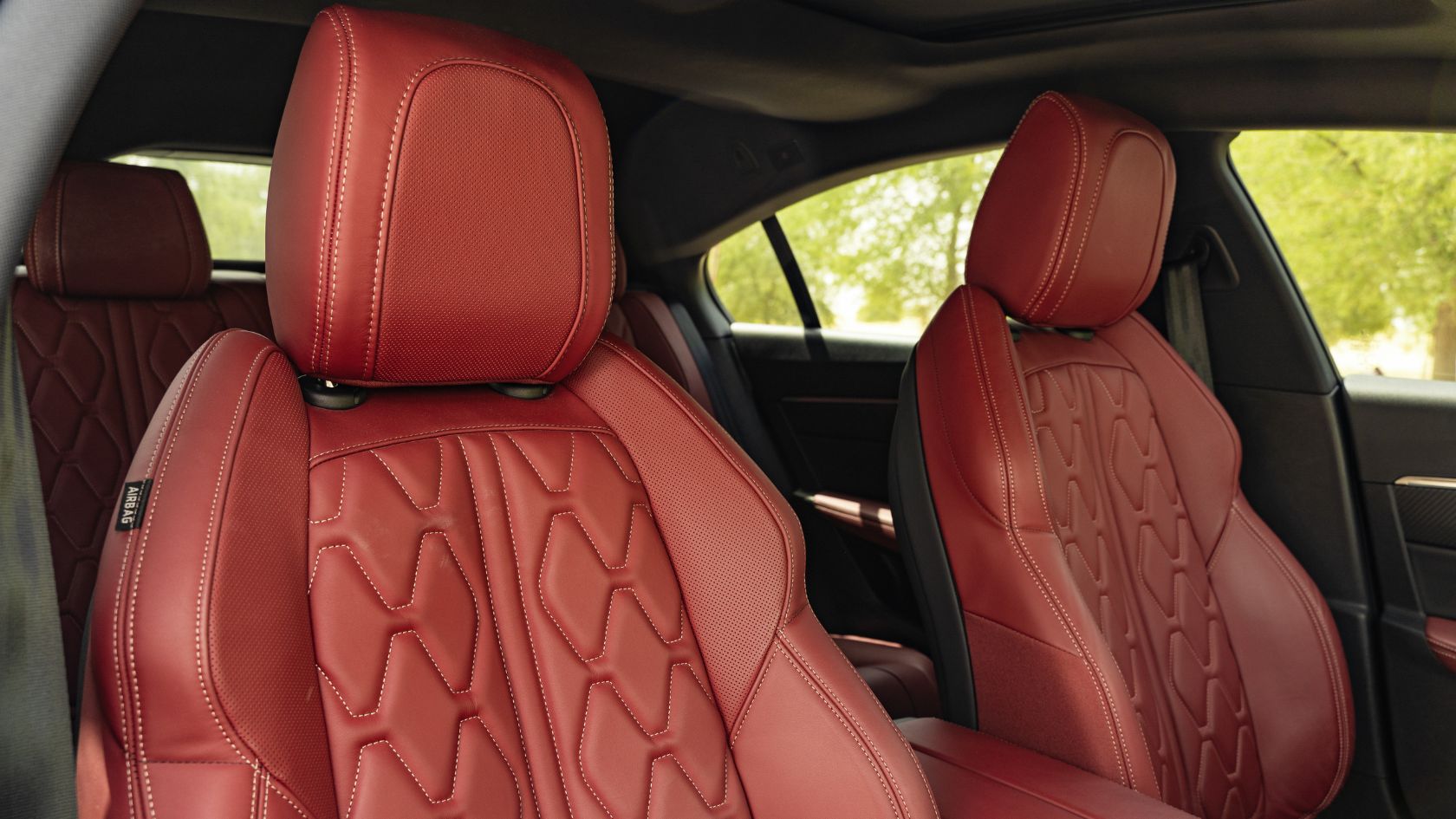
Whether you’re a seasoned driver or just got your license, understanding the nuances of car seat cover materials can make a world of difference in your automotive journey. Car seat covers go beyond mere aesthetics; they’re the unsung heroes protecting your seats from spills, stains, and the wear and tear of daily use. In this guide, we’re unraveling the mysteries behind why car seat cover material matters. We will explore the pros and cons of different materials, provide insights on choosing the right material, and also offer recommendations based on different conditions. Choosing the right car seat cover material is crucial for a myriad of reasons that significantly impact your driving experience. The material directly influences comfort and support, with options like leather providing a stylish feel but potentially becoming uncomfortably hot, while breathable materials like cotton enhance air circulation and prevent odors. Durability and protection are important, considering factors such as wear and tear resistance, ease of cleaning, and resilience against UV rays. Safety considerations include selecting covers compatible with airbags and opting for flame-retardant materials to prevent fire hazards. Aesthetically, car seat covers contribute to the overall look of your vehicle’s interior, with various colors, styles, and textures available. Practical factors such as budget, climate, lifestyle, and personal preferences further guide the choice, ensuring the selected material aligns seamlessly with individual needs. In essence, the car seat cover material matters because it directly influences comfort, durability, safety, and aesthetics, offering a personalized touch to your driving space. Comfort and Feel When it comes to car seat covers, comfort is king. The material you choose directly impacts how cozy your driving experience will be. There is leather which is known for its luxurious feel, and it might suit those who prioritize comfort. On the other hand, fabric options offer a more budget-friendly alternative with their soft texture. Cotton is always more breathable and comfortable, especially in warm weather. It also allows air to circulate properly which is helpful in preventing sweat and moisture buildup. Both the elements could be uncomfortable and even lead to odors. Some other materials, like memory foam, are known to provide extra padding and support, which can reduce fatigue and improve long-distance driving comfort. Durability and Longevity No one wants to replace their seat covers every few months. That’s why considering the durability of the material is crucial. Materials exhibit varying levels of resistance to wear and tear. Leather stands out for its durability, while cotton may be susceptible to fading and tearing. The ability to resist spills and stains also varies, with vinyl emerging as a practical choice for families, given its easy wipe-clean surface. Furthermore, certain materials, like leather and vinyl, prove more resilient against the damaging effects of UV rays, which can fade and crack car seats over time. Synthetic options like neoprene provide a good balance of durability and ease of maintenance. Safety Ensuring safety is a non-negotiable aspect of choosing car seat covers. Some covers can interfere with airbag deployment, posing a serious hazard. Opting for seat covers explicitly designed to be airbag-compatible is imperative. Additionally, considering flame retardancy is crucial, as some materials are more flammable than others, contributing to fire prevention in the event of an accident. Aesthetics Car seat covers are not only functional but also contribute to the aesthetics of your vehicle’s interior. With a wide array of colors, styles, and textures available, you can choose covers that seamlessly blend with your car’s interior or add a personal touch. Luxurious materials like leather and faux fur can elevate your car’s interior, offering a touch of opulence. Leather – Leather is the epitome of sophistication in the automotive world. Its smooth, luxurious texture adds a touch of class to any car interior. Leather seat covers are very durable and can last for many years. However, it comes with a price tag and demands regular care to prevent cracks and fading. Leather seat covers are also highly prone to changing weather conditions. Related Read: Do Seat Covers Damage Cloth Seats Fabric – Fabric covers, available in a myriad of patterns and colors, offer a budget-friendly option without compromising on comfort. Moreover, fabric seat covers are easy to remove and washable in the washing machine. On the flip side, they may not be as resistant to wear and tear as leather, vinyl, or neoprene but they bring a cozy, homey feel to your car’s interior. Synthetic Materials – For the eco-conscious or budget-minded, synthetic materials like neoprene and polyester are gaining popularity. They are resistant to water, making them ideal for those rainy days, and often come at a fraction of the cost of leather. Neoprene, though very comfortable and provides good support may require professional services on installation. Here are some recommendations for car seat cover materials based on climate conditions: Hot Climates – Look for seat covers made from breathable fabrics like cotton, mesh, or bamboo. These materials allow air to circulate freely, preventing your back and legs from getting sweaty and uncomfortable. Spending hours in a hot car can be unbearable for everyone, especially the kids. Breathable seat covers provide much-needed comfort by keeping everyone cool and preventing irritability. Breathable seat covers offer a convenient and comfortable solution. You can use them as a portable seating option, allowing you to relax and enjoy the event without feeling sweaty or uncomfortable. Choose seat covers in lighter colors, which will reflect sunlight and help keep your car cooler. Some seat covers are made with sweat-wicking technology, which can help absorb moisture and keep you dry. Cold Climates – During winter, you’re eager to find a way to stay warm and comfortable during commutes. Choose seat covers made from warm materials like wool, fleece, or faux fur. These materials will help keep you warm and cozy in cold weather. These materials are excellent insulators, trapping your body heat and keeping you cozy throughout your drive. You can also consider heated seat covers, which can provide extra warmth and
Helmet Hair Loss: Causes and Prevention for Riders
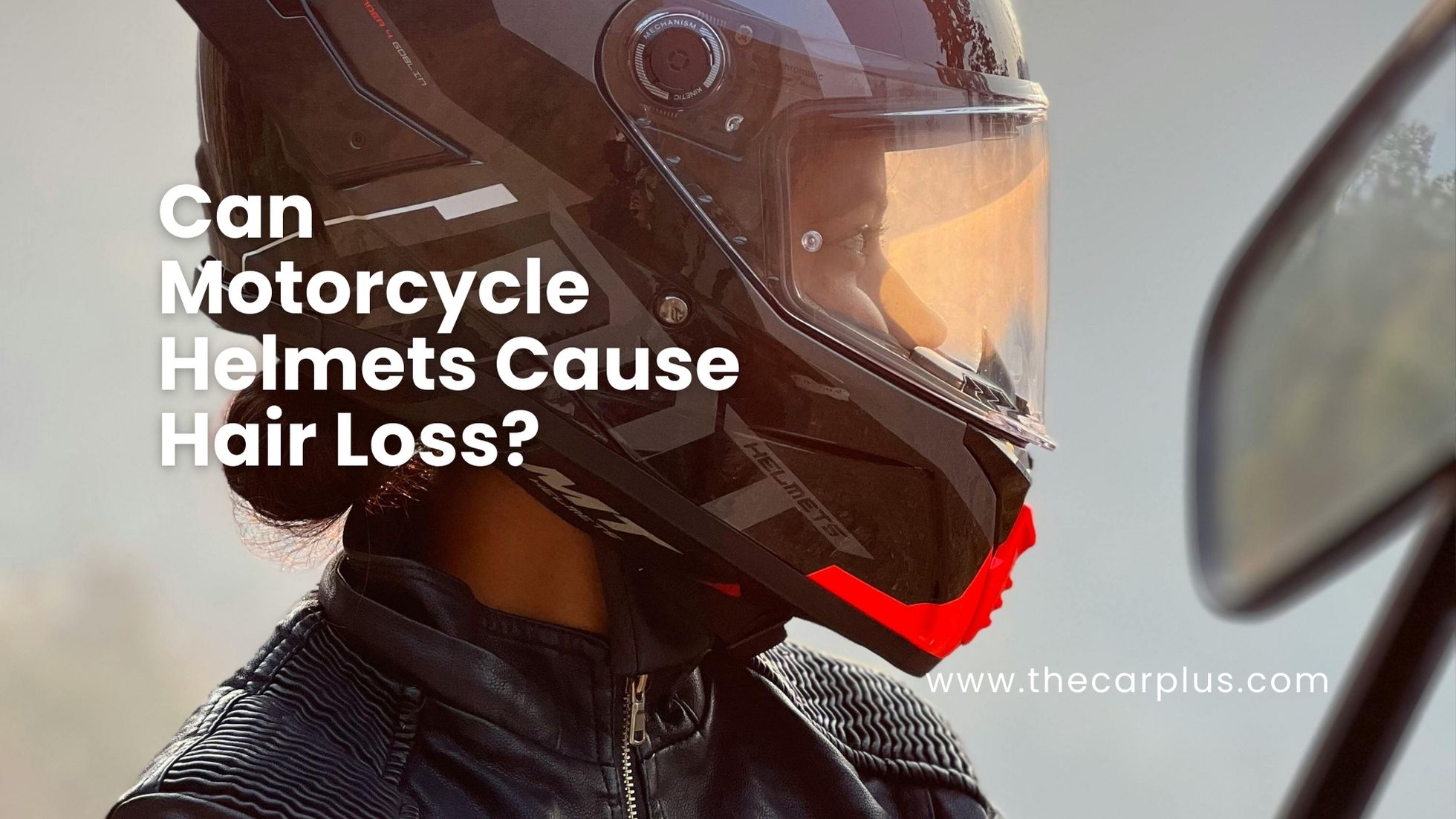
Helmet hair loss is a common concern that bothers riding a motorcycle with an unmatched sense of freedom. Ever wondered whether your helmet is secretly contributing to hair loss? If yes, you’re not alone. Today we’re diving into what’s myth, what’s truth, and how you can protect both your ride and your hair with helmet. Yes, motorcycle helmets can contribute to hair loss, but only under specific conditions. Some of the conditions are tight helmets that create friction, trapped heat which increases sweat buildup, and dirty liners irritate the scalp—leading to breakage or traction alopecia. To prevent the hair loss, riders must choose the right helmet size, proper ventilation, clean padding, and protective inner caps that can significantly reduce helmet-related hair fall. This is because when a helmet fits too snugly, the inner padding constantly rubs against your scalp and hair strands. This repetitive friction weakens the roots, causing strands to break or shed faster than usual. For frequent riders, especially those using hard, unbreathable padding, this friction becomes a daily stressor on hair follicles. This type of hair loss is often associated with “traction alopecia,” a condition where repeated pulling or pressure wears out the hair roots. The good news? This isn’t permanent hair loss unless ignored for long periods. A properly fitted helmet that doesn’t squeeze your head can greatly reduce friction-related thinning. Motorcycle helmets trap heat — and where there’s heat, there’s sweat. A warm, damp environment becomes a breeding ground for bacteria and fungus, both of which can irritate your scalp and weaken hair follicles. Riders who sweat heavily beneath their helmets often complain of itching, flakes, or an oily scalp, all of which accelerate hair fall. If your scalp remains moist after long rides, the imbalance in natural oils can cause breakage. Helmets with poor ventilation tend to worsen this issue. So what should you do to keep your hair safe? Well, your scalp should be clean, and you should air out your helmet. Make use of moisture-wicking liners that help keep sweat-induced hair fall in check. If you are a frequent rider, you must be wearing a helmet for extended periods. This practice exerts constant pressure on specific areas of your scalp. Over time, this pressure strains hair follicles, leading to gradual thinning. Riders who commute daily or tour long distances are more likely to experience this pattern. The condition isn’t about the helmet alone—it’s the combination of tightness, pressure points, and duration of wear. Fortunately, traction alopecia is preventable with conscious choices: adjusting your helmet fit, taking short breaks, and ensuring your hair isn’t tightly tied beneath the helmet. Loosening up the strain on your follicles allows them to recover naturally. Helmet liners absorb sweat, dust, and oil from your scalp. If they’re not washed regularly, buildup occurs, creating an unhealthy environment for your hair and skin. Dirty liners can clog pores, trigger dandruff, and even cause scalp infections—all of which contribute to hair shedding. Many riders overlook liner hygiene, using the same inner padding for months without washing it. Opting for removable, washable liners makes maintenance easier. Clean padding not only feels fresher but also protects your scalp from irritation. A clean helmet interior is often as important as a clean scalp when it comes to preventing unnecessary hair fall. Not all helmets are created equal. Some inner paddings are rougher, heavier, or made from materials that don’t breathe well. These put more stress on your scalp. Similarly, a loose helmet that moves excessively can cause as much friction as an overly tight one. A well-designed helmet distributes pressure evenly, uses soft hypoallergenic liners, and offers good airflow. The right fit should feel snug but not suffocating. Investing in a premium, well-ventilated helmet reduces hair-related issues while keeping you safe on the road. Comfort and safety go hand in hand—and your hair benefits too. FAQs About Helmets and Hair Loss 1. Does wearing a helmet every day cause permanent hair loss? Not usually. Any hair loss caused by friction or pressure is typically temporary unless neglected for years. Improving helmet fit and hygiene helps hair recover. 2. Can short hair reduce helmet-related hair fall? Yes, shorter hair reduces friction and tangling inside the helmet, which can decrease breakage. 3. Do bandanas or skull caps help? They can. Breathable cotton or moisture-wicking caps create a protective layer between your scalp and the helmet, reducing friction and sweat buildup. 4. Should I tie my hair under the helmet? Avoid tight ponytails or buns. They increase tension on roots. A loose braid is a better choice for long hair. 5. Will using hair products under the helmet worsen hair fall? Some products, especially gels or waxes, can mix with sweat and clog pores. Go product-free before long rides whenever possible. 6. How often should I wash my helmet liner? Ideally every 1–2 weeks if you ride daily. A clean liner significantly reduces scalp irritation and hair shedding. Motorcycle helmets can contribute to hair fall, but with the right choices, you can easily minimize the issue. Opt for a helmet that fits comfortably, offers proper ventilation, and includes soft, clean liners. Related Read: Best Helmet For Wind Noise Reduction Pair this with good scalp hygiene and protective inner caps, and you’ll enjoy safe rides without worrying about avoidable hair loss.
Best Helmet For Wind Noise Reduction (2025)
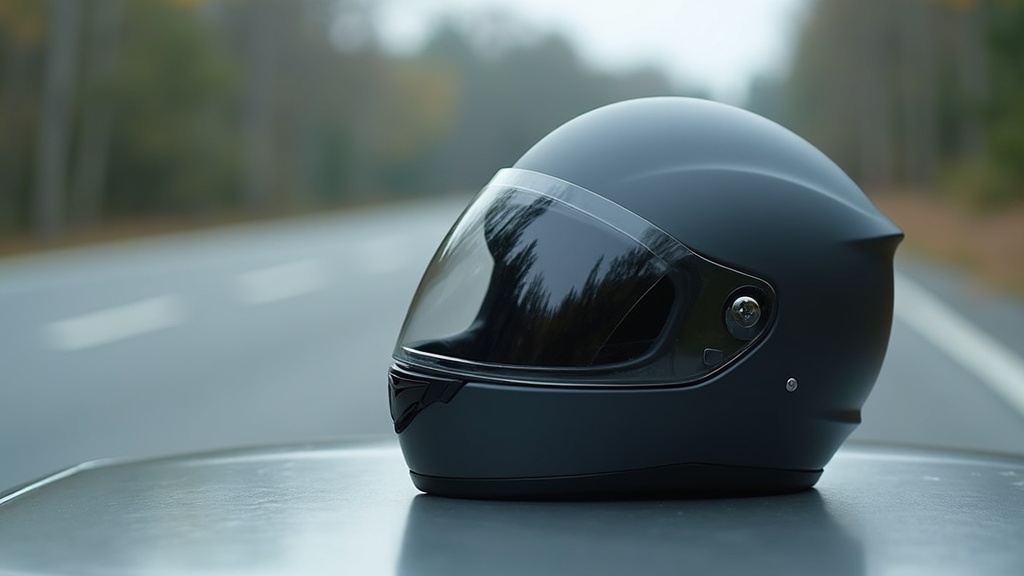
If you’ve ever spent time riding at highway speeds, you know wind noise inside your helmet can really wear you down. Besides being uncomfortable, it makes it hard to enjoy music or phone calls, and it can even put your hearing at risk over time. Picking a helmet that shrugs off wind noise isn’t just about comfort; it helps keep rides safer and more enjoyable. Some helmets make a big difference in keeping things quiet. But picking the one that fits your budget and tops shelf stuff with every feature under the sun is tricky. This guide breaks down my top choices on 3 best helmets for wind noise reduction, plus some things you can do to make any helmet quieter. 3 Best Helmets for Wind Noise Reduction Not all helmets are built the same when it comes to blocking wind noise. Most of the top models focus on streamlined design, snug padding, and clever vents that let air flow without whistling past your ears. Here are my three picks for the quietest helmets you can find right now, with a quick look at what I like and what’s not so great about each one. 1. Shoei RF-1400 This one gets a lot of praise for being really good at shutting out noise. The shell is shaped to cut through air, and the padding gives a tight but comfy seal. Shoei’s vents are smooth enough that you feel air without the racket. Riders who’ve spent all day riding in this helmet, noticed a big drop in fatigue thanks to how quiet it is. 2. Schuberth C5 Schuberth gets a lot of love from touring riders who spend hours on the highway. The C5 is a modular helmet (that means the chin bar flips up) but still manages to block a lot of wind noise. There’s extra plush padding around the base, and the integrated microphone and speaker pockets don’t leave weird gaps that leak sound. 3. Arai Signet X The Signet X is a favorite for riders with longer, narrower heads. What sets it apart is how well the liner fits without pinching, and the shield seal works great for keeping wind from sneaking in. The noise reduction is really impressive, especially for riders with the right head shape for Arai. All of these helmets have their own focuses and quirks, but they share one thing in common: they’re a solid upgrade for anyone trying to tame wind noise while riding. Risks of Having Wind Noise in Your Helmet It’s easy to brush off wind noise as just a minor annoyance, but it’s got a few hidden downsides that are worth paying attention to. If you are stretching long hours riding in a loud helmet, it can really take a toll on your body and your ride with the following consequences: That’s why it’s really important to pick a quiet helmet or use some tricks to lower noise, especially for people who ride a lot. How to Avoid Wind Noise in Your Helmet Even the quietest helmet can let in wind noise if it’s not used the right way. Over the years, I’ve found a few solutions that actually work and make the ride way more peaceful. Combining a well designed helmet with these tricks can keep wind noise pretty manageable, even at speed. Helmet Wind Noise Frequency Wind noise inside a helmet isn’t just one sound; it’s a bunch of frequencies mashed together. Most of the noise comes as a low, rumbling whoosh between 200 to 1000 Hz (hertz), with some sharp whistling or buzzing if air sneaks through gaps or vents. The worst levels for your ears are usually in the higher frequencies (over 1,000 Hz), but the lower range is what feels tiring and drowns out other noises. Some helmets are shaped to push air away from these noisy spots, and padded linings help soak up certain ranges of sound. Earplugs are great at blocking the worst parts while letting you hear important stuff, and some Bluetooth headsets now offer active noise cancellation, though it’s not as good as old school sealing and earplugs just yet. If you use a decibel meter app on your phone during a ride (be careful and stay safe!), you’ll usually see wind noise spike as you go over 50 mph. Sometimes just raising or ducking your head changes the sound more than you’d expect. Testing different head positions and checking your helmet fit regularly can help keep wind noise under control. Many riders find that tweaking just a few things makes a noticeable difference in how noisy their rides are. Are Expensive Helmets Quieter? Price doesn’t guarantee quietness, but spending more usually gets you better design, thicker padding, and cleverer vents, all things that help keep noise down. There are plenty of budget helmets that are fine at lower speeds, but they don’t hold up when things got fast. Higher end options often come with extras like wind tunnel testing, snug shield seals, and extra sound deadening foam. I wouldn’t buy a helmet based just on price, though. Many of midrange helmets have impressive noise levels if they fit right and use up to date tech. The quietest ride comes from matching your head shape, your bike’s wind flow, and your riding style with a well made helmet. If possible, check online reviews or ask riders with similar setups about their helmet’s noise before dropping a bunch of cash. Also, keep in mind that advancements in helmet materials and test methods mean that features for noise reduction are continually getting better even in affordable lids. Don’t be fooled by heavy graphics and finishes; what matters most for noise reduction is the helmet’s shape, seal, and fit. Do Modular Helmets Have More Wind Noise? Modular (or flip up) helmets are super convenient, but all those hinges and seams give air more places to sneak in. That means, in general, modulars can be a little noisier than full face helmets. This is
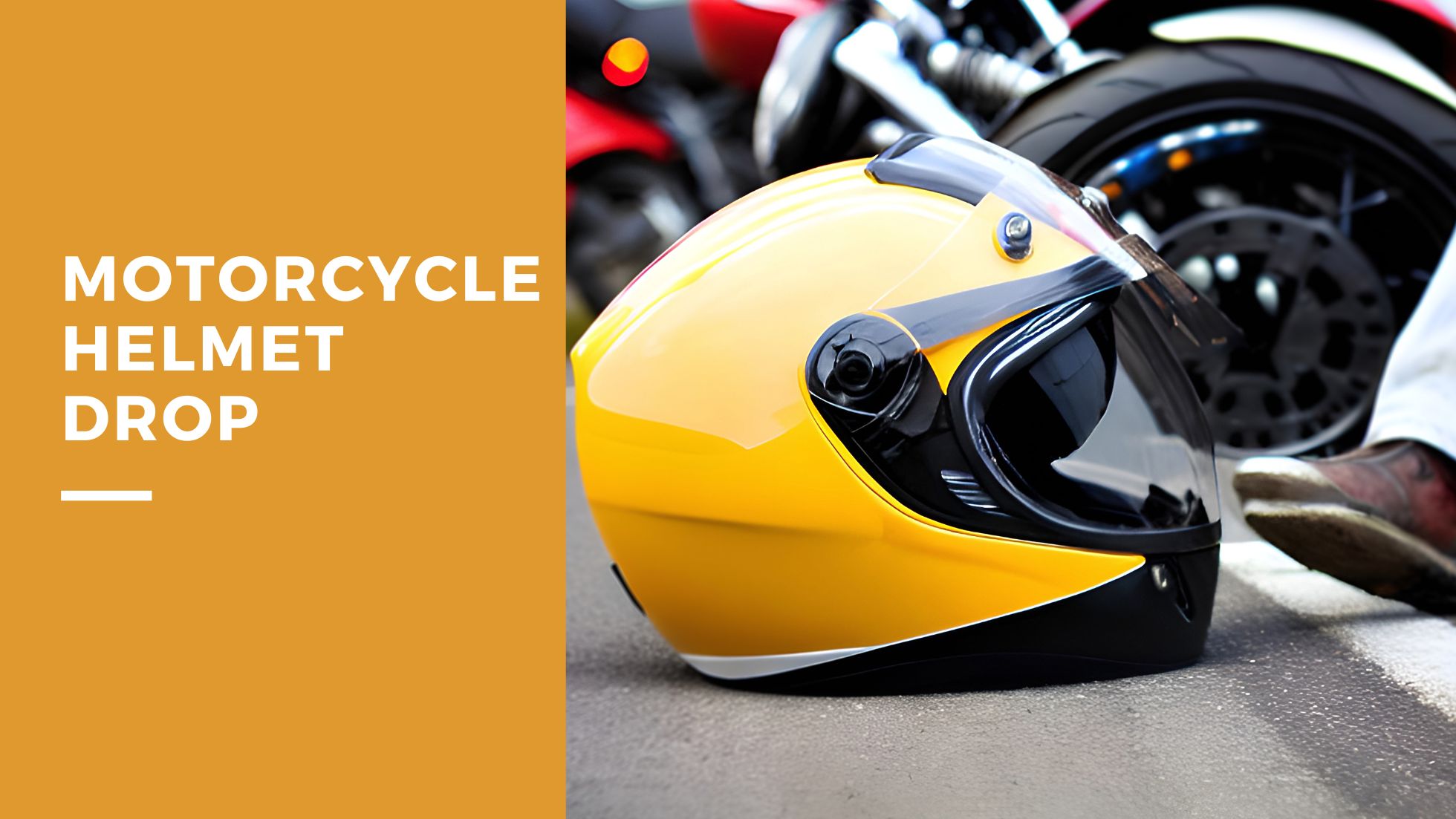
Should You Replace a Motorcycle Helmet If You Drop It?
Let’s say you are riding a motorcycle and suddenly your helmet dropped due to some hurdles on the road. What would you do? Would you get it replaced? If you are unsure about it or don’t know when to get it replaced, here’s a comprehensive guide that will help you understand and take the right steps to ensure safety. Impact on the Helmet When it Drops When a helmet drops, the intensity at which it drops and the surface where it falls plays a critical role. If it drops on a hard surface like concrete, its inner protective foam can be damaged. This can weaken the ability of the helmet to absorb moisture in future. Whereas, if the helmet experiences a small drop from a seat, then the impact is quite mild and can be easily used in future. If you have any doubts, you can get the helmet inspected by a professional for safety reasons. Do Motorcycle Helmets Expire? Most of the helmets do come with an expiry date. Many manufacturers often recommend replacing them every 5-7 years from their manufacture date as they are aware of degradation of the material used. Some of the factors that cause wear and tear of helmets are as follows: However, there are many cases when the helmet may look fine from the outside, but in reality, they are already expired to use. So, it is always better to check the guidelines regarding the replacement of the helmet provided by the manufacturer itself. Should a Helmet be Replaced After an Accident? Yes, it should be replaced. The majority of helmets are certified and made for one-time use in case of an accidental crash. They are made to absorb moisture. It performs that by compressing the inner foam liner. Once this takes place, it loses its capability to protect the head in an accident. Even if you find no external damage or other issues, there is a huge possibility that, internally, there might be structural problems. To stay risk-free, it is always advisable to replace it after a major accident. When to Replace a Motorcycle Helmet? As someone who has experienced riding motorcycles for more than 5 years, I have learnt that timing plays a huge part in replacing the helmet. Here are some of the vital situations that you must consider: Also, your gut feeling is your best friend. If it tells you that something is off with your helmet or you start feeling discomfort, do not ignore it. Get it replaced without any second thoughts! Related Read: How to Prevent Motorcycle Helmet from Fogging Up? What is the Lifespan of a Motorcycle Helmet? The average lifespan of most motorcycle helmets is only 5-7 years. Yes, it depends on factors like frequency of use and exposure to UV light and other elements. If you ride a motorcycle in rugged terrain or mountains, then you may be required to replace them more often than usual. To extend the lifespan of your helmet, you must do the following: Conclusion While you enjoy riding your motorcycle, it is equally important to keep a check on the helmet and ensure that it makes you feel comfortable and is replaced as and when required.