Mr. Arif

I am the founder of TheCarPlus. As a passionate car owner and enthusiast, I offer practical solutions and insights from my own personal experiences combined with extensive online research.

Trending Posts

  • All Posts
  • Advanced Driver Warning System
  • Automation
  • Automotive Reviews
  • Baby Car Seat
  • Best Automotive Solutions & Car Blogs
  • Bike Accessories
  • Car Accessories
  • car batteries
  • Car battery
  • Car Blind Spot Mirror
  • Car Detailing
  • Car Emergency
  • Car Fire
  • car fire safety
  • Car Floor Mats
  • Car Glass
  • car puncture
  • car puncture repair
  • Car Roof Top Carrier
  • car safety
  • Car Seat
  • Car Sound
  • Car Tire
  • Comparisons
  • cooling off car fire
  • Emergency Kits
  • fighting car fire
  • how to cool of car fire
  • how to cool off car fire
  • how to jump start a car
  • how to start the car through jumper cables
  • how to use jumper cables
  • jumper cables
  • keeping the car safe from fire
  • Lane Departure Warning
  • Motorcycle Bag
  • Motorcycle Battery
  • Motorcycle Chain
  • Motorcycle Detailing
  • Motorcycle Fire
  • Motorcycle Helmet
  • Motorcycle Tire
  • Optimization
  • Performance
  • Road Trip Essentials
  • Strategy
  • Technology
  • tire puncture repai
  • tire puncture repair
  • tyre puncture
  • Uncategorised
  • using car fire extinguisher kit
    •   Back
    • lane keep assist
    • Advanced Driving Assistance System
    •   Back
    • car windshield
    • car windshield expiry
    • car windshield cracks
    • tinted glass
    • tinted film
    • glass tint
    • car glass condensation
    • car glass defogging
    • car sound
    • car soundproofing
    • windshield glare
    • window glare
    • glare reduction
    • laminated glass
    • laminate glass crack
    • tempered glass
    • aerodynamics
    • car design
    • car glass distortion
    • Car Noise
    • sound deadening mats
    • anti-fog sprays
    •   Back
    • Car battery charging
    • Alternator
    • jumper cable sparks
    • jumper cable connection
    • Jumper cable waterproof
    • Laptop Charger
    • Battery Charger
    • Battery explosion
    • Jumper cable fire
    • Jumper cable grounding
    • Jumper cable amperage
    • Weak battery
    • car battery low water
    • Battery Tender
    • car cigarette lighter
    •   Back
    • Parked Car Fire
    • Arson
    • car fire extinguisher
    • fire extinguisher safety
    • fire extinguisher hazards
    • car explosion
    • car explosion causes
    • fire extinguisher mounting bracket
    • vehicle recall
    •   Back
    • car washing
    • auto detailing
    • car care products
    • hair shampoo
    • car waxing
    • liquid wax
    • Car vacuum
    • car vacuum accessories
    • car vacuum maintenance
    • glass cleaner
    • car paint
    • car wash soap
    • car wash shampoo
    • HEPA filter
    • robotic vacuum
    • wet and dry vacuum cleaner
    • car carpet
    • car carpet cleaning
    • car vacuuming safety tips
    • Car Moisture Absorber
    • water spot remover
    • heat gun
    •   Back
    • Auto Seat
    • Car Seat Protector
    • Seat Cover
    •   Back
    • blind spot
    • blind spot monitoring
    • blind spot detection
    • lane assist
    • lane departure warning
    •   Back
    • Capacitive Steering
    • Forward Collision Warning
    •   Back
    • Car escape
    • car escape tool
    • car door
    • Car emergency escape tool
    • seat belt
    • seat belt design
    • car seat belt button
    • seat belt stopper
    • car window glass
    • car window breaker
    •   Back
    • Car Floor Lamination
    •   Back
    • car noise
    •   Back
    • Car tire explosion
    • Tire inflator
    • electric air pumps
    • car PSI
    • tire sound
    • tire helicopter sound
    • Tire material
    • rubber tire
    • Tire inner tubes
    • tire bottle
    • tire patching
    • tire plugging
    • Tire repair kit
    • Puncture repair kit
    • slippery tires
    • tire curing
    • tire pressure gauge
    • tire pressure gauge calibration
    • digital tire pressure gauge
    • TPMS
    • Tire Pressure Monitoring System
    • TPMS sensor battery
    • TPMS sensor testing
    • run-flat tire
    • tire aspect ratio
    • tire size
    • tire label
    •   Back
    • chain tension
    • motorcycle chain tension tool
    •   Back
    • Helmet Fog
    • Helmet Visor
    •   Back
    • motorcycle exhaust flames
    • motorcycle backfiring
    • Motorcycle white smoke
    • Motorcycle fire extinguisher
    •   Back
    • motorcycle tire tread pattern
    • motorcycle tire opposite tread pattern
    • Motorcycle tire balancing
    • motorcycle tire wobbling
    • Motorcycle bald tire
    •   Back
    • Reverse polarity
    • motorcycle battery explosion
    • Motorcycle battery charging
    •   Back
    • water spots
    • motorcycle chrome
    • motorcycle plastic
    • plastic restorer
    • motorcycle fairing
    • motorcycle chain
    •   Back
    • rear-facing car seat
    •   Back
    • Roof Rack

Categories

Should You Replace a Motorcycle Helmet If You Drop It?

Replacing Motorcycle Helmet After It Drops

Let’s say you are riding a motorcycle and suddenly your helmet dropped due to some hurdles on the road. What would you do? Would you get it replaced?

If you are unsure about it or don’t know when to get it replaced, here’s a comprehensive guide that will help you understand and take the right steps to ensure safety. 

Impact on the Helmet When it Drops

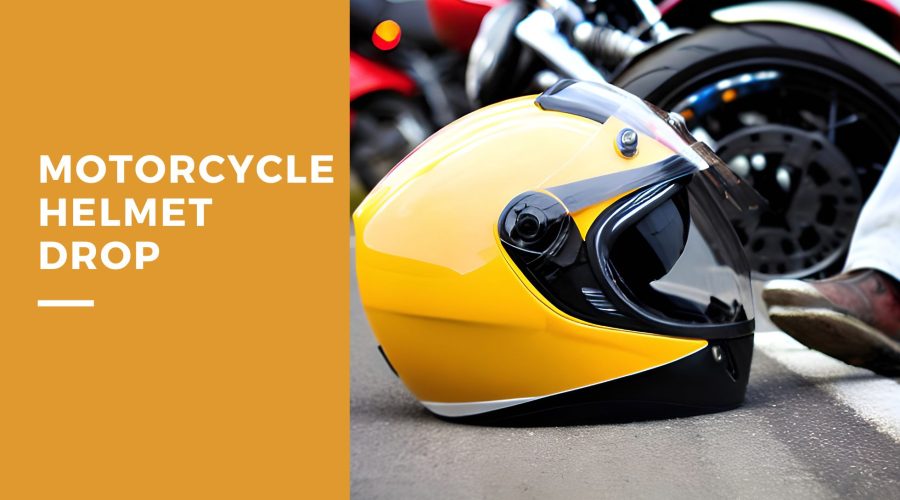
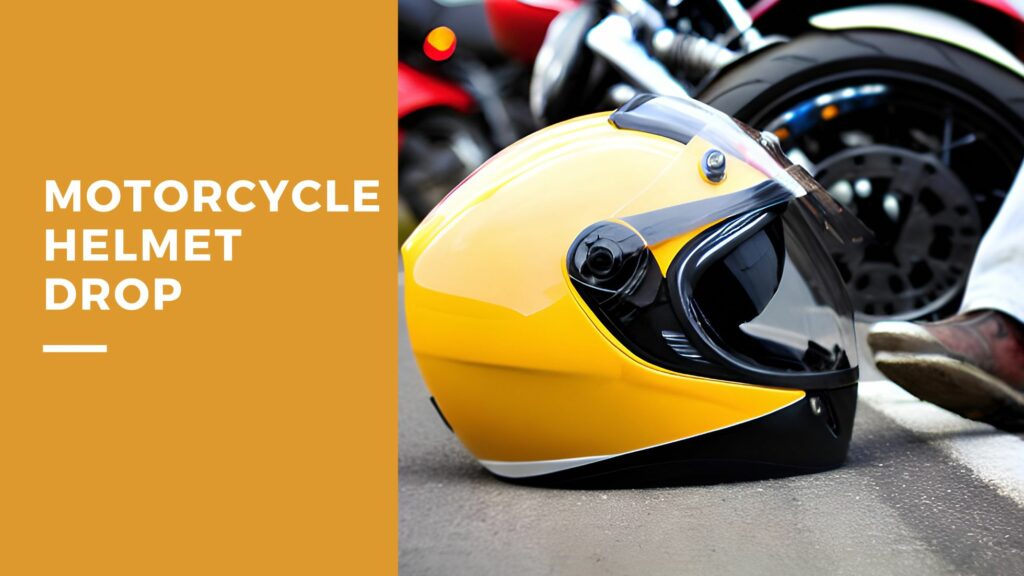
When a helmet drops, the intensity at which it drops and the surface where it falls plays a critical role. 

If it drops on a hard surface like concrete, its inner protective foam can be damaged. This can weaken the ability of the helmet to absorb moisture in future. 

Whereas, if the helmet experiences a small drop from a seat, then the impact is quite mild and can be easily used in future. If you have any doubts, you can get the helmet inspected by a professional for safety reasons. 

Do Motorcycle Helmets Expire? 

Most of the helmets do come with an expiry date. Many manufacturers often recommend replacing them every 5-7 years from their manufacture date as they are aware of degradation of the material used. 

Some of the factors that cause wear and tear of helmets are as follows: 

  • Sweat and Moisture – When you ride a motorcycle and get too sweaty due to the hot atmosphere, then the moisture and sweat can affect and break adhesives and even internal padding of the helmets. 
  • UV Rays – If the helmet is excessively exposed to UV light, it might get damaged before expiry. 
  • Gradual Deterioration- If you ride a motorcycle on a daily basis, then gradually its effectiveness will be reduced. 

However, there are many cases when the helmet may look fine from the outside, but in reality, they are already expired to use. So, it is always better to check the guidelines regarding the replacement of the helmet provided by the manufacturer itself. 

Should a Helmet be Replaced After an Accident? 

Yes, it should be replaced. The majority of helmets are certified and made for one-time use in case of an accidental crash. They are made to absorb moisture. It performs that by compressing the inner foam liner.

Once this takes place, it loses its capability to protect the head in an accident. Even if you find no external damage or other issues, there is a huge possibility that, internally, there might be structural problems. To stay risk-free, it is always advisable to replace it after a major accident. 

When to Replace a Motorcycle Helmet? 

As someone who has experienced riding motorcycles for more than 5 years, I have learnt that timing plays a huge part in replacing the helmet. Here are some of the vital situations that you must consider: 

  • After a Major Drop – If your helmet experiences a major fall, you may think it is fine, but it is not. It won’t give you any signals, it will just weaken your protection. So, stay alert whenever it falls. 
  • After a Huge Accident – This is a non-negotiable situation. You can’t neglect it, as it causes a major impact on your helmet. So, remember to get it replaced after a major accident. 
  • Aging of Helmet Parts – Due to continuous use, after some years, it is evident that some parts of the helmet will age. No matter how much you save it from an accident, either internally or externally, it will wear off. 
  • After a Clear Damage – If you see clear damage in the form of cracks, weak lining, or peeling on the shell, it is a clear indication that you need to replace it immediately before it starts falling apart. 

Also, your gut feeling is your best friend. If it tells you that something is off with your helmet or you start feeling discomfort, do not ignore it. Get it replaced without any second thoughts! 

Related Read: How to Prevent Motorcycle Helmet from Fogging Up?

What is the Lifespan of a Motorcycle Helmet? 

The average lifespan of most motorcycle helmets is only 5-7 years. Yes, it depends on factors like frequency of use and exposure to UV light and other elements. If you ride a motorcycle in rugged terrain or mountains, then you may be required to replace them more often than usual. 

To extend the lifespan of your helmet, you must do the following: 

  • Handle it carefully while wearing, riding, and removing to avoid major drops 
  • Avoid toxic chemicals to clean it. Instead, use soap and water. 
  • Keep it away from direct sunlight and in a cool and dry place. 

Conclusion 

While you enjoy riding your motorcycle, it is equally important to keep a check on the helmet and ensure that it makes you feel comfortable and is replaced as and when required.

Previous Post
Next Post

Leave a Reply

Your email address will not be published. Required fields are marked *

Stay Road Ready Always

Get essential driving tips, smart accessories updates, and exclusive road safety insights.

TheCarPlus is your trusted destination for practical car and bike accessories, emergency tools, and smart driving guides.

Quick Links

© 2026 Reserved by The Car Plus