
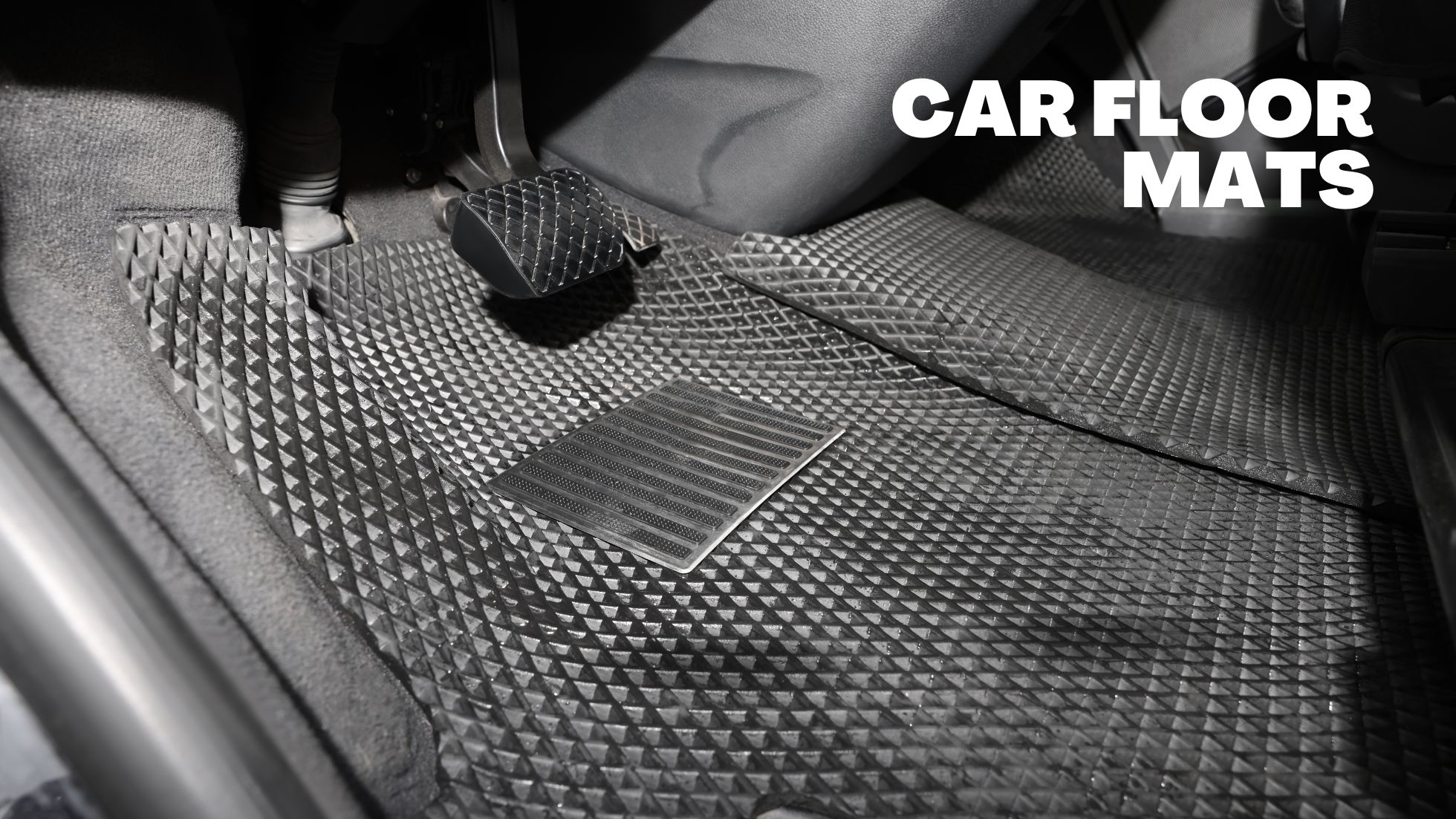
Just like driving a car without a license is risky, using a car without a floor mat can harm your health. It may not affect you temporarily, but it will surely reflect in your health in the long term. So, whether it’s a car seat cover or a floor mat, protecting and ensuring proper cleanliness in your vehicle is essential. A car floor mat not only protects it but also gives it an aesthetic appeal. Among many types of floor mats available in the market, you might wonder which one to choose, right? To make your decision easier, through this blog, I will review 2 top-rated car floor mats – Heated mats and Lightweight mats. Heated Floor Mats Made of carbon fiber, and PVC/ rubber, these heated floor mats have advanced heating features that often circulate the heat evenly across the surface of the mat. This can be beneficial for those who are looking for quick heating solutions as soon as they enter the car. To adjust the temperature, most of these mats provide an option to customize it as per individual choices. Alternatively, some of them already have built-in thermostats to ensure a desired heat level is maintained throughout the journey. Types of Heated Car Floor Mats But, how to use it? These heated car floor mats are often operated using USB ports or the 12V DC cigarette lighter socket of a particular car. Mentioned below are some of the steps to install it: Remember: For cleaning, it is better to use a damp cloth rather than simply soaking it into the water. If not, it may affect its heating properties. When it is in use, keep a check that no hard or sharp objects are placed on it. If not in use, you must store it in a cool place and ensure its cords are not tangled and arranged systematically. Benefits: Higher Energy Efficiency These heated floor mats are designed to provide maximum efficiency. To do so, these mats reduce the dependability on the heating system of the car and thereby save battery power and fuel automatically. Better Safety and Durability Heated floor mats are usually made using non-slip and rugged materials so that they can effectively be used for daily usage and stay for a longer period. Heats Up Quickly If you are looking for the best floor liners for your car, then this is probably the best fit. Unlike other mats that require a long time to warm up, heated floor mats are the best choice for many owners. Personally, I have been using heated mats in my car and I am quite happy with its instant heating feature. Lightweight Car Floor Mats For these, lightweight and durable materials like TPE ( Thermoplastic Elastomers), EVA (Ethylene Vinyl Acetate), and PP (Polypropylene) are used. These are often easy to maintain, install, and clean comparatively. If your car is in daily use, then this is probably the best choice. Types of Lightweight Car Floor Mats Now that you are aware of the types, let me tell me know it is used: For better convenience, keep track of the placement of the floor mats periodically. And what about the cleaning process? Here’s it: Benefits: As they are light in weight, it is easier to remove, clean, and add back. This consumes less time and I personally recommend this to the ones who are using their car every day. If you are looking for waterproof car floor mats, then lightweight mats are the ideal one. Made of the best materials, these can sustained for a longer time if maintained properly. If you are environmentally conscious, lightweight mats offer various options that are made using recyclable materials. So, you may simply opt for it. Conclusion Whether you are choosing lightweight or Heated car floor mats, ensure that you maintain them as required. If not taken care of, it won’t be worth investing your time and money. I would suggest first analyzing your requirements, budget, and usage and then moving forward to selecting the best one for your car.
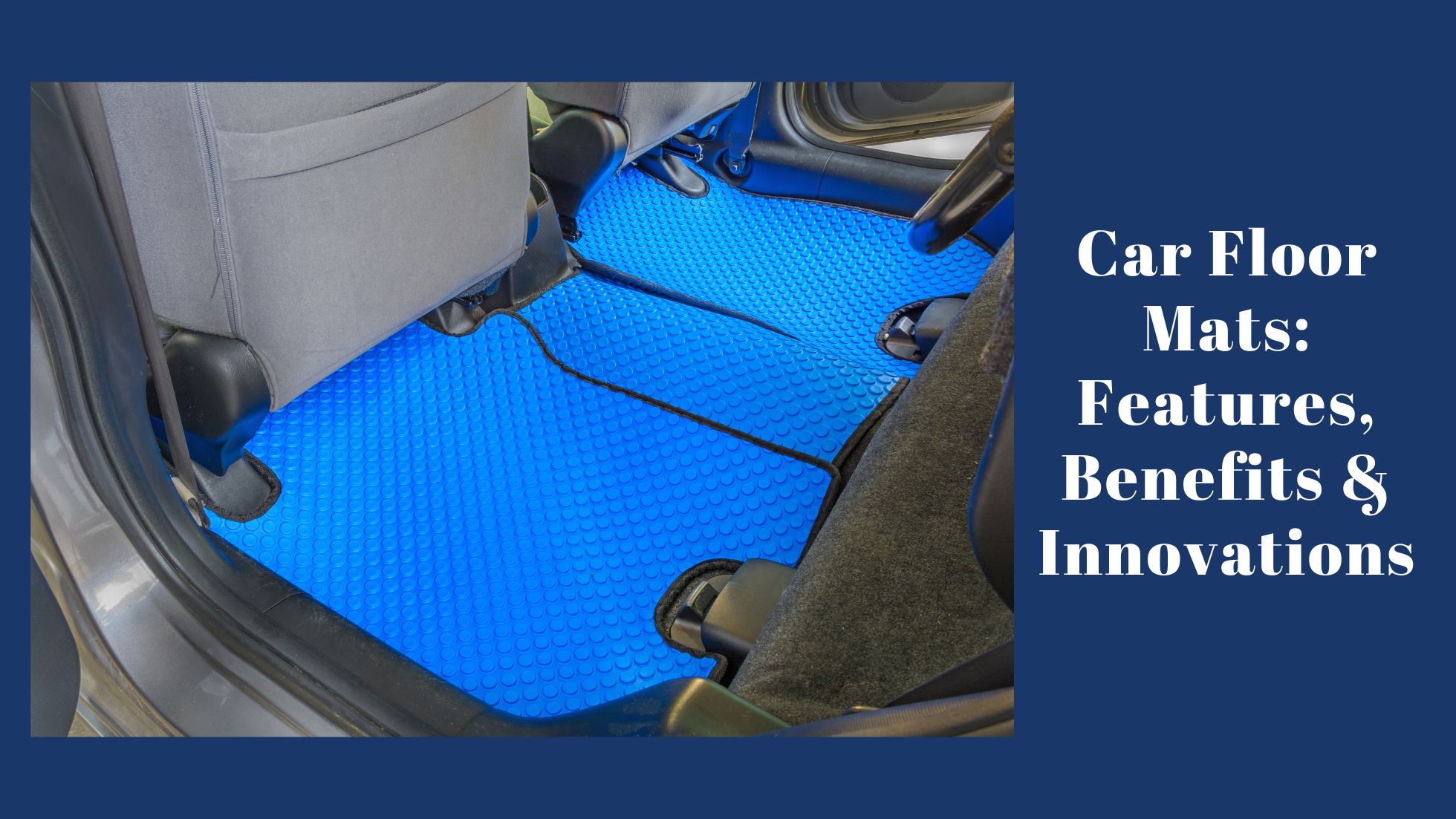
What Are The Features, Benefits, And Innovations For Specialized Car Floor Mats?
Car floor mats have evolved substantially from simple protective layers to advanced add-ons that enhance comfort, safety, and capability. Specialized mats offer functions designed to address specific wishes, making them a useful addition to any vehicle. These mats cater to diverse conditions and options, making sure there’s something for each automobile owner. Anti-skid backing is a vital function in many cutting-edge mats, providing enhanced protection by stopping unwanted motion. Mats that slip underfoot can pose a threat, especially for the duration of use; however, mats with this option live firmly in the region. Additionally, odor-resistant mats are gaining a reputation for their capability to hold a sparkling-smelling automobile interior, even in humid situations or after prolonged use. For electric and hybrid motors, lightweight yet durable mats are to be had to supplement the eco-aware layout of those cars. These mats often include sustainable materials, aligning with the values of environmentally conscious drivers. Another innovative addition is heated mats, which are specifically useful in chillier climates, providing warm temperatures and luxury to passengers at some point in cold climates. Car proprietors with specific wishes, which include pet transportation, can locate mats designed to deal with fur, scratches, and muddy paws. These mats regularly characteristic raised edges to contain messes, making cleanup less complicated. Similarly, all-climate mats with textured surfaces offer superior grip and ensure protection in opposition to water, dust, and snow. For those who enjoy outdoor sports, a few mats are designed to serve twin functions. They may be removed and used as outdoor seating pads or protective covers for gear. These versatile options showcase the revolutionary designs to be had in the marketplace these days. Choosing mats with specialized functions ensures that your car is not simplest included but also greater practical and cushty for daily use or unique trips. Innovations in Car Floor Mats The advancements in car floor mats are not just about protection, they also enhance the driving experience through innovation and functionality. For instance, mats with laser-measured precision fit are gaining traction, offering unparalleled coverage and a sleek, factory-installed look. These mats eliminate gaps, ensuring every corner of your car floor is shielded from dirt and debris. With sustainability becoming a priority, many manufacturers are introducing mats made from recycled materials or biodegradable components. These eco-conscious designs appeal to environmentally aware consumers, allowing you to protect your car while reducing your carbon footprint. Customization has also entered the floor mat market. From embossing your initials to matching your car’s interior color scheme, personalized mats are a stylish way to make your vehicle uniquely yours. Some mats now come with integrated smart features like moisture sensors that alert you when the mat requires cleaning. Such innovations are especially useful in regions prone to rain or snow, ensuring your car’s interior remains pristine without constant checks. Why Upgrade Your Car Floor Mats? Upgrading to specialized car floor mats is not just a cosmetic decision. These mats provide better durability, advanced features, and an enhanced driving experience. Whether you’re looking for comfort, luxury, or practicality, there’s a perfect set of mats to suit your needs. Invest in these innovations to transform your car’s interior into a cleaner, safer, and more stylish space. Your vehicle deserves it!
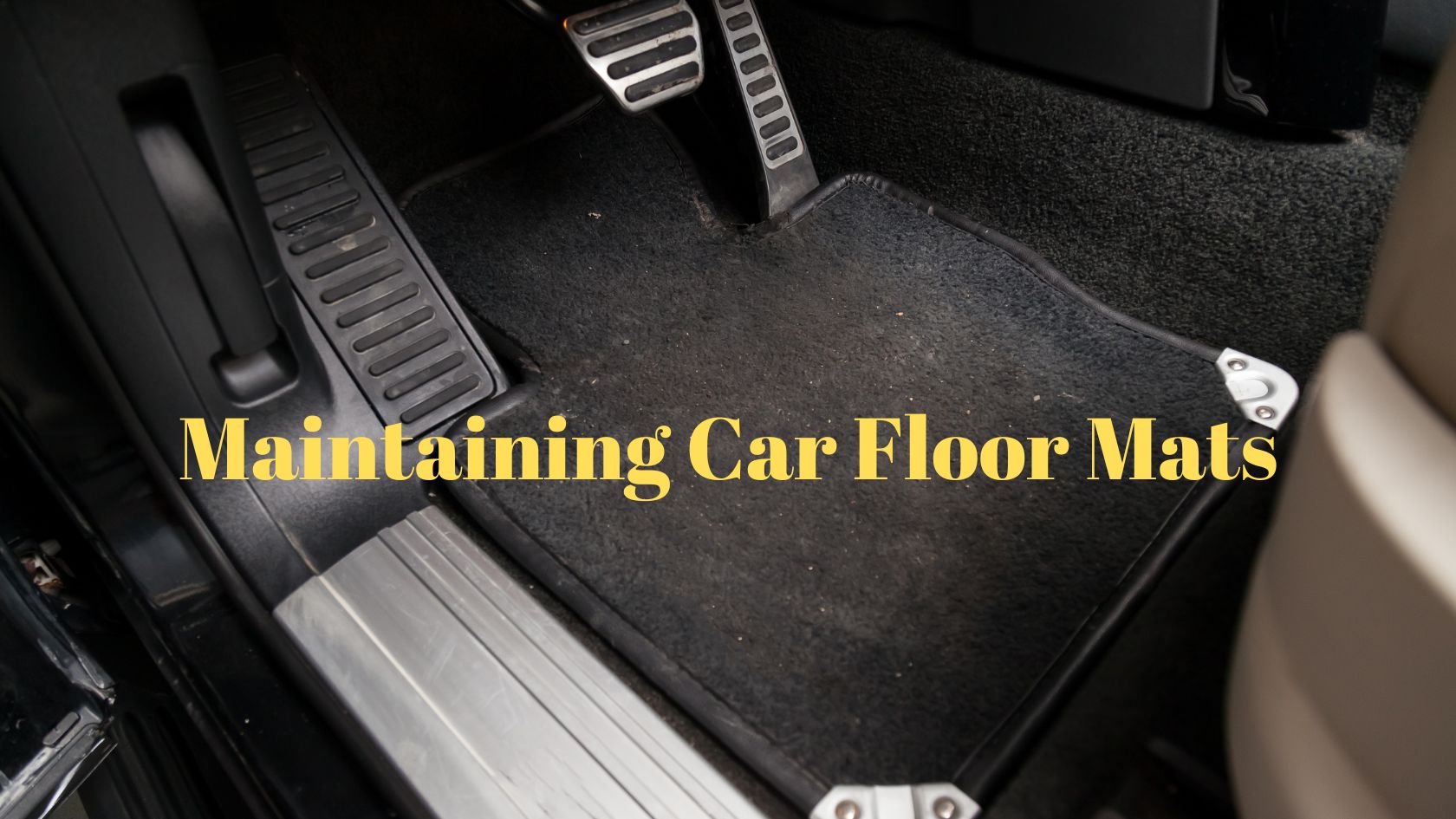
How To Maintain Or Care For Your Car Floor Mats?
Car floor mats undergo heavy use, bearing the brunt of dust, spills, and wear and tear. Proper protection not only extends their life but also keeps your car’s interior looking fresh and alluring. Cleaning and caring for vehicle mats doesn’t have to be a tedious task, but understanding the proper strategies is key to achieving first-class results. Rubber mats, for example, are exceptionally easy to clean. Remove them from the car, hose them down, and let them air dry. A moderate detergent and a scrub brush will do the trick for cussed dust. Carpeted mats, however, require a bit extra attention. Vacuuming often will assist remove unfastened dirt, however, for stains, a carpet cleanser or moderate soap with a soft brush is critical. Some carpeted mats are machine-washer-friendly, so checking the manufacturer’s instructions can save effort and time. Longevity also relies upon seasonal care. All-weather mats are excellent for protection for the duration of wet or snowy seasons, as they repel moisture and prevent damage to your car’s floors. Regularly cleansing mats during these durations ensures dust and dust don’t build up, which may result in ugly odors or everlasting stains. In addition to regular cleaning, analyzing mats for wear and tear is critical. Frayed edges, cracks, or reduced grip can sign that it’s time for a substitute. Choosing terrific mats that can withstand heavy use will prevent cash and attempt ultimately. Maintaining your automobile mats is a simple way to make certain your automobile remains inviting and clean. Additional Tips for Maintaining Your Car Floor Mats 1. Use Protective Sprays for Longevity For both rubber and carpeted mats, applying a protective spray can help repel water, dirt, and stains. These sprays create an invisible barrier that makes cleaning easier and extends the life of the mats. 2. Rotate Your Mats Just like rotating tires, rotating your floor mats occasionally can help distribute wear and tear evenly. This is particularly useful for mats in frequently used areas, like the driver’s side. 3. Dry Mats Thoroughly After cleaning, always ensure the mats are completely dry before placing them back in the car. Moist mats can lead to mold growth, unpleasant odors, and even damage to your car’s flooring. Air drying in a shaded, well-ventilated area is best. Avoid exposing mats to direct sunlight for prolonged periods, as this can cause fading or warping. 4. Invest in Seasonal Mats Consider using separate mats for different seasons. All-weather mats are ideal for winter or rainy months, while carpeted mats can add a touch of luxury during drier seasons. Swapping mats ensures they stay in optimal condition throughout the year. 5. Store Spare Mats Properly When not in use, store your extra mats in a clean, dry place. Stack them flat to avoid deformation and keep them covered to prevent dust accumulation. Proper care and maintenance of your car floor mats not only protect your vehicle’s interior but also enhance its resale value. By adopting these simple practices, you can ensure your mats look and function their best for years to come.

How To Choose The Perfect Car Floor Mats?
Car floor mats are critical for maintaining the cleanliness and appearance of your car’s interior. Selecting the right mats goes beyond aesthetics; it includes knowledge of the materials, suit, and other functions that may enhance your riding experience. Floor mats are normally available in various materials, including rubber, carpet, and even eco-friendly alternatives. Each material serves unique functions. For example, rubber mats are durable and waterproof, while carpeted mats add a touch of luxury and comfort to your vehicle indoors. Universal vs. Custom-Fit Car Floor Mats One principal choice is whether to opt for commonplace or custom-made floor mats. Universal mats are designed to fit an extensive range of vehicles; however, they won’t provide the appropriate cushioning required to defend each corner of your car’s flooring. Custom-made mats, on the other hand, are tailor-made especially for your automobile model, ensuring a snug fit and comprehensive protection. All-Weather Car Floor Mats Protection All-climate floor mats are a famous choice, for areas with varying climates. These mats are designed to address everything from muddy shoes to snow and sand, making them a versatile choice. Additionally, advanced designs like 3D and 5D mats offer raised edges and extra insurance, providing superior safety for spills and particles. When choosing floor mats, it’s important to remember additional capabilities such as anti-skid backing, which prevents mats from slipping, and scent-resistant houses that help hold your vehicle clean. Luxury automobile proprietors may select premium alternatives with complicated designs or green substances that align with sustainable living. Ensuring the mats, you select complement your car’s interior even as presenting the functionality you need will make a significant distinction in preserving the car’s cost and cleanliness. Choosing the Right Car Floor Mats for Your Lifestyle When selecting car floor mats, it’s important to consider your lifestyle and driving habits. For example, if you frequently drive in muddy or rainy conditions, investing in durable all-weather mats is a smart choice. These mats are designed to trap dirt, water, and debris, preventing them from reaching your car’s carpet. On the other hand, if aesthetics is your priority, carpeted mats offer a luxurious feel and can be customized to match your vehicle’s interior. Look for options with reinforced edges to ensure they last longer without fraying. For families, spill-proof and easy-to-clean mats are a lifesaver. Kids and pets often bring in messes, so selecting mats with raised edges or deep grooves can help contain spills and dirt. Budget vs. Value: Making the Right Investment While it’s tempting to go for the cheapest option, consider floor mats an investment in your car’s longevity and value. Universal mats may save you money upfront, but custom-fit mats provide superior coverage, durability, and a seamless appearance. This can also positively impact your vehicle’s resale value. Installation and Fit Always ensure the mats you choose fit securely without interfering with the pedals. Poorly fitted mats can slip and become a safety hazard. Many manufacturers offer clips or anti-slip backing to keep the mats firmly in place. Conclusion Selecting the perfect car floor mats is about balancing function, style, and budget. By making the right choice, you can protect your car’s interior and enhance its overall look for years to come.

How Fast Can You Drive With a Rooftop Carrier?
When embarking on a road trip with a rooftop carrier, it’s natural to wonder about how fast can you drive with a rooftop carrier safely. Rooftop carriers are handy for anyone needing extra storage on road trips. These carriers come in different shapes and sizes, catering to various needs, from transporting camping gear to sports equipment. While they provide much-needed space, understanding their impact on driving is crucial. You will find the answer to the above question in detail in this blog post. You will also learn about the relationship between rooftop carriers and fuel efficiency, driving dynamics, safety measures, and much more. Many experts suggest that maintaining a speed of 55 to 65 miles per hour is ideal when traveling with a rooftop carrier, as this ensures stability and safety. Driving above this range can lead to increased wind resistance, which may affect the handling of our vehicle. Moreover, each rooftop carrier has its specifications regarding weight limits and aerodynamic design that can influence performance. It’s essential to consider these factors to avoid potential issues on the road. By doing so, we can enjoy our trip while ensuring that our gear remains secure up top. Rooftop carriers can be roughly divided into three to four categories: hard-shell, soft-shell, cargo baskets, and sports equipment. The most common types include: Each type has its benefits and limitations, impacting our choice based on capacity, ease of use, and weather resistance. Aerodynamics plays a significant role in how these carriers affect your drive. When you attach a rooftop carrier, it changes how air flows over your vehicle, creating additional resistance or drag. This resistance can reduce your car’s efficiency, making it work harder to maintain speed. The more streamlined the carrier, the less drag it creates, but even the best-designed carriers will have some impact on your car’s performance. Understanding these dynamics is essential to make informed choices about how and when to use a rooftop carrier. Pay attention to the type of carrier you select, how you load it, and the driving conditions. This knowledge will help you plan better and ensure a smoother, safer drive. Rooftop carriers can indeed affect your fuel mileage. The primary reason is the added weight and drag, making your car work harder to maintain its speed. When examining whether roof racks decrease mileage, the answer is typically yes. The degree of impact depends on several factors: the type of vehicle you’re driving, the design of the carrier, and how it’s packed. Boxy, less aerodynamic carriers will generally cause more drag than sleek, streamlined ones. The weight of your rooftop carrier matters, too. Heavier loads can put more strain on your engine, which translates to higher fuel consumption. Therefore, it’s good practice to pack only what you need and keep the weight as low as possible. Improving fuel efficiency with a rooftop carrier involves a few strategies. First, ensure the carrier is securely and correctly installed. Poor installation can amplify drag and noise. Secondly, opt for a carrier with an aerodynamic design if possible. Lastly, consider driving at moderate speeds; driving faster increases air resistance exponentially. While rooftop carriers may decrease fuel efficiency, you can mitigate their impact with careful planning. By paying attention to how you pack, install, and drive with a rooftop carrier, you can save fuel and make your trips more economical. Attaching a rooftop carrier to your car can significantly affect how it handles on the road. The added weight on top changes your vehicle’s center of gravity, which can alter its stability. This means you might notice differences when steering, especially in sharp turns or while maneuvering through tight spaces. A heavy roof rack can make your car more top-heavy. This can be particularly felt in windy conditions or when making sudden movements. Related Read: Can You Use a Car Top Carrier Without a Roofrack? It’s crucial to be mindful of these changes and adjust your driving accordingly. Slower, more deliberate steering can help maintain control. One of the most common questions is whether there’s a speed limit when driving with a rooftop carrier. While there isn’t a universal speed limit, many manufacturers recommend not exceeding 90-110 km/h (approx. 55-68 mph). This recommendation is to ensure safety and to minimize the risk of the carrier detaching or becoming unstable. Safety on the road is paramount. Always double-check that your rooftop carrier is securely fastened before starting your journey. Check straps, locks, and attachments regularly, especially during long drives. Keeping an eye on weather conditions is also wise, as strong winds can exacerbate handling difficulties. Properly distributing weight within the carrier is another vital aspect. Placing heavier items at the bottom can help maintain a lower center of gravity, enhancing stability. Installing a rooftop carrier correctly is the first step to ensuring a safe journey. Follow the manufacturer’s guidelines to secure it properly. Use all provided attachments, and make sure they are tightly fastened. Don’t cut corners; safety is paramount. Routine checks and maintenance are indispensable. Inspect the carrier and its connections before every trip. Look for signs of wear and tear, such as frayed straps or cracked hinges, which can compromise safety. Periodic maintenance helps ensure that everything stays in good working order and any potential issues are addressed promptly. Concerns about the safety of car roof racks are common, but when used correctly, they can be very safe. The key lies in proper use and regular checks. It’s important to remember that they are built to hold specific weights and should not be overloaded. Follow the weight limits specified by the manufacturer to avoid unnecessary strain on your vehicle. Consider investing in a high-quality rooftop carrier with reliable locking mechanisms. Theft and tampering can be concerns, especially during overnight stops. A good lock helps secure your belongings and adds an extra layer of safety. Also, be aware of the height clearance. Driving with a rooftop carrier means added vehicle height, which can be crucial when navigating underpasses, parking garages, or
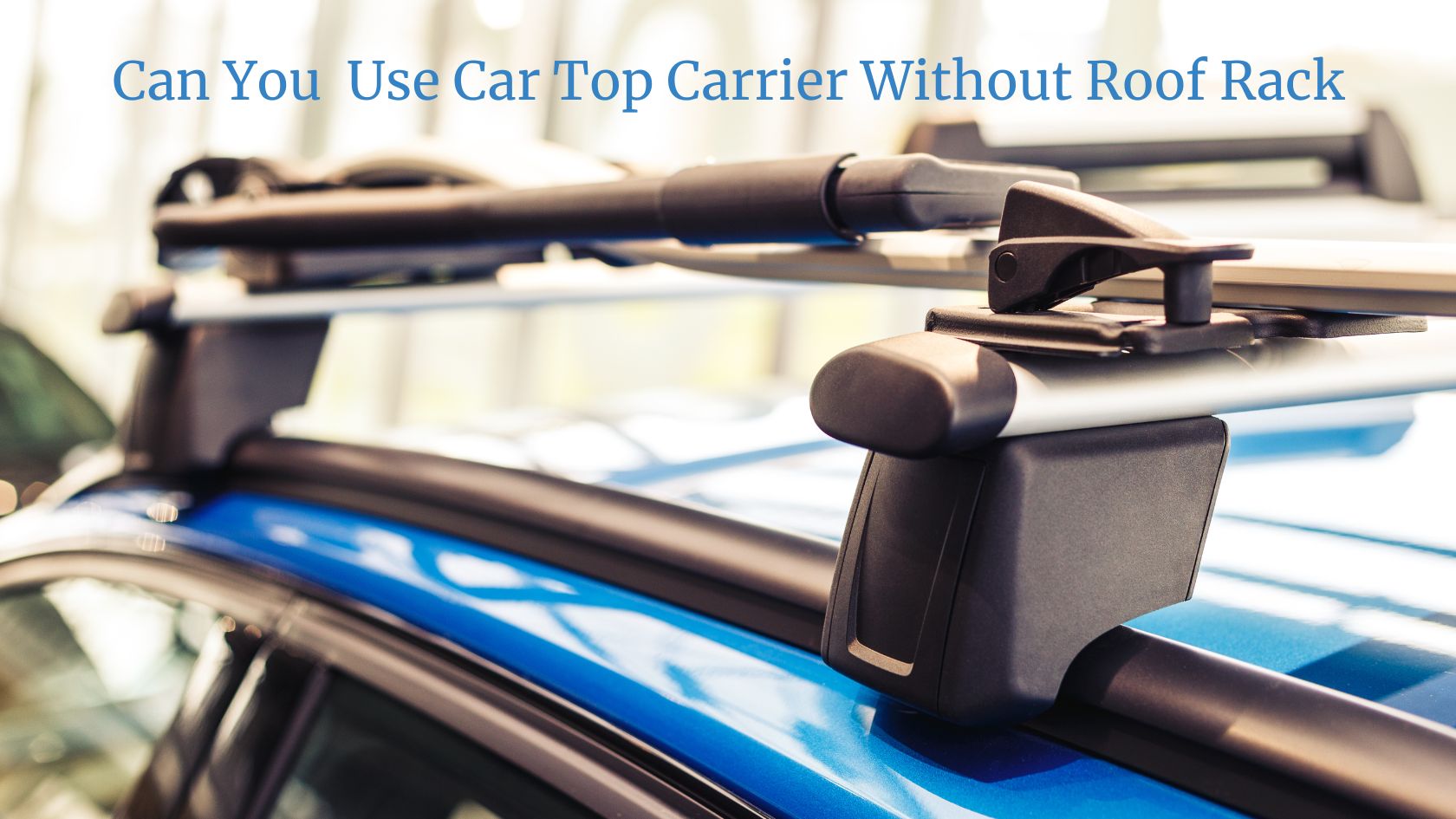
Can You Use A Car Top Carrier Without A Roof Rack
Today, I’m going to be talking about car top carriers, those handy devices that let you pack more and hit the road with everything you might need. You’ll find out about the incredible versatility these carriers offer for everything from camping trips to moving days. So what is a car top carrier? It’s essentially a storage box or bag that sits on top of your car. They come in all shapes and sizes, from hardshell cases that protect your gear from the elements to soft, flexible bags that can accommodate irregularly shaped items. Traditionally, roof racks have been considered a must-have when using car top carriers. These racks provide a stable platform to secure the carrier and its contents. However not everyone has a roof rack, and not all vehicles come equipped with them. This raises important questions about feasibility and safety. Yes, you can use a car-top carrier without a roof rack by opting for soft or inflatable carriers designed for such use. These carriers attach directly to your car using durable straps and hooks, often secured through the car doors or to the car’s frame. It’s essential to use a non-slip protective mat between the carrier and the car roof to prevent scratches and shifting. Ensure the load is evenly distributed and within the weight limit of your car’s roof. For security, some carriers feature lockable zippers. Weatherproofing is also important for protecting your belongings. Follow the manufacturer’s instructions for installation, and periodically check the carrier’s attachments during travel. This setup allows for the safe and effective use of a car top carrier without a roof rack. Do I Need a Roof Rack For a Cargo Carrier? You might be also asking yourself, ‘Does every carrier out there necessitate a rack on top of my vehicle?’ The short answer is, it depends. Let’s get into the specifics. Cargo carriers generally come designed to be mounted on roof racks. Why? Because they provide a sturdy and secure platform for your belongings. If you’re planning on loading up with heavy or bulky items, a roof unfit for a carrier could lead to damage or even accidents. However, not every trip with a cargo carrier means you’re loading up heavy gear. For lighter loads, some carriers are designed with flexibility in mind and can rest safely on your car’s roof with the right protective measures and non-permanent fixtures. But don’t worry too much about the technicalities just yet. Using a cargo carrier without a roof rack is all about making the right choice to match your vehicle’s capabilities and understanding the alternative methods of attachment, which we’re going to cover next. Also, think about the long run. Sure, a roof rack is an extra investment. But if you’re hauling cargo often, it’s worth considering the enhanced stability and protection it offers. It’s a trade-off between initial convenience and recurring peace of mind. This isn’t just about whether you can; it’s also about whether you should. If you’re a stickler for safety and efficiency, a roof rack might align well with your outlook. On the other hand, for the casual user, non-rack options might be the way to go. Attaching a Car Top Carrier Without a Roof Rack I’m going to walk you through how you can secure a car top carrier even if your vehicle doesn’t come with a roof rack. First things first, you’ll need to get your hands on the right tools and materials. We’re talking about non-skid mats, sturdy straps, and possibly a set of car clips designed for your particular carrier. Now, you’re going to find out about protecting your car’s finish. It’s crucial because the last thing you want is scratches or dents from a poorly installed carrier. A non-skid mat not only adds cushioning but also helps distribute the weight of the carrier evenly. Securing the carrier securely is the next big step. If you’re using straps, they should run through the vehicle’s doors or windows, fastened tightly to ensure the carrier won’t shift around while you’re driving. Always double-check to make sure everything’s rock solid before you hit the road. You can always adjust your approach down the road, but for maintenance and safety, regularly inspect your setup. Make sure the straps haven’t loosened and that the carrier hasn’t shifted. Regular checks will give you peace of mind and keep you safe on your travels. Here’s a short and simple video on attaching a car rooftop carrier without a roof rack: Exploring Roof Bag Alternatives: Can You Use a Roof Bag Without a Roof Rack? So you’re curious about the practicality of a roof bag when you don’t have a roof rack. Well, these carriers offer a soft and flexible storage option that’s often more adaptable to different types of vehicle roofs. Now, isn’t that a relief? Roof bags are specifically designed to work well with or without roof racks, making them a universally applicable choice for most car owners. I mean, who doesn’t love versatility? And when you choose a roof bag, you’re opting for something easy to store when not in use, unlike the more rigid traditional cargo carriers. When picking out a roof bag, the key is to find one that’s compatible with your car. You should look for bags with sturdy straps and protective mats that help distribute the weight evenly and prevent slippage or damage to your car’s paint job. Now, while the installation might differ slightly from the traditional setup, it’s often just a matter of following the given instructions carefully. Many roof bags come with easy-to-understand manuals that will guide you through the process. And guess what? They’re typically simpler to put on and take off, which is a plus if you’re always on the go. Remember, even though there is the convenience of not needing a roof rack, safety is still paramount. I can’t stress enough the importance of double-checking the security of the straps and ensuring the load is balanced. Your manual will be