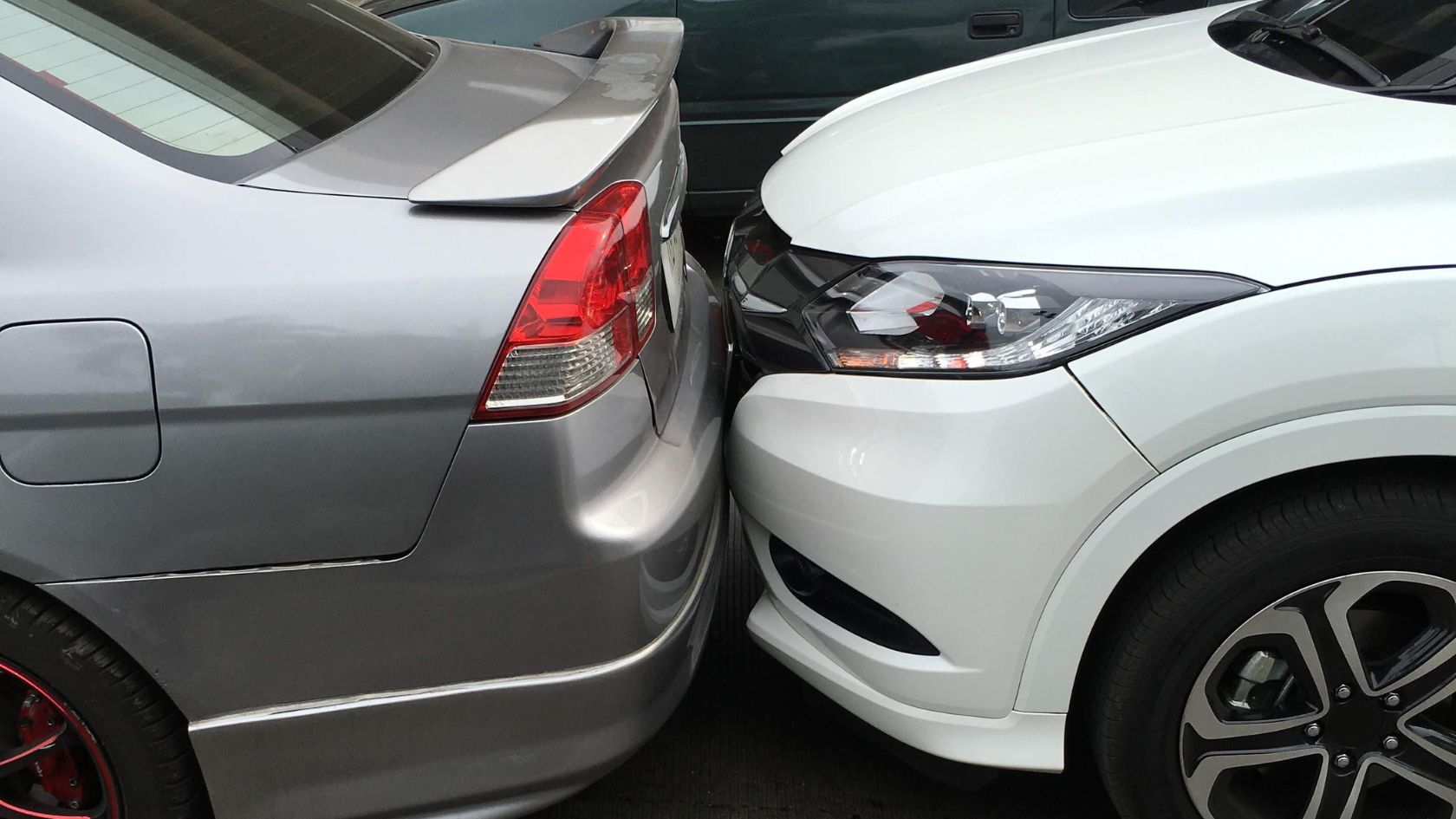
FCW (Forward Collision Warning) system is a safety feature designed to alert drivers to an imminent crash with a vehicle or obstacle ahead. But, does Forward Collision Warning stop your car in time to save the crash? Let’s get into what forward collision warning (FCW) systems are actually capable of when you’re behind the wheel by covering their capabilities and limitations in this post. A Forward Collision Warning (FCW) system is a driver-assistance technology that helps prevent rear-end collisions. When you’re behind the wheel, the unexpected can happen in the blink of an eye. That’s why technology like Forward Collision Warning (FCW) systems can be a real savior. FCW systems typically use sensors to monitor the traffic ahead and warn you if there’s a risk of you hitting the car in front. It relies on a variety of sensors, such as radar and cameras, to detect potential threats on the road. If it determines that you’re approaching too quickly and a collision is imminent, it triggers a warning. The FCW system will alert you in various ways, depending on the specific system. This could include a visual warning light on the dashboard, an audible beep or chime, or even a vibration in your seat. The answer is no. It’s important to remember that FCW is a warning system, not an automatic braking system. It won’t stop the car for you. It’s your responsibility to take action based on the warning, such as braking or swerving (safely) to avoid a collision. FCW is not the same as automatic emergency braking (AEB). While FCW warns you of danger, AEB takes it a step further by applying the brakes if you fail to act. AEB might be the muscle designed to stop the car, but FCW is like the senses – constantly vigilant, ready to signal the first sign of trouble. By giving you a heads-up, FCW systems play a vital role in enhancing your awareness and giving you more reaction time, which can be critical in avoiding or mitigating a collision. These systems serve as an extra set of eyes on the road, providing peace of mind and an added layer of protection. Essentially, FCW systems serve as an electronic co-pilot, keeping an ever-watchful eye on the road ahead. As mentioned earlier, this system uses cameras, radar, or lasers to detect imminent collisions and promptly alert you. Think of it as an advanced ‘heads-up’ designed to give you time to react. FCW systems can play a significant role in preventing accidents. By issuing timely warnings, they can reduce the number of rear-end collisions, which account for a notable percentage of road incidences. In many cases, the extra seconds provided by an FCW alert can be enough for a driver to take evasive action, potentially avoiding a crash. However, it’s crucial to understand the limitations of FCW systems. They are primarily warning devices, not autonomous stopping mechanisms. While some FCW systems can interface with automatic emergency braking (AEB), they’re not the same. AEB can take control to stop the car if you don’t respond quickly enough to the FCW. Why is this important? Because having clarity about what your car can and cannot do is essential for safe driving. In real-world driving scenarios, an FCW system’s effectiveness can be influenced by various factors, such as weather conditions, sensor cleanliness, and the speed at which you’re traveling. For instance, heavy rain or snow can obscure sensors, and at high speeds, the distance required to safely stop increases considerably. This could mean that, even with an FCW alert, you may not have enough time or traction to prevent a collision. Now that you have a solid grip on what Forward Collision Warning (FCW) systems can do, it’s crucial to talk about your part in the equation. Remember, technology assists, but it doesn’t replace vigilance behind the wheel. If your vehicle is equipped with FCW, understanding and reacting to the alerts is critical. If that warning beep goes off, assess the situation and act accordingly—apply the brakes, maneuver out of harm’s way, or do both. It’s all about the harmony between human reflexes and machine intelligence. Don’t ignore those maintenance reminders for your car’s sensors and systems. Keeping your FCW system well-maintained is key for it to function correctly. A dirty camera or a misaligned sensor can mean the difference between an effective warning and a missed one. No, a Forward Collision Warning (FCW) cannot prevent all accidents because it primarily focuses on frontal crashes, particularly rear-end collisions. It might not be effective for collisions from the side, oncoming traffic, or dangers outside the car’s immediate path. FCW relies on the driver’s reaction to its warnings. If a driver is distracted, incapacitated, or reacts too slowly, an accident might still occur. Sensors may have limitations in bad weather conditions like fog or heavy rain. In most cars, yes, you can turn off the Forward Collision Warning (FCW) system. Many cars have a designated button on the steering wheel or a setting in the car’s information system to deactivate FCW. Related Read: Can You Turn Off Lane Assist Permanently However, it’s generally not recommended for safety reasons. Disabling FCW removes a safety layer that can warn you of potential collisions. No, Forward Collision Warning (FCW) systems generally don’t work as well in all weather conditions. The sensors of FCW can be fooled by bad weather such as heavy rain, snow, or fog, which may reduce their effectiveness. Some of the other reasons could be bright sunlight. Glare from the sunlight can affect camera-based systems, reducing their ability to pick up on hazards. Certain road conditions can also affect the working of FCW as it assumes a precise level of grip between the car and the road. Because of the above conditions, expect FCW to be less reliable and be prepared to take manual control while driving. The capabilities of Forward Collision Warning (FCW) systems to detect pedestrians and cyclists vary depending on the specific system and
Can You Turn off Lane Assist Permanently?
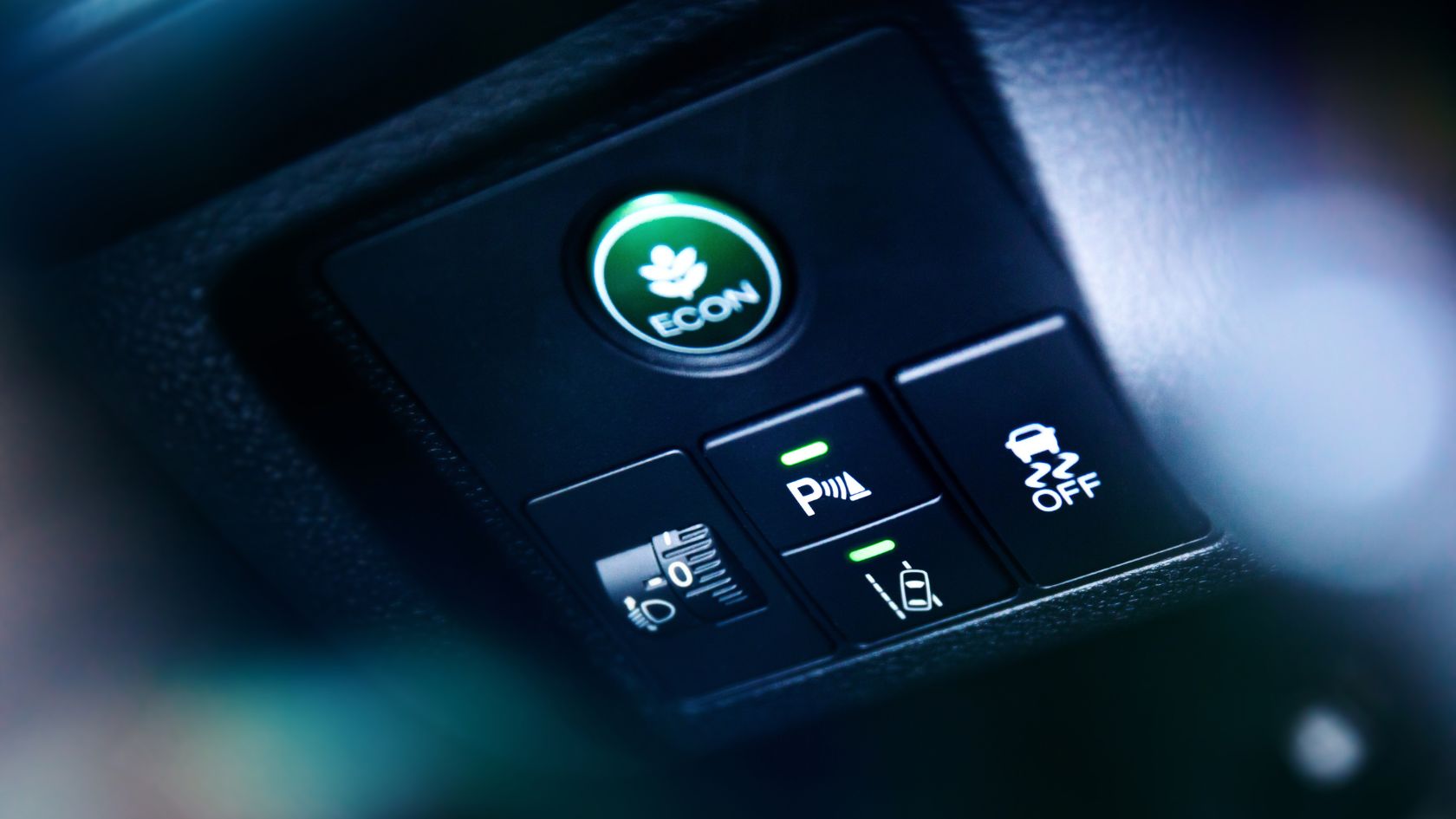
So, you’re curious about lane assist technology? Lane assist is like an invisible co-pilot that uses cameras and sensors to keep your car within its driving lane. However, as with any technological advancement, some drivers may ask – Can you turn off lane assist permanently? In this blog post, we’ll guide you through the steps to deactivate it and explore the pros and cons to help you decide whether turning off Lane Assist is the right choice for you. Lane Assist has emerged as a prominent feature designed to enhance road safety by nudging your car back into the lane if you start to drift without signaling. It’s also a part of a family of advanced driver assistance systems (ADAS) that are increasingly standard in new vehicles, all aimed at making driving safer and preventing accidents. Lane assist revolves around algorithms and precise engineering—the same kind of smarts that have transformed smartphones and smart homes. It’s a shining example of how far we’ve come in integrating automation into our daily lives, especially in transportation. Yet, despite its benefits, some drivers ponder turning off lane assist. Personal preference plays a big role here; maybe you find the nudges annoying, or perhaps you’re a seasoned driver who trusts your instincts more than a computer. No matter the reason, it’s your call at the end of the day on how you want to experience your ride. In most modern cars, permanently turning off Lane Assist is not possible. This is because car manufacturers, following safety regulations and NCAP ratings, design lane assist to activate by default on every engine start. While this may seem inconvenient, it prioritizes driver safety and collision avoidance. However, there are a few alternatives to deactivate this option. If you decide that turning off lane assist is the right choice for you, it’s important to know how to do that. The exact process to turn off lane assist can vary depending on your car’s make and model so your vehicle’s manual will be your best friend here. Having said this most cars with lane assist will have a button on the steering wheel or dashboard to toggle the system on and off. Others might require you to dig into the infotainment system. You’ll likely find the option under a ‘Driver Assistance’ or ‘Safety’ menu. Just click or swipe the buttons to turn off or deactivate lane assist. The process might seem simple, but heads up: some vehicles are programmed to reactivate lane assist every time you start the engine. That’s right, you may have to turn it off each time you drive unless you have found a way yourself to turn it off completely as shown in the below video. Now, let’s talk about when you need to pull over and make adjustments. Safety first, right? Make sure you’re parked in a safe location before fiddling with your vehicle settings. An empty parking lot or a quiet street can be good spots. I’d like to add—that while cars typically remember things like seat positions and radio stations, they’re programmed to prioritize safety defaults, such as lane assist. That’s why you might not find a ‘permanent off’ switch. You’re probably wondering why it’s set up this way. It comes down to liability and regulations. Automakers want to ensure they’re doing their part in keeping roads safe by having these systems default to ‘on’. I’m going to help you consider both sides of the coin – the benefits and potential downsides to turning off lane assist on your vehicle. It’s not just about personal preference; it’s also about understanding the impact on overall road safety. On one hand, lane assist technology is a fantastic safety feature that can prevent accidents, especially if you happen to get distracted momentarily. It’s designed to keep you safe by gently steering you back into your lane or alerting you if you’re veering off course. However, some drivers feel lane assist is too intrusive or reacts to certain road conditions that don’t require intervention. Turning the feature off can allow for a more traditional driving experience where you’re in full control, something that resonates with many who value driving engagement. There’s a lot of opportunity for improved safety when using lane assist, but if you’ve made an informed decision to turn it off, ensure you’re extra vigilant on the road. Increased focus while behind the wheel is necessary to compensate for the loss of this safety net. Disabling Lane Assist should not affect other critical safety features. However, it’s important to be aware that these systems often work together in most modern vehicles. To understand the implications of any adjustments in lane assist, check your owner’s manual or contact the vehicle manufacturer’s support for guidance. Yes, many vehicles allow temporary deactivation of Lane Assist. Typically, this is done through the settings menu or by pressing a button on the vehicle’s dashboard. Again, your car owner’s manual will come in handy for specific instructions on how to temporarily disable Lane Assist when needed. Generally, customizing settings like Lane Assist is within the scope of user control and should not impact the vehicle’s warranty. However, terms and conditions on warranty may differ according to the car brand and model. Always refer to the warranty documentation or contact the manufacturer to confirm the warranty implications of such adjustments. No, older car models without advanced driver assistance systems generally don’t have features like Lane Assist, so you may not disable this feature. Modifying or adding aftermarket devices to disable Lane Assist is generally not recommended, as it can interfere with the vehicle’s safety systems. It’s best to rely on the built-in settings provided by the manufacturer. If you have specific concerns, consult with a qualified automotive professional for advice. Turning off lane is possible but whether you can turn it off permanently may depend on the features associated with your car model. Automotive safety experts tend to agree that while driver aids like lane assist are beneficial, they are

How to Trick Capacitive Steering Wheel
Capacitive steering wheel technology is becoming a standard in modern vehicles. I’m going to discuss a topic that might be a bit controversial: the ethics behind how to trick capacitive steering wheel sensors. You see, some drivers attempt to bypass these sensors for convenience, but this isn’t just about skirting a nuisance; it’s also about the potential risks. More than a technology, the capacitive steering wheel is also about enhancing driver safety and vehicle control. The steering wheel works on sensors designed to detect the presence of the human body, specifically the driver’s hands on the steering wheel. This is one of the key factors to remember as we move into discussing the possibility of ‘tricking’ these sensors. A capacitive steering wheel is a type of steering wheel that uses capacitive sensing technology to detect the presence and grip of the driver’s hands. This technology differs from the traditional mechanical buttons and switches often found on steering wheels. Capacitive steering wheels work on the principle that the human body is conductive, and when your hands touch the wheel, they change the electrical field on the surface of the sensor. Instead of physical buttons, the steering wheel rim has embedded sensor panels underneath the material (leather, etc.). These sensors act like capacitors, storing electrical energy. When your hand touches the sensor area, it acts as a conductor, changing the electrical field and capacitance of the sensor. The car’s electronic control unit (ECU) detects these changes and interprets them as hand contact or even specific hand gestures depending on the system’s complexity. Now, as we move into discussing the possibility of ‘tricking’ these sensors, it’s key to remember what they’re for. The role of these sensors goes beyond just checking if your hands are on the wheel. They’re crucial for systems like advanced driver assistance systems (ADAS) and automated driving features. These technologies rely on knowing that you’re ready to take over if necessary. Without this engagement, systems may not function as intended, putting your safety at risk. Traditional mechanical systems, by contrast, didn’t need to know if you were touching the wheel. They were purely about steering. But today’s capacitive steering wheels are part of a complex network of vehicle safety features and require constant driver engagement to work effectively. Tricking a capacitive steering wheel is never recommended. However, some drivers attempt to manipulate the artificial intelligence behind the capacitive steering wheel using below tricks: Some individuals attempt to fool the system by wedging capacitive objects, such as fruit or a plastic water bottle, into the steering wheel frame. Resting hands lightly on the bottom of the steering wheel is suggested by some, claiming that even a slight touch from both hands can potentially trick the capacitive sensor. Suggestions also involve attaching capacitive pen tips, actual capacitors, or even a hot dog to the steering wheel to potentially trick the system. Some users claim to lower the steering column and position their legs in a way that the wheel touches both sides of their inner thighs, intending to mimic hands-on control. Attaching mini dumbbells or ankle weights to the steering wheel is mentioned as another attempt to trick the system. Drivers might seek ways to circumvent capacitive sensors to avoid the hassle of constant hand contact with the wheel, especially on long trips or when using semi-autonomous driving features. However, it’s crucial to consider the consequences. Doing so could lead to a false sense of security and increase the likelihood of accidents. Tampering with the steering wheel can interfere with crucial safety features like airbags, lane departure warnings, and automatic emergency braking, increasing the risk of accidents and injuries. Modifications could introduce unpredictable behavior in the steering system, making it difficult or impossible to control the vehicle, especially in critical situations. The legal implications are quite clear. In most jurisdictions, it’s illegal to modify a vehicle’s safety systems in ways that affect its safe operation. Doing so could result in fines, penalties, or even criminal charges. If you want to stay on the right side of the law and ensure your welfare, it’s vital to use these features as intended. Keeping these sensors engaged is more than just a legal issue; it’s a moral one. I really hope that drivers understand the importance of being responsible behind the wheel. Active participation in driving is essential, even with advanced driver assistance systems. It’s not only about your safety but the safety of everyone on the road. In my opinion, the moment you consider compromising these systems, you have to ask yourself a critical question: is it worth it? Don’t worry too much about the discomfort of keeping your hands on the wheel; think about the potential consequences of not doing so. It is important to understand why promoting safe driving practices is crucial. While the idea of bypassing capacitive steering wheel sensors might seem appealing to some, it’s a risky road to take. Your safety, and the safety of others on the road, should be your top priority. If you’re feeling fatigued or distracted, it’s critical to address those issues directly rather than looking for a workaround. Do things the right way – take breaks when needed, stay alert, and keep your hands on the wheel. Instead of seeking ways to outsmart the system, focus on embracing technology designed to keep you safe. Vehicle advances are there to assist, not to be cheated. Equip yourself with knowledge about your car’s safety features and how to use them effectively. In the long run, avoiding shortcut solutions and choosing responsible driving habits will pay off. Not just for your own peace of mind, but for the collective safety on the roads. Stay engaged, stay aware, and choose safety over convenience every time. Capacitive steering wheels offer many benefits. Some of them include eliminating the need for physical buttons. This creates cleaner and more modern-looking car interiors. Some systems allow for different functionalities based on touch location or gestures, offering more options for control.
Does Lane Keep Assist Need to be Calibrated
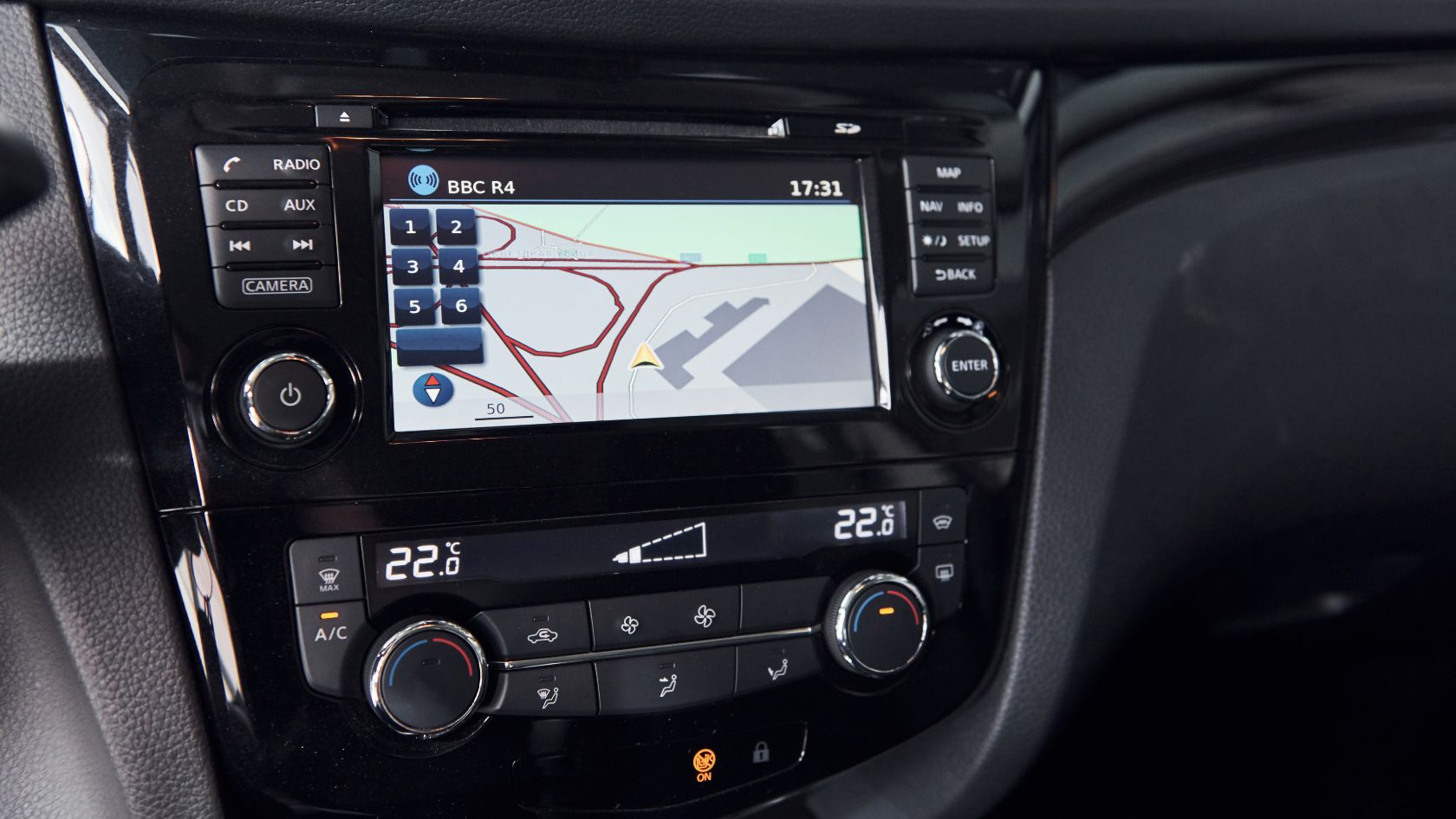
Lane Keep Assist (LKA) is a prominent feature designed to enhance driver safety and convenience in automotive technology. However, a question often arises: Does Lane Keep Assist need to be calibrated for optimal functionality? In this blog post, we will go through the purpose and benefits of Lane Assist systems. More importantly, we will reveal the importance of calibrating these systems, how to calibrate them, and why maintaining the calibration is crucial. Lane Keep Assist must be calibrated to ensure its accurate and reliable performance. However, the frequency and necessity can vary depending on several factors. LKA relies on various sensors, mainly cameras, to perceive lane markings and vehicle position. Any misalignment in these sensors can affect the system’s accuracy and effectiveness. Misalignments can happen due to collisions or any modifications to your vehicle. Some of the signs of misalignments are unnecessary activation or untimely deactivation of LKA, uneven steering movement, etc. When you see such signs, performing the Lane Keep Assist calibration is essential. While professional calibration is crucial, some LKA systems have basic self-calibration abilities. Understanding the process and intricacies of calibrating your LKA system is important. Remember, a proper calibration can significantly enhance the effectiveness of LKA systems and, consequently, your overall safety on the road. LKA is an advanced driver-assistance system (ADAS) designed to help prevent unintentional lane departures. It acts as a second pair of eyes and hands, automatically intervening when you stray from your lane. LKA utilizes a combination of sensors like cameras, radars, and steering wheel sensors. At its core are sensors, with cameras positioned behind the windshield acting as LKA’s primary eyes, employing image recognition algorithms to capture real-time images of the road and identify lane markings. Radar or LiDAR sensors supplement these cameras, particularly in low-visibility conditions, utilizing radio waves or lasers to detect lane edges and create detailed 3D maps of the environment. The steering wheel sensor plays a pivotal role by monitoring your steering input, providing the system with crucial context about your intended direction, and aiding in distinguishing intentional lane changes from unintentional drifts. Complementing these hardware components is a sophisticated software framework. Perception software meticulously analyzes data from sensors, interpreting visual information and spatial data to identify lane markings, track your vehicle’s position within the lane, and detect potential departures. Control algorithms, based on this perceived situation, determine the necessary corrective action, calculating the required steering torque and translating it into signals for the electric power steering system. Meanwhile, safety and validation software ensures the system operates within safe parameters, preventing unintended or excessive interventions by constantly monitoring sensor data, software behavior, and overall system health. This intricate synergy between sensors and software is crucial to the functionality of LKA, allowing it to seamlessly execute its lane-keeping capabilities. Based on the sensor data, the LKA system calculates your vehicle’s position within the lane. If it detects an unintended drift towards the lane marking, it takes corrective action by providing audible or visual alerts as well as applies a slight counter-torque to the steering wheel. The significance of Lane Keep Assist (LKA) in enhancing driver safety and convenience is a delicate equilibrium between the two. On the safety front, LKA serves as a proactive measure against lane departure accidents, crucial on highways and extended journeys, significantly lowering collision risks. Acting as a supplementary set of vigilant eyes, LKA aids in averting accidents during momentary distractions or fatigue, offering a lifeline in critical situations. Additionally, it contributes to improved vehicle stability through subtle steering adjustments, especially in challenging conditions. On the convenience side, LKA alleviates driver fatigue by managing lane-centering tasks, allowing a more relaxed grip during extended commutes. It acts as a stress-reducing safety net, providing mental ease by constantly monitoring lane position. Some advanced LKA systems go a step further, offering traffic jam assistance in stop-and-go situations, adding to the overall comfort and enjoyment of driving in congested traffic scenarios. However, to maintain accuracy, LKA systems might require periodic calibration, especially after windshield replacements or major sensor adjustments. Calibration plays a crucial role in ensuring the Lane Keep Assist system’s accuracy and effectiveness. Just like you wouldn’t rely on a blurry map to navigate, a miscalibrated LKA system could provide misleading information and potentially compromise your safety. Think of calibration as fine-tuning the sensors and software in your LKA system. It involves adjusting various parameters to ensure sensor alignment and software accuracy. LKA calibration becomes imperative due to various factors, including accidents or bumps that, even if minor, can displace sensors, compromising their accuracy. Changes in suspension or wheel alignment, albeit unrelated directly, can indirectly impact sensor angles, necessitating recalibration. Furthermore, windshield replacements are critical, as the precise positioning of cameras behind the windshield is integral to LKA’s functionality, making recalibration essential to ensure optimal performance post-replacement. Indications that your LKA might require calibration include instances where the system activates erroneously. It may intervene even when the vehicle is adequately centered within the lane. This suggests a potential misreading of the lane markings. Conversely, if the LKA remains inactive when your vehicle approaches lane markings, it is another indication of a detection issue requiring attention. Another sign is an uneven steering pull, where the LKA exerts excessive force in one direction, signaling possible misalignment of sensors. These signs collectively point towards the necessity for recalibration to ensure the accurate and reliable performance of the Lane Keep Assist system. When it comes to lane keep assist (LKA) calibration, two main approaches exist: professional calibration and self-calibration. Professional Calibration Professional calibration is performed by trained technicians at dealerships or repair shops using specialized equipment. It involves connecting the car to diagnostic tools to access and adjust system parameters. Technicians follow specific manufacturer instructions tailored to your car model to perform calibration. This ensures precise sensor alignment and software adjustments for optimal performance of LKA The advantage of professional calibration is it addresses all necessary calibrations including camera, radar, and sensors due to the expertise and tools used by
Does Lane Assist Affect Steering Control?
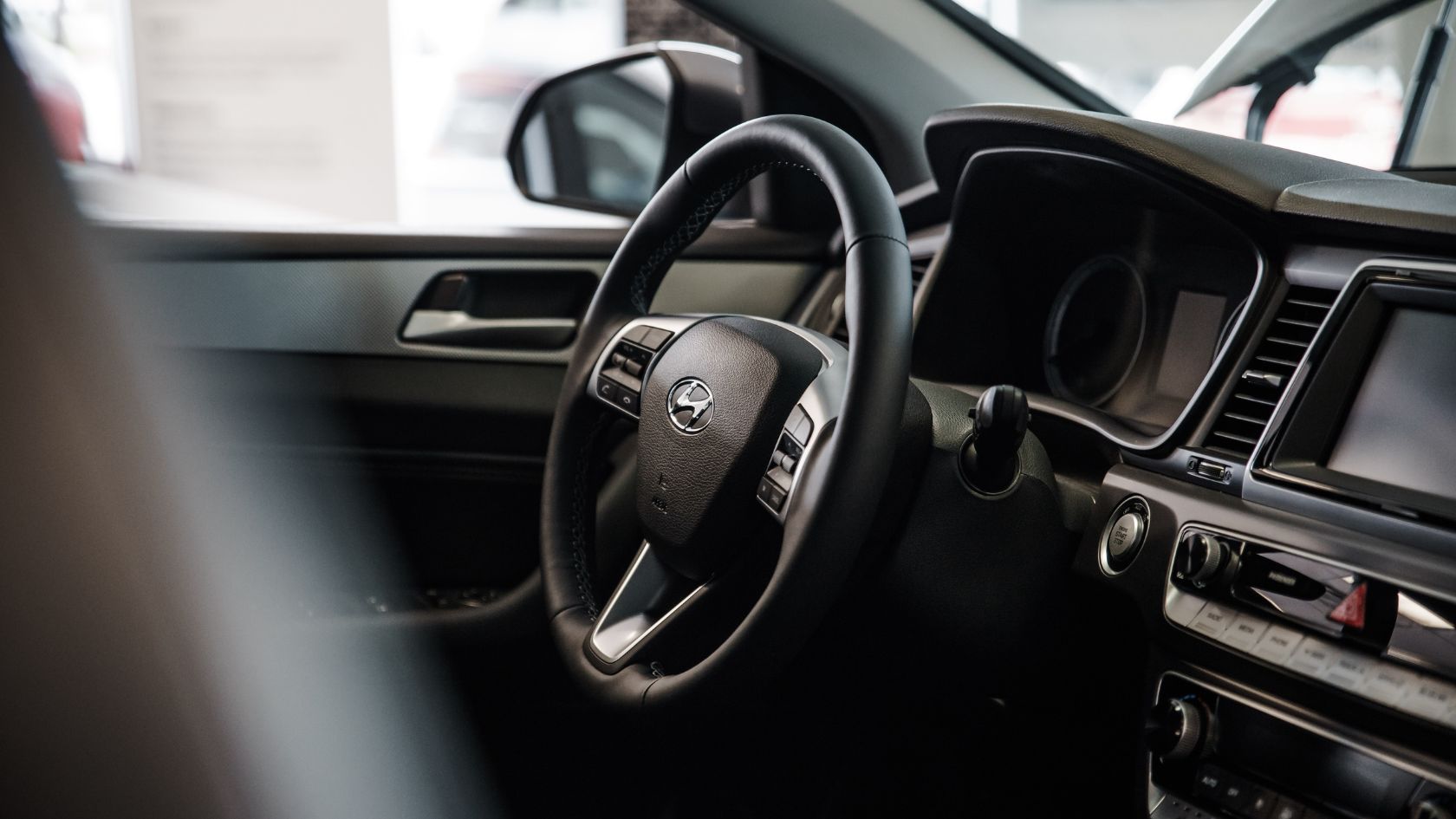
Lane Assist is part of a safety feature in modern cars and its primary function is to assist in maintaining a vehicle within its lane. However, many motorists are confused about its impact on the fundamental steering aspect. Does Lane Assist Affect Steering Wheel? This is what we will explore in this blog post. You will know the role of Lane Assist in steering control and its implications on driving dynamics. You will also learn about the mechanics behind this technology to explore how it optimizes the overall driving experience. Yes, lane assist affects steering because it can provide corrective steering input to keep your car centered in its lane. The system uses cameras or sensors to detect lane markings on the road. If the system detects that your car is drifting out of its lane without a turn signal activated, it will trigger a warning. In some systems, if the warning is ignored and the car continues to drift, the lane assist system may take over and gently steer the car back into the lane. This is usually done by applying a slight torque to the steering wheel. However, the amount of steering input the system can provide is usually limited. If you are making a sharp turn or trying to avoid an obstacle, you will need to override the system and steer the car yourself. Lane Assist (LA) technology is playing an increasingly important role in the advancement of driver assistance systems. It contributes significantly to road safety and reduces the risk of lane departure accidents. The lane assist technology helps drivers in maintaining proper lane discipline, offering a valuable layer of support, especially during long journeys or periods of fatigue. From a functionality perspective, LA systems typically employ a combination of cameras and sensors to detect lane markings on the road surface. These cameras or sensors continuously monitor the car’s position relative to the lane boundaries. When the system detects an unintentional drift toward a lane marking without an activated turn signal, it triggers a warning, usually consisting of visual and/or audible alerts. More advanced systems can also provide gentle corrective steering input to nudge the vehicle back into its lane. This steering intervention is achieved through electric motors integrated into the steering column, applying a slight torque to counter the drift. The core of LA’s interaction with steering lies in its ability to analyze sensory data and translate it into corrective actions. It monitors steering angle, speed, and lane position to determine the appropriate intervention level. The intervention can be in the form of visual and haptic alerts, vibrations, or active torque to steer the vehicle back into the lane. It’s crucial to remember that LA systems are designed to assist, not replace, driver input. The steering wheel remains under the driver’s control, and they can easily override any automated intervention. It’s important to remember that lane assist is a driver assistance system and not a self-driving feature. Even with the steering input by Lane Assist, you are still responsible for controlling the car and you should always be aware of your surroundings. Studies have shown that LA technology offers several safety benefits: LA systems detect unintentional drifts and prompt corrective action. This helps prevent vehicles from crossing lane markings, significantly reducing the risk of head-on collisions or sideswipes. The system’s warnings can serve as a wake-up call for drivers experiencing fatigue or distraction, reminding them to refocus on the road. LA promotes better lane adherence, especially on long journeys or monotonous stretches of highway, where lane drift is more common. While Lane Assist (LA) offers notable safety benefits, there are also some potential drawbacks to consider: LA systems rely on sensors and cameras to detect lane markings. These can be unreliable in poor weather conditions like rain, snow, or fog, where markings are obscured. The system might misinterpret road features like shadows or merging lanes as lane departures, triggering unnecessary warnings or failing to intervene when needed. The presence of LA might create a false sense of security, encouraging riskier driving behavior like excessive speed or distraction. LA systems typically provide gentle corrective steering, which might be insufficient in sharp turns or emergency situations, requiring driver intervention. Over-reliance on LA can lead to complacency and decreased driver attentiveness, potentially making them slower to react to unexpected situations. While rare, technical failures in the LA system could lead to unintended steering interventions or system shutdowns, posing potential safety risks. As mentioned earlier, Lane Assist (LA) technology undeniably influences steering control by offering assistance while simultaneously introducing new factors to consider. In some situations, LA actively applies torque to the steering wheel, correcting unintentional lane drifts. This alters the driver’s feel of the road and requires adaptation. Many LA systems provide visual or haptic feedback, prompting the driver to adjust their steering. This indirect influence still affects control dynamics. LA can reduce the frequency and intensity of steering adjustments needed from the driver, impacting their engagement and feel for the road. LA systems operate on pre-programmed algorithms, potentially reacting slower than skilled drivers in dynamic situations. While generally accurate, LA might struggle with complex lane markings or sudden maneuvers, requiring driver override for precise control. Manual steering offers direct feedback on road conditions and vehicle response, while LA’s feedback is filtered through the system’s interpretation. It is important to understand that despite assistance, the driver remains ultimately responsible for the vehicle’s control and must be prepared to override LA at any time. Effective use of LA requires a balance between trusting the system when appropriate and maintaining attentiveness and readiness to take control promptly. Lane Assist (LA) offers valuable support, but like any tool, maximizing its benefits requires responsible use and understanding. One of the ways for maximization is calibration. Regular calibration ensures LA sensors and cameras accurately detect lane markings, leading to reliable interventions and reduced false positives/negatives. Refer to your car’s manual for recommended calibration intervals, which can be after windshield replacements, certain repairs,
Is It Necessary to Have Bags on a Motorcycle? Pros, Cons & Use Cases
Motorcycles are all about freedom, simplicity, and the thrill of the open road. But at some point, most riders ask a practical question: Is it necessary to have bags on a motorcycle? Whether you’re commuting daily, heading out on weekend rides, or planning a long-distance tour, motorcycle bags can significantly change how you ride. In this blog, we’ll break down whether motorcycle bags are truly necessary, explore their advantages and drawbacks, and help you decide what works best for your riding style. Is It Necessary to have Bags on a Motorcycle? Motorcycle bags are not strictly necessary for every rider, but they are highly beneficial for commuting, touring, and long-distance riding. They provide secure storage, improve convenience, and reduce rider fatigue, while casual or short-distance riders may not need them. Understanding Motorcycle Bags and Their Purpose Motorcycle bags are designed to solve one of the biggest challenges riders face—limited storage. Unlike cars, motorcycles don’t come with built-in cargo space, so bags act as an extension of your bike’s utility. They allow you to carry daily essentials such as wallets, chargers, helmet locks, rainwear, or even groceries without compromising balance when properly installed. Over time, motorcycle bags have evolved from bulky leather saddlebags into sleek, aerodynamic options made from advanced materials. Whether it’s a tank bag, saddlebag, tail bag, or hard pannier, each type serves a specific purpose. While they aren’t a legal requirement, motorcycle bags can make riding more convenient, organized, and stress-free—especially when you don’t want everything stuffed into your pockets or backpack. When Motorcycle Bags Are Actually Necessary Motorcycle bags become almost essential in certain riding scenarios. If you commute daily, bags help you carry office essentials without wearing a heavy backpack that can strain your shoulders. For touring or long-distance rides, bags are crucial for carrying clothes, tools, first-aid kits, and spares, making them more than just a convenience. Adventure and touring riders especially rely on bags to stay self-sufficient on the road. Even in unpredictable weather, having storage for rain gear or extra layers can improve safety and comfort. In these cases, motorcycle bags aren’t just optional accessories—they’re practical tools that support longer, safer, and more enjoyable rides. Situations Where Motorcycle Bags May Not Be Needed Not every rider needs motorcycle bags. If your riding is limited to short city trips, casual weekend rides, or performance-focused biking, you may prefer a clean, lightweight setup. Many riders enjoy the minimalist feel of riding without extra attachments, especially on sports bikes or café racers. Some also feel that bags affect aesthetics or slightly alter handling, particularly when overloaded or poorly mounted. If you can comfortably carry your essentials in pockets or a small backpack and don’t require extra storage, skipping motorcycle bags is perfectly fine. Ultimately, necessity depends on how, where, and how often you ride. Types of Motorcycle Bags and Their Use Cases Motorcycle bags come in several forms, each designed for different needs. Tank bags are great for quick-access items like phones, wallets, and maps. Saddlebags provide balanced storage on both sides and are popular among cruisers and tourers. Tail bags are compact and ideal for short trips, while hard panniers offer durability, security, and weather protection for long journeys. Choosing the right bag depends on your motorcycle type, riding duration, and storage requirements. The right setup can enhance convenience without compromising safety or comfort, making motorcycle bags a customizable solution rather than a one-size-fits-all necessity. Do Motorcycle Bags Affect Safety and Riding Comfort? When chosen and installed correctly, motorcycle bags generally do not negatively affect safety. In fact, they can improve comfort by reducing the need to carry weight on your body. However, poorly mounted or overloaded bags can impact balance, handling, and aerodynamics. It’s important to distribute weight evenly and avoid exceeding the bike’s load capacity. Secure mounting and proper positioning ensure that bags don’t interfere with control or stability. Used responsibly, motorcycle bags enhance practicality without sacrificing the riding experience. Frequently Asked Questions (FAQs) Are motorcycle bags mandatory by law?No, motorcycle bags are not legally required in most regions. Do motorcycle bags affect fuel efficiency?Minimal impact when properly designed and mounted, though large bags may slightly affect aerodynamics. Can motorcycle bags damage the bike?If installed incorrectly, they may cause scratches or an imbalance. Proper fitting prevents this. Are backpacks a good alternative to motorcycle bags?Backpacks work for short rides but can cause fatigue and discomfort on longer journeys. Which motorcycle bag is best for beginners?Tank bags or small tail bags are beginner-friendly and easy to manage. Conclusion Motorcycle bags are not a necessity for every rider, but they are undeniably useful. If you commute, tour, or value convenience, bags can make riding safer and more comfortable. For minimalist or short-distance riders, they remain optional. The key is choosing a bag that suits your motorcycle, riding style, and storage needs—without overloading or compromising safety. Ride smart, pack light, and choose what truly supports your journey.