



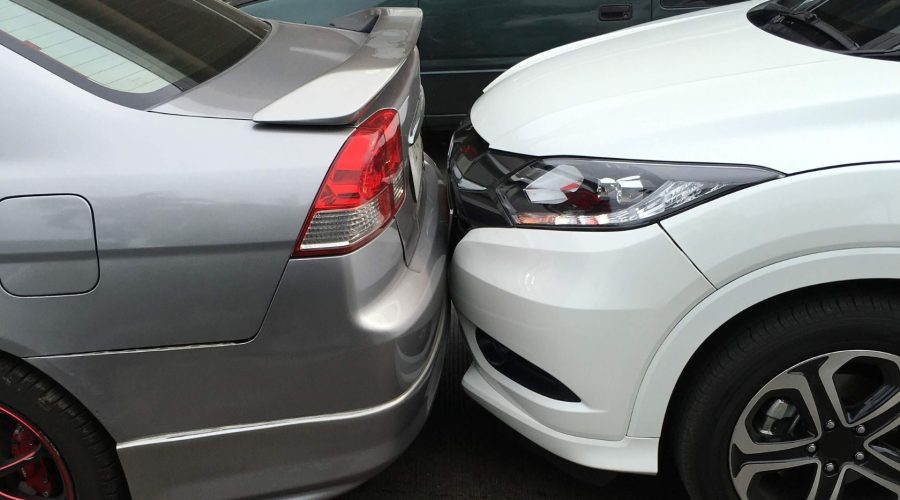
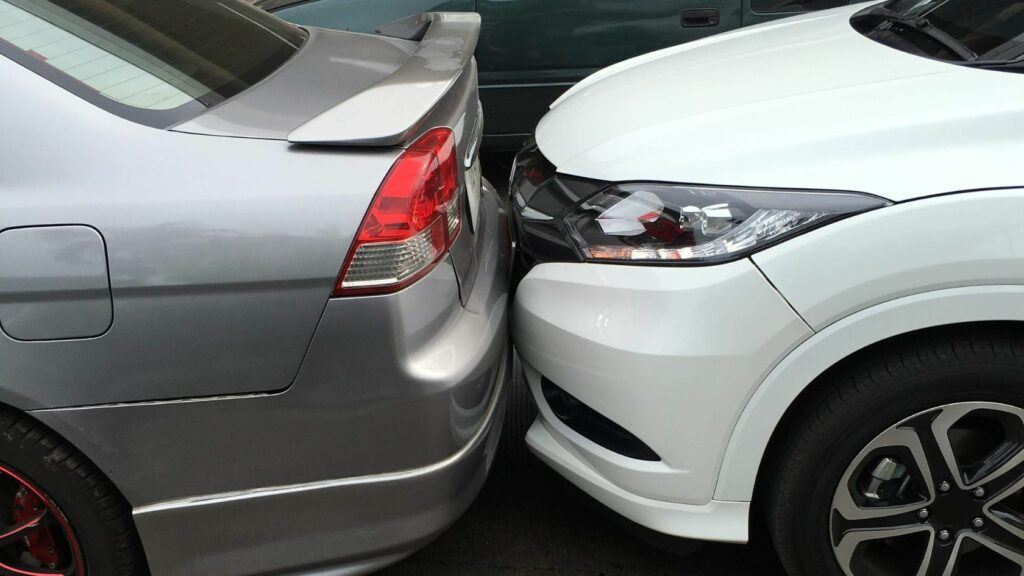
FCW (Forward Collision Warning) system is a safety feature designed to alert drivers to an imminent crash with a vehicle or obstacle ahead. But, does Forward Collision Warning stop your car in time to save the crash?
Let’s get into what forward collision warning (FCW) systems are actually capable of when you’re behind the wheel by covering their capabilities and limitations in this post.
What is the Forward Collision Warning system and how does it work?
A Forward Collision Warning (FCW) system is a driver-assistance technology that helps prevent rear-end collisions. When you’re behind the wheel, the unexpected can happen in the blink of an eye. That’s why technology like Forward Collision Warning (FCW) systems can be a real savior.
FCW systems typically use sensors to monitor the traffic ahead and warn you if there’s a risk of you hitting the car in front.
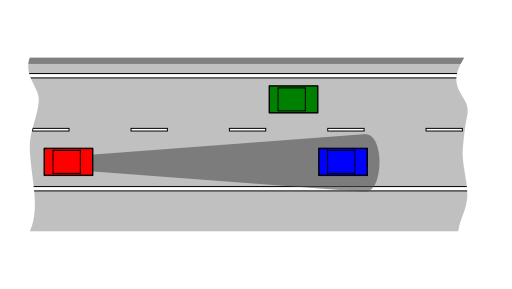
It relies on a variety of sensors, such as radar and cameras, to detect potential threats on the road. If it determines that you’re approaching too quickly and a collision is imminent, it triggers a warning.
The FCW system will alert you in various ways, depending on the specific system. This could include a visual warning light on the dashboard, an audible beep or chime, or even a vibration in your seat.
Does Forward Collision Warning Stop Your Car?
The answer is no. It’s important to remember that FCW is a warning system, not an automatic braking system. It won’t stop the car for you. It’s your responsibility to take action based on the warning, such as braking or swerving (safely) to avoid a collision.
FCW is not the same as automatic emergency braking (AEB). While FCW warns you of danger, AEB takes it a step further by applying the brakes if you fail to act.
AEB might be the muscle designed to stop the car, but FCW is like the senses – constantly vigilant, ready to signal the first sign of trouble.
By giving you a heads-up, FCW systems play a vital role in enhancing your awareness and giving you more reaction time, which can be critical in avoiding or mitigating a collision. These systems serve as an extra set of eyes on the road, providing peace of mind and an added layer of protection.
The Capabilities and Limitations of FCW Systems
Essentially, FCW systems serve as an electronic co-pilot, keeping an ever-watchful eye on the road ahead.
As mentioned earlier, this system uses cameras, radar, or lasers to detect imminent collisions and promptly alert you. Think of it as an advanced ‘heads-up’ designed to give you time to react.
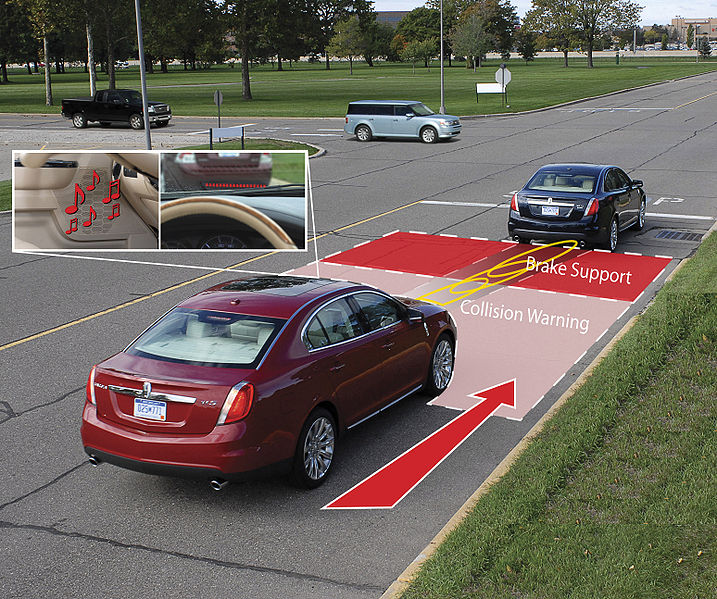
FCW systems can play a significant role in preventing accidents. By issuing timely warnings, they can reduce the number of rear-end collisions, which account for a notable percentage of road incidences.
In many cases, the extra seconds provided by an FCW alert can be enough for a driver to take evasive action, potentially avoiding a crash.
However, it’s crucial to understand the limitations of FCW systems. They are primarily warning devices, not autonomous stopping mechanisms.
While some FCW systems can interface with automatic emergency braking (AEB), they’re not the same.
AEB can take control to stop the car if you don’t respond quickly enough to the FCW. Why is this important? Because having clarity about what your car can and cannot do is essential for safe driving.
In real-world driving scenarios, an FCW system’s effectiveness can be influenced by various factors, such as weather conditions, sensor cleanliness, and the speed at which you’re traveling.
For instance, heavy rain or snow can obscure sensors, and at high speeds, the distance required to safely stop increases considerably. This could mean that, even with an FCW alert, you may not have enough time or traction to prevent a collision.
The Role of Drivers in Maximizing the Benefits of FCW
Now that you have a solid grip on what Forward Collision Warning (FCW) systems can do, it’s crucial to talk about your part in the equation. Remember, technology assists, but it doesn’t replace vigilance behind the wheel.
If your vehicle is equipped with FCW, understanding and reacting to the alerts is critical. If that warning beep goes off, assess the situation and act accordingly—apply the brakes, maneuver out of harm’s way, or do both. It’s all about the harmony between human reflexes and machine intelligence.
Don’t ignore those maintenance reminders for your car’s sensors and systems. Keeping your FCW system well-maintained is key for it to function correctly. A dirty camera or a misaligned sensor can mean the difference between an effective warning and a missed one.
Can Forward Collision Warning prevent all accidents?
No, a Forward Collision Warning (FCW) cannot prevent all accidents because it primarily focuses on frontal crashes, particularly rear-end collisions. It might not be effective for collisions from the side, oncoming traffic, or dangers outside the car’s immediate path.
FCW relies on the driver’s reaction to its warnings. If a driver is distracted, incapacitated, or reacts too slowly, an accident might still occur. Sensors may have limitations in bad weather conditions like fog or heavy rain.
Is it Possible to Turn off the Forward Collision Warning System?
In most cars, yes, you can turn off the Forward Collision Warning (FCW) system. Many cars have a designated button on the steering wheel or a setting in the car’s information system to deactivate FCW.
Related Read: Can You Turn Off Lane Assist Permanently
However, it’s generally not recommended for safety reasons. Disabling FCW removes a safety layer that can warn you of potential collisions.
Does Forward Collision Warning work in all weather conditions?
No, Forward Collision Warning (FCW) systems generally don’t work as well in all weather conditions. The sensors of FCW can be fooled by bad weather such as heavy rain, snow, or fog, which may reduce their effectiveness.
Some of the other reasons could be bright sunlight. Glare from the sunlight can affect camera-based systems, reducing their ability to pick up on hazards.
Certain road conditions can also affect the working of FCW as it assumes a precise level of grip between the car and the road.
Because of the above conditions, expect FCW to be less reliable and be prepared to take manual control while driving.
Can Forward Collision Warning detect pedestrians and cyclists?
The capabilities of Forward Collision Warning (FCW) systems to detect pedestrians and cyclists vary depending on the specific system and manufacturer.
Some car manufacturers offer a separate Pedestrian Collision Warning (PCW) system that specifically focuses on detecting people. If you’re looking for a car with advanced safety features, consider researching models with PCW in addition to FCW.
Such systems are capable of detecting pedestrians and cyclists utilizing a combination of radar, lidar, and/or cameras.
These features create a more detailed picture of the surrounding environment allowing them to distinguish pedestrians and cyclists from other objects.
However, drivers should remain aware of their surroundings and exercise caution, especially in areas with high pedestrian or cyclist traffic.
Is Forward Collision Warning standard on all vehicles?
No, Forward Collision Warning (FCW) is not standard on all vehicles yet however, it is becoming more and more common, especially in newer car models.
In March 2016, many major automakers voluntarily committed to making FCW, along with Automatic Emergency Braking (AEB), standard on all new cars and light trucks in the US by September 2022
This agreement is voluntary, and not all manufacturers are on board. Some manufacturers might only offer FCW on higher trim levels or as part of an optional safety package.
Older vehicles likely won’t have FCW unless it was an optional feature at the time of purchase.
What you can do is if you are looking for a new car, check the features list or owner’s manual to see if FCW is included.
As a prospective buyer ensure to research specific vehicle models or consult with dealerships to determine if FCW is included or available as an option.
Final thoughts
In conclusion, a Forward Collision Warning (FCW) system does not directly stop your car. It is only designed to alert drivers of potential collision risks by detecting objects or vehicles in the vehicle’s path.
However, some advanced systems may work in conjunction with Automatic Emergency Braking (AEB), which can automatically apply the brakes to help avoid or mitigate collisions if the driver doesn’t respond to the warning in time.
Looking ahead, FCW systems are becoming even more sophisticated. With advancements in technology, these systems integrate more deeply with other car safety features, potentially leading to a future where cars have significantly more autonomous control to prevent accidents.
As a car owner or a buyer, it’s a good practice to stay informed about how your car’s safety features work and their limitations.
Choose something that resonates with you when considering a new car with advanced safety systems—prioritize those that support your driving style and safety preferences.