





When it comes to automotive safety, laminated glass holds a prominent position in limiting the risks of accidents and visibility. But there are concerns about their durability. The question is, “Does laminated glass crack?”
Whether you’re a car enthusiast or simply concerned about road safety understanding the type and integrity of your car glass is crucial.
This article aims to provide informative and helpful insights into the fascinating realm of laminated glass technology.
We’ll explore the differences between laminated and tempered glass, and its characteristics.
We’ll also shed light on the causes of laminated glass cracking, a topic that piques the curiosity of many vehicle owners and drivers.
So, let’s get started and demystify the enigma of laminated glass cracking!
Does laminated glass crack in automobiles?
Yes, laminated glass can crack but not easily. Laminated glass is made of two layers of glass sandwiching a durable interlayer, often made of polyvinyl butyral (PVB).
Unlike traditional glass, this design provides added strength and resilience, making it resistant to small impacts that may cause cracks and also reduces the risk of complete shattering.
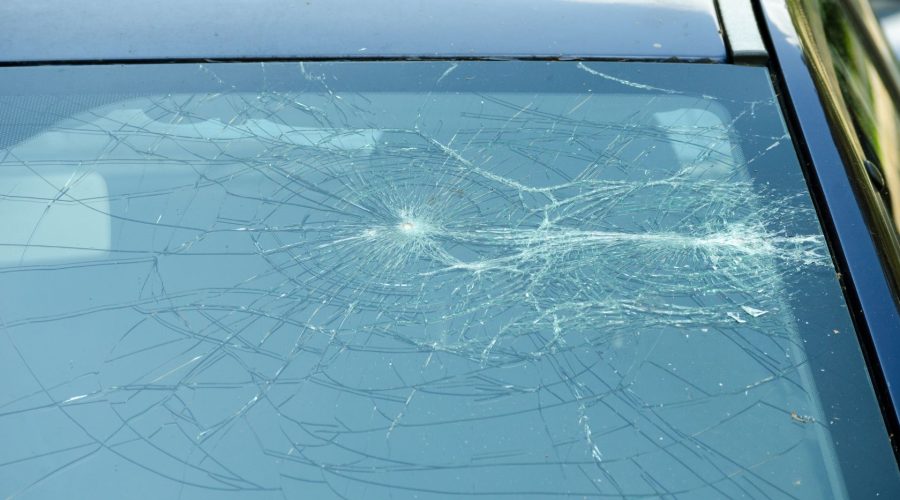
However, severe impact or external forces can lead to cracks, compromising its integrity. Even when it cracks it won’t shatter into sharp shards like standard glasses.
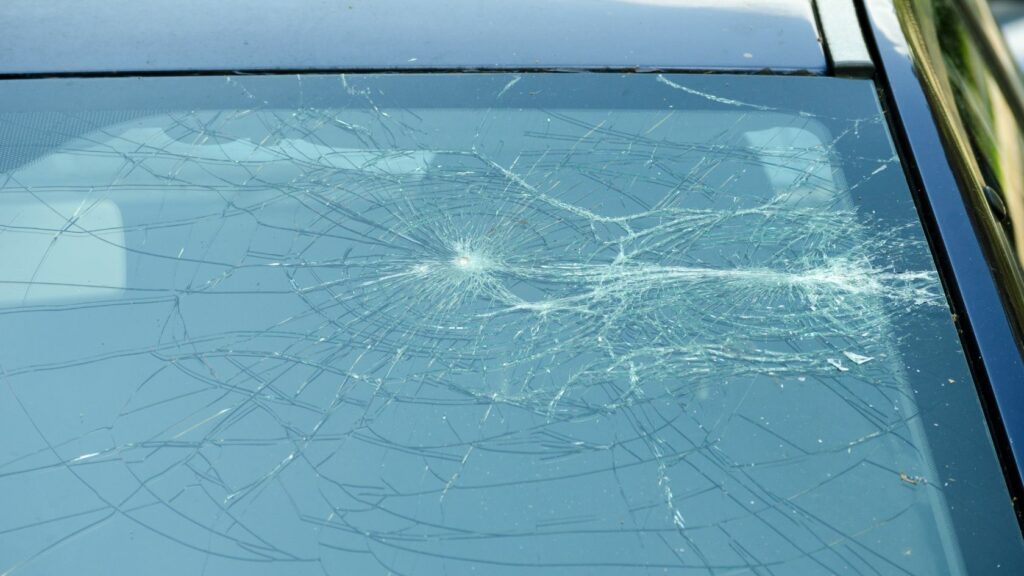
The multiple layers of laminated glass hold the pieces together during the cracks and as a result of this, a spider web-like pattern is formed.
Having said this, cracks in laminated glass can still be a safety concern, affecting visibility and structural stability.
Understanding the design and the causes that can lead to cracks (and shattering in some cases) is necessary to remain protected on the road.
What is laminated glass in automobiles?
Laminated glass is a specialized type of automotive glass used in various parts of vehicles, particularly in windshields.
It is composed of two separate layers of glass that are bonded together with a layer of polyvinyl butyral (PVB) using heat and pressure.
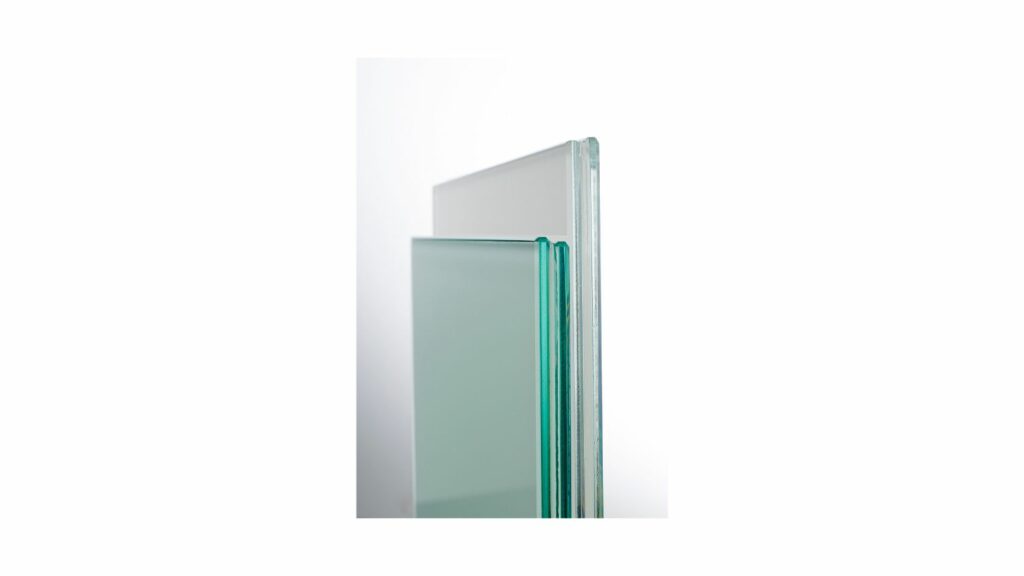
This design provides significant advantages in terms of safety, as the glass is less likely to shatter upon impact.
It finds widespread application in windshields, where it offers optimal protection to drivers and passengers during collisions.
Additionally, the interlayer helps reduce noise transmission, enhancing the overall driving experience.
By legal requirements, all windshields must be made of laminated glass. Although side and rear windows are not mandatory to use laminated glass, an increasing number of cars now opt for this safer alternative for these windows as well.
Causes of laminated glass cracking
Laminated glass is renowned for its strength and safety benefits, but even this durable material is not entirely immune to cracking.
Understanding the underlying causes can help vehicle owners take preventive measures and maintain the integrity of their automotive glass.
Here are some key factors that can lead to laminated glass cracking:
Impact and Stress: One of the primary causes of laminated glass cracking is a significant impact or force.
It won’t break with a simple punch but need a sudden and forceful impact like a rock thrown up by another vehicle on the highway or a heavy object hitting the glass during a collision. In such cases, you can expect to see cracks in laminated glass.
Temperature Fluctuations: The thermal stress caused by extreme temperature changes can lead the glass to expand or contract rapidly. Over time, this constant stress can weaken the glass and result in cracks.
Poor Installation: Improper installation or using incorrect adhesives can create stress points on the glass, making it more susceptible to cracking. In rare scenarios, manufacturing defects in the glass or interlayer can also contribute to cracks.
Age and Wear: Laminated glass, like any material, undergoes wear and tear with aging and continuous usage. As it ages, the chances of cracking increase.
Lack of maintenance may also contribute to premature wear and tear and aging which makes the glass vulnerable to cracks.
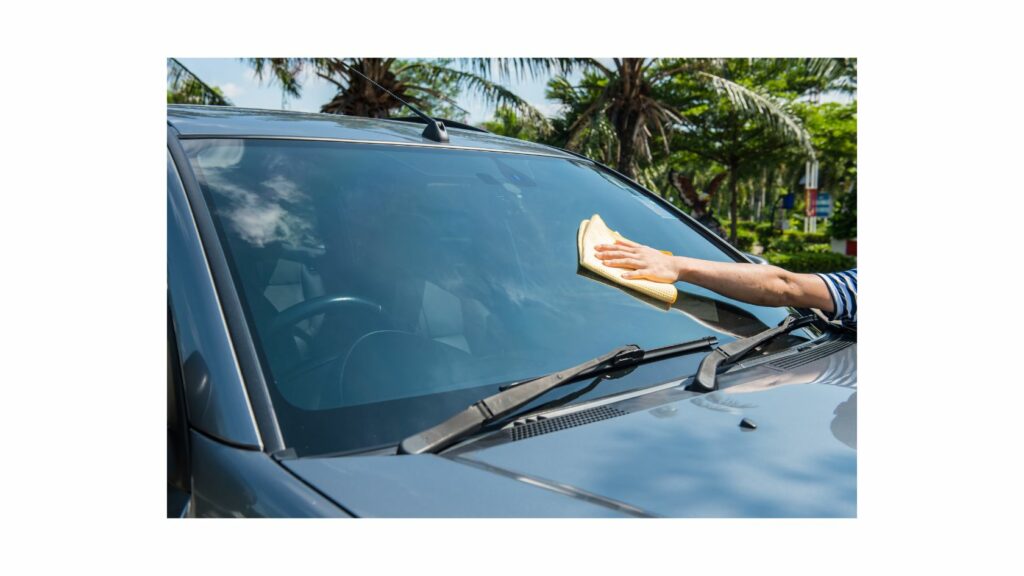
Chemical Exposure: Constant exposure to certain chemicals found in detailing products can deteriorate the interlayer of a glass. This can compromise the glass’s structural integrity over time leading to cracks.
Vibration and Flexing: Frequent exposure to vibrations or flexing due to rough roads or driving conditions can weaken the glass and eventually cause cracking.
To prevent or minimize the risk of laminated glass cracking, regular inspections by professionals are essential.
Related Read: Can a cracked windshield break while driving?
Promptly addressing any small chips or cracks is crucial to avoid further damage. Additionally, parking in shaded areas during extreme temperatures and ensuring proper installation during glass replacement can significantly extend the lifespan of laminated glass, ensuring a safer and more enjoyable driving experience for all.
What happens when laminated glass cracks?
When laminated glass cracks, it initiates a process of breaking the surface layer of the laminate and then propagates along the interface with the inner layer, causing de-lamination.
This process absorbs the energy of the striking force and prevents glass shards from exploding out of the laminate.
Nonetheless, a network of cracks, resembling a spider web, will form. In simple terms, the laminate will still crack, but the risk of flying glass is minimized.
However, it is crucial to note that in extreme cases of force/impact, penetration may still occur making the glass weaker to absorb any further damage.
Laminated glass Vs Tempered glass: The pros and cons
When it comes to choosing the right type of glass for various applications, laminated glass and tempered glass are two popular contenders.
Tempered glass is processed through controlled heating and rapid cooling, resulting in increased strength compared to regular glass.
Here is the set of common advantages and disadvantages between laminated and tempered glass:
Laminated Glass Vs Tempered Glass
Laminated glass is designed to remain intact even after impact, reducing the risk of shattering and minimizing the chance of injuries from flying glass shards.
On the other hand, tempered glass is not as strong as laminated glass but more powerful than regular glass to withstand higher impacts without shattering.
In terms of safety, laminated glass’s strength and resilience make it more challenging to break while tempered glass does break fracturing into small, rounded pieces, reducing the risk of serious injuries.
Laminated glass blocks harmful UV rays, protecting the occupants and interiors from sun damage. As for tempered glass, it can handle higher temperatures, making it suitable for applications where thermal stress may occur.
Additionally, laminated glass interlayer provides effective noise reduction creating a quieter and more comfortable environment compared to tempered glass.
From a cost perspective, laminated glass tends to be more expensive than tempered glass. While laminated glass is repairable to some extent, tempered glass needs complete replacement when damaged inducing higher maintenance costs.
In summary, choosing between laminated glass and tempered glass depends on the specific needs of the application. Evaluating the pros and cons can help make an informed decision to ensure the best fit for each scenario.
Does laminated glass reduce heat and noise?
Yes, laminated glass offers remarkable benefits in reducing both heat and noise in various applications.
The multiple layers and interlayer material, usually made of polyvinyl butyral (PVB), provide excellent thermal insulation, blocking the transfer of heat between the inner and outer glass layers.
This property helps maintain a more comfortable temperature inside the vehicle or building, especially during extreme weather conditions.
Additionally, the interlayer acts as a sound dampener, absorbing and dissipating sound waves, resulting in a quieter interior environment.
Laminated glass enhances overall comfort and is a popular choice for those seeking improved heat and noise insulation in their vehicles or buildings.
Final thoughts
While laminated glass boasts exceptional strength and safety benefits, it is not impervious to cracking.
Factors such as significant impacts, temperature fluctuations, poor installation, and chemical exposure can contribute to its vulnerability.
Nevertheless, the advantages of laminated glass, including its ability to reduce the risk of shattering upon impact, outweigh the risks associated with cracking.
By staying vigilant, seeking regular inspections, and addressing any issues promptly, you can ensure the longevity and safety of laminated glass making your road journey safe and comfortable.