





Many motorists defog their car windows using air conditioners or heaters. But here’s the real question: Is hot or cold air better for condensation in a car?
Condensation is a natural occurrence in vehicles arising due to fluctuating temperatures or weather conditions. Driving with highly condensed car windows can be hazardous as it fogs up the windows obstructing a driver’s view.
By delving into the intricacies of dew points and temperature differentials, we can unravel the mysteries of foggy car windows.
In this article, we will explore the factors that contribute to condensation, the damage it can cause to your car, and most importantly, valuable tips to prevent it.
What is condensation in cars?
Condensation in cars refers to the formation of moisture or water droplets on the interior surfaces of the vehicle.
When the outside temperature is lower than the temperature inside the car, moisture in the air condenses on the glass surfaces, similar to how dew forms on grass in the morning.
This natural phenomenon causes the water vapor in the air to change into liquid form leading to foggy windows, reduced visibility, and even potential damage to your car’s interior over time.
Factors like rainy weather, wet clothing, and even breathing inside the car can elevate humidity levels and contribute to condensation.
The effect of condensation in cars is not ordinary. It can hamper visibility and poses safety risks while driving, especially during colder months or in areas with high humidity.
To combat condensation, it is important to understand the causes and implement practical solutions to ensure a safe and comfortable driving experience.
What causes condensation inside a car?
Several factors contribute to condensation inside a car and some of them are listed below:
Rainy Weather – Picture yourself driving through a torrential downpour. The humidity levels both inside and outside the car rise significantly. As rain pelts against the windows, the exterior glass surfaces become cooler.
When the warm, humid air inside the car comes into contact with these cooler surfaces, condensation forms, clouding up your windows and hindering your view.
Damp or Wet Clothing – You return to your car after a stroll in the rain, and your dripping wet clothing and umbrellas accompany you.
As you settle inside, the moisture from these items seeps into the car’s interior, adding excess humidity.
This moisture-laden air mixes with the air already inside the vehicle, leading to condensation on the windows.
Breathing Inside a Car – In colder weather, your breath releases warm, moist air into the car’s cabin.

This doesn’t mean you shouldn’t breathe but as the temperature inside the car drops, this warm air encounters the cooler glass surfaces, causing it to condense into tiny droplets, further exacerbating the issue.
Change in Temperature Overnight or Early Morning – Imagine a chilly night or early morning when temperatures drop significantly. Dew forms on the exterior of the car, creating a thin layer of moisture on the glass surfaces.
When the warmer air inside the vehicle meets these cooler surfaces, it results in condensation.
Pollen Filter – A clogged or dirty pollen filter hampers proper airflow inside the car. Without adequate ventilation, humidity levels rise, providing the ideal conditions for condensation to take hold of the windows.
Is Hot or Cold Air Better for Condensation in a Car?
The battle between hot and cold air in a car’s battle against condensation is not as straightforward as it seems. Depending on the weather and environment, you may have to strike a balance between hot and cold air to prevent condensation.
While cold dry air is better than cold damp air in combating condensation, warm dry air remains the most effective choice.
Secondly, keeping the air inside your car dry is crucial in preventing condensation. Avoid adding more fog by ensuring the air is already dry.
Opt for hot dry air whenever possible. Warm air has a higher moisture-holding capacity and encourages evaporation, making it effective in absorbing moisture from damp windows.
On cold, damp days, utilize your car’s air conditioner, even if it’s near freezing outside. The air conditioning system cools the air, causing excess moisture to condense out and ultimately providing you with dry air.
Most cars with air conditioning will activate the system when you set the front window defrost. Take advantage of this feature to blow dry air over the window, effectively tackling condensation.
To combat condensation issues in a car, it’s essential to strike a balance by using warm, dry air, strategic use of your car’s air conditioning, and defrost setting.
How to stop condensation in a car?
Clear visibility while driving is essential for your safety and that of others on the road. However, foggy car windows can be a persistent nuisance, especially during inclement weather.
Here are some of the practical tips to prevent condensation in a car:
Utilize the Defrost Setting
Your car’s defrost setting is a valuable ally in the battle against condensation. By activating it, warm air is directed toward the windows, swiftly clearing any moisture build-up.
For instance, on a chilly morning, engaging the defrost setting can quickly eliminate foggy windows, ensuring a clear view before hitting the road.

Leverage the Air Conditioning
Running the air conditioning system serves more than just cooling the car. It actively reduces humidity levels within the vehicle, which in turn prevents condensation from forming on the windows.
Imagine driving on a humid day, but with the air conditioning on, you can keep the windows clear and maintain a comfortable cabin environment.
Crack Open Windows
Sometimes, a simple solution can work wonders. Allowing a small gap in your windows promotes better air circulation and balances the temperature inside and outside the car.
By doing so, you minimize the chances of fogging and create a more pleasant driving experience, even during weather changes.
Keep the Interior Dry
Keeping a dry interior is the key to thwarting condensation. Whenever wet surfaces or items like clothing or umbrellas find their way inside the car, promptly wipe them down or remove them.
Related Read: How to clean your car interior without vacuum
This proactive approach ensures minimal excess moisture, reducing the risk of foggy windows.
Anti-Fog Products
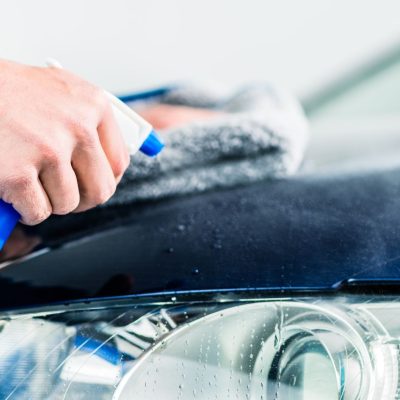
Investing in anti-fog products can save you from frustrating condensation episodes. By applying these products to your windows, you create a protective barrier that prevents condensation from sticking to the glass.
Now, you can drive confidently through various weather conditions without worrying about obscured vision.
Moisture-Absorbing Packs
Combat excess humidity with the help of moisture-absorbing packs or silica gel inside your car. These packs effectively reduce humidity levels, helping to mitigate condensation issues.
Imagine a rainy day where your car’s interior stays dry and comfortable, all thanks to these ingenious moisture-absorbing packs.
Does condensation damage cars?
Yes, condensation can potentially cause damage to cars over time and lead to various issues if not addressed promptly.
When moisture accumulates on the interior surfaces of your vehicle, it can lead to issues like mold and mildew growth, which not only produce unpleasant odors but also pose health risks.
Damage to seals is another common problem caused by prolonged exposure to moisture. The moisture can degrade the rubber seals around windows and doors, leading to water leakage inside the cabin.
This can promote rust formation on metal parts and corrupt the electrical components compromising the vehicle’s integrity.
Additionally, constant exposure to moisture may also lead to the deterioration of upholstery.
Moreover, condensation can result in impaired vision, compromising the driver’s ability to see clearly, especially during critical moments like rainy or foggy weather. Reduced visibility increases the risk of accidents and poses a safety hazard.
If left untreated, condensation-related problems can escalate, necessitating expensive repairs to fix water-damaged electrical components, interior upholstery, and mold-infested surfaces.
To avoid these consequences, it’s essential to address condensation promptly by regular inspection and proper maintenance of the car’s ventilation system.
Do AC or car heaters cause condensation?
Yes, both the AC (air conditioning) and car heater play roles in causing condensation inside the car, but for different reasons.
During hot weather, the AC cools the air inside the car, leading to a temperature differential between the cooler glass surfaces and the warm, moisture-laden air, resulting in condensation on the windows.
On the other hand, during cold weather, the car heater warms up the interior, causing moisture from occupants’ breath and wet clothing to condense on the windows due to the temperature difference.
Final thoughts
When it comes to combating condensation in a car, hot and cold air, both play a vital role. First of all, it is important to understand the causes of condensation which we have informatively covered in this post.
Secondly, fluctuating temperature is one of the major concerns leading to foggy windows in the cold temperature and vice versa.
Regardless of the weather conditions, it is crucial to remain attentive and cautious while dealing with condensation inside your car.
To maintain clear visibility in challenging conditions, utilize the defrost settings, and practice proper ventilation.
More importantly, employ tips for clear visibility from this post to strike a balance between hot or cold air to manage condensation and humidity levels within a car.