
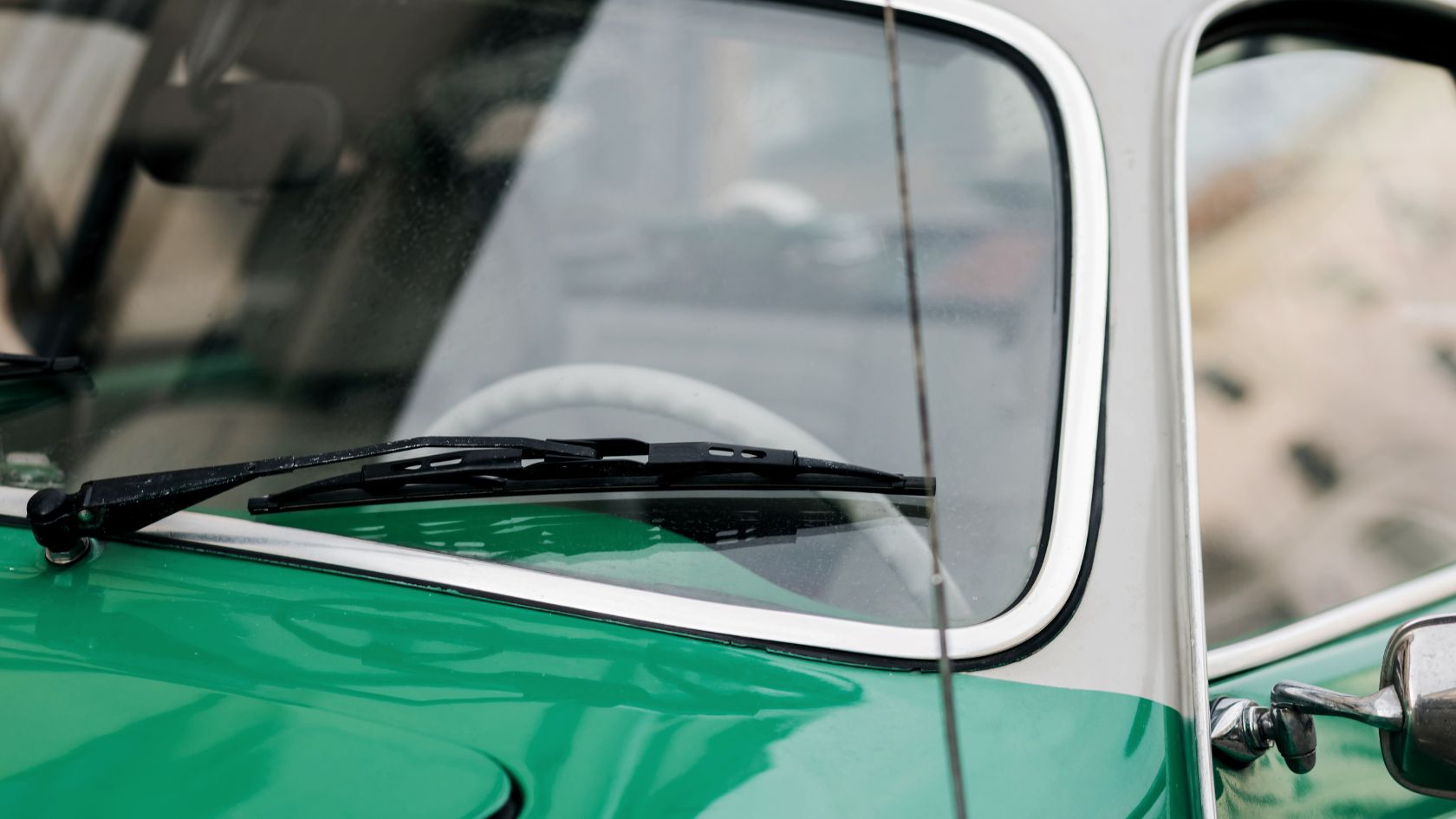
Your vehicle’s windshield, that trusty guardian against wind, debris, and the elements, silently performs its duty day in and day out. But have you ever wondered if it has an expiration date? Does a car windshield expire? If it does then what are the causes of windshield expiry, and how can you prevent it? Moreover, what are the tell-tale signs that indicate it is time to replace your car’s windshield? In this blog post, I will unveil the secrets of car windshield expiry and longevity. You will learn about the causes, preventive measures and replacement signs on car windshields so do not distract yourself till the end of this post. To be honest, a car windshield is not immortal; it does have a lifespan. While a windshield doesn’t technically expire, it requires care and attention to ensure it serves you well for years to come. There are some factors that can contribute to its deterioration and eventual replacement. Extreme temperatures, improper cleaning, and usage, damage due to exposure to external elements, defective wiper blades, and the age factor are some of the common ones. Taking preventive measures, such as regular maintenance, parking in a protective place, and timely inspection and repair of cracks and damages can prolong the windshield’s lifespan. To understand the truth, you must familiarize yourself with the causes that can lead to windshield expiry. This will help you adopt preventive measures as well as learn the signs of windshield replacement. Car windshields can deteriorate over time due to the following causes: Extreme temperatures –Weather plays a significant role in weakening windshields. Prolonged exposure to scorching heat or freezing cold can lead to cracks and chips. Not just outside but fluctuating temperatures inside a car can also cause the glass to expand unevenly leading to cracks. Cracks and Chips –Speaking of cracks or chips, they are not limited to weather only. Different types of cracks can develop on the windshield due to external forces such as flying debris, pebbles, accidental crash, etc. Depending on the nature of the crack (big or small) it can weaken and compromise the overall integrity and withstanding capabilities of a windshield. Improper usage -Slamming doors forcefully can exert undue stress on the glass, compromising its structural integrity. Just the way the slamming of doors impacts window glasses it equally disturbs the solidarity and durability of car windshields. Open parking – Leaving your car in uncovered areas exposes the windshield to potential hazards like flying debris and falling branches. External forces, such as rocks kicked up by other vehicles, can cause immediate damage. Similarly, bird droppings often lead to wiping of the windshield which reduces the shine and visibility. Worn-out wiper blades – Defective wiper blades can scratch the surface of the windshield, impairing visibility and exacerbating existing flaws. The worn-out rubber surface of wipers particularly on a dry or dirty windshield, can lead to premature wear and tear. Deteriorated Weather Seal – The weather seal or weather stripping, typically made of rubber, provides a protective barrier between the windshield and the vehicle’s frame. If the seal is worn, cracked, or damaged, it can allow water, debris, and even air leakage inside the cabin. Water leakage or signs of moisture between the windshield and the interior trim can indicate a compromised seal. This can lead to further damage, including rust and mold growth. Distorted Vision –A distorted vision is often mistaken for poor visibility or eyesight problems of a driver however distortion can also result from manufacturing defects or improper installation of a windshield. Significant distortion or waves can distort your view of the road, making it challenging to judge distances accurately. This doesn’t mean your windshield is nearing expiry but it certainly needs a re-installation or replacement. Avoid Rough Handling – Handle your car’s windshield with care, avoiding any unnecessary impact or forceful slamming of doors. If you want to prolong the performance of your car windshields, gently handle the doors regardless of your mood and mental state. Maintain Safe Distances – Keep a safe distance from other vehicles, especially during highway driving. Ensure you see the rear tires of a vehicle in front of you for safe distancing. This reduces the risk of rocks or debris kicked up by other cars hitting your windshield. Park in Sheltered Areas – Whenever possible, park your vehicle in covered or enclosed areas to protect the windshield from direct exposure to extreme temperatures, falling branches, or flying debris. More often than not, your vehicle is vulnerable to damage from your own surroundings so, build a parking shade if your regular parking area is coverless. Use Windshield Sunshades – Shield your car’s windshield from intense sunlight by using windshield sunshades. These sunshades help minimize heat build-up and reduce the risk of thermal stress, which can lead to cracks. Replace Wiper Blades Regularly – Maintain properly functioning wiper blades and replace them when they show signs of wear or damage. Using defective wiper blades for a prolonged period can cause scratches on the windshield leading to potential damage and poor visibility. Clean Windshield Properly – Regularly clean your windshield using appropriate cleaning agents and a soft microfiber cloth. Related Read: Is glass cleaner safe on car paint? Avoid abrasive materials that can scratch the glass surface. Opt for gentle, automotive-approved cleaners that are safe for the glass. Inspect for Cracks and Chips – Routinely inspect your windshield for any signs of cracks or chips. If you notice any minor damage, seek professional repair services promptly. Early detection allows for timely repairs, and timely repairs can prevent the damage from spreading and potentially save you from costly replacements. Ensure Proper Weather Seal–Ensure to check the weather seal around your windshield regularly. If you notice any deterioration, have it replaced to maintain a secure seal and prevent water leakage or air infiltration. On average, windshield wipers last between six months to one year, depending on usage and weather conditions. Factors such as exposure to extreme temperatures, UV rays, and
5 Essential Safety Tips When Using a Car Vacuum Cleaner
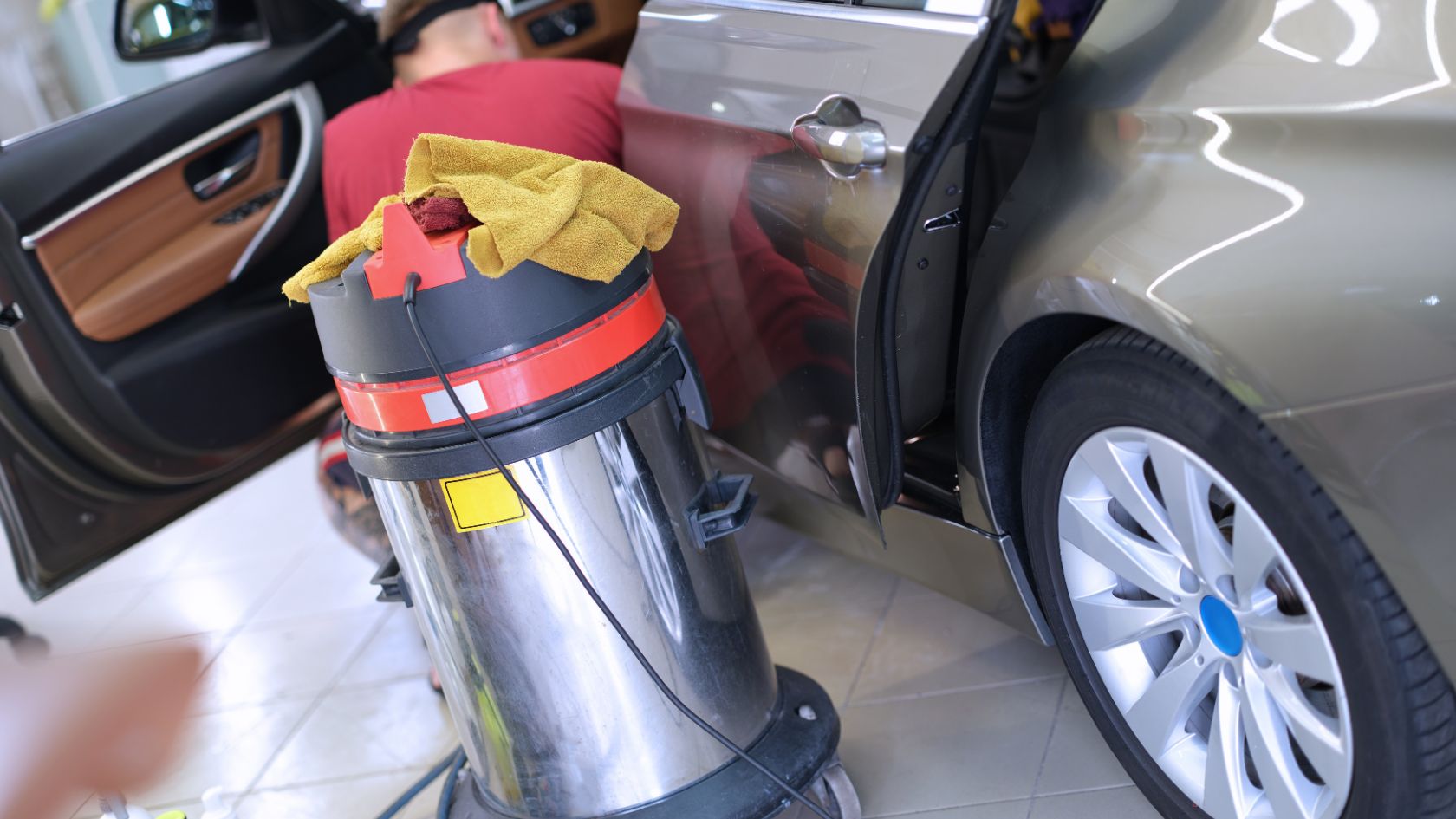
A vacuum cleaner is handy for maintaining clean and tidy car interiors. While anybody can use this equipment for cleaning, it’s crucial to prioritize safety while operating to avoid potential hazards. Whether you’re a seasoned car owner or a newbie in the world of automotive cleaning, understanding the essential safety tips when using a car vacuum cleaner is paramount. So, what are the potential risks involved? How can you ensure your well-being during the vacuuming process? In this informative guide, you will find the answers to the above questions in 5 crucial safety guidelines that will help you operate your car vacuum cleaner with confidence and peace of mind. So, let’s dive in and discover how to maintain a clean car interior while keeping yourself safe along the way. First of all, getting familiarized with your vacuum machine is very important. One of the ways to do this is by taking the time to read and understand the instruction manual. The manual is your gateway to unlocking the full potential of your cleaning tool. It provides valuable information about the specific features, functionalities, and more importantly, safety guidelines related to your vacuum cleaner. Familiarizing yourself with the manual will help you learn about the proper usage, maintenance tips, and any limitations of the device. It also ensures keeping yourself and your car safe while performing the vacuum process. So, before you embark on your cleaning journey, take a moment to dive into the manual and equip yourself with the knowledge to make the most out of your car vacuum cleaner. Setting up a Safe Vacuuming Area Before you actually start vacuuming your car, one of the essential requirements is to prepare the environment to ensure a safe and efficient cleaning process. Choose an area under the tree or a shade to avoid direct sunlight while vacuuming a car. Extreme weather can heat up the vacuum motor quickly which could be dangerous. Additionally, ensure proper lighting in the area to enhance visibility and prevent any accidental mishaps. It’s crucial to identify and address any potential hazards before vacuuming. Inspect the area beforehand to ensure a safe and accident-free cleaning experience. To begin with, remove any loose and large objects from the car interior that may obstruct the vacuuming process or get accidentally sucked into the cleaner. Pay attention to items like water bottles, toys, or small accessories that could harm the vacuum motor while cleaning. Keep an eye out for common hazards such as sharp objects like broken glass or metal debris that could slit the vacuum cleaner cord or damage the internal components. Similarly, remove any combustible materials that possess the potential to ignite upon coming into contact with electricity. Such items could lead to a fire while vacuuming. Finally, take note of any exposed electrical outlets that may pose a risk of electrical shock. Make sure the wirings are tight and secure to eliminate tripping instances or electrical damage to the vacuum cleaner. Adopting the techniques for Safe Vacuuming Safe vacuuming is not just about the surrounding but also about how you act while cleaning. Here are some of the necessary techniques you must follow for effective and risk-free vacuuming: Posture: If you are expecting a prolonged vacuuming session it is important to keep your physical posture in the appropriate direction. While using the vacuum try to stand or sit in a comfortable position with a straight back. This will prevent excessive strain on your body avoiding cramps, muscle pain, or any other health risk. Hand Placement: Hold the vacuum cleaner firmly with both hands. This may depend on the type and model of vacuum cleaner you are using but proper hand placement is important. Maintaining a secure grip on the handle ensures control and stability while maneuvering and also allows you to perform vacuuming smoothly. Motion: Another crucial aspect of performing vacuuming safely is motion. Instead of breaking usage in small motions, move the vacuum cleaner in slow, overlapping strokes to cover the entire surface evenly. Avoid rapid or jerky movements that may cause damage to the vacuum cleaner or result in an incomplete cleaning. Prioritizing Safety with Protective Gear Wearing protective gear is like protecting yourself in advance from expected risks and difficulties. When using a car vacuum cleaner, consider wearing the following essential items: Hand Gloves: Protect your hands from potential hazards, such as sharp objects or chemicals, by wearing sturdy gloves. They provide an extra layer of defense against cuts, abrasions, and dirt. Gloves may also come in handy to keep your hand free from dirt, debris, and other waste especially if you are vacuuming wet garbage. Safety Glasses: Shield your eyes from debris, dust, and small particles that may be stirred up during vacuuming. Safety glasses provide crucial eye protection, reducing the risk of injury. Face Masks: In situations where you may encounter excessive dust, allergens, or mold, wearing a mask can safeguard your respiratory system. A well-fitted mask helps filter out airborne particles and ensures cleaner air intake. Ear Protectors: Some vacuum models make irritating noise while being used. If you have hearing problems or cannot bear the irritating motor or cleaning noise of a vacuum, then prefer wearing ear protectors. Appropriate Footwear: You must wear protective footwear such as slippers to avoid stepping on the vacuum cords or the device itself. Chances of tripping and tangling with the wires and connections cannot be avoided so wearing appropriate footwear will protect you from electrical shocks and injuries. Ensuring Longevity and Safety with Proper Maintenance Apart from prerequisites and usage, proper maintenance of a vacuum cleaner also ensures safety for its next use as well as enhances its durability. Follow the guidelines below to achieve optimal performance and longevity of a car vacuum: Cleaning – After each use, remove any debris or clogs from the vacuum cleaner nozzle or attachments. Ensure to empty the canister bag or replace it as necessary. Check and clean the filters regularly to maintain optimal suction power. Neglecting
Best Car Vacuum Cleaners (2025)
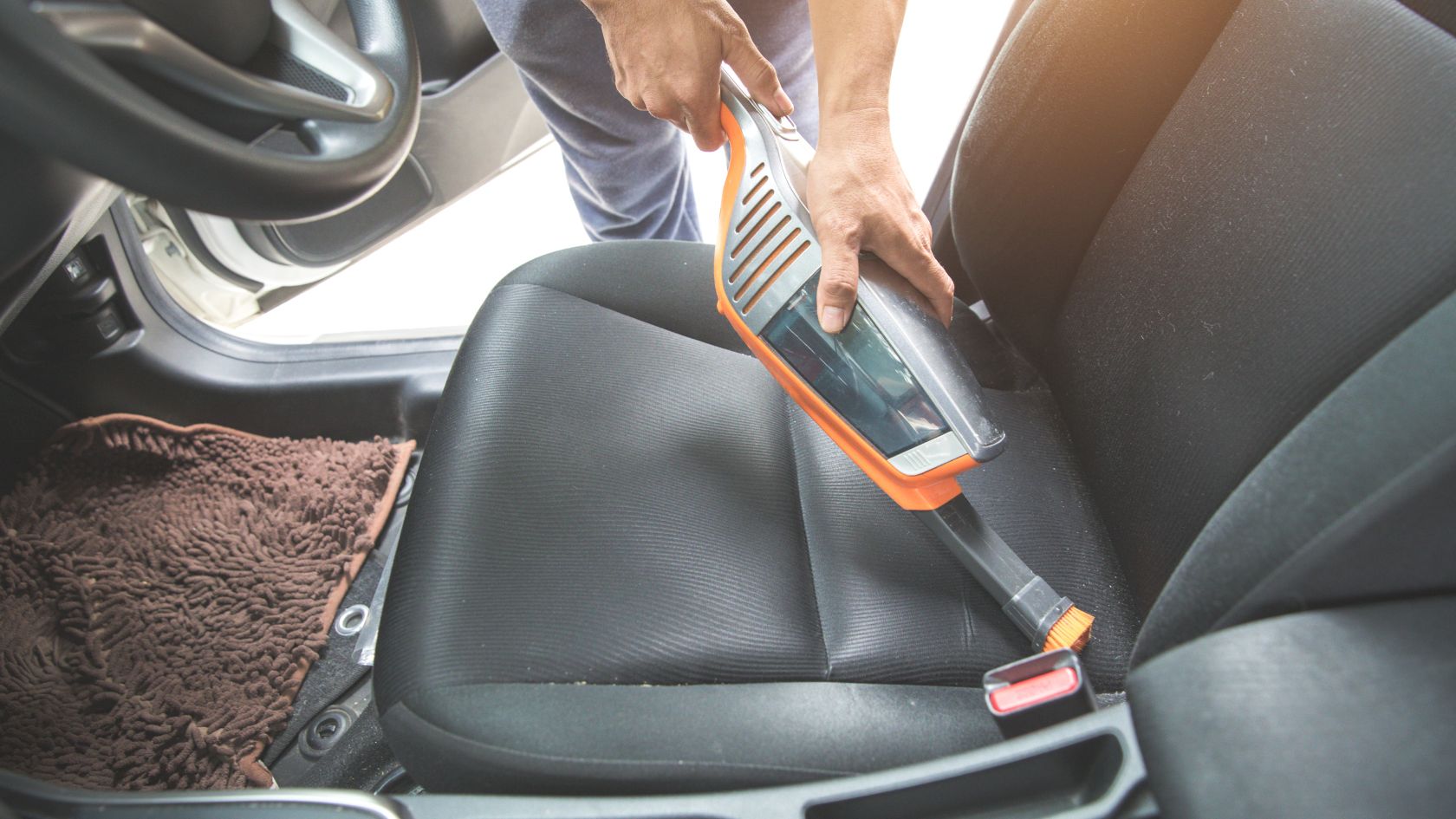
Unless you have a car vacuum cleaner that can do the cleaning job in minutes, the task of cleaning and tidying your car interiors could be burdensome especially if you travel daily. To get the best results, you need to find out the best car vacuum cleaners that can fit your budget as well as the performance. To help you make an informed decision for your cleaning needs, I will present you with comprehensive reviews of the best car vacuum cleaners in this blog post. You will also learn about the vacuuming benefits, and buying factors to consider while choosing a vacuum cleaner for your car. We have done the job of researching so that your time is saved. Here is the list of 3 best car vacuum cleaners that will satisfy different buying needs: As an Amazon Associate, we may earn a small commission if you purchase any product by clicking the link without any additional cost to you. BISSELL Multipurpose Portable Upholstery Vacuum Cleaner BISSELL needs no introduction in the vacuum segment. It has numerous products loved by household families and vehicle enthusiasts. The Bissell Little Green Machine is a powerful carpet and upholstery cleaner specifically designed to eliminate stubborn stains and deeply embedded grime from your car’s carpet and upholstery. This versatile and multipurpose machine consists of two 48-ounce tanks. The machine is powered through a standard electric cord that can be plugged into any outlet including the 12V socket of your car. Out of the two tanks, one is reserved for water and cleaning solution, while the other serves as the receptacle for extracted dirt and residue from the upholstery. This means it specializes in tackling wet waste more than dry waste. Equipped with a hose and brush head, the machine effortlessly dispenses the cleaning solution when the spray trigger is pressed and efficiently vacuums up the soiled water. When it comes to practical usage, BISSELL Little Green has no hassles. You can simultaneously spray the solution and perform vacuuming at the same time. The cleaning brush features sturdy bristles that effectively scrub fabric surfaces, dislodging any entrenched debris. Targeting specific stains, liquid spills, and pet hairs from the car interiors is a breeze with this vacuum machine. What’s more, BISSELL Little Green weighs no more than 10 pounds and has a compact design which makes portability and storage easier. Where it lacks is the suction power. Cleaning larger areas with bigger messes could be time-consuming and hard work however, it won’t disappoint as a car interior cleaner. All in all, BISSELL Little Green is a perfect ally for vacuuming for motorists frequently traveling with families and pets who want good results in cleaning stubborn stains and pet hairs. Black+Decker Furbuster Handheld Vacuum Black+Decker is another pioneer in the vacuuming segment. The company furnishes excellent vacuum cleaners for different cleaning needs. This specific model (HHVK515JP07) from Black+Decker is differently designed to clean pet furs from car interiors. Not only furs, but you can also enjoy removing common dust, debris, crumbs, grime, etc. with ease. The Black+Decker HHVK515JP07 stands out for its dustbin capacity. It boasts an impressive 25-ounce capacity, the largest among its counterparts. Because of this, dealing with copious amounts of pet fur is a cakewalk. The vacuum is accompanied by many additional useful components such as a washable filter, a belt, and a charger. Gladly, except charger all the other accessories are replaceable. In terms of runtime, this battery-powered model excels with a noteworthy 20+ minutes on low suction mode. This is more than sufficient for most car situations. Recharging is also time-efficient and you can expect to recharge the unit within 2-3 hours. The handheld cordless device is very convenient to carry and store. It is also lightweight compared to those bulky and corded vacuums that are hard to transport. On the flip side, there is no brush attachment which means you have to rely on the chute for sucking out the dirt. The effectiveness offered by a chute is way inferior to a brush. The unique design acts as another obstruction while vacuuming the stiff corners and surfaces. Overall, if you are seeking a reliable and long-lasting handheld vacuum cleaner with satisfactory suction power for your car then Black+Decker HHVK515JP07 is worth investing in. ThisWorx Car Vacuum Cleaner ThisWorx is a versatile vacuum cleaner designed to meet various cleaning needs for most cars. First of all, the hose design is capable of reaching deep corners. The 12V vacuum, though not very powerful, is strong enough to swiftly tackle all types of dirt and messes. The handheld compact stature is easy to hold and maneuver. The product comes with a convenient carry tote for easy storage and transportation, along with an additional HEPA filter. The transparent design of the garbage container allows you to easily monitor its fill level, making it perfect for both dry and wet dirt. Its 16-long power cable, flexible nozzle, and hose set ensure effortless reach into every nook and cranny without forcing you to stretch too much. The length of the cord is enough to reach the back seats. However, you may have to reconnect it to an extension while vacuuming the car trunk. In a nutshell, ThisWorx is your go-to product for quick cleaning of small amounts of dirt and debris. You won’t mind messing with your car frequently by having ThisWorx vacuum cleaner in your car. Enhanced cleaning efficiency – Unlike manual cleaning methods, car vacuum cleaners offer unparalleled cleaning efficiency by effectively removing all types of dirt, dust, debris, and even stubborn food particles from your vehicle’s interior. The efficacy of powerful vacuum cleaner blowers is excellent at eliminating minuscule dust particles that settle on car floors and seats. Just a few minutes of vacuum cleaner action can ensure that your car always looks impeccably clean and tidy. Moreover, their powerful suction capabilities and specialized attachments ensure thorough cleaning, leaving your car looking fresh and pristine. Saving time & effort – Manual cleaning methods
How to Clean Your Car Interior without Vacuum: A Comprehensive Guide
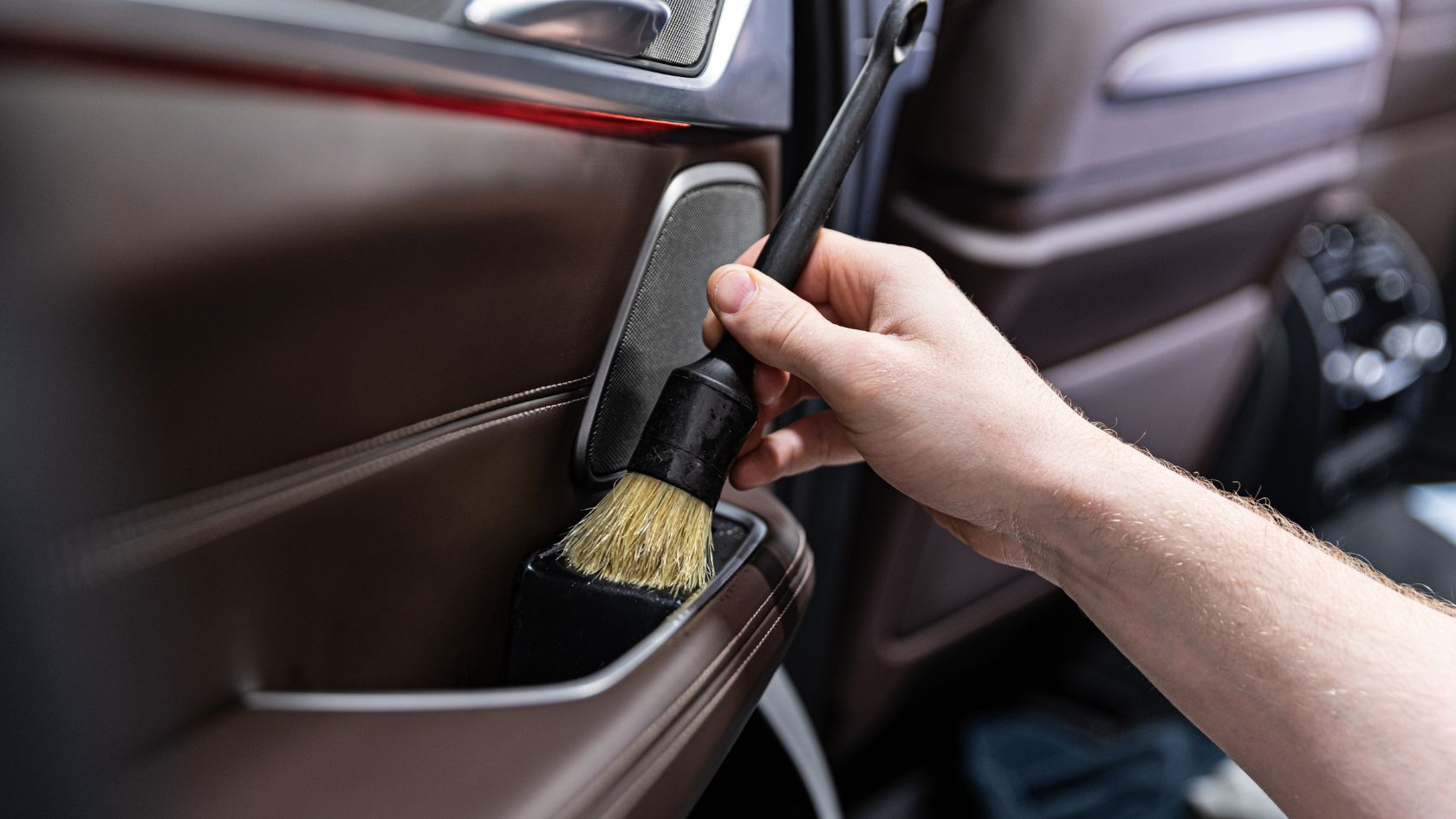
Many motorists rely on vacuum cleaner services to clean their car interiors. But how to clean your car interior without vacuum if for some reason you cannot carry it along or you just don’t have one? There is no doubt cleaning the car interior without a vacuum cleaner can pose a significant challenge. So, what is the alternative? Is there any other method or technique that can be used to clean car interiors without a vacuum? In this comprehensive guide, you will discover the secrets to a cleaner car without a vacuum cleaner. While vacuum cleaners are commonly used for thorough cleaning of a car’s interior, there are specific parts that benefit from their use. The following car interior parts often require a vacuum cleaner for effective cleaning: Carpets and Floor Mats: Often considered the most difficult parts for vacuuming, carpets and floor mats in a car is embedded with dirt, dust, and debris because of continuous usage. Related Read: Why is car carpet so hard to vacuum Upholstered Seats: Upholstered seats are vulnerable to loose dirt, crumbs, and pet hair which could be cumbersome to clean without a vacuum cleaner. Fabric Surfaces: Fabric surfaces such as door panels, headliners, and visors are some of the other sections prone to catching dust and frequently need the services of a vacuum cleaner. Trunk or Cargo Area: Trunk or cargo areas accumulate dirt, leaves, and other debris over time that may be hard to remove in the absence of a vacuum cleaner. Let’s delve into the details of cleaning these car interior parts without a vacuum. In the absence of a vacuum cleaner, you will need some cleaning supplies, brushes, cloths, and specific cleaners to perform cleaning. Carpet and floor mats Vacuuming is required to remove dirt and debris from the carpet and floor mats. In place of a vacuum, a brush or a broom can do the necessary job. Here are the steps to clean your car interiors without a vacuum: Cleaning the carpets and floor mats without a vacuum allows you to perform cleaning on the go or in situations where a vacuum is not available. It can also save some cost but, it may not provide the same level of cleaning as vacuuming, especially for deeply embedded dirt and debris. Secondly, doing it all yourself could be tiresome and demand lots of time and effort. Upholstered seats and fabric surfaces Upholstered seats and fabric surfaces have different types of material. Cleaning the dirt and grime from complicated folds and stitches is where you need a vacuum cleaner with a crevice tool. Without a vacuum, you can use a soft bristle brush, hand brush, microfiber cloth, and towel. With these accessories, follow the below steps to clean the seats: You can perform the cleaning steps without the need for specialized equipment. However, it’s important to note that while this method can remove surface dirt and stains, it may not penetrate deep into the upholstery like a vacuum cleaner would. Trunk or Cargo area The trunk or cargo area needs vacuuming while sucking the dirt, and debris from the mats and corners. If you don’t want to use a vacuum, use the brush or broom for cleaning the mats and then follow the below steps: Cleaning the trunk or cargo area without a vacuum cleaner will definitely require more effort and manual work due to the large area. The effectiveness of the above method may also depend on the amount of dirt and debris accumulated in the trunk. Using coconut oil on car interiors is one of the cleaning hacks adopted by many motorists. While coconut oil is not suitable to clean every part of car interiors it may be useful in detailing certain sections like car steering, dashboard, cup holders, and leather seats to some extent. The natural ingredients in coconut oil are helpful in generating shine and even prevent dust from settling on the dashboard and car steering, it may also give a matte finish to the leather material. Having said that there are some drawbacks of using coconut oil regularly on car interiors. This may appear in the form of greasy residue, stains, smudges, and smears. It may also leave behind a typical oil smell which could be sensitive to some noses. For effective and safe cleaning of your car interior, it is recommended to use appropriate cleaning products specifically designed for automotive surfaces. Here’s a small video that includes a section on using coconut oil for cleaning car interiors: To clean the car interior, there are various mixtures you can use depending on the specific surfaces and materials you’re dealing with. Here are a few effective mixtures for different parts of the car interior: All-purpose cleaner: An all-purpose cleaner diluted with water is suitable for general cleaning of surfaces like plastic, vinyl, and door panels. Mix the cleaner according to the instructions provided by the manufacturer for appropriate usage. Warm water and mild detergent: A mixture of warm water and mild detergent can be effective for fabric upholstery or carpet stains. Before applying, test the mixture on a small, inconspicuous area first to ensure it doesn’t cause any discoloration. Vinegar and water: To tackle stubborn stains on fabric surfaces, a mixture of equal parts white vinegar and water can be used. Spray the mixture on the stain, let it sit for a few minutes, and then blot with a clean cloth. Remember to always spot-test any cleaning mixture on a small, hidden area before applying it to the entire surface. Additionally, follow the manufacturer’s instructions and recommendations for cleaning specific materials in your car to ensure the best results while preserving the integrity of the surfaces. Achieving a clean car interior without a vacuum cleaner is not only possible but also quite manageable with the right equipments and instructions. From tackling upholstery stains to refreshing carpets and wiping down surfaces, there are alternative methods to suit different car interiors. Whether you opt for brushing, dusting, or
Why is car carpet so hard to vacuum?
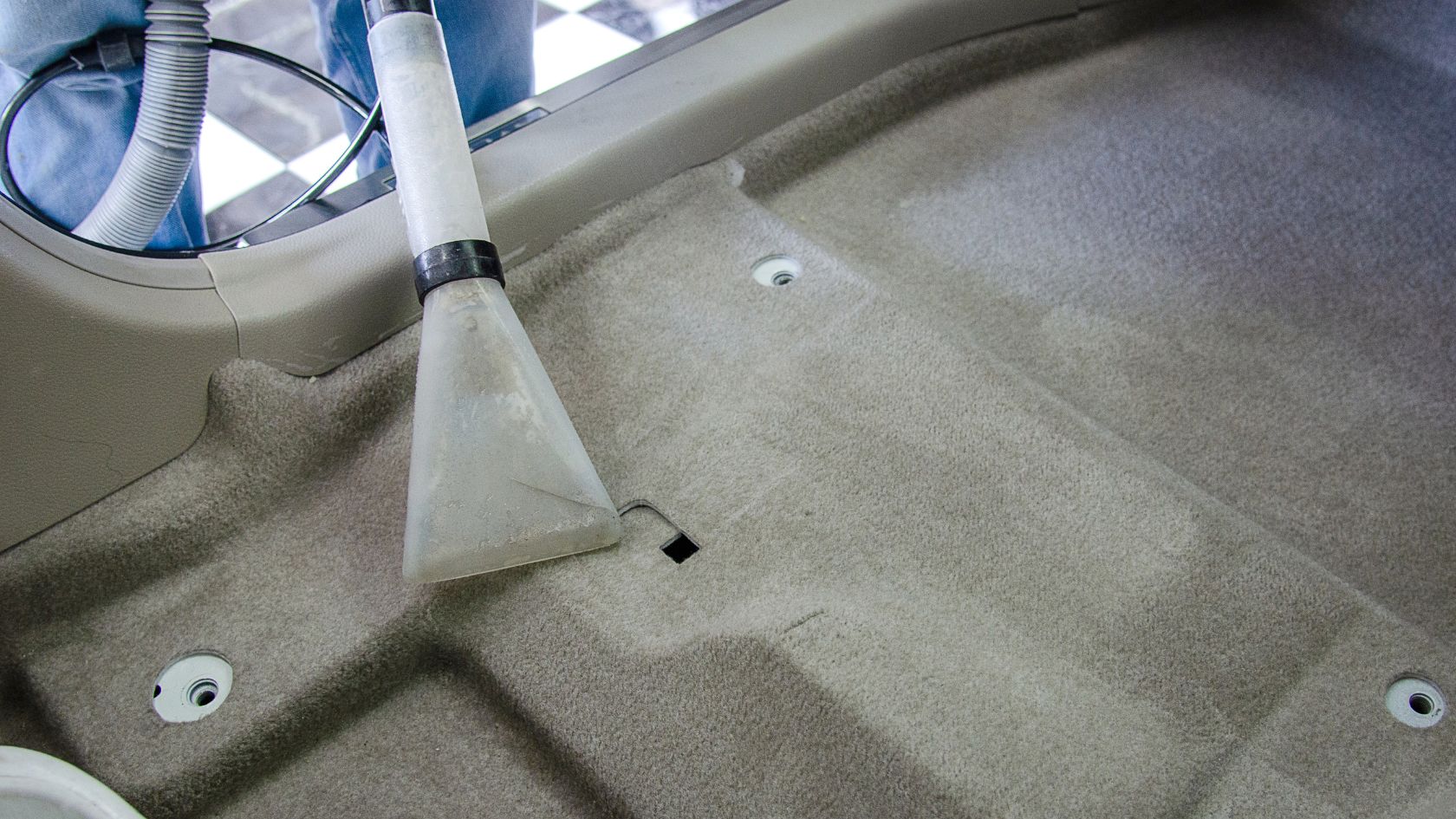
For some reason, car carpets can be an absolute nightmare to vacuum. Ask the motorists who struggle to extract every last bit of dirt and debris from its intricate fibers and keep pondering: Why is car carpet so hard to vacuum? Is it the unique car carpet material that poses a challenge? Or are there specific techniques and ways to vacuum car carpets that we have yet to discover? In this article, we will unravel the mysteries behind this vexing dilemma and equip you with the knowledge and insights needed to conquer the elusive art of car carpet vacuuming. So, prepare to delve into the fascinating world of automotive interior cleanliness, where dust bunnies reign and cleanliness is a never-ending battle. Car carpets are hard to vacuum because of the densely woven loop-pile construction. Most car carpets are designed with high-quality synthetic fiber to withstand wear and tear while effectively trapping debris and dirt. The fibers are also used to provide a touch of luxury for improved appearance. In such a scenario, regular vacuuming alone may not be sufficient to remove all the embedded particles. Additionally, the small and intricate spaces in a car make it difficult to reach all the nooks and crannies with a standard vacuum cleaner. To effectively clean car carpets, specialized tools such as crevice attachments and upholstery brushes are necessary. Related Read: 9 must-have accessories for your car vacuum cleaner Furthermore, using a high-powered vacuum with strong suction can help dislodge stubborn dirt and debris. Taking the time to thoroughly vacuum your car carpet will ensure a cleaner and healthier interior. When it comes to car interiors, the carpet plays a crucial role in both aesthetics and functionality. Let’s delve into the key aspects of car carpets that every car owner should know. Carpet Material – The type of carpet material used in cars can vary, but it’s often a synthetic blend designed for durability and stain resistance. Common materials include nylon, polyester, or a combination of both. Knap of the Carpet -The Knap refers to the direction of the fibers on the carpet surface. It can affect the appearance and texture of the carpet. For example, a carpet with a smooth, uniform knap gives a sleek and modern look, while a more textured knap adds depth and visual interest. Loop-Pile Construction – Many car carpets feature a loop-pile construction. This means that the fibers are woven into loops, creating a dense and sturdy carpet surface. The loop-pile design is chosen for its durability and ability to withstand heavy foot traffic. Quality of Fiber – The quality of the fiber used in the carpet greatly influences its performance and longevity. High-quality fibers are more resistant to wear and fading, ensuring that the carpet maintains its appearance for longer. Absorption Feature – Car carpets often have an absorption feature that helps trap and hide dirt, spills, and debris. This is especially useful for maintaining a cleaner-looking interior. However, it also means that the carpet can be more challenging to clean thoroughly. Understanding these aspects of car carpets can help you make informed decisions when it comes to maintenance and cleaning. Regular vacuuming and occasional deep cleaning are essential to keep your car carpet in top condition. Keeping your car carpet clean is essential for maintaining a fresh and inviting interior. To effectively vacuum your car carpet and remove dirt and debris, follow these expert tips: Using a good brush to loosen the dirt – Before vacuuming, take a soft-bristle brush and gently agitate the carpet fibers. This helps to loosen embedded dirt and makes it easier for the vacuum to pick up. Using appropriate attachments for cleaning – Utilize the crevice tool to reach into tight spaces between seats and along the edges of the carpet. For larger areas, use the upholstery brush attachment to thoroughly clean the carpet surface. Compressed air while vacuuming – For those hard-to-reach corners and crevices, using compressed air can be highly effective. It helps dislodge dust and debris, making it easier for the vacuum to remove them. Hot water extraction – Consider using a hot water extraction method for a deep and thorough clean. This involves using a carpet cleaning machine specifically designed for cars. The hot water and cleaning solution helps break down stubborn stains and lift dirt from the carpet fibers. Appropriate cleaner – If you encounter tough stains on your car carpet, choose an appropriate cleaner. Look for cleaners specifically formulated for automotive carpets, as they are designed to tackle grease, oil, and other common stains found in cars. Incorporating these techniques into your car carpet cleaning routine can help you achieve a spotless and fresh interior. Remember to vacuum regularly to prevent dirt and debris from accumulating, and don’t forget to pay attention to the nooks and crannies where dust tends to hide. A clean car carpet not only enhances the overall aesthetics but also contributes to a healthier and more enjoyable driving experience. Vacuuming high-pile carpets requires a specific approach to effectively remove dirt and maintain its plush appearance. Here are some essential tips: Vacuuming hard-to-reach places in a car may seem challenging, but with the right techniques and tools, it becomes easier. Here are some effective methods: Car carpet presents unique challenges when it comes to vacuuming due to its specific material and features. The dense loop-pile construction, chosen for its durability, tends to trap debris deep within the fibers, making it difficult to remove with a standard vacuum cleaner. However, by employing the best way to vacuum car carpets, such as using appropriate attachments, employing brushing techniques, and considering methods like hot water extraction, you can effectively tackle this task. Regular and thorough vacuuming, coupled with proper maintenance, will help keep your car carpet clean and prolong its lifespan. By understanding the intricacies of car carpets and implementing the right techniques, you can ensure a fresh and inviting interior for your driving pleasure.
The Benefits of Wet and Dry Car Vacuum Cleaners: Which One Is Right for You
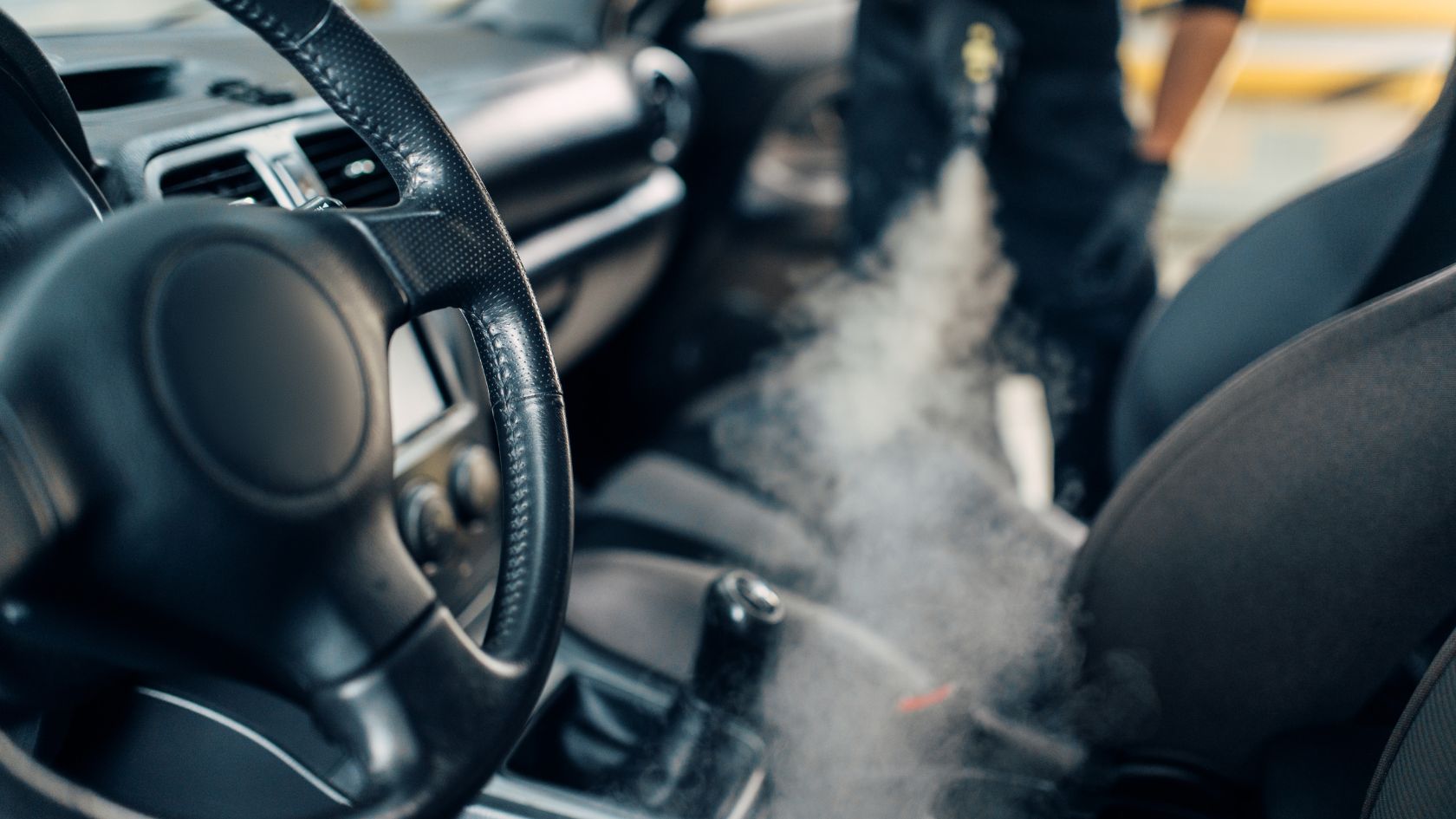
To achieve a spotless interior, vacuum cleaners are an essential tool in every car owner’s arsenal. But here’s the thing: there are two types of car vacuum cleaners – wet and dry. In fact, there is a third option as well that has both wet and dry capabilities. So, which one is the perfect match for your cleaning needs? More importantly, what are the benefits of wet and dry car vacuum cleaners? To help you make an informed decision, I will give you a comprehensive exploration of the advantages of wet and dry car vacuum cleaners. From effectively tackling liquid spills to efficiently removing dry debris, we’ll uncover the benefits of each option, empowering you to choose the ideal solution for your specific requirements. As the name suggests, a wet vacuum cleaner is purposely built to tackle liquid messes, including spills and wet substances that may gather in your car with the consumption of food items. These specialized cleaners boast a robust motor and a generous liquid-holding capacity, surpassing their dry counterparts. The key to their effectiveness lies in their unique design. With a distinct configuration, wet vacuums commonly feature a separate reservoir for water and employ a filtration system meticulously engineered to safeguard the motor from liquid infiltration. This intelligent design ensures efficient liquid extraction while maintaining the longevity of the machine. Whether it’s a drink spill or a wet mess that needs attention, a wet vacuum cleaner stands ready to handle the task, equipped with the necessary power and liquid containment capabilities. Dry vacuum cleaners are particularly engineered to handle dry substances, such as dust, dirt, and debris. Unlike their wet counterparts, they are not potentially optimized for liquid absorption and typically possess a lower liquid-holding capacity. Consequently, dry vacuums may prove less efficient when confronted with substantial liquid spillages. However, they excel at capturing and containing dry materials, thanks to the inclusion of a bag or a filter. This ingenious mechanism ensures that the collected dry substances remain securely confined within the vacuum, preventing their dispersion back into the environment. Tackling Liquid Spills and Stains – Wet car vacuum cleaners excel at effectively and efficiently cleaning up liquid spills and stains, such as a coffee mishap or a juice spill on the car seats. Their powerful suction and specialized design enable them to extract liquids from various surfaces with ease. Rain or Floor Water Cleanup – Wet vacuums are particularly useful for addressing wet floors resulting from rainwater seeping into the car. They can quickly and effortlessly eliminate the water, preventing potential damage and ensuring a clean and dry interior. Removal of Debris and Dry Garbage – Besides handling liquids, wet car vacuum cleaners also have the capability to handle common debris and dry garbage. From removing dirt and crumbs from the upholstery to picking up leaves and small debris, they provide versatile cleaning performance. No Dust While Cleaning – The advanced filtration systems in wet vacuum cleaners ensure that no dust particles are released into the air during the cleaning process. This not only makes cleaning more hygienic but also helps to maintain a clean and allergen-free environment inside the car. Deep Cleaning of Debris and Dust Particles – Dry car vacuum cleaners excel at thoroughly cleaning debris and dust particles from various car surfaces. The cleaning power of these vacuums ensures a pristine and dust-free interior owing to their dedicated motors and specialized attachments. Advanced Filtering System – The effectiveness also lies in their advanced filtering system such as the HEPA filter. A dry car vacuum cleaner can capture and trap dust, preventing it from being released back into the air during the cleaning process. This helps maintain a clean and allergen-free environment inside the vehicle. Multiple Accessories for Different Cleaning Needs – Dry vacuums come equipped with a range of accessories such as crevice tools, upholstery brushes, and extension wands. These attachments and accessories allow for thorough cleaning and customize your vacuum’s ability to address different areas and surfaces in your car. If you don’t want to deal in two separate versions of vacuum cleaners and still want to counter both wet and dry wastage simultaneously then invest in a combined product i.e. wet/dry vacuum cleaner. Wet/dry vacuum cleaners are designed for all-around solutions related to fulfilling the requirement of cleaning both debris and liquid spillages. These vacuums come with a dual-chamber mechanism that is designed to effectively segregate solid and liquid waste into separate reservoirs. The mechanism to separate the wet and dry waste works on the airflow that dislodges liquid and dirt into their respective containers. Moreover, numerous wet and dry vacuum cleaners incorporate a blow function that streamlines the piling and vacuuming of debris enhancing efficiency, and ensuring a thorough and comprehensive cleanup. Wet and dry car vacuum cleaners offer a range of benefits that make them indispensable tools for maintaining a clean and pristine car interior. Some of them include: Versatility – Wet and dry vacuum cleaners are highly versatile, allowing you to efficiently clean up both liquid spills and dry debris in one go. From removing beverage spills to tackling dirt and dust, these vacuums adapt to various cleaning needs due to their suction power and specialized waste segregating skills. Suction Power – The suction power of wet and dry vacuum cleaners is extraordinary thanks to their specially designed motors. With their powerful suction capabilities, wet and dry vacuums effectively extract dirt, grime, and liquids from different surfaces, offering a thorough cleaning experience. Multiple Usage – Wet and dry vacuums can be used for various applications, including cleaning carpets, upholstery, mats, and even the interior of your car. Their versatility extends beyond just car cleaning, making them a valuable tool for household cleaning tasks as well. Variety of Sizes – Regardless of the specially-designed motors and suction power, wet and dry vacuum cleaners are available in different sizes, catering to individual preferences and cleaning requirements. Whether you need a compact portable option or a larger capacity vacuum, there