
In the relentless pursuit of automotive perfection, the importance of car cleanliness cannot be underestimated. At the heart of this pursuit lies the unsung hero, the car vacuum cleaner. But what is the future of car vacuum cleaners? Are we on the cusp of a technological revolution that will redefine the way we clean our vehicles? Well, let’s find the answers by delving into the groundbreaking innovations and emerging trends of car vacuum cleaners. Let’s also find out if these innovations can elevate the art of automotive cleanliness to unprecedented heights. The car vacuum cleaner industry is experiencing rapid growth and witnessing a surge in the adoption of advanced car vacuum cleaners. With consumers becoming increasingly conscious about the cleanliness of their vehicles, the demand for high-performance cleaning solutions is on the rise. Key players in the industry are driving innovation by introducing cutting-edge features and technologies to enhance the cleaning experience. From powerful suction capabilities to intelligent sensors and versatile attachments, these innovations are revolutionizing how car interiors are maintained. Consumer preferences are also shaping the market, with an emphasis on convenience, efficiency, and eco-friendliness. Car owners seek products that offer hassle-free operation, improved cleaning performance, and reduced environmental impact. Looking ahead, the future of the car vacuum cleaner market looks promising. With advancements in technology, increasing consumer awareness, and the growing need for car cleanliness, the market is expected to continue its upward trajectory. Projections indicate a steady growth as more individuals recognize the importance of maintaining a clean and healthy vehicle interior. It is recommended to stay ahead of the curve by exploring the latest advancements in the industry and choosing a car vacuum cleaner that meets your specific cleaning needs. Traditional car vacuum cleaners have long been trusted in the battle against dust, crumbs, and debris. However, as automotive interiors become more complex, the limitations and challenges faced by these conventional models are not sufficient to fulfill the demanding cleaning needs. Traditional car vacuum cleaners, while effective to some extent, often fall short of providing optimal cleaning results. Their bulky designs and limited maneuverability make it challenging to reach tight corners and crevices, always leaving some areas untouched. Additionally, their power sources, typically reliant on cords or limited-capacity batteries, can hamper the cleaning process and restrict mobility. To address these limitations and elevate the cleaning experience, a new era of car vacuum cleaners is emerging. Innovative designs, such as compact and ergonomic handheld models, and their portability are revolutionizing the market. These devices offer enhanced maneuverability, enabling users to tackle even the most hard-to-reach spots with ease. Moreover, advancements in battery technology and cordless functionality ensure uninterrupted cleaning sessions. However, it is not just the physical aspects of car vacuum cleaners that are evolving. The integration of smart features, such as mobile app control, voice activation, and sensor technology, is transforming these cleaning companions into intelligent devices that adapt to users’ needs. The power of automation and connectivity in car vacuum cleaners is a positive inclination of achieving unlimited boundaries in auto-detailing. So, what do you get and what to expect in the near future from car vacuum cleaners? The integration of smart features and dynamic design of car interiors has been revolutionary in recent years. The trend will continue in the future with advanced levels of accessories and intelligent driving technology. Car vacuum cleaners are not immune to the transformative power of innovation. Some of the key advancements in current and forthcoming car vacuum models are: Whether you’re inside your home or miles away, you can initiate the cleaning process, adjust settings, and even receive notifications when the cleaning is complete. This seamless integration of voice control technology brings a new level of ease and efficiency to the cleaning process. These sensors can detect and analyze the level of dirt, dust, and debris, allowing the vacuum cleaner to automatically adjust its power and suction to optimize cleaning efficiency. This intelligent adaptation ensures thorough cleaning while preserving battery life and improving overall performance. This feature allows you to stay informed and in control, even when you’re not physically present. The list of features may become longer in the near future and by embracing these technological advancements you can effortlessly achieve a spotless interior, leaving you with more time to enjoy the journey ahead. The need for eco-friendly designs in everyday products has gained significant traction, and car vacuum cleaners are no exception. Many manufacturing companies are stepping up their game by developing cleaner and greener solutions to reduce the environmental impact of these essential cleaning tools. It has been noted that electricity consumption is always on the higher side which makes using and maintaining vacuum cleaners expensive. The demand for eco-friendly car vacuum cleaners has been growing and to fulfill these demands car vacuum companies have researched and employed advanced motor technologies. These vacuum cleaners are designed to deliver powerful suction with minimum energy usage due to their optimized power consumption. Furthermore, manufacturers are increasingly incorporating recycled and sustainable materials into their designs, ensuring that their products have a minimal ecological footprint. The use of recyclable materials reduces environmental impact and plays a crucial role in the sustainability of car vacuum cleaners. Another notable trend in the industry is the transition to battery-powered or rechargeable models. These vacuum cleaners eliminate the need for disposable batteries, reducing waste and enabling users to recharge their devices for repeated use. The advanced filtration system is responsible for keeping your car’s interior clean and healthy. The innovation in filtration systems has a game-changer element in the form of HEPA. The High-Efficiency Particulate Air filter is designed to capture even the smallest particles for improved air quality. HEPA filter-inducted vacuum cleaners are more effective in trapping dust, allergens, and other airborne contaminants to create a fresher and healthier environment for both drivers and passengers. These advanced filtration systems are also equipped with anti-allergen technologies, dust containment, and disposal mechanisms as well. The anti-allergen feature is helpful in providing relief for
The Importance of HEPA Filters in Car Vacuum Cleaners
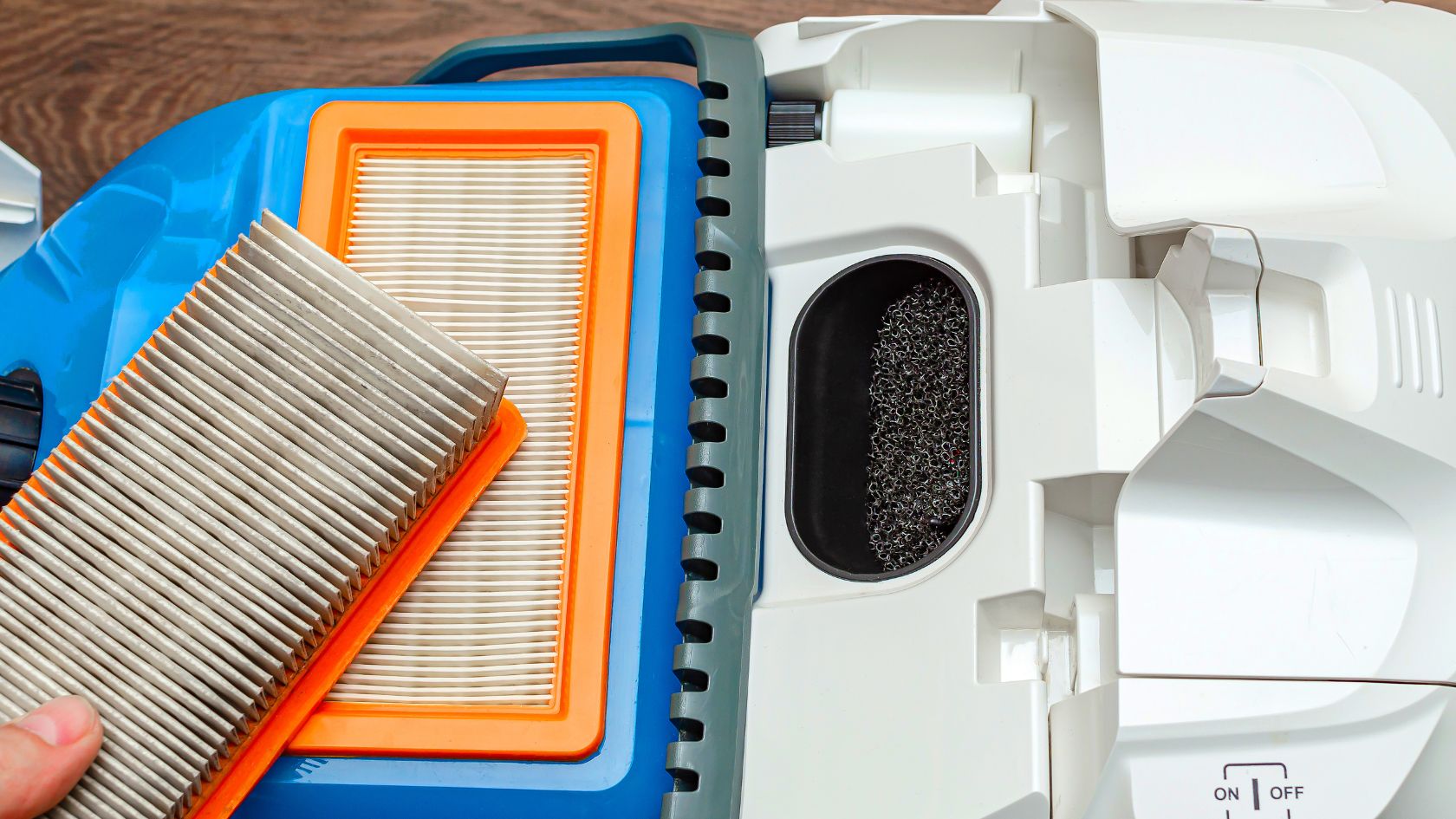
HEPA filter is one of the hidden gems in a vacuum cleaner. I am sure most of you are aware of this but is HEPA filter really necessary in vacuum cleaners? What role does HEPA filter play in the cleaning process? As a car enthusiast, let me tell you about the importance of HEPA filters in car vacuum cleaners in this post. We’ll discover how HEPA filters amp up air quality, make dust disappear like magic, boost durability, and keep your beloved ride squeaky clean. So, get ready to take a deep dive into the astonishing benefits of HEPA filters. HEPA stands for High-Efficiency Particulate Air. As the name suggests, it is designed for removing impurities from the air we breathe. HEPA filters are part of many devices that absorb and release air such as an air conditioner. The purpose of HEPA filters in car vacuum cleaners is to enhance the cleaning performance by trapping the tiniest specks of dust, allergens, and pollutants that are often missed by conventional filters. This ensures a clean, fresh, and healthy environment for driving. In simple words, HEPA filters trap the microscopic particles floating in the air. Regardless of the suction power a vacuum cleaner possesses, the dirt particles released in the air while cleaning are often ignored. This is where a vacuum with a HEPA filter ensures particles as small as 0.3 microns are captured effectively and prevented from re-circulating back into the environment. The dense composition of HEPA filters is instrumental in providing a balanced circulation of air and keeping bacteria and harmful particles away. The advantages of HEPA filters go beyond just cleaner air and here are some of the important ones: So, whether you’re a neat freak or simply concerned about the well-being of your loved ones, investing in a car vacuum cleaner with HEPA filters is a wise choice. We all love the feeling of stepping into a clean and fresh car, don’t we? But this feeling is not just about appearances. It is also about feeling the freshness of a car cabin which is often contributed by the air you breathe. Keeping your car interior clean goes beyond aesthetics; it’s about your health and well-being. There are numerous health risks associated with dirty car interiors. Car interiors are prone to accumulating a variety of pollutants in addition to routine impurities. If not cleaned on time, a dirty car interior can become a breeding ground for all sorts of germs, bacteria, and allergens making the air highly polluted. Such pollutants can enter your car through open windows, shoes, and even cling to your clothes which can trigger allergies, cause respiratory problems, and even lead to more serious health issues. Therefore, regular cleaning is the key to maintaining a healthy car interior. While a normal vacuum cleaner can do the needful by removing dust, dirt, and other common waste it fails significantly in refreshing the environment. That’s where the incredible power of HEPA filters comes into play. These filters are not your ordinary run-of-the-mill filters; they are the superheroes of air purification in the automotive world. Air Quality As mentioned earlier, HEPA filters are specifically designed to capture and trap tiny particles that can pollute the air. The advanced filtration technology of HEPA filters acts as a shield in capturing dust particles, pet dander, and other invisible intruders floating in the air. Not just capturing but these filters also prevent them from circulating throughout the cabin. This means cleaner, fresher air for everyone in the vehicle. Respiratory problems and allergies There are people suffering from respiratory problems or allergies who travel daily by car. The importance of minimizing exposure to air irritants is necessary for such travelers. HEPA filters are your allies in this battle. Breathing cleaner air in your car can make a significant difference in your overall well-being and this is mainly possible by the HEPA filter’s ability in removing allergic pollutants from the air. Efficient Dust and Debris Removal Regular vacuum cleaners may pick up some dust and debris, but they can often release them back into the air, leading to frustration and less-than-perfect results. This is where a HEPA filter is a game-changer. Their cleaning effort doesn’t stop with just capturing the tiniest particles but they put a stop to the cycle of recirculation. They ensure that such particles stay put where they belong- inside the vacuum cleaner. Durability and Longevity HEPA filters also help in extending the lifespan of your vacuum cleaners. These filters prevent clogging and maintain the vacuum cleaner’s optimal suction power. With HEPA filters in action, dust, allergens, and debris are prevented from accumulating in the inner workings of the machine. This not only keeps the vacuum cleaner running smoothly but also helps maintain its efficiency over time which enhances its durability. Now that you know the benefits and importance of HEPA filters in vacuum cleaners there are a few important factors to consider when you are looking to buy one: Quality & efficiency – First of all, evaluate the quality and efficiency of HEPA filters. These are the key aspects that play a crucial role in ensuring effective dust and debris removal from your car’s interior. Filter specifications – Secondly, examine the specifications of different car vacuum cleaner models with HEPA filters. Look for filters that meet high-quality standards and have high filtration efficiency, capable of capturing even the smallest particles. This ensures a thorough cleaning experience and helps maintain optimal air quality inside your vehicle. Popularity & brand – Thirdly, consider popular car vacuum cleaner models that are recommended for their exceptional performance with HEPA filters. These models often have a track record of positive user reviews and demonstrate a commitment to providing reliable and efficient cleaning solutions for car owners. Cost – Vacuum cleaners with HEPA filters are more expensive than their traditional counterparts. This doesn’t mean settling for low-quality and sub-standard products. Ensure to choose a vacuum that may be lacking some accessories but is equipped
Best shampoos to wash a car (2025)
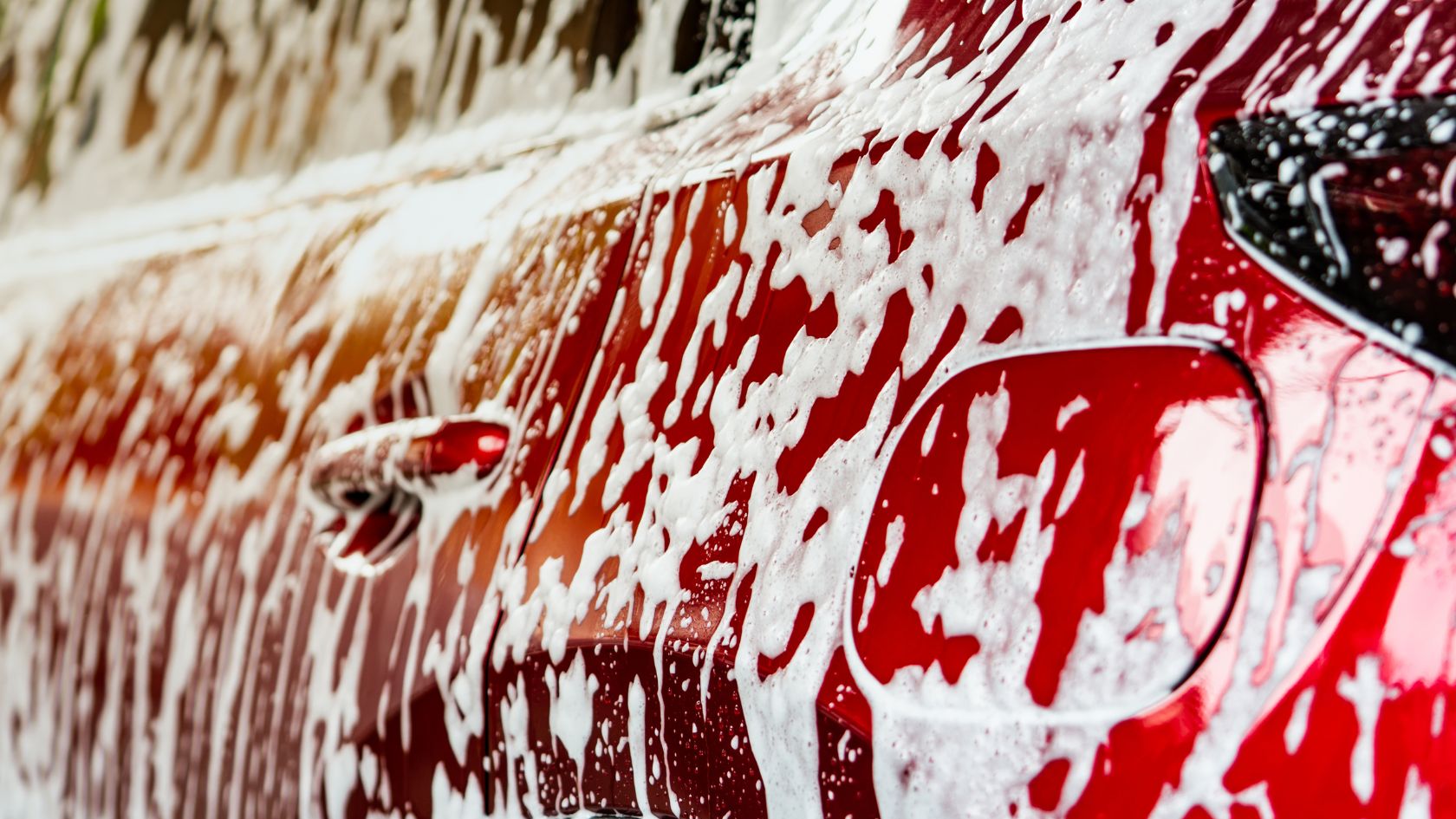
When it comes to giving your car a sparkling clean finish, using the right shampoo can make all the difference. Just like you wouldn’t use any random soap on your skin, it’s important to choose the best shampoos to wash a car. Washing could become a bothering concept for those who travel frequently. Dust, dirt, and grime become a routine on car surfaces which can impact the exterior appearance of your car badly. This is the reason you must choose a washing soap or shampoo that suits your vehicle needs, your time, and your price. In the upcoming sections of this post, we’ll explore the best shampoos to wash a car, their benefits, buying factors, and their usage. You will also find answers to some common questions related to car shampoos so, continue reading till the end! So, why should you bother buying car shampoo instead of using regular household products like bathing soap? The reason is car shampoos are specifically formulated and designed to clean grime, dirt, and road debris without damaging your car’s paint. Regular household shampoos or cleaning products may offer competitive cleaning but lack the protection and preserving aspects. Compared to any other cleaning product car shampoos have the ability to produce rich and foamy lather which encapsulates dirt particles and lifts them away from the surface. This is important from preventing any potential scratching or swirling during the washing process. Additionally, many car shampoos contain lubricants that reduce friction, further minimizing the chances of damaging the paint. Some of the specialized ingredients found in car shampoos are also helpful in protecting the car’s exterior from UV rays and harsh environmental factors which increases the durability of a car’s paint and preserves wax coating. All in all, investing in dedicated car shampoos is important to keep your car well-maintained, preserve its shine and appearance, and more importantly achieve excellent cleaning results in less time and money. Here are the 3 best shampoos that are reputed and trusted by a wide range of users across the globe. As an Amazon Associate, we may earn a small commission if you purchase any product by clicking the link without any additional cost to you. Chemical Guys Honeydew Snow Foam Car Wash Soap You can’t go wrong with Chemical Guys. The company has been around for more than a decade with established and trusted products. One of their products in the auto-detailing segment you can rely on is Chemical Guys Honeydew Cleaner. The fact that they invented the snow foam speaks volumes about their expertise in car care. The formula in Chemical Guys Honeydew Snow Foam creates thick, dirt-fighting bubbles that make the car washing process a breeze. It is easy to lay, scrub and rinse. You don’t have to spend too much liquid to generate a bucket full of suds. An ounce or two will be enough to fill a 1-gallon bucket. From a usability perspective, this product can cater to both beginners and professionals. Aside from its performance, the Honeydew Snow Foam excels in the scent department as well. The smell is pleasant and soothing to even sensitive noses. The other most important aspect is that this soap is pH balanced. Unlike other harsh detailing shampoos, it won’t strip away wax, plastic, or rubber parts unless not cleaned properly. Armor All Ceramic Foaming Car Wash Soap Armor All is another pioneer in the car detailing segment. The company has some really cool products and this Ceramic Foaming car wash soap is a game-changer in the car cleaning routine. The formula of this Armor All product contains hydrating agents that generates fulfilling sudsy foam. The extraordinary foam stays wetter which makes it long-lasting and helpful in cleaning the car thoroughly. The foam is not just visibly exciting but also stands out in safely removing tough contaminants. There is an Extreme Shield and ceramic technology that creates an invisible protective barrier on the car’s surface. This technology is effective in enhancing water beading and repels dirt and contaminants. In addition to the car wash solution itself, Armor All offers high-quality accessories that complement the cleaning process really well. From car wash mitts, and car drying towels to foam cannon, these accessories make the task of cleaning your car much easier and more efficient. Adams Ultra Foam Shampoo Adam’s Ultra Foam Shampoo is not an ordinary car wash product. This car washing shampoo is made of advanced cleaners and polymers that give it remarkable slickness. Because of slickness, the foam creates a lubricating effect that gently lifts dirt away from the paint’s surface, greatly reducing the risk of damaging the delicate clear coat. The formula is not unbalanced. In fact, the shampoo’s pH-neutral formula will impress you with its gentleness and effectiveness in cleaning the car’s surface without impacting the wax or trim. The 16oz bottle may look smaller in quantity but using 3 ounces of Adam’s Ultra Foam Shampoo provides optimal foam and cleaning performance. Whether it is a foam cannon, gun, or wash bucket the formula suspends the mineral content of water remarkably well. This means achieving a thorough cleaning without worrying about water spots or residue. The concentration of this car wash soap is exceptional. The foam produced is unbelievably thick and can be adjusted to a fine consistency if desired. The adjustable nozzle on the foam cannon allows for easy control of the spray pattern, from a focused jet stream to a wide fan pattern. The foam clings to the vehicle’s surface, providing ample lubrication and encapsulating dirt particles for a safe and effective wash even on surfaces having ceramic coating or freshly applied sealant or wax. When using the foam cannon it is important to clean it evenly after every wash which can otherwise get clogged as per the manufacturer’s instructions. The concentrated formula is mixed with wild berry fragrance which is very subtle and soothing for the senses. Overall, if you’re looking for a shampoo that delivers outstanding results while protecting your car’s delicate
Can a Loose Motorcycle Chain Cause Vibration?
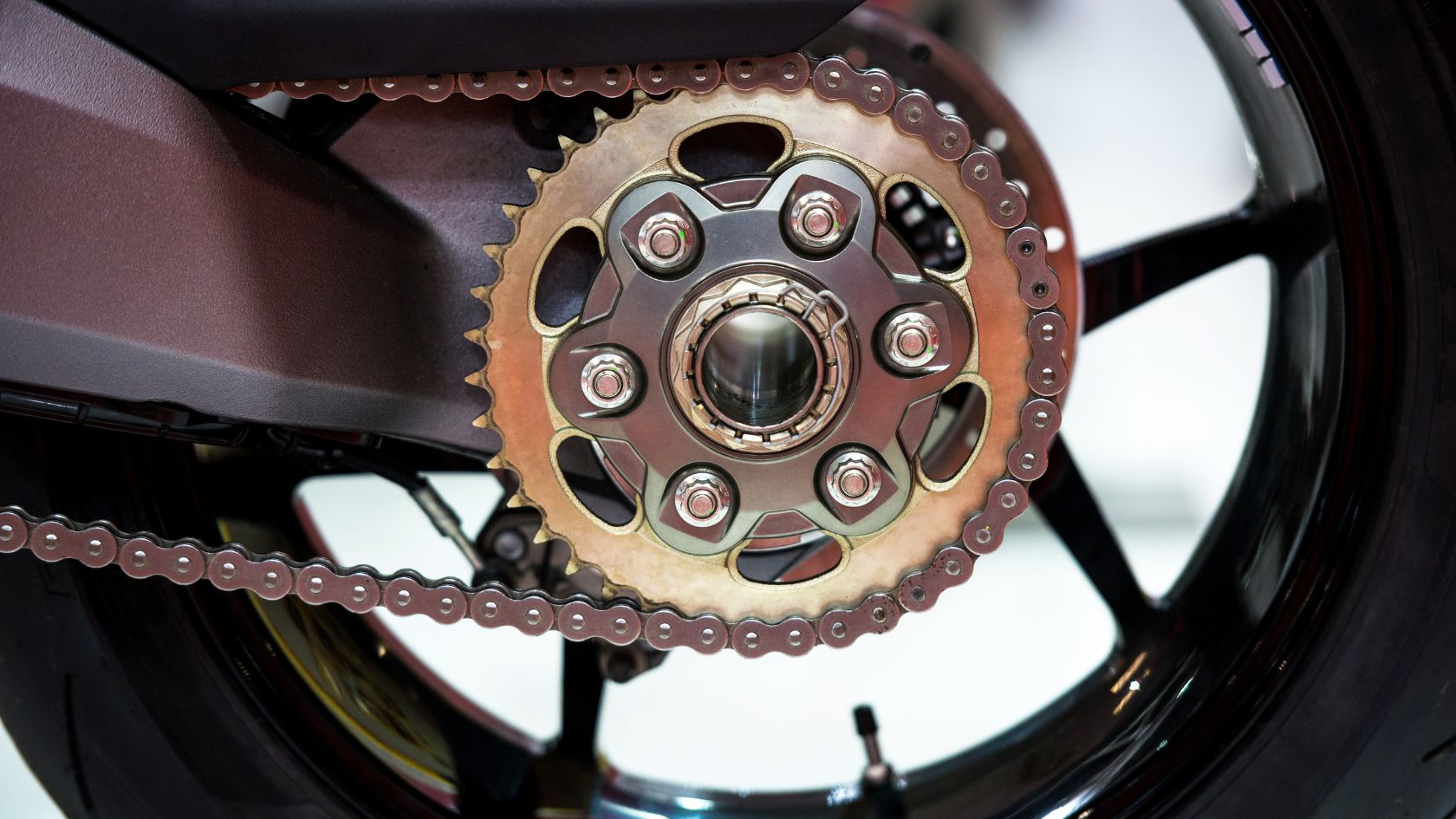
When it comes to motorcycle maintenance, one critical aspect that riders often overlook is the condition of the chain. A loose motorcycle chain might not only affect the performance of your bike but can also lead to safety concerns. But can a loose motorcycle chain cause vibration too? If yes, what are the symptoms and causes of loose motorcycle chains? How to fix a loose motorcycle chain? In this article, we’ll explore the answers to all the above questions in depth and shed light on the relationship between a loose motorcycle chain and vibrations. Yes, it can. When a chain has excessive slack, it may wobble and vibrate as it moves over the sprockets. This vibration can be felt in the handlebars and foot pegs, affecting the overall riding experience. Riding with a loose chain can impact acceleration, increase wear and tear, and eventually lead to the more serious situation of losing control and falling prey to accidents. Lack of regular maintenance, incorrect chain tension, extreme riding conditions, damage or accidents, and aging are some of the causes that can make a motorcycle chain loose. Learning about the loosening symptoms, identifying the causes, and taking preventive steps in a timely manner are crucial to keep your motorcycle chain in good shape and improve your riding experience. The motorcycle chain is an integral part of the drive train system that connects the motorcycle’s engine sprocket to the rear wheel sprocket. With this connection, a motorcycle gets rotational motion through the transfer of torque. So, when a chain becomes loose, it can have a range of negative effects on your motorcycle’s performance: First and foremost, if a chain is loose the transmission of torque is reduced. This means a lack of power to the engine directly impacts the rotational motion of the rear wheel. As a result, you will feel decreased acceleration and a loss of overall performance in your motorcycle. Secondly, since the chain is responsible for connecting the sprockets and other drive train components there are extreme chances of wear and tear on these parts due to weak connection. In the absence of timely action, accelerated wear and tear on the chain can lead to costly repairs and replacements. At the same time, a loose chain can derail from the sprockets, posing a significant safety hazard. If the chain comes off while riding, it can cause a loss of control and potentially lead to an accident. To determine if your motorcycle chain is loose, you can sense the following symptoms while riding: Vibration – As mentioned earlier, one of the most noticeable signs of a loose chain while riding is increased vibration. You’ll feel this through the handlebars, foot pegs, and sometimes even the seat. This vibration can vary in intensity but tends to worsen as the chain becomes looser. Sluggish Acceleration – A loose chain can result in sluggish or delayed acceleration. You might notice that your bike doesn’t respond as quickly or smoothly when you twist the throttle. It can feel like a loss of power. Unusual Noise – A loose chain can produce a distinct clunking or slapping noise as it moves over the sprockets. This noise is often more pronounced at low speeds or when accelerating. Jerky or Inconsistent Power – When the chain is loose, it may skip or jerk, causing inconsistent power delivery to the rear wheel. This can be unsettling, especially when trying to maintain a steady speed. Wheel Wobble – An additional symptom of a loose chain causing vibrations is a wobbling rear wheel. If you observe lateral movement in the rear wheel as you ride, it’s a clear indication that the chain has excessive slack. This uneven movement contributes to the motorcycle’s vibration. These are the prominent symptoms of a loose chain while riding however you can also identify symptoms of a loose chain when the bike is idle. Here are some of them: Excessive Chain Slack – When the motorcycle is stationary, you can visually inspect the chain for excessive slack. A loose chain will hang down further than it should, and you may even be able to touch the bottom of the chain with your finger. Visible Misalignment – It’s essential to check the alignment of the chain with the sprockets when the bike is stationary. If you observe that the chain appears off-center or not in a straight line with the sprockets, it could indicate a loose chain. Chain Noise When Revving – While the bike is idle, you can rev the engine gently and listen for any abnormal sounds coming from the chain area. A loose chain may produce a rattling or slapping noise even when the bike is not in motion. Difficulty Rolling the Bike – If you try to push the bike while it’s in neutral, a loose chain can make it feel resistant and less smooth to roll. It might feel like something is hindering the movement. To address the issue of a loose motorcycle chain appropriately, it is essential to understand the causes in detail. Here are the common reasons that can make a motorcycle chain loose: Neglected Maintenance Failure to perform routine chain maintenance, including cleaning and lubrication, can cause premature chain wear and, consequently, chain slack. If the chain lubrication is insufficient or irregular, it can accelerate wear and increase friction between the chain links and sprockets. This can lead to faster stretching and, ultimately, a loose chain. Normal Wear and Stretch Over time, chains naturally undergo wear and stretch due to aging, high tension, and friction they endure during operation. In terms of aging, chains have a limited lifespan, and older chains are more prone to stretching and becoming loose. On the other hand, consistent wearing and damage on sprockets can accelerate chain wear. This may cause the chain to loosen prematurely. Improper Chain Installation If the chain was not installed correctly or was not aligned with the sprockets during installation or replacement, it can lead to uneven tension
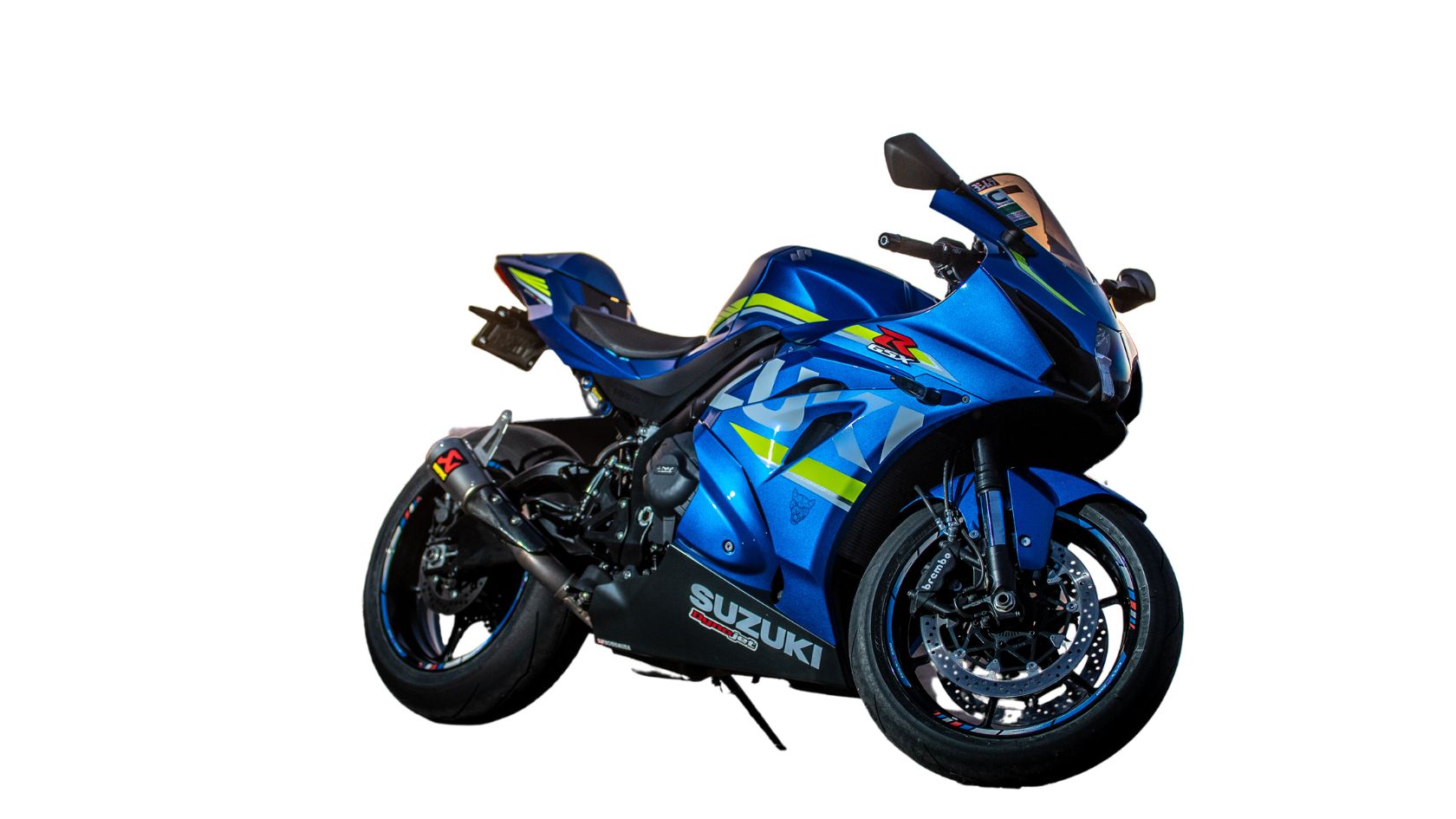
Motorcycle Fairings: 5 Factors that Make Them Expensive!
So, you’re eyeing those sleek motorcycle fairings, but a perplexing question nags at you: Why are motorcycle fairings so expensive? Motorcycle fairings are not just mere accessories; they are a combination of engineering, design, and functionality. Beyond their stylish allure, these panels serve a higher purpose. While the price tag might raise eyebrows, understanding the underlying factors reveals why motorcycle fairings are a valuable investment. In this informative blog post, you will unravel the mysteries that contribute to the expense of motorcycle fairings, shedding light on both the obvious and the often-overlooked aspects. Motorcycle fairings are essentially the sleek and often colorful panels that are used to cover various components of a bike like the engine, radiator, and fuel tank. No doubt, fairings enhance the bike’s visual appeal, but their significance goes beyond aesthetics. First of all, fairings play a vital role in improving the aerodynamics of a bike. The unique design of fairings helps in reducing wind resistance, which, in turn, enhances fuel efficiency and stability, especially at high speeds. Additionally, fairings provide protection to the rider from wind, debris, and adverse weather conditions, allowing for a more comfortable and safe riding experience. They also shield crucial mechanical parts from external elements, prolonging their lifespan. So, beyond their stylish facade, fairings contribute significantly to a motorcycle’s performance, rider comfort, and overall longevity. If you are fascinated by the visual appeal and looking to enhance your bike’s performance by using fairings then there is a drawback – its price! Motorcycle fairing prices are not standard but vary based on factors like brand, material, design complexity, and customization options. And not to forget the type of fairings (OEM or Aftermarket) which are also deciding factors in price consideration. OEM (Original Equipment Manufacturer) Fairings OEM fairings are manufactured by the motorcycle’s original maker. Since you get the same quality and aesthetics as your bike’s original components and the kit is manufactured with seamless fit and finish the price of OEM fairings is comparatively higher. Depending on the brand, model, and specific design the prices of OEM fairings can range from $300 to $1500. Aftermarket Fairings Aftermarket fairings are produced by third-party manufacturers. These fairings provide more flexibility in terms of design, material, customization, and pricing. Here you have the choice to customize the design, material, etc. to suit your budget. Generally speaking, budget-friendly aftermarket fairing kits can start around $200 and can go beyond $1200 based on the material and design choices. Keep in mind that both OEM and aftermarket fairings may require professional installation, especially if the design is complex or custom modifications are necessary. Installation costs can range from $200 to $600 or more, depending on the expertise required. Regardless of their design and looks, motorcycle fairings are not something that every motorcyclist can afford to buy or install. The pricing of motorcycle fairings largely depends on the craftsmanship, design, and functionality. Fairings are designed to optimize the aerodynamics and performance of a bike which is often built using top-notch materials for longer durability. The designing process demands advanced manufacturing techniques, customization, and adherence to safety regulations. The complexity of fitting and installation, along with the ongoing research, innovation, and personalization, also contribute to their overall cost. To summarize, it takes a lot to create fairings for a particular bike. However, these pieces of plastics offer attraction, value, and protection which make them a worthwhile investment even at a higher price. We’ll dig down further in the next section covering the factors and intricacies behind them that make fairings quite expensive. Motorcycle fairings must withstand various stresses, including wind pressure, potential impacts, and exposure to the elements. This is the reason different materials are used to ensure fairings last longer and protect you from safety hazards. The choice of materials significantly influences both fairing quality and cost, reflecting the delicate balance between strength, durability, and performance. Some of the common materials used to manufacture motorcycle fairings are: ABS Plastic – Made of Acrylonitrile Butadiene Styrene, this material offers a blend of strength, flexibility, and lightweight attributes but lacks durability compared to other options. Fiberglass – Fiberglass elevates durability beyond ABS plastics. This material is known for sturdiness and ease of reparability but is heavier than their ABS counterparts. Carbon Fiber Polymer – Carbon Fiber Polymer, made of gel-coated fiberglass is lightweight yet more powerful and durable for enhanced handling and aerodynamics. However, it’s often reserved for elite racing motorcycles to prepare racetrack fairings at a premium cost. Motorcycle fairing design is a crucial factor that directly impacts the cost. The design is not about just aesthetics but also contributes to the aerodynamics of a bike. While designing, each curve and contour of a bike is carefully calculated to reduce drag and optimize airflow. The complexity of the design process, which often includes computer-aided design (CAD) and aerodynamic testing, adds to the production cost. Fairings can range from simple and straightforward designs to intricate patterns and graphics. The level of customization desired by riders can, therefore, fluctuate the final price. For example, custom fairings designed to integrate with headlights, turn signals, and mirrors require careful engineering, fabrication, and more importantly seamless integration with these parts. So, prepare to spend more. Your overall cost on motorcycle fairings may also fluctuate based on the type of fairing—full or half. Covering a larger portion of the bike provides better wind protection and improved aerodynamics but also requires more materials, design intricacies, and a higher degree of precision during installation. On the other hand, covering only the upper portion of the bike, tend to be less expensive due to their reduced material usage and less complex design. You have a Harley, Suzuki, or Honda, each motorcycle model has its own unique fairing design that fits its frame and complements its function. Some manufacturers offer additional customization, allowing riders to choose colors, graphics, and additional features of their own choice. This individualization and customization increases manufacturing complexity, as molds, templates, and production processes must
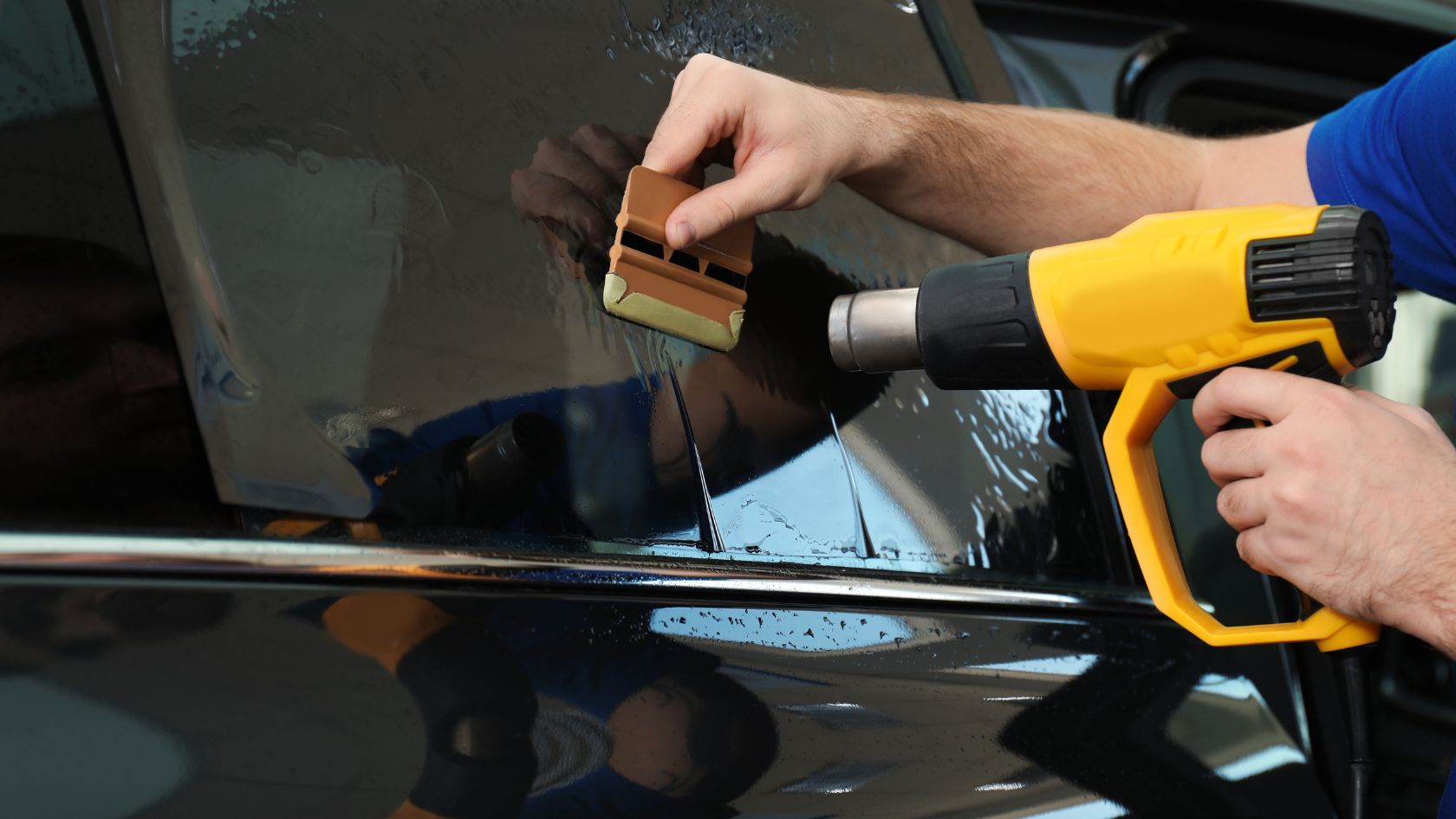
Using a Heat Gun on Car Paint: Tips and Precautions
Using a heat gun on car paint is one of the fascinating dimensions discovered by many amateur car owners and enthusiasts under the DIY process. But the real question is, does a heat gun really have the potential to transform how you treat your car paint? If yes, is the effect of using a heat gun on car paint positive or negative? What exactly is a heat gun and what are its uses? Well, these are some of the common questions you need answers to if you want to use a heat gun as an auto-detailing tool. From understanding the science behind the heat gun to mastering the art of using it on car paint and many other automotive parts is what you will discover in this post. A heat gun is a versatile tool that emits or blows a controlled stream of hot air just like a hairdryer, but with a different purpose and a punch. Heat guns are commonly used in various industries, including automotive, due to their ability to apply precise amounts of heat to different materials. So, how does it exactly work? A heat gun operates by drawing in air, which is then heated and expelled through a nozzle. The temperature, which is the most crucial element while using a heat gun can be adjusted based on your needs, allowing you to fine-tune the heat level for different tasks. Most heat guns offer a range of temperatures, typically starting around 100°C (212°F) and going up to 600°C (1112°F) or even higher. In the automobile segment, a heat gun becomes an essential ally for tasks that require careful temperature control. One of its primary uses is for paint-related work. It helps in removing decals, stickers, and paint protection films by softening adhesives, making removal easier and safer for your car’s finish. This precision comes in handy when you want to personalize your ride or simply give it a fresh look. The usage of a heat gun extends to vinyl wraps as well. You can reshape vinyl wraps with the help of heat, ensuring they hug your car’s contours perfectly. It’s like a tailored suit for your vehicle. But it’s not just about aesthetics. Heat guns are also great for thawing out frozen parts during winter. When ice and snow cling to your car’s surfaces, a heat gun can melt them away without causing scratches or damage. However, using a heat gun requires finesse to achieve proper results. The right temperature, distance, and timing are crucial. So, when you’re looking to remove, reshape, or defrost your car’s/motorcycle’s paint make sure to consider all the above factors to avoid any adverse effects of a heat gun. If you are thinking of using a heat gun instead of conventional solutions on your vehicle then here are some of the important tips and precautions you must consider: The temperature Temperature control is the heart of using a heat gun on car paint. The magic here lies in finding the right balance – not too hot to scorch the paint, yet not too cold to leave the task incomplete. When it comes to temperature, different scenarios call for different levels of warmth. In colder weather, such as during winter, it’s essential to take extra caution. Cold temperatures can make the paint more brittle, so using a heat gun can help soften the surface before applying any pressure. However, be mindful not to crank up the temperature too high. Start around 100°C (212°F) or less and work your way up gradually. This prevents thermal shock to the paint, which can cause cracking. On the flip side, hotter weather requires a different approach. When the sun has warmed up your car’s surface, it’s wise to keep the heat gun at a lower setting. A temperature range of 200°C to 300°C (392°F to 572°F) is generally safe for most tasks on a hot day. This ensures that you don’t accidentally blister the paint due to excessive heat. Different surfaces of your vehicle also demand different temperatures. Delicate areas like plastic trims or rubber seals should be treated with lower temperatures to prevent melting or distortion. On metal or glass surfaces, you can use slightly higher temperatures without causing harm. It is sensible to adjust your heat gun’s temperature settings based on the conditions and surfaces you’re working with. The distance Maintaining the right distance is equally important while using a heat gun. It’s all about finding that sweet spot that ensures effective results without causing harm. Generally, when working with a heat gun, aim to keep the nozzle about 6 to 8 inches away from the surface. This distance ensures that the heat is evenly distributed over the surface without creating hot spots. If you are working in cold weather, you might need to adjust the distance slightly. Keep the heat gun closer to the surface by reducing the distance by around 4 to 6 inches. This way you are allowing the paint to get the necessary warmness while also preventing the dispersing of heat which is quite a common scenario in the winter season. On the other hand, when dealing with hotter temperatures, aim to increase the distance by 8 to 10 inches. This will prevent overheating which can otherwise cause damage to the car’s paint. Apart from weather, different surfaces like plastic or rubber should be treated with greater caution, keeping the heat gun slightly farther away to prevent distortion, and, tougher surfaces like metal can handle a closer distance without issues. The timing Time is another partner in this heat gun ballet. While you might be tempted to speed through the process, remember that patience is the key. It’s about knowing when to lead when to pause, and when to wrap up the performance. When applying heat with a heat gun, short bursts are your best bet. Apply the heat for about 10 to 15 seconds and then pause. Observe how the paint responds, and adjust accordingly. This prevents overheating and