
Foggy windows can be a major safety concern during morning mists or sudden temperature changes. Cleaning the foggy windows with normal cloth and cleaner could be a daunting task and it may not give you the desired results. Anti-fog sprays emerge as the unsung heroes of safe driving. Delving into the importance and benefits of anti-fog sprays, this guide unveils the secrets behind their effectiveness. From exploring the types of anti-fog sprays available to deciphering the factors to consider when choosing the right anti-fog spray, we’re here to unravel it all. If you’re ready to peer through misty mornings with unparalleled clarity, let’s embark on a journey to discover the 3 best anti-fog sprays that promise to transform your driving experience. Driving with foggy windows can be incredibly hazardous, particularly during cold weather or high humidity. Picture this: you’re on the road, eager to reach your destination, when suddenly, your car windows become shrouded in a thick layer of fog creating not only inconvenience; but a safety hazard. Related Read: How to reduce glare on your car windshield This is where the significance of anti-fog solutions comes into play. These ingenious formulations work like a shield against the perplexing dance of condensation, ensuring that your visibility remains uncompromised. But it’s not just about convenience; it’s about averting potential accidents. Anti-fog solutions are designed to prevent condensation from forming on your car windows, ensuring clear visibility and safer driving. By comprehending the importance of anti-fog solutions for cars, you’re not only safeguarding yourself and your passengers but also fostering a smoother, stress-free journey. Finding the right anti-fog spray could be a daunting task owing to hundreds of products. After extensive research and analysis, we’ve curated a list of our top 3 recommended anti-fog solutions for car windows: As an Amazon Associate, we may earn a small commission if you purchase any product by clicking the link without any additional cost to you. Rain-X Anti-Fog The RainX Interior Glass Anti-fog is a remarkable product that goes beyond the conventional, targeting the often-neglected interior glass surfaces. The blurry vision caused by fogged-up windows is impeccably cleaned by this spray. What sets this product apart is its proactive approach to fog prevention. With a simple application, it treats your car’s interior glass and mirrors with a special coating that attracts water. This means that moisture collecting on your windows disperses quickly, leaving the glass clear and fog-free. No more rolling down windows or wiping the glass in the middle of your drive. However, it’s important to note that if not applied correctly, the product might dry with streaks, affecting visibility when the sun hits it. Having said that, the real beauty of the RainX Interior Glass Anti-fog lies in its effectiveness across various weather conditions. Rain or shine, cold or humid, this spray ensures your vision remains unobstructed. Despite the occasional challenges, the RainX Interior Glass Anti-fog remains an effective solution for maintaining visibility. It’s true that the correct application requires attention to detail, and some users have faced difficulties in this regard, resulting in streak marks on the window. However, for those who carefully follow the instructions and manage to apply it without streaks, the results seem to be pleasing and effective in preventing fog buildup. Shine Armor Anti-fog The SHINE ARMOR Anti Fog Hero is a true marvel that brings powerful glass protection to your fingertips. Its prowess lies in its ability to combat fogging on all glass surfaces while taming uncontrolled water condensation on windows, ensuring you never have to compromise on visibility. This product harnesses the latest in glass coating technology, offering a scientifically engineered solution with anti-static and anti-dust properties. Not only does it deliver exceptional fog prevention, but it also ensures a clear view by repelling dust that often hinders visibility. Designed for durability and invisibility, the SHINE ARMOR Anti Fog Hero guarantees crystal-clear visibility for every vehicle, lasting up to 3 months even under extreme weather conditions. Rain or shine, this spray ensures that your view remains unobstructed and you get a safe driving experience. It works wonders on an array of surfaces, from windshields and mirrors to ski masks, eyeglasses, and even bathroom mirrors. Ease of use is another commendable feature of the SHINE ARMOR Anti Fog Hero. Applying it is as simple as a spray followed by a wipe using microfiber, towels, or wipes. However, the size of the cloth provided for buffing after application is on the smaller side, making it a bit challenging to effectively buff out multiple windows. You may need a larger cloth for more convenient usage. Meticulous preparation is another obligation to apply this product effectively. It is recommended to clean the glass thoroughly before application. This attention to detail ensures the product’s effectiveness in preventing fogging. Hendlex Nano Anti-fog Spray The Hendlex Nano Anti Fog Spray’s innovation lies in its Nano formula, a departure from traditional silicone-based approaches. Operating on a molecular level, this formula ensures a longer-lasting effect and heightened resistance to environmental factors. Nanoparticles deeply adhere to the surface, eliminating concerns about surface damage caused by silicone layers. Embracing the power of nanotechnology, this spray is odorless, long-lasting, breathable, invisible, and astonishingly superhydrophobic. What sets this product apart is its exclusive anti-fog capabilities that extend beyond the realm of automobiles. This versatile spray comes with a little bottle of cleaner and can be used on various surfaces, including mirrors and home windows. However, a fluent application could be a challenge due to the lack of a spray nozzle and clear instructions. Another drawback is reapplication which requires a thorough cleaning, as the existing layer is not easy to remove. Meticulous glass cleaning and a focused reapplication can generate better results. The protective coating of this spray is resilient and invisible still lines and streaks on the glass are visible if the product is left on for an extended period. The product may not last as long as claimed but does a decent job of remaining effective
Sound Deadening Material for Cars: Different Types and Installation Process
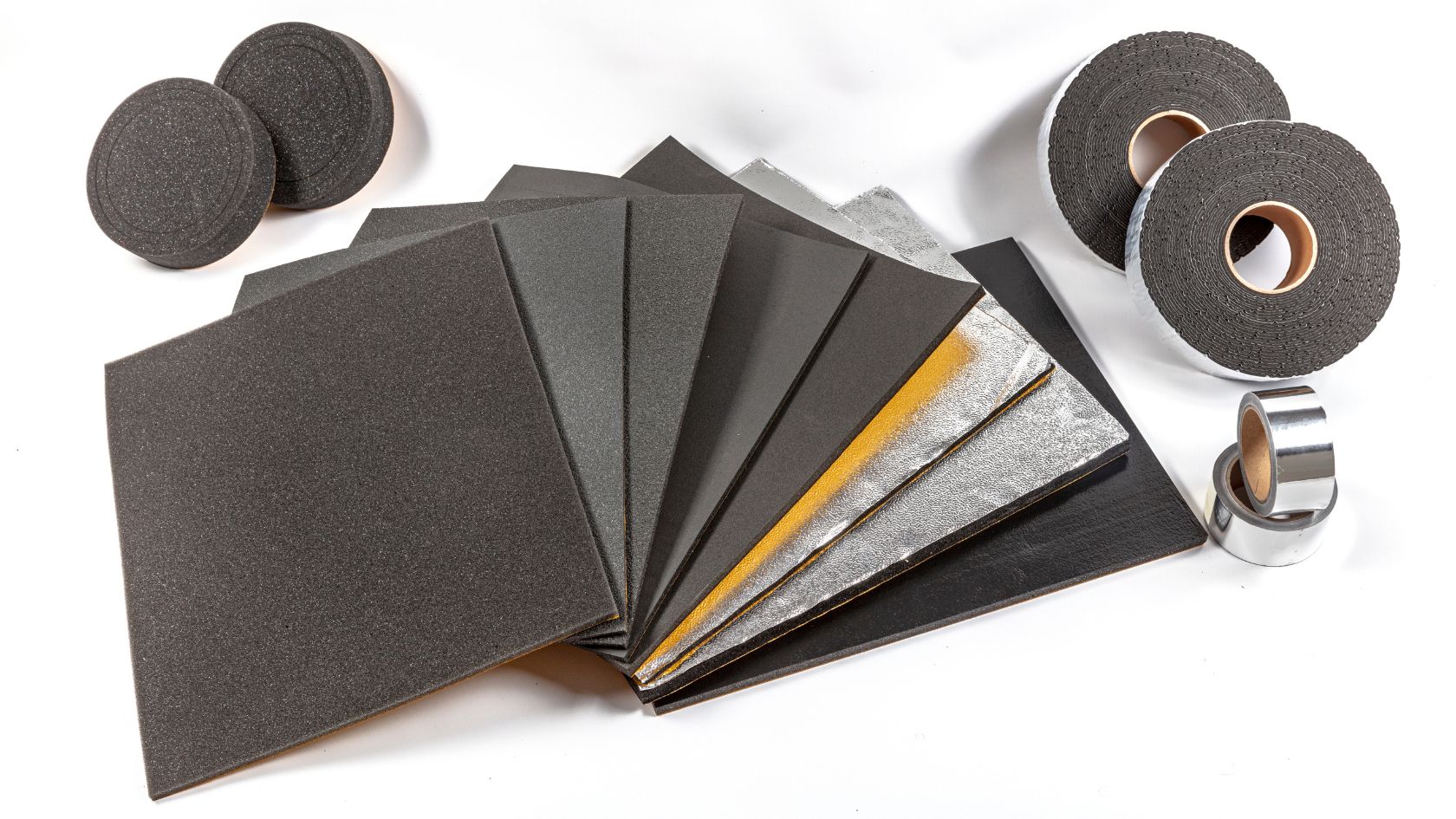
Sound Deadening Materials in Cars are the need of an hour for those motorists who love listening to music and want to enjoy a peaceful driving experience. These mats help create a tranquil cabin environment by mitigating external noises for drivers and passengers alike. From the raw power of butyl to the insulating embrace of foam, each material of sound deadening contributes to creating an oasis of calmness within your car. In this comprehensive guide, we delve into the diverse landscape of sound-deadening materials, exploring their various types and shedding light on the intricate process of installation. Sound-deadening materials are primarily designed to reduce and absorb the noise generated by road vibrations, external elements, and even the vehicle’s own mechanical operations. Related Read: How to soundproof car windows These sound-deadening materials are crafted from various substances including rubber, foam, and vinyl. To effectively minimize unwanted sounds, it is important to understand the material required for specific vehicles and their installation process. Butyl Rubber Mats Among the most popular sound-deadening materials are butyl rubber mats. These mats are known for their exceptional noise-dampening properties because of their extraordinary thickness and high-quality foil. Both aspects matter when it comes to reducing the amplitude. Butyl rubber is free of fillers and possesses thick annealed foil. Its tough resistance capabilities don’t allow it to melt easily. If you are looking to cover the effects of structural noise coming from the engine, exhaust, or tires then butyl material is the best option. The mats made of butyl rubber are designed to adhere seamlessly to various surfaces within the car. They can be applied to the floors, doors, roof, and even the trunk area to create a comprehensive sound barrier. Closed-Cell Foam Insulation Closed-cell foam insulation is another viable option for sound deadening. This foam is adept at blocking out external noises while also providing thermal insulation. Closed-cell foam made of polyethylene is highly suitable for sound dampening along with water retention and shock absorption. Such foam insulation is already used in many industrial applications including construction, buildings, and packaging. It can be strategically placed within cavities, behind panels, and even under carpets to create an additional layer of soundproofing. As compared to butyl, closed-cell foam-based mats are highly efficient in curbing airborne sound waves. If used in isolation these mats are a great choice to have a luxurious feel and environment along with temperature and sound insulation. Mass Loaded Vinyl (MLV) For those seeking an extra layer of protection against sound intrusion, Mass Loaded Vinyl (MLV) is a valuable choice. This dense and flexible material can be applied to various surfaces, serving as an effective barrier against airborne noise. Talking of density, MLV made of heavy metal particles along with mass vinyl creates an effective sound-blocking mechanism. The limpness of MLV is another factor that prevents resonance and absorbs noise vibration softly. MLV mats are versatile and flexible making them suitable for areas where other materials might be challenging to install. It is perfect for those seeking a controlled car environment from airborne noises and sound waves appearing from the gaps. Whatever material you choose the effectiveness lies in their installation process. This is what we will cover in the next section. The installation process of sound-deadening mats requires attention to detail and a strategic approach. While the specifics may vary based on the material and your vehicle’s model, the general process involves the following steps: Before you begin the installation process, gather the following tools and materials: Cutting and Placement Measure the dimensions of the car floor, door, roof, and trunk, and cut the sound-deadening mats to fit precisely. Start with larger sections and trim as necessary to ensure a snug fit. Carefully adhere the mats to the designated surfaces, pressing firmly to eliminate air bubbles and ensure secure attachment. Car Floor Step-by-Step Installation Guide Step-by-Step Installation Guide Step-by-Step Installation Guide Step-by-Step Installation Guide Sealing Edges and Gaps To maximize the effectiveness of the sound-deadening mats, seal any edges, corners, or gaps using specialized sealants or adhesives. This step ensures a complete barrier against noise intrusion. Testing and Reassembly After installation, test the fit of various components, such as panels, carpets, and seats, to ensure that they align properly. Reassemble any removed parts and take note of the difference in noise levels as you embark on a test drive. With sound-deadening material strategically placed on car floors, doors, roofs, and trunks, you’re well on your way to creating a serene driving environment that complements the road ahead. Properly installed sound-deadening materials result in a quieter cabin, free from the intrusion of external noises. Vibrations from the road, engine, and other sources are significantly minimized, creating a more serene driving environment. Moreover, the enhanced insulation contributes to improved climate control and temperature stability inside the car. Incorporating sound-deadening materials in your car goes beyond mere luxury; it’s a tangible investment in elevating your driving experience. By exploring the diverse array of materials available and mastering the art of installation, you can transform your vehicle into a haven of tranquility on the road. Whether it’s the floor, door panels, trunks, or roof, each application adds to the overall effectiveness of noise reduction. Following the installation techniques from this post, you can create a quieter, more enjoyable ride. As you navigate the bustling streets and highways, the difference in noise levels will serve as a testament to your commitment to comfort and serenity.
Do Car Mats Reduce Noise? Soundproof like a pro with the best sound-deadening car floor mats!
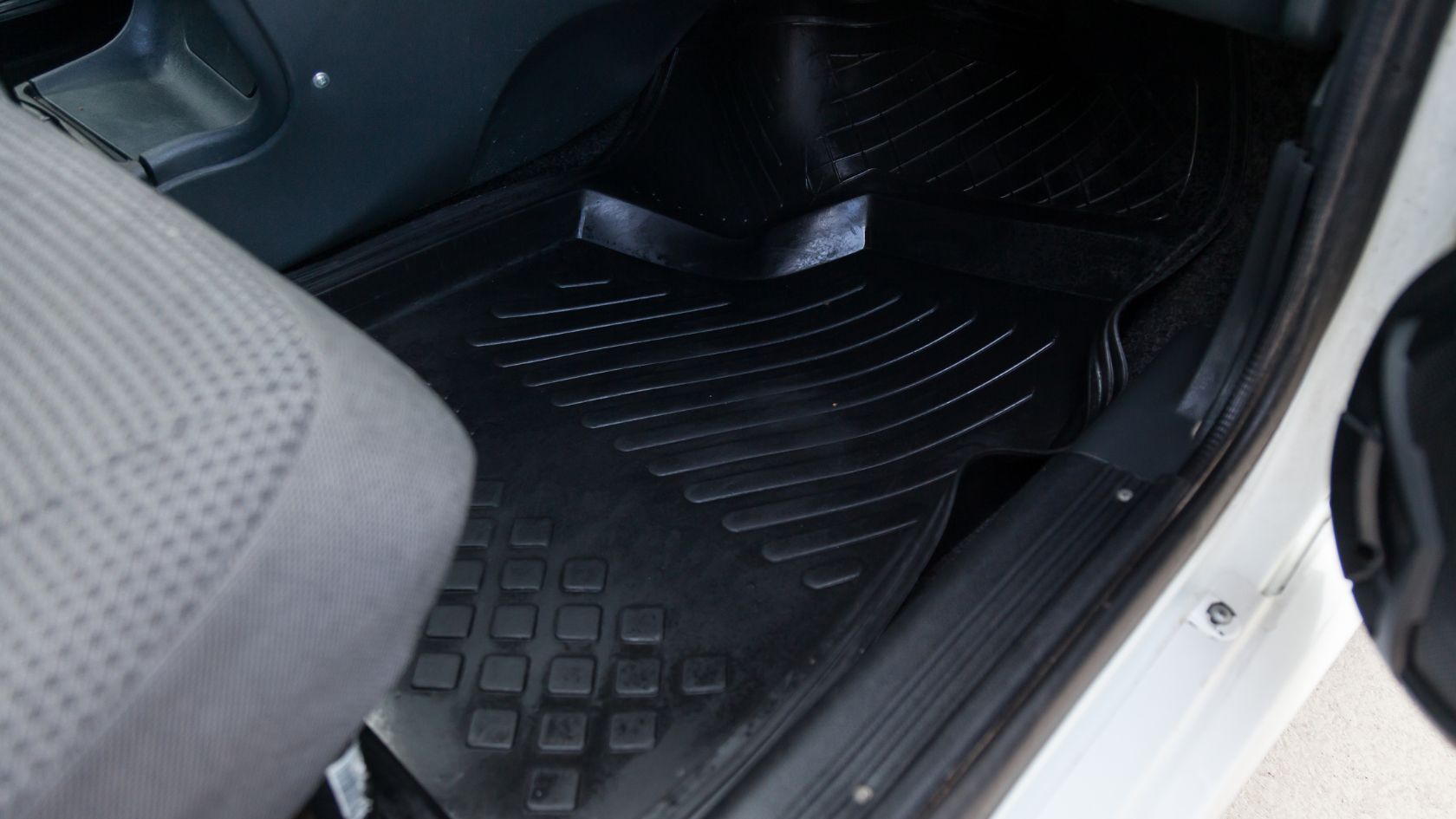
As you drive, various sounds from the road, engine, and surroundings can easily permeate the cabin, leading to a less serene driving experience. This is where the benefits of sound-deadening car floor mats come into play. But how effective are these mats in hushing the clamor of the outside world? Do car mats really reduce noise? Is it worth investing in them, and how do you go about choosing the right sound-deadening car floor mats for your vehicle? In this article, you will find answers to all the above questions and many more related to sound-deadening mats. We’ll also delve into the world of soundproofing and explore the best sound-deadening car floor mats that will make your ride more comfortable and enjoyable. Yes, car mats do reduce noise to a significant extent. But these are not your regular car mats. It is a specially designed sound-deadening mat made of materials like butyl rubber that can absorb and dampen the vibrations coming from the vehicle floor. The density and quality of the material used in these mats significantly impact their effectiveness in reducing sound transmission. However, achieving a complete eradication of all road noise isn’t feasible especially the sound coming from windows and other sections of a car. You’ll still catch some noise making its way in as sound-deadening floor mats are typically meant to work on car floors. Related Read: How to soundproof car windows Nevertheless, this doesn’t undercut the effectiveness of sound-deadening mats. The benefits of these mats go beyond noise reduction; they also enhance insulation, making your car more energy-efficient. Before we dive into the effectiveness of sound-deadening car floor mats, let’s grasp the basics of sound transmission. Noise in a car is often a result of vibrations that travel through various surfaces and materials, creating audible sound waves inside the cabin. These vibrations can originate from the road, the engine, or even external factors like wind. Sound-deadening car floor mats play a crucial role in dampening these vibrations. They act as a barrier between the vehicle’s interior and the noisy exterior, absorbing and minimizing vibrations that would otherwise turn into unwanted noise. These mats work by isolating the noise-producing areas and reducing their impact. They feature a foil constraint that soaks up sound vibrations, effectively taming road noise. In terms of installation, these mats have a user-friendly design which makes placing them on the car floor easier. The installation process involves taking out the floor mats, peeling off the back, and effortlessly placing the adhesive side onto the car floor. Once you know what to look for while choosing a sound-deadening mat it is time to purchase one. Unfortunately, there is a plethora of such products in the market that can make your task confusing. For the best sound-deadening car floor mats, here are the 3 options to help you make an informed decision: As an Amazon Associate, we may earn a small commission if you purchase any product by clicking the link without any additional cost to you. Second Skin Damplifier Pro Sound-deadening Mat Second Skin Damplifier Pro Premium Car Sound Deadening Mat is a meticulously engineered sound-deadening solution that promises to elevate your driving ambiance. The engineering behind Damplifier Pro is crafted from 100% butyl rubber without any cheap fillers or asphalt. This boasts exceptional durability and effectiveness. The butyl rubber is bonded to a reinforced aluminum foil backing, which not only ensures longevity but also makes it incredibly easy to handle during installation. One of the standout features of Damplifier Pro is its ability to drastically reduce unwanted noise and vibrations inside your vehicle. Road noise, tire noise, and engine noise are effectively muted, transforming your cabin into a serene sanctuary. This not only enhances your overall driving experience but also amplifies the sound quality of your car audio system, delivering crisp and clear music even in the midst of traffic or on rough terrains. The material’s damping properties also contribute to a more solid and luxurious feel inside the car, reducing vibrations and driver fatigue. Furthermore, Damplifier Pro offers improved thermal insulation, ensuring that your car’s interior remains comfortable in all weather conditions. Additionally, Damplifier Pro exhibits an impressive temperature range, capable of withstanding extreme conditions from -75°F to 450°F. This resilience makes it a reliable choice for various climates and driving conditions. The product is proudly made in the USA, reflecting the brand’s commitment to quality and excellence. One of the most significant advantages of Damplifier Pro is its user-friendly installation process. Following simple steps, anyone can apply this sound-deadening mat to their vehicle. Begin by cleaning and drying the surface where you intend to install Damplifier Pro. Using a sharp knife or utility scissors, cut the mat to the desired size. Peel off the backing and firmly press the Damplifier Pro onto the surface. To ensure optimal adhesion and eliminate air bubbles, use a roller tool to smooth out the mat. This straightforward process allows car enthusiasts of all levels to upgrade their vehicles with ease. Overall, the Damplifier Pro is a great choice for anyone who wants to reduce noise and improve the sound quality of their car audio system. It is easy to install and durable, and it provides excellent results. However, it is more expensive than some other sound-deadening materials, but it is worth the extra cost for the superior performance it offers. KILMAT Car Sound-Deadening Mat The KILMAT 80 mil 36 sqft Car Sound Deadening Mat proves to be an exceptional automotive sound solution. It’s not just about affordability, but also about quality that stands out. What sets KILMAT apart is its increased thickness (80mil). This translates to 1.5 times the insulation efficiency, making it a powerful shield against audio noise while remaining lightweight. Another standout feature of KILMAT is its user-friendly installation process. The foil’s embossed pattern serves as an installation indicator – a smooth, plain finish achieved through rolling guarantees correct and professional placement. However, for DIY enthusiasts installation could be challenging. Even though

Does Lane Departure Warning Stiffen the Steering Wheel?
One of the speculations surrounding LDWs is their potential impact on the steering wheel’s responsiveness. Does lane departure warning stiffen the steering wheel? Lane Departure Warning (LDW) systems have become a prominent player in automotive safety features, aiming to enhance driver awareness and prevent unintentional lane drift. This blog post will unravel LDWs functioning, and address many pertinent questions related to their implications on driver control. You will also find the nuances and discussion on the disadvantages of this advanced safety technology. The Lane Departure Warning (LDW) itself does not stiffen the steering wheel. However, some advanced driver assistance systems include Lane Keeping Assist (LKA) or Lane Centering Assist (LCA) in addition to LDW. These systems go beyond warnings and actively apply a gentle steering force to guide the car back into its lane. This is where you might feel the steering wheel “stiffen” or resist your attempt to drift further out of the lane. Lane Departure Warning (LDW) systems act as a safety feature in unintentional lane drifting situations, alerting you before your vehicle leads to collisions. There are two main types of LDW systems – Camera-based and Radar-based. Camera-based LDW systems can be mounted near the rearview mirror to track lane markings. If the system detects that your vehicle is crossing a lane marker without a turn signal activated, it triggers an alert. Radar-based LDW systems, on the other hand, emit radio waves that bounce off lane markings and return to the sensor. Changes in the signal’s return pattern indicate lane departure, triggering the alert. With these functions, LDW systems serve a crucial purpose of reducing the risk of accidents caused by several reasons. In the likelihood of fatigue situations, distractions, or medical conditions of drivers LDW serves as a wake-up call, prompting you to refocus, react, and prevent accidents. Lane Departure Warning (LDW) systems have earned a reputation for stiffening or resisting the steering wheel when you drift out of your lane. But is this actually true? Contrary to the myth, LDW does not directly control the steering wheel. Instead, it uses various methods to alert you of lane departure, including visual, audible, and haptic warnings. The intensity of the alerts might vary depending on the system settings and the severity of the lane departure. While LDW itself doesn’t control the steering, it might work alongside other systems like Lane Keeping Assist (LKA) or Lane Centering Assist (LCA). These systems actively apply corrective steering torque to guide the car back into the lane. This is what some drivers might misinterpret as “steering wheel stiffness.” There are several ways LKA/LCA can interact with the steering. Most modern cars use EPS (Electric Power Steering), allowing the system to electronically send commands to the steering motor, applying corrective torque. Another feature is EHPS (Electro-hydraulic Power Steering). These systems use a combination of electric and hydraulic power, with the system potentially influencing the hydraulic fluid flow to adjust steering resistance. JAMA (Japan Automobile Manufacturers Association) stresses that LDW is purely a warning system and should not be confused with LKA, which actively influences steering. NHTSA (National Highway Traffic Safety Administration) emphasizes the importance of differentiating between LDW and LKA in driver’s manuals and public information. Consumer Reports recommends trying out different LDW systems and adjusting sensitivity settings to find the most comfortable and effective driving experience. LDW acts as a vigilant co-pilot, alerting drivers to unintentional lane departures. It is crucial to remember that LDW never overrides driver control. The steering wheel remains in the driver’s hands, fostering a shared responsibility for safe driving. As technology advances, systems like Lane Keeping Assist (LKA) blur the lines between assistance and autonomy by actively correcting lane departures. However, even these systems are designed to work in tandem with driver input and can be overridden. Drivers must be informed about the capabilities and limitations of their LDW and LKA systems. Understanding how they work and practicing responding to their alerts is crucial for maximizing their effectiveness. As mentioned earlier, LDW itself does not physically influence the steering wheel. Any perceived increase in resistance likely stems from LKA actively guiding the car back into the lane. The way drivers perceive this resistance can vary greatly. Some might find it reassuring, while others might feel it hinders their control or distracts them from the road. Adjustable sensitivity settings in many LDW/LKA systems allow drivers to personalize the feedback they receive. Finding the level of support that promotes awareness without compromising control is key for optimal driving comfort and safety. While Lane Departure Warning (LDW) systems undeniably enhance road safety, it’s crucial to acknowledge potential drawbacks. These systems may face limitations and trigger false alerts in certain scenarios, such as when relying on faded or obscured lane markings, navigating curved roads, or encountering intersections. The oversensitivity of LDW, occasionally prompting alerts for intentional lane changes, poses both annoyance and distraction to drivers. Another concern is the risk of overreliance, as some drivers might become complacent, decreasing their vigilance and responsiveness to other hazards. Technical issues, including false negatives and maintenance costs, add complexity to LDW’s effectiveness. Moreover, ethical considerations emerge, touching upon privacy concerns due to data collection and the potential progression towards fully autonomous vehicles, raising questions about accountability in accidents involving partially self-driving cars. While LDW contributes to safety, a balanced understanding of its limitations and implications is essential for responsible and informed driving. Lane Departure Warning (LDW) systems generally do not vibrate the steering wheel as a primary alert mechanism. Instead, LDW typically uses visual and audible signals to warn the driver when it detects an unintended lane departure. The steering wheel might not physically vibrate in most LDW implementations. However, it’s worth noting that some vehicles come equipped with additional safety features like Lane-Keep Assist or Lane-Keeping System. These systems may intervene more directly by using steering input to keep the vehicle within its lane. In such cases, the steering wheel may provide gentle vibrations or steering corrections to guide the driver
Why Car Blind Spots Are Dangerous: Understanding and Mitigating the Risks
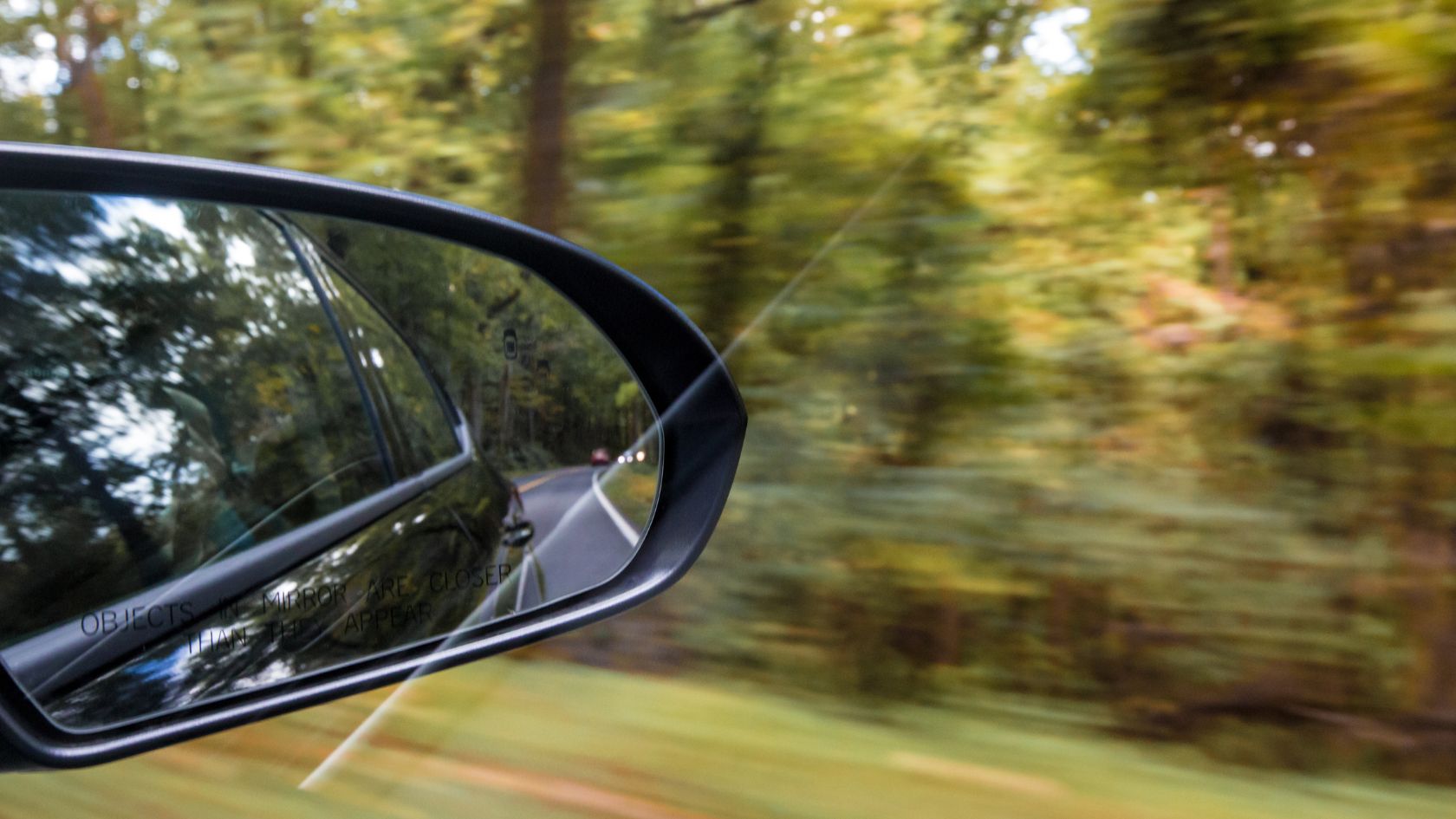
Navigating the roads comes with inherent risks, and one critical concern is the presence of blind spots. Car blind spots are dangerous because they conceal the areas around a vehicle that can lead to perilous situations, compromising safety for both the driver and others on the road. In this blog post, we’ll go deeper into the dangers posed by car blind spots, exploring scenarios such as lane changes, highway merges, and parking, where limited visibility can result in collisions. Additionally, we’ll provide essential insights on mitigating these risks through proper mirror adjustments, visual checks, and cautious driving practices. So, keep reading to enhance your understanding of this crucial aspect of road safety. Car blind spots are dangerous as they limit a driver’s visibility, particularly during lane changes, merging onto highways, and parking, posing a risk of collisions with other vehicles, pedestrians, and cyclists. To mitigate these dangers, drivers should properly adjust mirrors, perform visual checks of blind spots before maneuvers, use signals, and exercise caution when changing lanes or making turns. Blind spot zones form around your car that you cannot see directly from the driver’s seat, even with well-adjusted mirrors. These hidden areas pose a serious threat as they can conceal vehicles, cyclists, pedestrians, and other objects from your view, increasing the risk of accidents. Locations where blind spots can be created: Car blind spots can be dangerous for several reasons: Limited Visibility The primary reason blind spots are dangerous is that they limit the driver’s ability to see other vehicles, pedestrians, or obstacles in those areas. A motorcycle, bicycle, or even a small car can be completely hidden in your blind spot. This can lead to a failure to detect potential hazards when changing lanes, merging onto highways, or making turns. Lane Changes When a driver is changing lanes, they rely on their mirrors to check for traffic in adjacent lanes. However, blind spots are areas that are not directly visible in these mirrors. If a vehicle is present in the blind spot, a driver may unintentionally merge into its path, leading to a collision. Merging onto Highways When entering a highway or merging into traffic, drivers need to be aware of vehicles approaching from behind. If these vehicles are in the blind spot and not visible to the driver, merging can be hazardous. Pedestrian and Cyclist Safety Blind spots are not limited to other vehicles; they can also hide pedestrians, cyclists, or other vulnerable road users. Failing to check blind spots when turning or changing lanes can result in accidents involving these individuals. Parking and Reversing Blind spots can be particularly problematic when parking or reversing. Vehicles or obstacles in the blind spot may not be visible to the driver, increasing the risk of collisions, especially in crowded parking lots or areas with pedestrians. To mitigate the dangers associated with blind spots, drivers are encouraged to: Mirror Adjustment Start by properly adjusting your rearview and side mirrors. The goal is to minimize blind spots by positioning the mirrors to cover as much area as possible without duplicating the view. Some vehicles also come equipped with blind spot monitoring systems that provide alerts when a vehicle is detected in the blind spot. In the absence of a monitoring system, enhance your view by installing blind spot mirrors. Follow the “SEAT” method (Set, Extend, Angle, Tilt) to see the edge of your car just disappearing from view in the side mirrors. Check blind spots visually Don’t rely solely on mirrors. Pay constant attention to your surroundings, scanning mirrors and checking blind spots frequently. Turn your head and glance over your shoulder to check the blind spots on both sides of your vehicle. This physical check ensures you see any vehicles or obstacles not visible in the mirrors. Be cautious during lane changes Before changing lanes or making maneuvers, glance at the rearview mirror to be aware of the traffic behind you. This provides an initial awareness of the vehicles approaching from the rear. Always signal your intentions early to give other drivers time to react. Activate your turn signals well in advance of any lane change or maneuver. Signaling indicates your intentions to other drivers and gives them time to adjust their speed or position. Assume other drivers may not see you and anticipate their actions. Avoid phone use, loud music, or eating while driving. Even if you don’t see any vehicles in your mirrors or blind spots, proceed with caution. Conditions on the road can change rapidly, and unexpected situations may arise. The terms “blind spot” and “blind zone” are often used interchangeably, but there are some subtle differences between them. A blind spot in driving typically refers to an area around a vehicle that is not directly visible to the driver, especially through the rearview or side mirrors. On the other hand, the blind zone refers to an area around a vehicle where the driver’s vision is obstructed, either due to the vehicle’s design or external factors like pillars or cargo. Blind spots are specific zones where other vehicles or objects may not be immediately apparent to the driver, making them vulnerable to potential collisions during maneuvers like lane changes or merging. Blind zones can vary based on the vehicle’s make and model. For instance, the area obscured by the A-pillars (the pillars between the windshield and the front side windows) is a common blind zone. Drivers can mitigate blind spots by adjusting mirrors properly, performing shoulder checks, and using technologies like blind spot monitoring systems if available in the vehicle. Drivers need to be aware of blind zones and adjust their driving behavior accordingly. This may involve making slight adjustments to the position of the vehicle, relying on mirrors, and being extra cautious in situations where visibility is compromised. Blind spots are real and potentially dangerous. Adjusting rearview and side mirrors properly, performing shoulder checks, appropriate use of signals, and adopting the usage of blind spot mirrors/systems can significantly reduce the risks associated with blind
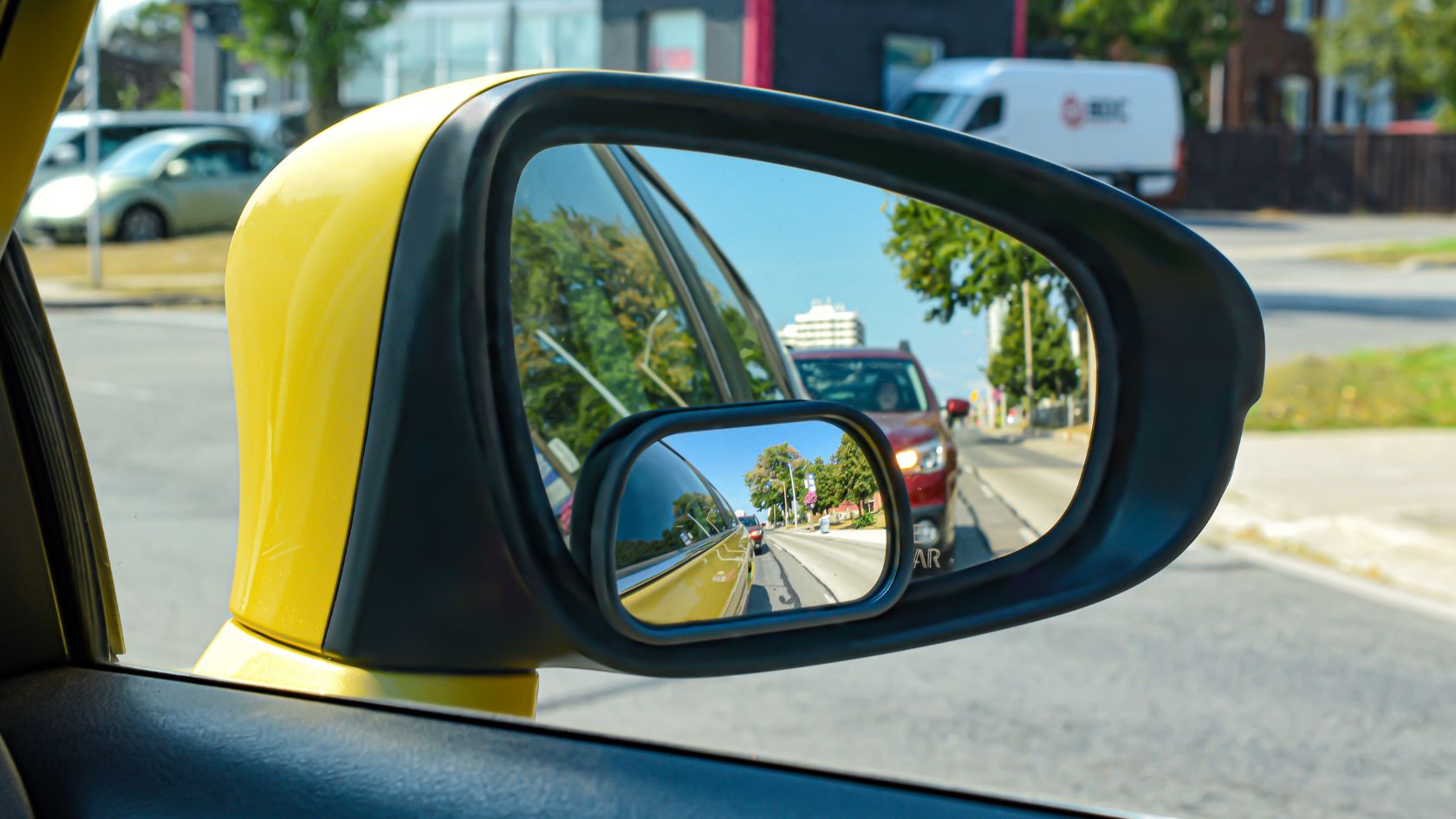
3 Best Car Blind Spot Mirrors (2025)
A blind spot is a critical area that arises due to obscured views caused by uncovered sections of side-view mirrors, rearview mirrors, and windshield pillars. The resulting blockage of vision can pose significant risks, potentially leading to damage or fatal consequences for both the driver and the vehicle. To enhance visibility in side-view mirrors, one effective solution is the use of car blind spot mirrors. These small mirrors are specifically designed to detect incoming or crossing vehicles. In this review post, we aim to assist you in identifying the 3 best car blind spot mirrors available in the market. You will also know the buying factors, and installation guide to place these mirrors appropriately. Accident Prevention: Changing lanes and overtaking are common driving activities that necessitate careful observation through rear and side-view mirrors. Detecting two-wheelers, such as bikes or bicycles, can be challenging and may result in collisions. Blind spot mirrors play a crucial role in identifying incoming vehicles, minimizing the risk of major accidents, and enhancing overall safety. Improved Identification: Blind spots are not easily covered by standard rear and side-view mirrors, potentially leading to oversight of fast-approaching vehicles when changing lanes. The size and angle of blind spot mirrors effectively cover the adjacent areas of a vehicle’s rear wheels, facilitating easier detection and identification of other vehicles. This feature aids in controlling risks during maneuvers. Stress Reduction: Consistently checking side view mirrors by glancing and moving one’s neck can be physically demanding, leading to neck and shoulder discomfort. Driving under stress and pain poses challenges and risks. Blind spot mirrors alleviate physical strain by enabling a quick glance directly at the mirror to identify potential road hazards, promoting a more relaxed and secure driving experience. Parking Convenience: Reversing a vehicle, especially in the absence of reverse parking cameras or sensor services, introduces potential risks and accidents. Blind spot mirrors become invaluable in such situations, aiding in the identification of crossing pedestrians and gauging the distance from other vehicles. This enhances the safety of the reversing process and facilitates timely and secure parking in the desired location. Related Read: Why Car Blind Spots Are Dangerous With so many options on the market, choosing the right one can be overwhelming. We’ve scoured the reviews and researched the features to bring you the top 3 car blind spot mirrors: As an Amazon Associate, we may earn a small commission if you purchase any product by clicking the link without any additional cost to you. Marlbston Blind Spot Mirror The Marlbston Blind Spot Mirror stands out in the crowd with its incredible variety and customizability. Whether you drive a sporty coupe or a family SUV, there’s a Marlbston out there to perfectly complement your car’s style and your viewing needs. Unlike most blind spot mirrors that come in a single, round form, Marlbston offers a staggering 7 different shapes to choose from! Round, oval, diamond, teardrop, wedge, fan, and rectangular – you name it, they’ve got it. This level of choice ensures you can find the mirror that flawlessly blends with your car’s aesthetics. However, with so many shapes available, choosing the right size can be a bit overwhelming. It is recommended that you consider your car’s size and blind spot dimensions to ensure the mirror offers adequate coverage without obstructing your main side mirror view. Nevertheless, each Marlbston mirror boasts 360° swivel rotation and flexible mounting arms. This means you can fine-tune the viewing angle to eliminate any blind spot lurking around your car. There is no need for awkward adjustments or neck craning as the mirror offers perfect visibility tailored to your specific needs. This mirror doesn’t compromise on quality. These mirrors are constructed with high-grade materials and weatherproof adhesives, ensuring they stay firmly in place and provide a clear view, come rain or shine. You can drive through car washes and endure harsh weather conditions without worrying about your blind spot buddies falling off. On the flip side, while the adhesive mounting is generally straightforward, some users report minor challenges with proper alignment. It is better to take your time and follow the instructions carefully during installation for perfectly positioned blind spot mirrors. Overall, if you’re looking for a highly adjustable and stylish blind spot mirror solution, the Marlbston is definitely worth a try. Utopicar Blind Spot Mirrors BSM017 Utopicar BSM017 blind spot mirrors take a different approach to safety, favoring subtlety and elegance over bold shapes and overt adjustments. But don’t mistake their sleek design for lack of effectiveness – these little gems pack a powerful punch when it comes to minimizing blind spots. The BSM017 mirrors boast a frameless design that seamlessly integrates into your existing side mirrors. They practically disappear, giving your car a clean, high-tech aesthetic. in terms of installation, these mirrors utilize strong 3M adhesive for a quick and secure attachment. Simply peel, stick, and adjust the viewing angle, and you’re good to go. No drilling, no fuss, just instant blind spot coverage. The convex mirror surface offers a wide-angle view, allowing you to easily spot even the smallest vehicles lurking in your blind spot. The BSM017s come in a single, relatively small size. While this keeps them discreet, it might not provide enough coverage for larger vehicles or drivers who prefer a wider field of view. Unlike some competitors, the BSM017s offer no swivel adjustment. The fixed angle might not be perfect for everyone, especially for drivers with taller or shorter seating positions. Compared to some budget-friendly options, the BSM017s fall on the slightly higher end of the price spectrum. However, their sleek design, ease of installation, and quality materials might justify the cost for some drivers. All in all, Utopicar BSM017 blind spot mirrors are an excellent choice for drivers who prioritize aesthetics and ease of use. While the limited size and adjustability might not suit everyone, for those seeking a discreet and functional solution, the BSM017s are a top contender. AmFor Blind Spot Mirror AmFor Blind Spot Mirrors are a popular choice for drivers seeking affordable and effective blind spot reduction. While they might not boast the fanciest features or sleekest design, these little workhorses get the job done without breaking the bank. AmFor