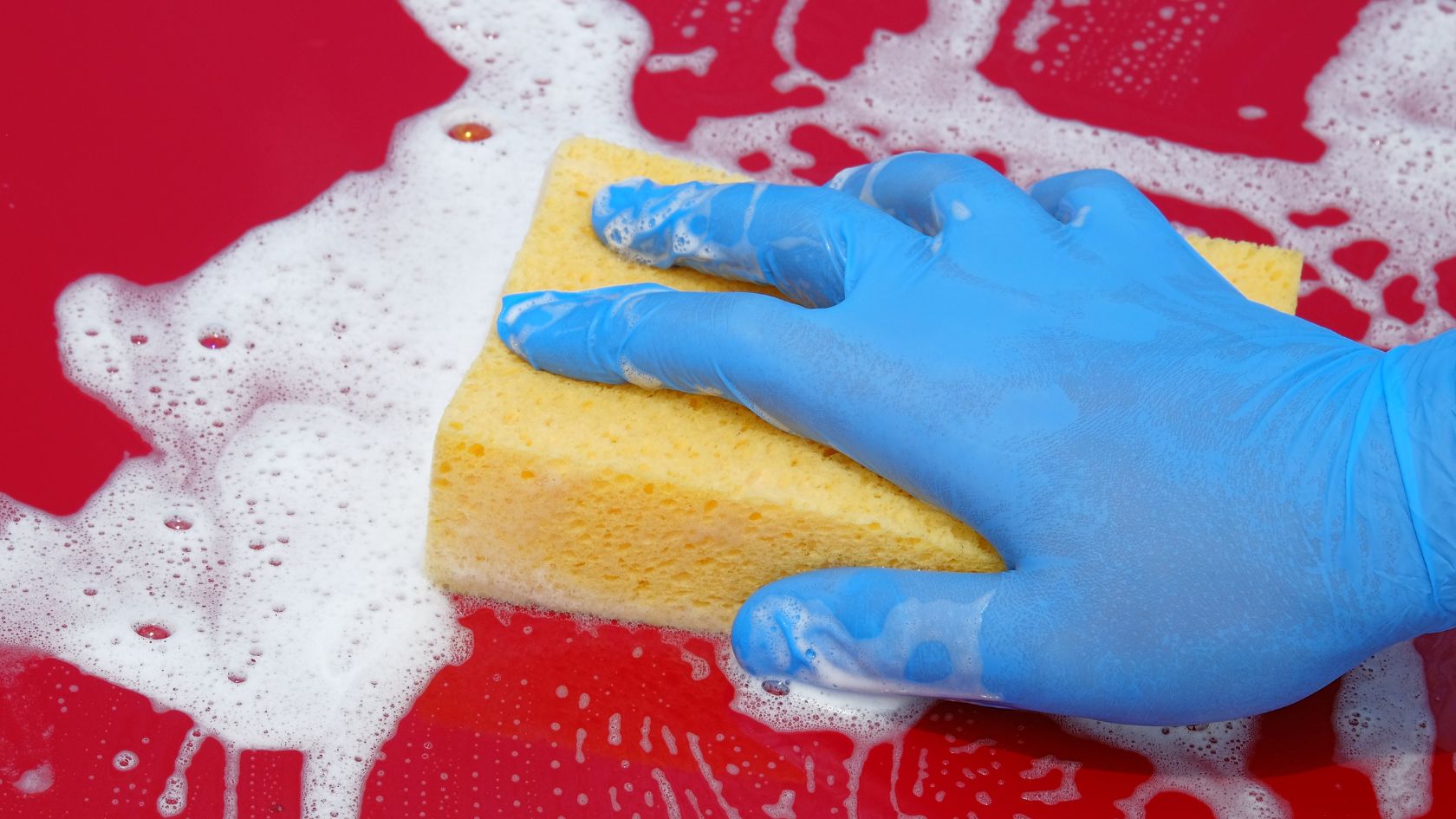
Have you ever wondered why is car wash soap in different colors? Is it to make your car colorful or to make the car wash foamy? The answer lies in the marketing strategies, product differentiation, and visual appeal of these car wash soaps. In this blog, you will learn about the different colors of car wash soap, their features, and how these colorful soaps help you clean your car. You will also find answers to some common questions related to car wash soaps so remain engaged till the end! Car wash soaps come in different colors mainly to differentiate between different types of soap and their intended use. For example, some car wash soaps are designed for use on wheels or tires and are often colored red or black to indicate their intended use. Similarly, some soap may be formulated for use on the body of the car and maybe colored blue or green. The color of the soap can also help to identify its strength or concentration, with stronger formulations often being darker in color. The tri-foam is one such formulation. Such soaps are multi-colored with purple, orange, red, etc. a mixture of conditioners and polishes. Car soap manufacturers use vibrant hues to catch your eye and create a memorable impression with their soap colors. This is more of a marketing strategy to catch their buyer’s attention. Overall, the color coding of car wash soaps is used to help users select the right product for their specific cleaning needs as well as intrigue the attention while buying. In the world of car care, a wide range of car wash soaps and their color exists. Let’s explore some of the common types and their associated colors: Pre-wash soaps: To make your car’s surface conducive for comprehensive cleaning pre-wash soaps are used. These soaps are often referred to as surface preparation soap or pre-soaking soap. They are designed to loosen the deep contaminants, existing wax, and stubborn dirt or grime from your vehicle’s surface. The soaps are infused with red, green, or purple colors which also indicate their pH level and strength. Wax-Infused Soap: Ideal for adding an extra layer of protection and shine, wax-infused soaps are often tinted light yellow or gold. This color evokes the association with the lustrous glow that wax provides to the vehicle’s exterior. Wheel/tire cleaning soaps: Tire cleaners are specialized soaps crafted to tackle the stubborn soot that accumulates on brake pads, worn rubber, and other tire components. To combat this formidable dirt, tire cleaners employ robust formulas tailored to their specific needs. Red, orange, or yellow colors are most commonly used in wheel-cleaning soaps. Triple foam: Triple foam or tri-foam is a chemical concoction of conditioners and polishes. The formula is helpful in preserving the protective coating and add-up a thin layer of wax to improve shine. The triple foam soaps are largely colored in purple, red, or orange. Some of the other common car wash soaps are specifically designed to confront stubborn grease, oil, road grime, bugs, tars, tree saps, and many other car surface impurities. It’s important to note that while these color associations are common, variations can occur among different brands. Always refer to product labels and descriptions for precise information regarding soap type, purpose, and usage instructions. Practically, colors don’t play any significant role in the car washing process. However, vibrant colors catch attention and can make a lasting impression on consumers. They also aid in product differentiation, helping customers identify specific soap formulations for different cleaning needs. Some savvy brands tag their products with distinctive colors to add a touch of excitement and make the washing process a little more fun and visually appealing. Car wash soaps stand out due to their unique formulations and specific properties that differentiate them from regular household detergents. These specialized soaps are designed to effectively remove dirt, grime, and contaminants from vehicle surfaces without causing damage. They often contain high-quality surfactants, lubricants, and emulsifiers that help break down and suspend dirt particles for easy removal. Additionally, car wash soaps are pH-balanced to ensure compatibility with automotive paint finishes and protective coatings. Their superior foaming action helps create a thick lather, maximizing cleaning efficiency. The best color for a car wash is subjective and largely a matter of personal preference. Some car owners prefer vibrant and eye-catching colors like blue or red to add a touch of excitement to their car washing routine. Others may opt for more neutral or transparent options for a clean and minimalistic look. Ultimately, the color of the car wash doesn’t affect its cleaning performance or effectiveness. Focus on choosing a soap that suits your car’s needs rather than the color of the product. Yes, you can wash your car without soap. In fact, many motorists wash their vehicles with just water to save time and energy. However, if you want to achieve optimal cleaning and protection then washing your car without soap is not recommended. Related Read: Is hair shampoo safe for car wash? Car wash soap is specifically formulated and designed to safely remove all sorts of wastage from your vehicle’s surface without causing damage to the paint and protective coatings. To ensure a thorough and safe wash, it is best to use a high-quality car wash soap rather than relying on water or any other substances. Yes and no. Washing your car daily can help you maintain the cleanliness of your vehicle and prevents the buildup of contaminants that can damage the paint in the long run. However, excessive washing can also potentially strip away the protective wax layer and lead to premature paint wear. It is important to strike a balance. A sensible approach would be to wash your car regularly but not excessively, aiming for a schedule that aligns with your specific needs and circumstances. You must also consider factors such as the climate, driving conditions, and your car’s exposure to dirt and pollutants while scheduling a car wash. The diverse array of

Can a motorcycle battery die while riding?
So, you found yourself middle of the road with your bike struggling to move ahead. The headlight lost its steam and the engine didn’t seem alive. These are clear signs of a motorcycle battery nearing its end. You start wondering can a motorcycle battery die while riding! A motorcycle battery doesn’t die on its own. There are several causes and issues that appear in various signs which motorcyclists often ignore. When the battery doesn’t find any solution to its problem for a long time it may drain/die regardless of sitting idle or riding. In this post, you will learn about the causes of motorcycle batteries dying while riding. To counter these issues, you will also know the preventions and find answers to many other questions pertaining to a dead motorcycle battery. Yes, a motorcycle battery can die or drain while riding due to a lack of charge and various other factors related to the charging system. When the battery is low on charge it may not be able to provide enough power to the electrical system and particularly the engine which fails to continue operating. Some of the other causes that make a motorcycle battery die while riding could be associated with the stator, regulator, and electrical wiring. Any recent add-ons to the motorcycle’s electrical system could also add to the woes of the battery losing charge quickly. Last, but not least, a battery that is hardly maintained becomes vulnerable to corrosion, damage, leakage, etc. which may cause the motorcycle to stall and potentially leave you stranded. It is there important to know the causes of a dying motorcycle battery to avoid inconveniences while riding. A motorcycle battery should be fully charged according to its voltage capacity. Generally, most motorcycle batteries possess 12 volts which is the minimum requirement to remain active and transmit power to the associated parts. Due to lack of usage or too much usage a motorcycle battery goes into discharge mode. No matter how busy or lazy you are ensure to test the voltage power using a multimeter before commencing your journey. If the voltage power is less than 12 volts it is essential to charge the motorcycle battery using a battery charger or a jumper cable. Test the voltage again after recharging and make sure the battery is able to hold the charge by starting your motorcycle and revving it for a few minutes. Moreover, a half-hour ride will be ideal to help the motorcycle battery regain its charge through the alternator/stator. If everything seems fine you are good to go however, if you still find issues with the battery then… A motorcycle battery is charged with the help of its charging system which is based on the combination of a stator/regulator/rectifier. A stator is the charging boss of a motorcycle battery that constantly pumps current while the bike is on the move. If the stator itself has gone bad that means the battery is not getting enough power to keep the engine running. Secondly, the regulator/rectifier is responsible to convert the appropriate (DC) power into voltage so that the battery remains juiced up. If the regulator/rectifier is not working up to the mark that means the battery is not getting the correct amount of voltage. In the absence of proper voltage, a battery is bound to drain faster affecting your ride. Check the condition of these charging system units to detect any damage or faults. Make use of the instruction manual to identify the defects. If you are still not sure about checking these parts seek professional help from an auto mechanic or technician and take necessary action in the form of repairs or replacements to help your motorcycle battery work smoothly. The electrical system of a motorcycle is interconnected through multiple wirings. Any loose connections can cause a variety of issues including damage to the battery. The possibility of inclement weather impacting the cables cannot be avoided which makes them hotter leading to melting or getting loose. It is important to check the wiring to find any faults or loose ends. Make sure the tightness and connections are secure and all the parts are properly attached to avoid battery problems. If the battery terminals are heavily corroded it interrupts the flow of current from the electrical system. This means the battery not getting sufficient power to remain charged. The corrosion on battery terminals could be the result of poor maintenance but it makes a big difference in the connection with the stator. The loss of power due to a bad connection reduces the ability of a motorcycle battery to hold its charge for a longer period of time which in the end comes to a halt. To avoid terminal corrosion, you must regularly monitor and clean them with water and baking soda. Make use of a soft cloth and ensure that the terminals are properly cleaned and dried out before using the battery. A motorcycle battery is made to withstand common electrical pressure generated through associated parts and accessories while riding. However, the pressure increases with the addition of any new aftermarket accessory that may have been installed recently. Motorcyclists are fond of using extra gadgets such as light bars, radios, chargers, etc. While there is nothing wrong in adding the extra stuff for your convenience it is equally important to ensure the installation and connections are performed correctly. In many instances, accessory owners leave the connection of wirings in a vulnerable position. One way to ensure this is by disconnecting the additional stuff and seeing if the battery is holding the charge. If it doesn’t, then reinstall the accessories with proper fitting and connection. Secondly, to get the most out of the battery and electrical system after adding new accessories it is necessary to ride the motorcycle at the correct speed. Low RPMs in higher gear may not produce enough power to keep the battery charged up. Ride on higher RPMs in lower gears so that the alternator and stator
Are battery tenders waterproof? The importance of waterproofing revealed
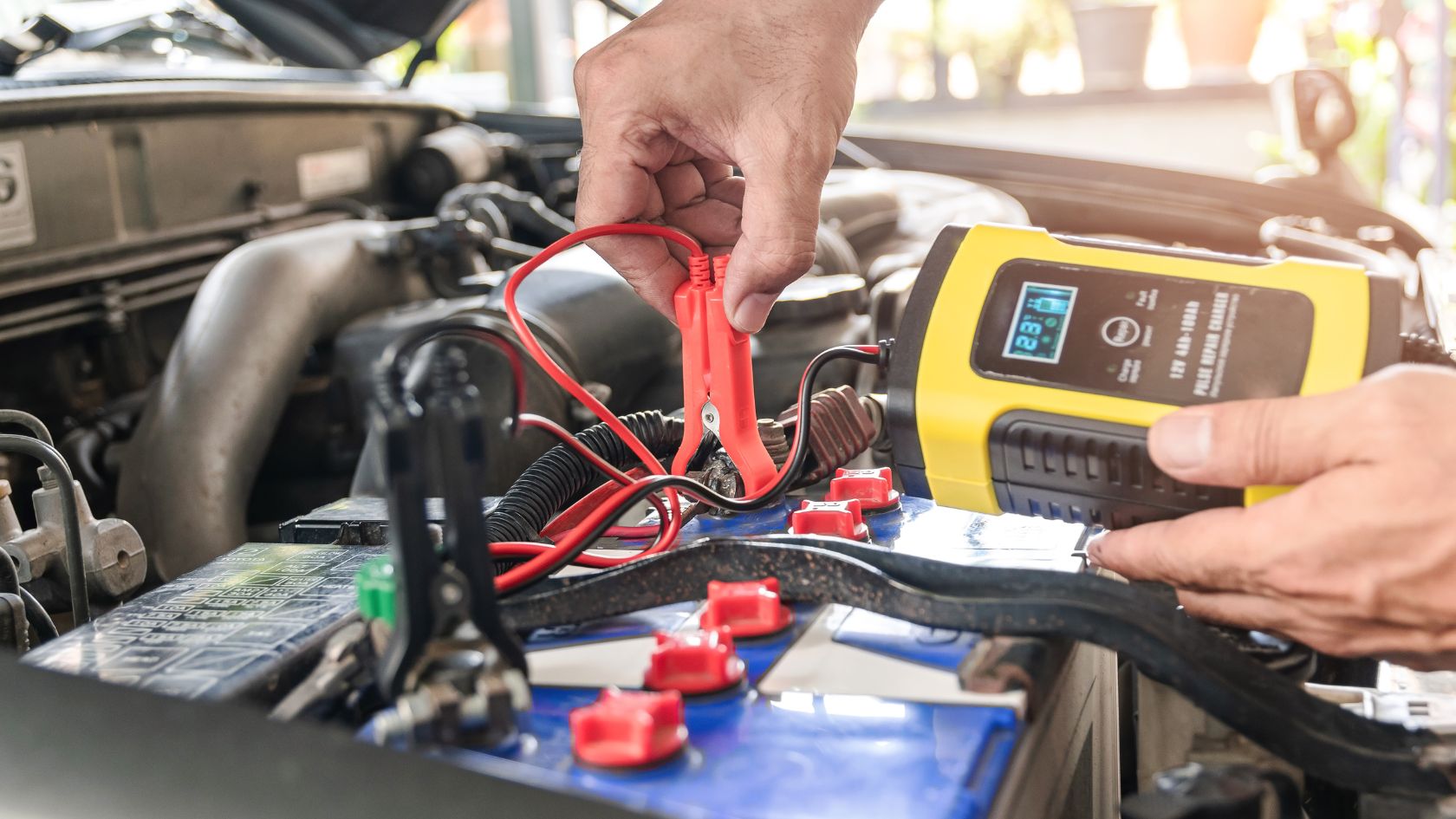
Battery tenders are a great way to keep your vehicle batteries charged when not in use. But many vehicle owners wonder if battery tenders can be used for charging in rain or when they are dipped in water. So, are battery tenders waterproof? The importance of battery tenders cannot be underestimated keeping the water element aside. However, having a waterproof feature-rich battery tender could be very helpful in charging the batteries in any season. In this post, I will tell you about the waterproofing capabilities of battery tenders. You will also learn the importance, benefits, and factors to consider when choosing a battery tender. In addition, I will also list the 3 best battery tenders that are waterproof and are excellent chargers to help you save time on research and decision-making. So, keep reading! Yes, battery tenders are waterproof but not all of them. Some battery tenders come tagged with weather-resistance features which may not define their water-proofing capabilities completely. It’s important to thoroughly check the manufacturer’s specification manual to determine the water-proofing feature of a particular product. Waterproof battery tenders are designed to resist certain levels of water due to their body material and power cord compatibility. While you can use such products in any weather we do not recommend doing this frequently. Watery conditions can damage the device and the battery it is connected to due to moisture elements. If you want to use waterproof battery tenders ensure to do it in closed doors or under the hood to protect the electrical connections from water that otherwise could be harmful and damaging. To summarize, if you are looking to use a battery tender that is made of water-proof elements and can be used in any weather conditions make sure to read the instructions manual very carefully before purchasing a product. Related Read: Are Jumper Cables For Car Batteries Waterproof Battery tenders are devices used to maintain and charge batteries in vehicles, such as cars, motorcycles, trucks, boats, etc. when they are not in use. Battery tenders are useful in preventing automotive batteries from losing their charge when the vehicles are on a stand or sitting idle for a long time owing to extreme weather conditions. Under such circumstances, a battery can be isolated from the vehicle and connected to the battery tender to keep it charged. The waterproof featured battery tenders are made to withstand water levels to some extent. Such battery tenders remain unaffected if they are dropped in water to a recommended level and duration. Some ‘weather-resistant’ labeled battery tenders also do the job well in rain, and snow provided they are used as per the instructions from the manufacturer. In short, battery tenders are important to maintain the functionality and health of a battery and extend its overall lifespan from the impacts of challenging weather conditions. Based on the importance here are the top-3 best battery tenders in the market. These products are well-received, tested, authenticated, and trusted by 1000’s of users and are highly reliable from a weather-resistant perspective: As an Amazon Associate, we may earn a small commission if you purchase any product by clicking the link without any additional cost to you. Battery Tender 800 SuperSmart Battery Charger and Maintainer Deltran’s Battery Tender is a brand known for providing a great family of battery chargers since 1965. There are many superior products in the charging segment and this Battery Tender 800 SuperSmart charger is a fantastic addition to their overall list. The charger is no bigger than a computer mouse and despite a smaller size like this, it packs an impressive 800 milliamps (amperage) of constant current charging power. Battery Tender 800 is rugged equipment fully automated with features including spark-proof, reverse polarity protection, and short circuit protection. As a matter of fact, its weather-resistant capabilities let you use the product in a damp and watery environment without any shocks and vibrations. The interior body is structured with a synthetic epoxy resin material that is thermally conductive and flame-retardant. The charger is perfect for lead-acid, flooded, or sealed maintenance-free batteries such as AGM and gel cell types used in different vehicles. It can cover 12-volt batteries of ATVs, watercraft, motorcycles, boats, cars, etc. This charger can also maintain the charge of a battery through its float mode. The mode is helpful in identifying a battery losing its charge and bringing it back to the full charge position. Battery Tender 800 SuperSmart weighs just 1.65 pounds which makes it easily transportable anywhere. To conclude, this should be your go-to product if you are looking to charge and maintain a battery irrespective of environmental conditions and the battery’s charging status. CTEK-40-206 MXS 5.0 Fully Automatic Battery Charger CTEK is another well-respected brand in the battery charging segment. The company has a series of battery chargers and maintainers that also includes this specific model CTEX MXS 5. This product is built to last in all weather conditions. It has a distinguishing feature called RECOND mode or reconditioning mode wherein the charger can revive batteries that have been lying unattended and fully discharged for long periods. It also has a built-in automatic temperature sensor that is controlled by a microprocessor charger to detect the temperature and adjust the charging process accordingly. With this, you don’t have to worry about your battery getting over or undercharged in any condition. The product is IP65 certified which means it can efficiently tolerate water splashes and dust and continue charging without any interruption. From a compatibility perspective, CTEK MXS 5 can deliver charging performance on 12-volt batteries used in cars, motorbikes, small trucks, boats, tractors, etc. The charging process works on simple steps of plug and play and the charger automatically detects reverse polarity and alerts the user. Additionally, the unit is spark-proof, and short-circuit-proof so that you remain protected from any electrical hazards while charging. The product is fully automated with advanced 8-step charging and battery-detecting modes to accommodate AGM and lead acid batteries. CTEK MXS 5 is
Can you jumpstart a car with a motorcycle? Important facts and myths busted!
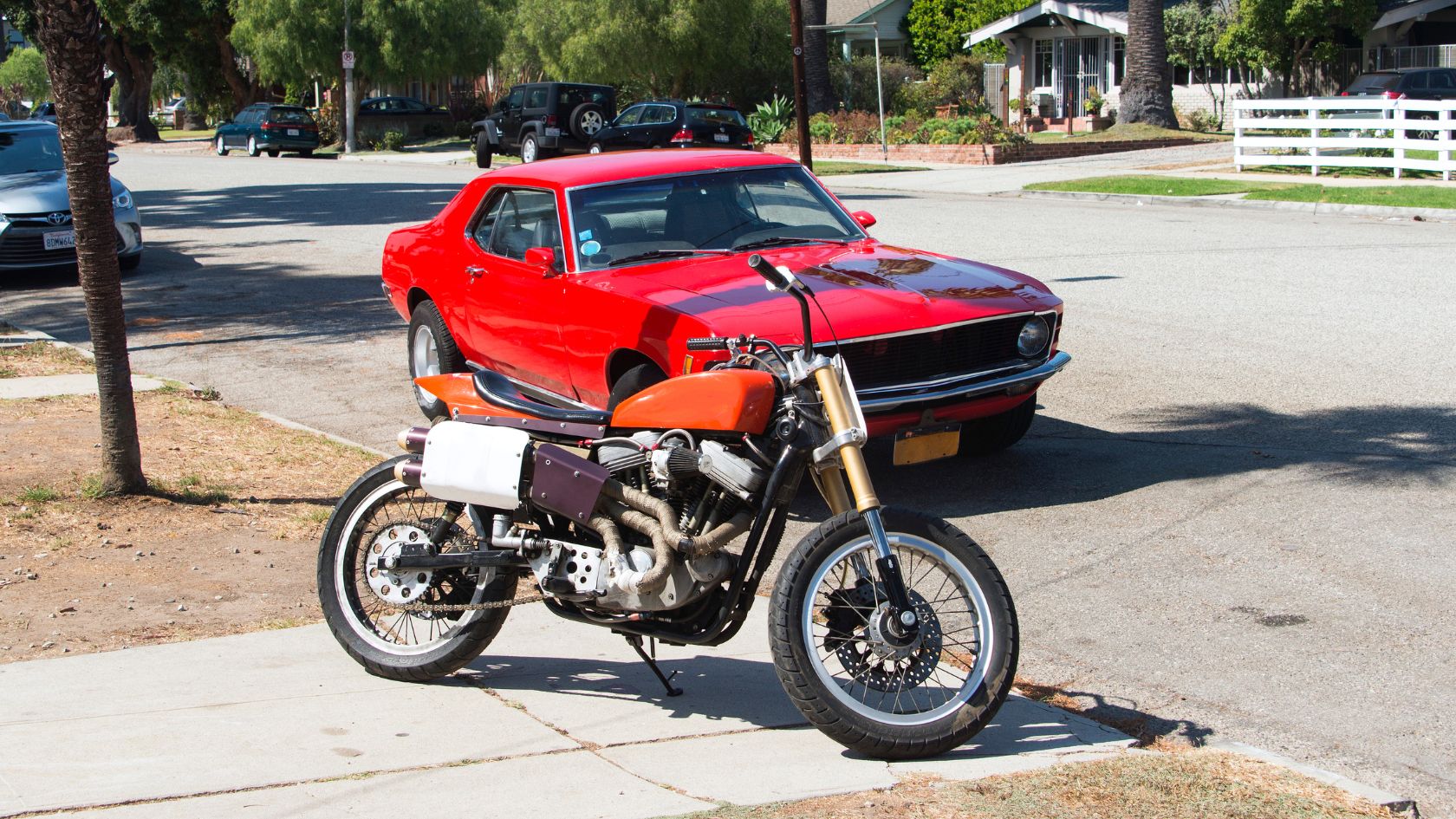
Generally, a car is used to jumpstart another car with a dead battery. But can you jumpstart a car with a motorcycle battery? The jumpstarting process works on certain conditions related to battery voltage, and engine capacity. A motorcycle battery may not be strong enough to power a car battery but in some cases, it does work. If you want to know more about jumpstarting a car with a motorcycle, continue reading. In this post, you will learn about the prerequisites, precautions, and jumpstarting process to be applied while connecting a motorcycle to jumpstarting a car. In certain circumstances yes, you can jumpstart a car with a motorcycle. But the execution is dependent on some factors like the size of the battery, voltage power, amperage capacity, and more importantly the condition in which you are jumpstarting a car. Jumpstarting a car battery with another car should be the first priority. It is also a more favorable and recommended option. However, in the events leading to jumpstarting a car with a motorcycle, it is essential to consider the following factors before taking any action. First of all, the battery voltage of both vehicles should be equal. For example, most cars have 12.6 volts batteries so, a motorcycle getting used for jumpstarting should have an equal amount of battery volts. The car battery requires a larger current flow to start which could hamper the technical functioning of a motorcycle battery due to its limited voltage capacity. If the battery voltage of a motorcycle is lower than that of a car it may not be able to provide enough power to start the car. Consequently, attempting to jumpstart a car with a motorcycle having a low-voltage battery can potentially damage either vehicle’s electrical system. Generally, four-wheelers have a bigger capacity engine size than a motorcycle. The engine size/capacity doesn’t necessarily affect the ability to jumpstart a car with a motorcycle. However, a 100cc bike may not necessarily boost the engine enough to transfer the current flow to a car’s 1400cc engine compared to a 650cc bike. Secondly, bigger car engines pull too much power which could again be damaging the electrical components of a small-engine motorcycle. The condition of the battery requiring a jumpstart should not be completely dead. If you are looking to jumpstart a battery that hasn’t been active for a long time say a year then jumpstarting it using a motorcycle may not produce desired results. A completely dead battery demands really high power of electrical current and to do this a considerable amount of jumpstarting will be needed. A standard motorcycle battery is not built to accommodate such large currents unless you have a two-wheeler with a really bigger engine and battery capacity. The amperage capacity of a motorcycle battery is around 200amps and the requirement to jumpstart a car battery is between 200-400amps. Related Read: How many amps can jumper cables handle? Though the amperage capacity of a motorcycle battery is lower it can still jumpstart a car provided the battery has 12 volts of power. A motorcycle with a lower amp capacity may take longer to jumpstart a car which could impact its sustainability to continue transmitting the power. Weather conditions and the place where you want to perform the jumpstarting process are important. In hot temperatures, either vehicle component will remain heated up inside their respective hoods. If you are intending to jumpstart a car with a motorcycle in an open area under the hot sun make sure the batteries are not overheated. As part of the jumpstart process, you will need to keep the motorcycle in running stance and even rev to certain RPMs for instant results. If you try to jumpstart batteries in overheating conditions it may produce sparks, and fire leading to explosions. To avoid such harmful impacts of hot weather, it is better to let the vehicle components cool down or perform the jumpstarting process under the shade or in a garage. On the other hand, under cold weather conditions, the battery components tend to freeze. So much so that it is difficult to start the vehicle irrespective of its size. This is where cold cranking amps of a car battery come into the picture. The cold cranking amp is measured based on the power output capacity of a battery in cold weather. The higher the cold cranking amps the better output you get from the battery. The information on the cold cranking amp rating is clearly mentioned in the vehicle’s manual so glance through it for proper guidance before attempting to connect two batteries. In the case of jumpstarting, an average cold cranking amp rating of a motorcycle is between 200-400amps compared to the range of 200-600 amps of a standard four-wheeler. So, if the conditions are too cold, and the cold cranking amp rating of a motorcycle battery is below the required level of a car battery it is better to delay or avoid the jumpstarting process. Once you are sure of having all the above factors in place it’s time to know how to actually jumpstart a car with a motorcycle. To do this, follow the below-given steps: Here is a small video on jumpstarting a 2200cc car with a 400cc bike successfully: While the process is very similar to that of jumpstarting a car with another car the end result could differ. Along with all the resources and conditions, it also takes a little bit of luck to jumpstart a car with a motorcycle in some cases. So, if the car doesn’t start even after multiple attempts of jumpstarting then it is better to take some professional help rather than damaging one of the vehicles. In some cases yes motorcycle battery has the same voltage capacity as a car battery. But, in reality, motorcycle batteries are technically not designed with the same power and functionality as a car battery. It is therefore important to consider certain factors like the voltage capacity, amperage, engine power, etc. of a

Symptoms of low water in a car battery: How to identify and resolve
Car batteries are prone to discharging and getting faulty due to overcharging and many other technical reasons. One of the reasons many motorists may not be aware is low water levels. How to tell if your car battery is low on water? What are the symptoms of low water in a car battery? If you are looking to find the answers to the above questions then this is the post to read. We will also cover the causes, preventions, and methods to fulfill the shortcomings of water levels in a car battery. So, keep reading! Symptoms of low water in a car battery include starting problems due to engine cranking, warning signs on the car dashboard, and battery losing charge repeatedly in quick time. Extremely hot weather is another reason that evaporates the liquid of a car battery making it lose water. Corrosion on the plates/terminals is a common cause of battery problems and can contribute to the symptoms of low water levels. The corrosion aspect is often attributed to the lack of maintenance. So, if you are one of those lazy drivers who hardly bother about their vehicles then be ready to notice water abnormalities in the battery structure. It is important to understand the technical aspects of the above symptoms that will help you take precautionary steps proactively and avoid major damage to the battery and overall vehicle. But before diving into the symptoms it is important to understand the role of water components in an automotive battery. The liquid component which is often mistaken with water is actually sulfuric acid. Yes, there is some water added to the acid chemical for the purpose of balancing the concentration liquid. With time and usage, this water starts reducing which is a normal process. Generally, the water gets utilized as a part of the chemical reaction of the sulfuric acid electrolyte process within the batteries. As a result of this utilization, the water evaporates through battery vents in the form of hydrogen and oxygen gases. To counter low water levels periodic inspection and maintenance are enough. However, there are some external sources that add to the woes of reducing water levels in a car battery. If you begin to notice any of the following symptoms it is a potential indication of low water levels in your vehicle battery. In extremely hot temperatures, the evaporating process of liquid happens much faster compared to normal circumstances. Related Read: What makes car batteries explode When the water starts declining it restricts the lead plates to perform the electrolyte process. This is essential for a car battery to function properly. Water getting diminished means sulfuric acid getting more concentrated oxidizing the lead plates resulting in mal-functionality. It is important to monitor the temperature levels while using your vehicle. If it’s getting too hot, ensure to check the water levels in your car battery regularly. If the shortage is below the recommended levels fulfill the gap with distilled water for better performance, and smooth running of your vehicle. If you find that the car battery is losing its charge constantly it could be because of low water levels. Again, when the water level reduces too low the sulfuric acid gets highly concentrated and disturbs the electrolyte process. This can result in the battery losing charge quickly. The battery will not be able to hold the charge for too long on recharging until some effort is made to fulfill the water levels. The corrosion aspect comes into the picture when the lead plates are unveiled to the outer environment. This is a result of water going below the recommended levels that exposes the lead plates. Owing to this exposure there is a buildup of corrosion around the plates and battery terminals which makes it harder for the battery to continue the electrical flow. If you find corrosion forming around battery terminals the first step you must take is to check the water capacity and bring it back to the recommended levels. A weak battery has many impacts on the performance of a car and when there is slowness in starting the engine it could be another sign of a low water level. A vehicle battery works on a chemical reaction to generate electricity that powers the engine and other electrical components. Lack of water limits the powering capacity of an engine that just produces a cranking/clicking noise instead of starting. Signs of battery warnings on your car dashboard will get very common due to malfunctioning batteries. It is important to pay serious attention to the warning signs and oblige by inspecting the condition of the battery. If you find any of the above symptoms it is time to juice up the battery with the correct water levels. Based on these symptoms you can take the necessary steps to energize your car battery including adding water. However, it is also imperative to know the causes behind a car battery losing water. Overcharging – When the battery is overcharged courtesy of human error or by the alternator the excessive charge impacts the mixture of sulfuric acid and water. As a result of overcharging, the electrolyte mixture begins to heat up and evaporate. This evaporation decreases the water level in the battery leaving it with less liquid to conduct electricity. Lack of maintenance – Due to lack of maintenance, a car battery is vulnerable to internal leakages and damage. Failure to inspect the condition of the battery in a timely manner attracts corrosion and rusting on its terminals. Both scenarios are instrumental in reducing the water levels causing a battery to perform badly. Temperatures – Exposure to very high temperatures limits the capacity of a car battery to hold its water level. With constant heating, the water evaporates through battery vents leaving the sulfuric acid concentrate unbalanced. It is therefore crucial to inspect the water levels of a car battery as part of self-maintenance, monitor the charging process, and protect your vehicle by parking it under the shade

Can a weak battery cause a car to run rough? 5 symptoms & causes revealed
Have you been noticing a rough ride from your car? It is not unusual for a car to go rough but what matters is the reason behind it. Can a weak battery cause a car to run rough? Or is it the alternator or spark plugs or any other component that is restricting the power to not let your car run smoothly? Well, these are some of the questions that arise in a vehicle owner’s mind sensing roughness and this is what you will learn about in this post. What’s more, we will deep dive into the causes, symptoms, and remedies related to a weak battery. So, continue reading! Yes, it can. A weak battery can cause various issues in the car and rough idling is one of them. One of the main reasons for a car to run rough meaning the engine is just not up to the mark while starting are spark plugs. You will feel vibrations, loud noises, and in some cases even stalling/idling when spark plugs misfire for not getting enough electrical power from the battery. A car running rough is not limited to misfiring spark plugs but it involves a hell lot of other reasons. A battery is responsible to power all the electrical components of a car including the engine. This means if the battery itself is powerless all the other electrical parts are bound to take a hit. Eventually, a car may run rough due to a bad alternator, and misfiring of the engine that affects many of its associated parts such as a fuel pump, pistons, valves, air filters, etc. to lose their effectiveness in starting or running the car properly. If you feel your car is running rough or idle due to a weak battery look for the below symptoms. Here are some of the symptoms indicating a weak car battery that could be causing your car to run rough – Difficulty starting the engine – If your car has a weak battery there will be difficulty in starting the engine. As the battery is responsible for providing the initial power to start the engine any weakness in the power leads to pause, hesitation, and stalling of the engine in some cases. When the battery is weak the ignition system of a car does not get sufficient power to pump the engine cylinders that move the car. Hence, the engine starts to misfire due to lack of power and if a car battery is totally dead the engine may not start at all. Dull headlights and other electrical components – Another symptom of a weak car battery that is often visible upfront is the dullness or dimness of headlights. If the dullness in headlights is difficult to observe you may also notice the interior lights of a car getting low. You can also see the performance impact on a car radio, GPS, dashboard, and any other component that relies on battery power. This is because the battery that is responsible to power the electrical components is power sick. The sickness causes a significant drop in voltage levels of a battery and supplying the power to other parts of a vehicle gets difficult. If you notice dimming of headlights and other electrical accessories it is a good idea to switch them off immediately to save some battery power. Cranking or clicking engine sound – If the battery is weak a common sign that occurs while starting the engine is a click or a crank. This is very much audible when you enter the key and turn the ignition. When you turn the key in the ignition, it prompts the starter motor to start the engine. However, due to a lack of power from the battery, it is just able to release a clicking sound while attempting to turn the engine on. Clicking or cranking sounds should be enough to help you identify the weak signs of a battery and take appropriate action. Warning lights on the dashboard – Many car dashboards flash warning lights when the battery is low on power. This is one of the easiest methods to realize the condition of your car battery. The battery symbol is another common sign when you turn the key in the ignition however it remains on the dashboard for a long time even after starting the engine. On some vehicles, there are warning lights other than a battery symbol indicating a problem in the car’s electrical system. Bad condition of the battery – You must also keep a tab on the battery condition once they have crossed their age. The ominous signs of aging begin with cracks and leakages on the battery case which makes it appear swollen or bloated. If the battery has aged and started showing signs of cracks/leakages it won’t be able to hold the charge and voltage to power the electrical system and vehicle’s engine. Nevertheless, proper precaution and action are required to keep your car battery in good condition to avoid instances of weakness. To do this, it is imperative to know… So, what causes a car battery to get weaker? The causes may vary depending on the location, usage, and vehicle’s make/model but some of the common ones are listed below: Age limit – If the battery has survived its lifespan which is normally between 3-5 years chances of weakness increase. An aged battery lacks the ability to hold the charge for a longer time making it lose a significant amount of voltage rapidly. Secondly, the combination of age and weakness deteriorates its condition from the inside and outside which results in cracks, damage, and leakage of fluids. It is important to maintain your car battery properly for its longevity. In case it has crossed its recommended age ensure to replace it with a new one immediately. Lack of maintenance – Lack of maintenance has many adverse effects on a car battery. A car battery expected to perform systematically should be monitored periodically. If regular maintenance