
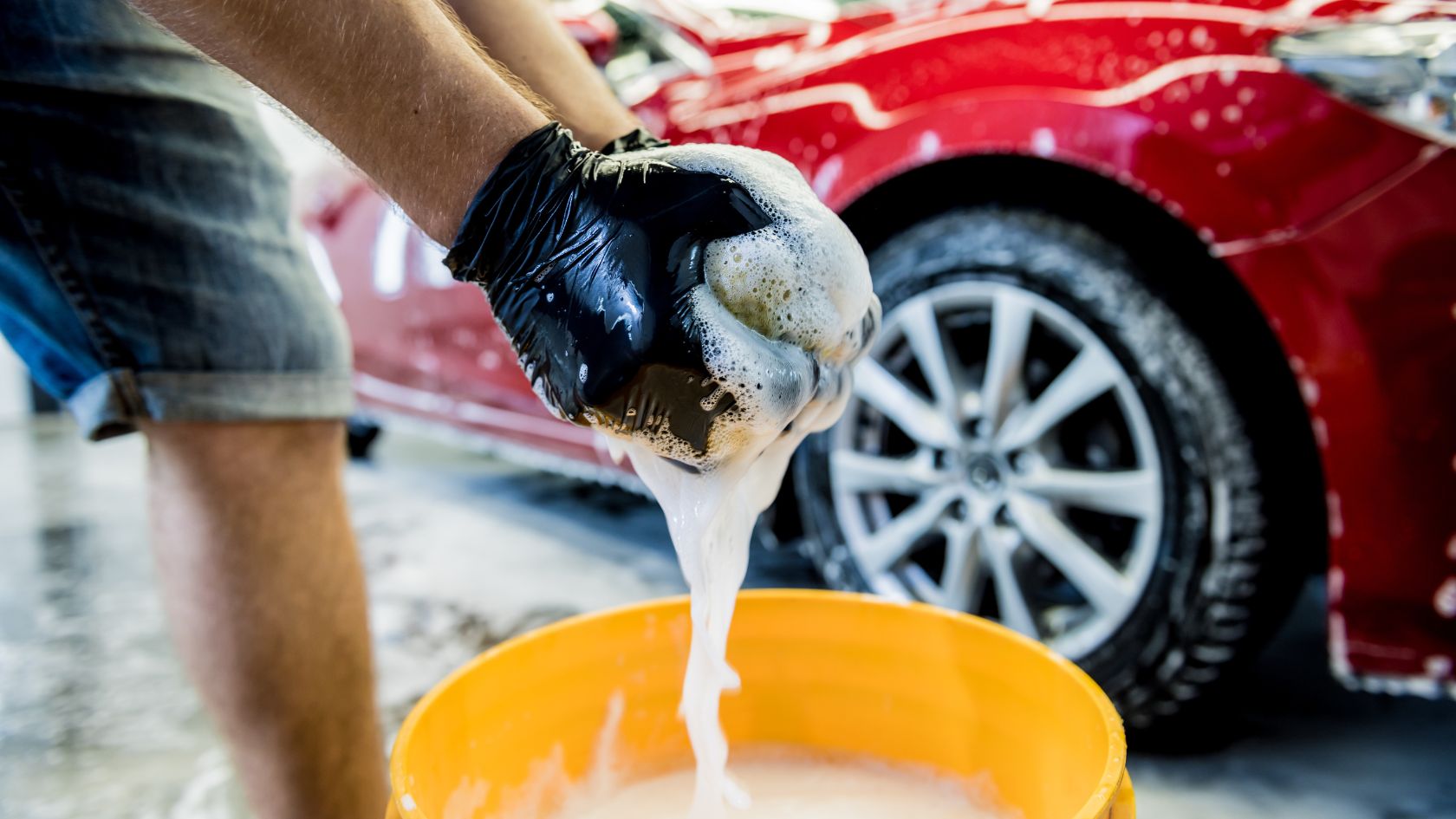
So, you found yourself in a situation where you desperately needed to wash your car but didn’t have any car soap/shampoo on hand. Sighting the urgency, you start wondering about using hair shampoo for washing. But, is hair shampoo safe for a car wash? If not, can you use body wash to wash your car? Or baby shampoo? Etc. After all, shampoos are designed to clean and lather so why not use any shampoo right? In this article, we’ll dive into the topic and explore whether hair shampoo or any shampoo/soap other than dedicated car wash products are safe to use on a car. You will also learn about the alternatives to car shampoos and find some of the answers to questions related to shampoos and car wash. Yes and no. If it’s a matter of occasionally using hair shampoo for car wash then yes you can. Hair shampoo is a competitive alternative to car wash shampoos and works really well if used appropriately. However, making a habit of using hair shampoo repeatedly for washing can generate problems for your car paint. Hair shampoo contains ingredients that may leave residues or streaks on your car’s surface. At the same time, hair shampoos lack the lubrication levels offered by dedicated car shampoos which could increase the risk of scratching the car’s paint during the wash. So, if it’s a one-time wash or part of an urgent plan then go ahead and use hair shampoo for washing your car. But, to protect and maintain your car’s original paint and wax avoid using it regularly. The simple answer is yes. This is because hair shampoos aren’t specifically designed and formulated for car wash. Will you use car shampoo to wash your hair? I am sure not. Similarly, using hair shampoo to wash your car may strip away the protective layer of wax on the paint. Hair shampoos contain harsh chemicals which if not thoroughly rinsed off, can leave behind residues that can dull the paint and cause it to look hazy. Secondly, hair shampoos have certain acidic pH levels to remain gentle on scalps. On the other hand, car paint prefers a more neutral or slightly alkaline environment that is helpful in preventing wax, protecting the paint, and keeping it shining. In a nutshell, hair shampoos can potentially damage car paint due to the chemicals and pH levels they contain. If you are still planning to use hair shampoo for car wash then here are some of the dos and don’ts tips to help you achieve better washing results: Dos Dilute the hair shampoo with water. The dilution ratio should be appropriate as overly concentrated liquid increases the risk of damaging the paint. Be gentle while applying the shampoo. To achieve proper gentleness use of a soft wash mitt or sponge is required. After washing with the shampoo, make sure to rinse your car thoroughly with clean water. This reduces the risk of streaks or spots from capturing the paint. Use soft and clean towels or microfiber cloths to dry your car’s surface. This helps prevent water spots and gives your car a polished finish. Don’ts Never use the shampoo straight on the car paint without mixing it in water. Don’t use hot water, as it can also affect the paint. Avoid scrubbing vigorously. Harsh scrubbing or using abrasive materials can lead to scratches or swirl marks on your car’s paint. Don’t leave the hair shampoo for extended periods on the car’s surface or even let it dry on your car’s paint. Such negligence could damage the protective coatings. Don’t skip waxing. Hair shampoos may strip wax from your car’s paint so ensure to reapply wax after washing to maintain protection and enhance the shine. Technically speaking yes you can use body wash to wash your car. It could be one of the other alternatives to clean your car one time. However, if you are thinking of doing it again and again then hold it. The body wash is formulated for use on human skin with a different pH balance, moisturizers, oils, and fragrances. These ingredients are great for human skin but not necessarily suitable for your car’s exterior surface. The long-time use of body wash chemicals and acids cause dullness of car paint. Moreover, body washes typically lack the lubrication properties found in dedicated car wash soaps and shampoos. Lubrication shortage could inadvertently result in scratches or swirl marks on your car’s surface. So, while it may be tempting to use body wash for car washing, it’s better to stick with a product specifically designed for washing your car. Well, it depends on your personal choice. If your baby is fine with it then go ahead and use it for car wash. Jokes apart! Baby shampoos are usually gentle with milder formulations and a neutral pH balance. That means it won’t be as damaging as an adult body wash or shampoo. As a useful alternative, baby shampoo can be on your list for a quick car wash. Again, it is not a natural cover-up for a traditional car wash liquid or soap. Since the additives and conditioners are minor in baby shampoos it won’t be strong enough to provide effective cleaning while washing your car. In summary, baby shampoo can be a viable option for a car wash but remember to exercise caution, and ensure proper lubrication during the washing process. More importantly, don’t make it a habit to use baby shampoo as a permanent solution for your car wash. There is no doubt that dedicated car shampoos are the best option to wash your vehicle. however, if you find yourself in a situation of washing your car in urgency without access to car shampoo or soap then here are some of the alternatives you can use: Dish soap – I am personally not in favor of using dish soap to clean a car nevertheless it remains one of the potential replacements for car shampoos. Dish soap is designed to cut
Why Are Car Care Products Important? A Beginner’s Guide to Choosing the Best Car Care Kit
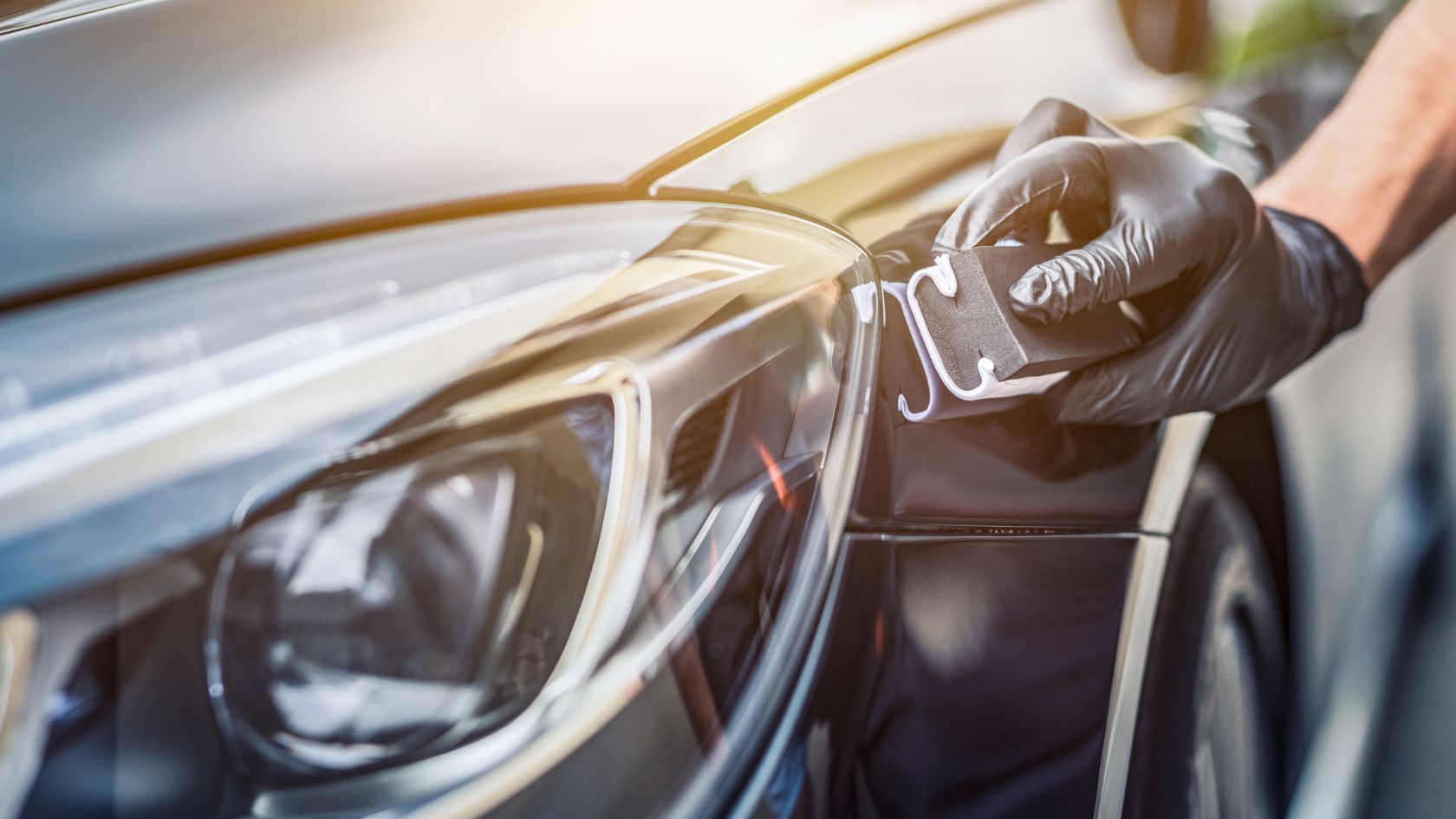
Wondering why are car care products important. Cars are a reflection of our style, personality, and passion for the open road. Just like we keep ourselves clean and in attractive condition keeping our vehicles in top-notch condition is also crucial. Normal washing and cleaning may not generate desired results. Doing it regularly could become tedious and tiresome. This is the reason car care products or auto detailing kits are invented. In this post, we will delve into the importance of car care products, discover the essential items a car care kit should have, the best car care kits, and more importantly how to choose the right car care kit. So, continue reading! A car care kit is a comprehensive set of products and tools designed to help you keep your vehicle clean and well-maintained. A car care kit typically includes a range of items curated to address various aspects of car maintenance, cleaning, and protection. Some of the common products included in a car care kit are cash wash soap/shampoo, detailing sprays, wax or sealants, glass cleaners, tire cleaners, interior cleaners, microfiber towels, brushes, and miscellaneous applicators. Car care products play a pivotal role in not just cleaning but maintaining and enhancing the beauty, performance, and longevity of our beloved vehicles. A car care kit contains products related to improving and maintaining the appearance of a vehicle. The cleaners, liquids, and waxes are important to protect your vehicle’s outer and inner appearance from dirt, grime, UV rays, oxidation, and fading of the paint. Secondly, car care products contribute to the overall durability of your vehicle. The kit also includes rust inhibitors, paint sealants, and leather conditioners that are necessary to safeguard various components from deterioration, corrosion, and cracking. Moreover, window/glass cleaning substances help in keeping the visibility clean from streaks and smudges improving your driving experience and reducing the risks of accidents. In a nutshell, car care products are important to preserve appearance, protect against damage, and promote safety. A well-maintained car reflects your attention to detail and personal style which is also an instrumental component to selling your car in the future. As an Amazon Associate, we may earn a small commission if you purchase any product by clicking the link without any additional cost to you. Chemical Guys HOL126 14-piece Arsenal Kit Chemical Guys is a renowned brand in the car care industry. It has consistently produced many products in the auto detailing segment and each one of them has established its authority among many car enthusiasts. One such product is this HOL126 14-piece Arsenal kit. It comes with a Foam Gun which is praised by many users for its usability. It hooks up to any standard hose, eliminating the need for additional tools or machines. The foamy cleaning experience is not only effective but enjoyable for the entire family. The comprehensive collection of car wash supplies included in the kit covers everything you need to clean and maintain a beautiful shine on your car. It includes essential products like Diablo Wheel Gel, Signature Glass Cleaner, Butter Wet Wax, Honeydew Snow Foam, and Silk Shine Dressing along with handy tools in the form of Microfiber Wash Mitt, Short Handle Brush, and a very practical Bucket to perform the cleaning. When you consider the individual prices of all the pieces included, you’ll quickly realize that the tool value exceeds the asking price. In practicality, Chemical Guys HOL126 14-piece Arsenal Kit is a must-have product for car cleaning and detailing enthusiasts who want outstanding results, great value for money, and above all effortless usage. Armor All Ultimate Car Detailing Kit When it comes to trusted brands for car care kits, Armor definitely stands out. Armor All Ultimate Car Detailing Kit includes essential car cleaning supplies like a car wash pad, car wash towels, and the Armor All Original protectant spray. The items that stand apart are the Armor All Extreme Shield Plus Ceramic glass cleaner, car wash, and wheel and tire cleaner. The dirt-repelling technology of all these products is a game-changer. These liquids are instrumental in creating a barrier between the surface of the car and dirt and grime. Not only cleaning and protecting but the kit also delivers fantastic results. The spray leaves a nice and clean shine on the interior surfaces, while the glass cleaner ensures streak-free windows. As a user, you will love using the tire cleaning solution of this kit. However, the kit doesn’t offer a foam gun which is a convenient and time-saving item for cleaning. You will have to fulfill the shortcomings of a foam gun with wash mitts and microfiber cloths. Meguiar’s Complete Car Care Kit When it comes to keeping the exterior of your car clean and shiny, this Meguiar’s Complete Car Care Kit has you covered. It includes a 16 oz bottle of Gold Class Car Wash Shampoo and Conditioner, which not only cleans but also conditions the paint, leaving it looking vibrant and lustrous. The Gold Class Carnauba Plus Liquid Wax provides a protective barrier and enhances the shine, while the Endurance Tire Gel keeps your tires looking fresh and glossy. What sets this kit apart is its attention to detail when it comes to paint care. It includes two 50-gram clay bars and ScratchX car scratch remover, allowing you to remove contaminants and pesky scratches, restoring the smoothness and clarity of your paint. And for clear plastics, the PlastX Clear Plastic Cleaner and Polish work wonders in rejuvenating and optimizing their appearance. The Quik Interior Detailer car cleaner included in this kit is a game-changer. It cleans and freshens up your interior surfaces, leaving them looking fantastic. From dashboards to seats, it’s a reliable companion for keeping the inside of your car in top condition. To make your car cleaning experience even better, Meguiar’s has included essential accessories. You’ll find a microfiber towel, a foam applicator pad for car polish, and a microfiber wash mitt. These accessories ensure you have the right tools for the job and

Can salt and saliva break car glass? Myth busted
Can salt and saliva break car glass? Search this question online and you will undoubtedly find a video demonstrating how anyone can achieve this feat. But is it really true? Is the combination of salt and saliva effective enough to break car glass? Well, the answers to these questions have already been debated and most experts deny any involvement of salt in breaking the car glass. In this post, we will disclose the facts and myths about breaking car glass and whether you actually need salt and saliva to do it. It is true that salt can be abrasive and saliva contains enzymes that may help in breaking down the car glass but not to the extent of shattering it completely. The combination of salt and saliva isn’t powerful enough to shatter car window glasses that are designed to withstand a significant amount of force and pressure. To break a tempered glass the tensile region under the top surface of compression should be penetrated with a force that cannot be generated by just salt and saliva. Unless you really have a piece of salt big enough that is thrown with high acceleration you won’t be able to achieve desired results of breaking a car glass. So, what happens if you are caught in an emergency and left with no choice but to come out of the vehicle breaking the car window? One of the best and possible ways to do it is using an emergency escape tool. A car window-breaking hammer is specifically designed to break car windows in emergency situations. Such tools are cost-effective and very competent to shatter windows with ease. In case, you don’t have an emergency escape tool there are several methods like using your feet and other metal parts available in a vehicle to break the window. Out of these, there is another effective and reliable technique that can be used with the help of a spark plug. To execute this technique, access to a spark plug is necessary. If you are trapped inside a car it would be difficult to find the spark plug since it is located under the hood. If you have a spare spark plug unit inside the car or you are trying to open a locked car from outside with no access to the key then try this method: The ceramic fragments or porcelain of a spark plug are very effective in breaking glass windows. Here is a video that demonstrates the process of using spark plug ceramic to shatter the car window: It is highly unlikely that salt and saliva alone can break car glass. The information and videos available online about breaking a car glass/window with the combination of salt and saliva seem misleading. Both the ingredients are not reliable and effective enough to crack the window however the substances if mixed with spark plug ceramics have been found impactful on car glasses. Breaking car glass with salt and saliva is more of a gimmick than reality. There is no proof that such methods have been successful. When it comes to emergency situations, it is always recommended to rely on approved safety tools like window breakers/hammers or seek professional assistance to escape from the car safely.
What is the button on a car seat belt for?
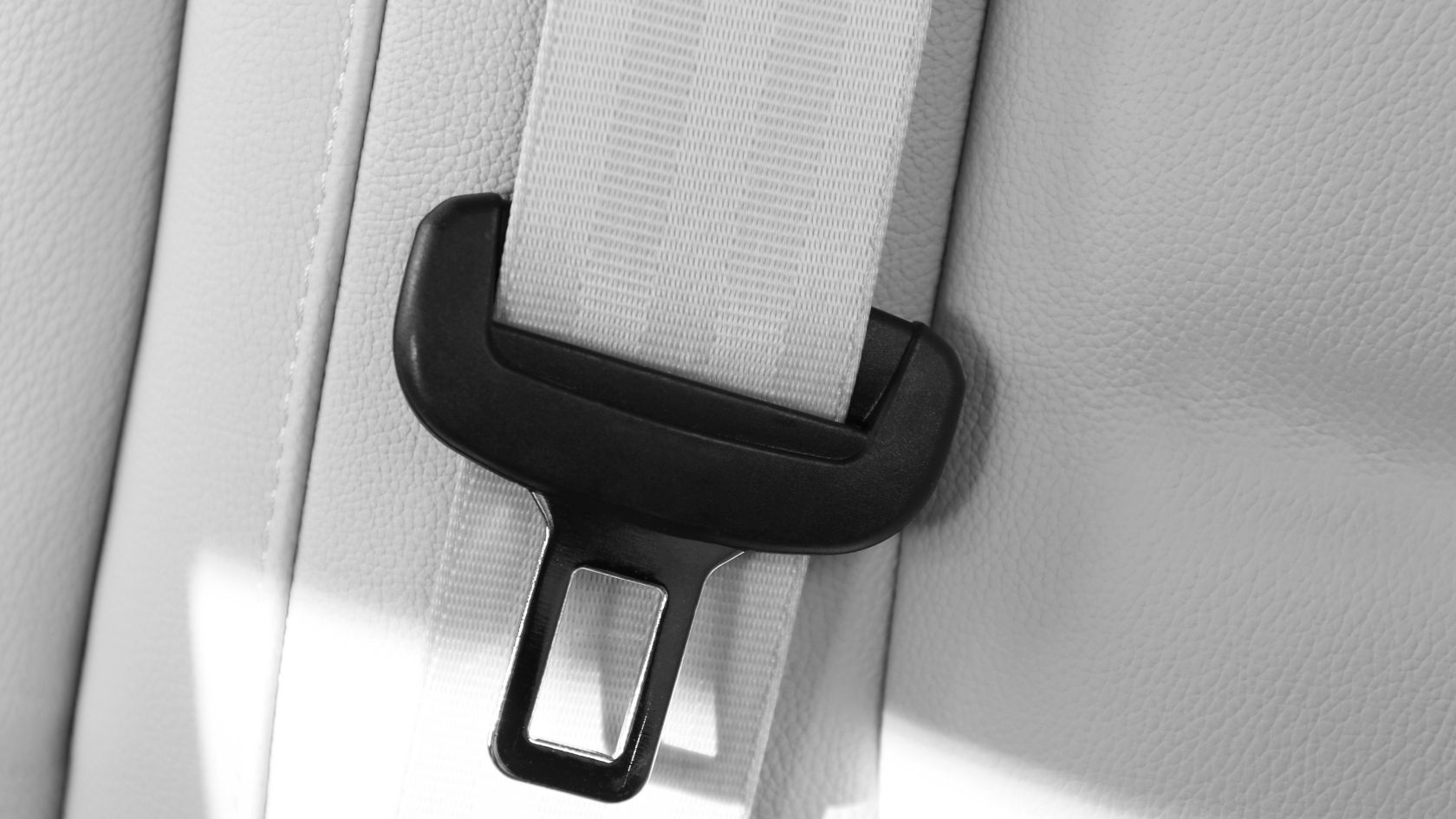
Seat belts are one of the most effective safety features in a car. The design of this crucial component consists of various safety features and one of them is often noticed as a button. So, what is the button on a car seat belt for? Is it related to the functionality of seat belts or just for the sake of attraction? What are the benefits of having a button on car seat belts? In this article, you will find answers to the above questions and more importantly the significance of the car seat belt button. The seat belt button on a car seat belt is actually a seat belt buckle stopper. Such buttons restrict the movement of seat belt buckles from falling or sliding down too low. With this button, the buckle or latchplate remains positioned at the same location on a seat belt avoiding inconvenience for passengers to search and retrieve the buckle repeatedly. The absence of this button doesn’t have any significant impact while traveling but having it does provide comfort and facilitate easier reach to wearing seat belts. The main purpose of a car seat belt button is to stop the movement of the buckle from falling/sliding downwards when the seat belt is not in use. Without the seat belt button, the driver and passengers will have to find the buckle and slide it up to a position where they can pull the seat belt and lock it. This could be time-consuming and demand some effort every time you enter the car. Secondly, with the seat belt buckle sliding down it becomes difficult to pull the seat belt which often gets stuck and needs re-adjustment for proper usage. On the flip side, a loosely sliding buckle could come in contact with other components and materials of car seats which could be risky and damaging. Some of the crucial benefits of a seat belt button/stopper are they are easy to install, very cost-effective and cheap, can be reused on multiple seat belts/vehicles, and more importantly remain a very practical component for a long-lasting seat belt buckle. When you find your seat belt button/stopper broken or damaged purchase a separate unit from a relevant online platform or an automobile store. Once you have found the one that suits your vehicle requirement, follow the below steps to install it: Here is a quick video showing how to install a seat belt stopper using another method to make a hole: The seat belt button or a stopper is a small yet effective device that offers convenience, comfort, and improved safety by preventing the seat belt buckle from falling down to the floor. These round buttons with pins are inserted into the seat belt with ease and remain helpful in enhancing the convenience of holding the seat belt buckle to its place. With the presence of such a button, car occupants no longer have to search or struggle to reach the buckle for fastening the seat belt. The button is very useful in saving time and effort when wearing a seat belt so ensure that your seat belts remain equipped with such a device.

Why are car seat belts designed to stretch in a collision?
Car seat belts are a vital safety feature in vehicles and it is a proven fact that their stretchable design is helpful in saving lots of lives on the road. But, why are car seat belts designed to stretch in a collision and not while driving? In this post, we will explore the reasons for car seat belts’ stretchability and understand their significant role in mitigating injuries and safeguarding passengers. Car seat belts are designed to stretch in a collision mainly to decelerate the passenger’s movement. The stretching characteristic of a seat belt is helpful in reducing the forceful impact on the body preventing risks and injuries. The stretchable design of seat belts also prevents collision with the interior parts of a vehicle, balances the load distribution of a body, restrains individuals according to their physicality, and improves comfort while driving. The stretching design of car seat belts strikes a delicate balance between occupant safety, comfort, and effective restraint in collision scenarios. Related Read: Why do seat belts get stuck? Here are the 5 main reasons why car seat belts are designed with stretchable components: Reduces the risk of injury and death In an event of a collision, the impactful force of sudden vehicle deceleration can push the driver and passengers forward. This rapid movement and fall pose dangerous risks of injuries and even death in some cases. The stretchable design of car seat belts can slow down the deceleration of the vehicle allowing the occupants to gradually come to a stop rather than abruptly stopping. When the car decelerates suddenly, the seat belt stretches, which increases the amount of time it takes for the occupant to come to a complete stop. This reduces the amount of force the occupant experiences and helps prevent and reduce the risk of injuries and death. Prevent collision with the interior parts When the seat belt stretches with accumulated speed and balanced movement it helps prevent collision with the interior parts of a vehicle. Because of the stretchable design, seat belts consume the force of a collision and distribute it more evenly across the wearer’s body. Seat belt webbing, and locking mechanisms also play a crucial role in restraining the occupants from colliding with the vehicle’s interior components. Energy absorption and load distribution When a vehicle collides, there is a rapid deceleration subjecting its occupants to a high level of force. Because of the stretching capability, seat belts absorb and dissipate some of the forcing energy by elongating and decelerating the passenger’s movement gradually. The energy absorption element is one of the main reasons to reduce the amount of force applied to any one area of the body. Instead of concentrating all the force on a specific point of contact, such as the chest or shoulders, the stretching action spreads the load over a wider surface area thus minimizing injuries and reducing the likelihood of fractures or internal damage. Controlled restraint movement Deceleration forces may show different effects on different individuals. The shape and size matter when it comes to tolerating the collision impact and this is why the stretching feature of seat belts comes in handy. The seat belt’s ability to stretch slightly ensures that the restraint force is applied gradually and in a controlled manner accommodating various sizes and body types. The optimal level of restraint is very effective in reducing the impacts of deceleration forces and prevents major injuries. Improves comfort and driving experience The controlled restraint movement is also helpful in improved comfort and a better driving experience. The stretchable elasticity in seat belts allows body movements naturally, making driving more comfortable for drivers and passengers. Not only protection but occupants can easily adjust their seating positions or reach for objects within the vehicle effortlessly. Such features and comfort encourage regular seat belt usage, as people are more likely to buckle up if they find it pleasant and non-restrictive. There is no doubt that seat belts are designed to stretch and provide the above 5 main advantages. However, the stretchable facility offers many more benefits and as per the experts, the elongation capabilities with some limitations prevented many motorists from being ejected from the vehicle during collisions or accidents. This has really saved many lives and prevented vehicle owners from major physical injuries and damage. The maximum force a car seat belt can hold varies depending on the make and model of the car. The specific force a seat can hold also depends on the standards and requirements of regulatory bodies in different regions. However, most seat belts are regulated to meet safety standards that require them to withstand a force of 3000-5000 pounds. Click here to know detailed physics behind the seat belt’s stretchable design and the force it can hold. The stretchable design of a car seat belt is purposely crafted for several important reasons that prioritize vehicle occupant safety. The most important factor is reducing the impact of sudden deceleration of a vehicle during the collision. It not only protects the person wearing a seat belt but also the surroundings and internal objects of a vehicle cabin from getting damaged. Additionally, the stretching design enhances comfort during normal driving conditions, as well as applies necessary and effective pressure to mitigate injuries. Overall, the stretchable design is a very valuable and encouraging feature and every vehicle owner should wear seat belts not only as part of a regulatory requirement but for their own safety.
What makes car batteries explode? 9 Causes and preventions
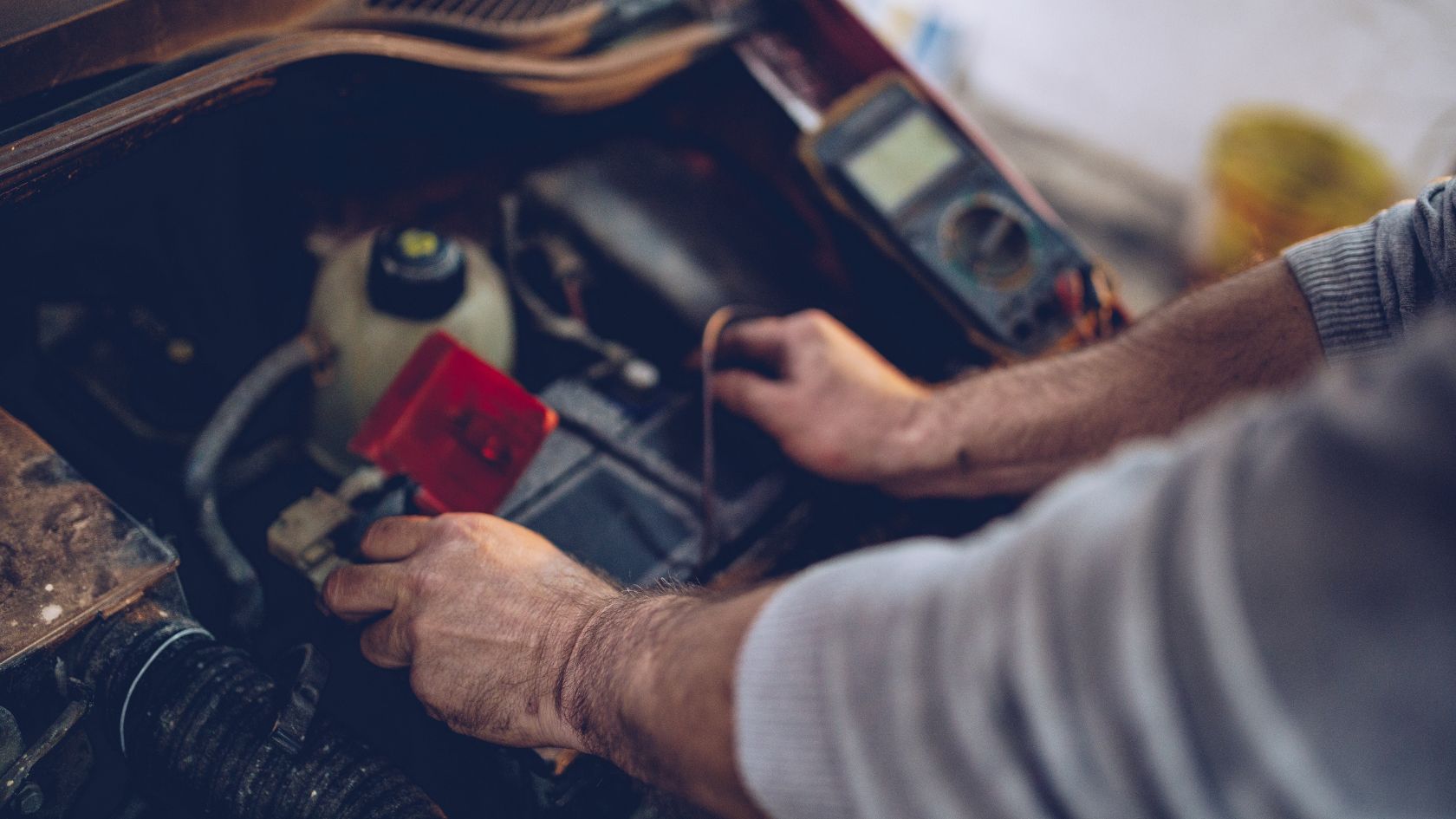
Have you been at the receiving end of a car battery explosion? Do you want to know what makes car batteries explode? If yes, then this is the post to read! In this post, I will tell you the causes of car battery explosions and the precautions one must practice to avoid long-term damage to the battery and vehicle. A car battery can explode for various reasons and factors prone to human errors and technical faults in the vehicle’s electrical system. Overcharging and extreme temperatures are the main contributors to car battery explosions. Some of the other causes include but not limited to are short circuits, loose or dirty battery terminals, clogged vent holes or plugs, bad regulators, physical damages, car crashes, etc. The causes are too many but to prevent a car battery from exploding it takes simple monitoring and maintenance steps which we will cover below. Automobile batteries are a combination of water and sulfuric acid which is technically called an electrolyte. This electrolysis process generates hydrogen gases inside car batteries. When the battery reaches a stage of overcharging the electrolysis process can cause water to break down its elements i.e. hydrogen and oxygen leading to an increased amount of hydrogen gases. A car battery is surrounded by various igniting sources and elements that can raise sparks which may turn into flames when they come in contact with hydrogen gases. In addition to the hydrogen gas, overcharging can also cause the lead plates of a battery to warp, buckle, or melt thereby damaging its overall structure. If the battery is left charging for too long at a higher speed, the chances of flames can cause sudden explosions that could be violent and harmful. The reason behind overcharging can be a human error. Since the process of charging takes long people tend to leave their vehicles on charge for the full night or just forget to disconnect the charger. Overcharging is often blamed on chargers as well. Incorrect voltage levels and amperage ratings of a charger can lead to wrong anticipations resulting in excessive charging. Moreover, the charger itself could be the main culprit for overcharging due to its faulty elements and poor charging functionalities. On the other hand, the wrong connection of the jumper cable could also cause short circuits leading to battery explosion. It is important to invest in good-quality chargers/jumper cables, plan the charging schedule, monitor the proceedings, and more importantly follow the manufacturer’s instructions for charging a car battery to avoid the risk of overcharging and explosions. Weather conditions cannot be avoided in car battery explosions. As a matter of fact, extreme heat and freezing cold temperatures have been at the forefront of damaging car batteries. Coming back to the electrolysis process, when the climate is extremely cold the mixture of sulfuric acid and water freezes. The thickening of these fluids makes it harder for the battery to produce electricity. Freezing is quite common in older batteries especially if they have crossed their age limit. Secondly, extremely cold temperatures cause the chemical reactions of a car battery to slow down making it lose charge quickly. The hardening of fluids and the impact of chemical reactions could damage the internal components of a car battery. In such a situation it would be difficult for a car to start and if someone attempts to start it there could be visible sparks due to hydrogen gases released by the battery. These sparks or flames could ignite an explosion if it comes in contact with another flammable component like cigarette smoke. Eventually, if the frozen battery is connected to a charger it can potentially explode due to the level of hydrogen buildup inside the battery casing. To avoid the impacts of cold temperatures it is important to keep a car battery fully charged. Make the effort to park your car in a garage or a sheltered area so that it remains protected from the cold weather. Leave the car engine running for a while before you begin your journey. Moreover, keep charging equipment’s such as a battery charger/jumper cable in your car to handle dead battery situations. Extreme heat is another instance of car battery failure or explosion. When car batteries are exposed to high temperatures the chemical reaction can accelerate causing the electrolyte fluids to evaporate faster. The evaporation process leads to corrosion instrumental in damaging or cracking the battery casing and components. Hot weather can also lead to overheating of battery components. The temperature itself is a major cause of concern that builds up internal pressure inside the battery. This can again rupture the casing and other elements of a battery causing fire and explosion. It is therefore important to cover your vehicle as much as possible by parking it under the shade in hot weather. Essentially, ensure regular inspection and timely maintenance of the car battery to ensure its holding potential of charging and enhanced lifespan. Dirty posts and cables are a result of improper maintenance. Batteries are bound to catch corrosion and rust on the terminals and surrounding cables if no maintenance is performed for a long time or simply because the battery has gone too old. The dirt and corrosion are responsible factors for improper connection with the electrical flow which eventually leads to arcing. A similar situation can occur if battery terminals are loosened or arced causing increased levels of hydrogen gases. Both scenarios carry the risk of sparks and explosions if hydrogen gas is exposed to flammable substances. Moreover, when batteries with dirty posts are charged it can cause severe damage to the internal components due to available hydrogen gases impacting its performance. As a precautionary measure, always monitor the condition of battery posts and cables. Ensure to perform regular cleaning and substantiate the ventilation of hydrogen gases to avoid an explosion. Clogging or blockage in vent holes and plugs raises ventilation issues that can lead to car battery explosion. If the battery vents or plugs are clogged due to dirt,