
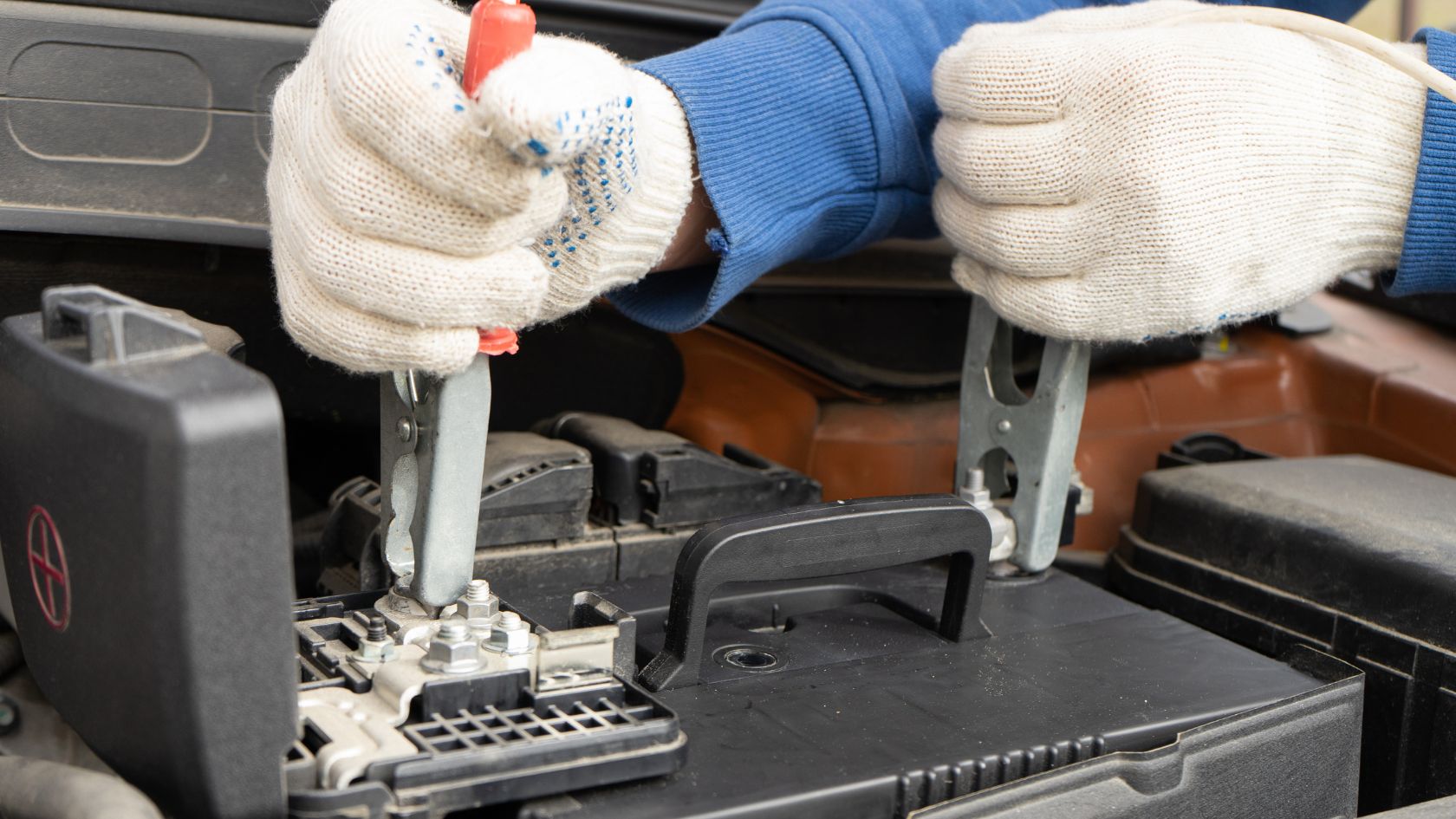
So, what does it mean when jumper cables catch fire? Have you been at the receiving end lately? Is the cable, battery, or both responsible for the firing mess? Jumper cable catching fire isn’t a rare scenario. In fact, it is pretty common to see mild sparks whenever you try to jump-start a vehicle. The intensity of sparks increases with various factors that can lead jumper cables to get hot, melt, and even catch fire in some cases. Causes of jumper cables fire and their preventions are what you will find in this post so, keep reading! Jumper cable fire is often related to the condition of the battery you are trying to jump-start. A battery that is severely damaged, or corroded releases flammable and explosive elements that can lead to a jumper cable fire. Some of the other reasons attributed to jumper cable fire are wrong connections, overloading, unbalanced battery combinations, and inferior quality of wires. Jumper cable catching fire does not necessarily mean the whole vehicle catching fire but, yes it can lead to serious consequences on other related parts dependent on the battery. Notwithstanding the fact and importance of jumper cables, it becomes vital to understand the circumstances of jump-starting a vehicle especially if you are new to the process. A battery that is extensively damaged in the sense already completed its lifespan or aggressively used without maintenance itself is a risky object from jump-starting perspective. The elements contained by car batteries have the potential to ignite fire as soon as it comes in contact with another electrical conductor. In this case, the jumper cables cause immediate sparks when connected to a weak battery. Sulfuric acid is a steamy vapor released by car batteries through vents that converts into flames due to jumper cable connection sparks. It is therefore important to keep the battery well-maintained. Car batteries take charging power from an alternator to keep all the electrical components of a car active. This does not mean getting complacent and always leaving the accessories and other parts ‘on’ when turning off the engine. Such an act is a major cause of concern for premature exhaustion of car batteries. In the absence of proper maintenance, the condition of such batteries worsen and does not favor recharging. An attempt to jump-start your vehicle under these circumstances could be risky and may further damage the battery and its associated components as well. A replacement could be a better option so, instead of attempting a jump-start process it is better to get your car battery inspected by professionals and follow their advice. Corrosion on battery terminals is dangerous not only for the battery itself but also for the jumper cables. There is no denying the fact that corroded battery terminals could potentially cause jumper cables to catch fire. This is because long-term corrosion or thick dirt could interrupt the current flow between the battery and cable wires. When the passing of current is impeded it could lead to dangerous sparks damaging the battery and other parts of the vehicle. Hence, proper cleaning of battery terminals is necessary before applying jumper cable connections. Jumper cables come in various sizes and power-resistant capabilities and as against the myth, all of them are not the same. Overloading of a jumper cable scenario is possible and evident if you use bare jumper cables with lower gauge/amps on a larger battery. Vehicle owners who hardly faced bad battery situations may unknowingly create an overloading scenario. A small-size hatchback and a big SUV may not have the same voltage batteries. So, if a 12 volts battery is connected with a 24 volts battery (as an example) that too on a set of weaker jumper cables it can create a fiery situation. A short circuit is bound to happen that can damage the overall structure of jumper cables. This can result in overheating, melting and finally smoking of jumper cables. It is always important to know the process of jump-starting not only in terms of steps but also the capacity of batteries and jumper cable charging limitations. Inferior quality jumper cables are always risky and vulnerable to catching fire quickly. Solid copper metal should be part of every jumper cable to conduct electricity efficiently. Another factor is the thickness of wires which are also called gauge. An average of 4-6 gauges should be conducive to handling the transferring voltage pressure. Jumper cables should also be powerful insulators. The insulation capacity should match the thickness of wires as well as clamps/handles that ensure flexibility, durability, and functionality. When jumper cables fall short on any of the above qualities, the chances of sparks and fire increase significantly. This is due to their inability to take the load and handle amps while transmitting the power between two batteries. It is imperative to research and take proper guidance before purchasing a final product. Cheaply valued cables can lead to long-term expenses on battery replacement and vehicle repairs. Secondly, inferiority is not limited to a new set of cables. Storage and maintenance are two other factors that contribute to the weakening and damage of all types of jumper cables (old or new). Related Read: Are jumper cables for car batteries waterproof? With time and usage jumper cables are prone to damage. Depending on the storage location and weather conditions, the metal portion of cables could catch rusting and corrosion. The clamps and insulators are vulnerable to wear and tear and could break if not taken care of. If you find your jumper cables in helpless conditions it is better to replace them with new ones rather than using them for jump-starting which could be unsafe and hazardous. One of the common mistakes every type of car owner makes is the improper connection of jumper cables. Regardless of the knowledge and experience, there are instances of cables and cars catching fire due to negligent positioning and connection of wires. It is a simple human error that leads to dangerous consequences so in case

Is it safe to charge a motorcycle battery indoors?
A motorcycle standing idle for an extended period of time may leave its battery powerless. Often, motorcyclists opt to perform the charging process indoors to save themselves and their bikes from inclement weather. But is it safe to charge a motorcycle battery indoors? What are the risks associated with indoor charging and what is the correct method to charge a motorcycle battery indoors? You will find answers to these questions in this post. There is more information regarding motorcycle battery charging so continue reading till the end. Yes, it is safe to charge a motorcycle battery indoors provided you follow the proper processes and take the necessary precautions to avoid risks associated with indoor charging. It also depends on the method you follow for charging. Some motorcyclists remove the battery and keep it on charge and some connect the charger to the battery on the motorcycle itself. Either way, you have to take certain considerations into account before commencing the charging process. Some of the factors that need attention while charging are the type of charger you use, the condition of the battery, the ventilation options, and the outside temperature. To make the indoor charging process risk-free it is important to know the… Harmful gases – The release of hydrogen gases are quite common while charging motorcycle batteries. An automotive battery is designed to generate hydrogen and oxygen gases as part of an evaporation process due to sulfuric acid and water chemical reactions. There is a risk of inhaling these harmful gases in an enclosed space while charging. Since the charging process takes longer the effects of harmful gases could be dangerous to your health. It is best to charge the battery in a well-ventilated area especially a garage with a door/window open. This will ensure the gases are evaporated further through the ventilation space making your charging effort risk-free. The risk of harmful gases is negligible if your motorcycle is equipped with sealed gel or maintenance-free batteries. Fire risk – Harmful gases around a motorcycle battery are highly flammable. The risk of fire is inevitable when these gases come in contact with other ignitable sources such as a cigarette spark. If you are using an indoor space close to the kitchen for charging the risk of fire increases tremendously. On top of that, if you use a low-quality battery charger on a fully drained or dead battery it can create sparks that could lead to a potentially dangerous situation while charging indoors. Overcharging – A low-quality battery charger also means that you have to monitor the charging process till the battery is fully charged. There are no alerts, indications, or alarms that will automatically save your battery from overcharging. In the overcharging scenario, a motorcycle battery is overheated. The excess heat and sulfuric acid gases of a battery become sparking sources that could result in fire and explosion. After taking the risks into consideration if you still want to charge a motorcycle battery indoors then here are the precautions you must take before doing it: Ensure proper ventilation – Choose a place that is well-ventilated. Leave the windows or spaces open for proper ventilation. The buildup of gases and heat produced while charging will evaporate equally through ventilation sources reducing the risk of fire. Keep a fire extinguisher – The risk of fire is reduced with proper ventilation but not completely eliminated. Therefore it makes sense to keep a fire-fighting unit such as a fire extinguisher ready. Related Read: Best Motorcycle Fire Extinguisher In the event of any fire, a fire extinguisher will come in handy to protect your indoor place. Alternatively, remember the emergency numbers for dialing if you are not familiar with using a fire extinguisher. Use protective gear – Wear protective gear such as eyewear, hand gloves, and overall protective clothes while charging. An automotive battery contains highly flammable gases which may spill accidentally or negligently making you vulnerable to injuries, burns, etc. Ensure suitable weather conditions – If you are charging the battery indoors it is important to ensure proper ventilation. The weather outside should be suitable to allow ventilation as too much heat outside is not good for the health of your motorcycle battery. Hot temperatures increase the evaporation process of sulfuric acid and any attempt to charge the battery in such conditions brings sparks and fire into the picture. On the other hand, if the weather is too cold you may have to perform charging under closed doors which again is risky and dangerous due to lack of ventilation. Use dedicated charging units – Make use of the dedicated battery charges such as smart charges with advanced features. Battery charges that are specifically designed for charging will help reduce the risk of overcharging. Some chargers have an automated shut-off feature once the battery is fully charged so that you don’t have to monitor the charging manually. You can also find desulphurating chargers made to charge batteries that are completely dead. Then there are trickle chargers useful and risk-free to charge batteries in idle conditions. Make sure you know the process – Lastly, it all comes down to your knowledge and experience in charging automotive batteries. Some of the things you should be aware of while charging is: If you don’t know the process it is better to seek professional guidance before deciding on a place to charge the battery. Once you have taken all the precautions to avoid the risks of charging a motorcycle battery indoors here are the steps to perform the charging process: Here is a small video to help you understand the process of charging a motorcycle battery indoors using a trickle charger: You can charge a motorcycle battery in a connected position but it is not recommended. A motorcycle battery provides power to all the electrical components taking its own current from the alternator. Since it is interconnected with the motorcycle’s electrical system any sparks, or electrical hazards generated during the charge can damage all the associated
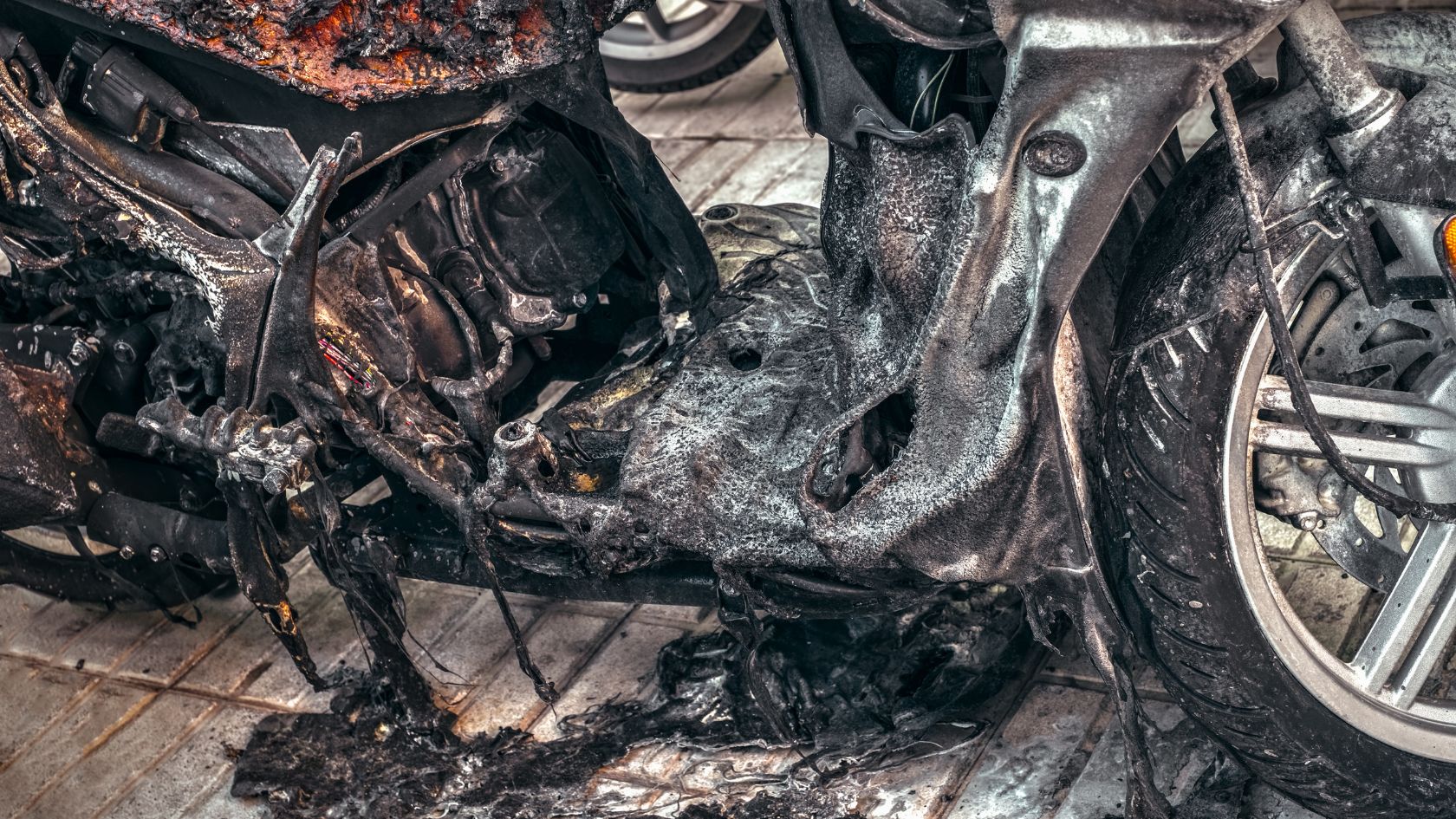
Can motorcycle batteries explode? 5 primary causes and solutions revealed
Motorcycle batteries are relatively smaller than car batteries but possess almost the same voltage power and functionality. A car battery explosion is quite common for various reasons. However, can a motorcycle battery explode for the same reasons as a car battery? Motorcycle batteries inherit the same substances and fluids used in an automotive battery which is shared across all types of vehicles. What makes them more dangerous is the position they are installed on a motorcycle which leaves very little scope for escape and survival in case they explode. It is therefore important to know the facts about motorcycle battery explosions, their causes, and preventions to make your ride safer and risk-free. Yes, motorcycle batteries can explode under certain conditions and reasons inclusive of human error and technical mal-functionalities. One of the main causes of motorcycle batteries exploding is overcharging. Some of the other reasons include the environmental conditions the batteries are used in and the ways they are handled and maintained. Low-quality charging instruments and accidents/clashes can also contribute to the causes of motorcycle battery explosions. Learning more about these causes will help you identify the problem early and take action proactively. Automotive batteries are prone to discharge with usage. The process to recharge the battery includes using a battery charger or jumper cables. Many motorists accidentally leave the battery on charging for too long which creates a risk of explosion. The electrolyte process in a battery which works on a combination of sulfuric acid and water releases vaporized particles in the air in the form of hydrogen gases. When the battery is overcharged it disturbs the electrolyte process breaking the water elements that increase the level of hydrogen gases. Overcharging also causes a battery structure to overheat which then begins to ignite sparks with the help of surrounding hydrogen gases. This is also called a thermal runaway process that is invoked while creating too much heat during charging. The overheating scenario is not limited to overcharging. A faulty electrical system of a motorcycle that is not functioning properly can generate too much heat while charging. The excessive build-up of heat and hydrogen gases leads to a potentially dangerous situation of battery explosion. To prevent a battery explosion due to overcharging proper scheduling and monitoring are necessary. On many occasions, motorcyclists tend to leave the battery charging for a long time. This should not be the case. It is better to plan the charging process well in advance. Ensure to take proper precautions of the surroundings where you are planning to charge. Secondly, keep the flammable items away from the motorcycle while charging. Lastly, ensure to monitor the proceedings of charging at regular intervals. Above all make sure the charger you are using is of good quality. Low-grade battery chargers heat up early and may explode before completing the charge also damaging the motorcycle battery. Very high temperatures are responsible for the premature degrading of motorcycle battery substances. When the Fahrenheit is too much to handle, the electrolyte process is unbalanced. The water is reduced and the concentration of sulfuric acid buildup is wide and thick. This leads to much faster evaporation of flammable gases in the air making the battery vulnerable to catching fire and eventually exploding. Similarly, cold temperatures have adverse effects on battery substances making them freeze quickly. The frozen liquid doesn’t allow the battery’s chemical reaction to function properly making the battery unusable. More often than not, motorcyclists find it difficult to start the engine in cold temperatures. This attempt of starting a motorcycle in freezing cold many times create sparks owing to chemical reaction and hydrogen gases. In some cases, sparks could blow up the battery with continuous efforts of starting the bike. To avoid battery explosions in challenging weather conditions it is crucial to protect the motorcycle by parking it under the shelter or garage. Secondly, keep a tab on the battery condition in hot weather. Make sure to test the voltage power regularly and charge it as soon as you find a drop in voltage. In cold temperatures, try to keep the motorcycle warmer by running the engine for a while. If the charging is down recharge the battery connecting to a charger and ensure the battery is good enough to hold the charge. If you are planning to take a trip in the cold or hot weather protect yourself with proper clothing and carry the necessary charging units with you to counter any motorcycle battery issues. Jump-starting a motorcycle is quite evident when you travel in testing environmental conditions which makes a battery loses its charge quickly. Jump-starting a bike is very effective in boosting the motorcycle if done correctly. However, improper cable connections, faulty jumper cables, unsuitable charging conditions, and non-compatible donor vehicles could pose a risk of fire and explosion. Whenever you face a jumpstarting situation ensure to keep the following points in mind: A short circuit is another cause of concern that arises frequently in hot or cold weather conditions. Any shorts appearing due to overheating in the electrical system could enhance the current flow leaving the battery charge-less. When the battery is low on charge it gets heated up quickly with continuous usage. The sparks and explosion could be the end result of short circuits and overheating of motorcycle batteries. It is sensible to avoid using a motorcycle in unsuitable weather conditions. However, if the need arises ensure to take short intervals while traveling to keep the motorcycle battery and other parts under control. When a motorcycle is severely clashed with another vehicle or falls on the road the damage could be beyond imagination. One particular victim of motorcycle accidents is batteries. Clashes and accidents make the motorcycle parts vulnerable to catching fire and when a motorcycle battery comes in contact with such fire it can potentially explode. While you can’t do much in such a situation like this except save yourself first it is always better to keep the battery well-maintained and protected in a

What happens if you put a motorcycle battery backward (position)?
Do you have a nick of playing with your motorcycle battery? If yes, I am sure you must have faced instances of misplacing or wrong positioning of the battery. So, what happens if you put a motorcycle battery in a backward position? This is the main topic we will cover in this post. Additionally, you will also learn about the steps to take after performing this silly act and what is the correct way to place the battery on a motorcycle if you want to continue doing it yourself. We will also answer some of the common questions related to motorcycle batteries so continue reading! If you put a motorcycle battery in a backward position it could potentially damage the battery and cause many other issues to your bike’s electrical system. Some of the causes include sparks, short circuits to the main fuse (s), and a significant impact on the engine control unit. If you don’t know how to position and install a battery on a motorcycle it is better to take help from a two-wheeler mechanic. However, if you have done this act accidentally or purposely then be ready to witness…. There will be clear sparks when the battery is positioned incorrectly. In the backward position, the battery terminals are completely reversed making it vulnerable to sparks and explosions. The reverse order of the positive and negative terminals can create a short circuit leading to sparks. These sparks can turn into a potential fire if the metal frame and other nearby parts of the motorcycle come in contact with each other. Damage to the electrical components such as the ignition system, charging system, and other electronics relying on the battery is inevitable. This is due to the reverse order of battery terminals that also reverses the current flow resulting in damage to the entire electrical system. The main fuse of the battery is the first victim of reverse polarity. The fuse is mainly located near the battery terminals which gets burned if the battery is installed in a backward position. Your motorcycle won’t start with the fuse damaged due to the short circuit created by the reversed position of the battery. In all likelihood, the engine control unit/module of a motorcycle may also get impacted due to the backward connection of the battery. The electrical issues and short circuits are capable of damaging the whole ECU which means malfunctioning or failure of many components such as capacitors, resistors, fuel injectors, ignition timing, etc. Lastly, the battery itself may not survive its structure if it is connected in reverse polarity. The internal components of a battery may get overheated releasing toxic fumes which can be dangerous to handle. In some cases, the battery may even explode. If you realize the incorrect position of your motorcycle battery it is essential to take some steps immediately to avoid the above-mentioned damages. Removal of battery – Disconnect the battery and remove it to check the signs of any damages or mal-functionality. When you do this ensure to take proper precautions like wearing gloves, etc. to protect yourself from electrical hazards. Inspect the battery – Check the battery all around to find the signs of any damage. Look for melting, deformation, or leakage points. If there are any abnormalities found do not attempt to connect it again. Check the fuses – Wrong connection definitely affects the fuses of a battery. Inspect the condition of fuses to see if they are blown or still working. If the fuses are blown it is necessary to use a spare one or replace them before connecting the battery. Reconnect the battery – If the battery is found to be in normal condition you can re-attempt to install the battery with the correct polarities. Make sure to double-check the position of terminals and the connection of wires. Test the electrical components – Start the motorcycle to test the electrical system and everything else is functioning properly. Ensure the starting sound is normal, and check the headlights, signals, and other electrical components are working correctly. Seek professional help – If you are not sure of the process to disconnect and re-install the battery it’s best to seek professional help. If you have re-installed the battery yourself it is still recommended to get the connection confirmed by a motorcycle professional to ensure the battery and motorcycle are safe to ride again. If you are looking to install a motorcycle battery yourself but don’t know the correct way to do it here are the basic steps to follow: Here is a small video to help you understand the process of installing a motorcycle battery correctly – Using jumper cables on a reversed position motorcycle battery can create a short circuit leading to larger sparks. Related Read: Jumper cable sparks when connecting The preceding damage from the sparks could lead to the malfunctioning of the battery, electrical system, and many other associated parts depending on the electrical flow. In some cases, the sparks can turn into potential fire frying up the whole motorcycle. Fixing a battery that has reversed polarity is possible but not recommended. Doing this could further damage the battery components and may lead to dangerous consequences for the person doing it. Still, depending on the severity of damage and duration passed in reversed position a battery can be tried for fixation. Here are some steps you can attempt to fix a reversed polarity battery: A motorcycle battery installed in a backward position is always dangerous and risky from a riding perspective. Such position of batteries reverses the flow of current damaging the battery itself and many other parts of a motorcycle. The effects of reversed polarity can corrupt the whole electrical system of a motorcycle making it useless to ride. If you are not sure about installing or replacing a battery on a motorcycle it is better to get it done under professional guidance. If you have installed the battery in reversed order accidentally then follow the information and
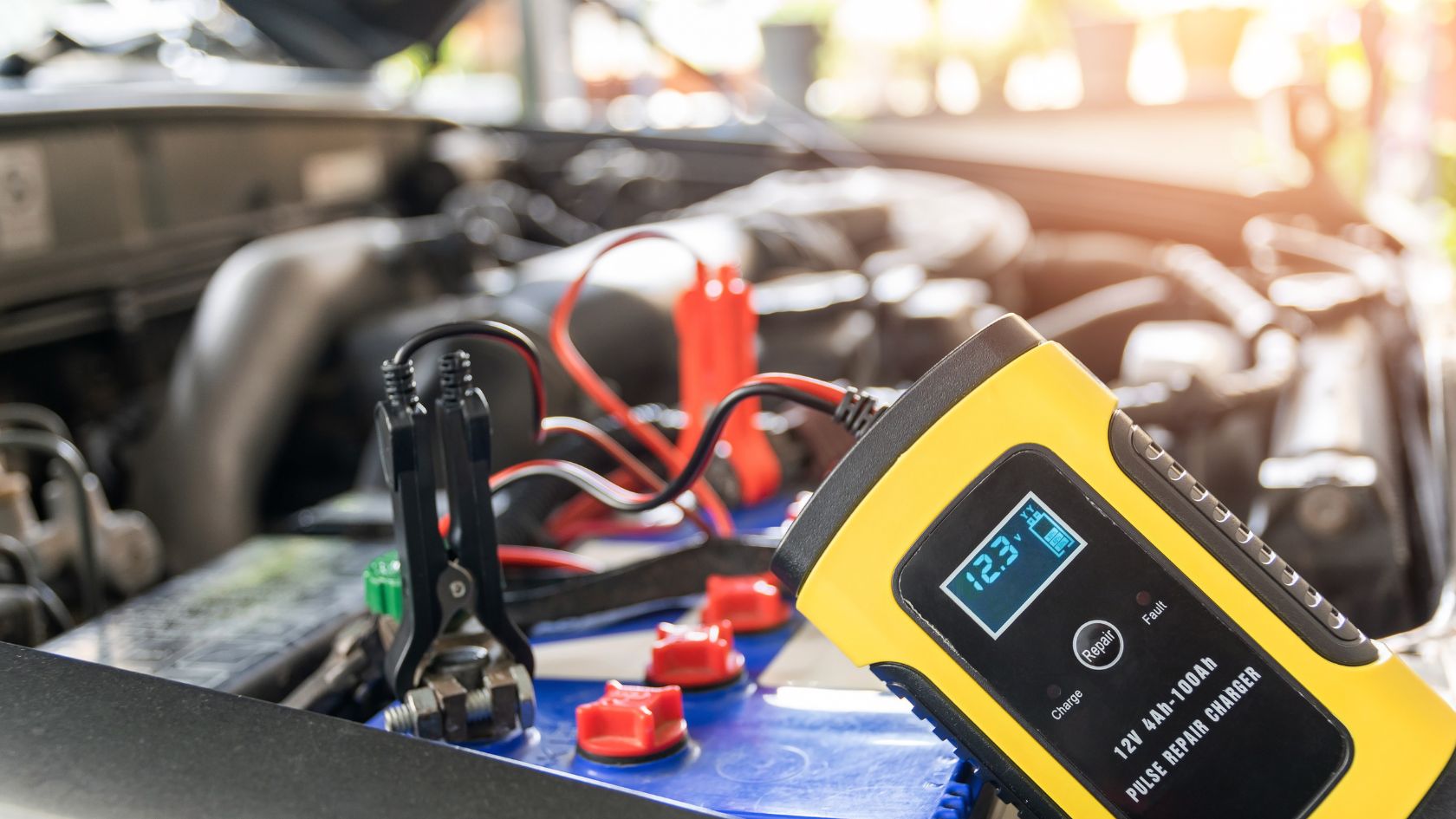
Jumpstart a car with household items: 3 effective ways found!
Are you looking to jump-start a car with household items? If yes, that means you don’t have enough money to buy conventional charging equipments or maybe you have too much time to experiment with unorthodox methods for charging a car battery. Trying to jump-start a car with household items is possible but risky. You will find some information on using a few equipments to charge your car battery which we will cover in this post. However, more than the benefits we will equally cover the drawbacks and risks involved in using such equipment’s. Related Read: Does a car battery charge itself while driving? Yes, you can jump-start a car with some household electrical items as well as through miscellaneous ways that include a bit of physical effort and some luck. Electrical household items in contention for jump-starting a car battery cover different types of batteries and chargers used for domestic purposes. Technically, you can also try age-old ways of pushing and starting a vehicle with a dead battery using the clutch and gear knobs. While some of these methods are effective in recharging the car battery the success is not without the risks and physical damages that occur during implementation. The creativity to jump-start a car with items other than a battery charger or jumper cables is only advisable if you are caught in a helpless situation without any choice. A laptop charger is one of the first alternatives to charge a car battery which can be found in any household. Generally, most laptop chargers are around 15 volts and that is what you need as a minimum requirement from a voltage perspective. Secondly, it should be a direct current (DC) power supply unit which of course all laptop chargers are. The power supply and volts criterion should remain standard across any item you want to use as an alternative charging unit. Along with the charger, you will need a small incandescent light bulb to balance the excess difference of volts between the battery and charger. You will also need three small wires for battery terminal connections and a multimeter/voltmeter to measure the charging. Once all the things are organized follow the below steps to recharge the battery with a laptop charger: Here is the complete video that will help you understand the charging process visually: The downside of using a laptop charger is it may take quite long maybe hours to charge the battery to its full capacity in case it was fully discharged. This means keeping the vehicle connected overnight or the whole day with continuous monitoring to get it moving. This process also requires the use of different equipment’s which can be avoided with jumper cables. Secondly, not everyone is used to soldering and connecting wires correctly to the sensitive points of battery terminals, bulbs, and laptop chargers. This can make the process more challenging and risky. More importantly, using a laptop charger for charging a car battery depends on its availability. If you are traveling without your laptop this method is useless. This implies the usage of a laptop charger is only good for vehicles that are parked around or in the home garages. A battery charger is commonly used charging equipment for drill machines or other mechanical tools. This equipment is another successful alternative to a jumper cable or a laptop charger. Any battery charger with more than 15 volts should be compatible with charging. This method will also require a copper wire to connect the car battery and charger. Ensure to shape the cores of copper wire fit the battery terminals and battery charger. Once you are ready with the setup follow the below steps for charging: Here is a small video on how to use a battery charger correctly: The drawback of using a battery charger involves the risk of incorrect usage. The positive and negative signs may not be available or visible upfront which can cause confusion and wrong connections. Secondly, one must ensure to use a battery charger that is fully charged before connecting it to a car battery. Low power voltage may not be sufficient to hold the charge long enough which can impact the performance of a car battery. Ultimately, if the wires are disconnected carelessly leaving their bare ends coming in contact with each other it can create dangerous sparks. Again, usage of a battery charger depends on its availability which means you will have to carry it while driving or else it is better used to charge the car battery at home. Pushing a vehicle from behind is an old trick that was generally used to restart the engine. This method may not necessarily work all the time but has been found quite effective in some cases. Under this method you will have to: On the flip side, this method demands lots of physical effort and people. Mind you, the car may not start immediately which means multiple efforts of pushing could be required by many people to start the car. You will also need to face roadside challenges especially if you are stuck on a road loaded with running traffic and more importantly there should be enough people around who are good Samaritans to help you out. To summarize, there are methods and household items that can be used to restart a vehicle. They are effective in helping your car move along however, there are risks and dangers associated with every method. Improper understanding of the pre-requirements, connections, and usage can lead to serious consequences including permanent battery damage and vehicle fires. One must fully comply with the precautions and knowledge before attempting to use any of the tools and equipment’s to jump-start a vehicle. Using a battery charger and a set of jumper cables is more convenient, safe, and result-oriented compared to the other household items listed in this post. Rather than spending time and effort in experimenting it is well-recommended to invest in quality tools to jump-start a car and carry them always
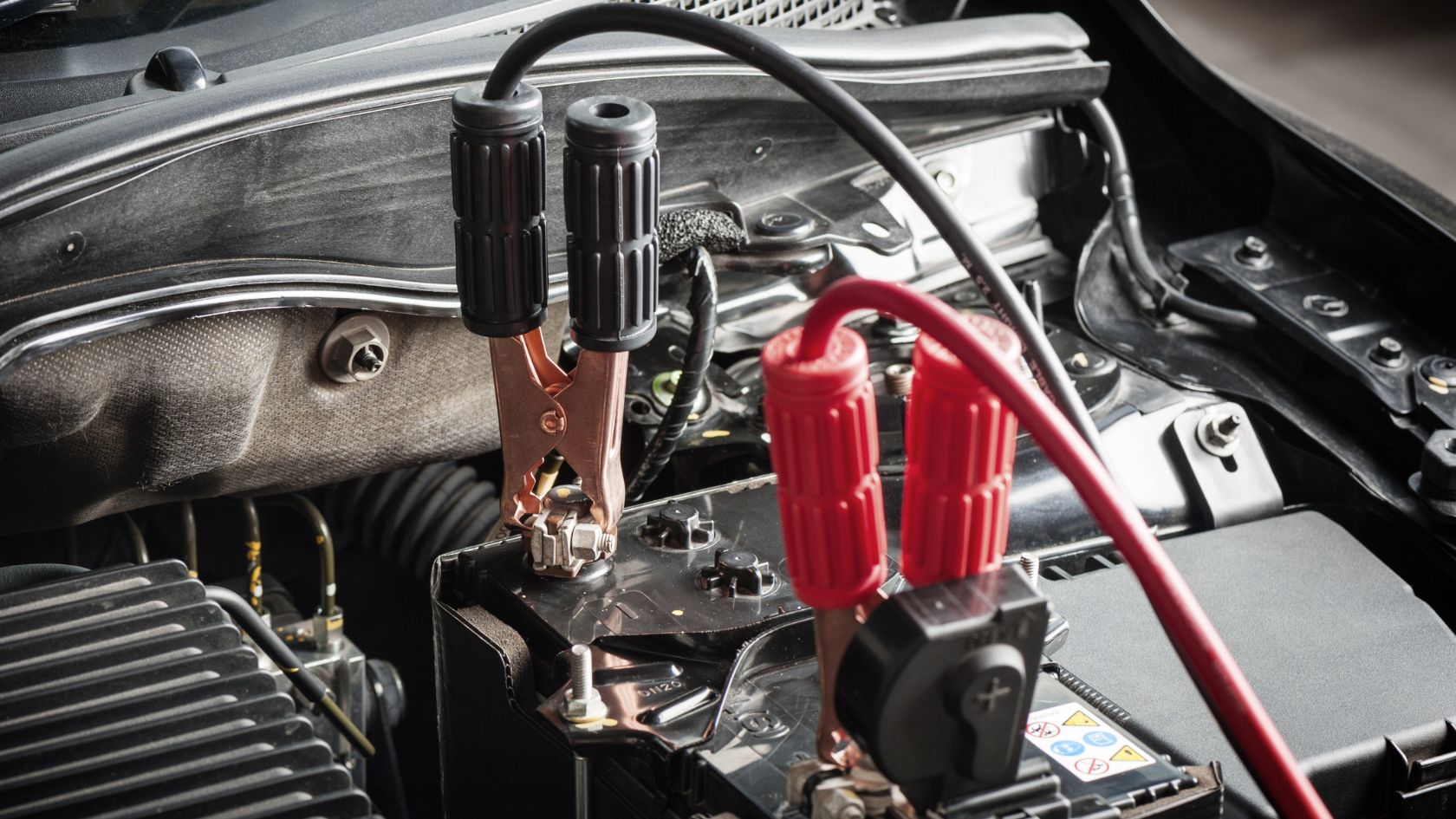
Are Jumper Cables for Car Batteries Waterproof? Importance and Best Products
Jumper cables come in handy to kick-start your vehicle when the battery is dead. One of the common questions is can you jump start the car battery in the rain? Are jumper cables for car batteries waterproof? The jump-starting process could get risky considering the combination of electrical connectivity and the wet weather. So, what happens when you get stuck in the rain with a dead car battery? Do you get jumper cables that have material made to survive rain splashes? You will find answers to these questions in this post. We will also look at the benefits, buying factors, and 3 best jumper cable sets that can make your purchasing effort and its usage easier in any weather. Technically, jumper cables for car batteries are not waterproof. For safer use, jumper cables are coated with copper and rubber materials that protect the electrical wires from inclement weather. Additionally, there are some jumper cable sets that are made to withstand all types of weather which are often mistaken for waterproofing competency. From a voltage perspective, a car battery consists of 12 volts which is just not enough to create electric shocks so there is no need to worry about getting electrocuted. If the intent of knowing the waterproof capability of jumper cables is to use them in rain then yes, it is completely safe to use provided proper precaution and method is followed for jump-starting. It is kind of risky to perform jump starting process in pouring rain. It is better to wait for the rain to go away or at least slow down to make the conditions for jump-starting suitable. Related Read: Does a car battery charge itself while driving? Nonetheless, if the situation doesn’t seem to improve and you have no choice but to jump-start the car battery ensure to follow the below precautionary measures: Here is a quick video on connecting and using the jumper cables correctly: Here is the list of 3 best jumper cable sets based on our buying guide that will help you save time and effort in researching and finding one that suits your needs: As an Amazon Associate, we may earn a small commission if you purchase any product by clicking the link without any additional cost to you. AutoGen heavy duty AutoGen is an industry leader in the heavy-duty jumper cable section. There is a wide variety of products consisting of different lengths and features. This product worth 30 feet long is capable enough to recharge the dead batteries of all types of vehicles including cars, SUVs, and Trucks. The positioning of the vehicle and connection won’t be an issue at all considering the length. The jumper cable wires are made of strong conductive copper-clad aluminum material that is covered with thickly coated PVC cables. The product offers double protection through layer buckles for better connectivity. These AutoGen jumper cables are made for heavy-duty usage with 900 amp clamps on both sides of the cable. The copper-clad jaws (clamps) are perfectly safe and provide excellent grip. The product comes in a nice package carry case that also includes LED light and safety gloves for secure usage in all weather conditions and darker sections. Energizer jumper cables Energizer is another reputed brand in the jumper cable segment. This heavy-duty 1 gauge jumper cable from Energizer is designed to jump-start dead batteries of cars, SUVs, and trucks of all sizes. The cable is 25 feet in length which makes the connection with other car batteries easier. The other stand-out feature is the vinyl-coated clamps that prevent rust and corrosion. This is helpful in increasing durability. The 800 amp cables are safe and remain tangle-free in spite of copper cladding and thickness. Energizer offers a storage case to conveniently store the cables and move them anywhere. The product comes under a 2-year warranty which makes it trustworthy and reliable. Cartman 1 Gauge There is no doubt that Cartman is one of the leading and highly-reputed companies in auto accessories. Cartman Booster Gauge 1 is one of its quality products to perform a heavy-duty jump-starting process. The cables are 25 feet long and possess 800 amp usage for cars, trucks, and other heavy vehicles. There is T-Prene coating on offer for better flexibility and storage. The cables are tangle-free and ergonomically designed to be used on the top and side posts of a battery. These jumper cables are made of copper-coated aluminum to transfer the power easily and cover the clamps with non-conductive rubber for rust and corrosion-free grip. The product is offered with a carry bag and a battery-cleaning brush for cleaning purposes. Continuity – A dead battery situation is unexpected. The worst thing to happen is getting stuck in the middle of the road helpless. The only option to get through is to call roadside assistance to tow your vehicle. Jumper cables can be used to jump-start a car with a dead battery in emergency situations. With the help of other motorists, you can expect to recharge your car battery with little effort and continue the journey without spending a dime on towing services. Help others – Keeping a set of jumper cables is a great way to help others on the road. There are chances to come across other motorists on the way waiting to get their car batteries restarted. You can use your jumper cables to help many other people continue their journey and become good Samaritans and citizens. Time and cost-saving – A set of jumper cables is comparatively cheaper than a towing service and significantly costs less than replacing the whole battery. What’s more, it takes less than half an hour to jump-start a vehicle compared to the hours that you may have to spend on towing and getting the repairs done by technicians. Keeping a set of jumper cables will surely help you save lots of costs and valuable time in the long run. Peace-of-mind – Jumper cables are an important part of an emergency kit that