

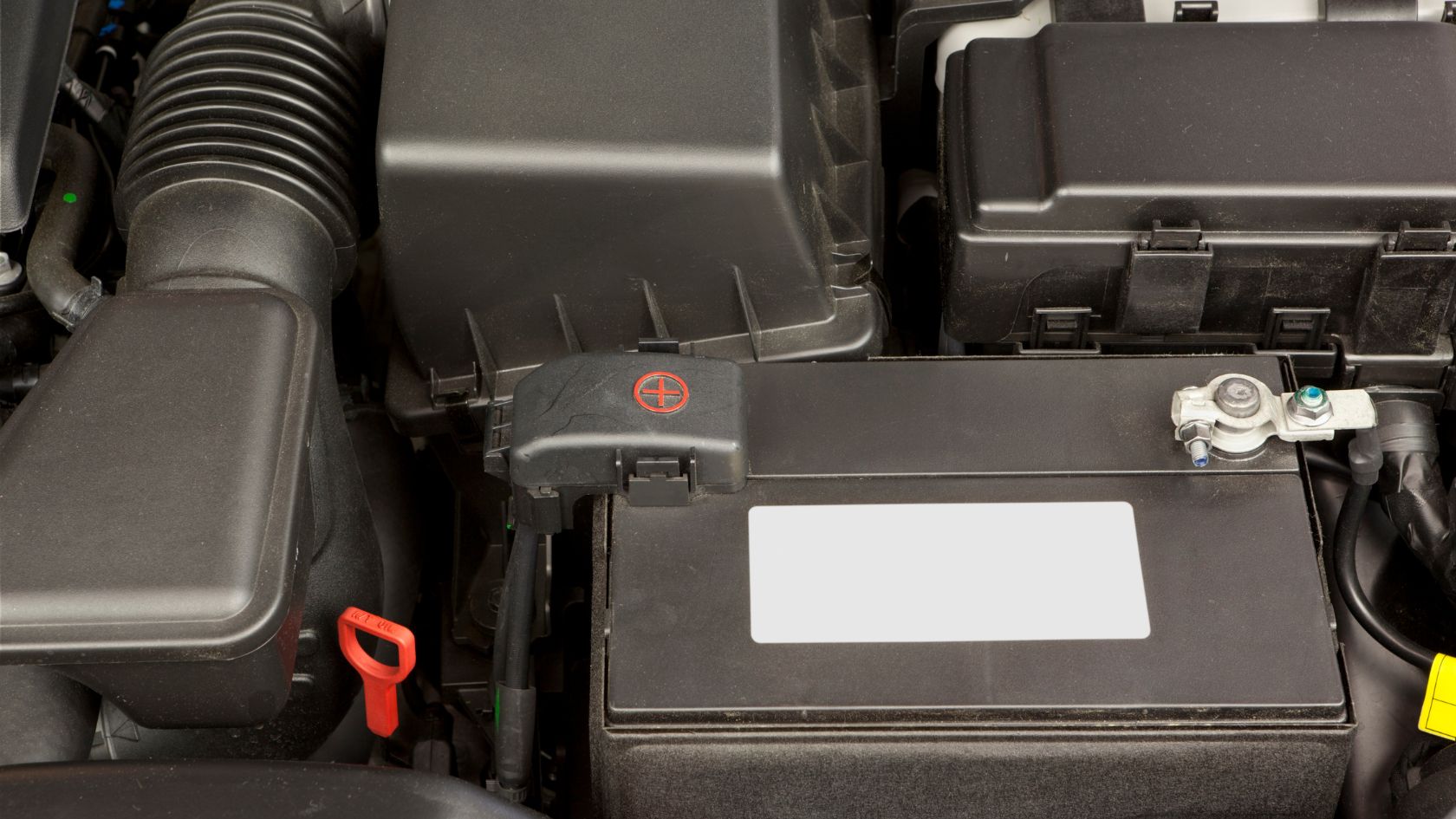
Is it normal to see jumper cable sparks when connecting to the car battery? Do you need to worry about the sparks and leave the jumping process in the middle? Jumper cables are often used to jump-start a car in a dead battery scenario. The process is tricky due to cable connections, and electricity involvement. Many people get caught in bizarre situations while performing the jump-starting process. As such, using jumper cables is a matter of an individual’s safety proper precautions must be taken to avoid any harm or damage to self and the vehicle. This is what we will discuss in this post. Jumper cable sparks occur due to the buildup of static electricity and the current flow that takes place between the two connected batteries. This is one of the common causes evident due to the exchange of unbalanced electricity between a lousy battery (dead) and a good battery. Secondly, most people connect the jumper cables incorrectly either to the wrong terminals or connect both cables to both terminals which can generate sparks. Another common cause is leaving some of the electrical components ‘on’ of a vehicle having a dead battery. The music system, internal lights, etc. could generate sparks if left on while connecting the jumper cables. This is also called parasitic load. Some of the other causes include corrosion or lead generation on the battery and the starter plug that glitters the jumper cable connection for some moment. Based on these causes the intensity of sparks may differ. In some cases, sparks can transform into vehicle fire that can damage the other parts of a vehicle. Related Read: What can cause a parked car to catch fire? It is therefore imperative to understand the causes of sparks and apply the remedies to avoid or control them in an appropriate manner. Static electricity generation is a result of a connection between two different electrical charges. When the two opposite electrical components (in this case, batteries) meet with contrasting powers there is a buildup of static electricity due to current flow. This flow is the reason for jumper cable sparks. To understand it better let’s take an example: Normal voltage of a charged car battery = 12 volts A car with a dead battery = 6 volts or less When you connect these two batteries through jumper cables there will be friction of spark because of the difference in voltage powers. This frictional spark gradually gets bigger if you have a dead battery with less than 6 volts and is taking power from a fully charged battery with 12 volts. The flow of current is responsible for such sparks which look bothering but is quite common on every instance of jump-starting a dead battery. Should you be worried? There is no need to worry until you see larger sparks appearing constantly which could be an indication of a bigger problem with the cable connection or batteries. Incorrect connection of jumper cables is a common mistake many people perform on car batteries. A set of jumper cables consists of two thick wires color-coded in red and black. Each wire has clamps on both ends. When connecting the cables it is important to follow the below steps to avoid a wrong connection: If you attach the black color clamp to the negative post of a dead battery, the chances of a spark increase with the flow of current mixing with hydrogen gases around the battery. This last connection is one of the main causes of sparking instances with jumper cables so ensure to make the right connections on each battery. If the process seems too risky or tricky it is recommended to take help from a professional technician or automobile mechanic. Most drivers have a tendency to leave the car off with lots of electrical component switches ‘on’. This can lead to a parasitic load scenario wherein a radio was left ‘on’ while turning off the engine and the battery drained its voltage power. The radio will continue to draw power from the battery even though the engine is turned off and this can result in the complete draining of a battery. If the battery is fully drained it will not have enough power to start the engine and to start the engine again a jump start process will be required. Eventually when jumper cables are connected to a fully drained battery with an electrical device (radio) still ‘on’ the first result will be mild sparks. In some cases, it may not necessarily spark at all but parasitic load has been listed as one of the sparking causes when connecting jumper cables. It is therefore important to close or shut off all the electrical accessories or components inside and outside of a vehicle to prevent sparks from jumper cables. This step should be performed before connecting the jumper cables as well as during the process of jump-starting a vehicle. A bad starter plug could be another cause of concern for jumper cable sparks. A faulty starter plug can create a short circuit which can lead to the generation of sparks when connecting the jumper cables. The short circuit restricts the supply of power to the starter motor and the immediate reaction to the shortcoming of the starter plug produces sparks. The sparks could be smaller in nature however the condition of the starter plug should be in good status to ensure jumper cables are properly connected failing which the intensity of sparks could increase. Often time battery terminals catch corrosion due to long pending maintenance and irregular cleaning. The corrosion buildup around battery terminals can cause sparks when connecting jumper cables. This happens due to the barrier created between the terminal and jumper cables. This barrier leads to resistance and the generation of heat that causes sparks when jumper cables are connected to the battery terminals. To avoid this, it is important to clean the battery terminals thoroughly with a wire brush or special battery terminal cleaner. As a
Does a car battery charge itself while driving? Charging secrets revealed!
Does a car battery charge itself while driving or does it need a separate charger to get its energy? As we know all vehicles take some sort of power from batteries to circulate electrical current to different units. But, where does the battery get its power from? The common impression most drivers perceive is driving the vehicle for a long time to get the battery charged. Is it true? If yes, how long does it take a battery to get fully charged? These are some of the questions and confusions that you will find answers to in this post. We will also know more about the ‘charger’ that helps keep a vehicle battery charged up all the time. Yes and no. If you are thinking a car battery is designed to charge itself while driving then ‘no’. Yes, a car battery can charge itself by taking the power from its ‘charger’ called the ‘alternator’. An alternator is the source of power for charging the battery while the engine is running. Modern cars are equipped with alternators that replaced generators which were common in the older generation cars. An alternator takes its power to charge the battery and other components of a vehicle from the engine. The length, duration, and speed also play an important part in keeping a vehicle battery charged up. To learn more about the charging process first, it is imperative to understand… An alternator is an electricity generator in automobiles to power different parts and components of a vehicle such as a battery and various electrical accessories. An alternator is designed to take power from the engine to serve the purpose of electricity generation. It is therefore necessary to keep the engine running (not driving) to help an alternator convert the mechanical energy into electrical energy from the engine crankshaft. When this process takes place, DC current is generated to charge the battery. To summarize, it is the combination of the engine and alternator that works in tandem to keep vehicle batteries running. But, then… To some extent, yes. It is not completely necessary to drive a car for battery charging. What’s important is running of the engine. Obviously, you can start your car and rev the engine in the parking lot and keep doing it till the battery is charged. However, I am quite sure many of us may not like doing this for a long time. It looks awkward generating loud sounds by revving your car engine for a long time just to charge the battery. A better alternative to this would be traveling a few miles so that the battery gets pumped up again. So… Charging a car battery with driving is subjective to the type of vehicle. Normally, a half an hour’s drive could be enough to make your vehicle battery fruitful. This is considering the speed at which you drive. It is recommended to run the vehicle at 1000 RPM minimum which generates enough power to charge a battery quickly. The higher the speed, the faster it will charge a battery. Secondly, while the engine is running an alternator passes on the electricity to all the electrical components and accessories of a car first and then transfers the spare electricity to the battery for charging. This means if you have a vehicle model equipped with a higher number of accessories that runs on electric energy, battery charging may take longer. This is where the type of vehicle comes into the picture. If you are looking to save some fuel and time to charge the battery in less time ensure to drive your car without any electric accessories on. Here is a small video that is helpful in understanding the concept of charging a car battery while driving/idling: Driving or engine running scenarios are only beneficial when you want to charge your car battery to its maximum capacity with the help of an alternator. If your car battery is completely drained (dead) you won’t be able to start the engine. To make the batteries active, a charging device or a set of jumper cables is required. Once the battery is charged/jumped it will start the vehicle which then needs to be kept on for the battery to get fully charged. It is a scenario similar to charging a mobile wherein you connect the charger to wake the device (in case of a fully drained battery) and keep it connected long enough to attain 100% charging. Generally, on average a car battery can last anywhere between 1-3 months without driving. In addition, there are various factors that can contribute to the diminishing power of a car battery. For example, the type of vehicle or the type of battery (power/volts), the age of the battery, temperature, etc. However, prolonged periods of non-driving/idling can accelerate its discharge rate especially, if there are no efforts made to keep the battery maintained. Technicians recommend using a battery maintenance device to help keep your vehicle battery charged and healthy if you are not driving your car frequently. Car batteries typically last from 5-6 years or less. An aging battery reveals several symptoms of replacement that you can sense while using your vehicle. One of the first signs of a dying battery is a longer duration to start a car. This happens when the battery is not strong enough to hold its charge and struggles to start the engine quickly. When the car does start after a long hiatus you will notice the dimness in the electrical components and the headlights which means the battery is not supplying sufficient power to these accessories due to weakness. Related Read: Do cars on fire explode? Some of the other noticeable symptoms are a clicking noise while turning the key in the ignition, and a rotten eggs type of smell coming from the engine that demands serious attention to the battery. Jump starting or charging the battery is the best solution during these symptoms nonetheless it is better to replace the battery

How to test the TPMS sensor battery? 2 effective methods revealed
Testing is one of the ways to know the actual condition of the TPMS sensor battery. So, how to test the TPMS sensor battery? Do you have to take it to the manufacturer or are there any tools that can be used for testing? TPMS sensor batteries are prone to malfunctioning and expiry with age and usage conditions. If you have a TPMS system that does not offer a featuring mode on battery voltage/condition you will have to rely on external sources for testing. Deteriorating batteries can weaken the sensor’s capability to transmit correct pressure readings. In order to maintain their condition periodic testing is essential. In this post, you will learn the importance of testing and methods and instruments to test a TPMS battery. TPMS sensor battery can be tested using various tools including a TPMS scan tool, TPMS diagnostic tool, or a Multimeter. These tools are designed to perform testing of TPMS functionality using the ECU (Electronic Control Unit) of a vehicle or using the wireless signals from the tire’s valve stem/sensors. The working capacity of TPMS scanning tools is subjective to specific vehicle’s make and model as well as the compatibility of TPMS sensors. Handling of TPMS scanning tool demands additional knowledge and cost so you have to first consider the importance of testing the TPMS sensor battery. TPMS sensor batteries have a limited shelf life. Most of them remain active for 5-7 years. This duration is exclusive of any abnormalities that take place due to external factors, driving, and environmental conditions. If the batteries have exhausted TPMS may not function properly. Sensors work by taking power from the battery and this is the main source of transmitting the pressure data to the receiver. To continue receiving correct pressure readings it is important to ensure the battery is keeping the system active. If the battery is weak or failing irrespective of the causes the TPMS system may not be able to detect or report the pressure information accurately. Hence, regular testing of the TPMS battery is important to ensure the system is working properly which otherwise will lead to potential tire issues. A TPMS scan tool is one of the effective ways to detect and resolve sensor battery issues. There are different types of TPMS scan tools available in the market. Most of them are capable of scanning the sensor IDs through ECU (Electronic Control Unit), manual input, ODB connection, and auto-creation. The basic TPMS scan tool works on the following simple steps to test the sensor battery – Here is a small video on how to use a basic TPMS scan tool: TPMS diagnostic tool is an extended version of the TPMS scan tool with some additional features. Such tools are equipped with relearning and diagnosis functionalities along with a scanning option. A diagnostic TPMS tool can recognize the OEM and aftermarket TPMS sensors. The system can directly access the vehicle’s ECU to detect, troubleshoot, and diagnose the issues pertaining to sensors as well as any other technical malfunctions. The steps to use TPMS diagnostic tool is similar to the TPMS scan tool listed above. However, it also offers multiple connection options such as OBD and auto-creation of sensor ID input. Once connected, the tool will relearn, program, and display the sensor information using its sensor check feature. On the flip side, some of the functionalities and information of these tools can be overwhelming for the basic mind. This means proper technical knowledge in the automotive segment is required for better interpretation. Another drawback of these tools is their compatibility. Most of the TPMS scan/diagnostic tools work on specific car models only and on the sensors produced by the same company. A multimeter is generally a measuring instrument used to measure electrical properties including voltage, resistance, and current. Multimeters vary in size, display, features, and price. To test the TPMS sensor battery a common multimeter with volt meter and ohm meter features is enough. Using a multimeter for testing is dependent on some manual effort. The process is not very simple as it is with TPMS scan tools. To use a multimeter for testing the TPMS sensor battery follow the below steps: Using a multimeter to test the TPMS sensor battery can be very effective however I personally don’t recommend using this method because it involves playing with the location of the battery which may impact other components of a sensor. It is the battery that keeps a sensor active and functioning. It helps the TPMS system receive tire pressure readings to alert the driver through a display screen. Testing the TPMS sensor battery is important to protect and keep your vehicle tires properly inflated and in good condition. We have seen the methods and instruments to test a TPMS sensor battery. TPMS scan tool is the best option to perform the testing for their automated scanning option and diagnosis recommendations. A multimeter is another effective alternative method for testing but lacks simplicity. Above all, I would personally recommend a TPMS solution that has a built-in mode feature that monitors the battery voltage on the go. Related Read: What happens if you install tires without TPMS If you cannot afford one then follow the information and guidelines from this post to test the TPMS sensor battery in a systematic and timely manner.
What happens when the TPMS battery dies? 3 reasons identified
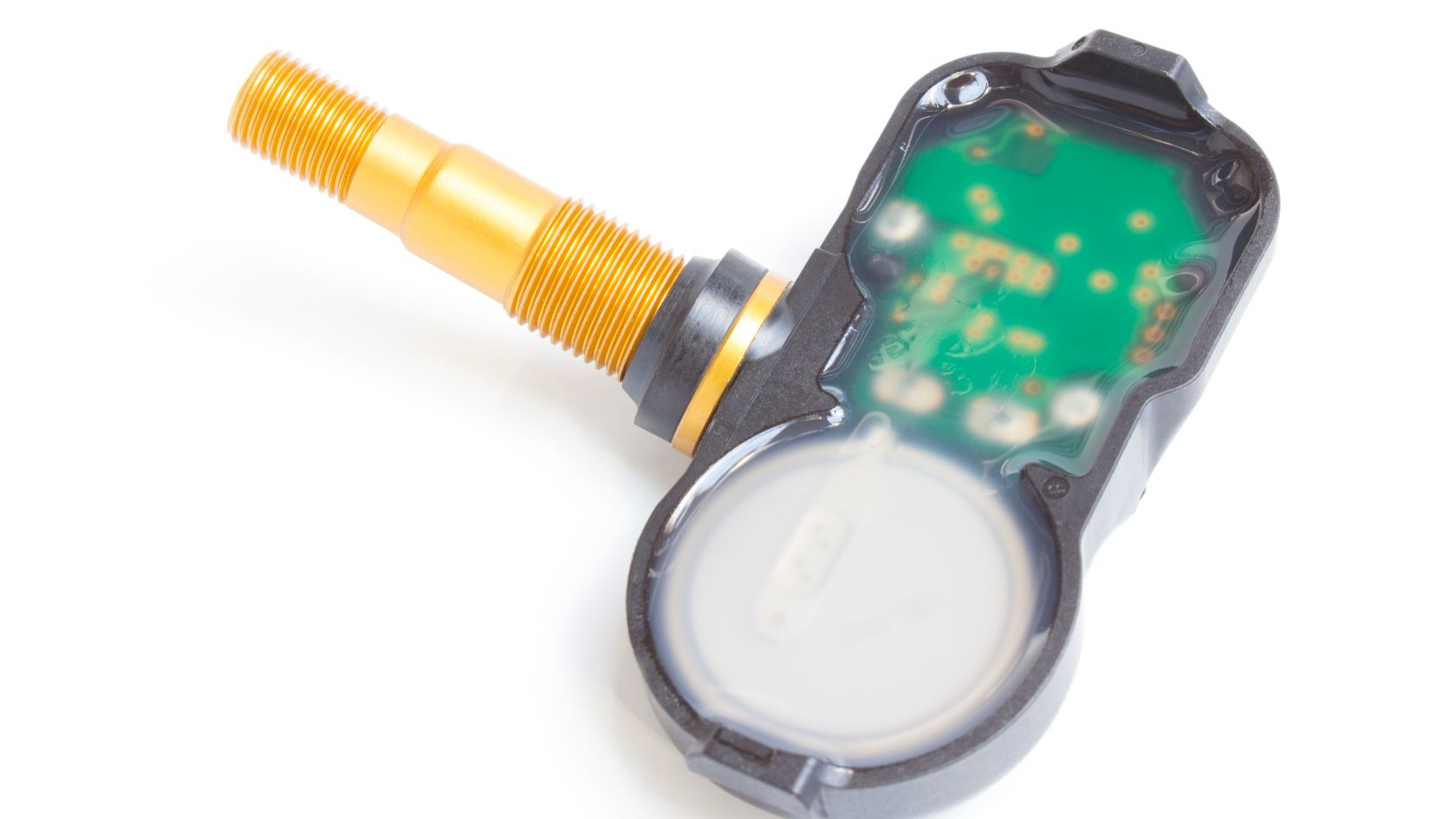
Most modern vehicles are equipped with TPMS technology that uses battery-driven sensors attached to the tires. So, what happens when the TPMS battery dies? Can you replace them or does the whole TPMS need to be replaced? It’s important to note that the average lifespan of a TPMS sensor battery is typically between 5-7 years. This average is again dependable on factors consisting, of the type of battery, usage, and environmental conditions. Considering the importance of TPMS it is imperative to know the consequences of a dead battery and the causes behind it. Moreover, one should also be aware of the precautions to prevent premature damage and improve the lifespan of TPMS batteries. When the TPMS battery dies it will no longer be able to monitor, and send the tire pressure readings to the receiver/dashboard. As a result of the TPMS battery losing its life, there will be a malfunctioning warning on the dashboard, connectivity issues with the sensors, and discrepancies in the pressure readings. In short, it won’t be wrong to say that you are running your vehicle without knowing the actual status of your tires if the TPMS battery is dead. It is usual for a TPMS sensor battery to stop functioning after completing its lifecycle or it can also lose its life because of some external sources. Whatever the reason, when the TPMS battery dies there will be… The first sign of battery problems occurs through the TPMS dashboard. The warning sign can vary depending on the type of TPMS you have but in general, it is an indication to notify you about the malfunctioning of the system. Some advanced TPMS modules come with different modes that offer alarms and signs (battery symbol) when the battery voltage is low. The basic understanding of such a symbol is to charge the battery however if you frequently notice the appearance of the battery symbol then it could be more than just charging and may require urgent attention. Many users often notice connectivity issues wherein they are not able to view the tire pressure readings. The system will also display popping warning signs or symbols, and may keep blinking constantly. Such problems are again an indication that there is something wrong with the TPMS sensors (most likely the battery) that are causing a lack of connection. When the battery is nearing its lifespan the burden of reading the pressure sucks the power much more quickly compared to normal conditions. Hence, the sensors are not able to read and transmit the data in the correct manner leading to wrong pressure readings which could be misleading for the driver. Incorrect tire pressure readings due to a suffocated battery could be very dangerous and may result in bigger tire issues in the long run. It is important to regularly service the TPMS and inspect the conditions of sensors to improve their lifespan. But, to do that you need to understand the… Extreme temperatures One of the primary causes that not only reduce the lifespan of the TPMS battery but many other parts of a vehicle is exposure to extreme temperatures and humidity. Warmer temperatures and high heat are responsible factors to degrade a TPMS battery more quickly. Continuous exposure to hot weather conditions makes the battery life shorter than expected and it will eventually fail to operate. On the other hand, lower temperatures are helpful for longer battery life but not until it is exposed to road salt. In extreme cases, road salt used in the winter season can corrode the metal parts of the sensor leading to quicker battery drain. In fact, the spread of rusting/corrosion is not limited to TPMS sensors but many other vital parts of a vehicle. It is therefore necessary to inspect and monitor the conditions of TPMS sensors after every visit and especially if you reside in locations captured by extreme heat or cold. The position of TPMS sensors is vulnerable to various load and capacity issues. Vehicle tires have to pass through many obstacles such as potholes, debris, dirt, rubbles, etc. that potentially impact all the components attached to them. Many tire issues such as flatness, punctures, and replacements can damage the sensor and its battery. All these external issues lead to poor contact between the TPMS sensors and their batteries. Additionally, TPMS activity is consistently loaded with regular vehicle movement which brings the battery-draining scenario into the picture. All these external causes can contribute to the load capacity issues resulting in the reduced lifespan of TPMS batteries. The best way to protect the TPMS sensors from the impact of external sources is safe driving. It is important to drive with caution, protect the vehicle from extreme temperatures as much as you can, and handle the vehicle properly on bad roads. External sources and atmospheric temperature lead to premature exhaustion of TPMS battery life. These can be controlled with proper precautions and maintenance. What you can’t control is aging. While most TPMS sensors work on battery-saving mode when not in use to save power this feature is only good to the extent of the actual lifespan of a battery. Once the battery life is completely exhausted due to aging (5-7 years) the best option is a replacement. No, as of now TPMS batteries aren’t replaceable. Depending on the TPMS model, sensors’ driving power from batteries is built to last from 5 to 7 and in some cases up to 10 years. As and when the replacement need arises, it is the whole sensor that gets replaced by the manufacturer instead of batteries that are actually sealed inside the sensor compartment. First of all, TPMS batteries are not designed to be replaced. Secondly, the process of replacing batteries could be tricky, tedious as well as risky. It requires a technician’s mind and lots of tools to perform the act of replacement without impacting other parts of a sensor. Still, if you are looking for a way to replace the TPMS sensor battery then here is a

What happens if you install tires without TPMS? Consequences and Best TPMS Revealed
TPMS (tire pressure monitoring system) is a very helpful system to monitor and maintain tire pressure properly. But what happens if you install tires without TPMS? Is it illegal? Does it cause tire blowouts? What are the various benefits of having TPMS? These are some of the questions that need answers before making a decision on TPMS installation which you will find in this post. Additionally, based on the decision you can also learn about the factors to be considered while buying a TPMS and also the list of best TPMS to purchase in the market. Literally nothing, there is no impact to the vehicle or vehicle owner if TPMS is not installed on tires. You can run the vehicle smoothly without any hiccups. On the flip side, you will have to bear the irritating sight of the car dash that remains lit while driving and keeps popping a warning sign/message whenever you start/re-start the vehicle. Consequently, there are no signs of alertness when the tire pressure is low, or high which can lead to wear and tear, and even tire blowouts in some cases if no TPMS is installed. Installation of TPMS is also subject to local laws and regulations. If you fall in such jurisdictions, you may not be able to replace/change the tires without TPMS. This is the first un-harmful impact on the vehicle. TPMS works on sensors that are installed on tires and produce the warning results in the form of alerts/symbols on the dashboard. Without TPMS sensors, your vehicle’s dashboard will light up showing signs of ‘no TPMS’ as soon as you start the vehicle. The dashboard will remain lit till you continue to drive which could be frustrating in the long run. The straightforward impact of not installing TPMS is guesswork. Yes, you will have to rely on your instincts and judgment to guess the pressure of tires by just looking at them. If your judgment goes wrong there is an increased risk of running your vehicle on underinflated tires. The consequences of underinflated tires can lead to dangerous situations like tire blowouts and accidents that could be fatal. Related Read: Are digital tire pressure gauges more accurate? TPMS is a regulatory requirement in many countries around the world including the US, the UK, Europe, Asia Pacific, etc. The rules and regulations may vary according to the local laws and jurisdictions you fall under. In some countries, car owners are not allowed to install seasonal tires without TPMS as it is considered a part of safety features. Irrespective of the legality, it is better to be safe than sorry as there is less harm in installing the tires with TPMS than without TPMS. Here is the list of 3 best aftermarket TPMS to save your time, and effort on research: As an Amazon Associate, we may earn a small commission if you purchase any product by clicking the link without any additional cost to you. Guta Solar TPMS Guta TPMS is a heavy-duty device that comes with 6 sensors to monitor eight tires at the same time. There are 6 alarm modes that cover air pressure, leakage, battery voltage, temperature, and sensor data loss. The product is highly compatible with RVs, SUVs, Trucks, Trailers, and Cars of all types. It can cover the pressure range of up to 188psi. The air pressure can be viewed on a wide LCD screen for clear visibility and understanding. The device offers real-time data on air pressure with both audible and visual warnings. It can be charged using solar power or a USB cable through a cigarette charger. The power-saving mode feature helps the display go off automatically after 10 minutes of no use. The wireless monitor is very easy to use and install. The device is fully capable of withstanding hard weather conditions. Tymate TPMS M7-3 Tymate is a popular brand in the tire pressure segment. Its TPMS model M7-3 is known for its ease of installation and usage. The device is versatile and built to support charging capabilities coupled with solar charging and cigarette lighter charging. Tymate is equipped with 5 distinct alarm modes that include sensors pertaining to low and high pressure, leakage alarm, high-temperature alarm, and low voltage alarm. It has a backlight screen that automatically adjusts brightness and color in low lights. There is a power-saving mode on offer that will help you save battery power making it run for a long time. The device produces results within 5-10 minutes of installation and offers a pressure range from 0-87psi. The device is powerful enough to withstand extreme weather conditions. Vesafe Wireless TPMS As the name suggests, Vesafe offers more features related to safety in addition to being a TPMS. Vesafe is completely wireless meaning it can be attached to a 12-volt power outlet of any car. The device also offers a USB port so that you don’t miss out on connecting/charging other devices. Being wireless, the device is installation-free. It has a full-color LCD display screen that offers 5 alarm modes on air pressure, leakage, temperature, and battery life. The device works on 4 sensors that are waterproof and comes with a battery life of up to 2 years that can be replaced once exhausted. The pressure range is up to 87 psi and it reads out the pressure every 5 minutes in real time. In case of pressure abnormalities, the device displays a warning light and releases an audible alarm to alert the driver. Other than a TPMS and USB charger, the device structure can also be used as a hammer to escape in emergencies which is a really cool feature. Air pressure monitoring – The main job of TPMS is to monitor the air pressure of tires. With the help of sensors fitted on the tire valve, TPMS measures the airflow on the go. When the tire pressure reduces by 25% of the recommended PSI, TPMS flashes an alert on the dashboard/screen that helps a driver take action. Timely
Do new tires come with TPMS sensors?
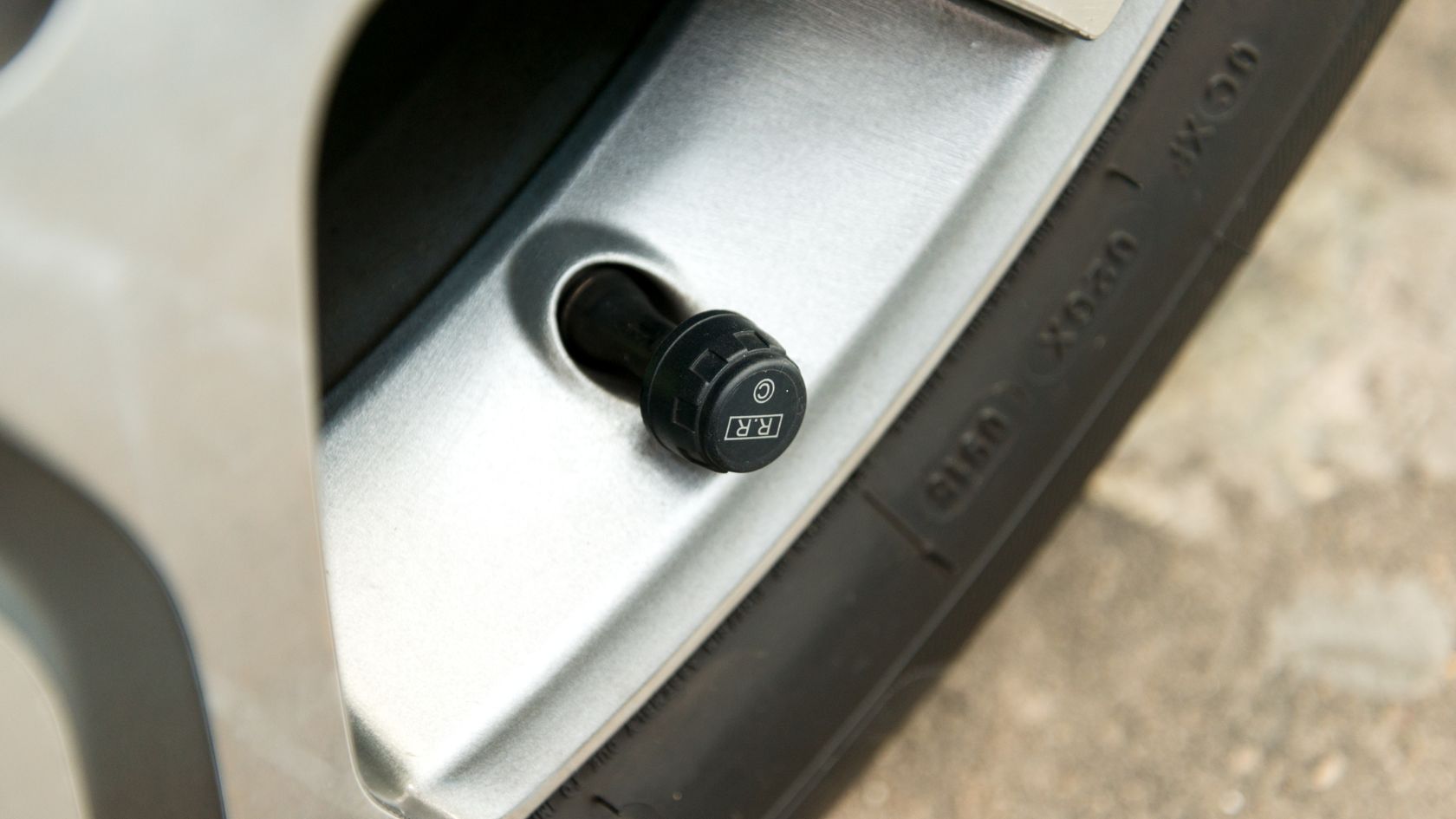
TPMS (tire pressure monitoring system) is a great asset to monitor the air pressure of tires on the go. The system works with the help of sensors installed on the rim/valve stem of vehicle tires. But what happens when you replace the tires? Do new tires come with TPMS sensors by default? Is it necessary to replace or re-align the TPMS sensors when you replace tires? All these questions and many others will be answered in this post. So, continue reading! No. New tires do not come with TPMS sensors. It is only the tire that you can buy as a new object. However, TPMS sensors can be installed on the new tire as an additional option by paying some extra fee to the tire dealer. Vehicle owners can also swap the existing TPMS sensors from the old tires to the new ones which is another alternative. If the TPMS is really necessary from a requirement and regulation perspective it is best to contact your local tire dealer for getting the job done. The necessity of TPMS sensors depends on personal preference and local vehicle regulations. You don’t have any choice but to have the TPMS sensors installed on your vehicle if it is mandated by the vehicle rules and regulations of your residing country. As a personal preference, you can drive your vehicle with or without TPMS sensors. Having said that, there are more cons than pros to not having TPMS sensors on a vehicle. TPMS sensors are valuable components that help in alerting the driver when the tire pressure is low. Low tire pressure or in other words underinflation is a major cause of increased tire wear, tire blowouts, decreased fuel economy, and many other tire-related issues leading to unsafe driving conditions. Modern vehicles are therefore equipped with TPMS sensors and systems to counter the low-inflation tire scenarios. If you want your vehicle tires to remain well-maintained, well-balanced, properly inflated, and long-lasting then TPMS sensors are necessary. So… Yes and no. A lot of things depend on the type of new tires, type of the TPMS model you have, and the method you want to apply for replacing tires. New type of tires – If you are getting a completely new set of tires from a different brand than the existing ones chances of replacing TPMS sensors increases. This is because no new tire size, shape, and style remain the same. For example, tires with a larger diameter, wider width, different styles of the rim, etc. from the existing one may not suit the operational requirements of pre-installed TPMS sensors. In such scenarios, tire shops/dealers will by default recommend replacing the TPMS sensors with the ones that showcase better compatibility with the new set of tires. To get accurate and reliable pressure readings, it is important to ensure and replace the TPMS sensors according to the size and style of new tires. Swapping of tires – Under swapping, you don’t need to replace the TPMS sensors since the process involves only exchanging the tires (old with new ones). Here the dimensions and structure of the tires do not change and assuming there is no impact or damage done while changing tires, the sensors will work fine. More than replacement a small servicing effort on TPMS sensors could be enough which is normally recommended by tire servicing shops when swapping tires. The servicing mainly covers inspection and replacement (if necessary) on valve stem and core, retaining nuts, seal, cap, and grommets. Again, there is no guarantee of TPMS sensors work accurately after swapping tires and therefore it is important to ensure proper servicing or replacement is carried out to run your vehicle on correct tire pressure. TPMS works on two types of sensors/systems. There is dTPMS which is the direct TPMS method that works on sensors directly installed on the tire rims/valves. dTPMS method normally remains unaffected with respect to the change of tires. Whether you replace or swap tires such instruments reset themselves by responding to their automatic readjusting feature. Drivers can start to visualize the pressure readings on their electronic dashboards after running their vehicles a few miles on the new tires. In case the sensors are damaged while changing tires ignorantly, the system may not operate correctly. As a result, a replacement of TPMS sensors will be necessary. The second method is iTPMS. This is an indirect TPMS method that is linked with the anti-lock braking (ABS) system/sensor of a vehicle. Again, there is no need to replace the TPMS sensors if your vehicle is equipped with iTPMS unless you find abnormalities in the pressure reading. If the ABS is untouched while changing the tires TPMS will work uninterrupted. The problem arises when the connection/linkage of ABS is loosened or damaged during the process which fails the detection of tire pressure by the TPMS. iTPMS works on manual settings which means resetting the instrument with the help of a technician or the tire dealer. So, get it done immediately after changing the tires. Installation of TPMS sensors may cost up to or more than $100. The installation charge varies according to the type and size of the sensors. Another factor taken into consideration is the type of tire. If it is a TPMS-equipped tire you are looking to replace or change it could end up costing more owing to the additional tools and labor charges. Secondly, tire swapping can be another expensive process. There is a possibility of sensors getting damaged or broken while removing and installing them to new tires. The whole process i.e. removal and installation are charged individually for each tire which can go into a couple of 100 dollars. Here is a small video that talks about TPMS sensor replacement and tire changes: Yes, you can replace just one TPMS sensor or as required. What matters is compatibility and similarity. You cannot buy a new TPMS sensor that is different than other ones because the sensor needs to be programmed with