
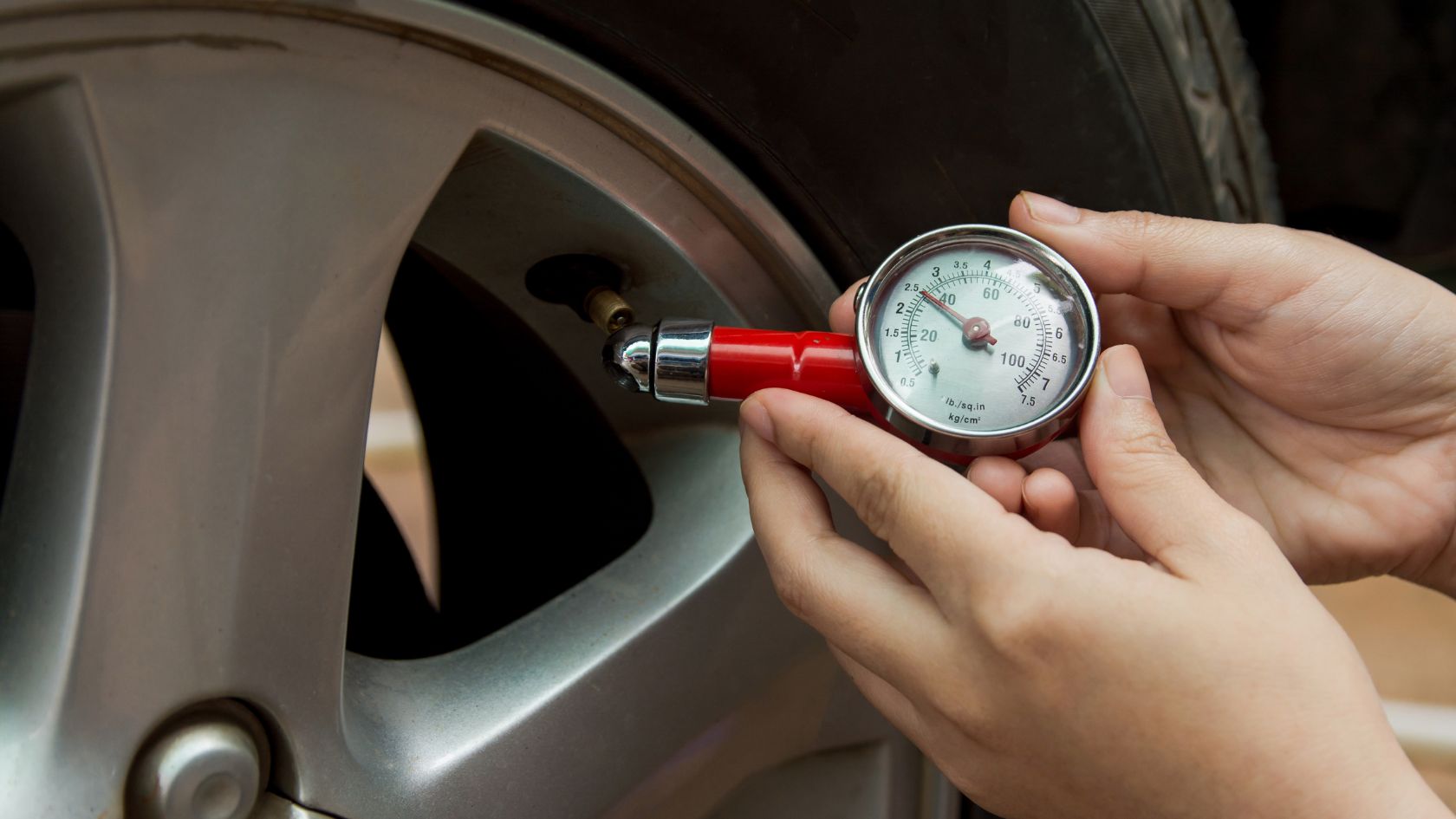
Tire pressure gauges have come a long way since their inception. From being simple to use and store pencil style to the more traditional analog and now the advanced digital ones. So, are digital tire pressure gauges more accurate because of their features and design? What is the difference between a digital and analog tire pressure gauge? Is keeping a tire pressure gauge really important? What are the best digital tire pressure gauges? These are some of the questions that you will find answers to in this post. Moreover, you will also learn about the factors to consider while buying a digital tire pressure gauge and its usage. Yes. To some extent, digital tire pressure gauges are considered to be more accurate than their counterparts. Owing to their digital display, a digital tire pressure gauge is designed to measure the exact tire pressure in multiple units such as PSI, bar, and KPA. The accuracy of digital tire pressure gauges remains unaffected by the wide range of temperatures and pressures. Some of the other features that go in favor of digital tire pressure gauges are their digital display which is very easy to view and understand. A digital gauge is more reliable and durable as it works on taking power from battery output. Having said that, the advancement and digitalization of digital tire pressure gauges have not underestimated the value of analog and pencil/stick-type tire pressure gauges. These units are still in demand and possess reasonable accuracy in measuring tire pressure readings. Nonetheless, digital tire pressure gauges have become more popular in recent years for their looks, portability, and more importantly accuracy. Now that we know the factors that are required to buy an effective digital tire pressure gauge, here is the list of the 3 best gauges that are curated based on our buying guide. This will help you save time on research and find the products that are well-trusted, and tested on the performance meter. As an Amazon Associate, we may earn a small commission if you purchase any product by clicking the link without any additional cost to you. AstroAI digital tire pressure gauge-heavy duty AstroAI is a reputed name in the tire pressure gauge segment. The brand has many excellent tire pressure gauge models and this ATG180 stands out for its ergonomic design, LCD screen, and overall accuracy. The appearance and design make this device very easy to use. With a green backlit display that makes visibility absolutely clear in the dim lights, the tire pressure gauge comes with a pressure range of up to 230 psi. This means you can use it on cars, RVs, motorcycles, bicycles, and trucks. There is a dual head designed for RV model vehicles. The product is made of stainless steel and is also equipped with a shock-resistant rubberized sleeve for added durability and grip. It has an in-built on/off button to select the pressure range and an auto-shut-off button that puts off the device in 30-40 seconds. This feature is beneficial to save battery power. With its compact size, this model can easily fit in the glove box, toolbox, and even center console making it perfectly portable and easy to store. The product comes with a 1-year warranty which can come in handy in case of replacements or repairs. Tiretek digital tire pressure gauge TireTek digital tire pressure gauge is another heavy-duty usage product that is ANSI (American National Standards Institute) certified. Replicating an analog design with a difference of digital display, this TireTek model offers a green and bright backlit screen to read the pressure in low lights easily. The swivel head is constructed with the aim of rotating the equipment at a 360-degree angle for easy and comfortable use. It also has a bleeder valve to release the pressure slowly for better measurements. Made of rubber shock shield, rust-proof brass, and copper materials the product can be ideally used on tires pertaining to cars, motorcycles, SUVs, RVs, and trucks with its 200psi pressure checking range. With an accuracy of 0.5% +/- you can be sure that the pressure readings are reliable and very close to accurate. The product comes with an auto shut-off feature that helps the device go off completely after 150 seconds of non-usage. This feature keeps the device charged up for a long time. TireTek tire pressure gauge can be stored in a glove box or any other storage place in a vehicle due to its professional design. EPAuto digital tire pressure gauge EPAuto is another well-known and popular brand in the automotive section. Known to develop quality and long-lasting products this digital tire pressure gauge from EPAuto is designed for ease of usage and reliable accuracy. This product reflects a digital display with a backlit screen for better visibility in dim lights. The pressure range and measurement comprise up to 150psi enough to be used on a different set of tires. Using this tire pressure gauge is a breeze. You just have to place the nozzle in the tire valve to measure the pressure. The gauge gets automatically shut off after 30 seconds of inactivity. The glue gun-type design is easy to handle, operate, and store. The accuracy stands at 0.5% +/- which is very efficient. Accuracy measurement – This should be your first criterion for buying a digital tire pressure gauge. Many products in the digital category look outstanding with their structure and colors. However, what matters the most is the accuracy in reading the air pressure by these units. Make sure to purchase a model that is accurate and reliable in its reading. Take a comparison equipment such as a TPMS or another tire pressure gauge with you to check the accuracy on the spot before buying. Ease of usage – Ease of use comes by default with almost all the digital tire pressure gauge models. Notwithstanding, consider a model that has an intuitive button layout that works on simple steps. Digital tire pressure gauges display pressure results within a few
How to calibrate the tire pressure gauge?
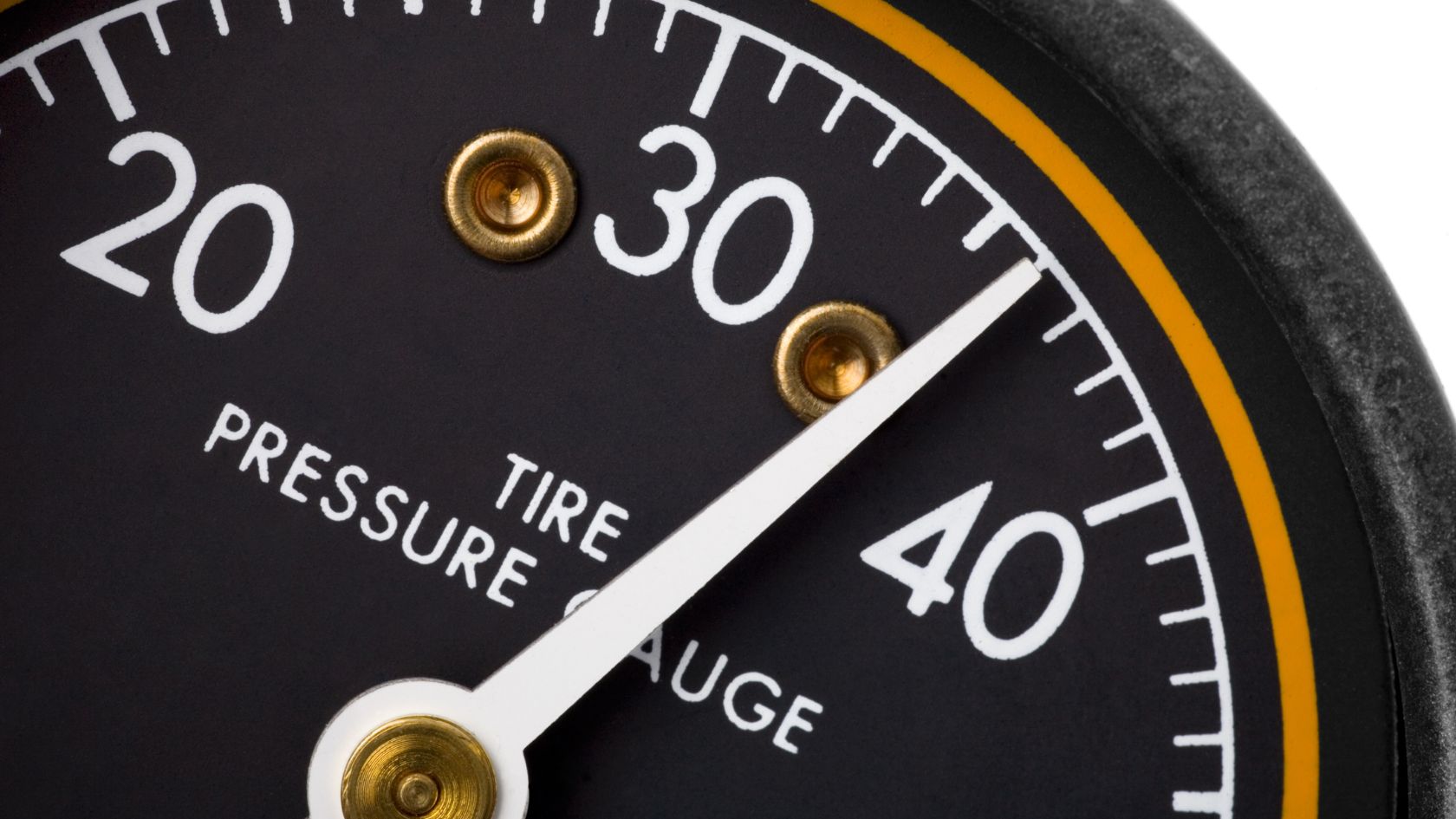
So, you are wondering how to calibrate a tire pressure gauge. The instrument has become terrible from wonderful in just a few days by offering incorrect PSIs or bars. A Tire pressure gauge is a useful instrument for detecting the air pressure of different tires. It can do wonders with its accuracy but can be equally disgusting with its misreading if it hasn’t been calibrated for a long time. Many of us wish to possess a tire pressure gauge for the benefits it offers while driving. At the same time, every pressure gauge needs calibration at a certain point and it’s kind of surprising to learn that the information on the calibration process is very limited and confusing. This is why I am writing this post to help you know and understand the calibration process and methods to test the accuracy of a tire pressure gauge. A tire pressure gauge can be efficiently calibrated or re-calibrated by the manufacturer or official service partners of the instrument. This is the best and most reliable way to calibrate a tire pressure gauge once in a year. For some reason, if you do not want to comply with the calibration process from the manufacturer the best alternative is a replacement. To know if your tire pressure gauge requires calibration there are a few ways that can be performed onsite with the help of some instruments. This includes using a manual pressure hand pump, a tire pressure monitoring system, and a hose pipe. Purchasing a new tire pressure gauge should be done with proper research and the best knowledge. Follow the guidelines and tips from someone who is already using such products or from the information you get online. Keeping the buyer’s guide factor aside, one of the important pre-requisite which I personally recommend doing is pre-checking or measuring the existing tire pressure before purchasing a product. This can be done by taking your vehicle to your regular garage or a service station just to get an idea of the tire pressure. Note the PSI numbers so that they can be compared with the new product you want to buy. Once you have finalized a gauge, test its accuracy by checking the air pressure on your vehicle tires. A marginal difference between 1 to 2 psi should not be a concern. If anything more than this, it is better to reconsider your buying decision. Having said that, most tire pressure gauges (of any type) are pretty accurate when they are brand new. The problem arises when these products are frequently used or have crossed the deadline for re-calibration recommended by the manufacturer. It won’t be long to find discrepancies in the pressure reading and wrong estimates provided by such units. So, what do you do? As I said earlier, the best way to calibrate/re-calibrate a tire pressure gauge is to get it re-calibrated by the manufacturer itself. Every manufacturer recommends performing re-calibration once every year. To do this, they have specified equipments such as a calibration machine and a dedicated process that re-linearizes the whole equipment according to the calibration regulations. The advantage of re-calibrating through the manufacturer or a recognized calibrating partner is the achievement of traceable calibration certification which is a token of accuracy assurance. On the flip side, the re-calibrating services may not be always free unless covered under warranty by the manufacturer. Manual air pressure pump One of the effective ways to test the accuracy of a tire pressure gauge is by using a manual air pressure pump. To use this method, you will need an extra set of digital pressure gauges (already calibrated or new ones) to measure and compare the readings. The testing cannot take place without its major player i.e. a hand air pressure pump. It should basically have two open ends to fix the pressure gauges. Here is the step-by-step method: Here’s a small video on using a pump tool to test the pressure gauge: TPMS comparison Using a Tire Pressure Monitoring System (TPMS) is another solid way to test the accuracy. Here, you will need a working and accurate TPMS and your tire pressure gauge. First, replace the valve stems of the tire with TPMS sensors Next, set the PSI on the TPMS and turn on the gadget to check the tire pressure. Now, replace the TPMS with the tire pressure gauge. Insert the air chuck into the tire and take the reading. If you find the reading to be accurate between a margin of 1 psi to 3 psi with the TPMS the difference is not a big deal. A major discrepancy in readings is an indication that your pressure gauge needs re-calibration. Related Read: Do tire inflators drain battery? Hose pipe The hose pipe method is one of the unorthodox ways to measure and test the accuracy of a pressure gauge. The method is result-oriented however I am not a big fan of it as it requires lots of effort, material, and space. With a hose pipe lengthing 25 meters and an equal number of floors in a building, you have to keep adding water in the hose pipe and measure the accuracy of a pressure gauge. If you are interested in knowing complete details about the hose pipe method then here is the link. Accuracy of tire pressure is equally important to keeping a tire pressure gauge as a device. It is senseless to use a tire pressure gauge that is inaccurate and needs calibration. Gauges providing wrong readings on tire pressure lead to the risk of driving on underinflated or overinflated tires. Both scenarios are responsible for tire blowouts and lead to accidental consequences. To avoid the dangers of running on unbalanced tires it is well recommended to carry a tire pressure gauge that is correctly calibrated and displays accurate air pressure. It is important to re-calibrate the tire pressure gauges once a year or as recommended by the manufacturer. There are methods to detect the inefficiencies and inaccuracy symptoms
Why are motorcycle tires bald? 5 Reasons for tire baldness
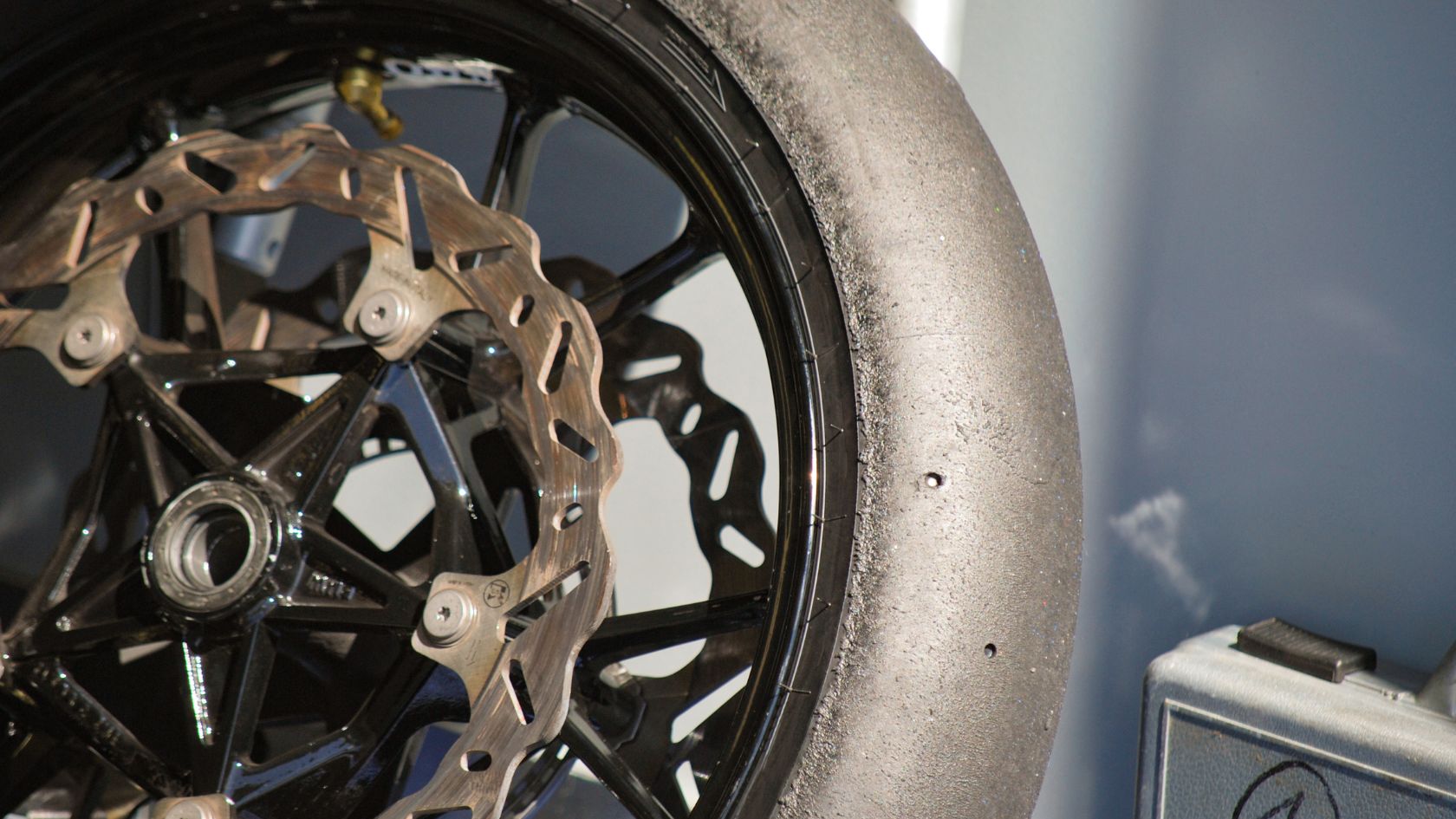
Have your motorcycle tires started appearing too shiny in the hot sun? Have you observed a steel cord line in the center of the tires? If yes, that means your motorcycle tires have gone bald. The question is why are motorcycle tires bald? Is it a good sign or something to worry about? Tires change their appearance according to usage and the effects of usage can be seen in the form of wear and tear that could lead to baldness. If you are looking to find out more about motorcycle tires going bald then continue reading this post. One of the main reasons for motorcycle tires getting bald is the disappearance of tread patterns due to too much wear and tear. Motorcycle tires are susceptible to balding because of their relatively thin tread that is lost with the process of too much running. Some of the other causes include aging of tires, improper inflation levels, mediocre maintenance, and bad road conditions that make a tire lose its tread grip and go bald prematurely. To keep the tires long-lasting one must know the causes of baldness in detail and ensure proper precautions are taken on time to avoid dangerous consequences. Motorcycle tires or any automobile tires are manufactured with a tread pattern that is important to withstand various road obstacles and environmental challenges. The design of the pattern varies according to the type of tire and brand but the purpose remains the same. The importance of tread patterns cannot be underestimated as they are instrumental in providing proper grip, control, and traction to a tire. With time and usage tires are bound to show wearing signs which are normal. However, uneven or premature wear and tear on tires is a result of various causes and some of them include misalignment or unbalanced tires, faulty wheel parts, and uneven tire pressure. Excessive wear and tear due to the above causes make the tires weak. The impacts of wear and tear are not limited to the strength of a tire but extend further damaging the depth and thickness of tread lines. When you continue using tires under such conditions, it doesn’t take long for these wear and tear symptoms to break and abolish the tread lines completely making a tire look bald. Regular inspection, periodic maintenance, and balanced tire pressure are always important to keep the tires and their material in good shape. Wheel balancing and alignment should be part of periodic maintenance so make sure the process is accomplished without any loose ends. Faulty wheel parts pertaining to rims, suspension, and rotation should also be replaced under regular maintenance so ensure this is taken care of every 6 months or the number of miles recommended by service stations. Many motorcyclists misconceive the wearing symptoms and diminishing tread patterns of tires. They tend to take it lightly due to their unawareness or simply neglect the signs deliberately delaying the process of repairs/replacements. Eventually, the tread line and grip of tires persist to degrade with continuous running. When too much running starts to expose the inner steel cords of a tire it is actually the breaking point for a tire replacement. Continuing to run the motorcycle on an excessively worn tire is very dangerous. Since the tire has already lost its tread line, it simultaneously loses the grip and ability to retain heat which means low traction and less control that could lead to falls and accidents. To be on the safer side, one must avoid riding on worn tires and initiate the process of repair or replacement (recommended) immediately upon noticing the breaking point of baldness. Every tire is manufactured with a specific age or running limitation by the manufacturers. It is better to replace the tire with a new one as soon as that age or running limit is crossed. A majority of reputed tire brand companies recommend using a new set of tires for 5 to 6 years as a standard thumb rule. However, one must also consider the factors such as the usage frequency, road conditions, maintenance performed, and appearance of the tire’s shape and material. It is important to check the tread depth and wearing symptoms of the tires and replace them before the completion of their normal age, if necessary. Keeping your motorcycle tires properly inflated means half the job done. It is a proven fact that motorcyclists who are serious about maintaining their motorcycles first look at the pressure levels of their tires. Underinflation is a major problem when it comes to the wearing of tires. With low air pressure tires have to work harder to maintain the friction levels and absorb heat as both are required to regulate the traction with the road. The difficulties of running with low pressure cause uneven wear and tear on the outside, and side of the tires. Similarly, if the tire is overinflated it causes early wearing on the center of the tire. Improper inflation levels are destructive for tires as it results in the weakening of tread depth leaving the inner lines exposed. Unbalanced tire pressure is more of a self-created problem. It doesn’t require you to use the pressure gauge each and every day but a casual glance at both tires before starting your journey is enough to get a fair idea and take appropriate action. You cannot ignore the importance of weight distribution if you are a frequent rider. To keep weight equally distributed wheel balancing comes into the picture. If the wheel balancing process is avoided for a long time it can have an adverse effect on the shifting of weights. Courtesy of uneven weight distribution one of the tires from the two has to face the brunt of lifting heavy loads. In the course of time and with load capacity breached, the impacted tire will have pressurized contact with the road than the motorcycle structure. This pressure becomes the main reason for wearing and making the tire slick very fast and go bald. It
Why does my front motorcycle tire wobble? 6 reasons identified
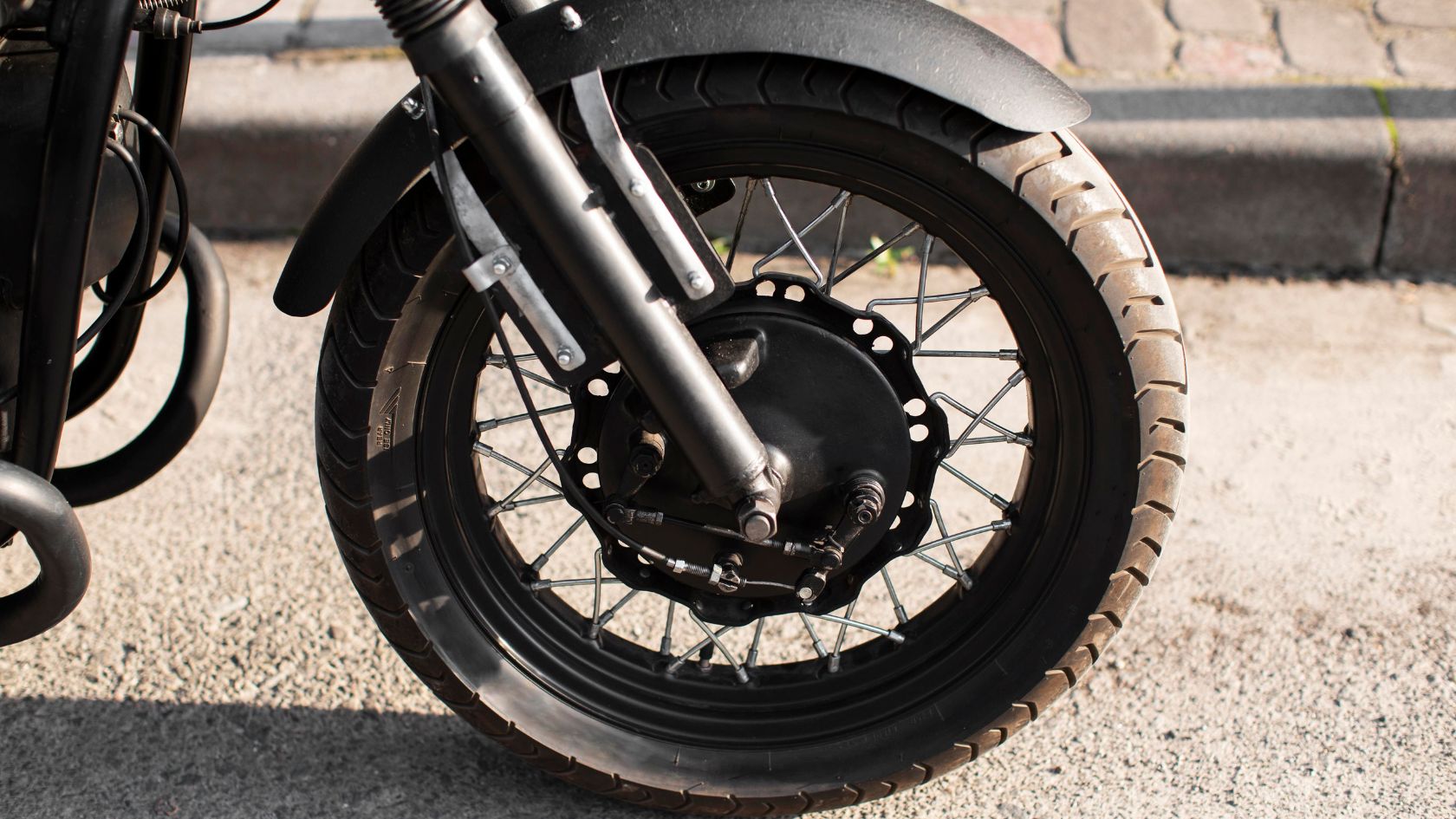
Do you feel the handlebars of your motorcycle oscillate rapidly? If yes, one of the reasons could be the wobbling of the front tires. If you have started wondering why does my front motorcycle tire wobble then this is the post to read. I will tell you about the wobbling causes of motorcycle front tires as well as back tires. We will also learn about the fixation methods and find answers to many other questions related to the wobbling of motorcycle tires. Motorcycle front tires may wobble for several different reasons. One of the main causes of wobbling is improper fitting or balancing of rims and wheels. The wobbling could also occur owing to the poor quality of tires, installation issues, internal damages to the tire, movement issues with the lateral axle of tires, and unbalancing or improper wheel alignment. Wobbling is not subject to any specific tire. Motorcyclists can experience the wobble in rear tires as well. As a matter of fact, more than the tires, motorcycle speed is one of the primary factors for wobbling. Generally, the effects of wobbling are felt more when the bike is running at lower speeds or very high speeds. This is also called speed wobble. Let’s analyze the wobbling causes to understand the precautions and fixes one can take as a solution. Rims are important to hold the movement of a tire. When the front tire rim is bent or worn out it can cause an uneven surface for the tire to sit on. Loose parts associated with the wheel such as spokes, axle, or bearing can put more pressure on a rim reducing its age. Lack of maintenance is the primary reason for loosening parts. Secondly, misalignment of the rim can also cause imbalances and wobbling of tires. While such deficiencies of wheel parts may not be visible upfront, a thorough inspection and replacement are advised to strengthen the rim and prevent wobbling of tires. The quality of tires plays a major role in handling the ride of a motorcycle. Tires lose their quality due to uneven wear, underinflation, multiple punctures, and repeated damages which impact their shape and roundness. When such type of tires (front or back) are forced to run on demanding conditions of a road it loses the frictional touch with the surface resulting in unevenness and wobbling. The wobbling may not be instant but appears through vibrations on the handlebars when you ride a motorcycle at low speed. It is important to keep the tires properly inflated, and replace them with new ones if they are excessively worn out or damaged. If there is damage to the internal cord/wiring of a motorcycle it can misalign the position of a front tire resulting in wobbling. Exposure to water, aging corrosion, and physical damage can impact the performance of internal wires. If you find abnormalities in the structure of internal cords, make sure to repair or replace them immediately to avoid the spread of damage on other parts of a motorcycle. Wheel balancing and alignment are two important procedures that keep your motorcycle tires genuinely balanced and grounded to the road. Balancing of wheels is often mistaken with the alignment process however, both methods are different and necessary for better riding and safety purposes. Wheel balancing is crucial to achieving equal weight distribution on both tires. There are multiple methods available through which tires can be balanced. Regardless of the method, proper weight addition and mannerly refixing of tires is a must to complete the balancing. Similarly, wheel alignment is a process to achieve the correct direction, angling, and contact patch of a tire with the ground. Any loose ends while re-installing or mishandling of parts left out while performing these two processes can keep the tires unbalanced which can cause wobbling. Make sure to perform wheel balancing and alignment periodically and validate the authenticity and completion of these processes to perfection. Swingarm bearings, and steering head bearings are two components of a motorcycle that keeps the tires intact. Swingarm bearings are responsible for connecting the rear wheel and frame of the motorcycle. If this bearing is damaged or worn out it can cause the rear wheel to move excessively resulting in a wobbling of the front tire. On the other hand, steering head bearings do the same with the front tire if they are too old, used, or damaged. With no proper support from steering head bearings, the front tire loses connection and starts to move independently in the frame causing a wobble. Some of the other components such as forks, spokes, and wheel spindles are at the receiving end due to long pending maintenance. The shape of these metal units gets deteriorated, warped, or unbalanced which makes the front tire wobble on their tune. Last but not least, are the loosened axle nut, stem bearing, and worn-out wheel bearings that increase wobbling on front tires. It is important to monitor and inspect these components regularly to avoid damage to the wheels and ensure your motorcycle is running smoothly and safely. Running tires on low pressure as well as on very high pressure is always risky. Lower inflation means your motorcycle tires are running with exhaustive heat, unbalanced friction, and damaged portions caused by the bad condition of the roads. Overinflated tires are always on the edge of blowout due to high speed and intense heat. The blowout causes imbalance and more than the wobble it tends to deflate quickly. Appropriate tire pressure is helpful in many ways and is not subject to just preventing wobbles. Always follow the PSI chart for maintaining the tire pressure and make sure to check the condition of the tires before you start your journey. Proper inflation is also necessary to distribute the weight evenly which otherwise could lead to wobbling of tires. There are many factors that make a bike wobble at high speeds. Some of them include: Heavier engine – Some bikes, and models are misfitted with heavier engines.

Do motorcycle tires get balanced? Balancing reasons and methods revealed
Do you feel vibrations when riding your motorcycle? Is your motorcycle wandering or drifting at one end frequently? These are confirmed signs to get your motorcycle tires balanced. You must be wondering – do motorcycle tires get balanced? Wheel balancing may seem or sound alien to motorcycle riders. The symptoms mentioned above are often mistaken for the bad condition of roads, unbalanced air pressure in tires, etc. and many times ignored by the bike owners. So, do you really need to get your motorcycle tires balanced? If yes, is it both tires or only one tire that needs balancing? Can the balancing process be performed by anyone? Find the answers to these questions and much more related to motorcycle tire balancing in this post. The simple answer is YES. Motorcycle tires do get balanced and should be balanced whenever you feel abnormalities in the riding performance. The balancing of tires can be performed using different methods. The most common being the static balance and dynamic balance methods. Both these methods are used by the tire repairing stations/services on specialized machines. Some of the other methods to identify the unbalancing of wheels are using the jacks, or a vertical stand. Whichever method you use, make sure the process is performed accurately to avoid leaving loose ends on unbalancing as well as refixing the tires to the motorcycle. While the symptoms may vary according to the condition and environment a motorcycle is ridden on, one of the common signs is constant vibrations. This can be felt in the handlebars, seats, foot pegs, and even mirrors that increase with speed. Some of the other causes include drifting of the motorcycle to one end, finding the steering stiffer than usual, signs of uneven wearing especially on one tire, and increased fuel consumption. If you sense any of the above symptoms while riding, it is important to pay special attention to tires and initiate a balancing process for a smoother ride and improved tire life. There are several factors that add to the unbalancing of tires. Here are a few of them: Uneven wear – Tires are prone to wear with time. Proper maintenance and periodic replacement are the best solutions to counter the wearing. However, if you continue using worn-out tires without servicing or maintenance for a long time, they are bound to catch uneven wear. The conditions of the road also play a culprit in giving uneven wear especially when the bike hits deep potholes or pavements, or mostly run on bad roads. Improper tire pressure – If you think improper tire pressure only leads to punctures or tire blowouts then think again. If the tire has low pressure, it automatically build-up heat to the internal parts of the tires causing reduced friction with the road. As a result, rotating parts of the wheels are under tremendous pressure to maintain traction. In such instances, motorcycles can go out of control which may lead to unbalancing of wheels. Incorrect wheel alignment – The wheel alignment process is different than wheel balancing. Here, the alignment process is performed to check the contact of the wheels with the surface. Wheel alignment involves correcting the direction, angle, and position of tires so that tires are capable of transferring the weight appropriately. On the flip side, if the wheel alignment process is performed casually or incorrectly it will impact the weight distribution causing the tires to lose balance. Related Read: Why are motorcycle tire treads opposite? Unbalanced weight distribution – The purpose of balancing the wheels is to allow the motorcycle to distribute the weight equally. When you keep running the motorcycle for a long time on the same set of tires without performing wheel balancing it may cause a shifting of weight on one tire leaving the other unbalanced. All these factors not only affect the condition of tires but also impact the performance of suspension, steering, and rotating parts that are responsible for tire unbalancing. As mentioned above, there are two conventional ways to balance motorcycle tires: Static balance–Static balance is one of the easiest, cheapest, and most effective ways to balance the tires. The process involves a static balancer, some small weights, a tire, and a wheel rim. To perform the process you need to put the whole tire and rim on the static balancer with the help of the spindle tool. Once installed, the wheel will start to move and the heavier side will stop in the lower direction. This means you have to put some weights on the opposite side (upper portion) to balance the rotation. Once the appropriate weight is placed the wheel will remain static which means the balancing is achieved. Static balancing is an ideal method to balance the tire with small to moderate levels of imbalances. Dynamic balance–Dynamic balance is more of an automated process compared to static balance and is geared to cover the high levels of im-balancing scenarios. Under the dynamic balancing method, a fully assembled wheel and tire are placed on a spinning machine that is connected to a computer screen. The spinner rotates the tire from lower to higher speeds and measures the weight of the tire. It then detects the uneven weight portions on the screen with its sensors. On completion of the process, the machine highlights the sections of the tire that need to be balanced with additional weights. Balancing tires without a machine is a tricky process but still possible. Many motorcyclists who are used to playing with hard metals and tools do the balancing on their own. One of the best ways to do it is by using a balancing stand. If you don’t have any specific stand, you can also use metal jacks or any other structure that acts like a stand to spin the wheel. Remember, the structure should be strong enough to handle the weight of a wheel and convenient to spin the wheel. Place the tire on the balancing stand or between the two jacks/structures and
Why are new motorcycle tires slippery?
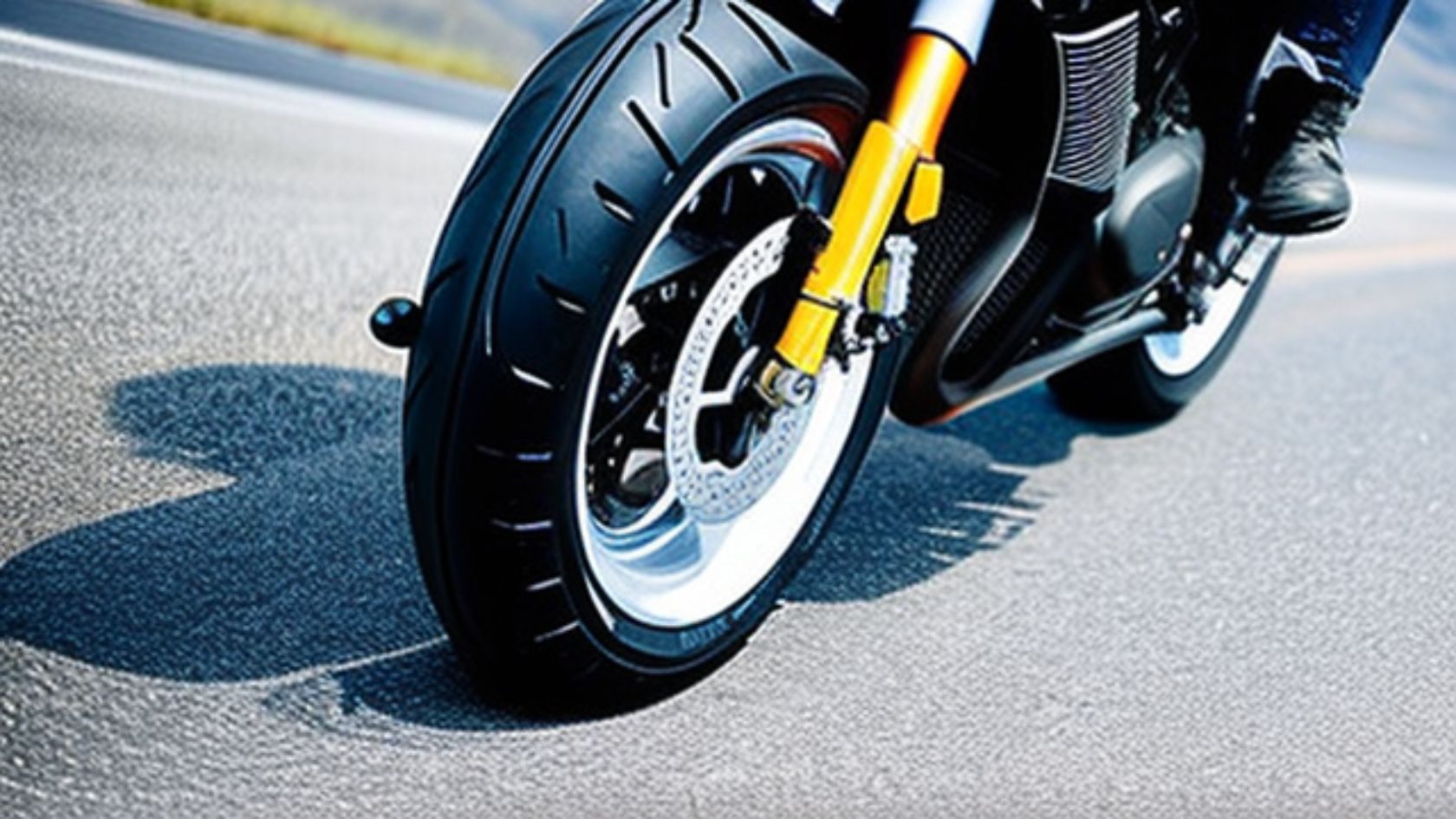
So, you just changed your motorcycle tires with a new pair and felt the first ride slippery. You started thinking why are new motorcycle tires slippery? Is it the newness, material, or brand of tires that make them slippery? The slippery appearance of tires is not new. As a matter of fact, almost all new motorcycle tires come with a glossy appearance. Does that mean you need to worry if the tires are slippery? Is it okay to ride a motorcycle at high speeds with slippery tires? What are the measures to adopt after changing tires to avoid slipping on the road? These are some of the questions you will find answers to in this post. We will also look at how to reduce the slippery phase of motorcycle tires after installation. So, keep reading! New motorcycle tires are slippery because of the curing process they go through in the final stages of manufacturing. The slippery appearance is subject to the release agent/chemical used to complete the curing process. Secondly, the rubber compound used in new tires is softer than the old ones which lack complete grip making it slippery. Brand-new tires often comprise shallower tread patterns because of their non-usage. This again impacts the grip of new tires making them slippery, especially on slick surfaces. The slippery phase also depends on the brand and type of new tires. Many tire manufacturing companies have adopted modern techniques to mold the tires that eliminate the need to add release agents/chemicals during the curing process. Does that mean you need to worry or take caution while riding the motorcycle on new tires? Before answering this question let’s understand… The curing process is meant to bond all the compounds and materials of tires together. This process is executed in the final stages where the whole tire is put into a mold. The mold is used to cure the tire under high temperatures and pressure to get the desired shape. Under the curing process, the inner liner, sidewall, and tread of tires are strongly bonded with the rubber material and then vulcanized to join all these components together to create a more durable and flexible product. Once the process is completed, the tire needs to be released from the mold which is done using a release agent. This release agent forms the part of the tire’s slippery surface if not completely removed by the manufacturer. The curing process is still a vital part used to manufacture tires but some reputed tire manufacturers have found innovative ways with respect to the usage of release agents/chemicals. The Teflon molding process is one such innovation where no release agent is required to remove the tires from the mold. Without the release agent, tires appear from the mold with a rough surface under the Teflon process against the shiny/slippery surface that is common under the normal molding process. So, if you have new tires from a brand or company that uses Teflon or any such process for molding then no need to worry, about the impacts of slippery surfaces. However, if you have installed brand new tires that are glossy or shiny and feel slippery then follow the below precautionary measures for better grip and controlled ride. A brand-new tire with a slippery surface can cause accidents. Riders with less information on the usage of new tires continue with the same approach while riding as it was with the old tires. Overspeeding, acceleration, sudden braking, and sharp cornering are some aspects that should be performed with caution. The idea is to take it easy before the new tires get a better grip and traction with more usage. Slow riding is the best way to let the new tires adapt to the surface. Avoid speeding or accelerating too fast suddenly. This may skid the tires owing to the slippery material. People who have experienced the atrocities of riding on new tires follow the approach of riding a motorcycle in wet conditions (rainfall). Slow and steady throttling, soft braking, and less amount of flicking are some of the precautions. Related Read: Why does a motorcycle blow white smoke? Having said this, try to avoid wet or slick conditions as much as possible till the tires find better contact and grip with the road. Now scrubbing does not mean taking sandpaper and rubbing the tire to remove the shine/slippery surface. If you are too paranoid you can do that. However, the best way to keep scrubbing the new tires is by letting them touch the road. The more sections/parts of the tire get contracted with the road, the higher scrubbing you will achieve. While following the slow approach for a few kilometers motorcyclists tend to believe that 100% scrubbing is achieved. This is not the case, especially on the cornering edges of tires. Precautionary usage is helpful in scrubbing the tires to the extent of the middle surface. Since the edges are still new and slippery the tires won’t meet the gripping potential. This is where you should continue leaning and put some force while cornering or turning to let those untouched edges get scrubbed. Progressive leaning is required to remove the slippery patches and achieve 100% scrubbing on all the parts of a tire. When you do this, the tires will lose the slippery effect and attain better grip, control, and traction. If you follow all the tips mentioned above a 2-mile ride could be enough. However, some riders consider following a thumb rule of utilizing a full tank of gas or at least 100 miles. In my personal opinion, removing the slickness or slippery surface of new tires is fruitful when you hit the lean angle correctly on all sides. Start with slow speed and gradually increase the lean angle and force by covering the sides and edges of the tires. The best way to do this is by circling a few miles in the ground or a parking lot with lots of empty space. Once you notice