
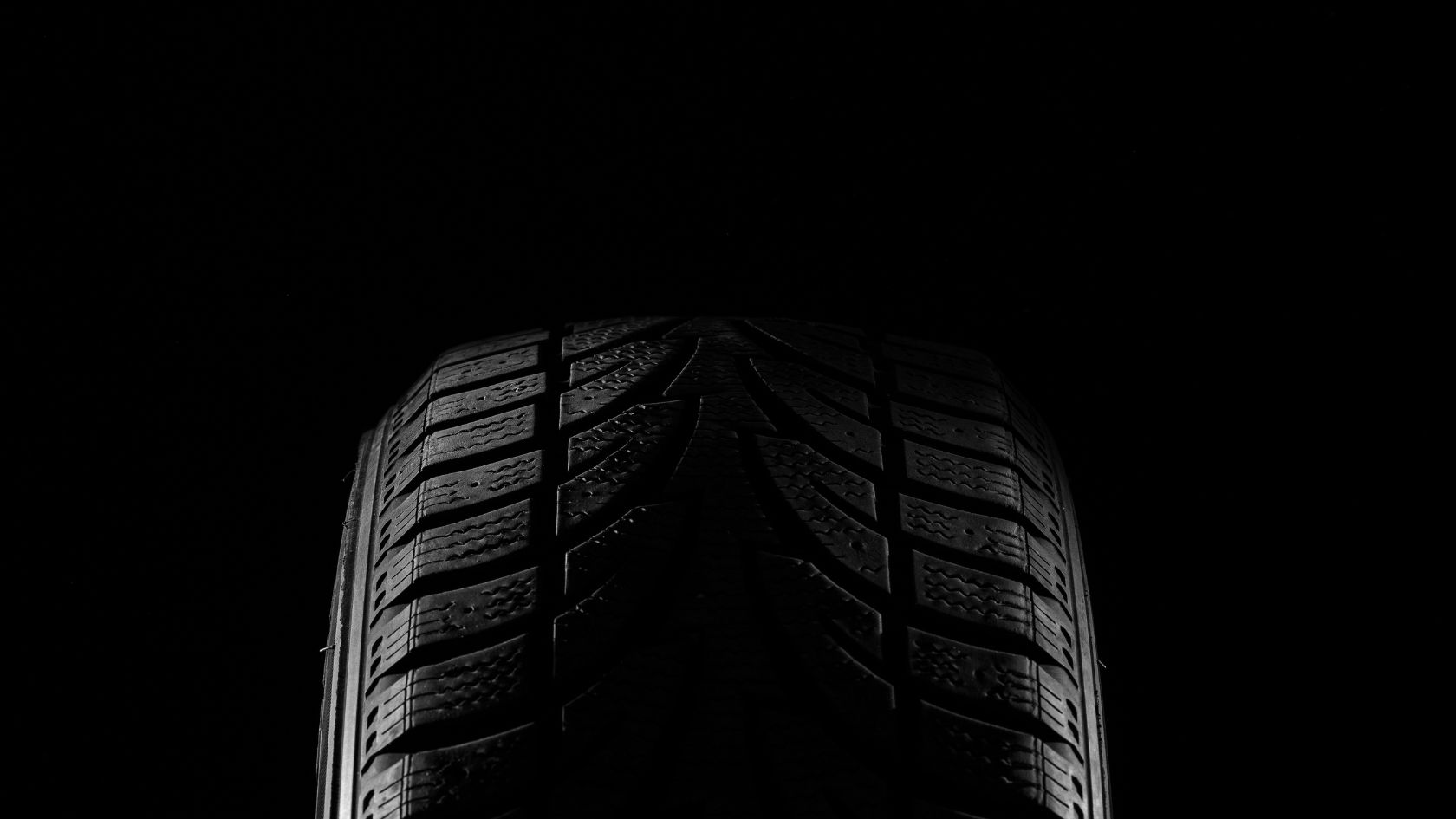
We all know that tires are made of rubber. Some people wonder, why are car tires made of rubber. The answer to this question is not specific to the type of vehicle so, cars, two-wheelers, or trucks do not matter. Rubber is used to make tires for decades. The process of shaping the tires differed through the years but the material remained the same. What makes rubber inseparable from tires? What are the factors considered to use rubber while making tires? Is rubber the only option to make tires? Find the answers to these questions and many more in this post which is based on thoroughly researched facts, and some personal knowledge. Car tires or for that matter any automobile tires are made of rubber because of a combination of properties. Rubber is the ideal material to offer the flexibility, grip, and durability that are required to perfect the shape of a tire. Rubber performs really high when it comes to absorbing the bumps, and shocks of the road. The components of rubber can resist heat and other weather conditions which is helpful in protecting the car’s vital parts such as the wheels and brakes from overheating. Some of the other reasons that go in favor of rubber are its ability to manage friction levels, offer better traction control, make less noise, and provide better cushioning/comfort to the rims and wheels. Eventually, modern car tires are not limited to just rubber but also include some parts of synthetic, nylon, silica, and many other chemicals to achieve better performance. Let’s explore these components and qualities of rubber further! Rubber is the sole material that remained standard in making tires. On the flip side, natural rubber is not capable of lasting too long. Fluctuating temperatures and stressful road conditions make natural rubber wear out early. This is when tire companies (based on their research) started adding other chemicals to cover the shortcomings of rubber. Synthetic rubber derived from petroleum chemicals was later discovered. Synthetic rubber was found to be offering additional advantages of greater resistance, and elasticity owing to its modifiable properties. Synthetic rubber is further classified into different types such as Styrene Butadiene Rubber, Butadiene Rubber, Butyl Rubber, Ethylene Propylene-diene Rubber, etc. which is used according to the requirements of vehicle categories (cars, trucks, bicycle, airplanes, etc.) When it comes to cars, Styrene Butadiene Rubber and Butadiene Rubber along with natural rubber are used to obtain better mileage, rolling and skid resistance capabilities, and longer durability. Needless to say, you won’t find such qualities and efficiencies of rubber in other materials like steel, and wood which were used on vehicles in older days. The flexibility of rubber compounds has a very high ability to absorb shock loads. This compound which is a mixture of various other elements can deform itself back and forth regaining its shape. Bumping on the roads is very common and when vehicles hit a hard bump it sends a shock to the entire wheel that can cause damage to the springs and the frame. Thanks to the incredible deformation capability of rubber a car can easily absorb the impact of a bump and quickly regain its shape. For proper grip, resistance, and traction rubber is further mixed with different types of oils and chemicals which are called fillers. Fillers include silica, carbon black, and chalk which binds the rubber together. Proper binding helps a tire deform better under the weight/force resulting in a larger contact patch with the road. Enhanced patching improves the grip which is essential from a safety perspective. The chemicals also play an important part in increasing the flexibility of tires making them more weather-proof. This means tires become slip-resistant during monsoon, remain soft in winter, and stand rock solid during summers. Related read: Do tires need more air in hot weather? Because of the deformation and gripping compounds, rubber gets a balanced friction with the roads. Add to that, rubber works on a tread pattern designed to disperse water away from the tire. In the absence of any moisture, the rubber compounds stick to the road efficiently. The tread pattern is also instrumental in offering better cushioning that reduces the amount of vibration felt by the vehicle keeping it intact on the road. With controlled rolling resistance and a tread pattern designed to create balanced friction, a rubber tire does not make much noise while working. Imagine the noise a wooden or steel tire would make. Rubber’s shock absorption capabilities come in handy here to control the sounds which make driving distraction-free. One of the important reasons car tires are made of rubber is their ability to hold the air. This is just not possible with steel or wooden tires which means they are worth single use. Tires have different types of tubes inside which are filled to keep the rubber inflated. The air pressure is also responsible to absorb shock waves. With proper inflation, rubber tires can run longer and sustain on-road obstacles with ease. Air tightness also means that you can use the same tire again and again with balanced air pressure. Rubber tires are more durable due to their excellent resistance ability which keeps wear and tear far away. Apart from the natural and synthetic rubber additional additives, oils, and chemicals are filled in tires to withstand the shock waves, crumbles, and damage during the run. Vulcanization is another process adopted by tire manufacturers to make tires work longer. Under this process, tire material is heated to create elastic rubber which makes them less brittle and more resistant to cracking and tearing. Longer durability also improves the mileage of a vehicle as tires are able to survive all the loads and challenges arising on the road. It is because of rubber that you can run your vehicle thousands of miles uninterrupted with proper maintenance. As of now, you won’t get a better alternative than rubber to make tires. Rubber is the most flexible and highly resistant material. It is

Why do my car tires sound like a helicopter? 6 reasons to look for!
A helicopter has been chasing you constantly on the road and you look through the windows but find nothing. Suddenly, you realize that the sound is actually coming from your car tires. You start wondering why my car tires sound like a helicopter. Yes, instances like this happen when there are problems related to tires and some car components that release awkward sounds due to malfunctioning. Proper inspection and repair are a must when you hear sounds from your car that resemble a helicopter flying in the air. In this post, I will tell you about the causes and solutions to overcome the troubling sounds of helicopters from your car. One of the main reasons car tires sounding like a helicopter is an improper rotation or balancing of wheels that makes the tires lose. When the tires are loose, they don’t get enough traction to continue the movement which makes them wear down quickly creating weird sounds. Insufficient tire pressure and defective wheel bearings are some of the other causes related to helicopter sound coming from car tires. Apart from the tires, there could be a leakage in the exhaust system and issues with braking functionality that also causes your car to make a helicopter sound. Whatever the reason, it is important to discontinue your journey and take your vehicle to the nearest service station or a technician to find the issue and resolve them immediately. For a better understanding and how you can avoid such sounds let’s deep dive into the causes further! If your car is running on loose tires it is bound to make sounds resembling a flying helicopter or an airplane. What causes tires to become loose? There are different factors associated with a loose tire. First of all, you must consider the condition of the tire (s). Have they been running for a long time without any maintenance? Are the tires brand new or recently changed and rotated? Taking the first scenario, if the tires are too old and do not get any service chances of loosening parts is quite common. Some of them are lug nuts, wheel bearings, etc. If the tires are not maintained and serviced periodically wheel bearings can become loose and surrender their grips that control the spinning. Wheel bearings are important to spin the wheels with little friction and prevent the wheels from on-road obstacles with its seal. Similarly, lug nuts that are used to secure a wheel to a vehicle’s axle can also lose their tightness which compromises the security of the wheel. Both deficiencies could lead to the early wearing of tires, and unclasp the grip and tightness to hold the tires together resulting in loud sounds. On the other hand, if you have recently changed or rotated the tires you can hear bizarre sounds while driving. Likewise, some types of brand-new tires do make sounds in the initial stages of running. The rotation process involves the balancing of wheels. Tires remain loose and generate lots of noise if the process is not performed appropriately. Driving with loose tires carries risks of accidents and injuries and severe damage to your car’s functionality. The process of connecting loose tires is more manageable but not recommended under DIY (do it yourself). The best way to get rid of such sounds is to take them to a technician for quick fixes. It is always important to maintain the tires from time to time and keep them properly inflated. Secondly, take a test drive and check the performance of the tires whenever you are collecting the vehicle after servicing. In case you detect or hear any irregular sound ensure the vehicle is re-checked by the technicians and necessary steps are taken to resolve the issues. Regardless of the helicopter sound you hear or not, keeping tires underinflated is always risky. With low pressure, tires have to work harder to keep rolling themselves. This in turn reduces traction and increases the risk of wear and tear and overheating. Due to low pressure and overheating, fuel economy is badly impacted which puts more pressure on the engine and other components of your vehicle. At this stage, it is possible to hear humming sounds that are mistaken for a helicopter noise. More than the tires, the sound could be coming from the engine, a fan, or any other part sitting under the hood. It is a proven fact that properly inflated tires are always beneficial in saving fuel and preventing damage to other vehicle parts. If the tire pressure is okay and you still hear the noise it may be best to have a professional inspect your vehicle. An exhaust system is essential to keep your vehicle less exhausted from the harmful chemicals of the burning fuel. There are reasons that contribute to the leakage from the exhaust system. Unburned fuel, excessive heat, and improper maintenance are a few of them. If there is an unexpected leakage or a crack developed in the tailpipes or to other exhaust exits your car may begin to release black smoke at full speed with a great amount of helicopter-like noise. The noise may worsen when you accelerate the car as the acceleration puts more pressure on the exhaust system. Without any further delay, the vehicle must be taken for urgent repairs as the leak can cause further damage to the exhaust system and even impact the car’s fuel efficiency. Wheel bearings, as the name suggests are responsible to bear the rolling of wheels. Most of the wheel bearings possess a seal to protect the wheels from water and debris that allow them to run with less amount of friction. The seal is also important to control the spinning of wheels. When the seals are broken or worn out it unbalances the movement of wheels causing them to vibrate and make whirring noise again mistaken for the helicopter sound. Running with defective wheel bearings could damage or cause uneven wear on the tires which can be harmful. Never
Do tires need more air in hot weather?
It is a known fact that a car needs more cooling substances to withstand extremely hot conditions. But what about the tires? Do tires need more air in hot weather to remain hydrated? An increase in temperature expands air molecules that demand more pressure from the tires. To maintain the balance and avoid under-inflation proper tire pressure is required time-to-time which is fulfilled by filling some extra air. What exactly happens inside of tires that demands more air? What are the causes of low tire pressure in summer? What should be the ideal PSI in hot weather conditions? These are some of the questions you will find answers to in this post. Yes, tires do need more air in hot weather due to the air expansion caused by the spreading of air molecules. In simple words, tires tend to get hotter by running on roads that are burning with extreme heat. The combination of internal and external heat pushes the air piston to go out of the tires resulting in more air leakage. In such a situation, tires need to be filled with some extra PSIs to maintain the pressure and avoid tire bursts or accidents. When we say extra PSIs it doesn’t mean over-inflating the tires. No, you should never over-inflate the tires in any weather whatsoever. Tire pressure should always be maintained according to the recommended PSI chart provided by the car manufacturer. There are multiple factors for low tire pressure in summer. The primary reason is heat. During summer with rising temperatures, heat expands the air molecules inside tires which can cause the pressure to drop significantly. Secondly, the valve stem of the tire is vulnerable to damage with early wear & tear because of the excessive heat that causes leakage of air. Friction levels are also on the higher side due to the hot summer as the tires continue to rub against the asphalt making them more hotter. This in turn causes wreckage inside tires that gradually begin to lose air. Another detrimental cause could be the condition of the tires. If the rubber is ill-aged, not maintained, or had multiple instances of punctures it can break down quickly under hot weather conditions. Tires are already prone to overheating because of intense running, high speeds, bad road conditions, etc. in normal circumstances. When all these reasons are combined with the causes of summer you will notice low pressure in tires. First of all, what is a PSI? PSI stands for ‘pounds per square inch’ calculated to measure the air pressure inside a tire. To achieve appropriate levels of PSI, the first rule of thumb is to abide by the vehicle owner’s manual for recommended tire pressure. Ideally, a PSI between 30-35 is recommended by a majority of car manufacturing companies. But it also depends on the specific make and model of a vehicle and the behavior of the temperature of a country/location. To understand the PSI levels, let’s take an example! In normal circumstances (cold pressure), a 30 PSI is what you want the tires to run on. When the temperature increases significantly say above 40 degrees it is time to start monitoring the pressure. An increase in temperature subsequently increases the pressure in tires. It has been observed by the experts that every 10 degrees increase in temperatures fluctuates the pressure in tires by 1 PSI. It could be a raise or reduction but there will be an impact for sure. Before starting your journey, if the tire pressure is at 28 PSI and you want to drive a long way under the hot sun your obvious target would be to fill the air by 2 PSI to make it 30 PSI. Taking 30 PSI as a standard level, and with the rise in temperature by 10 degrees the tires are bound to lose air consistently with a combination of causes like friction levels, hot molecules, and over-resistance of rubber. By the time you complete your journey, the tires will lose air and sit on a deficit of 2-3 PSI. This means your tires are still underinflated against the recommended PSI of 30 and if you restart your journey without measuring the tire pressure you are actually running on a time bomb that can explode at any time. So, if you have a nick of filling up air up to 30 PSI under normal conditions, increase the levels by 2-3 PSIs in summer. This will cover the deficit with that extra filling and keep your car tires ready for your next journey. That being said, there are likely chances of tires getting over-inflated by 2-3 PSI as well in summer. In such cases, it is better to check the tire pressure at regular intervals. If the pressure increases pull them aside for some time to make them cool. Remember, the act of filling extra air should be performed in contention with the general guidelines of the car manufacturer’s manual, the condition of the tires, traveling distance, the luggage you are carrying, and predicted weather. By no means you should over-inflate the tires casually as overinflation is one of the potential reasons for tire bursts/explosions. Secondly, in case of pressure increment never try to deflate the air from hot tires. Both these acts could be hazardous for your vehicle and your health. Yes, you can see the tire pressure lights coming on frequently in the hot weather due to air expansion in the tires. The indicator is not because of the hot weather but actually because of the multiple causes happening inside of tires that prompt the tire pressure light to come on. To avoid this, it’s important to check tire pressure regularly. In case the light does come on, use a tire pressure gauge to check the pressure reading and adjust it according to the recommended PSI. It is always a good practice to monitor the pressure habitually especially if you are planning long drives in summer. Yes, higher PSI can impact positively on

Best Electric Air Pumps For Car Tires (2025)
Bothered about keeping your car tires properly inflated? Electric air pumps are one of the solutions. But with so many options available it is difficult to choose the best electric air pump for car tires. You may spend invaluable money on 100s of inferior products that promise more and offer less. This is the reason one must research thoroughly before buying something online. You should also have knowledge of the factors and usage of the product you want to buy. In this post, I will help you find the best 3 electric air pumps and also help you understand the usage, benefits, and what are factors you must consider while buying the air pump with our buyer’s guide. The best electric air pump for car tires is the one that shows accurate tire pressure. This includes the current as well as the expected tire pressure so that tires are never under or over-inflated. Secondly, an electric air pump should be equipped with a digital display and LED light that allows night-time usage. Last but not least, the best electric pump should be reliable, powerful, compact, easy to use, lightweight to carry, and should be portable enough to be kept and carried in the vehicle. There are many more features an electric air pump possesses but, in the end, it depends on everyone’s personal requirement, type of vehicle, and budget. Here is the list of 3 electric air pumps that are rated highly by users for their performance and usability: As an Amazon Associate, we may earn a small commission if you purchase any product by clicking the link without any additional cost to you. Airmoto The Original Portable Air Pump Airmoto is a very practical portable air-pumping solution for vehicle tires. It comes with 4 connectors to inflate not only cars, bicycles, motorcycles, and truck tires but, other general inflatable items too. This fully chargeable unit packs 120PSI output and inflates any tire in minutes. It is extremely compact with 6 inches of height and weighs just 1.2 lbs to carry. The digital display offers accurate pressure detection and the automatic shut-off feature keeps a check on the over-inflation of tires. There is an LED light on the top of the equipment to fill the air in the night. The package includes a number of accessories such as an air hose, needle, bike, and general connectors. Fanttik X8 APEX Tire Inflator Fanttik X8 Apex is a reputed air-inflating compressor that is very easy to use. The instrument is small, compact, and possesses a power rating of 150PSI. Fanttik is a versatile tire inflator covering cars, motorcycles, bicycles, and sports inflatable items. It is fully chargeable with a 7800mAh battery that is capable of filling all four tires in one charge. The cordless feature makes it completely portable. It can be used with 5 preset modes offering convenience to inflate vehicle tires and other objects alike. There is an LED light on offer that can be used to pump the tires in the dark/nighttime. The built-in pressure monitoring and preset pressure functionality is the main highlight of Fanttik which helps keep tires properly inflated. The X8 Apex is very lightweight with just 1.74 lbs and is designed with USB-A and C output and input for easy charging adaptability. VacLife Air Compressor Tire Inflator VacLife Tire Inflator is one of the most-used products in this segment. It is a corded tire inflating unit that works on a 12V power outlet making it easier to connect with the cigarette lighter of your car. The power cord is lengthy (close to 12ft.) enough to serve all the tires around. It weighs around 2.6 pounds making it easy to carry. The inflation is fairly quick and using the equipment is a breeze. Users have to just plug the inflator into the cigarette lighter, attach the stem to the tire valve, and press the compressor button. It has an auto shut-off feature that allows you to preset the desired pressure level and leave it on the equipment to do the rest. There is no need to worry about over-inflating the tires. The unit comes with an LED light to support air filling in the night-time and offers accessories comprising 3 additional nozzles for multipurpose needs of not only automobiles but other inflatable objects. The following are the factors you should look for before purchasing an electric air pump: Easy to use – Since the electric air pump is based on a digital platform the technicalities could be overwhelming for some people. Look for a unit that is easy to use and maintain. LED light – This feature should be complimentary if you don’t like driving in the dark. Nonetheless, the LED light feature is a value addition that could help you use the equipment for other activities along with air pumping. Versatility – Look for an air pump that can serve different types of vehicles and air-filling objects. There are instruments that can be used to fill air pressure in tires of cars, trucks, and bicycles, as well as sports balls. Ensure that the unit is fully capable of adapting to the requirements of different types of tires and inflatable objects. Portability – Portability defines the value of electric air pumps. This should be one of the main factors you must consider while buying an air pump. Choose a lightweight air pump that is easy to carry around, and kept in the vehicle conveniently. The size of an air pump does matter so ensure the equipment can be easily fitted in a backseat or trunk of a vehicle. Accessories – In order to avoid spending additional costs on associated parts consider buying a unit that comes with complementary accessories. Many air pump companies offer accessories such as storage bags, extra nozzles, and pressure gauges. Price – Look for an electric air pump that is budget-friendly. Consider your requirements rather than looking at the price. Do not settle for cheaper versions that lack quality and performance.

Do tire inflators drain battery? 6 preventions to avoid drainage
Tire inflators are a great invention to fill the air by connecting through the cigarette charger inside the car. But do tire inflators drain battery when they are combined for air pumping or charging? It is a fact that tire inflators take power from the DC output and it does impact the performance of the battery. So, what measures should one adopt to prevent battery drainage? Should you keep the car engine on while filling the tires? How to use the tire inflators correctly to reduce the effects on the battery and other vital parts? You will find answers to these questions and many more in this post. Tire inflators may drain the battery depending on the circumstances it is used in. Battery drainage can happen if the car engine is off while using the tire inflator. This is because the battery gets automatically charged through an alternator when the car engine is on. Using a tire inflator with an ‘off’ engine will suck the power from the battery. Secondly, drainage can occur quickly if you use the inflator for too long. In a scenario, where more than 1 tire needs refilling usage may take longer which extracts all the charging from the battery. Some of the other causes for draining of the battery could be long pending maintenance or old and weak condition of the battery. Connecting tire inflators to such batteries makes them drain faster. Let’s check the preventive measures you can adopt to protect the car battery from draining. First of all, make sure the condition of a car battery is not weak or worn out. If this is the case it is better to perform the maintenance. If needed, replace the battery with a new one. It is technically sensible to keep the car engine on when you want to use the tire inflator. When we say ‘on’ it doesn’t mean starting the car in drive mode. Instead, just move the key in a position that brings the accessories symbol on. This will allow the car battery to take power from the alternator that gets active when the car is on. When you plugin the inflator now it will take power from the battery which remains charged with the car ‘on’. Word of caution: It is not recommended to keep the car engine running while using the tire inflator. This process can have adverse effects on the battery which may lead to overheating and other dangerous hazards. The output required to use a tire inflator is not more than 12V. This is not demanding considering the typical voltage of 13 to 14 volts possessed by car batteries. So, from a power output perspective, a tire inflator won’t drain the battery unless you have a model that requires more than 12V sockets to draw power. Make sure to check the power output required by a tire inflator before connecting. The average time taken by tire inflators to inflate the tire is between 15-20 minutes. If you have more than one tire to inflate the duration to fill them will take longer. This means you will have to keep the inflator connected to the battery for a long time. More than draining the battery, this lengthy process will certainly have an impact on its performance. Overheating is one such impact. Give a break to the inflator after every 10 minutes and let it cool down for 20-25 minutes. Resume the filling process after the break and continue doing this for all the tires. Most tire inflating units come with guidelines on usage time. Follow the guidelines to the core as it will help you keep the inflator as well as your car battery safer. One of the best practices to keep the battery juiced up is starting the car engine for some time after each filling. Another way to reduce the inflating time is to have a higher-capacity airflow inflator. This depends on your personal choice but having a tire inflator that is able to fill the air in quick time will help your car battery save energy. One way to achieve this is by setting the tire pressure to the recommended level (PSI) before turning on the inflator. This will help you reduce the amount of usage time. Modern vehicles are loaded with features and accessories that work by taking power from the car battery. It is therefore necessary to perform proper maintenance and keep the battery in good condition. Some of the precautions to follow are turning off the components when not in use, ensuring the tightness of terminals, and cleaning the dirt and grime from the battery periodically. Well-maintained batteries survive the power consumption for a long time which makes using tire inflators favorable. A cordless tire inflator does not require power from the car battery while filling the air. These units can be charged using the cigarette charger once and has the capacity to last from 30 to 40 minutes. Many cordless tire inflators possess USB-type charging and offer charging cables that can be connected with any charger accommodating the USB type. This means you may avoid using the cigarette charger inside your car which is beneficial for saving battery power. A car battery is one of the vital parts of every vehicle. Many electrical and computerized components rely on car batteries to perform. When using a tire inflator, you must ensure that the battery of your car remains in good condition. Secondly, keep it fully charged by keeping the car on to avoid drainage. Always choose a tire inflator that responds quickly to inflate tires (maximum air pressure and airflow). Cordless tire inflators are the best option to avoid using the car battery. Last but not least, always keep your car properly maintained with special attention to the battery. If you follow the information and tips provided in this post rest assured your car tires and battery will remain fully charged.
Why do car tires explode? 7 common causes identified
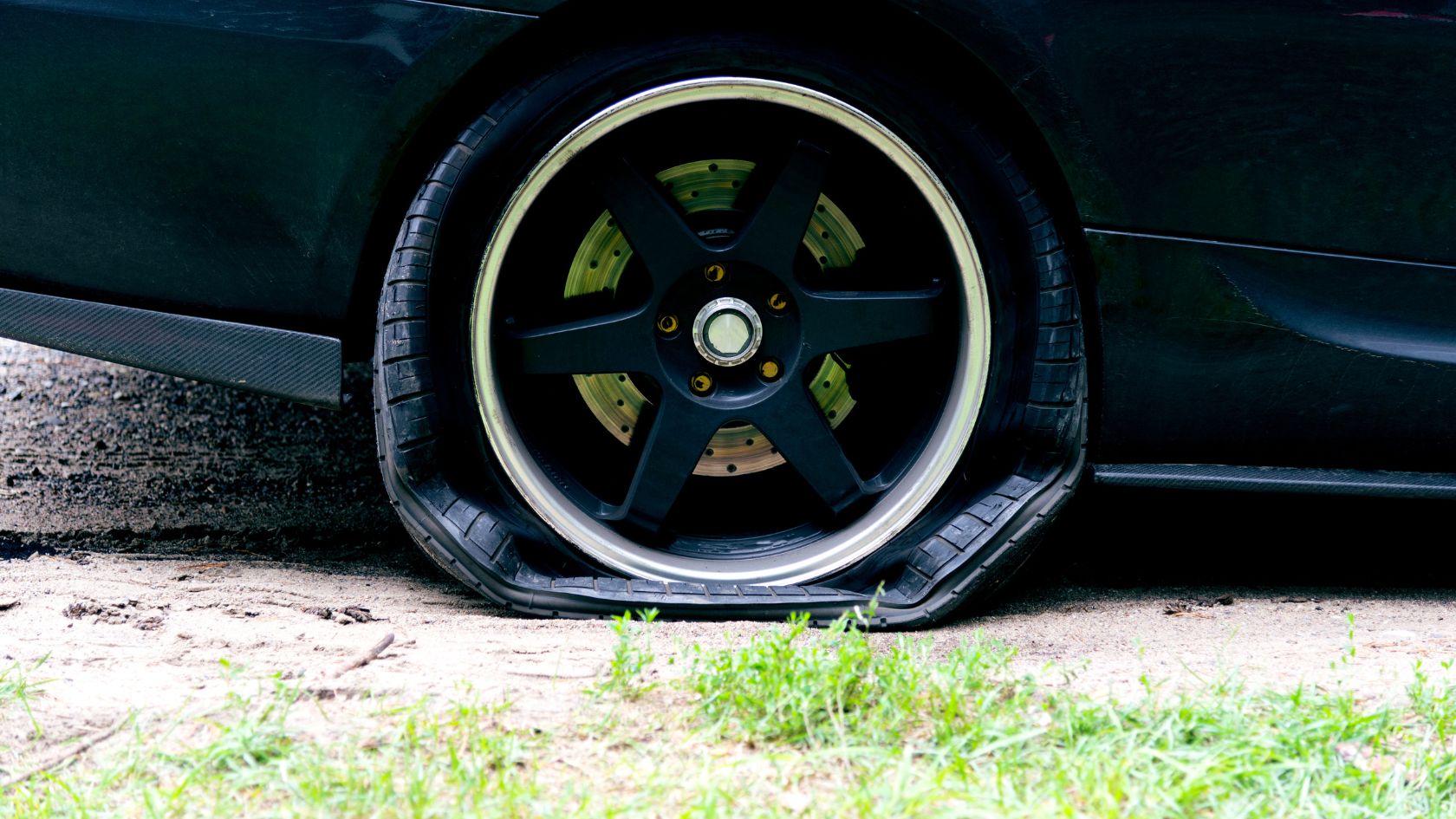
Cars normally don’t explode. They do generate explosive noise and tire is one of the causes. But why do car tires explode? Tire explosion instances are quite common. Whether you are on the road, or parked aside tires don’t care. On the contrary, you have to take care of the tires to prevent an explosion. So, what do you do? Find the causes and answers to those causes in this post which will help you remain alert and generous to your car as well as the wheels they run on. Car tires explode due to the combination of several causes that pushes a tire (or tires) into a position to blow off. The most common reason is the underinflation and overinflation of tires which tend to explode if forced to work in challenging temperatures or demanding road conditions. Some of the other causes include the age and wearing of tires (non-maintenance), overloading of a vehicle, and manufacturing defects. When tires are put to testing limits from these causes the only way to release the pressure is to throw the air out with a blast. This is where you see tires exploding making a large sound. Let’s find out more about these causes and learn how to prevent and tackle the situation of tire explosions. Tire pressure plays an extremely important part in holding the tires together. Underinflation which means low tire pressure is the first symptom to worry about. Now, why would you keep a tire lowly inflated and make it run excessively? That’s foolishness I would say. Because this act is a major concern for many tire burst incidents. When the tire is running on low air, the turmoil within the tire’s structure and the outside contact with the road is too much to handle. This means the tire is trying to run itself on its own without any immunity. This lack of immunity combined with intense running and internal hot temperatures leads to the building of too much heat inside of the tire. Imagine what happens to your body when you have too much to do without any power. It will explode in the form of physical deficiencies. The same thing applies to tires. Lack of air disturbs the balance of the vehicle and when the heat keeps accumulating it can lead to wear on the edges of a tire causing it to blow out and damaging the whole structure. A tire bursting from underinflation and its consequences are much more intense and extreme compared to other causes. A good way to avoid underinflation is to glance through all the tires before starting your journey. If you find any abnormalities and you are planning to drive for a long time the best thing to do is properly inflate them. This is what I normally do and believe me I have never faced tire problems due to underinflation. Tires exploding due to overinflation is a rare scenario but still possible. An over-inflated tire is like an overblown balloon that explodes immediately after poking a needle. One of the reasons to witness a tire bursting due to overinflation is running at high speed on roads filled with debris or sharp obstacles. Though the main culprit that makes a tire burst here is the condition of the road the air in the tire does make it vulnerable to blasts. Related: Do cars on fire explode? Secondly, many incidents of tire bursting while filling the air have been reported and confirmed around the world. The main reasons are the condition of the rims and any existing damage on the tires. Filling the air with caution is advisable if the rims are too rusty or if the tire is too worn out. A good practice is to always adhere to the pressure limits mentioned by the manufacturer while filling the air. Gas station pumps are more powerful and quick to inflate tires so special attention is necessary. If you are using your own gauge, make sure to fill the air in small sections while measuring the pressure subsequently to have more control. Worn-out tires or wheels that are running continuously for a long time without any attention are more prone to damage. Proper wheel alignment is necessary to keep the balance intact. Secondly, suspensions are at risk of wearing out early if not taken care of periodically. Both the parts are covered under regular maintenance so you must never neglect or avoid the process for too long. Doing so would cause uneven wear and make the tires weak putting them under serious pressure which could lead to bursts and explosions. The most critical part for any vehicle owner is the condition of the roads they drive on. Section of the roads with curbs, driveway lips, debris, etc., and weather-affected strips with potholes, bumps, or any other obstacles affect the tires badly. The condition of the roads has a direct impact on the surface of tires as it causes a slit/slash through the rubbers inviting trouble. The open portion is enough for air to escape and create a bursting scenario. To keep your tires safe, better avoid driving on such roads. Take the alternative routes if you know one. In case there is no other option then drive at a slow speed especially, on sharp turns. Avoid the bad parts as much as you can and keep optimal pressure in the tires to pass through the grudges smoothly. Once you reach your destination, make sure to check the tires and service/replace the impacted parts immediately. Overloading is very common among families to stuff their vehicles with too much weight. Another instance of overloading occurs frequently on pickup trucks. The flexibility of tires is badly affected in case of overloading. The sidewalls of tires are excessively flexed because of aggressive weight and it creates a situation similar to underinflation. Rest is evident. Generation of heat, and explosion. To avoid this, always load your vehicle with recommended and appropriate weight. Use your own instincts while