





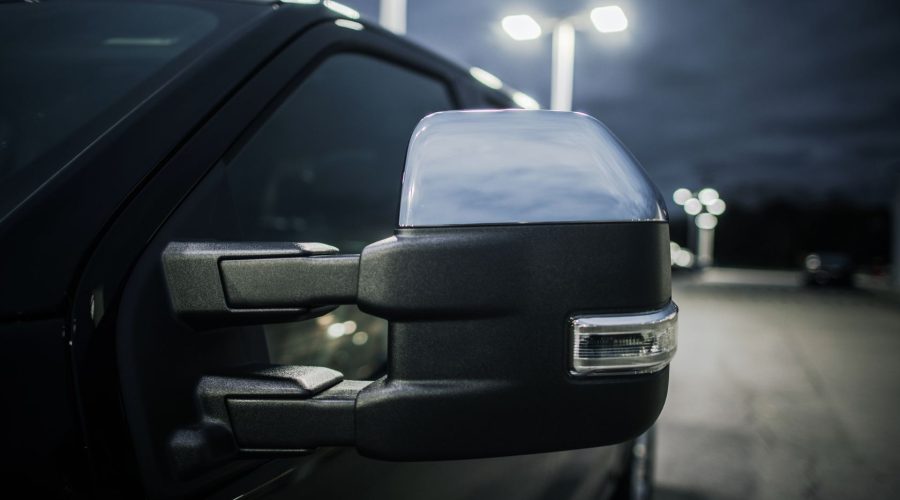

Blind spots are the areas outside the vehicle that the driver can’t see through their mirrors. This lack of visibility can lead to collisions, particularly when changing lanes. To address this, blind spot mirrors and detection systems have emerged as solutions.
The question many motorists explore is: Out of Blind Spot Mirrors vs. Blind Spot Detection Systems, which provides the better shield against the hidden dangers on the roads?
Before preferring any one of the two, it’s essential to weigh the differences between the products. In this blog post, we will do an in-depth comparison and find out their practicality, reliability, and accessibility through pros and cons.
By the end of this post, you should be able to decide between choosing a blind spot mirror or a detection system according to your needs and preferences.
Blind Spot Mirror vs. Blind Spot Detection System
Blind spot mirrors are additional, smaller mirrors affixed to a vehicle’s standard side mirrors.
They typically provide a wider field of view, enabling drivers to see areas that would otherwise be unnoticed. Variations of these mirrors exist, from convex to adjustable, offering different perspectives.
On the other hand, blind spot detection systems represent a leap in technology. By using sensors, cameras, or radar, these systems can alert drivers to unseen vehicles in the blind spot area.
Often, the alert is a light on the side mirror or an auditory warning. While both aim to enhance driver awareness and safety, they do so through markedly different methods.
The history of these technologies showcases a clear evolution—from the simplicity of added mirrors to the complexity of integrated alert systems.
Pros and Cons of Blind Spot Mirrors
When considering the addition of blind spot mirrors to your vehicle, it’s essential to weigh their strengths and drawbacks.
These small, convex mirrors can be attached to your car’s side mirrors and are designed to widen your field of view. The solution is quite simple but it comes with its share of benefits and limitations.

The standout advantage is affordability. You can purchase these mirrors at a modest cost, which is especially attractive when compared to pricier tech-driven alternatives.
Installation is another strong point. You can easily stick them onto your existing side mirrors without the need for complex tools or professional assistance.
Then there’s reliability. These mirrors are always ‘on’ and don’t require any power source, making them a steadfast option.
However, they are often subject to a couple of misconceptions. The most significant is that they eliminate blind spots. While they do reduce them, drivers must still practice vigilance and proper mirror adjustment to ensure safety.
Maintenance is minimal — a cleaning here and there to keep them clear. Durability is often dependent on the quality of the mirror you purchase. Indeed, their lifespan can be considerable, resisting weather’s wear and tear if chosen well.
When compared to high-tech detection systems, blind spot mirrors might seem rudimentary, but they hold their own by offering a constant visual check without the risk of sensor or electrical failures.
It all boils down to understanding and accepting the extent of their capabilities and learning how to use them effectively within the context of safe driving practices.
Pros and Cons of Blind Spot Detection Systems
Integrating a blind spot detection system into your vehicle presents a range of advantages and considerations. These advanced systems, employing sensors and alerts, enhance safety by warning drivers about potential hazards in their blind spots.

On the positive side, blind spot detection systems substantially contribute to road safety. Real-time alerts regarding vehicles or obstacles in blind spots reduce collision risks during lane changes.
Unlike traditional blind spot mirrors, these systems often offer comprehensive coverage, detecting not only adjacent lane vehicles but also those approaching rapidly from behind.
Another notable advantage lies in the adaptive technology often incorporated. Dynamic adjustments to warning thresholds based on driving speed enhance the system’s intelligence.
Furthermore, some systems seamlessly integrate with other safety technologies, such as lane departure warning and rear-cross traffic alert systems, creating a comprehensive safety network.
Customization options add flexibility for drivers to tailor alert preferences to their driving style and comfort level.
However, on the downside, the primary drawback is the cost. Blind spot detection systems generally come with a higher price tag compared to simpler blind spot mirrors. The advanced technology involved contributes to a more substantial financial investment.
Installation complexity is another consideration. Unlike the straightforward attachment of blind spot mirrors, installing a blind spot detection system may necessitate professional assistance due to the complexity of sensors and electronic components.
Maintenance challenges also arise as these systems are electronic, making them susceptible to malfunctions or sensor failures.
Regular maintenance and potential repairs might be necessary, adding to the overall cost of ownership.
Additionally, the systems depend on power sources, drawing from the vehicle’s electrical system. In the event of a power failure or electrical issues, the system may become temporarily non-functional.
A potential drawback is the risk of overreliance on technology. While highly effective, there’s a concern that drivers may become overly dependent on the system, potentially neglecting basic mirror checks and safe driving practices.
Overall, blind spot detection systems offer advanced safety features and comprehensive coverage, but their higher cost and installation complexity should be considered by drivers when deciding on the most suitable blind spot solution for their vehicles.
Do Blind Spot Detection Systems Replace the Need for Traditional Mirrors?
Blind spot detection systems are designed to complement traditional mirrors, not replace them.
While these systems enhance safety by providing additional alerts, they should not be relied upon as the sole means of monitoring your surroundings.
It’s crucial to continue using your side and rearview mirrors actively and practice safe driving habits in conjunction with the technology for optimal road safety.
Can Blind Spot Detection Systems Be Installed on Older Vehicles?
Yes, blind spot detection systems can be retrofitted onto older vehicles, but the feasibility depends on the specific system and vehicle model.
Some aftermarket kits are available for installation, and professional assistance might be necessary due to the electronic components involved.
Before proceeding, check compatibility and consult with experts to ensure a successful integration onto your older vehicle.
Are Blind Spot Detection Systems Prone to False Alarms?
While modern blind spot detection systems are designed to minimize false alarms, occasional inaccuracies may occur.
Factors such as adverse weather conditions, dirty sensors, or interference from nearby objects may trigger false alerts. Regular maintenance, including sensor cleaning, can help mitigate these issues.
It’s essential to be aware of the system’s limitations and troubleshoot any persistent problems to ensure reliable performance.
Can Blind Spot Mirrors Be Installed on Any Vehicle?
Blind spot mirrors are versatile and can be installed on most vehicles, including cars, trucks, and SUVs.
They come in various shapes and sizes to accommodate different side mirror designs. Installation is typically straightforward and can be done without professional assistance.
However, it’s important to choose mirrors that are compatible with your vehicle’s make and model for optimal effectiveness.
Do Blind Spot Detection Systems Work at All Speeds?
Blind spot detection systems are designed to operate effectively at various speeds. The sensors continuously monitor the vehicle’s surroundings, providing alerts when potential hazards are detected in the blind spots.
However, the system’s responsiveness may vary, and drivers should be aware that at higher speeds, the time available to react to alerts may be shorter.
Ensure to adhere to recommended speed limits and remain vigilant, especially when relying on these systems for enhanced safety.
Final thoughts
When you’re behind the wheel, the margin for error is slim, so making informed decisions about your safety is crucial.
You’ve explored both blind spot mirrors and blind spot detection systems extensively. While mirrors are budget-friendly and straightforward, blind spot detection systems offer a tech-savvy edge with higher accuracy.
To decide, consider your daily driving conditions, your car’s compatibility with advanced systems, and your budget. It’s essential NOT to rely solely on technology; always practice safe driving habits.
Your decision shouldn’t be a quick pick. Instead, reflect on the pros and cons and remember that any addition to improve your blind spot awareness can contribute to a safer driving experience.
As safety technology advances, staying informed and ready to adapt will keep you in the safest lane possible.