

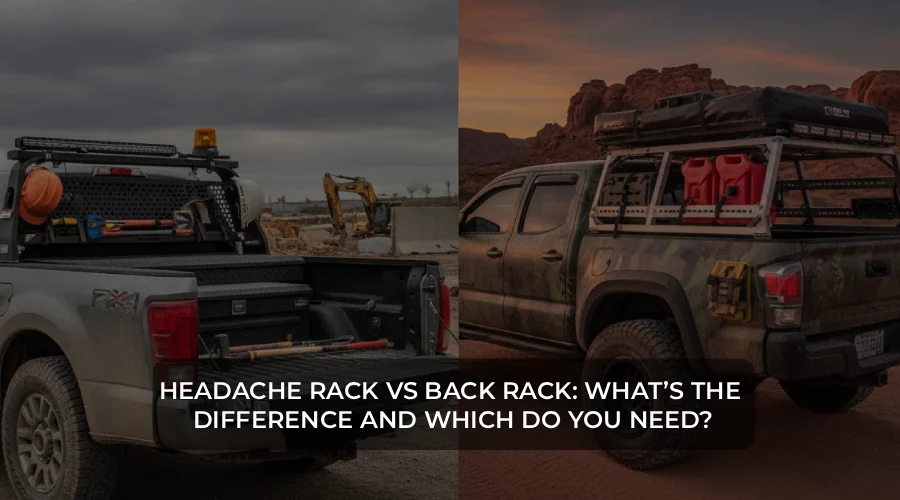
You have likely heard the terms headache rack and back rack, as you have been researching truck accessories. The names are often used interchangeably by many truck owners, leading to a lot of confusion during an upgrade shopping session.
While both accessories are mounted behind the truck cab and offer protection, they aren’t always designed for the same purpose. These differences may allow you to select the proper kind of setup to use in either your work, hauling or outdoor requirements.
You might be carrying ladders, lumber, or tools, or you might be carrying camping gear, but in either case, the right rack can enhance your safety and convenience.
What Is a Headache Rack?
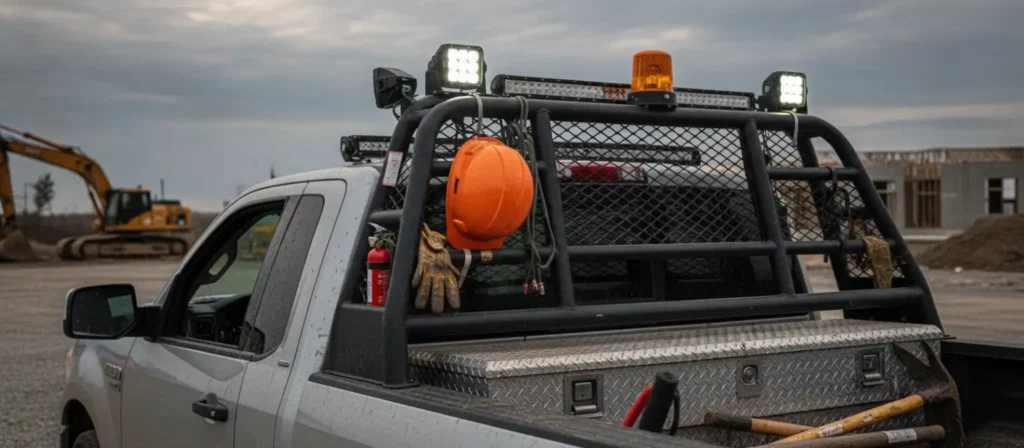
A headache rack is a protective device that is fitted on the rear of the truck cabin.
It is mainly used as safety.
Cargo transported in the truck bed can be subjected to movement in the forward direction in case of sudden braking or a road accident. A headache rack will assist in ensuring the cargo allotments do not hit the back window or the cab.
Common uses include:
- Hauling lumber
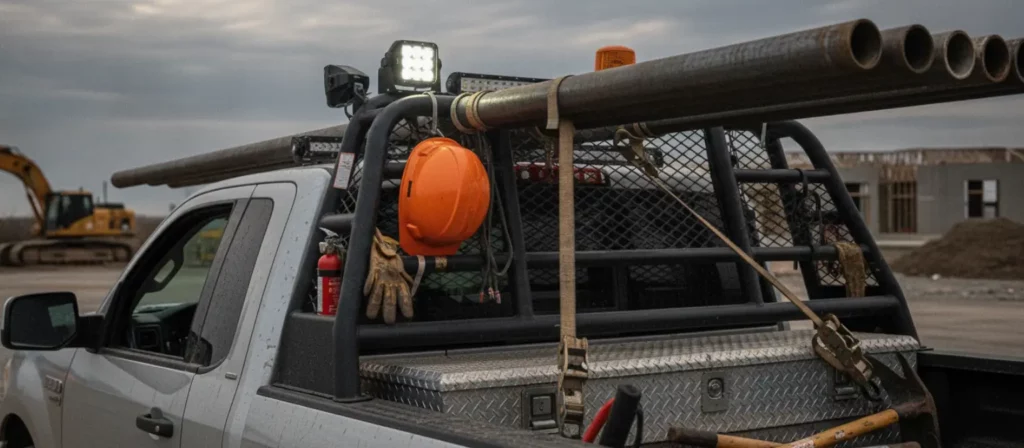
- Carrying pipes
- Transporting construction materials
- Securing heavy equipment
- Off-road cargo protection
In the view of many commercial truck owners, headache racks are a crucial safety feature.
What Is a Back Rack?
A back rack is usually more utilitarian and cargo-oriented in design.
Although it also offers cab protection, it usually has other features which include;
- Tool mounts
- Ladder supports
- Accessory brackets
- Cargo tie-down points
- Equipment storage options
Back racks are especially popular among:
- Contractors
- Electricians
- Landscapers
- Utility workers
- Overlanding enthusiasts
A back rack is used in most instances as a protective barrier or a management system of equipment.
Headache Rack vs Back Rack: Key Differences
Despite some similarities between the two accessories, it is possible to note a number of differences.
Primary Purpose
Headache Rack
- Concentrates on the protectors of the cab.
- Eliminates cargo impact damage.
Back Rack
- Helps with tools and accessories.
- Offers more mounting possibilities.
Cargo Management
Basic cargo support is typically provided by headache racks.
Back racks typically offer:
- Multiple tie-down locations
- Storage flexibility
- Equipment mounting solutions
A back rack generally can be more versatile in case organization is a consideration.
Customization Options
There are numerous back racks that sustain other accessories like:
- LED work lights
- Fuel can holders
- Recovery gear mounts
- Shovel brackets
- Toolboxes
Headache racks, too, can be upgraded, though back racks are commonly engineered to be modular.
Weight and Construction
The products are often in:
- Steel
- Aluminum
- Stainless steel
The heavy-duty headache racks can be more focused on strength and protection, whereas some back racks can compromise protection with compatibility to accessories.
Which One Is Better for Work Trucks?
You may just need a headache rack if you use your truck to transport items such as construction materials, lumber, or equipment.
It is ideal in:
- Construction sites
- Commercial fleets
- Heavy hauling applications
The construction is also earthy, and this minimally structured design is less prone to maintenance.
Which One Is Better for Everyday Use?
A back rack can be more flexible to the needs of those drivers who want a multi-purpose installation.
It allows you to:
- Secure tools
- Add lighting
- Mount accessories
- Improve organization
This offers it popularity among truck owners where they work and recreate by their trucks.
Are They Sometimes the Same Thing?
Yes. The presence of both back racks and headache racks, as some manufacturers advertise some products, is one of the causes of confusion.
In practical use:
- All the back racks may be used to protect against headaches.
- Not all headache racks can be used as full-blown back racks.
The difference is usually determined by design and intended purpose.
How to Choose the Right One
When purchasing, consider: What is the main use of your truck?
Select a headache rack when you:
- Often carry heavy objects.
- Want to have the most rear-window protection.
- Want a simple, rugged solution
Select a back rack when you:
- Need equipment organization
- Use work tools regularly
- Desire a universal mounting accessory.
- Enjoy camping or overlanding
The decision should be determined by your daily usage of the truck.
Common Buying Mistakes
Most truck owners buy a rack because it looks good.
Avoid these mistakes:
- Ignoring cargo needs
- Overlooking accessory compatibility
- Hypocriticalness: Making a decision on style rather than on functionality.
- Not checking mounting requirements
- Exceeding load limits
It only takes a few minutes to assess your needs, which will help you avoid expensive mistakes in the future.
Both the headache racks and the back racks have great advantages; however, the most suitable option will depend on your usage of the truck.
When the ability to shield the cab against moving cargo is most important to you, there is an easy and very effective remedy: a headache rack. If you need extra storage space, engineering, and mounting options, an additional rack at the back could be the more economical choice.
FAQs
1. What happens if I overload my roof rack?
Exceeding the load limit of a roof rack may result in an altered experience on the road, a longer braking performance, broken mounts, and cargo falling over while in transit. Always obey the weight limit of the manufacturer.
2. Are headache racks useful?
Yes. Headache racks help ensure cargo safety by preventing items from moving into the rear cab. They also enhance safety in the transportation of long or heavy materials.
3. Why are back racks called headache racks?
The headache rack owes its name to the fact that it keeps cargo from colliding with the truck cab or even injuring people inside it in case of an abrupt stop or an accident. This type of protective action is done by many back racks.
4. Are headache racks required?
Most pickup trucks do not have any legal obligation to use a headache rack. They are, nevertheless, highly recommended to drivers who often carry heavy, lengthy, and unsecured equipment.