
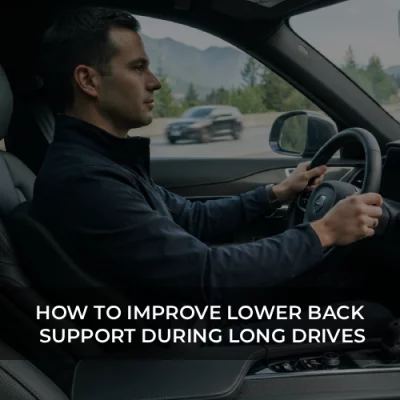



Driving long distances is tiresome, and your lower part of the back can stiffen or aches. The hours of sitting in a similar position, the road vibrations, the improperly adjusted seat and more can all influence the level of comfort you experience behind the wheel.
The positive thing is that a simple change does not need a lot of adjustments and can be observed. Getting your car seat right, or the wise use of lumbar support and scheduling of frequent stops, can enhance lower back support, making it easier to get through the long-distance drive.
The guide details practical ways to support your lower back on long-distance drives without feeling confined to a single driving position.
Start by Adjusting Your Car Seat
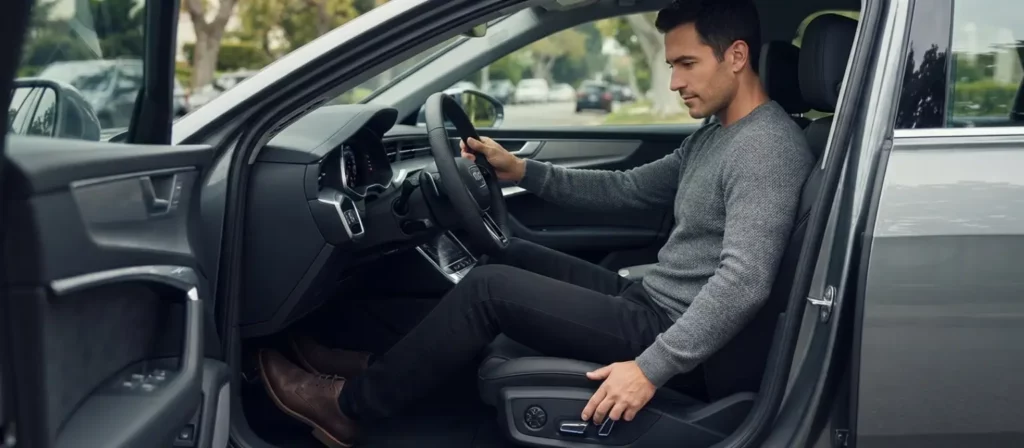
Before adding a lumbar cushion or any other accessory, check your basic seating position. Even the most excellent lumbar support might not be comfortable when your seat is not in the right position.
Adjust the seat in such a manner that you can easily reach the pedals without straining your legs. The seatback should be against your back and not leaning forward. The steering wheel must also be within reach without uncomfortably bending your shoulders.
Avoid reclining the seat excessively. A position that feels relaxed initially may become uncomfortable when you need to maintain control of the vehicle for several hours.
Use Lumbar Support Correctly
Lumbar support is designed to support the natural inward curve of your lower back. Many modern cars have adjustable lumbar support built into the driver’s seat, while other vehicles may require an aftermarket cushion.
Start with a moderate amount of support. The cushion or built-in adjustment should fill the space between your lower back and the seat rather than pushing your body forward.
If your car has adjustable lumbar support, make small changes until the position feels natural. Too much support can create pressure and become uncomfortable, while too little may not provide the support you need.
You can also read our guide on what lumbar support in a car is and how it works to understand how different types of lumbar systems are designed.
Adjust the Height of Your Lumbar Support
The location of the support is as significant as the support itself. It is not to be pressed against the upper back or hips but against the natural contour of your lower back.
Certain electric lumbar systems enable you to vary support in an upright direction. In the event that you have a separate cushion, it might be necessary to rearrange manually.
Spend some time experimenting with various positions when safely parked. What is comfortable during a sitting session might not be to the liking of another; therefore, do not imitate the favourite sitting position of someone.
Do Not Stay in One Position for Too Long
Even a well-designed car seat cannot eliminate discomfort caused by sitting in the same position for several hours. During a long journey, plan regular stops where it is safe and practical to do so.
Use your break to get out of the car, walk around and gently move your body. This can help reduce the stiffness that builds up during extended periods of sitting.
Do not wait until discomfort becomes severe before taking a break. Planning stops as part of your journey can make long-distance driving more manageable.
Consider Your Car’s Seat Design
Not all car seats provide the same level of comfort. Some have better cushioning and more adjustment options, while others offer limited support.
When choosing a vehicle for frequent long-distance driving, consider features such as:
- Adjustable lumbar support
- Seat height and tilt adjustment
- Adequate cushioning
- Adjustable steering wheel position
- Comfortable head restraint
- A seating position that provides good visibility
A test drive is one of the best ways to assess seat comfort. Spend enough time in the driver’s seat to understand whether the position suits your height and body shape.
Check Your Driving Posture Regularly
Your posture can change gradually as you spend more time behind the wheel. You may start leaning forward, slouching or shifting your weight to one side without realising it. These habits can affect how your lower back is supported during the drive.
Keep your back against the seatback, relax your shoulders and avoid leaning towards the steering wheel. If you notice yourself slouching, adjust your position when safely parked. Maintaining a comfortable posture throughout the journey can help you avoid unnecessary strain on your lower back.
FAQs

1. How to make long-distance driving more comfortable?
Start by adjusting your seat, steering wheel, and mirrors before beginning your journey. Use lumbar support at a comfortable level, keep frequently needed items within easy reach, and wear comfortable clothing.
2. How many hours should I wear lumbar support?
There is no single number of hours that suits everyone. Built-in lumbar support can be used while driving as long as it is adjusted comfortably and does not create excessive pressure. If you use a separate support cushion and begin feeling uncomfortable, reposition it or take a break.
3. Is too much lumbar support bad?
Too much lumbar support can feel uncomfortable because it may push your lower back forward excessively or create unwanted pressure. Start with a gentle setting and increase the support gradually only if needed.
4. What is the most comfortable car to drive when I have back pain?
There is no single car that is the most comfortable for everyone. Look for a vehicle with a highly adjustable driver’s seat, suitable lumbar support, good cushioning and a steering wheel that can be positioned comfortably. A test drive is important because seat comfort depends on your height, body shape and personal preferences.
Improving lower back support during long drives starts with a properly adjusted seat. Lumbar support can add comfort, but it works best when combined with a suitable driving position, regular breaks and an uncluttered cabin.
Make small adjustments rather than changing everything at once. Find a seating position that feels natural, keep your lower back comfortably supported and give yourself opportunities to move during longer journeys. These simple habits can make the miles ahead feel considerably more manageable.