




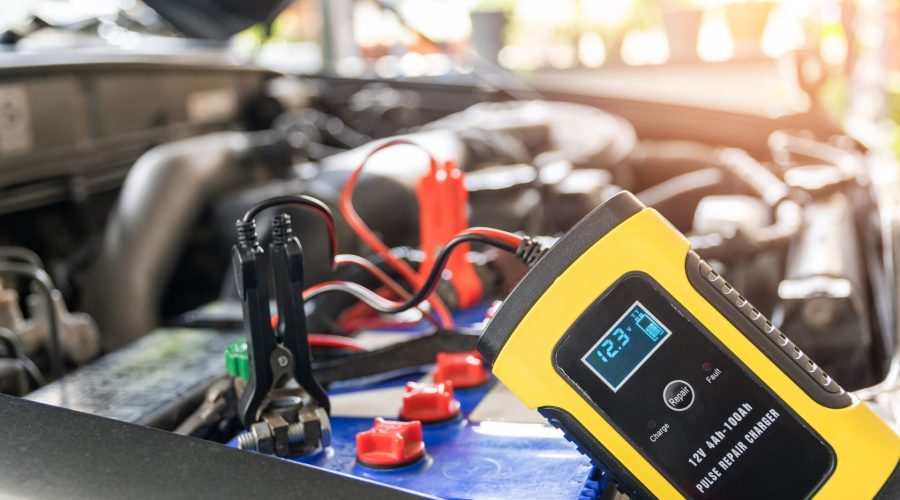
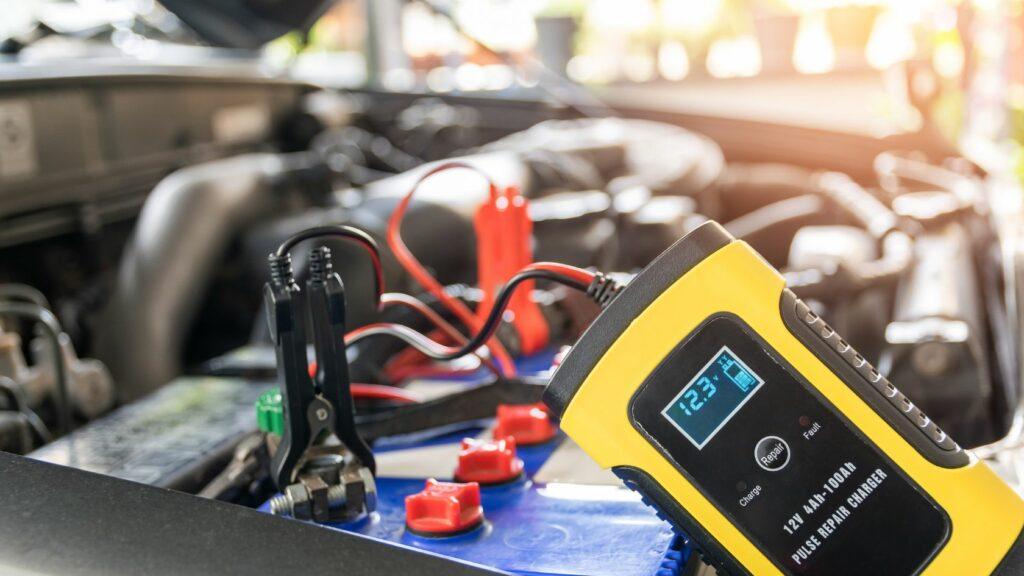
Are you looking to jump-start a car with household items? If yes, that means you don’t have enough money to buy conventional charging equipments or maybe you have too much time to experiment with unorthodox methods for charging a car battery.
Trying to jump-start a car with household items is possible but risky. You will find some information on using a few equipments to charge your car battery which we will cover in this post.
However, more than the benefits we will equally cover the drawbacks and risks involved in using such equipment’s.
Related Read: Does a car battery charge itself while driving?
Can you jumpstart a car with household items?
Yes, you can jump-start a car with some household electrical items as well as through miscellaneous ways that include a bit of physical effort and some luck.
Electrical household items in contention for jump-starting a car battery cover different types of batteries and chargers used for domestic purposes.
Technically, you can also try age-old ways of pushing and starting a vehicle with a dead battery using the clutch and gear knobs.
While some of these methods are effective in recharging the car battery the success is not without the risks and physical damages that occur during implementation.
The creativity to jump-start a car with items other than a battery charger or jumper cables is only advisable if you are caught in a helpless situation without any choice.
Laptop charger
A laptop charger is one of the first alternatives to charge a car battery which can be found in any household.
Generally, most laptop chargers are around 15 volts and that is what you need as a minimum requirement from a voltage perspective. Secondly, it should be a direct current (DC) power supply unit which of course all laptop chargers are.
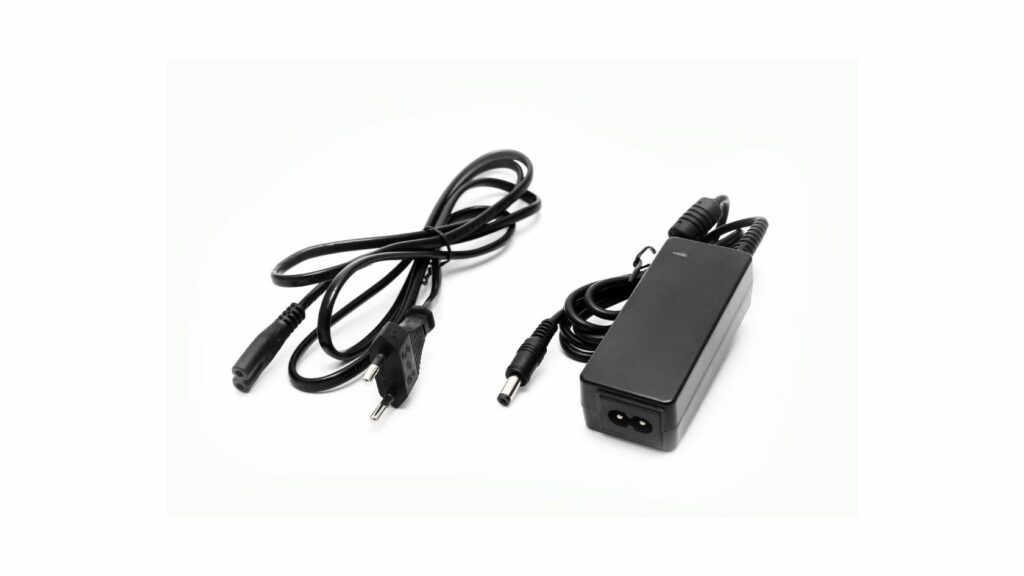
The power supply and volts criterion should remain standard across any item you want to use as an alternative charging unit.
Along with the charger, you will need a small incandescent light bulb to balance the excess difference of volts between the battery and charger.
You will also need three small wires for battery terminal connections and a multimeter/voltmeter to measure the charging.
Once all the things are organized follow the below steps to recharge the battery with a laptop charger:
- First solder the two wires for connection with the bulb. Ensure each wire is attached to the corresponding points on a bulb.
- Next, loosen the cells on the battery so that the built-up hydrogen pressure inside remains in control. With the gradual increase in charging batteries tend to release lots of hydrogen which could be harmful if the battery cells remain tightened.
- Now, connect the other side of one wire (attached to the bulb) to the battery terminal. Ensure to identify the positive and negative connecting points on the laptop charger point and battery terminals for correct polarity.
- Take the third wire and connect one of its ends to the laptop charger point and the other side to the battery terminal point.
- Once everything is set, switch on the laptop charger connection to initiate the charging process. This should immediately glow the bulb and the voltage power will start increasing.
- Measure the battery power with the help of a multimeter. Another indication of the battery getting to its maximum capacity is the release of hydrogen inside. Once you notice it, you can begin to disconnect the wires.
Here is the complete video that will help you understand the charging process visually:
The downside of using a laptop charger is it may take quite long maybe hours to charge the battery to its full capacity in case it was fully discharged.
This means keeping the vehicle connected overnight or the whole day with continuous monitoring to get it moving. This process also requires the use of different equipment’s which can be avoided with jumper cables.
Secondly, not everyone is used to soldering and connecting wires correctly to the sensitive points of battery terminals, bulbs, and laptop chargers. This can make the process more challenging and risky.
More importantly, using a laptop charger for charging a car battery depends on its availability. If you are traveling without your laptop this method is useless. This implies the usage of a laptop charger is only good for vehicles that are parked around or in the home garages.
Battery charger
A battery charger is commonly used charging equipment for drill machines or other mechanical tools. This equipment is another successful alternative to a jumper cable or a laptop charger.
Any battery charger with more than 15 volts should be compatible with charging. This method will also require a copper wire to connect the car battery and charger.
Ensure to shape the cores of copper wire fit the battery terminals and battery charger. Once you are ready with the setup follow the below steps for charging:
- Connect one end of copper wires to the positive and negative terminals of a car battery.
- Connect the other ends of copper wires to the positive and negative ends of the battery charger. Take proper caution in identifying the correct poles as wrong connections can cause battery explosions.
- Keep the wires connected for a few minutes and try to start the engine. If the engine starts that means charging was successful.
- Disconnect the wire from the battery charger and let the engine run for a bit longer to allow the alternator to charge the car battery.
- Turn off the engine and then disconnect the other end of the wire from the battery terminals.
Here is a small video on how to use a battery charger correctly:
The drawback of using a battery charger involves the risk of incorrect usage. The positive and negative signs may not be available or visible upfront which can cause confusion and wrong connections.
Secondly, one must ensure to use a battery charger that is fully charged before connecting it to a car battery. Low power voltage may not be sufficient to hold the charge long enough which can impact the performance of a car battery.
Ultimately, if the wires are disconnected carelessly leaving their bare ends coming in contact with each other it can create dangerous sparks.
Again, usage of a battery charger depends on its availability which means you will have to carry it while driving or else it is better used to charge the car battery at home.
Giving a push
Pushing a vehicle from behind is an old trick that was generally used to restart the engine. This method may not necessarily work all the time but has been found quite effective in some cases.
Under this method you will have to:

- Put the car in second gear,
- Ask a few people (at least 3) to push the vehicle from behind
- Engage the clutch and when the vehicle gets a momentum of 5-10 mph disengage the clutch
- If you are lucky enough the vehicle may start
On the flip side, this method demands lots of physical effort and people.
Mind you, the car may not start immediately which means multiple efforts of pushing could be required by many people to start the car.
You will also need to face roadside challenges especially if you are stuck on a road loaded with running traffic and more importantly there should be enough people around who are good Samaritans to help you out.
Final thoughts
To summarize, there are methods and household items that can be used to restart a vehicle. They are effective in helping your car move along however, there are risks and dangers associated with every method.
Improper understanding of the pre-requirements, connections, and usage can lead to serious consequences including permanent battery damage and vehicle fires.
One must fully comply with the precautions and knowledge before attempting to use any of the tools and equipment’s to jump-start a vehicle.
Using a battery charger and a set of jumper cables is more convenient, safe, and result-oriented compared to the other household items listed in this post.
Rather than spending time and effort in experimenting it is well-recommended to invest in quality tools to jump-start a car and carry them always with you to keep moving.