



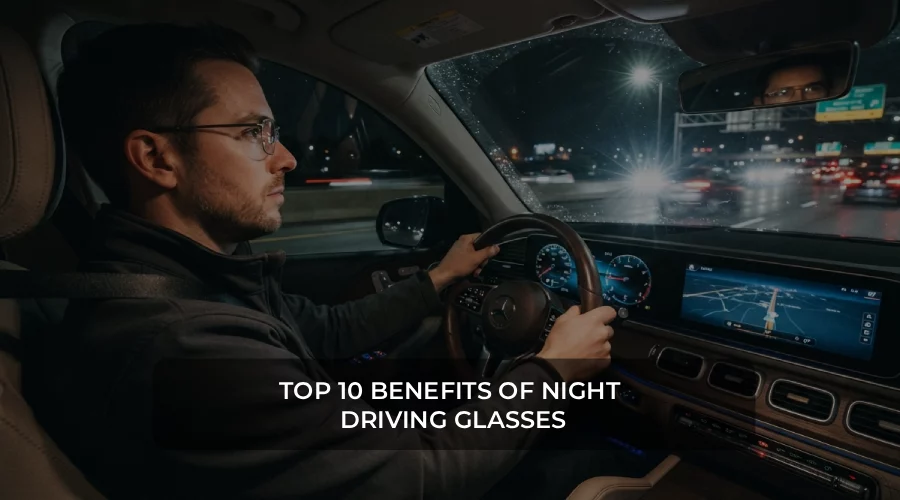
Nighttime driving may not be as easy as daytime driving. The road may look harder to see in oncoming cars, streetlights, reflections and low-light situations. This may also cause eye strain and discomfort for some drivers when driving long distances.
Night-driving glasses are designed to support nighttime driving. Many models use specially treated lenses, anti-reflective coatings, or light tints designed to reduce glare and improve comfort. However, night driving glasses do not provide night vision like electronic night-vision devices.
The benefits you experience will depend on the lens quality, your eyesight, and the specific driving conditions. Here are ten potential benefits and practical reasons drivers consider these glasses.
1. May Reduce Perceived Headlight Glare
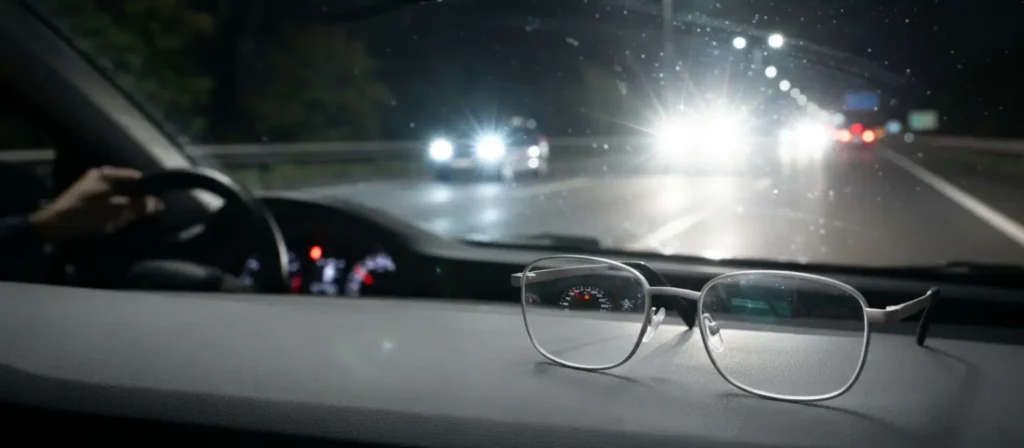
As a driver, you may find bright headlights uncomfortable, especially when a car passes over. Drivers can be less vexed with glare and reflections with specifically designed lenses.
Nonetheless, reduced discomfort does not mean better hazard detection. Even on a bad day, drivers must continue to drive at safe speed/distance.
2. Can Improve Driving Comfort
Your eyes may face additional stress during long nighttime drives. It can be tiresome to keep glancing over dark roads and bright headlights.
Eyewear that appeals to the senses of comfort can help to soften the visual landscape of given individuals. This can specifically come in handy to drivers who usually travel at night.
3. May Help with Reflections
Nighttime driving can be more distracting due to refactions by the windshield, dashboard, streetlights and other vehicles.
Quality lenses with appropriate optical coatings can minimize reflections on the lens surface. It is also significant to clean your windshield, as it can scatter incoming light due to dirt and smudges.
4. Can Be Useful for Frequent Night Drivers
Individuals who frequently commute to work at night shifts, at late times in the evening, might seek ways to make their traveling more comfortable.
Night driving glasses may be included as an expansion of a more general nighttime driving habit that includes:
- Clean windshields
- Properly adjusted headlights
- Clean eyewear
- Regular eye examinations
- Appropriate driving speeds
5. May Help Reduce Visual Discomfort
Bright headlights, streetlights, and illuminated signs can appear harsh against a dark road. Some drivers find that specialised lenses make these bright spots feel less distracting and more comfortable during nighttime drives.
This benefit varies from person to person and depends on the lens type and quality. If the glasses make the road appear darker, distort colours, or affect clear vision, they may not be suitable for nighttime driving.
6. Can Provide Better Lens Protection
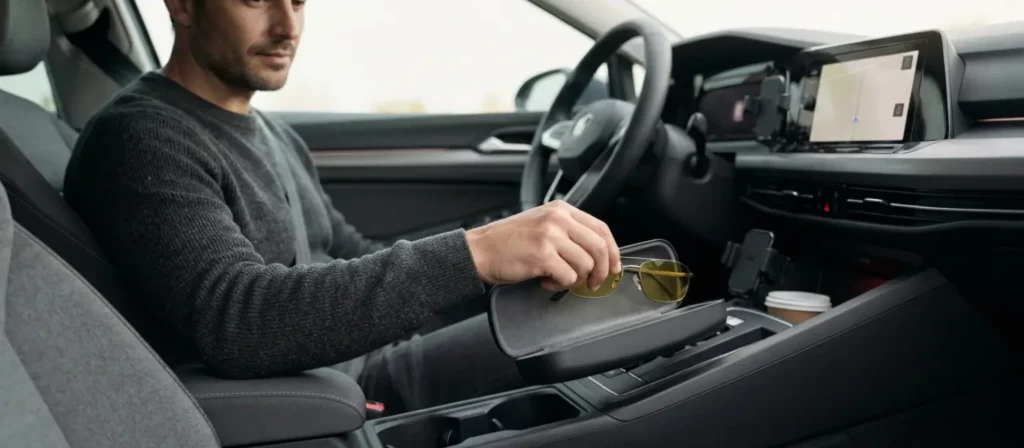
Certain night driving glasses have coatings that help reduce wear and tear and resist scratches. This can be handy for drivers who leave their glasses in their cars or use them frequently.
When kept clean and properly stored, a durable pair can stay clear longer. Never leave your lenses without a proper case and cleaning method; you will always avoid avoidable scratches.
7. May Help Drivers Who Already Wear Glasses
Drivers who need prescription eyewear should prioritise having the correct prescription. Some night-driving eyewear can be purchased with prescription lenses, allowing users to combine vision correction with additional lens treatments.
An outdated prescription can make nighttime driving more difficult. If you’re struggling to see clearly after dark, an eye examination may be more useful than simply buying tinted glasses.
8. Can Make Longer Night Drives More Comfortable
Extended driving requires sustained visual attention. If your eyes become uncomfortable, the journey can feel considerably more tiring.
Comfortable glasses with the right optical correction may make long night drives feel easier. Take regular breaks on long drives regardless of whether you wear specialised glasses.
9. Can Be Convenient for Everyday Driving
A lightweight pair of glasses is easy to keep in your vehicle and use whenever needed.
You can store them:
- In the glove compartment
- In a centre-console case
- In a protective glasses case
- In a travel bag
Just avoid leaving eyewear exposed to excessive heat for extended periods, as high temperatures can damage certain frames or coatings.
10. May Increase Confidence Behind the Wheel
Certain drivers feel better wearing eye jewelry that diminishes visual unease related to bright lights.
A night trip can be less stressful with a greater level of comfort. Nevertheless, good visibility and a safe driving culture should always help build confidence, and not the belief that glasses are making the detection of hazards easier.
Related Read: Best Night Driving Glasses
FAQs
1. What are the downsides of night driving glasses?
Certain specially designed night driving glasses are available in yellow/amber colour, and this colour affects the toning and perception of colours. They can also give an illusion of increased visibility.
2. Which is better, infrared or night vision glasses?
Infrared and night-vision technology are different from ordinary night-driving glasses. Electronic night-vision systems can use available infrared or low-light information to create an image, while regular glasses simply filter or transmit light through passive lenses.
3. What happens if you wear night vision goggles in a day?
When you mean electronic night-vision goggles, it is possible that when their application is in the daytime you will put your high-tech device at the risk of overexposure to light and possible destruction of parts, depending on the technology.
4. How long will night driving goggles last?
The lifespan depends on the type, construction, lens quality, storage, and frequency of use. Ordinary driving glasses can last for years when properly maintained, but scratched lenses, damaged coatings, or changes in your prescription may mean they need replacing sooner.
Night driving glasses can be a useful comfort accessory for some drivers, particularly those who find bright headlights and nighttime reflections distracting. Features such as suitable optical correction, quality lens coatings, comfortable frames, and good fit can make a bigger difference than simply choosing a yellow-tinted lens.
If you regularly drive after dark, focus first on clear vision and good road habits. If you choose to use night driving glasses, select a comfortable, well-made pair that suits your eyesight and driving conditions.