
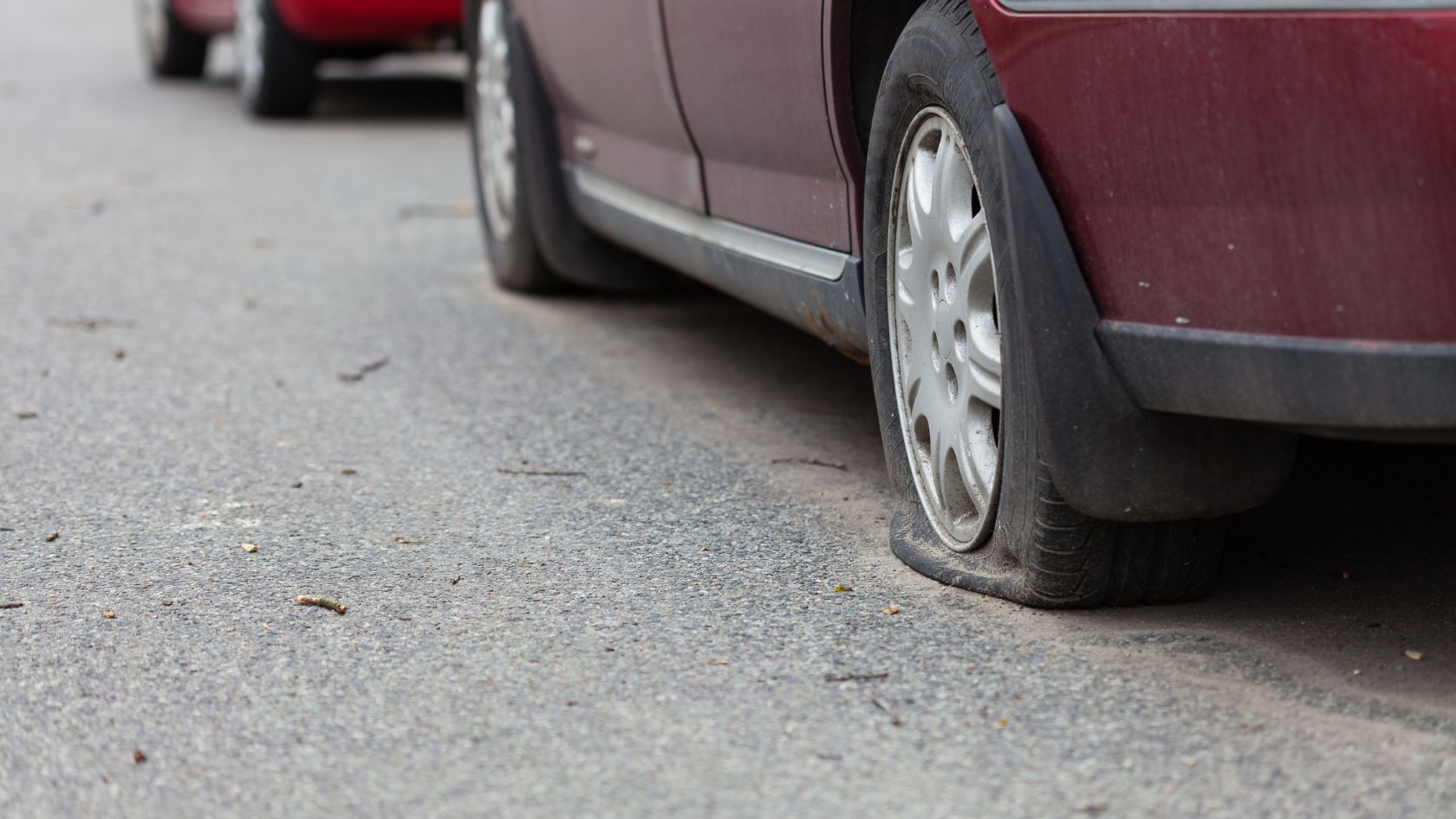
In recent years, run-flat tires have gained popularity for their unique features and benefits. Run-flat tires are designed to run deflated, making us wonder, “Can you fill run-flat tires when they go out of air?” To answer the above question, it is essential to understand the integrity and structure of run-flat tires. This is what we will do in this comprehensive blog guide. We will explore the world of run-flat tires, how they work, how to identify if they’re punctured, their recommended PSI, repair methods, and the pros and cons compared to regular tires. A run-flat tire is designed with reinforced sidewalls that support the vehicle’s weight even when the tire is completely deflated. This means you can continue driving on run-flat tires for a limited distance at a reduced speed after a puncture. This is in contrast to conventional pneumatic tires, which become unusable when punctured and must be replaced immediately. In practicality, run-flat tires provide a safer option than traditional tires that can fail catastrophically when punctured. Run-flat tires feature a stiffer sidewall, a heat-resistant rubber, and a special ring or a hole that allows the tire to support the vehicle’s weight temporarily in the event of an air loss. The advantage of such a design is it minimizes the risk of accidents caused by sudden deflation. This helps drivers reach a nearby service station or a safe location for repairs or replacements on the same tires. Yes, you can fill run-flat tires when they are deflated. The process of refilling is similar to filling any other tire. You can use a standard air compressor or a tire inflator to fill the air. However, since run-flat tires are stiffer compared to regular tires, it may take longer to inflate them. Detecting a punctured run-flat tire can be challenging, as they don’t show obvious signs like regular tires. Still, there are a few ways you can follow to know if a run-flat tire is punctured: Tire pressure monitoring system (TPMS) light: Most modern vehicles equipped with run-flat tires have a Tire Pressure Monitoring System (TPMS) that alerts the driver when the tire pressure is low. If the TPMS light comes on, it is possible that you have a punctured tire. Tire pressure gauge: Use a tire pressure gauge to check the pressure in all four tires. Compare the pressure in each tire to the recommended pressure, which can be found on the driver’s side doorjamb. If the pressure in any tire is low, inflate the tire to the recommended pressure. If the tire does not hold air, then it is likely that the tire is punctured. Visual inspection: Check all four tires for signs of visible damage by parking the car on a level surface. If you see any visible damage to the tire, such as a nail or screw in the tread, or a bulge in the sidewall, then it is likely that the tire is punctured. Handling: If you feel the car is vibrating or pulling to one side repeatedly, this could be another sign of a flat tire. Noise: Unusual noises coming from the tires, such as thumping or flapping, can also be a sign of a punctured run-flat tire. If you are unsure whether or not you have a punctured run-flat tire, it is best to err on the side of caution and have the tire inspected by a qualified tire technician. The recommended PSI for run-flat tires varies depending on the make, model, and year of the vehicle. However, most run-flat tires have a recommended PSI between 32 and 36. For accurate numbers, refer to your vehicle’s owner’s manual or the tire placard located on the driver’s side doorjamb. In contrast to conventional tires, the recommended PSI for run-flat tires is typically higher because of their stiffer sidewalls. When inflated with higher pressure, these sidewalls support the weight of the vehicle efficiently. Underinflated or overinflated tires can lead to uneven wear and reduced handling capabilities. It is, therefore, crucial to maintain proper PSI by referring to the correct statistics to ensure optimal performance, longevity, and safety of these tires. While run-flat tires allow you to continue driving after a puncture, it’s not a limitless journey. Typically, you can go up to 50 miles at speeds around 50 mph, but this can vary based on the tire’s design, vehicle weight, and road conditions. However, some run-flat tires may allow you to drive further or faster, depending on the factors listed above. This doesn’t mean you should drive run-flat tires indefinitely when they are flat. If you do this, the tire may overheat and fail leading to accidents. Whenever you have a punctured run-flat tire, prefer driving to a safe location and have the tire replaced as soon as possible. Yes, you can drive a run-flat tire with zero pressure. However, you should only do this in an emergency situation at reduced speeds, and for a short distance. Run-flat tires are designed to support the weight of the vehicle even when flat, but they are not designed to be driven indefinitely on a flat tire. Run-flat tires are repairable, but not all punctures can be fixed. Damage to the sidewall or large punctures may require replacing the tire. Repairing run-flat tires also depends on the specific model and the extent of damage. Some tires can be repaired if the puncture is small and in the tread area. However, most tire manufacturers do not recommend repairing run-flat tires, as the tire’s internal structure may have been damaged, even if you could drive on it for a short distance after the puncture. This damage may not be visible to the naked eye, and it could lead to a blowout in the future. Always consult a professional technician to assess the damage and determine the appropriate course of action. If the tire can be repaired, the technician will use a special plug or patch to seal the puncture. However, if the tire cannot be repaired, you will need
Do Vehicle Recalls Expire? Understanding Vehicle Recalls and Consumer Responses
Vehicle safety is paramount, and manufacturers issue recalls to rectify defects that might endanger drivers, passengers, or even pedestrians. But do vehicle recalls expire? Understanding how these recalls work and how consumers should respond is vital for ensuring everyone’s safety on the roads. In this detailed blog post, you will learn about vehicle recalls, particularly focusing on fire-related defects. A vehicle recall is a safety-related action taken by vehicle manufacturers. Such recalls act as a remedy for defects or conditions that pose a risk to the safety of the vehicle’s occupants or others on the road. A defect can be anything from faulty brakes to problems with airbags, electrical systems, engine components, or structural issues. When a defect is discovered, the manufacturer voluntarily initiates a recall by notifying the appropriate government authority. These authorities are required to provide a detailed report outlining the nature of the defect, the involved vehicle models, and the planned corrective actions. After notifying the regulatory body, the manufacturer is obligated to inform vehicle owners about the recall. This notification is often done via mail, but it can also include emails, phone calls, or even advertisements. Recalls are crucial for maintaining vehicle safety standards and protecting consumers from potential hazards. Vehicle owners are strongly encouraged to respond to recall notifications promptly, as ignoring recalls can put the occupants and others on the road at risk. No, vehicle recalls do not expire. Once a recall is issued, it remains in effect indefinitely. This means that even if you have an older vehicle, you should pay attention to recalls as they can pertain to your safety regardless of your car’s age. However, it is important to note that some manufacturers may have difficulty obtaining parts for older vehicles. If you are concerned about getting a recall repair done on an older vehicle, you should contact the manufacturer directly. It is also important to note that some recalls may be for safety-related issues, while others may be for less serious problems. For example, a recall for faulty wiring is a safety-related recall, while a recall for a broken taillight is not. It is important to understand the severity of the recall before deciding whether to get your vehicle repaired. Usually, there are two main types of vehicle recalls: Such recalls can be for a variety of issues pertaining to faulty airbags, defective brakes, or problems with the steering system. For example, issues such as faulty headlights, inoperable seat belts, or excessive emissions are categorized under non-safety recalls. In addition to these two main types of recalls, there are also a few other types of vehicle recalls, such as: If you are unsure whether or not your vehicle is affected by a recall, you should check your regional transport regulatory website or authority. Such websites have a database of all active recalls, which you can search by vehicle make, model, and year. You can also contact your vehicle’s manufacturer directly to inquire about recalls. As we know, fires in vehicles can be catastrophic, leading to severe injuries or even fatalities. Some of the common fire-related defects are faulty wiring, fuel system issues, or overheating components, which have prompted manufacturers to issue recalls in the past. Following are the most notable examples of fire-related defects and vehicle recalls: These are just a few examples of the many fire-related recalls that have been issued by car manufacturers over the years. Some of these recalls have been for specific models, while others have affected a wider range of vehicles. Checking if your vehicle has been recalled is essential for your safety on the road. Here are several methods to find out if your vehicle is subject to a recall: NHTSA Website – Check your regional transport and vehicle regulatory authority website. In the United States, you can visit the National Highway Traffic Safety Administration (NHTSA) website. They have a recall database that allows you to search for recalls by your vehicle’s VIN. The website address is `www.nhtsa.gov/recalls`. Contact the Manufacturer – You can also visit the official website of your vehicle’s manufacturer. Most manufacturers have a dedicated section on their website where you can enter your Vehicle Identification Number (VIN) to check for recalls specific to your vehicle. If you’re unable to find the information online, you can contact the manufacturer’s customer service or local dealership directly. Provide them with your VIN, and they can inform you if your vehicle is subject to any recalls Social Media – Another way to know is by following your vehicle’s manufacturer on social media. Many vehicle manufacturers post information about recalls on their social media pages. Third-party Websites – Alternatively, there are various online VIN lookup tools provided by automotive websites and services. You can enter your VIN, and these tools will check for any recalls associated with your vehicle. Mobile Apps – Some manufacturers have mobile apps that allow vehicle owners to check for recalls. These apps often provide other services like scheduling maintenance and contacting roadside assistance. Recall Notification Letter – If your vehicle is recalled, you should receive a notification letter in the mail. However, these letters might get lost or overlooked, so it’s not a sole and reliable method of checking for recalls. So, what will you do in case your vehicle is recalled? Responding to a vehicle recall is crucial for your safety and the safety of others on the road. Here’s a step-by-step guide on how to respond to a vehicle recall: The specific actions that a manufacturer takes in the event of a recall will vary depending on the severity of the defect and the number of vehicles affected. In some cases, the manufacturer may issue a stop-sale order, which means that they will stop selling the affected vehicles until the recall is repaired. Similarly, many car manufacturers offer owners of affected vehicles a loaner car or rental car while their vehicle is being repaired. Extended warranties or cash payments are other alternatives offered by manufacturers in rare
Can You Drive a Car With a Fuel Leak?
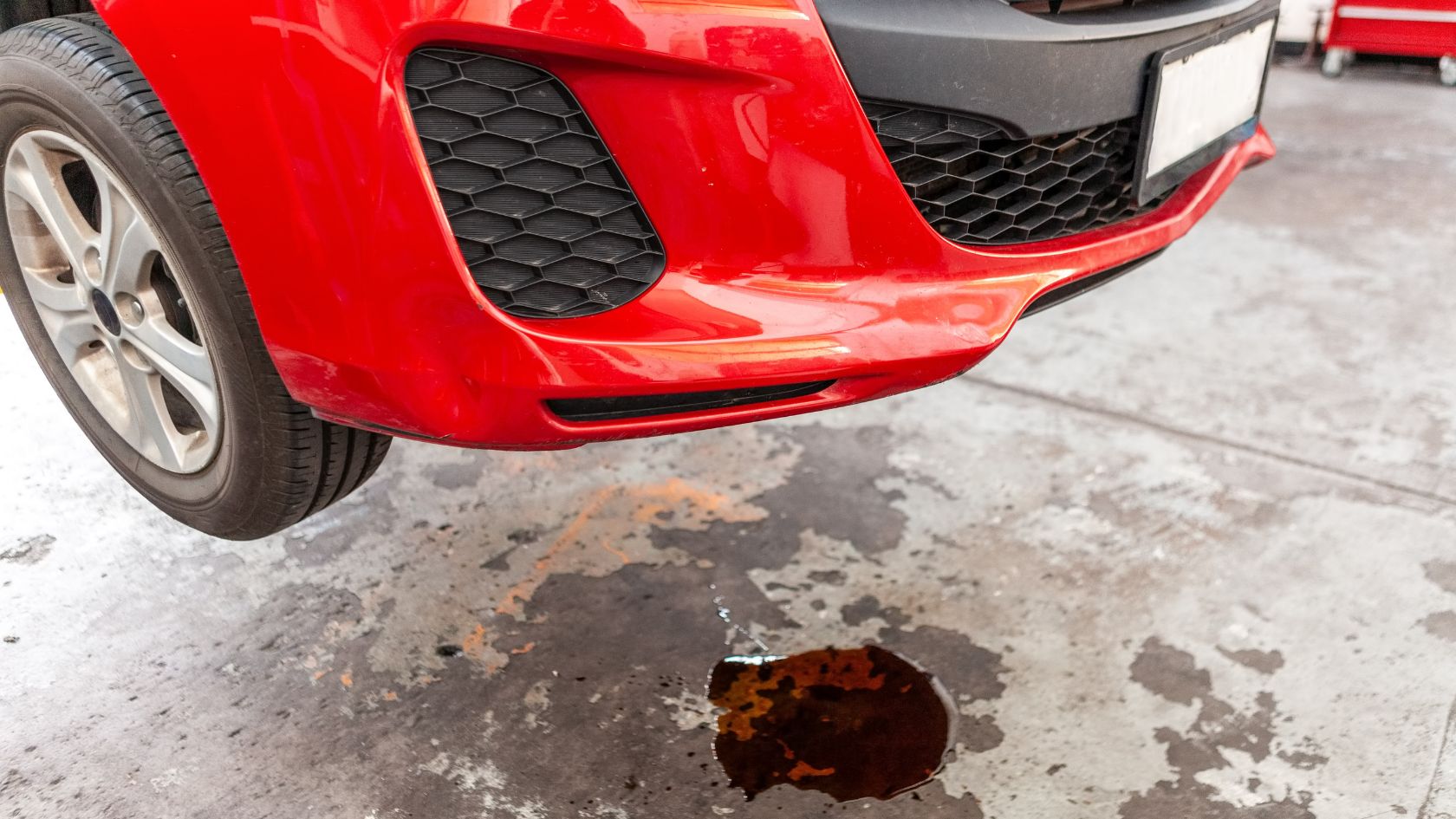
While many car enthusiasts focus on performance upgrades as part of routine maintenance, one critical aspect often overlooked is fuel leaks. Since fuel leakage doesn’t affect driving, most drivers cannot detect this potential safety concern until it’s too late. But, can you drive a car with a fuel leak? Can a fuel leak cause your vehicle to catch fire? To answer these questions you will have to understand the dangers associated with fuel leaks, their causes, and symptoms. This is why in this comprehensive blog post guide we’ll uncover the devastating impacts of fuel leaks on car fires and how you can prevent them to extend the lifespan of your vehicle. Practically yes, you can drive a car with a fuel leak but technically no, you should never drive a car with a fuel leak. Fuel leaks are hazardous and can lead to car fires, explosions, and catastrophic consequences. There are various factors that lead to fuel leakage, including damaged fuel tanks, wear and tear, corrosion, etc. During fuel leakages, your car will show signs of gasoline smell, fuel puddles, and reduced fuel efficiency. One of the important measures to prevent fuel leaks is maintenance of your vehicle’s fuel system. If you suspect a fuel leak, have it promptly inspected and repaired by a qualified mechanic. Safety should always be the top priority when it comes to your vehicle’s fuel system and to ensure this you must learn the causes, symptoms, and prevention of fuel leaks in detail. Here are some of the common causes of fuel leaks in a car: Corrosion & Cracks – Corrosion is a natural process where the metal surfaces of a fuel tank and fuel line deteriorate over time. This can happen when the fuel tank is exposed to moisture, salt, and road debris. The gradual deterioration from corrosion weakens the metal, eventually leading to the formation of cracks or holes in the fuel system. Holes and cracks can also appear from physical damage or rust allowing fuel to escape from the tank resulting in leaks. Problematic Fuel Lines & Components – Issues with various fuel system components such as fuel caps, fuel injectors, fuel pressure regulators, seals, and gaskets can result in fuel leaks. For example, a damaged fuel cap that cannot be sealed properly can release vapor fuel. Similarly, seals and gaskets are essential for maintaining a tight and leak-free seal. Over time, these components can degrade due to exposure to temperature fluctuations, and wear and tear. If these components fail, they can allow fuel to escape. Accidents and Collisions – Car accidents or collisions, though unexpected, can result in significant damage to your vehicle, including the fuel tank and fuel lines. Even minor accidents can compromise the integrity of the fuel system, leading to immediate or delayed fuel leaks. Improper Installation – Fuel leakage is often caused by poorly installed fuel-related components. Aftermarket fuel filters, fuel pumps, or fuel lines can consistently leak fuel if any of these components are not correctly connected, secured, or sealed during installation. Manufacturing Defects & Recalls – Sometimes, the fuel system or its components may have manufacturing defects that can lead to fuel leaks. In such cases, manufacturers may issue recalls to address such issues and provide repairs or replacements. If you can detect the signs of fuel leak early it will help you prevent accidents and car fires. Here are some common symptoms of fuel leaks to watch out for: Yes, fuel leaks are one of the major causes of car fires. Gasoline is highly flammable and they pose a severe risk of car fires. Even a small leak can lead to catastrophic consequences. As mentioned earlier, a fuel leak can provide gasoline with an escape route. If the leaked fuel comes into contact with a spark, a hot engine component, or even a cigarette, it can ignite instantly. Once ignited, the fire can quickly spread throughout the vehicle, putting the driver, passengers, and other road users at risk. In extreme and rare cases, a fuel leak can even lead to a car explosion, which could be significantly harmful and deadly. If you suspect a fuel leak, here are the steps to find a fuel leak in your car to address it promptly: Maintenance of the fuel system is of utmost importance when it comes to preventing fuel-related fires. Here’s a detailed discussion of why these practices are crucial: Regular Maintenance of the Fuel System Regular inspections and maintenance of the fuel system are fundamental to ensuring the safety of your vehicle. Fuel is a highly flammable substance, and any compromise in the integrity of the fuel system can lead to leaks, putting you, your passengers, and others on the road at risk. Ensure that your vehicle receives regular maintenance, including inspections of the fuel system. Replace worn-out components promptly. Your proactive approach to maintenance will significantly reduce the chances of fuel-related fires and their potential catastrophic consequences. Early Detection of Issues Regular inspections also allow you to catch issues such as corroded fuel lines, damaged fuel tanks, or deteriorating gaskets and seals before they become severe. Fuel system problems often start small and may not be immediately noticeable. However, they can escalate rapidly if left unattended. Addressing these problems early can save you from costly repairs and potentially life-threatening situations. Fuel Efficiency When the fuel system is well-maintained it automatically improves fuel efficiency. A compromised fuel system is unable to transmit the right amount of fuel to your car’s engine, resulting in decreased fuel efficiency. Lack of fuel efficiency means spending more on fuel and emitting more pollutants into the environment. Regular maintenance helps ensure that your vehicle runs efficiently, saving you money in the long run and reducing your carbon footprint. Preventing Fuel Leaks As discussed in the previous section, fuel leaks are a significant contributor to car fires. To counter fuel leaks, regular inspections are your first line of defense. During these inspections, a qualified mechanic can identify worn-out components, deteriorating

Car Fire: Can an Electric Short Circuit Cause Car Fire?
One of the most terrifying experiences that can happen suddenly and without warning is a car fire. Even though rare, the consequences of car fires can be catastrophic, leading to property damage, injuries, or even loss of life. Out of the many potential causes of car fires, one is related to electrical issues particularly short circuits. If you are wondering – can an electric short circuit cause car fire? The answer is yes. Want to know how? In this blog post, we will delve into the world of car electrical systems, explore what short circuits are, and discuss their potential to cause car fires. Additionally, we’ll examine other electrical problems and failures that can also lead to these devastating incidents. Yes, it can. Generally, a short circuit occurs when an electrical current deviates from its intended path. In this situation, instead of flowing through the intended circuit, it takes a shortcut, often through unintended conductive materials. As a result, there is a sudden surge of electrical energy that generates intense heat. Short circuits in a car’s electrical system can be caused by various factors. This includes damaged wires, faulty components, or even poor installation. Due to these factors, wires are exposed to each other which produces short circuits. This excessive electrical current passing through the wires can generate heat, and ignite nearby materials causing a car fire. So, what happens in a car when a short circuit takes place? As the short circuit generates heat, it can cause the wires or surrounding insulation to overheat and melt. This exposes flammable materials within the vehicle, such as upholstery, carpeting, or plastic components, to high temperatures. Once the surrounding materials reach their ignition point, a fire can quickly develop leading to flames spreading rapidly throughout the interior of the car. In addition to electrical components, cars contain flammable fluids, such as gasoline and oil. A car fire can become even more dangerous if these fluids are ignited as a result of the short circuit. Short circuits can also occur within the car’s battery, particularly in electric or hybrid vehicles. When a battery short circuit happens, it can release a significant amount of energy, potentially causing an explosive fire. The following points highlight various scenarios in which electrical short circuits can occur in a vehicle and potentially result in car fires. It’s essential for vehicle owners to be aware of these possibilities and take preventive measures to minimize the risks associated with electrical problems. Corrosion in Connectors or Switches – When the electrical connectors or switches catch corrosion it creates resistance and generates heat when current passes through. This heat caused by corrosion is sufficient enough to ignite surrounding flammable materials, leading to a car fire. Chafed or Rubbed Insulation – Two exposed wires are equal to a short circuit. This becomes normally true when wires with chafed or rubbed-away insulation can come into direct contact with other wires to cause a short circuit. Even the contact with conductive surfaces of such wires can potentially cause a short circuit. The resulting surge of electrical energy from these contacts can lead to a fire in the car. Rodent Damage – Rodents like mice relish playing with electrical wires. These creepy creatures often gnaw on vehicle wiring, causing exposed wires to cross and create a short circuit. When these sparking wires touch any nearby materials of a car, it poses a risk of fire hazard. Failed Capacitors – Components within the car’s electrical system, such as capacitors, can fail. When capacitors fail, they may release energy in the form of sparks or heat, which can initiate a fire, especially on a circuit board. Bad Ground Connections – Bad grounding connections cannot be neglected in generating short circuits. In fact, inadequate grounding of electrical wires often leads to excessive resistance, which builds up heat. This heat can result in ignition and potentially lead to a car fire compromising the overall electrical safety. Water Damage – One of the significant factors causing electrical issues leading to car fire is exposure to water. When water infiltrates the electrical components of a vehicle, it can compromise insulation, corrode connectors, and create a pathway for electrical current to short circuit. Water damage can occur from sources like heavy rain, floods, or even car washes if seals and gaskets are not well-maintained. Aftermarket Modifications – Installing aftermarket accessories is quite common among the new generation of motorists. While there is no harm in using such accessories, the problem is with the installation. Improperly installed or DIY electrical modifications, related to sound systems, lighting, or security systems of a car, can introduce wiring errors or overload the electrical system. These modifications can lead to short circuits if the insulation or connections are not properly adequate, increasing the risk of a fire. Overheating Due to Overuse – Speaking of overloading, continuous and excessive use of certain electrical components, such as high-intensity headlights, can lead to overheating of wires and connectors. With time and usage, this can weaken the insulation and create conditions conducive to short circuits and potential fires. Aging Wiring and Components – The age of your vehicle can deteriorate its electrical wiring and components due to wear and tear. Old, brittle wires and aged connectors are more prone to developing faults, including short circuits. Manufacturing Defects – Occasionally, manufacturing defects in electrical components or wiring can exist in new vehicles. These defects may go unnoticed until they cause electrical problems, including short circuits. Vehicle recalls and manufacturer service bulletins are issued to address such issues, emphasizing the importance of keeping up with recall information. There are several symptoms and warning signs that can indicate the potential for an electrical fire in a car. Here are some key symptoms to watch for: Burning Smell, Smoke & Sparks – If you smell a burning odor, especially one that resembles plastic or wire burning, it is a clear indicator of overheating or smoldering electrical components. Similarly, visible smoke emanating from the dashboard, under

What to Do If Your Car Catches Fire While Driving
While driving a car is a routine activity for many motorists, it’s essential to remember that unexpected emergencies can occur. One such frightening scenario is a car fire while driving. Although car fires are relatively rare, they can be extremely dangerous and require quick thinking and immediate action. So, what to do if your car catches fire while driving? In this blog post, we will discuss the causes of car fires while driving, how to prevent them, and most importantly, what steps to take if your car catches fire while on the road. When your car catches fire while driving, follow the below steps to remain safe from the dangers of fire: Stay Calm – Most car fires are due to mechanical failures which are often controllable. Whenever you get a feeling that your car is going to catch fire while driving, the first and most crucial step is to stay calm. Panicking can cloud your judgment in this critical situation. Signal and Pull Over – The next step is to slow down, put on a side signal, and pull your vehicle over to the side of the road, as far away from traffic as possible. Ensure to turn off the engine completely. Evacuate Quickly – Once stopped, evacuate the vehicle swiftly. Ensure that all occupants get out and move to a safe distance quickly. Once the car is vacant, close the doors without locking them completely. Put on the hazard lights, and if you have a hazard sign/triangle, place them around the car to alert the oncoming and passing traffic. Do NOT Open the Hood – Many motorists try to open the hood of a car out of curiosity. This is really dangerous. Opening the hood can introduce oxygen and potentially make the fire worse. If the fire has been spreading beneath the hood, it may flare up dangerously onto your face or body when you open the bonnet. To be on the safer side, leave it closed. Use a Fire Extinguisher– While opening the hood is not recommended in firing circumstances however, if you have a fire extinguisher and are trained to use it, attempt to open the bonnet systematically to extinguish the fire. Make sure to gear up appropriately before attempting to use a fire extinguisher and always keep your safety as the top priority while dousing the fire. Call Emergency Services – If you do not want to risk using a fire extinguisher and dousing the fire yourself, dial emergency services immediately to report the fire. Provide them with your location and a description of the situation. You must also notify the authorized service centers and insurance service providers to get additional help and insurance claims as necessary. Till the help arrives, do not re-enter the vehicle or attempt to deal with the fire yourself if it’s out of control. It is better to wait for professional assistance. It is important to learn and understand the causes and symptoms of car fire while driving to implement the above-mentioned steps. Here are a few causes and signs of car fires: Mechanical Failures One of the leading causes of car fires is mechanical failures. These can include issues with the engine, exhaust system, or fuel system. For example engine overheating! While driving, you may notice the engine temperature gauge rising into the red zone. This is because there could be steam or coolant leaking from under the hood, and you might observe reduced engine power or unusual engine noises. If the engine gets excessively hot, it can ignite surrounding materials, such as oil, or coolant leading to fire. Similarly, the exhaust system can become damaged due to corrosion, rust, or impacts with road debris. Damaged exhaust components can expose hot gases or surfaces that may ignite nearby materials. Loud exhaust noises, reduced engine performance, or noticeable damage to exhaust pipes are some of the symptoms of exhaust system damage. Lastly, if you smell gasoline or a sudden drop in fuel efficiency these are the signs of fuel system issues. A ruptured fuel line, malfunctioning fuel injector, or a faulty fuel pressure regulator can leak fuel onto hot engine components or exhaust parts leading to a fire. Electrical Problems Faulty wiring or electrical components can also trigger a car fire. One of the symptoms of electrical failures while driving is malfunctioning connections such as the radio or lights suddenly going out. Overloaded circuits, damaged insulation, worn-out electrical components, or electrical shorts can generate sparks that ignite flammable materials inside the vehicle. Brake System Failures The braking system of a car also plays a crucial role in car fires. Brake system failures can occur due to overheating of brake pads, or a malfunctioning anti-lock braking system (ABS). When the braking system fails, you will notice reduced braking effectiveness, hear grinding noises when applying the brakes, or notice a burning odor coming from the wheels. Overheated brakes can ignite nearby components or fluids, leading to fire but before that braking system failure also means you won’t be able to stop your car appropriately which could result in accidents. Speaking of accidents, this is another major cause of concern for car fires. During accidents, fuel leakage is quite common. When the fuel spills across heated car parts it can lead to a dangerous situation of car fire. Transmission Problems Similar to fuel leakage, a leaking transmission fluid line or a damaged torque converter can lead to fluid discharge. When you notice problems while shifting gears, or the gear is slipping constantly it is an indication of transmission problem. The leakage of transmission fluids onto hot exhaust parts poses a risk of fire. Now, that you know the causes and symptoms of car fires and how dangerous it could be while driving follow the below steps to prevent car fires: Regular Maintenance – The best way to prevent car fires is by maintaining your vehicle properly. Regularly servicing your car, checking for leaks, monitoring the wear and tear, and addressing any mechanical
3 Best Heat Guns for Automotive Work (2025)
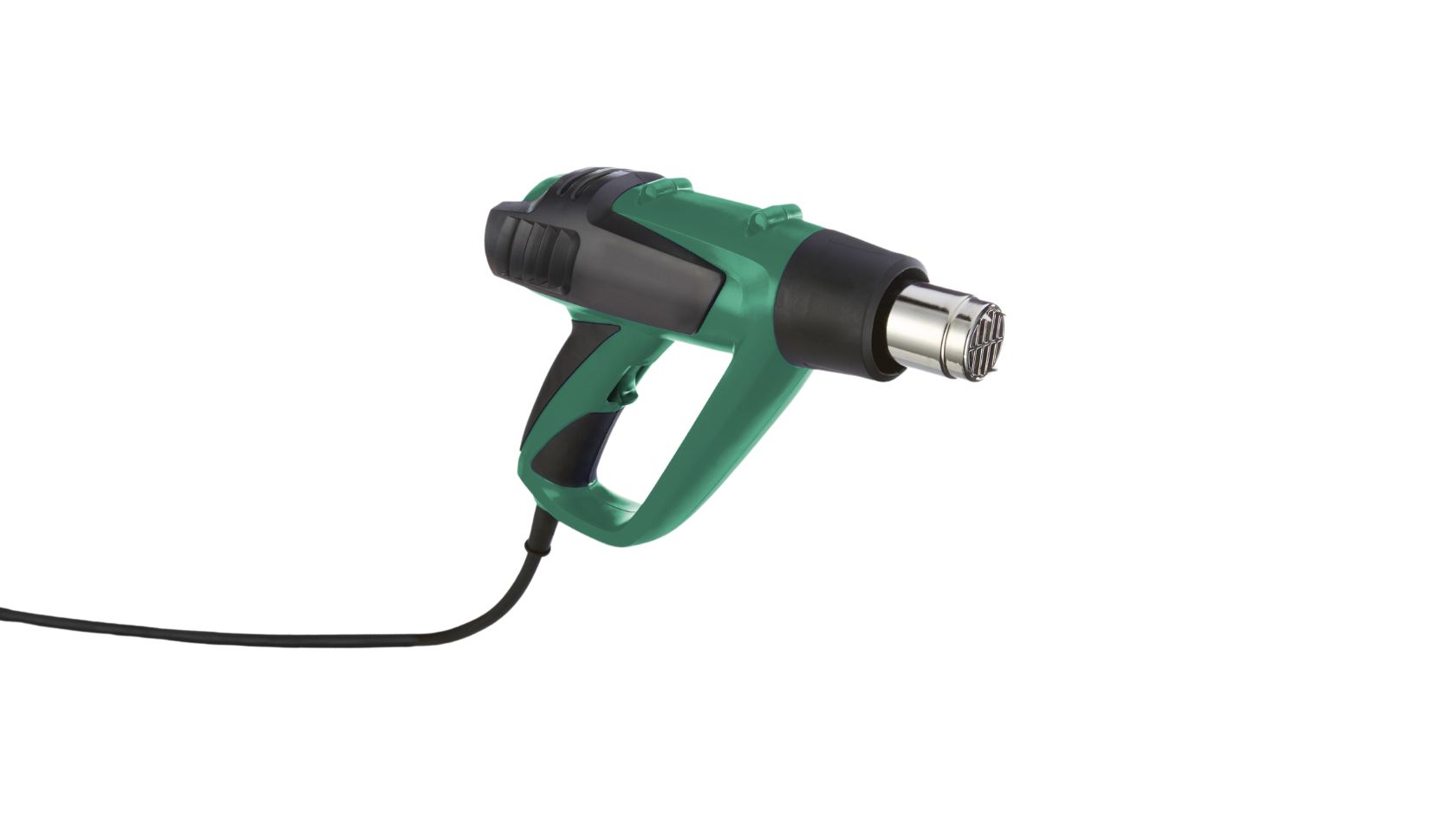
Automotive maintenance, repair, and customization become much easier if you have the right tools at your disposal. The heat gun is one such versatile tool that often flies under the radar but deserves more attention. Heat guns offer various benefits while detailing different car and motorcycle parts. In this blog post, we’ll explore how a heat gun can be a game-changer for automotive enthusiasts, delving into its automotive applications, benefits, and usage. You will also find comprehensive details on buying factors for choosing a heat gun and the 3 best heat guns to make your selection easier. A heat gun is a handheld device that releases a stream of hot air when activated. It typically features adjustable temperature settings and a nozzle that directs the hot air where needed. One of the most common uses of a heat gun in automotive work is paint removal. A heat gun can efficiently soften and strip away layers of old paint while restoring or customizing your vehicle’s appearance. The process with a heat gun is quicker and less abrasive than using chemical paint strippers, reducing the risk of damaging the underlying surface. A heat gun is also indispensable for achieving a smooth and wrinkle-free finish while vinyl wrapping cars or motorcycles. Using a heat gun, the vinyl can be made more pliable, which helps in stretching and conforming it to complex contours. This ensures a professional-looking result. Many automotive components, such as bumpers and interior trim pieces, are made of plastic. When these parts crack or break, a heat gun can be used for plastic welding and repair. By melting the plastic together, you can restore the integrity of the component, saving you money on replacement parts. Heat guns are also effective for removing rust from metal surfaces. Heating the rusted area makes it easier to scrape or brush away. Additionally, if you have stubborn adhesive residue from stickers, decals, or trim, a heat gun can soften the adhesive, making it simpler to remove. Lastly, electrical work! Heat guns are invaluable for heat-shrink tubing applications. They evenly and precisely shrink the tubing around wires and connectors, providing electrical insulation and protection. This is crucial for custom wiring jobs or repairs. Precision and Control – Heat guns provide precise temperature control, allowing you to tailor the heat output to the specific requirements of your automotive task. This precision is especially crucial when working on delicate components or when avoiding damage to adjacent areas. For example, vinyl wrapping! Using a heat gun, you can heat the vinyl at just the right temperature to make it pliable without risking overheating and damaging the material. This level of control ensures a smooth and bubble-free application. In contrast, using a torch or an open flame lacks the precision of a heat gun and can easily scorch or ignite materials, making it unsuitable for many automotive applications. Time Efficiency – Miscellaneous mechanical methods such as scraping or using of chemical solvents on automotive tasks can be time-consuming. Moreover, it may also not yield neat and efficient results. Heat guns, on the other hand, can significantly reduce the time required to perform different automotive works. The controlled heat applied by a heat gun speeds up any process related to paint removal, softening adhesive, or molding plastic components. Without a heat gun, these processes can be tedious and lengthy. Versatility – Heat guns are versatile tools that can handle a wide range of automotive tasks. With a heat gun in hand, you can perform paint stripping, plastic repairs, electrical work, and many more. In comparison, other tools may be specialized for specific tasks which means investing in a variety of equipments for a single task. A heat gun is a go-to tool for various projects eliminating the need for multiple tools. Safety and Environmentally Friendly – When removing old paint using chemical strippers, you expose yourself to potentially hazardous chemicals and generate toxic fumes. In contrast, a heat gun eliminates these risks while effectively softening the paint for removal. Heat guns are generally safer and more environmentally friendly than alternative methods. They don’t emit harmful fumes or require the use of chemicals, making them a cleaner option. Here is the list of 3 best heat guns for your automotive work that will save you time on researching and reduce confusion: As an Amazon Associate, we may earn a small commission if you purchase any product by clicking the links without any additional cost to you. SEEKONE Heavy-duty Heat Gun If you’re in search of a heat gun that can handle a diverse range of applications with ease, the SeekOne 1800 Watt Heat Gun deserves your attention. The SeekOne heat gun packs a hefty 1800 watts of power under its hood. It’s equipped with a straightforward two-position switch, allowing users to toggle between low and high settings. This versatility ensures that you have the right amount of power for various tasks. The variable temperature control option is accessible via a wheel on the back of the heat gun. This feature provides precise control over the heat output, making it suitable for an extensive array of applications. This heat gun can reach temperatures exceeding 400 degrees quite effectively for various heating tasks without compromising reliability and accurate temperature control. SeekOne has included several attachment accessories to maximize the heat gun’s versatility. These attachments include concentrators designed to focus heat on smaller areas, a scraper-style attachment for wider heating bands, and a deflector plate. The deflector plate can be customized to create specific heat distribution patterns, making it ideal for precision work. There is a built-in kickstand that allows the heat gun to stand upright on a flat surface, freeing up your hands for more precise tasks. This feature is especially handy when working with wires or performing heat shrink applications. In terms of safety, users get an on/off switch on the back of the gun. The variable temperature control wheel also contributes to precise heat adjustments. These safety features ensure that users