



A night drive can feel very different from a day drive. Oncoming cars, streetlights, reflections on the windshield, and darker roads may all make it difficult to see comfortably. These difficulties cause halos, glare, eye strain, or difficulty in seeing objects during low-light conditions for some drivers.
This has led to an increased market in night driving glasses, which are most commonly marketed as a low-profile solution to glare and better night vision. A few products are available using yellow or amber lenses, and some are interested in anti-reflective or specialized lens treatments.
This guide examines the myths prevalent in the use of night driving glasses, their possibilities of creating a danger, and the viable measures that may ensure driving at night is more comfortable.
Why Does Night Driving Feel More Difficult?
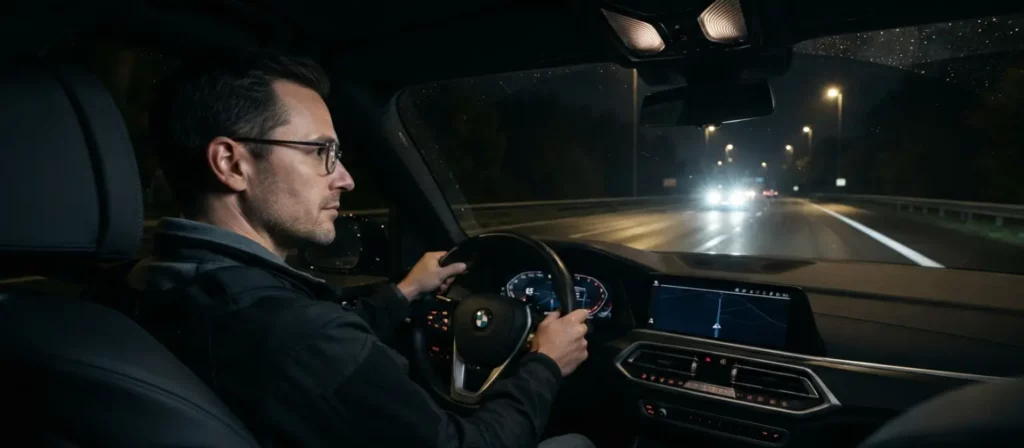
Your eyes receive much less light at night than during the day. This means your vision has to work harder to identify objects, road markings, pedestrians, and other vehicles.
At the same time, bright lights can become much more noticeable against a dark background.
Common nighttime challenges include:
- Headlight glare
- High beams
- Windshield reflections
- Wet-road reflections
- Reduced contrast
- Dark areas outside illuminated roads
- Eye fatigue
Myth 1: Yellow Glasses Automatically Improve Night Vision
A common argument is that yellow or amber lenses automatically improve night vision.
The yellow lenses are able to modify the appearance of light, and the visual environment may look more comfortable to certain individuals. But this does not always mean they improve your ability to detect hazards.
Myth 2: Darker Lenses Mean Better Glare Protection
It may also be understandable that a darker lens would block more glare. But nighttime driving is already a low-light activity.
When a lens blocks too much light, it can make dark areas even harder to see. This is especially crucial on roads with no streetlights.
On this account, it is not advisable when driving at night to wear sunglasses that are highly colored. There must be sufficient light transmission to the drivers to recognize objects and road changes.
Myth 3: Night Driving Glasses Give You Night Vision
Passive eyewear is regular night driving glasses. They don’t electronically amplify light or create an enhanced image of the road.
Night-vision glasses sold as products designed to enhance night vision should not be mistaken for electronic night-vision devices.
Night-driving glasses may contain:
- Clear lenses
- Yellow or amber tints
- Anti-reflective coatings
- Prescription correction
- Special lens treatments
What Are the Potential Benefits?
Although specialised glasses aren’t a guaranteed solution for better nighttime vision, certain features can still be useful.
Accurate Prescription
If you need glasses, having the correct prescription is one of the most important factors affecting nighttime vision.
Anti-Reflective Coating
Anti-reflective coatings can reduce reflections from the lens surface. This may be helpful when you’re dealing with bright headlights against a dark background.
Comfortable Frame Design
A lightweight frame that fits properly can make a difference during long journeys. Glasses shouldn’t slide down your nose or press against your temples.
What Are the Risks of Relying on Night Driving Glasses?
The biggest risk is assuming that glasses automatically make nighttime driving safer.
Other potential problems include:
- Excessive lens tint
- Reduced available light
- Altered colour perception
- Poor-quality optical materials
- Incorrect prescription
- False confidence
- Reflections from low-quality lenses
Good visibility is a combination of clear vision, vehicle maintenance, clean windows, and sensible driving behaviours.
Better Solutions for Nighttime Visibility
Instead of relying entirely on specialised glasses, focus on the entire driving environment.
Keep Your Windshield Clean
A dirty windshield can scatter incoming light and make headlights appear more distracting. Clean the inside and outside regularly, particularly before a long nighttime drive.
Clean Your Eyewear
Fingerprints, dust, and smudges can create additional reflections. Use an appropriate lens-cleaning cloth and solution.
Check Your Headlights
Headlights should be appropriate and effectively illuminate the road from their position. When they come out abnormally high or uneven and dim, have them checked.
Reduce Your Speed When Necessary
Rain, fog, darkness, and glare can reduce visibility. Reduce your speed when conditions dictate instead of expecting eyewear to make up for it.
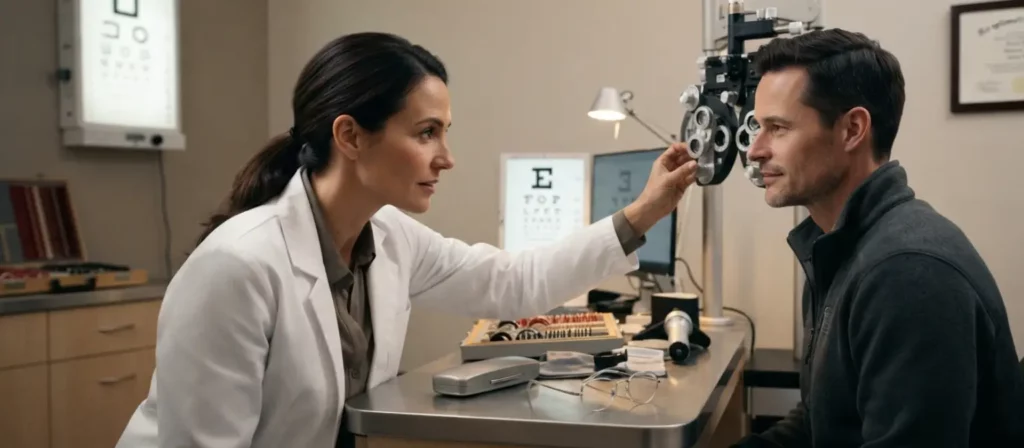
Get Your Eyes Checked
If you suddenly find nighttime driving difficult, an eye examination can help determine whether an outdated prescription or another vision issue is involved.
Related Read: Best Night Driving Glasses
FAQs
1. What to look for when buying night vision glasses?
Look for clear, high-quality lenses with suitable light transmission, accurate prescription correction if needed, and a good anti-reflective coating. The glasses should fit comfortably without blocking your peripheral vision.
2. How do you know if you need glasses for night driving?
If you regularly experience blurred vision, halos around headlights, difficulty reading road signs, excessive glare, or eye strain while driving after dark, consider getting an eye examination.
3. What are the disadvantages of anti-glare glasses?
Anti-reflective coatings can be useful, but they don’t eliminate glare from headlights or the road itself. Poor-quality lenses may also scratch easily or develop distracting reflections.
4. Why are night driving glasses yellow?
Yellow or amber lenses are commonly marketed for night driving because they can filter portions of the visible spectrum and change the appearance of bright light. Some users may find the resulting view more comfortable.
5. Can I wear yellow glasses all the time?
You can wear lightly tinted yellow glasses in some situations, but they may alter colour perception and brightness. Strongly tinted lenses aren’t generally appropriate for every lighting condition, particularly when driving in darkness.
The benefits of night driving glasses may seem like a convenient solution to headlight glare and bad visibility, but they should not substitute for good eyesight and safe driving habits. Yellow lenses can alter light appearance, but that does not necessarily indicate that you will be able to see hazards better.
If nighttime driving has become noticeably more difficult, don’t simply rely on a pair of tinted glasses. Get your eyes checked and find out whether there’s an underlying reason for the change. The right eyewear can improve comfort, but clear vision, good vehicle maintenance, and careful driving remain the most important parts of safe nighttime driving.